
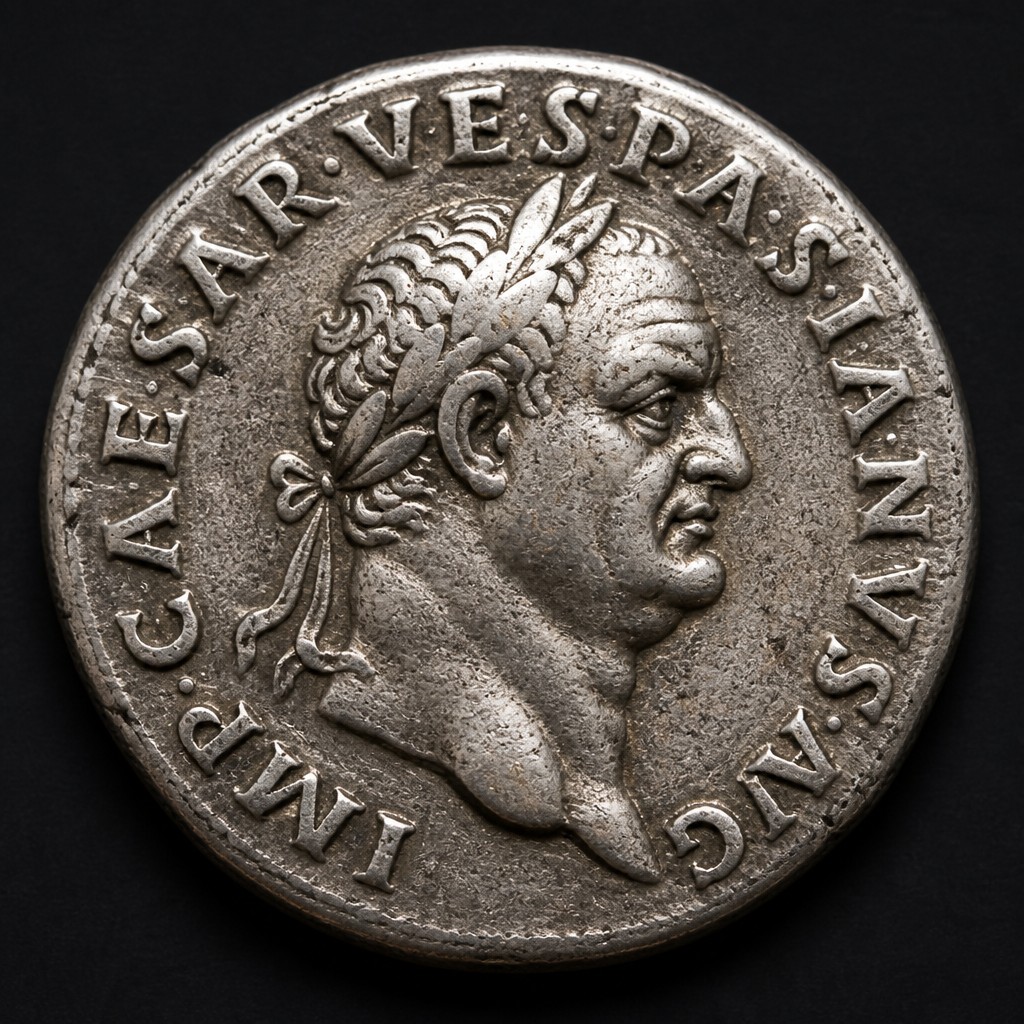
Vespasian Denarius
The silver coin of Emperor Vespasian, founder of the Flavian dynasty, notably including the famous 'Judaea Capta' series commemorating Rome's suppression of the Jewish revolt.
- Country
- Roman Empire
- Denomination
- Denarius
- Metal
- Silver (approx. 90-93% fine)
Got a coin like this?
Identify any coin from a photo, free.
Overview
The Vespasian denarius marks the coinage of the emperor who restored stability to Rome after the chaotic Year of the Four Emperors, founding the Flavian dynasty through his own practical, soldierly style of rule. Among his coin types, the "Judaea Capta" series stands out as one of the most historically significant and widely collected ancient Roman issues, directly commemorating Rome's brutal suppression of the Jewish revolt and the destruction of the Second Temple in Jerusalem in AD 70.
Collectors are drawn to Vespasian's coinage both for its connection to a pivotal, well-documented historical event and for the emperor's own compelling personal story, as a relatively low-born military commander who rose to found a new imperial dynasty. The Judaea Capta type in particular remains one of the most sought-after ancient Roman coin themes for collectors interested in biblical-era and Jewish history.
History & Background
Vespasian rose to power in AD 69, following the tumultuous Year of the Four Emperors that erupted after Nero's suicide the previous year, ultimately emerging as the last claimant standing and founding the Flavian dynasty. Prior to becoming emperor, he had been commanding Roman forces suppressing the Jewish revolt in Judaea, a campaign he handed off to his son Titus upon assuming the throne.
Titus completed the suppression of the revolt in AD 70 with the destruction of Jerusalem and its Second Temple, a devastating event in Jewish history that Vespasian's coinage commemorated extensively through the "Judaea Capta" ("Judaea captured") series, struck across multiple denominations including the denarius, sestertius, and aureus. These types were struck for years after the actual event, reflecting the propaganda value Rome placed on the victory.
Vespasian's reign, lasting until his death in AD 79, is otherwise remembered for restoring the Roman treasury after Nero's excesses, beginning construction of the Flavian Amphitheatre (the Colosseum), and establishing a stable, competent model of rule that his sons Titus and Domitian would continue as the Flavian dynasty.
How to Identify
The obverse shows Vespasian's practical, somewhat weathered portrait, typically laureate, reflecting his reputation as a no-nonsense military man rather than an aristocratic dynast, with a legend naming his imperial titles. His likeness is generally more rugged than the idealized portraits of some earlier Julio-Claudian emperors.
The famous Judaea Capta reverse type shows a mourning, veiled female figure personifying Judaea, seated beneath or beside a palm tree, sometimes accompanied by a standing captive Jewish man with hands bound, and a legend such as IVDAEA identifying the type. Other Vespasian reverse types include various deities and personifications, such as Pax (peace) or Fortuna, and references to his restoration of the state's finances.
The coin follows the standard small Roman silver denarius size of roughly 18-19mm. Collectors distinguish the denarius-denomination Judaea Capta type from the more visually elaborate sestertius and aureus versions of the same theme mainly by size and metal, while identifying Vespasian's coinage generally from his sons' later Flavian issues relies on the specific portrait and inscribed titles.
Value & Collectibility
The Judaea Capta denarius is one of the more popular thematic ancient Roman coin types, and demand from collectors interested in biblical-era and Jewish history has kept prices for genuine examples solidly above many other comparably common Vespasian types, typically ranging from a few hundred dollars for a modest example to considerably more for well-struck, higher-grade pieces. Non-Judaea Capta Vespasian denarius types are generally more affordable, often available for well under two hundred dollars in typical grades.
As with all ancient coinage, strike quality, centering, and clarity of the key design elements, particularly the palm tree and captive figures on Judaea Capta types, significantly affect value. The theme's broad appeal beyond specialist Roman collectors, extending to those interested in ancient Jewish and biblical history, helps sustain steady demand for well-preserved examples.
Frequently asked questions
What does 'Judaea Capta' mean?
It means 'Judaea captured' or 'Judaea conquered,' referring to Rome's suppression of the Jewish revolt and the coin series struck to commemorate it.
What historical event does this coin type commemorate?
It commemorates the Roman suppression of the Jewish revolt in Judaea, including the destruction of the Second Temple in Jerusalem in AD 70.
Who was Vespasian?
He was a Roman general who became emperor in AD 69 after the chaotic Year of the Four Emperors, founding the Flavian dynasty.
Was the Judaea Capta type struck in other metals?
Yes, it was struck across multiple denominations, including denarius, sestertius, and aureus versions, each with the same general captive-and-palm-tree theme.
Why is this coin popular with collectors?
Its direct connection to a major, well-documented historical and biblical-era event gives it broad appeal beyond typical Roman coin specialists.
Other coins you may enjoy
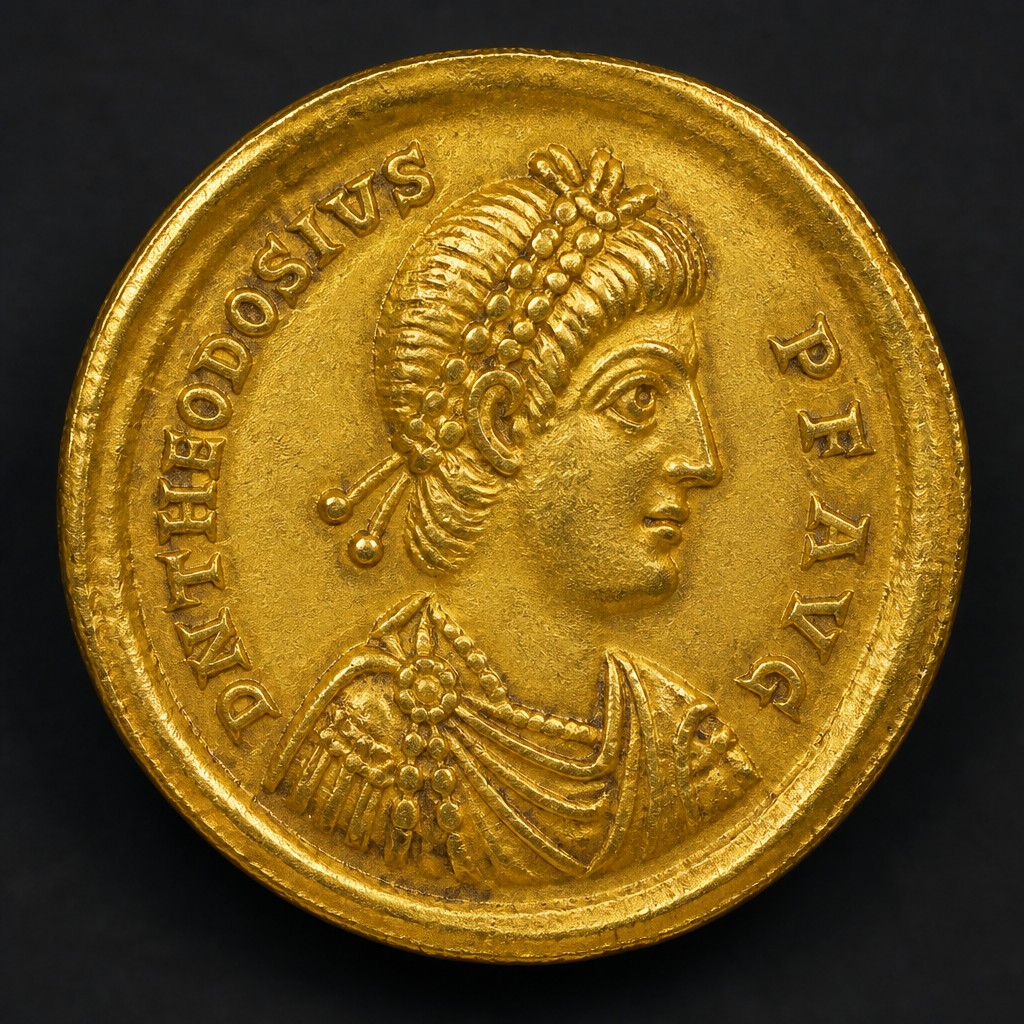
Theodosius I Solidus
379–395 AD
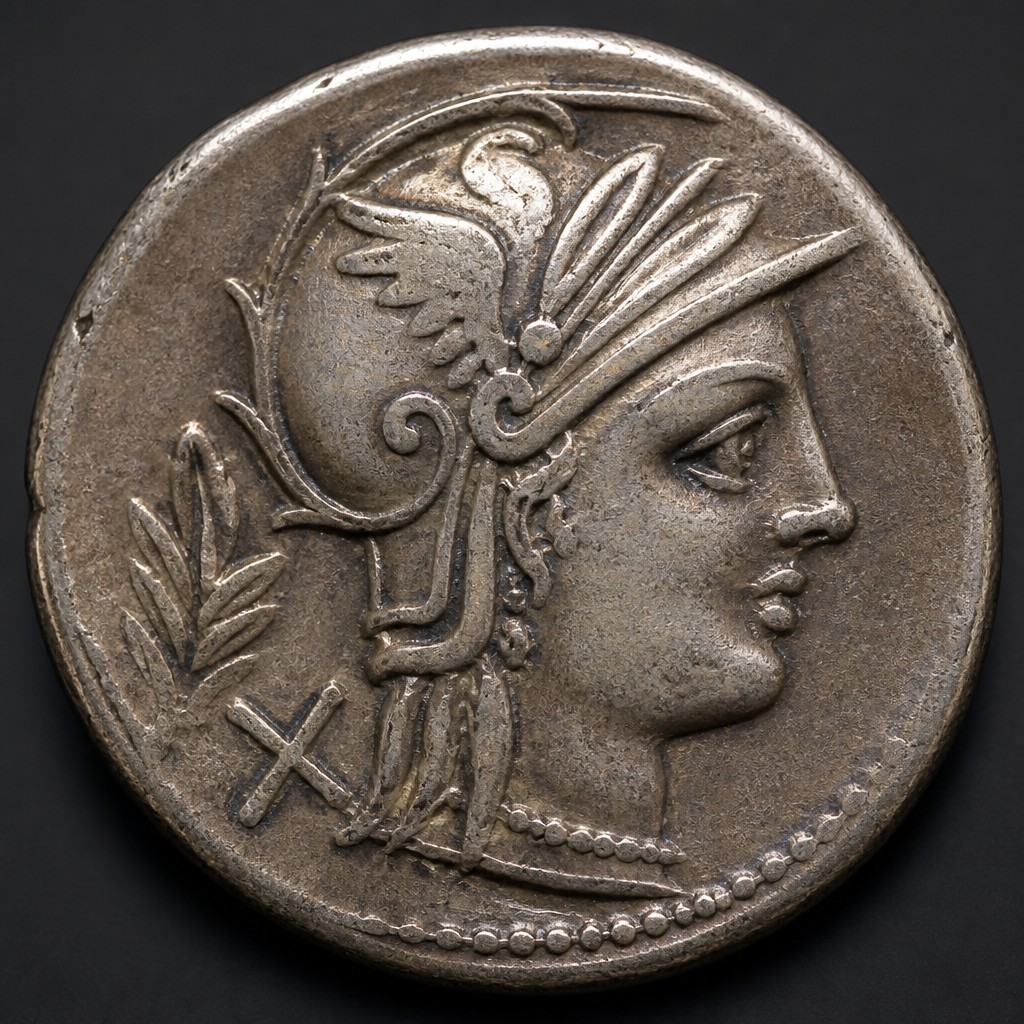
Republican Victoriatus
c. 211–170 BC
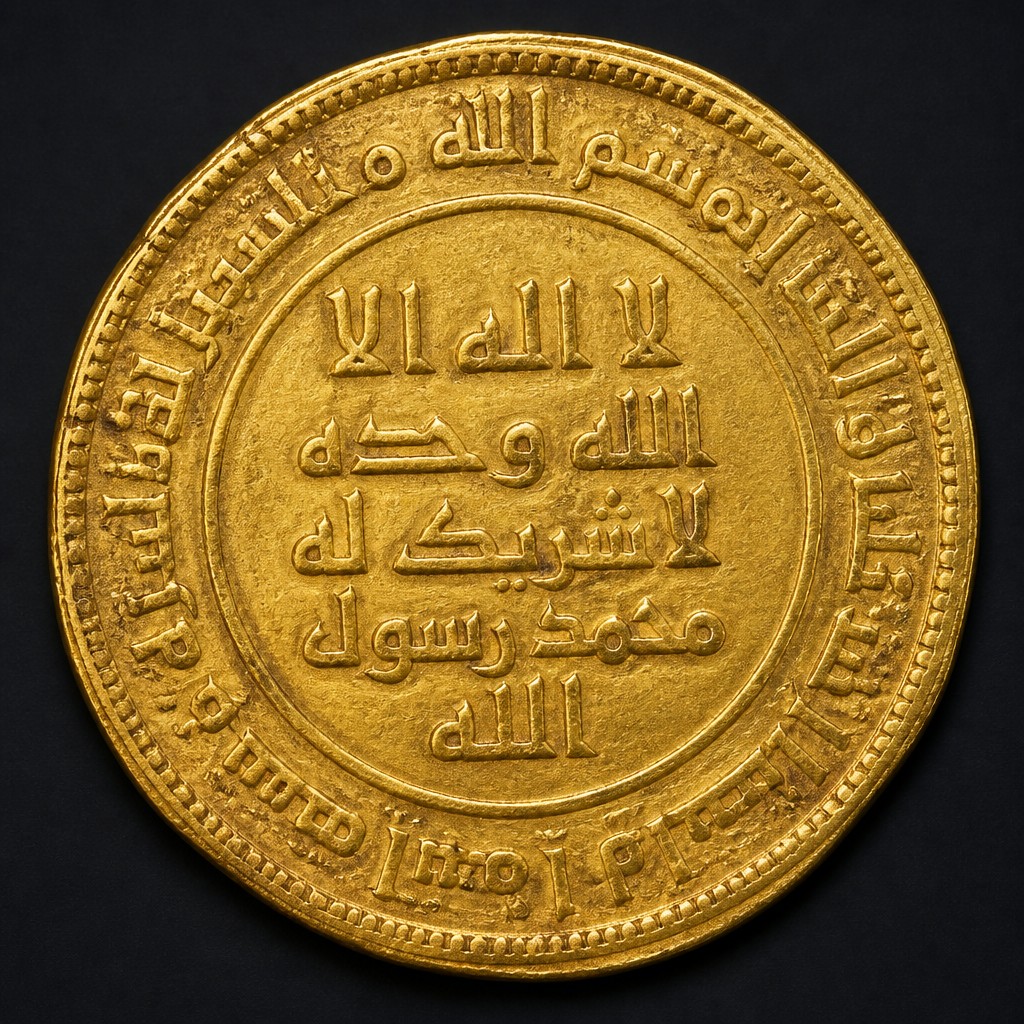
Islamic Gold Dinar (Umayyad)
c. 696–750 AD
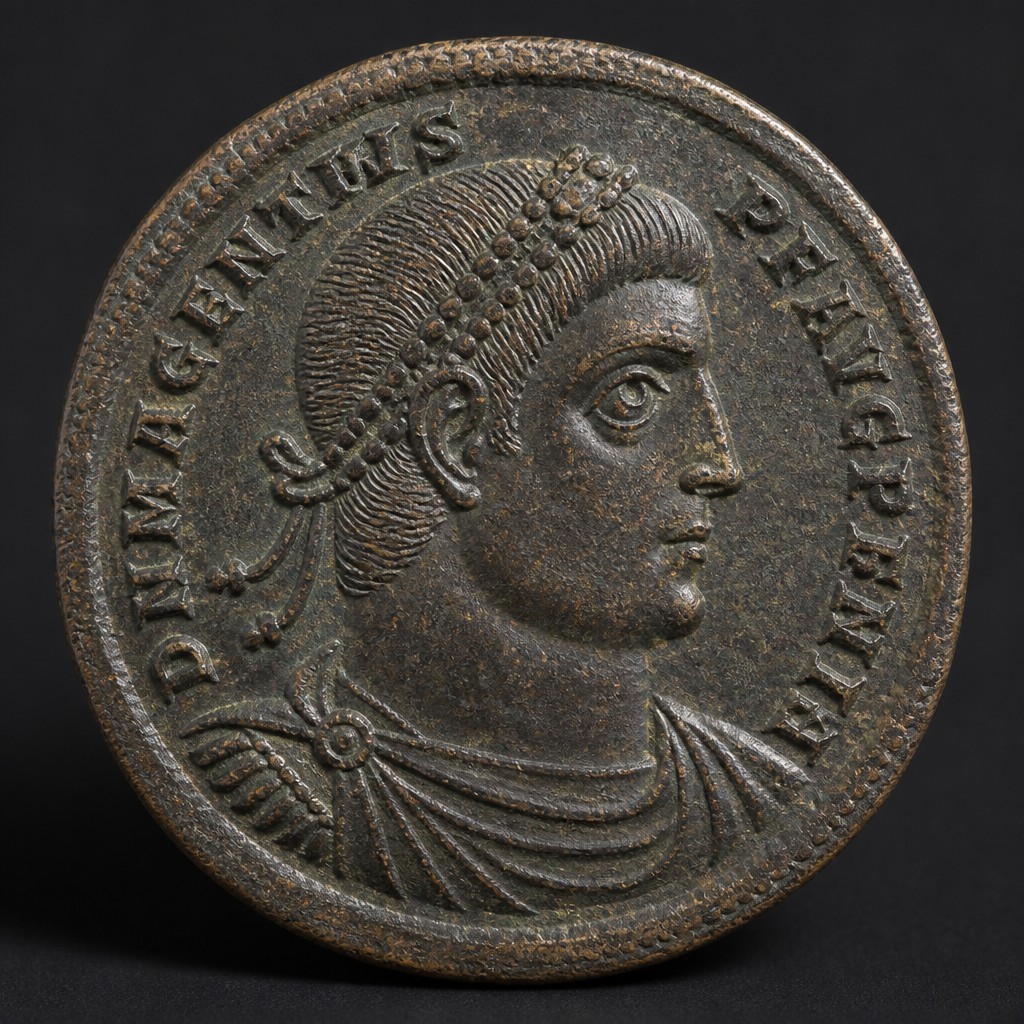
Magnentius Double Centenionalis
350–353 AD
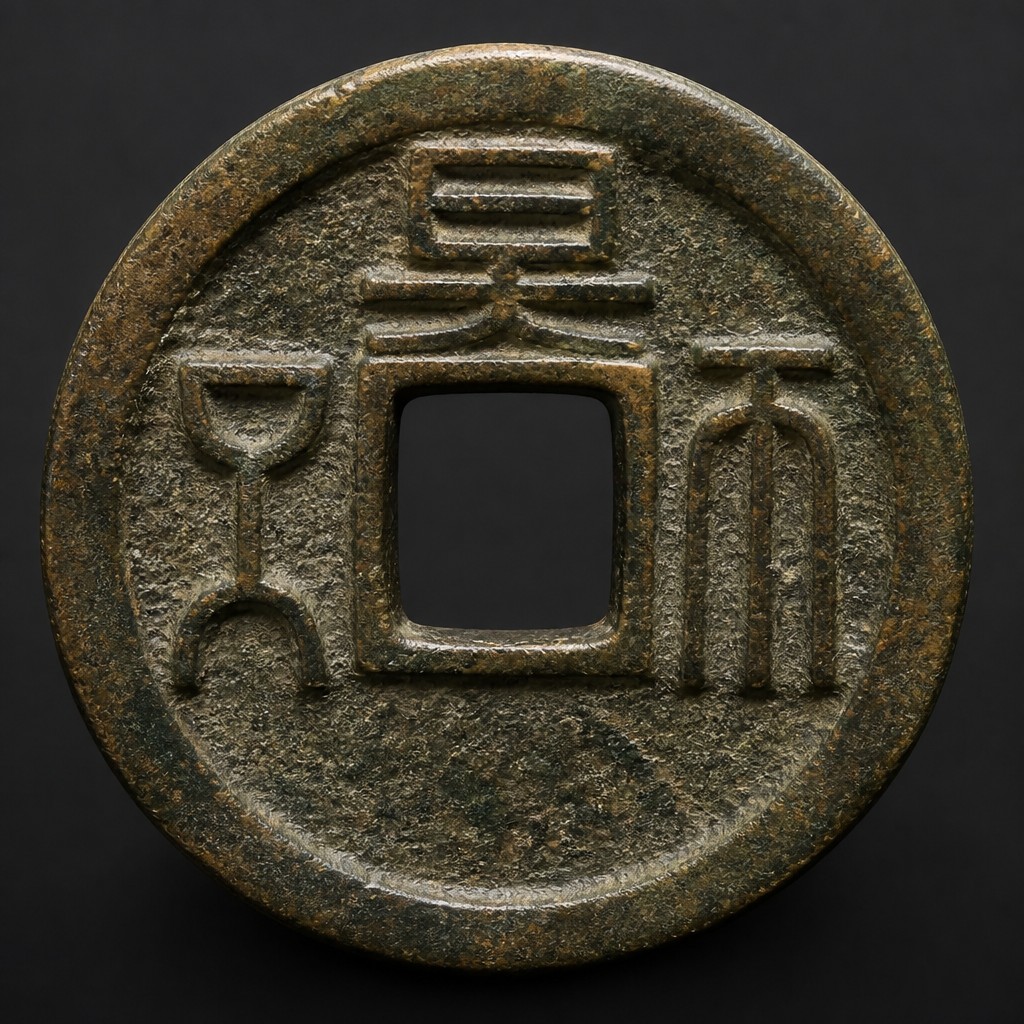
Chinese Wu Zhu Cash
118 BC – 618 AD
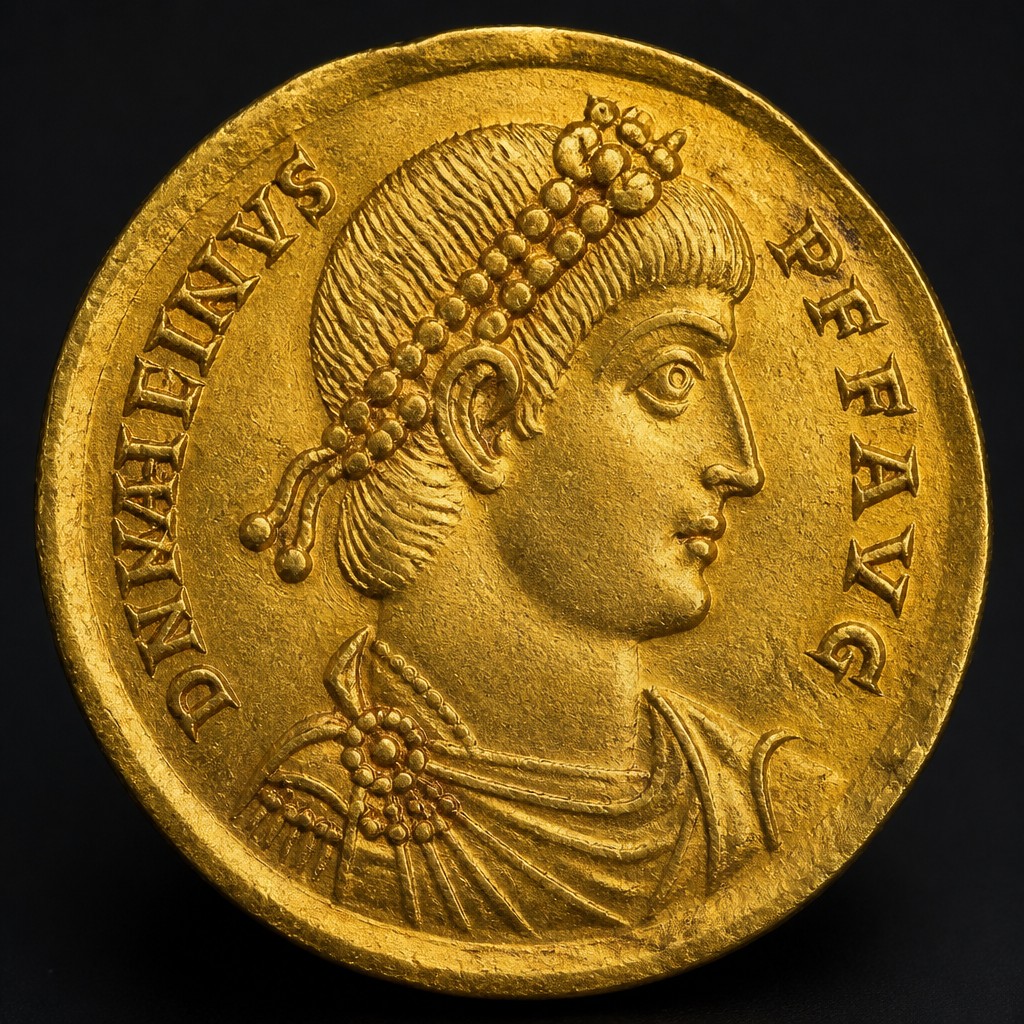
Valentinian I Solidus
364–375 AD
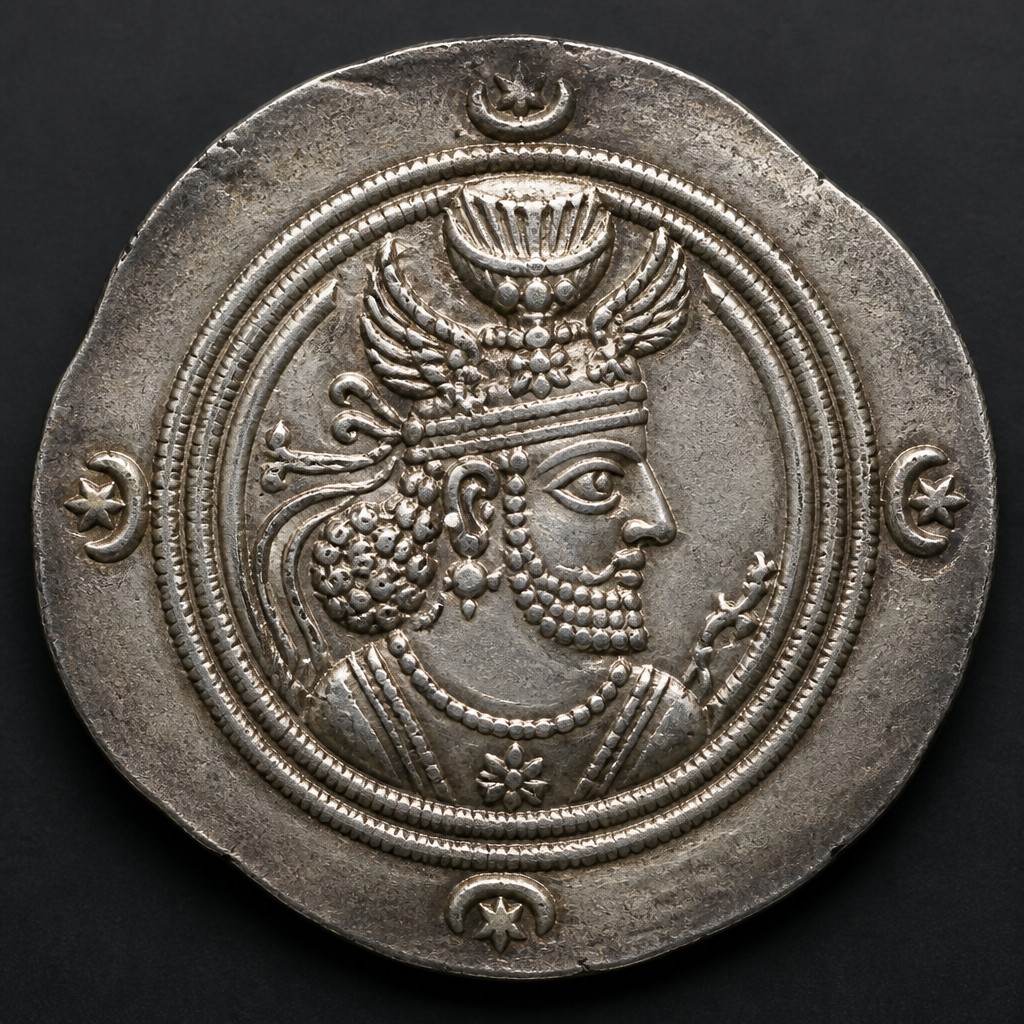
Sassanian Silver Drachm
c. 224–651 AD
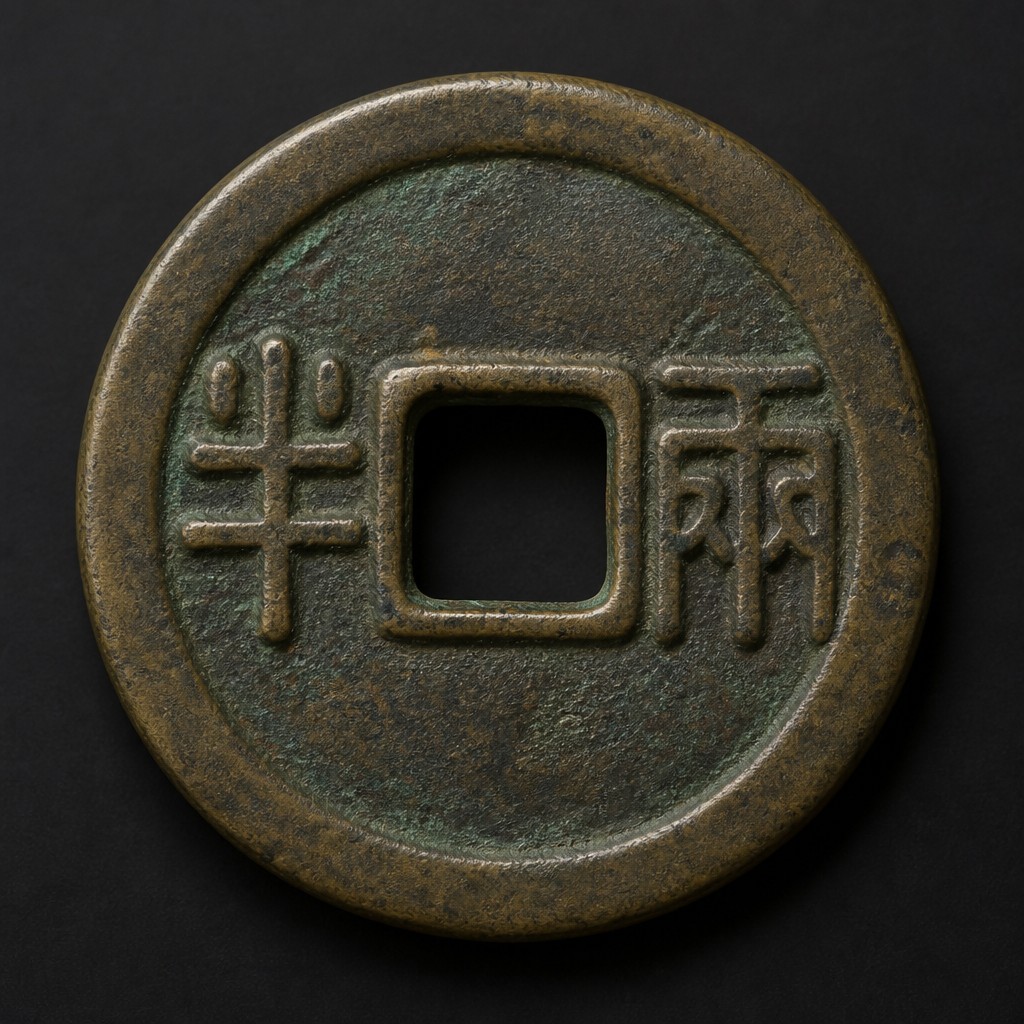
Chinese Ban Liang Cash
c. 221–118 BC
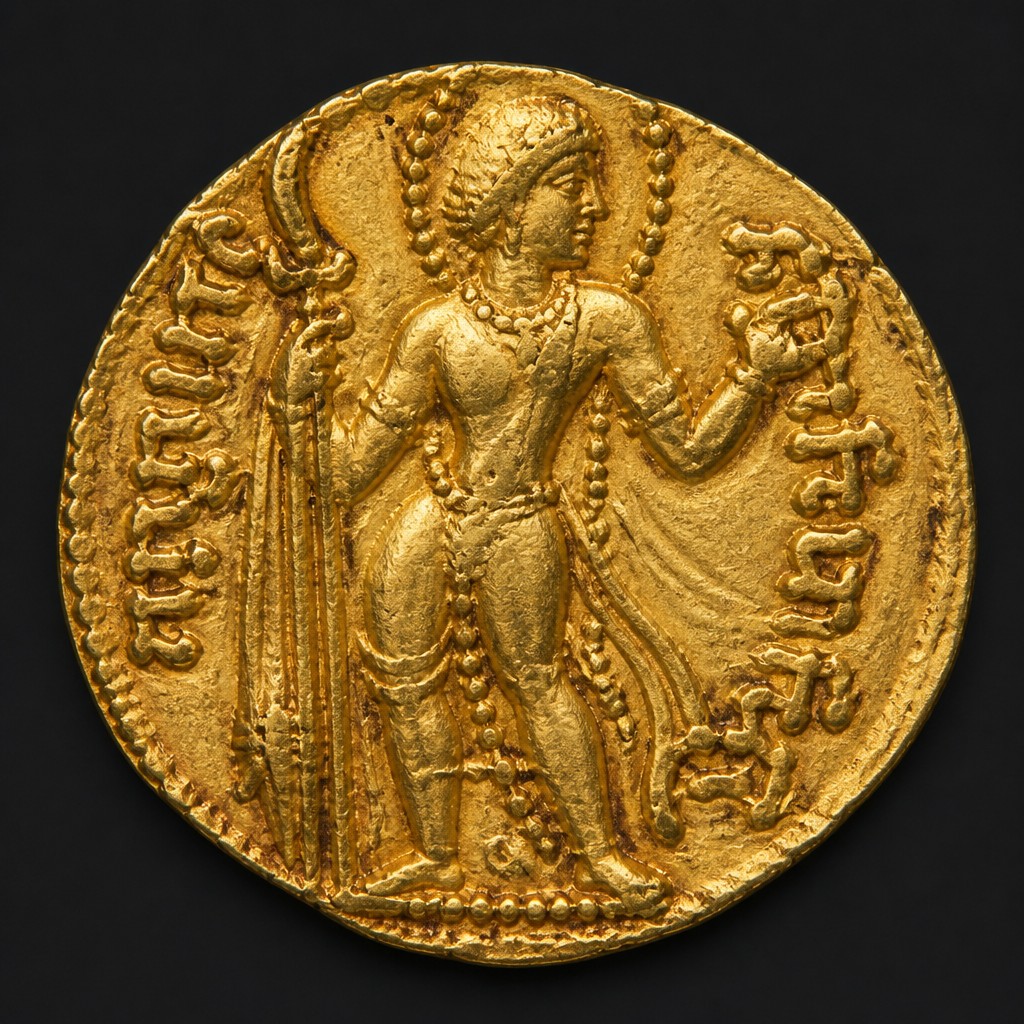
Gupta Empire Gold Dinar
c. 320–550 AD
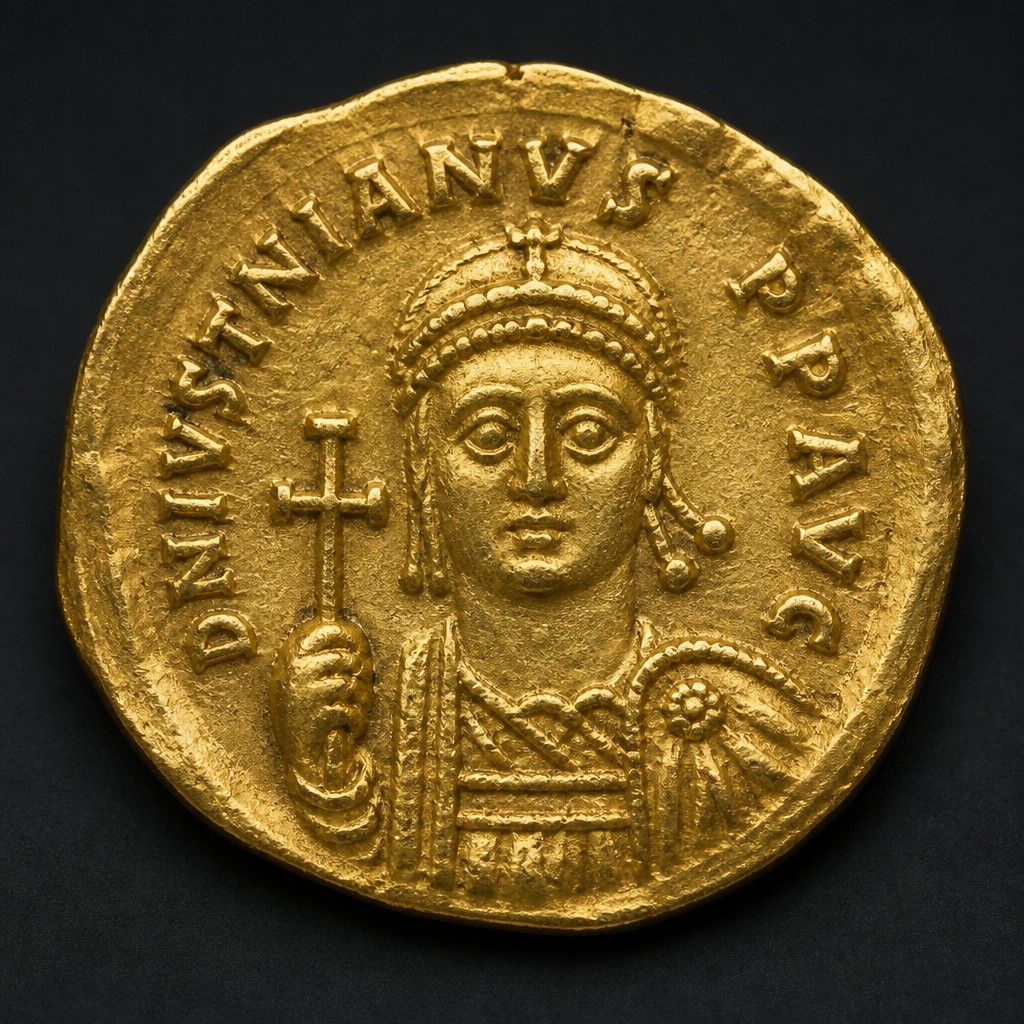
Byzantine Gold Tremissis
c. 4th–7th century AD
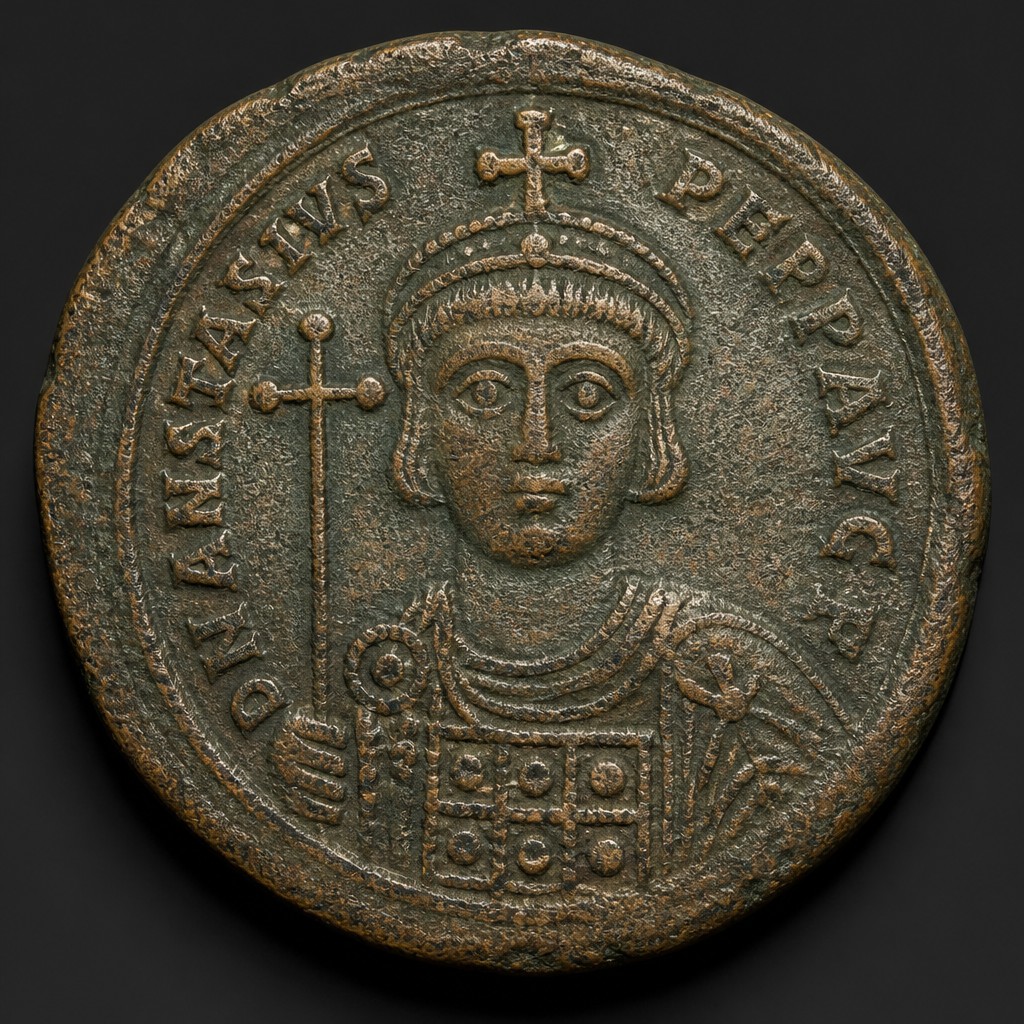
Byzantine Follis
498–c. 11th century AD
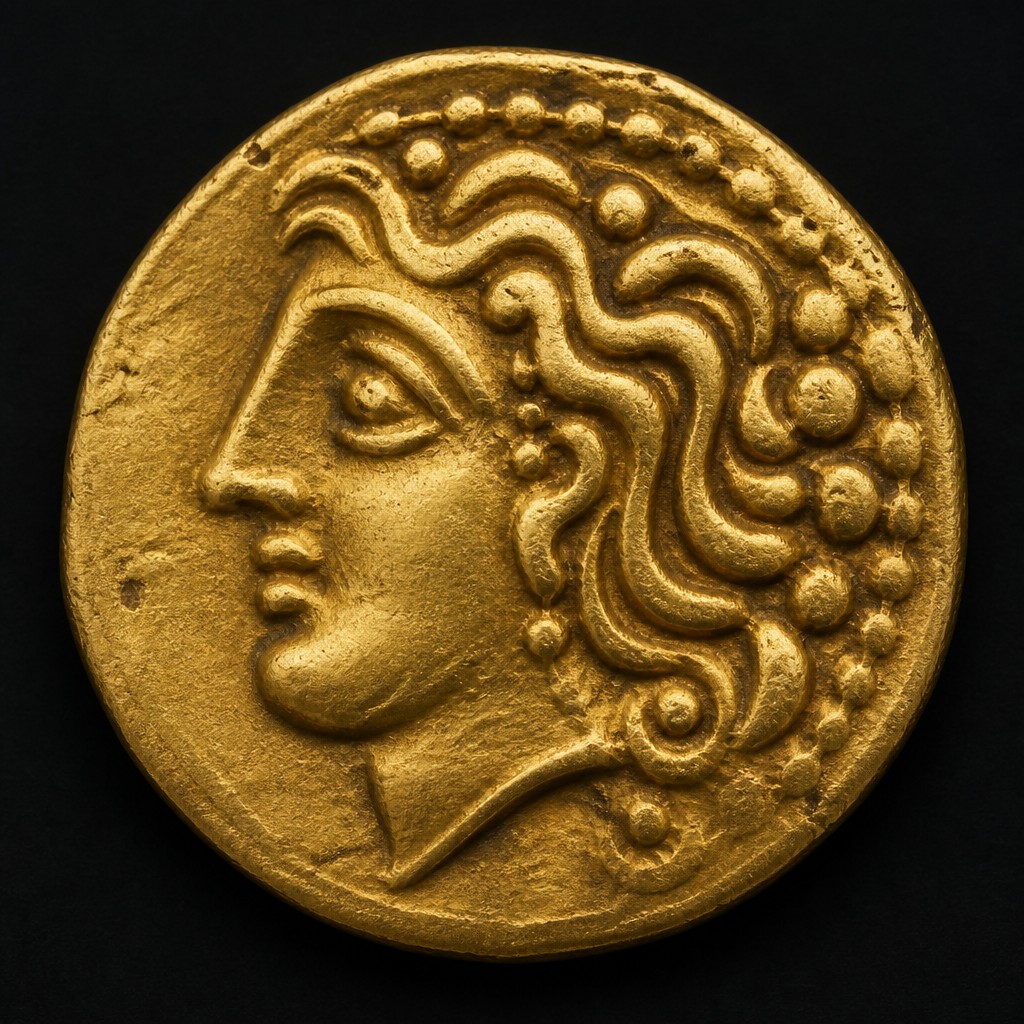
Celtic Gold Stater
c. 3rd century BC – 1st century AD