
Coin Encyclopedia
Search and identify coins from around the world — with country, denomination, metal, mint, history, and how to tell them apart.
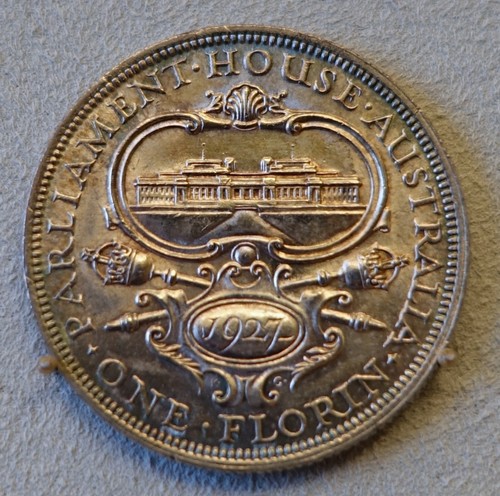
Australian Florin
Australia's pre-decimal silver two-shilling coin, showing the Commonwealth coat of arms with kangaroo and emu supporters and the reigning monarch.
World Coins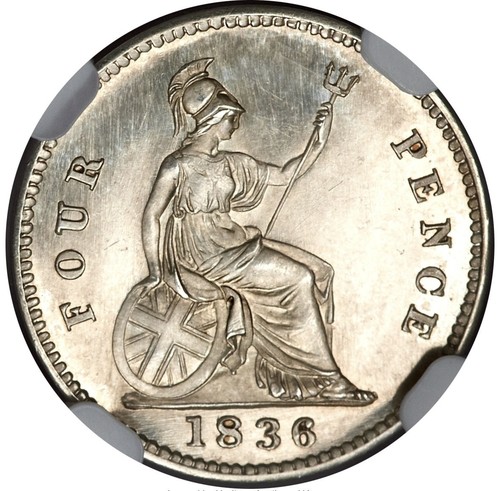
Groat of William IV
A small silver fourpenny piece of William IV (1836–1837), with a seated Britannia reverse; the coin that revived the modern British groat.
Milled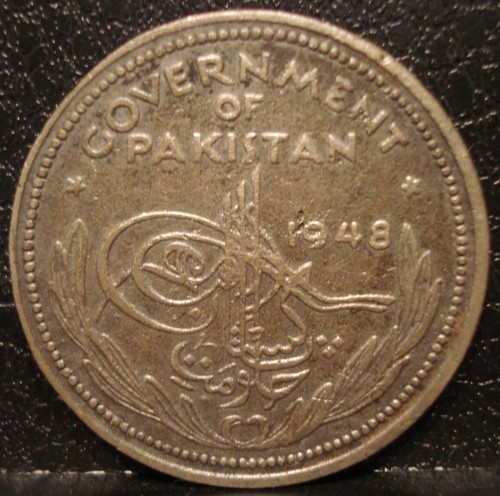
Pakistan One Rupee
An early coin of newly independent Pakistan, dated 1948, with the GOVERNMENT OF PAKISTAN legend framing an ornate Islamic geometric and floral design.
South Asia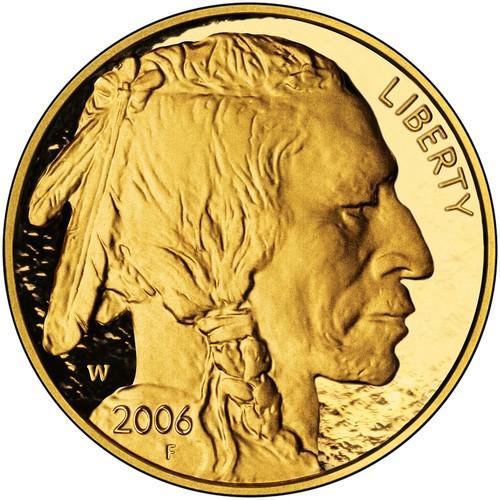
Buffalo Nickel
Iconic U.S. five-cent coin struck 1913–1938, with a Native American profile on the obverse and a standing American buffalo on the reverse.
Nickel Five Cent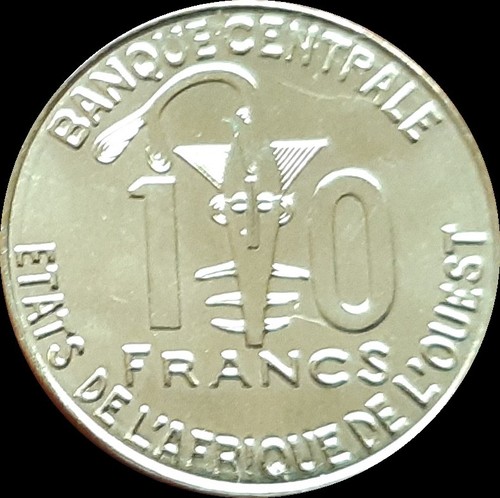
10 CFA Francs
A small modern circulation coin of the West African CFA franc zone, showing a stylized traditional emblem and the bold value 10.
World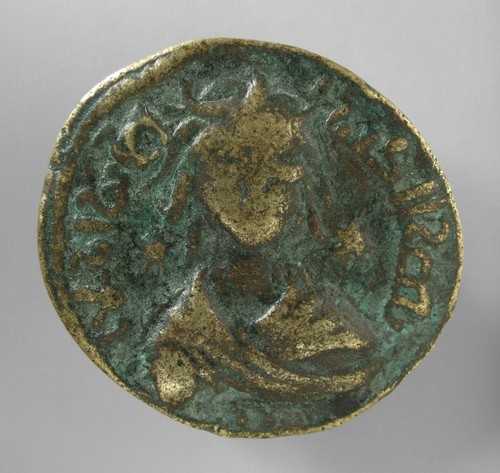
Artuqid Bronze Dirham
A 12th-century bronze coin of the Artuqid Turkmen dynasty, struck with Arabic inscriptions inside ornamental borders across eastern Anatolia.
Medieval Islamic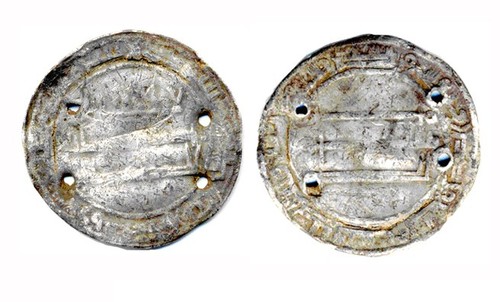
Imitation Abbasid Dirham
A thin, broad silver coin that copies an Abbasid dirham but was struck in northern Europe, with blundered pseudo-Kufic script and a piercing for wear.
Islamic (Medieval)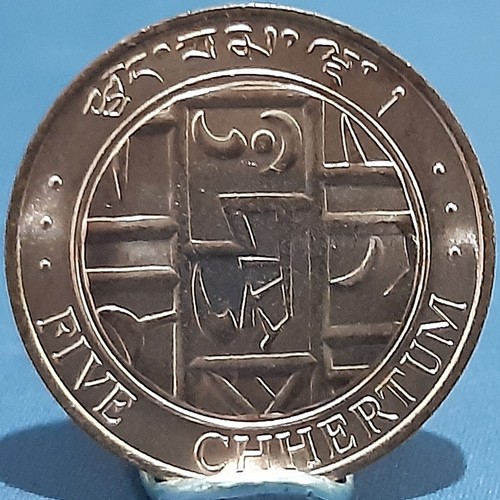
Bhutan 5 Sengtrum
A small cupro-nickel Bhutanese coin of 1979 worth five Sengtrum, with the national emblem on the obverse and a traditional architectural gateway on the reverse.
Himalayan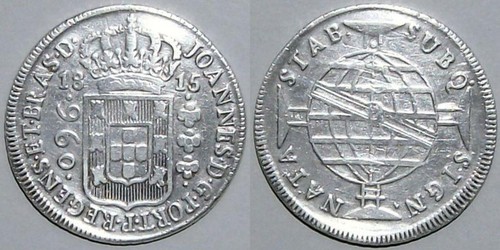
Patacao
A Portuguese silver coin known as the patacao, a larger member of the pataca family, carrying the royal coat of arms and a crowned heraldic shield.
Circulation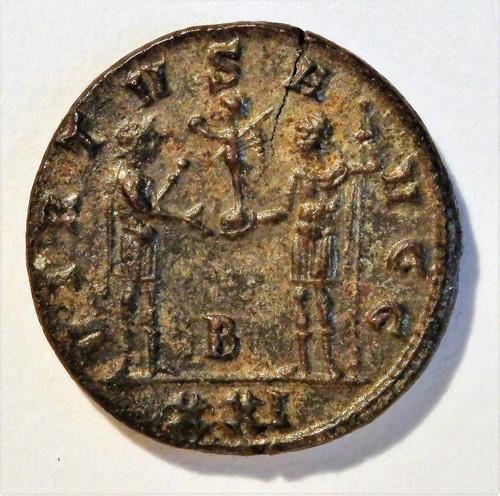
Antoninianus of Carinus
Bronze radiate coin of the emperor Carinus (283-285 AD), recognizable by his spiked crown and a standing or seated deity on the reverse.
Ancient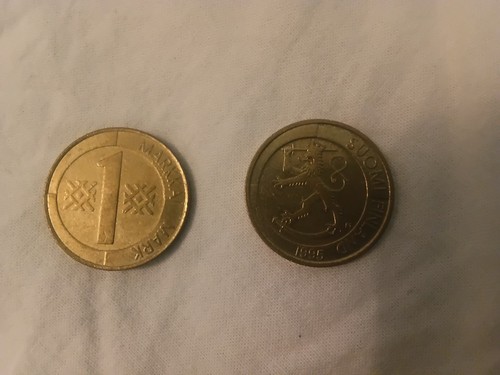
1 Markka
Finland's bimetallic one-markka coin (1993–2001), with a crowned heraldic lion on one face and a large numeral 1 on the other.
World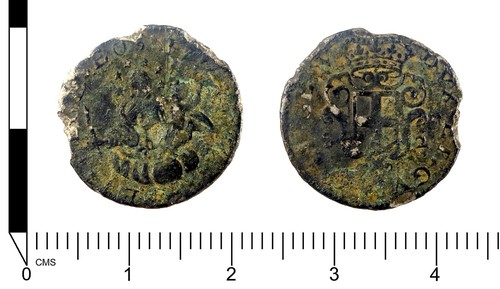
2 Soldi
A small base-metal coin of the Republic of Genoa worth two soldi, typically showing a heraldic lion and a fortified castle gateway.
Early Modern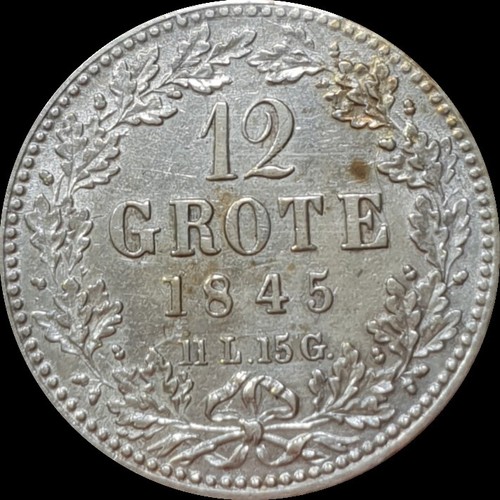
Bremen 12 Grote Thaler
A silver 12 Grote coin of the Free Hanseatic City of Bremen dated 1845, with an ornamental civic coat of arms and an allegorical reverse.
German States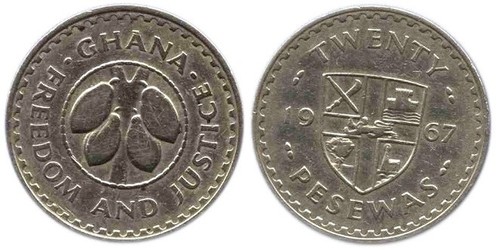
Ghana 20 Pesewas
A one-year 1967 Ghanaian coin bearing a national eagle and the motto FREEDOM AND JUSTICE, with the country's coat-of-arms shield on the reverse.
World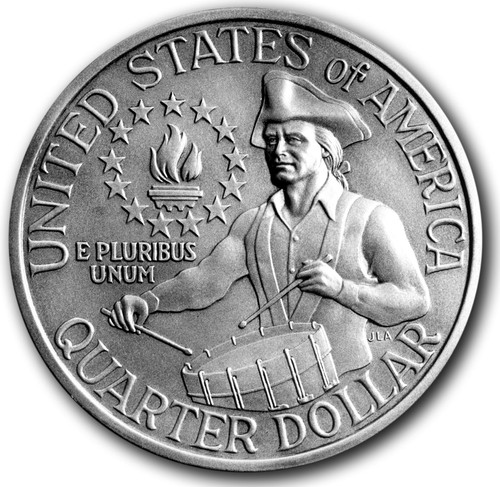
Bicentennial Quarter
U.S. 25-cent coin issued for the 1976 Bicentennial, pairing Washington's portrait with a Colonial drummer and the dual date 1776-1976.
Quarter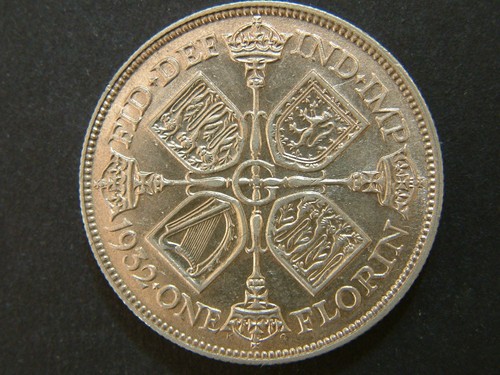
British Florin
A Victorian silver two-shilling florin with a crowned, veiled Victoria and a heraldic crowned-shields reverse; the pictured coin is dated 1890.
World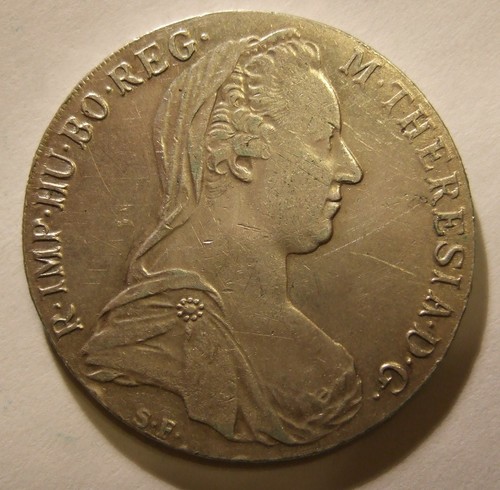
Maria Theresa Thaler
A large silver Austrian trade coin bearing the bust of Empress Maria Theresa, famously frozen at the date 1780 and restruck for centuries.
World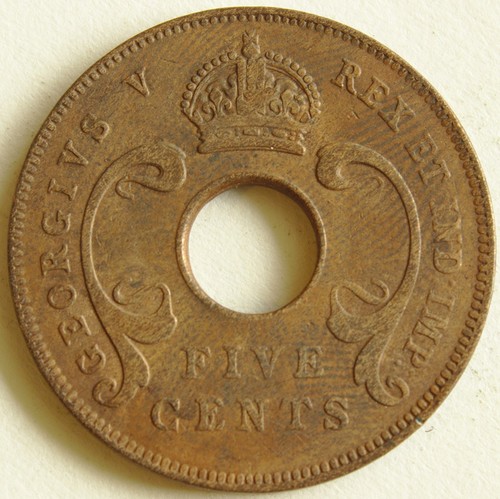
East African 5 Cents
A holed copper-nickel colonial coin with a crown above scrollwork and EAST AFRICA lettering, issued by the East African Currency Board.
World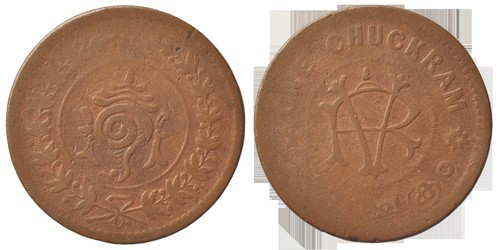
Travancore One Chuckram
Small copper one-chuckram coin of the princely state of Travancore, with the royal conch-shell emblem and a local-script denomination reverse.
Princely & Presidency States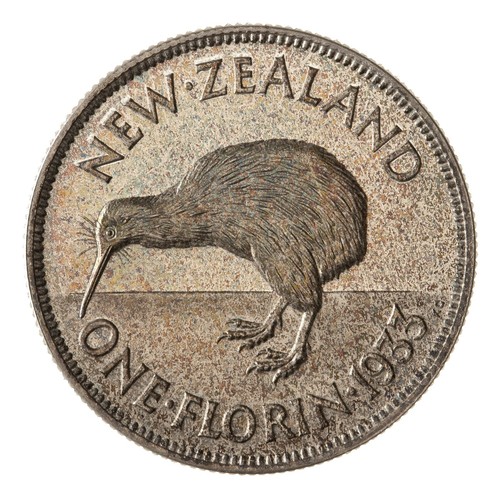
New Zealand Florin
New Zealand's silver two-shilling coin; this 1933 first-year example shows a kiwi and the legend NEW ZEALAND ONE FLORIN.
New Zealand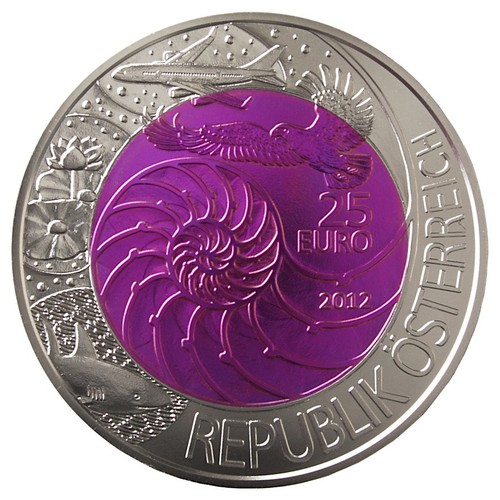
25 Euro (Bionik)
Austria's 2012 silver-niobium 25 euro coin, part of the Silver Niobium Series, with a purple niobium core and a Bionik (bionics) theme.
Commemorative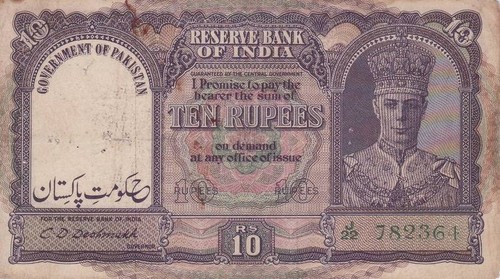
India 10 Rupees
A silver-era Indian coin carrying the profile of King George VI, struck during the final years of British India and the transition to the Republic.
Circulation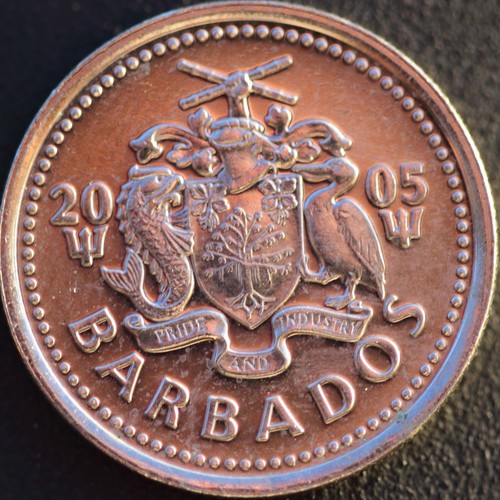
Barbados 10 Cents
A small copper-nickel Barbadian 10-cent coin showing the national coat of arms on one side and the value and country name on the other.
Circulation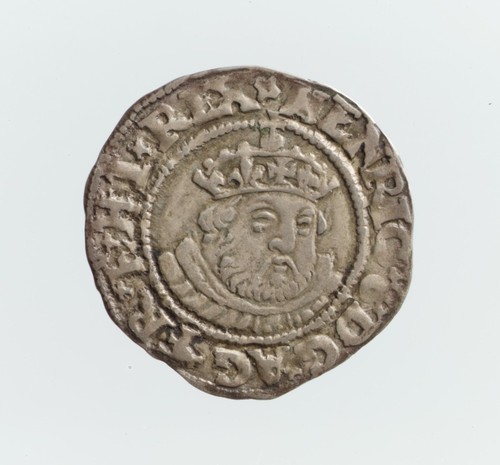
Half Groat of Henry VIII
A small hammered English silver coin worth twopence, struck across the reign of Henry VIII and bearing his crowned facing bust.
Hammered