
Bicentennial Quarter
U.S. 25-cent coin issued for the 1976 Bicentennial, pairing Washington's portrait with a Colonial drummer and the dual date 1776-1976.
- Country
- United States
- Denomination
- 25 Cents
- Metal
- Copper-Nickel Clad
Got a coin like this?
Identify any coin from a photo, free.
Overview
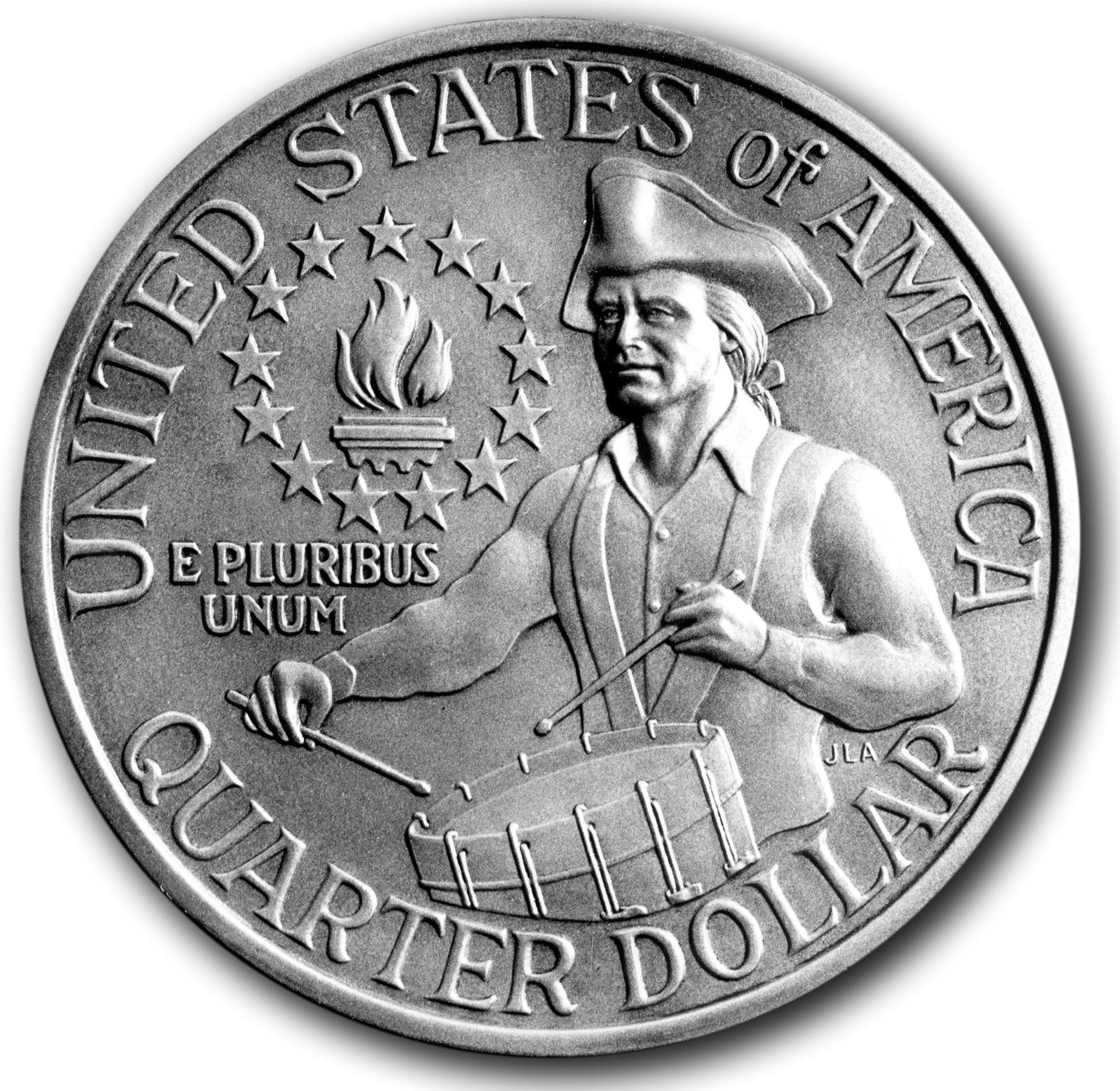
The Bicentennial Quarter is a United States twenty-five-cent coin issued to mark the 200th anniversary of American independence. The obverse keeps the familiar right-facing portrait of George Washington with "LIBERTY" above and "IN GOD WE TRUST" to the left, but the date is rendered as the dual inscription "1776-1976" rather than a single year. The reverse abandons the usual eagle in favor of a special one-year design: a Colonial military drummer with a drum, a victory torch encircled by thirteen stars, and the legends "UNITED STATES OF AMERICA," "QUARTER DOLLAR," and "E PLURIBUS UNUM."
The example shown here is a standard copper-nickel clad circulation coin. It measures about 24.3 mm in diameter, weighs roughly 5.67 grams, and has a reeded edge. Because it was made in enormous quantities for two years running, it remains one of the most commonly encountered special-issue U.S. coins and is still found in everyday change today.
History & Background
In preparation for the United States Bicentennial, Congress authorized redesigned reverses for the quarter, half dollar, and dollar, all carrying the dual date "1776-1976." No quarters were dated 1975; coins minted in both 1975 and 1976 bear the commemorative dual date. The quarter's reverse was chosen through a public design competition and was created by Jack L. Ahr, whose Colonial drummer motif replaced John Flanagan's eagle for the duration of the program.
Circulation coins were struck in the usual copper-nickel clad composition at the Philadelphia and Denver mints in very large numbers. The San Francisco Mint additionally produced special versions for collectors, including proof coins and a distinct 40% silver clad issue sold in mint and proof sets rather than released into circulation. After 1976 the quarter reverted to Flanagan's standard eagle design, making the drummer a one-time, two-year type.
How to Identify
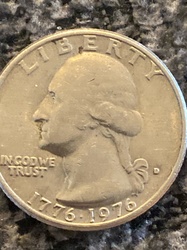
The obverse shows George Washington facing right, with "LIBERTY" arching across the top, "IN GOD WE TRUST" in the left field, and the dual date "1776-1976" below the truncation of the bust. The presence of that dual date, rather than a single four-digit year, is the quickest confirmation that a Washington quarter is a Bicentennial issue.
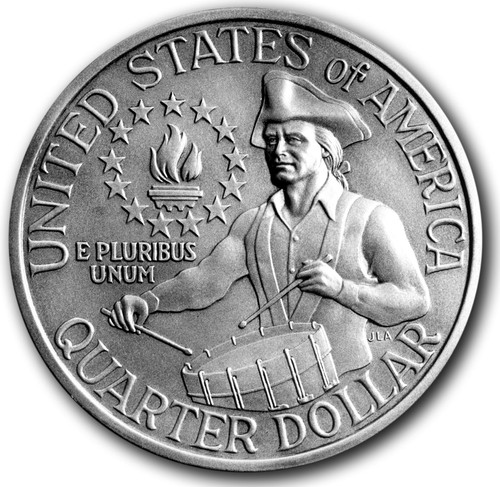
The reverse depicts a Colonial drummer facing left, beating a drum, with a torch of victory surrounded by a ring of thirteen stars at the upper left. "UNITED STATES OF AMERICA" curves around the top, "E PLURIBUS UNUM" appears in small letters, and "QUARTER DOLLAR" runs along the bottom. Standard circulation strikes are copper-nickel clad, showing a plainly visible copper-colored core along the reeded edge, about 24.3 mm across and near 5.67 grams. Mint marks sit on the obverse near Washington's ribbon: no mint mark for Philadelphia, "D" for Denver, and "S" for the San Francisco collector coins.
Value & Collectibility
The overwhelming majority of Bicentennial Quarters are ordinary copper-nickel clad coins made for circulation, and in worn condition they are worth only their face value of twenty-five cents. They were produced in the hundreds of millions, so age alone gives them no scarcity premium. Uncirculated examples with full original luster carry a small premium, and top-grade certified pieces with exceptional strike and surfaces can bring more from condition-focused collectors.
The coins that carry meaningful extra value are the special San Francisco issues: the 40% silver clad uncirculated and proof versions sold in collector sets, which are worth more for their silver content and collector appeal, and high-grade proofs. Errors and major die varieties can also command premiums. Everyday circulated drummer quarters found in pocket change, however, are common and are valued at face; claims of large sums for typical circulated examples are not supported by the coin's enormous mintage.
Frequently asked questions
Why does my 1976 quarter say 1776-1976?
The dual date marks the 200th anniversary of American independence. Quarters, half dollars, and dollars struck in 1975 and 1976 all carry the 1776-1976 dual date and special reverse designs for the Bicentennial.
What is the drummer on the back of the quarter?
It is a Colonial military drummer, a one-year commemorative reverse designed by Jack L. Ahr for the Bicentennial. It replaced the usual eagle only for 1975-1976, after which the eagle returned.
Is a Bicentennial Quarter made of silver?
Circulation coins are copper-nickel clad, not silver. Only the special 40% silver versions sold by the San Francisco Mint in collector sets contain silver; you can spot clad coins by the copper-colored stripe on the edge.
Are Bicentennial Quarters worth a lot of money?
Most are worth face value because hundreds of millions were made. Uncirculated coins bring a small premium, and the San Francisco 40% silver and proof versions are worth more, but typical worn examples are common.
Where is the mint mark on a Bicentennial Quarter?
On the obverse, to the right of Washington's neck near the ribbon. No mint mark means Philadelphia, "D" is Denver, and "S" indicates a San Francisco collector coin.
Bicentennial Quarter guides
In-depth guides for identifying, valuing, and collecting Bicentennial Quarter.
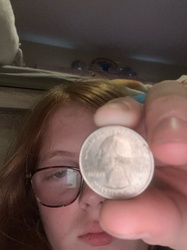
Bicentennial Quarter identified by the community
Real coins identified with Coin Identifier.
Other coins you may enjoy
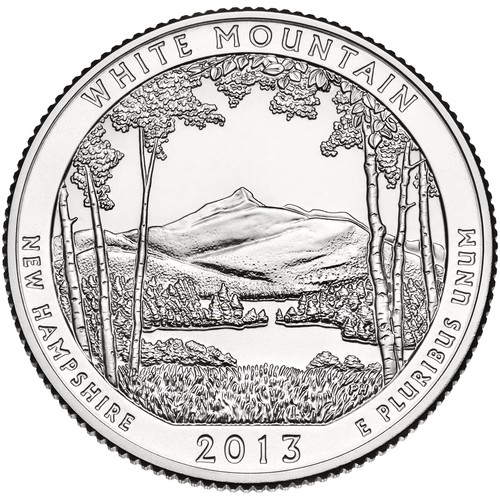
White Mountain Quarter
2013
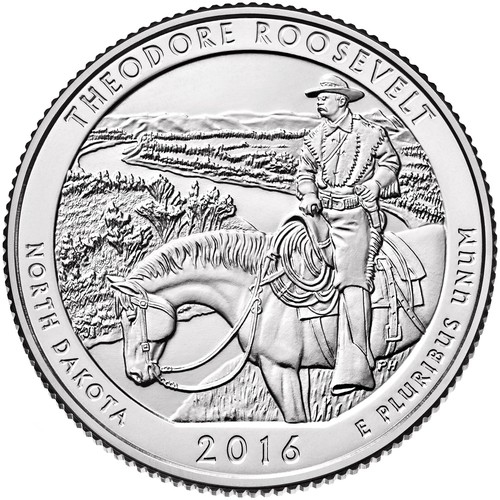
Theodore Roosevelt Quarter
2016
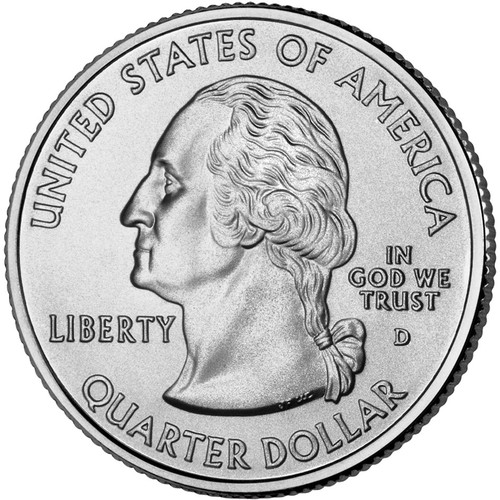
Washington Quarter
1932–present
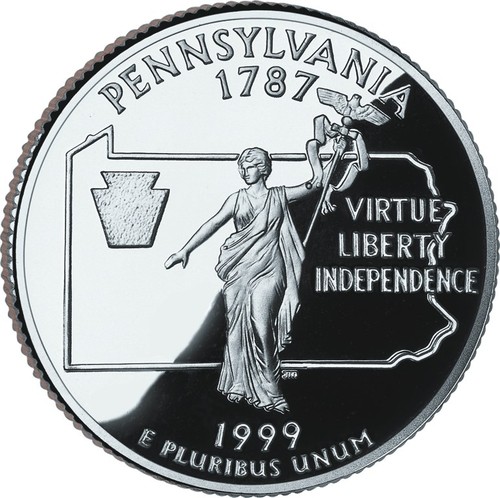
Pennsylvania State Quarter
1999
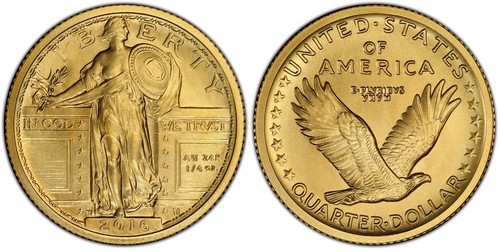
Standing Liberty Quarter Centennial Gold
2016
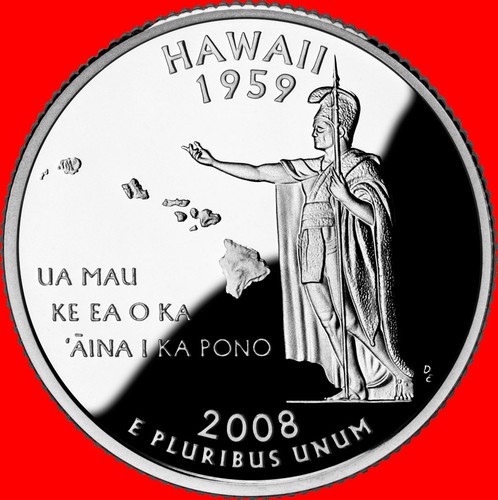
Hawaii State Quarter
2008
Cumberland Gap Quarter
2016
Standing Liberty Quarter
1916–1930
Seated Liberty Quarter
1838–1891
Shawnee Quarter
2016
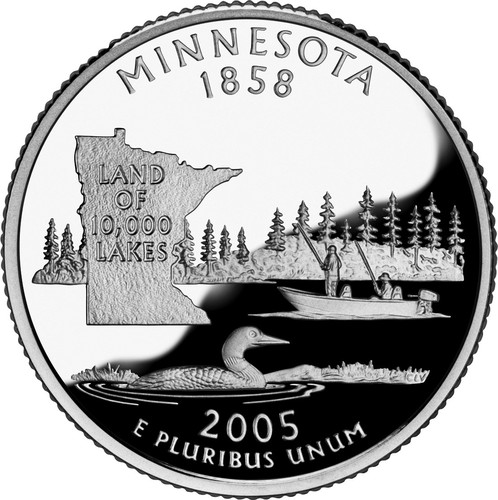
Minnesota State Quarter
2005
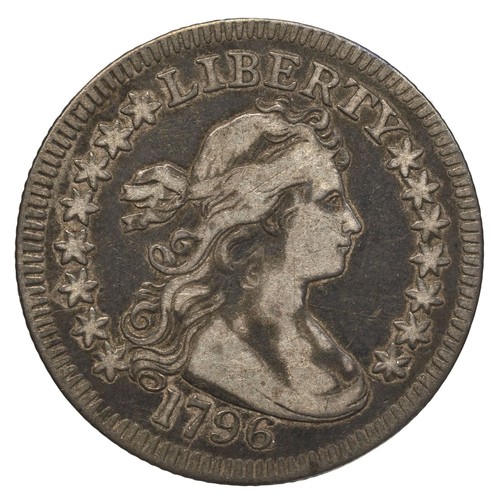
Draped Bust Quarter
1796, 1804–1807