Bhutan 5 Sengtrum
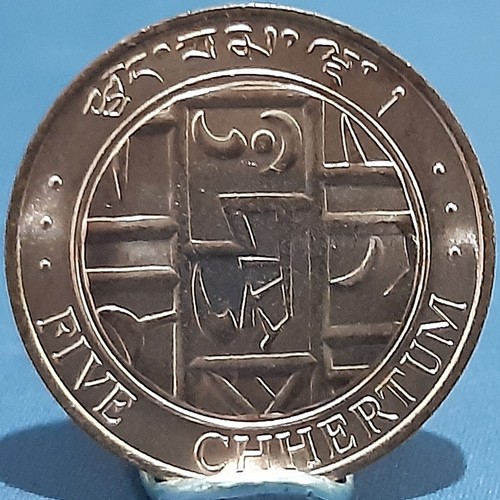
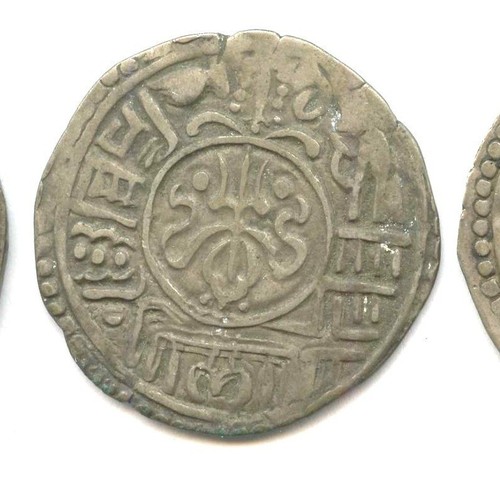
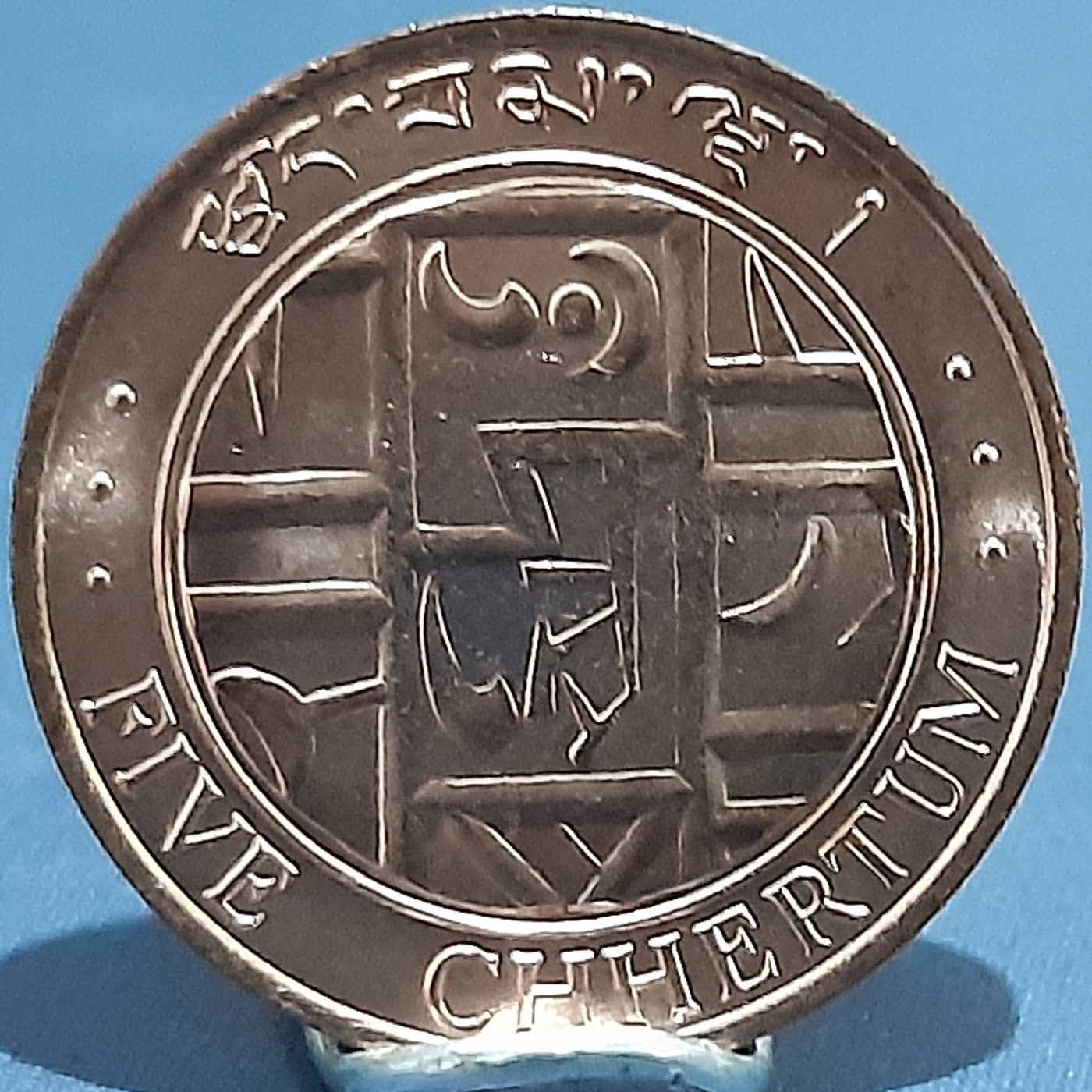
A small cupro-nickel Bhutanese coin of 1979 worth five Sengtrum, with the national emblem on the obverse and a traditional architectural gateway on the reverse.
- Country
- Bhutan
- Denomination
- 0.05 Ngultrum (5 Sengtrum)
- Metal
- Cupro-nickel
Got a coin like this?
Identify any coin from a photo, free.
Overview
The Bhutan 5 Sengtrum is a small circulation coin of the Kingdom of Bhutan, struck in cupro-nickel and dated 1979. It represents five Sengtrum, or five-hundredths of a Ngultrum, the decimal unit that Bhutan adopted as it modernised its currency in the 1970s. The obverse carries the national arms and emblem of Bhutan, while the reverse shows a traditional Himalayan architectural gateway, the design most collectors use to recognise the type at a glance.
As a minor denomination, the coin was made for everyday small change rather than for ceremony or export, and it belongs to the same family of low-value pieces that circulated alongside the higher Ngultrum coins. Its modest size, base-metal composition and clean, symbolic designs are typical of the practical coinage a small Himalayan kingdom issued as it moved to a fully decimal system.
Today the 5 Sengtrum is best known as an affordable and attractive example of modern Bhutanese numismatics, valued more for the national emblem and the distinctive gateway motif than for any precious-metal content.
History & Background
Bhutan spent much of the 20th century moving from older weighed and hand-struck money toward a modern national coinage. In the 1970s the kingdom introduced a decimal system built on the Ngultrum, divided into one hundred smaller units, replacing the earlier arrangement of traditional coins and giving Bhutan a tidy, machine-struck currency in line with its neighbours. The 5 Sengtrum belongs to this reform, sitting among the minor denominations that filled the gap below the one Ngultrum coin.
The 1979 date on this piece places it in the reign of the fourth King of Bhutan, a period when the country was steadily developing its institutions and infrastructure while guarding its distinct Himalayan identity. The choice of a national emblem for the obverse and a Bhutanese architectural gateway for the reverse reflects that outlook: the coinage was meant to be modern and functional yet unmistakably Bhutanese in its imagery.
Because it was a base-metal coin of very small value, the 5 Sengtrum was produced for ordinary circulation and handling, and surviving pieces are a straightforward record of Bhutan's decimal era rather than a rare or ceremonial issue.
How to Identify
The 5 Sengtrum is a small, light cupro-nickel coin with the pale silvery-grey tone of a nickel alloy rather than the yellow of brass or the reddish cast of copper. It is a struck circulation piece, so genuine examples show even, machine-made detail and, on worn coins, softened high points from use.
The obverse displays the national arms and emblem of Bhutan as the central device. The reverse is the key identifier: it shows a traditional Bhutanese architectural gateway, a symmetrical structure that reads clearly even on circulated coins. The date 1979 accompanies the design, and the value of five Sengtrum ties the piece to the minor end of the decimal series.
To confirm an attribution, look for the combination of the Bhutanese national emblem, the architectural gateway reverse, the 1979 date and a small cupro-nickel flan. Distinguishing it from the other low denominations of the same era comes down to reading the stated value and comparing the diameter, since the various minor coins share a broadly similar national styling but differ in size and reverse motif.
Value & Collectibility
The Bhutan 5 Sengtrum is a common modern base-metal coin, so it is inexpensive and valued as an affordable collectible rather than for any metal content. Circulated examples are the most frequently seen and trade for very small sums, typically at the low end of the world-coin market.
Condition is the main thing that separates one example from another. Well-worn pieces with softened detail are the norm, while coins that survive with sharp emblem and gateway detail, clean surfaces and original lustre are more desirable to collectors of Himalayan or modern Bhutanese coinage and can carry a modest premium.
Exact prices depend on grade, eye appeal and demand, so the figures here are general context rather than fixed values. As with most minor modern coins, uncirculated quality, attractive surfaces and completeness of the design count for far more than the tiny face value.
Frequently asked questions
What country issued the Bhutan 5 Sengtrum?
It was issued by the Kingdom of Bhutan, a small Himalayan country, as part of its decimal Ngultrum coinage. The example shown is dated 1979.
How much is 5 Sengtrum worth in Bhutan's currency?
Five Sengtrum equals five-hundredths of a Ngultrum, a minor fraction of the main unit. It was a small-change denomination made for everyday transactions rather than a high-value coin.
What is shown on the coin?
The obverse carries Bhutan's national arms and emblem, and the reverse shows a traditional Bhutanese architectural gateway. The 1979 date appears with the reverse design.
What metal is the 5 Sengtrum made of?
This piece is struck in cupro-nickel, a copper-nickel alloy with a pale silvery-grey colour. It contains no precious metal, so its value is as a collectible rather than for bullion.
Is the Bhutan 5 Sengtrum rare or valuable?
It is a common modern circulation coin and is inexpensive. Ordinary worn examples trade for very little, while sharp, uncirculated pieces with clear detail can bring a small premium among collectors.
Bhutan 5 Sengtrum guides
In-depth guides for identifying, valuing, and collecting Bhutan 5 Sengtrum.