
Coin Encyclopedia
Search and identify coins from around the world — with country, denomination, metal, mint, history, and how to tell them apart.
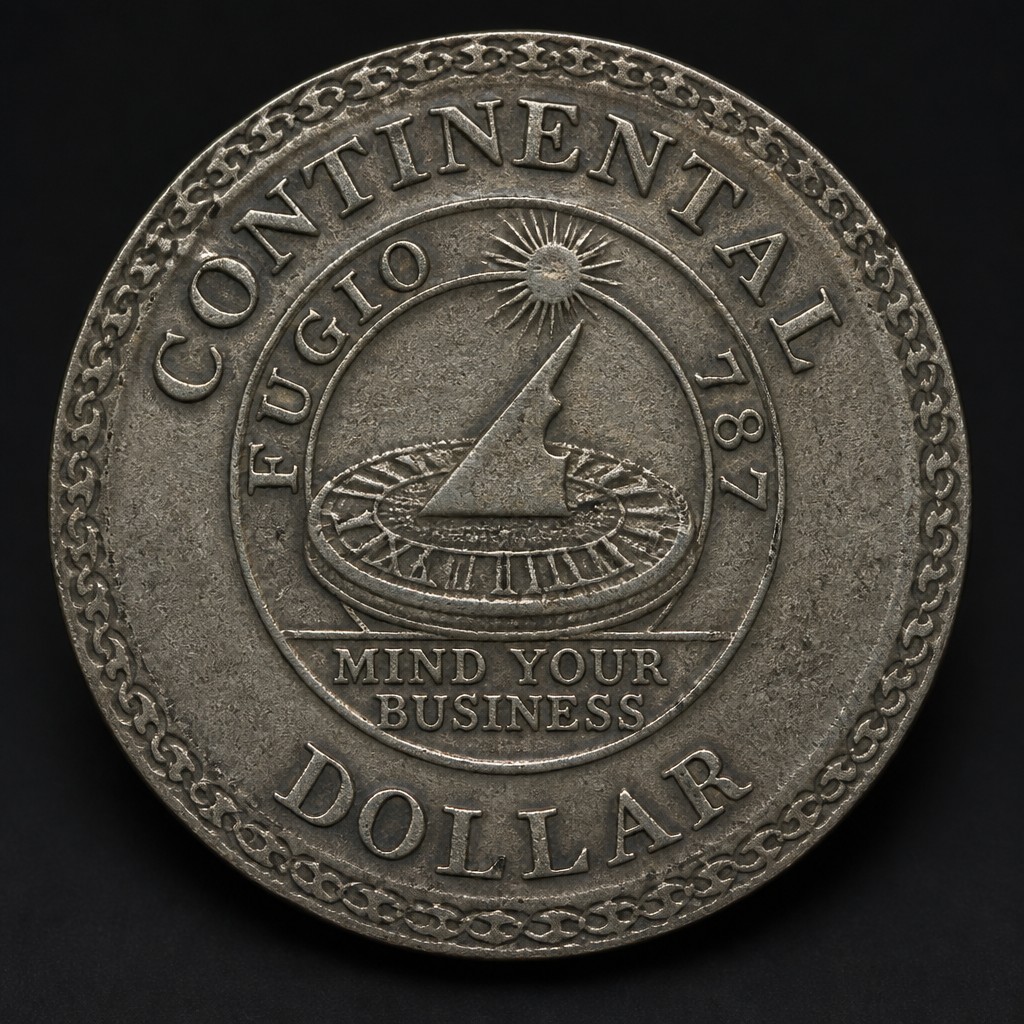
Continental Dollar
A large 1776-dated piece bearing a sundial, 'MIND YOUR BUSINESS,' and a thirteen-link chain, long debated as either an intended Continental Congress dollar or a contemporary satirical piece.
United States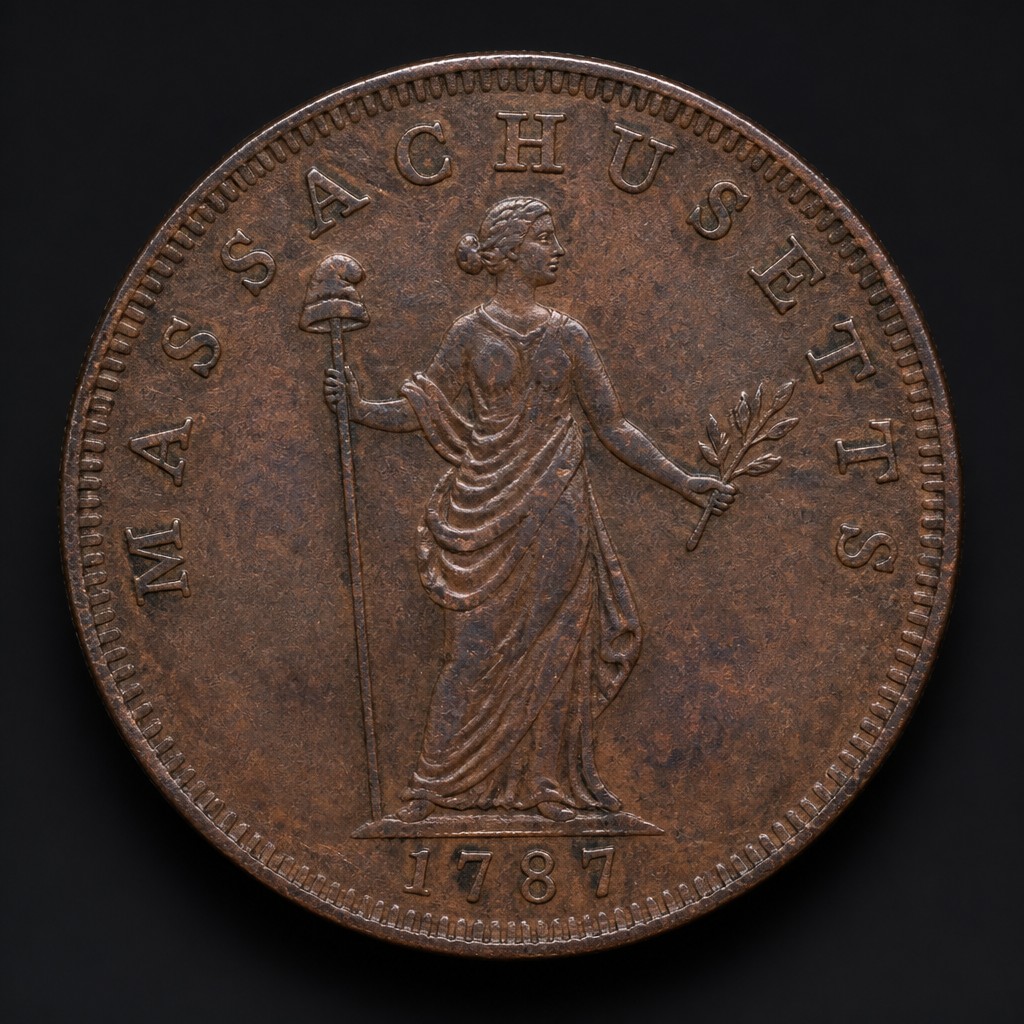
Massachusetts Cent (1787-1788)
State-issued copper coinage struck by the Commonwealth of Massachusetts in 1787 and 1788, notable as the first official U.S. coinage to use the denomination 'cent'.
United States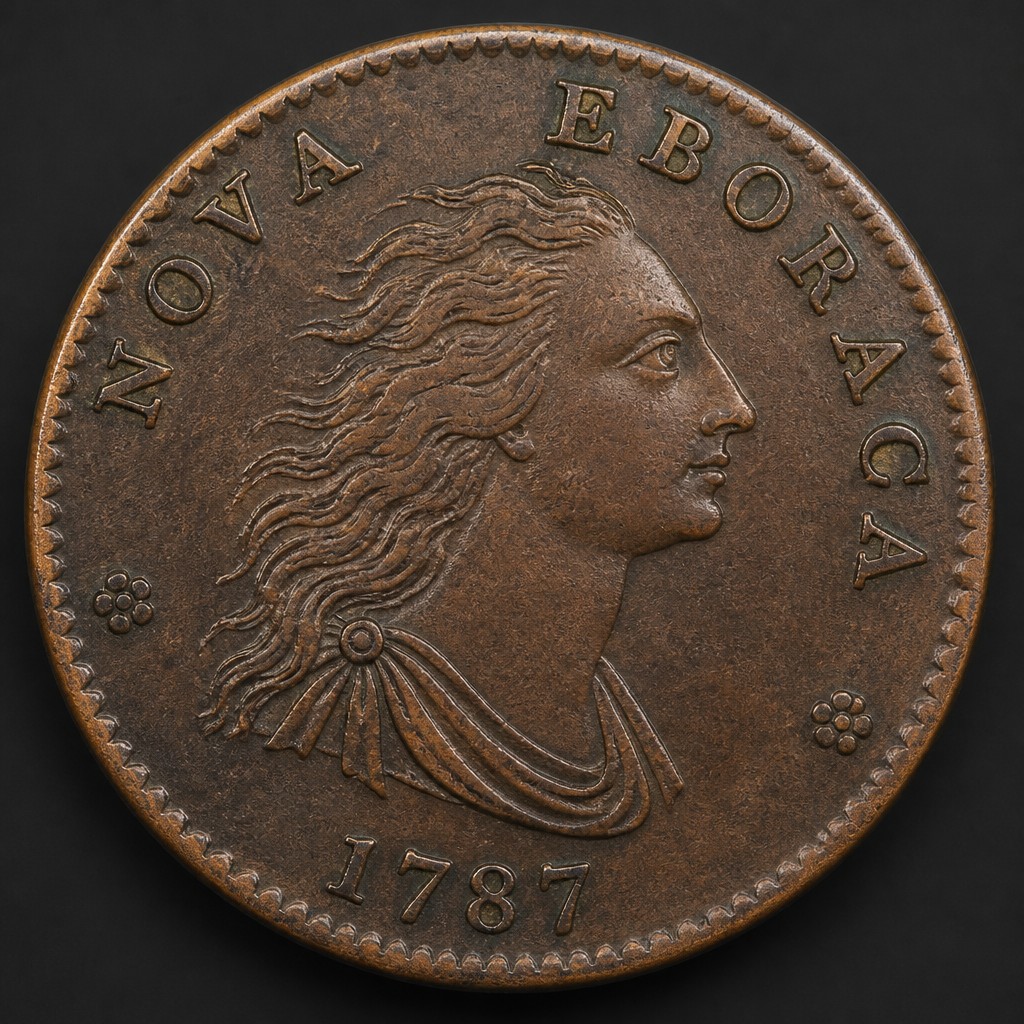
Nova Eborac Copper
A 1787-dated copper bearing the Latin name for New York, struck privately after the state failed to authorize its own copper coinage contract during the chaotic Confederation-era coin shortage.
United States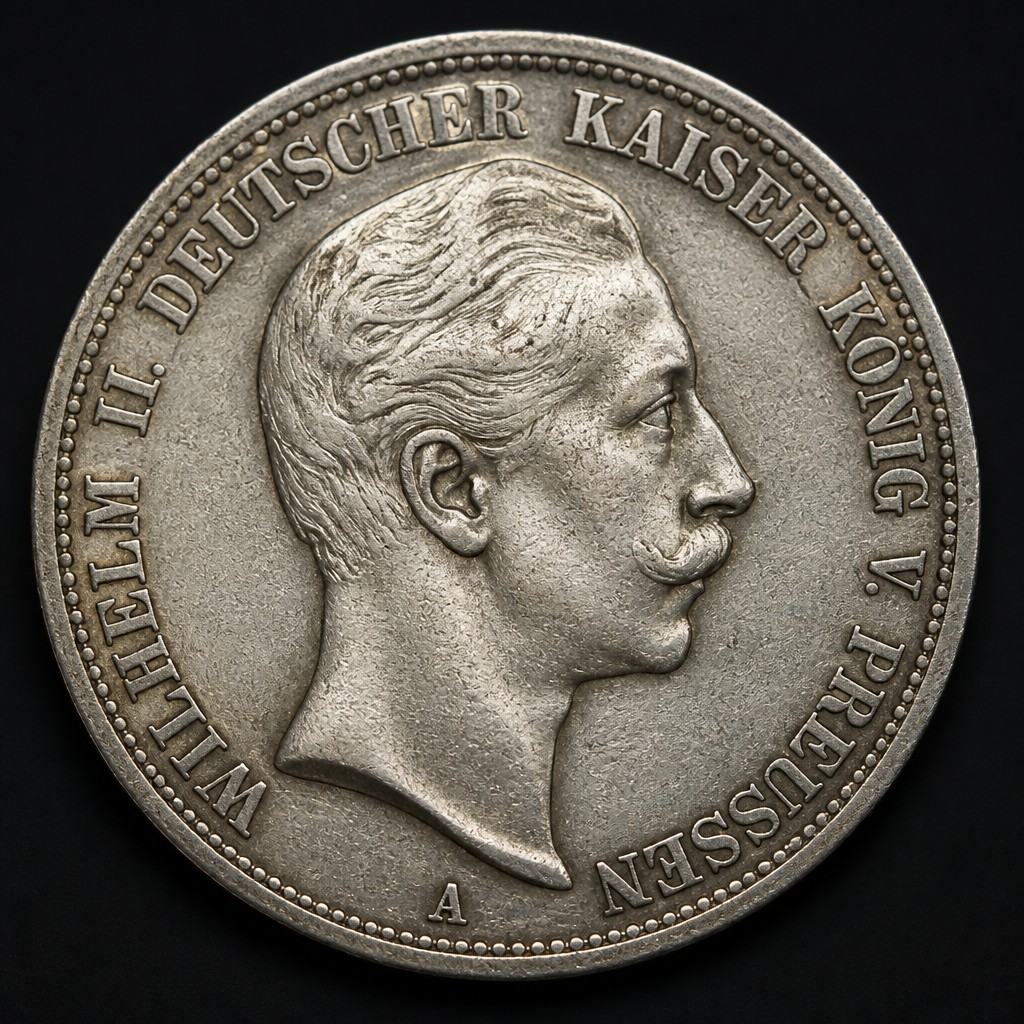
German 5 Mark Silver (Kaiserreich)
The 5 Mark was the largest circulating silver coin of the German Empire, issued by numerous constituent states and free cities, each with its own portrait or design under a common imperial system.
European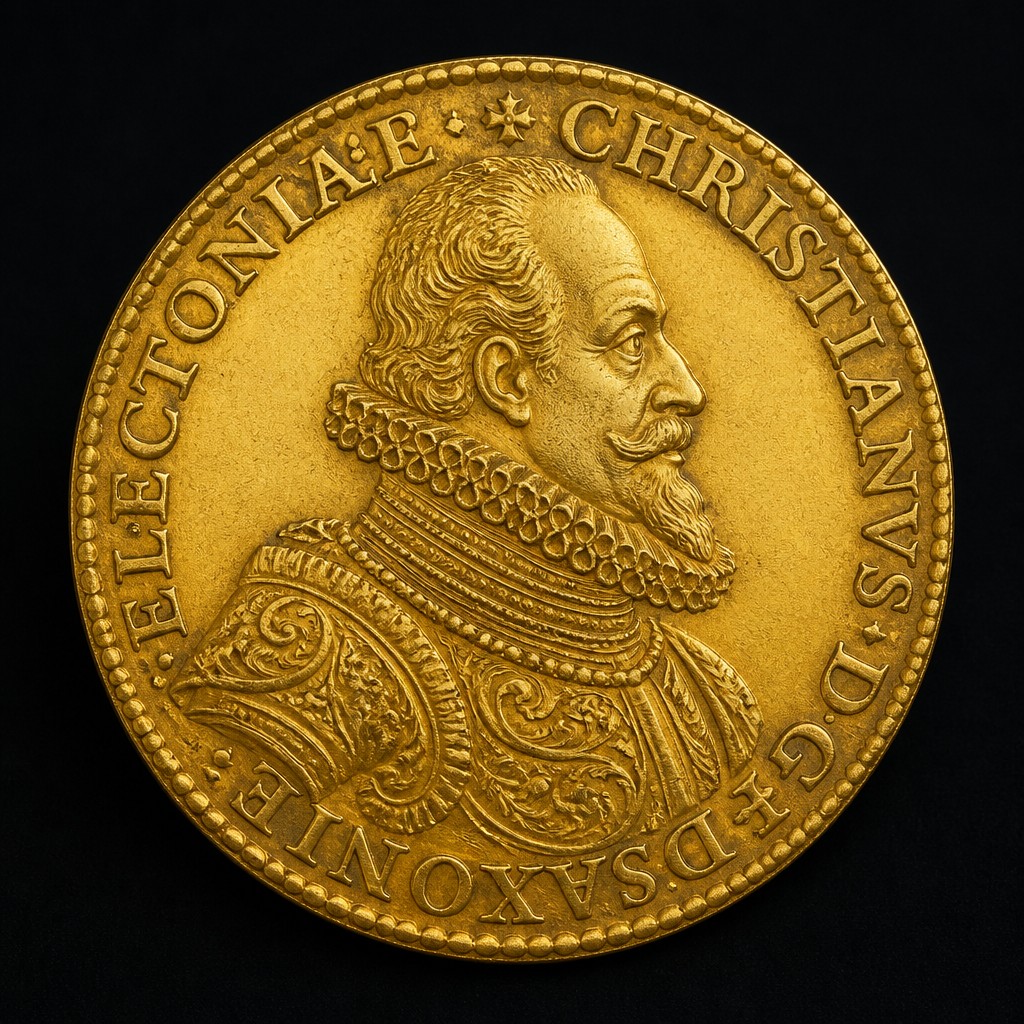
German Saxony Ducat
A high-purity gold trade coin struck for centuries by the rulers of Saxony, one of the most important German states before national unification.
European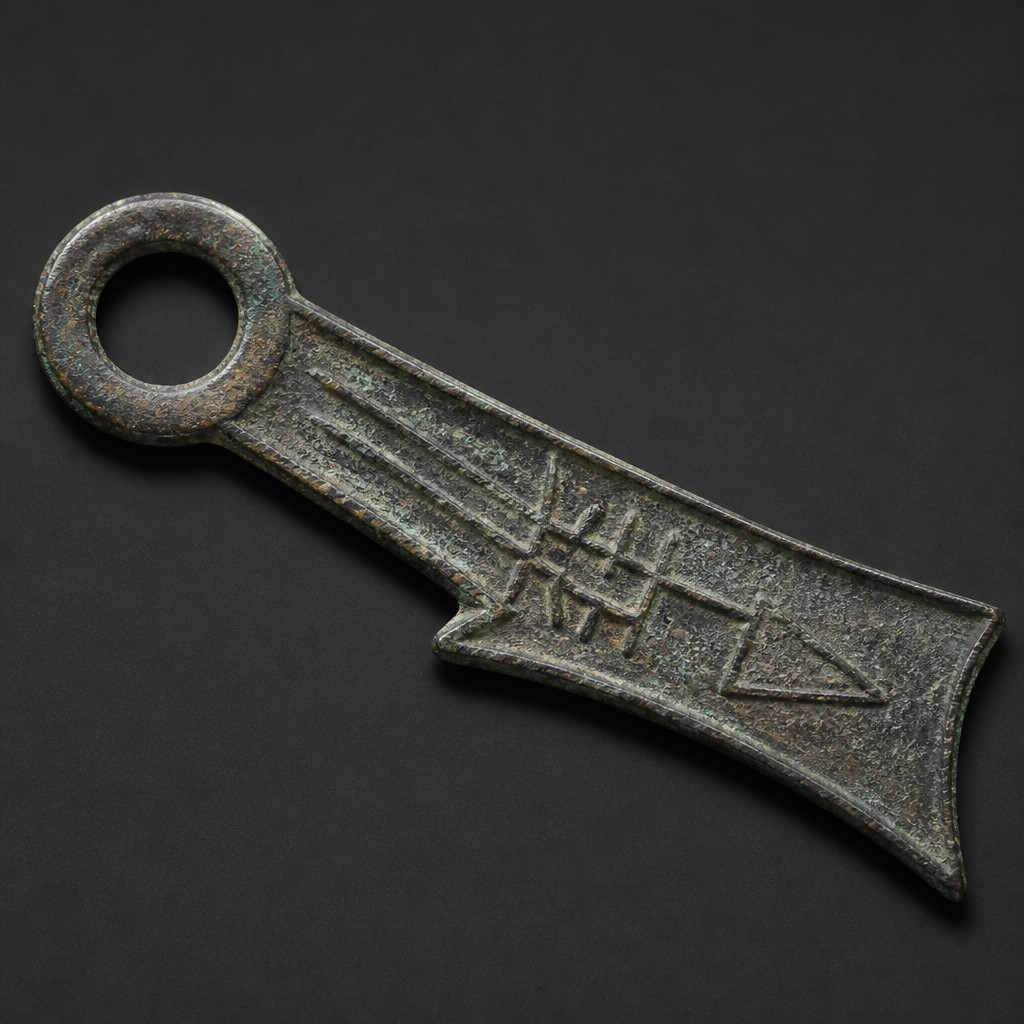
Chinese Knife Money (Ming Dao)
An ancient Chinese bronze currency cast in the shape of a knife, bearing a character often read as "Ming" on its blade, used mainly by the northern state of Yan before round coinage prevailed.
Asian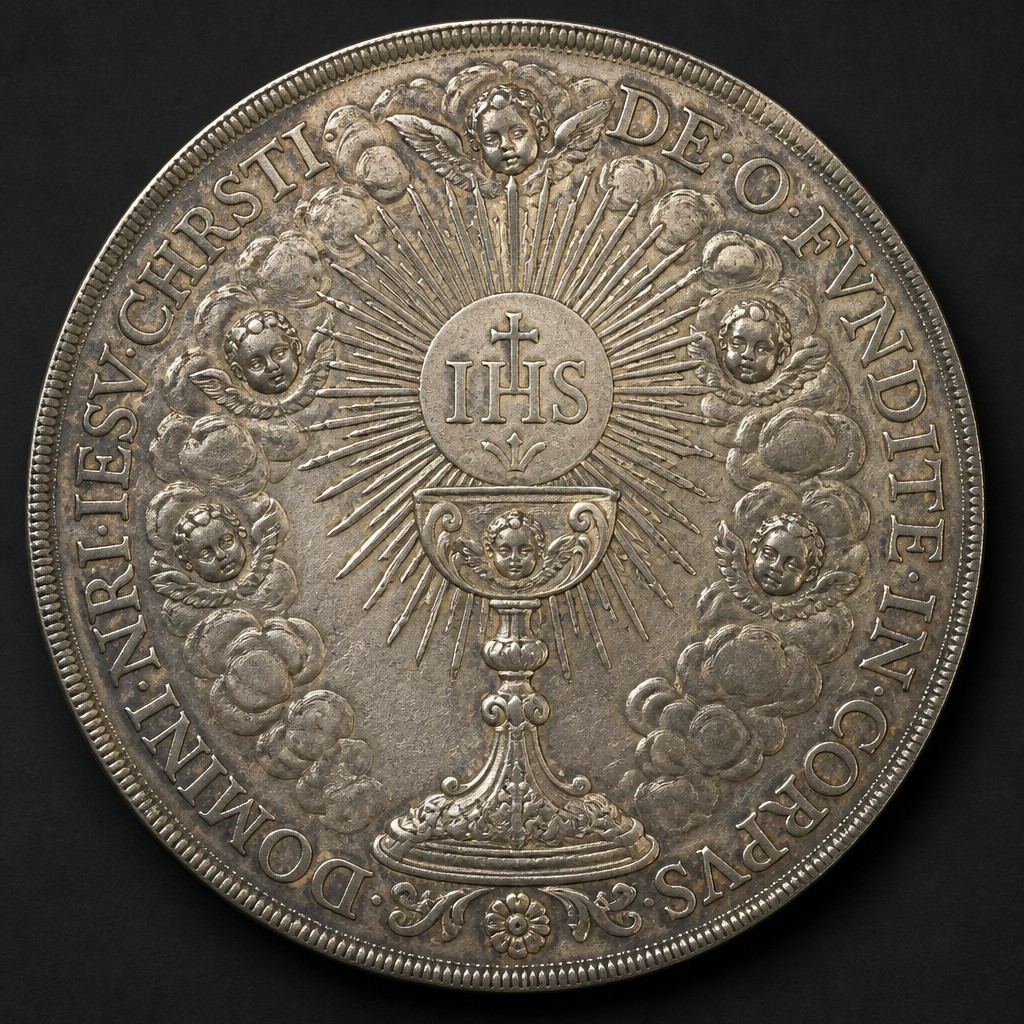
Austrian Corpus Christi Thaler
A devotional silver thaler struck by Austrian ecclesiastical authorities to mark the feast of Corpus Christi, blending religious procession imagery with the standard large-thaler format of the era.
European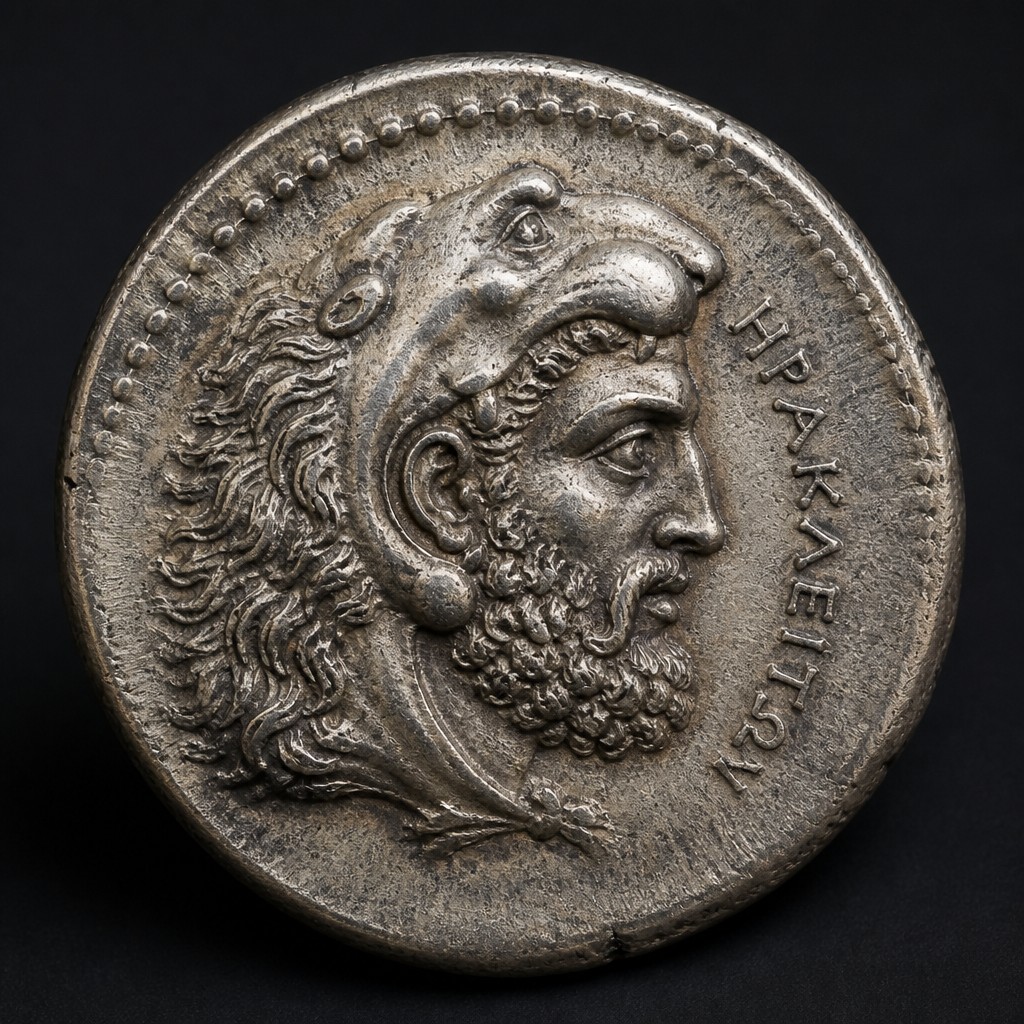
Herakleia Herakles Nomos
A South Italian silver nomos from Herakleia showing Athena on the obverse and the city's namesake hero Herakles wrestling the Nemean lion on the reverse.
Ancient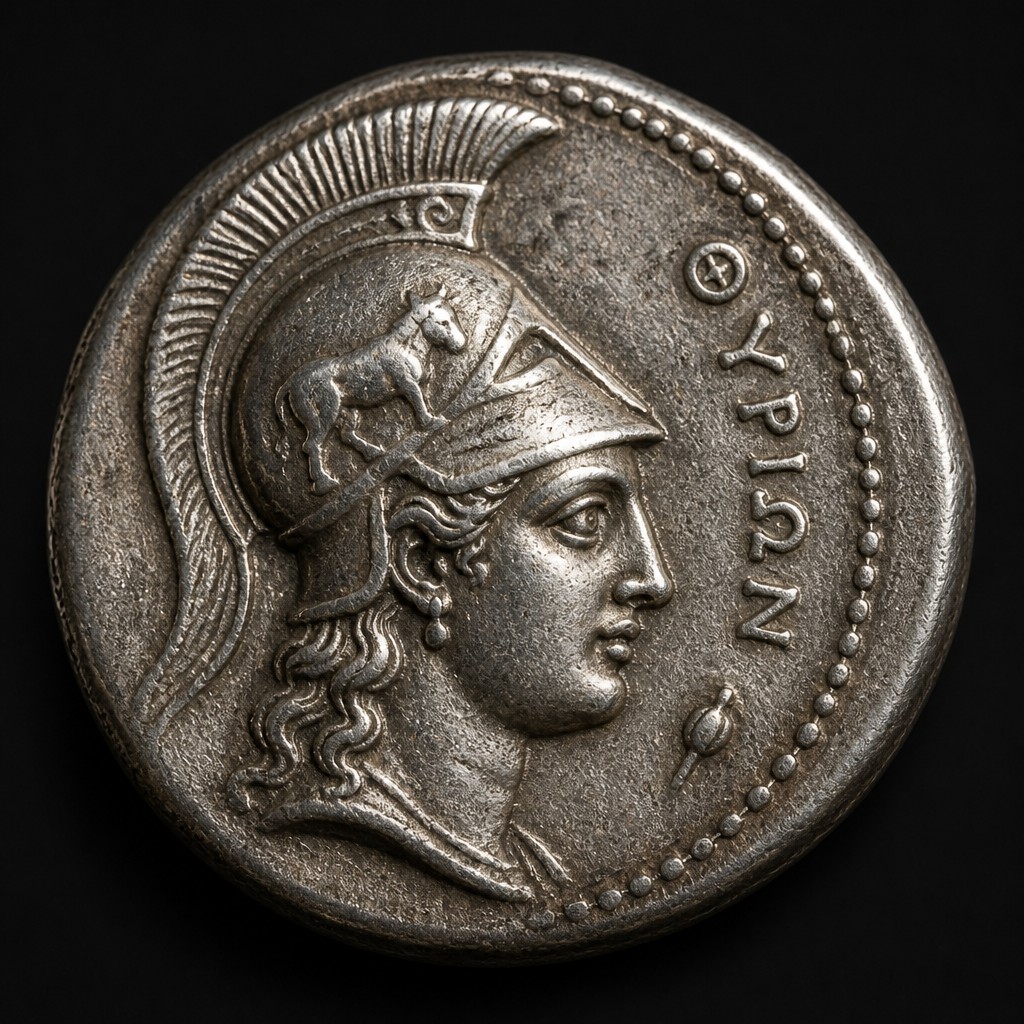
Thurium (Thurii) Athena and Bull Nomos
Silver nomos of the Greek colony of Thurii in southern Italy, showing a helmeted Athena obverse and a butting bull reverse, a classic Magna Graecia type.
Ancient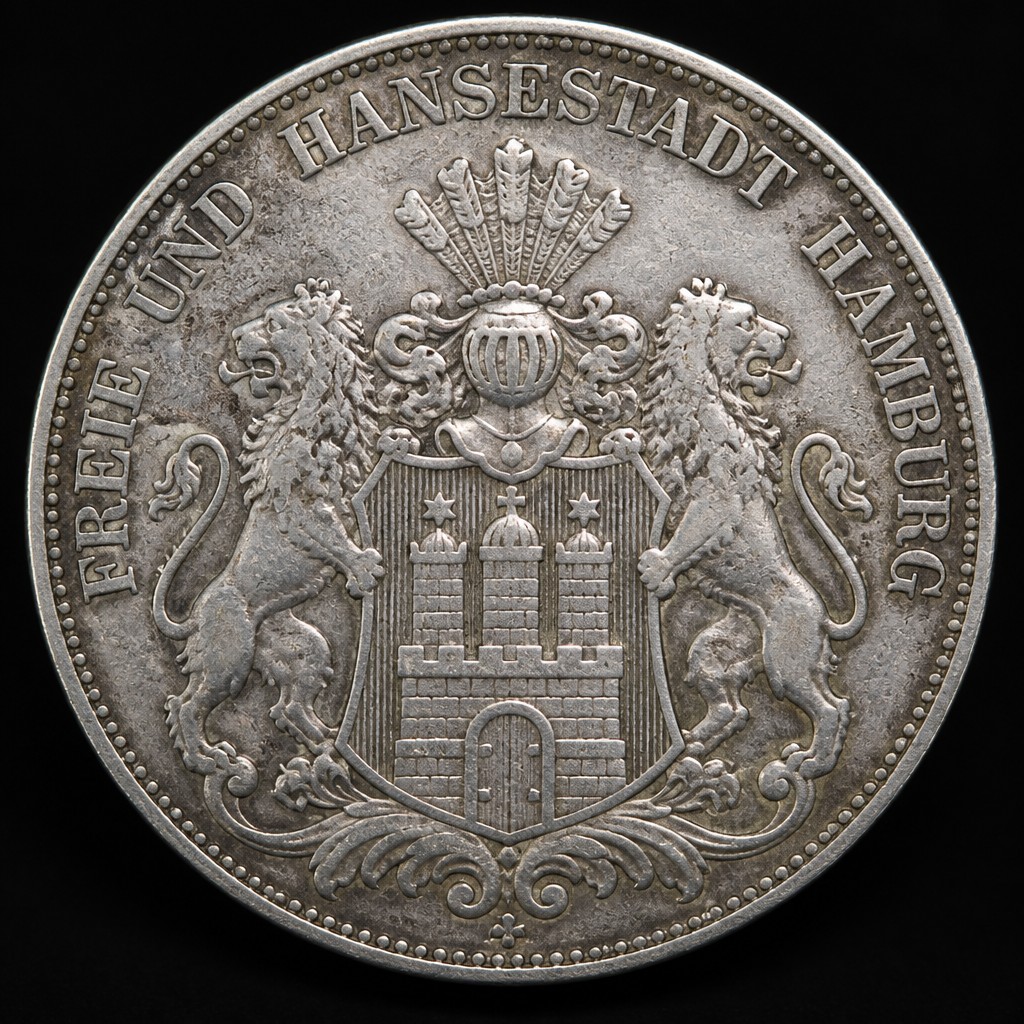
Hamburg Thaler
A silver thaler struck by the free city-state of Hamburg, bearing the city's iconic castle-and-towers coat of arms, reflecting Hamburg's status as a leading Hanseatic trading center.
European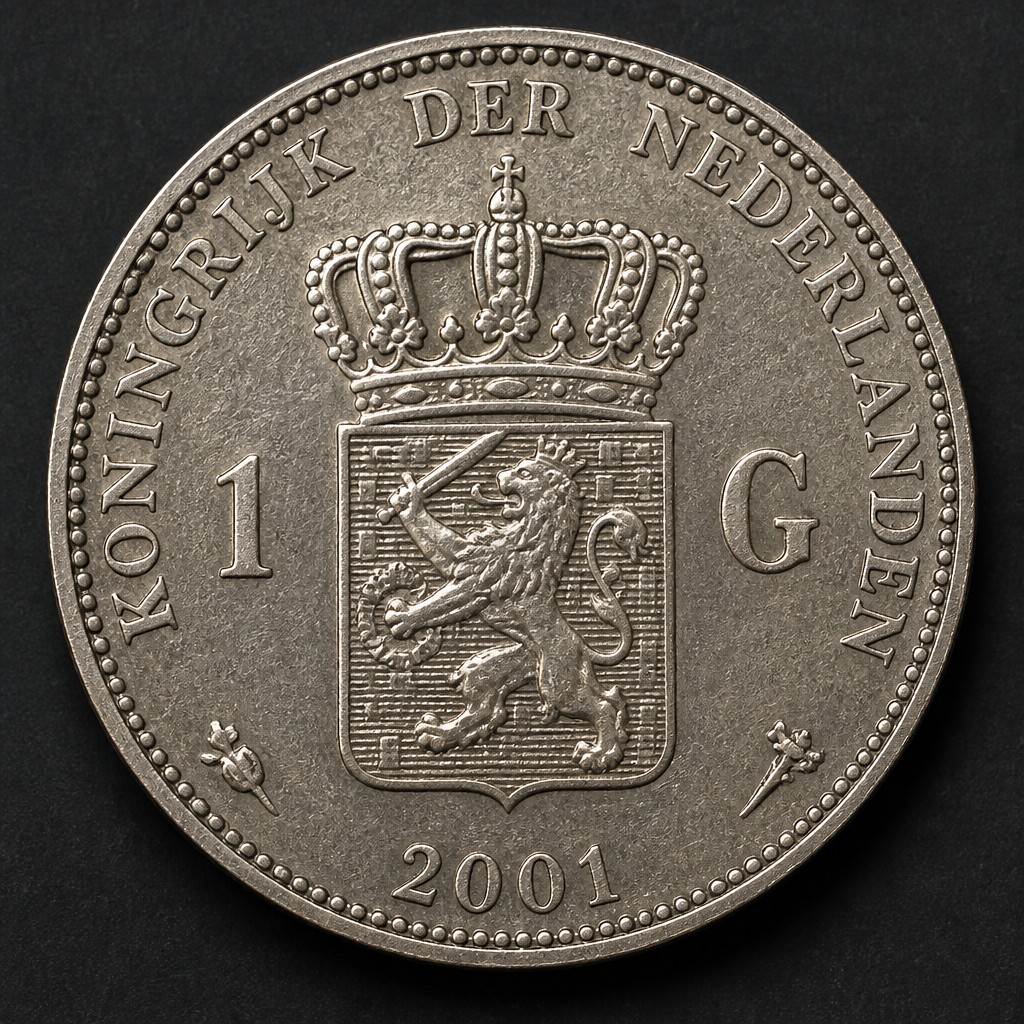
Netherlands Rijksdaalder Gulden
The 2.5 guilder coin of the Kingdom of the Netherlands, carrying forward the historic rijksdaalder name through the monarchy era until the euro's adoption.
European
Somalian Silver Elephant (African Wildlife)
An annually redesigned silver bullion coin featuring an African elephant, issued in the name of Somalia but struck at a German state mint since 2004.
Africa & Oceania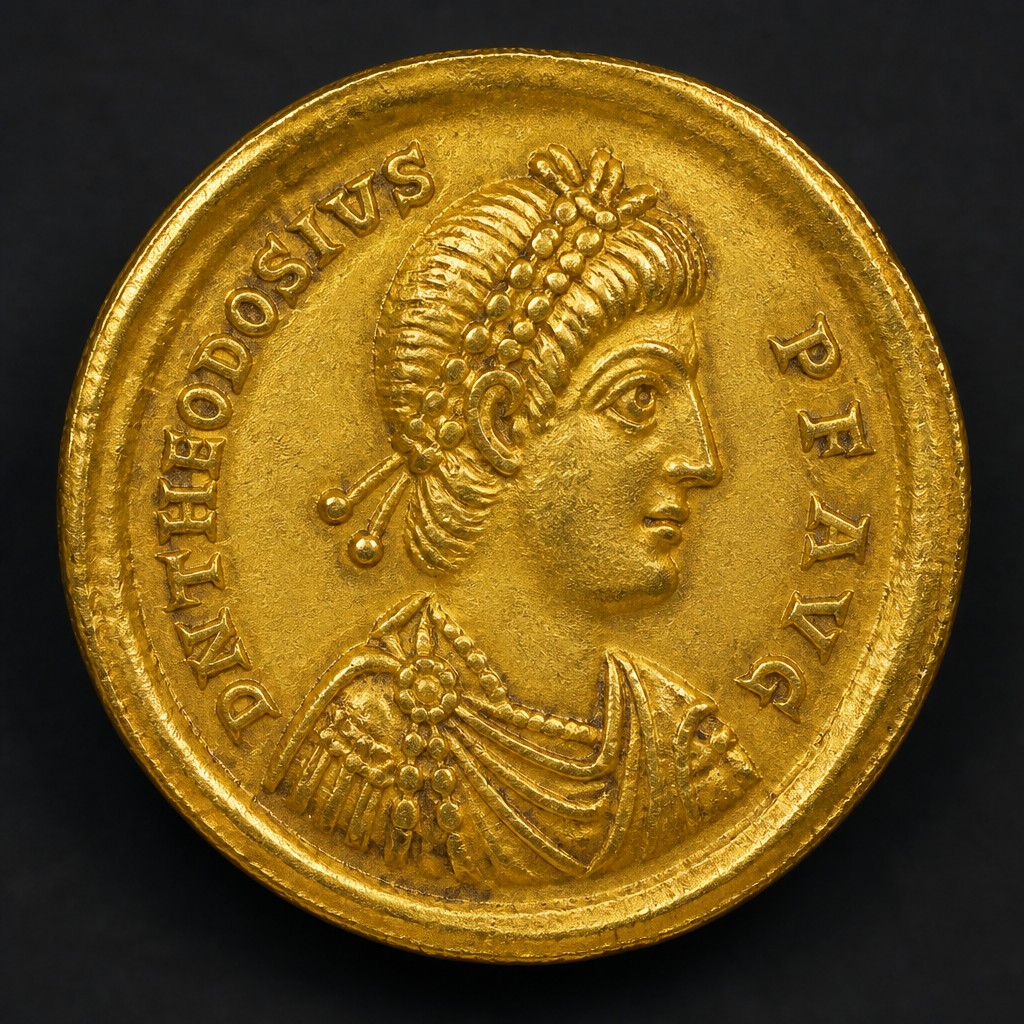
Theodosius I Solidus
A gold solidus of Theodosius I, the last emperor to rule a united Roman Empire and the ruler who made Nicene Christianity the state religion.
Ancient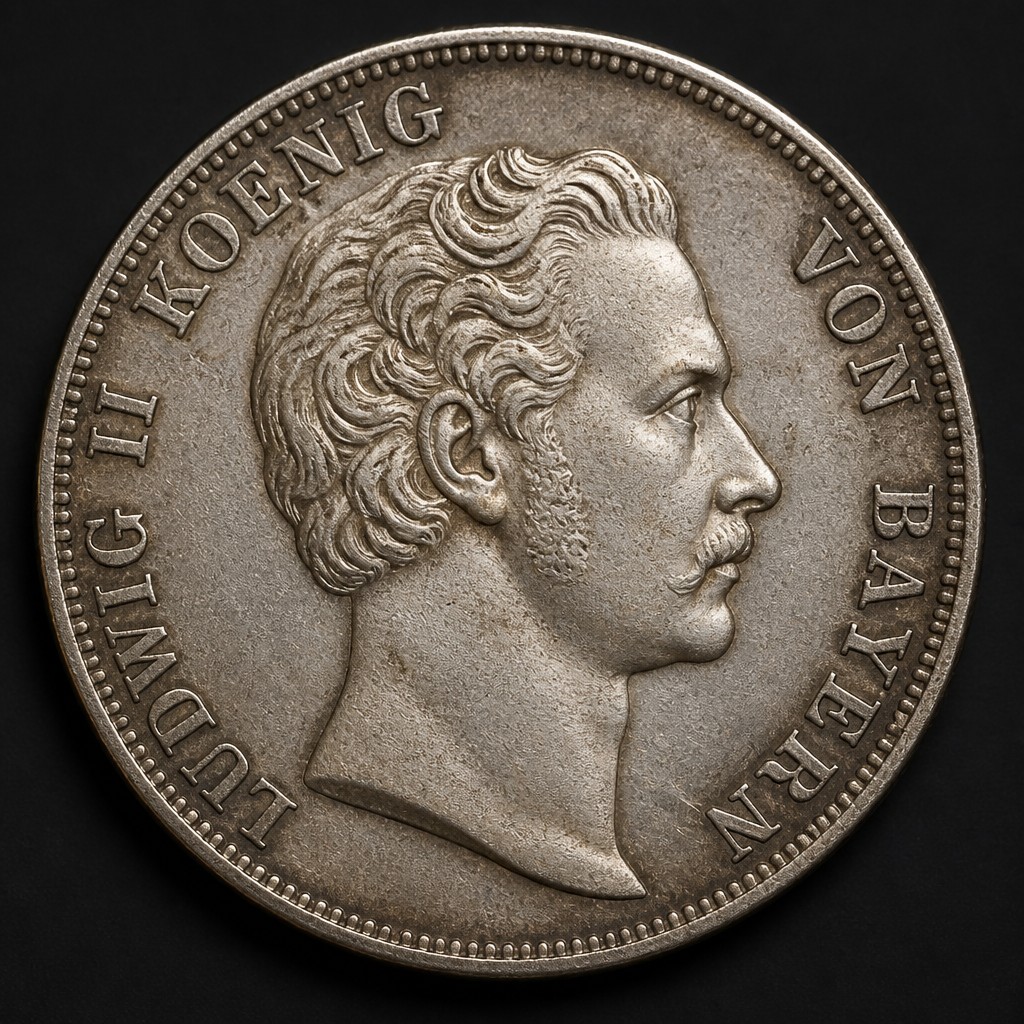
German Bavaria Thaler
A large silver crown-sized coin issued by the Bavarian state, one of many German territorial thalers struck before German unification.
European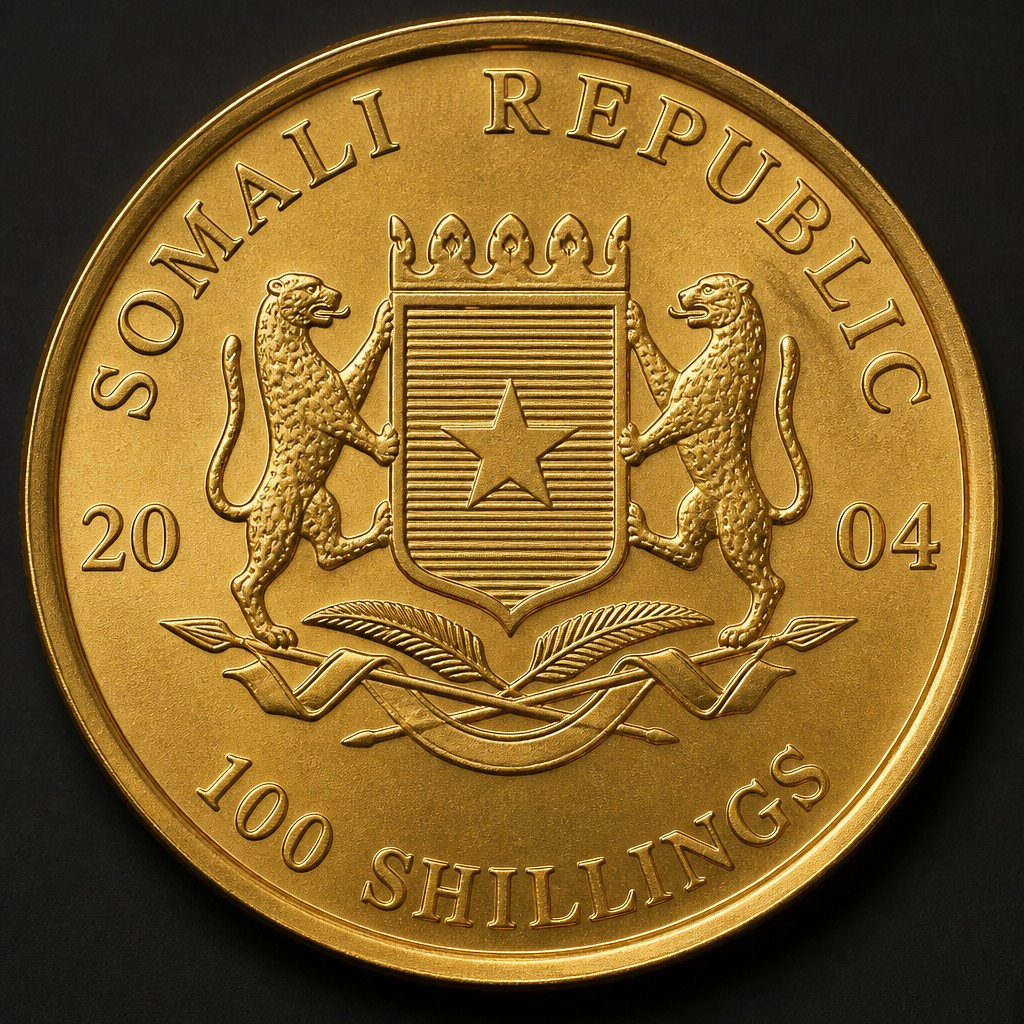
Somali Elephant Gold
The gold version of Somalia's popular African Wildlife elephant coin series, produced by the Bavarian State Mint with a design refreshed nearly every year.
Bullion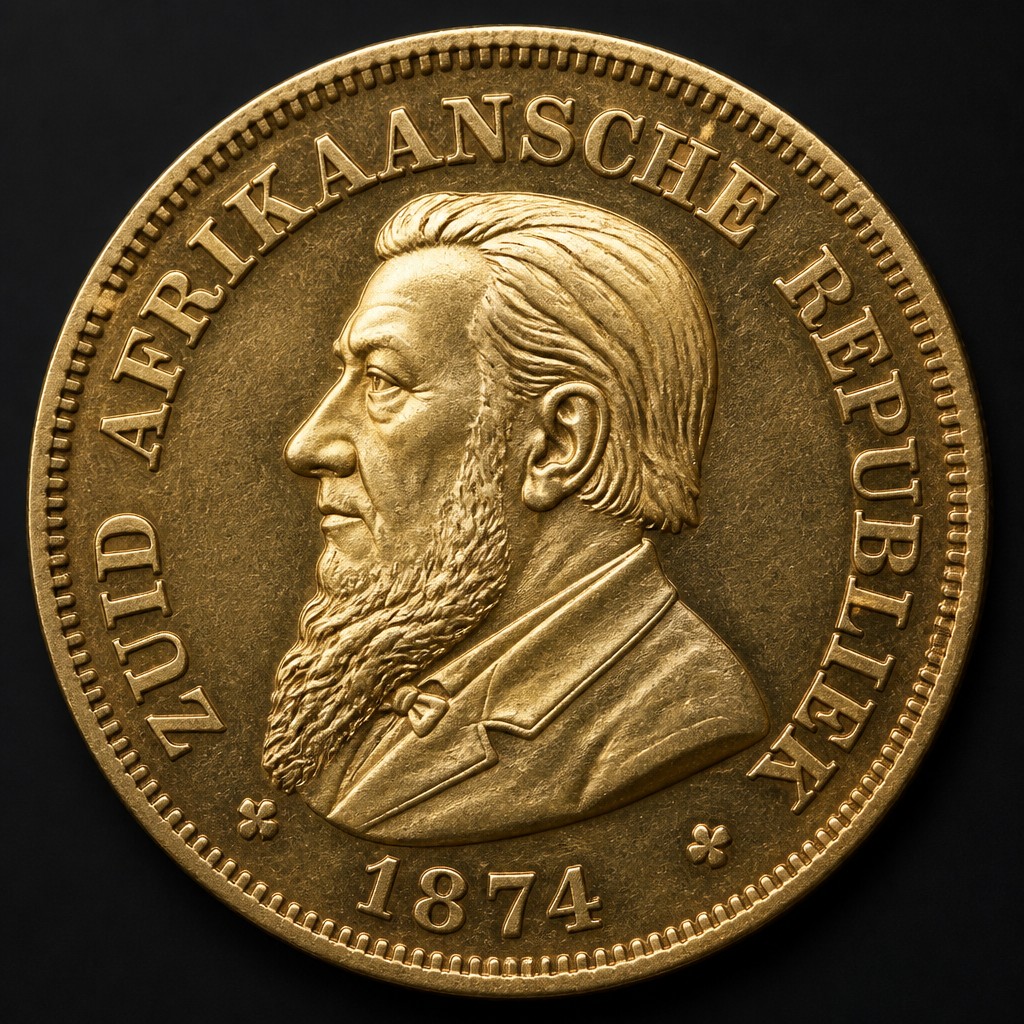
South African Republic Burgers Pond
The first coin struck for an independent South African state, issued in 1874 under President Thomas Burgers of the Transvaal, famous for its 'coarse beard' and 'fine beard' portrait varieties.
Africa & Oceania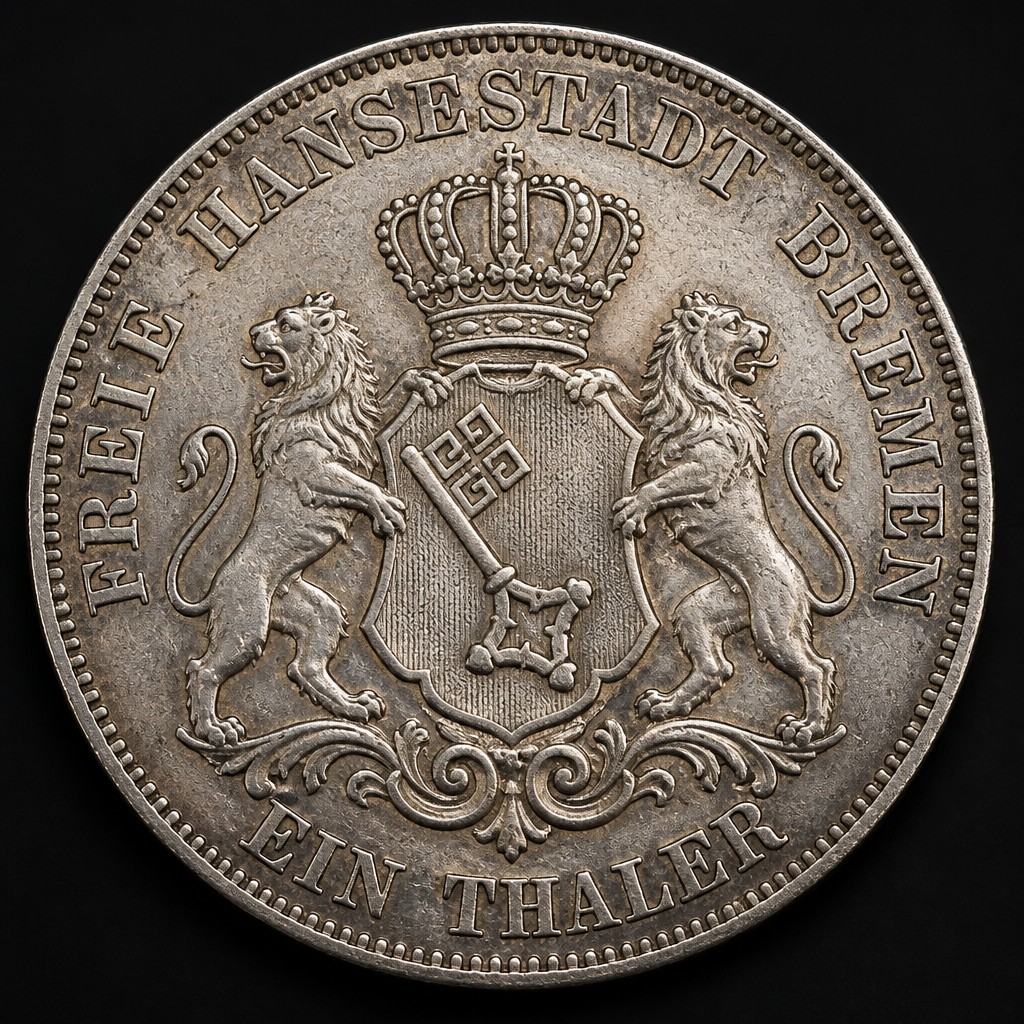
German Bremen Thaler
A silver thaler issued by the Free Hanseatic City of Bremen before German unification, featuring the city's heraldic key, part of the patchwork of pre-1871 German state and city coinages.
European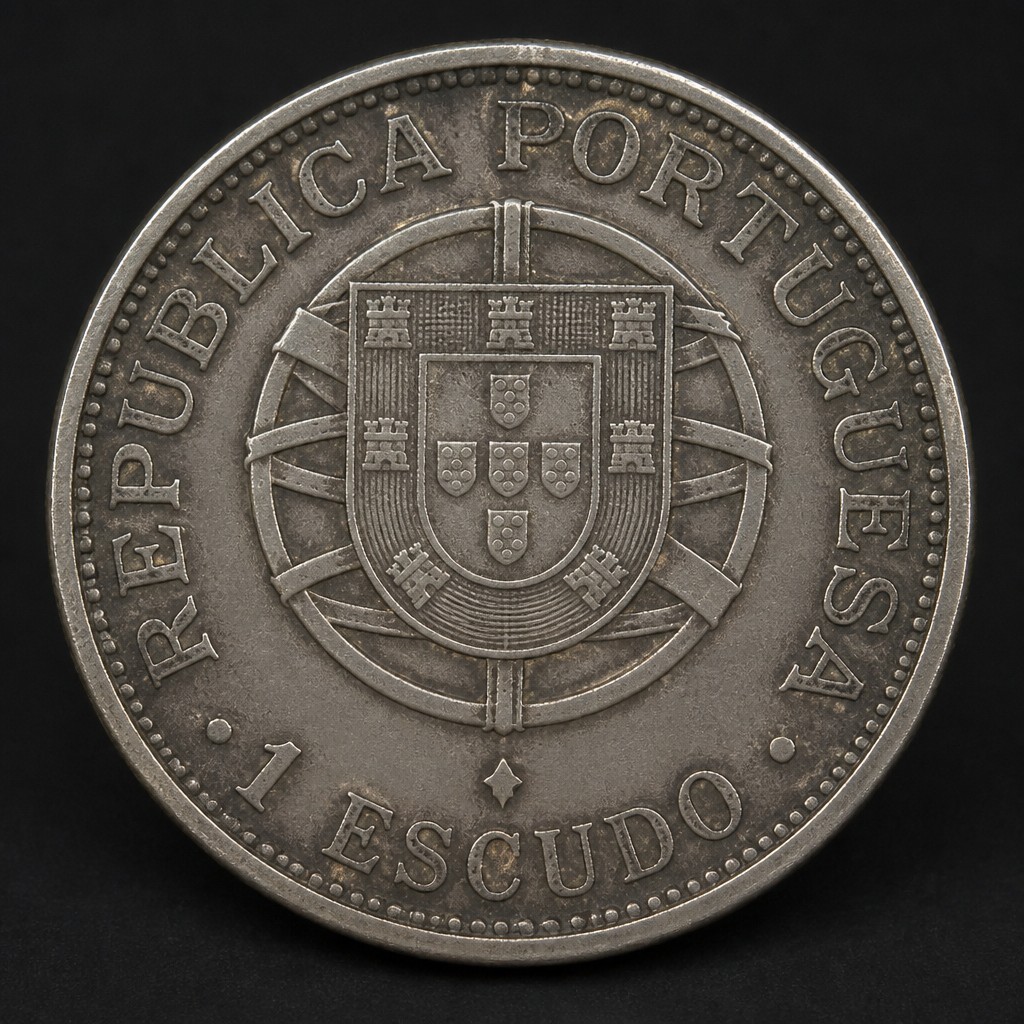
Portuguese Escudo
Portugal's national currency unit from the 1911 decimal reform, following the fall of the monarchy, until the Euro replaced it in the early 2000s.
European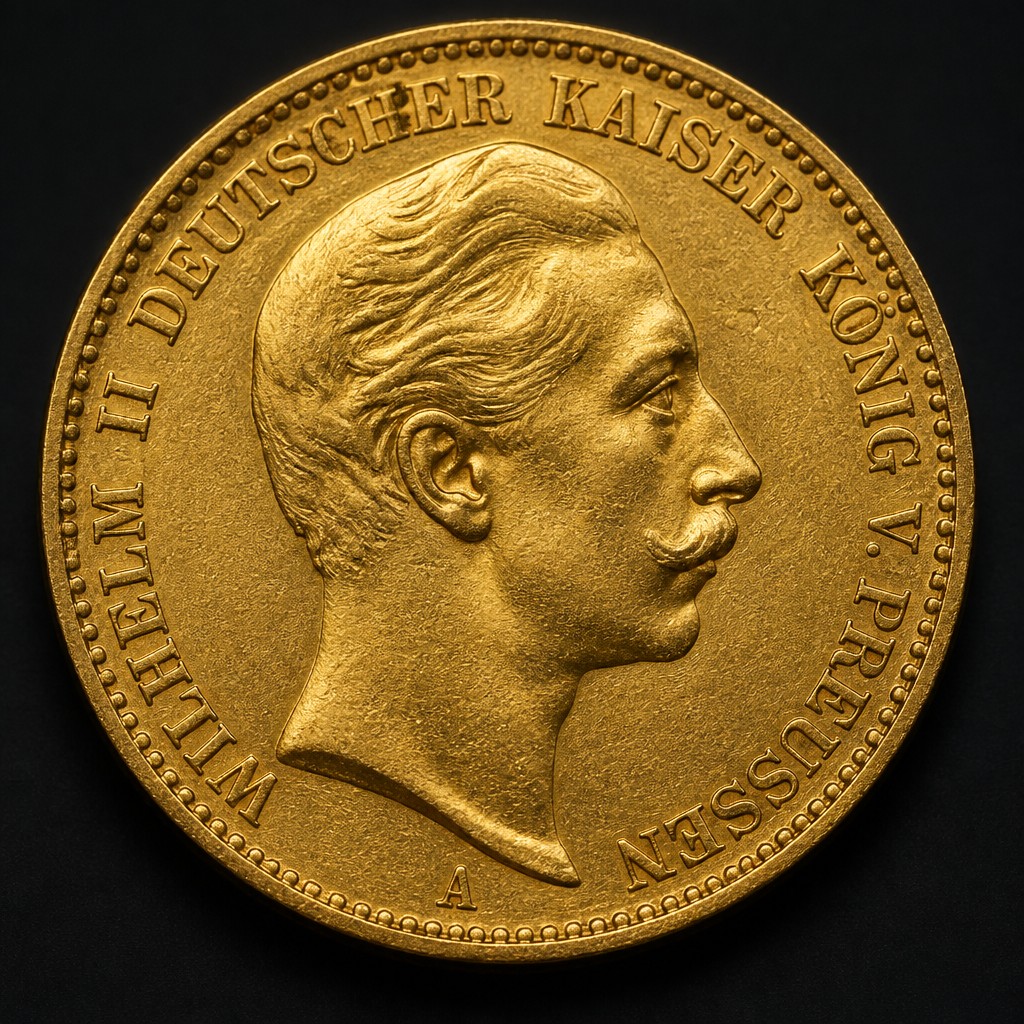
German Empire 20 Mark Gold (Wilhelm II)
The standard gold coin of the German Empire under Kaiser Wilhelm II, struck at multiple state mints and widely collected for its imperial portrait and eagle reverse.
European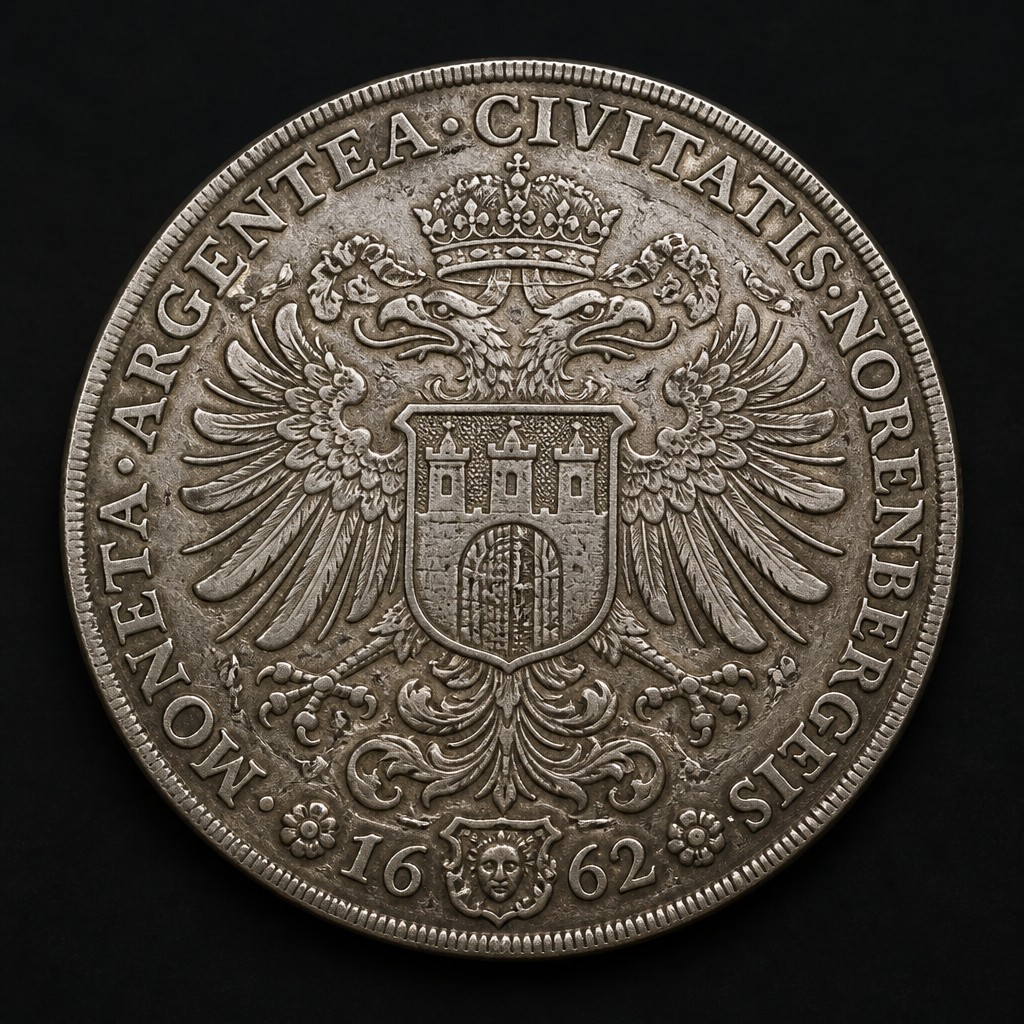
Nuremberg Thaler
Silver taler struck by the free imperial city of Nuremberg, often showing a detailed cityscape view rather than a ruler's portrait, reflecting its status as a self-governing trading city.
European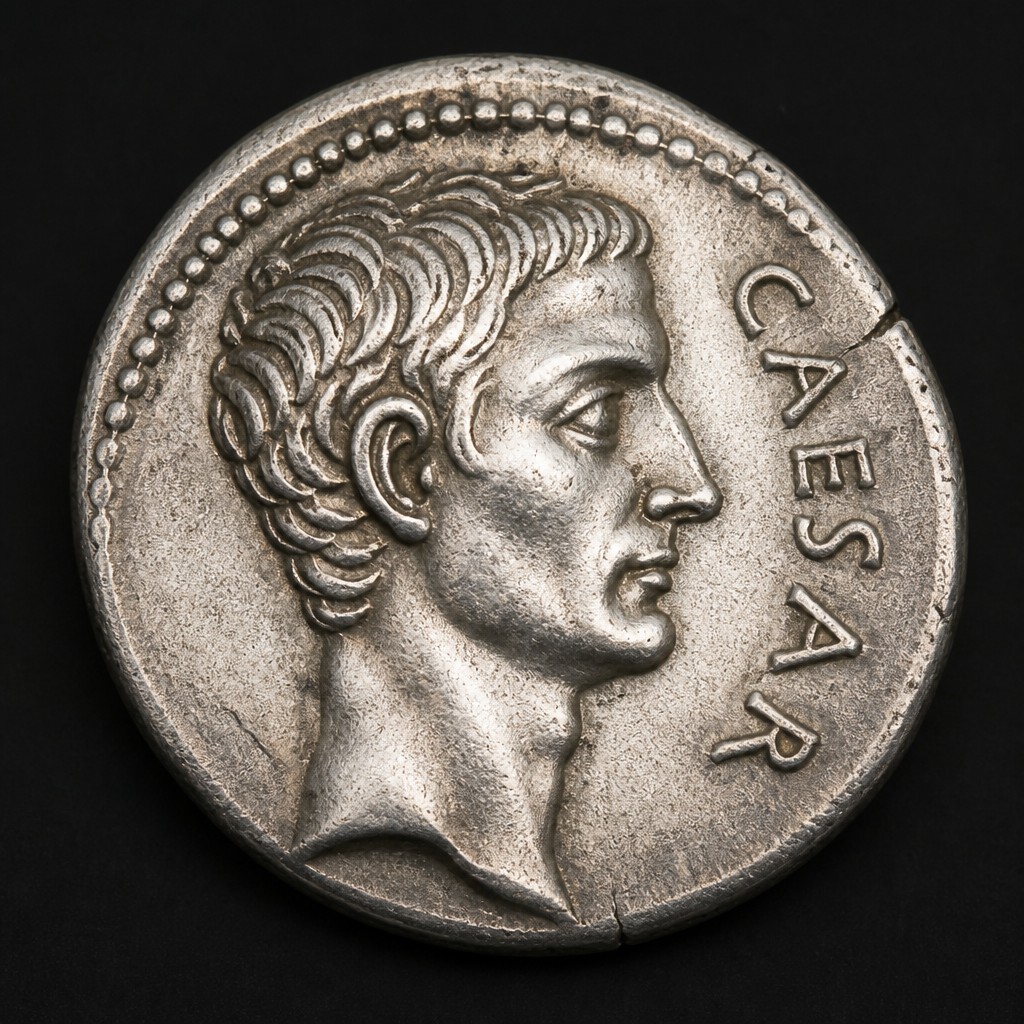
Julius Caesar Portrait Denarius
A landmark Roman coin struck in 44 BC bearing the portrait of Julius Caesar during his lifetime, the first time a living Roman had appeared on state coinage.
Ancient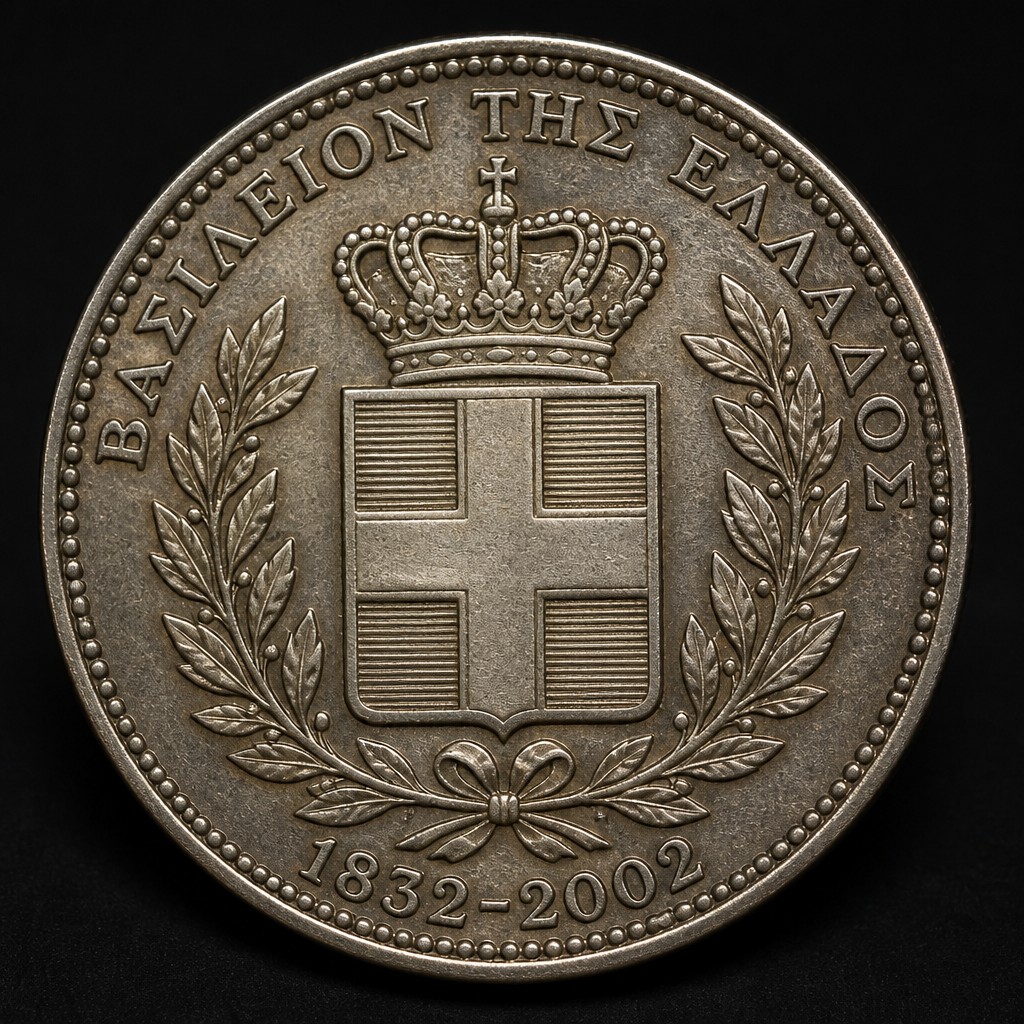
Greek Drachma
The modern national currency of Greece from shortly after independence until the adoption of the euro, reviving the name of the ancient Greek unit and featuring classical and historical imagery.
European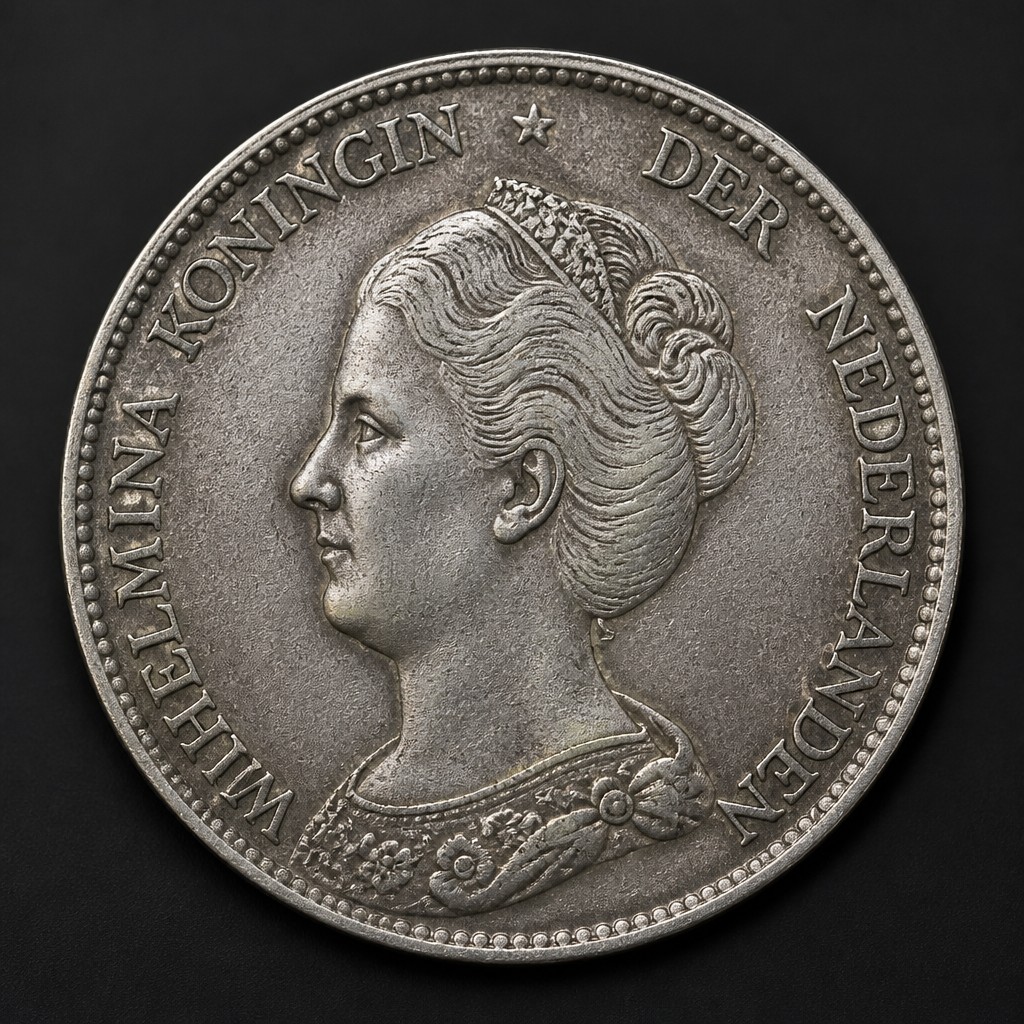
Dutch Guilder (Gulden)
The guilder was the standard currency of the Netherlands for more than three centuries, struck in silver and later copper-nickel before being replaced by the euro in 2002.
European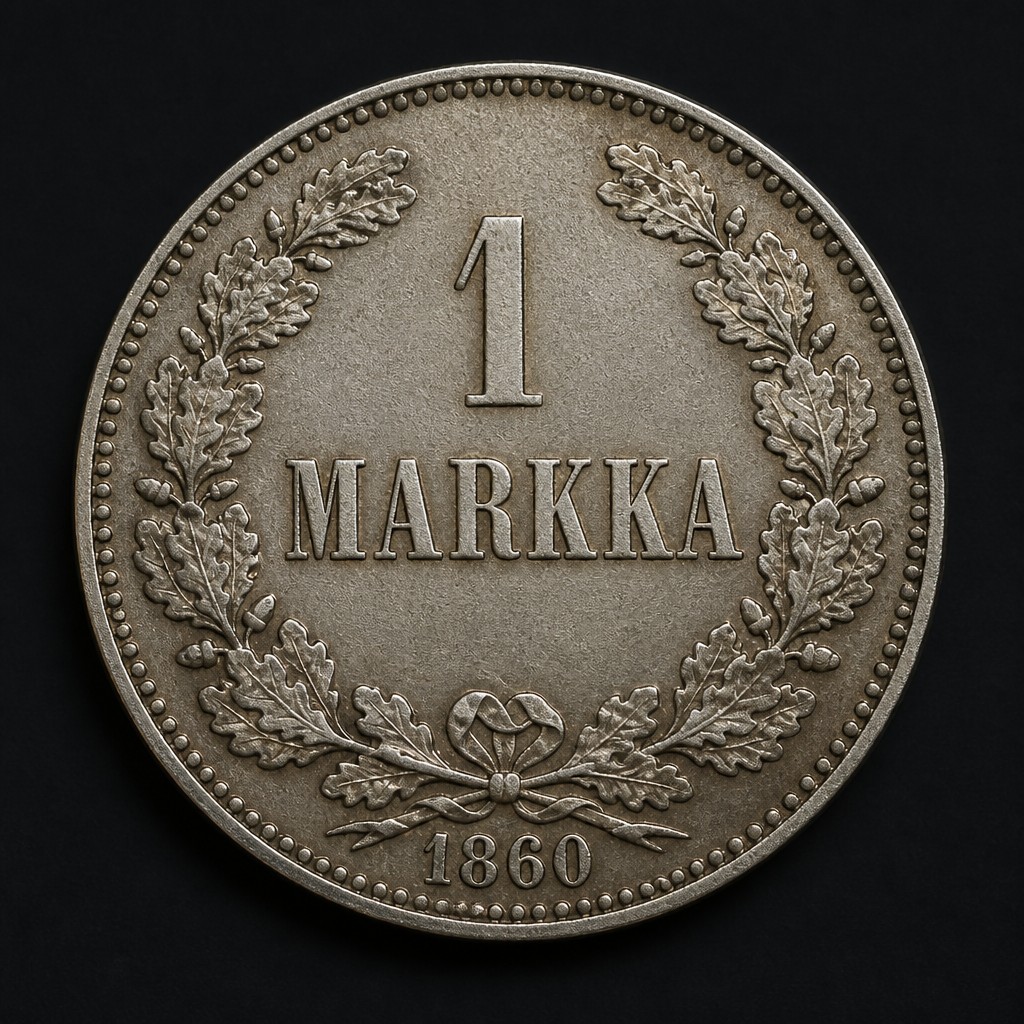
Finnish Markka
Finland's national currency from the era of Russian imperial rule until the adoption of the euro, issued in a range of coin denominations reflecting the country's changing political history.
European