
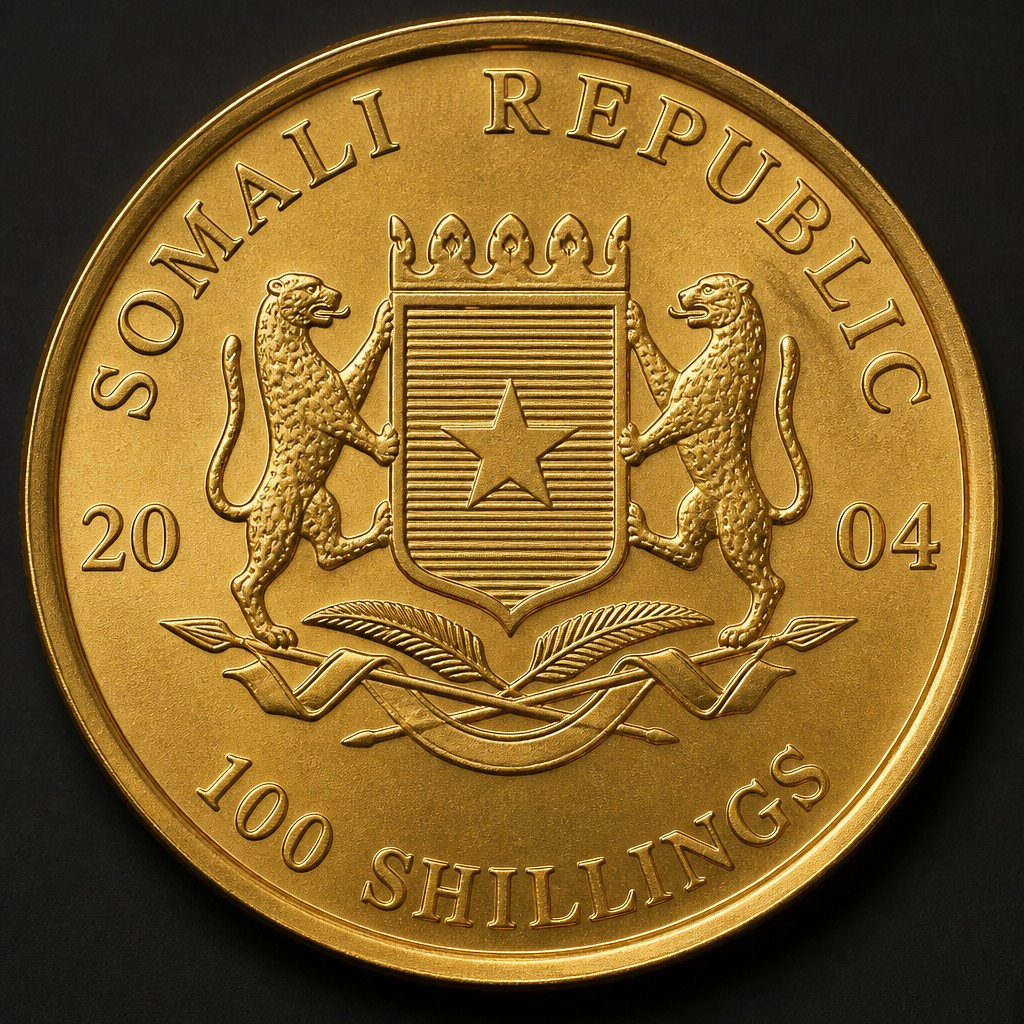
Somali Elephant Gold
The gold version of Somalia's popular African Wildlife elephant coin series, produced by the Bavarian State Mint with a design refreshed nearly every year.
- Country
- Somalia
- Denomination
- Varies by weight (Somali Shilling denominations)
- Metal
- Gold, various fineness (commonly .999)
Got a coin like this?
Identify any coin from a photo, free.
Overview
The Somali Elephant Gold coin is part of the broader African Wildlife series, one of the most successful modern bullion coin programs, best known for its long-running silver elephant coin. The gold version extends the same annually changing elephant artwork to a range of gold weights, giving collectors and investors a precious metal option beyond the popular silver bullion coins.
The series is issued under the authority of Somalia, though it is actually struck by a European state mint, a common arrangement that allows well-established minting facilities to produce coins carrying an African nation's legal tender status and distinctive wildlife branding.
Because the design changes yearly, much like the Chinese Panda series, collectors often aim to assemble complete date runs of both the gold and silver elephant coins.
History & Background
The African Wildlife series began with silver elephant coins in the early 2000s, produced for Somalia by a German mint as part of a growing trend of European mints producing collector and bullion coins under African and Pacific island nations' legal tender authority. The elephant, one of Africa's most iconic animals, became the anchor image for the series, with gold versions introduced to complement the highly popular silver issues.
Over time, the series expanded its range of weights and finishes, and the annually updated elephant artwork helped build a loyal following among collectors who track each year's new design, similar to the collecting culture around China's Panda coins.
How to Identify
The obverse of the Somali Elephant Gold coin typically features the Somalia coat of arms or national emblem along with the country name and face value in Somali Shillings. The reverse depicts an African elephant, with the pose, setting, and artistic style changing nearly every year, making each date visually distinct from the last.
The coin's gold weight and fineness are inscribed, and pieces are produced in a range of sizes from small fractional weights up to a full troy ounce or more depending on the specific release. Collectors identify the year primarily through the elephant's unique annual design rather than through a changing mintmark, since production has consistently come from the same European mint contracted to strike Somalia's bullion coins.
Value & Collectibility
Gold Elephant coin values are based first on gold spot price for the coin's weight, then layered with premiums tied to the specific year's mintage, design popularity, and demand from collectors pursuing complete date sets. Because the gold versions have generally been produced in smaller numbers than the flagship silver elephant coins, certain years can carry meaningfully higher premiums.
Special finishes, low mintage fractional weights, and early years in the gold series tend to be the most actively sought pieces beyond pure bullion buyers. As with all gold coins, overall pricing remains sensitive to movements in the gold market.
Frequently asked questions
Is the Somali Elephant Gold coin actually made in Somalia?
No, it is struck by the Bavarian State Mint in Germany under agreement with Somalia's monetary authority, which lends its legal tender status to the coin.
How is this related to the popular silver elephant coin?
It is part of the same African Wildlife series, sharing the annually changing elephant design theme but struck in gold instead of silver.
Does the elephant design change every year?
Yes, the artwork is typically refreshed annually, encouraging collectors to pursue complete date runs.
What purity is the gold typically used?
Most modern issues use .999 fine gold, though specific fineness can vary by release.
Other coins you may enjoy
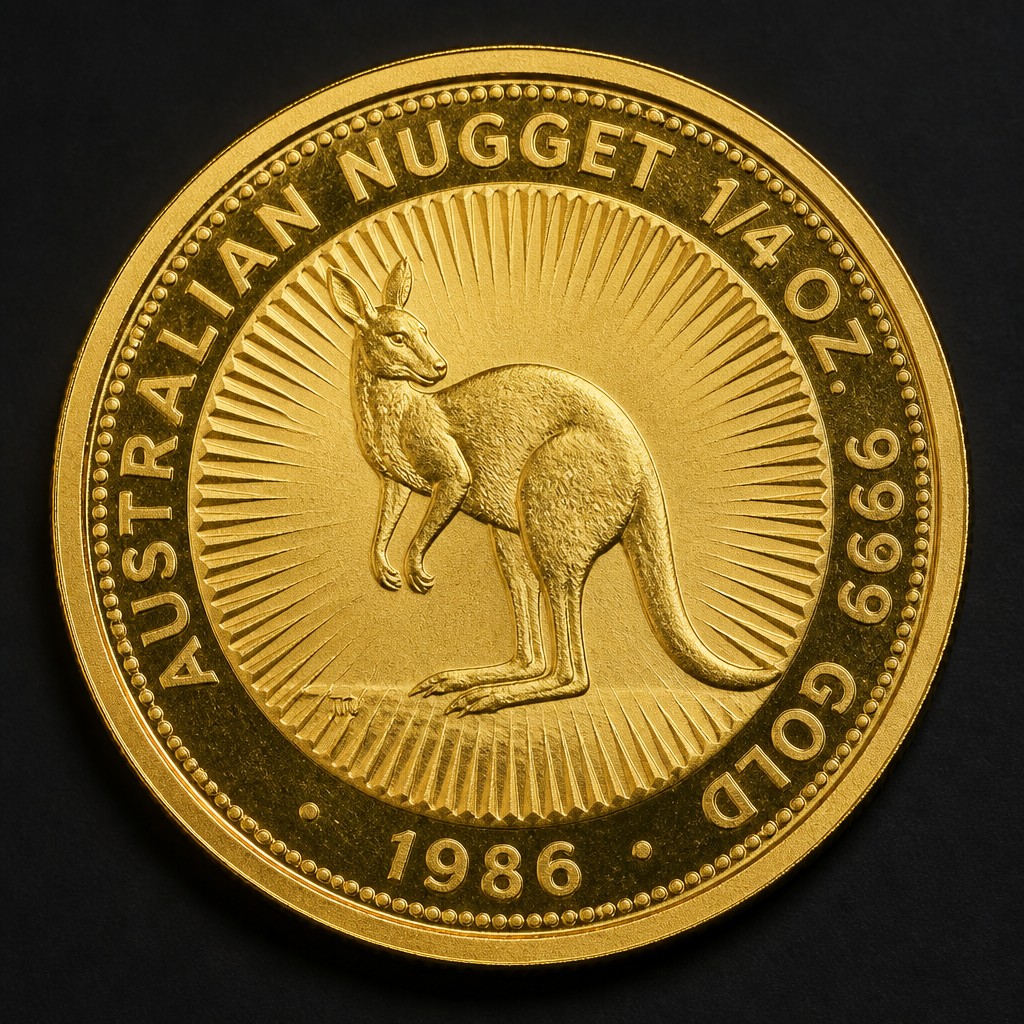
Australian Kangaroo Gold Nugget
1986-present
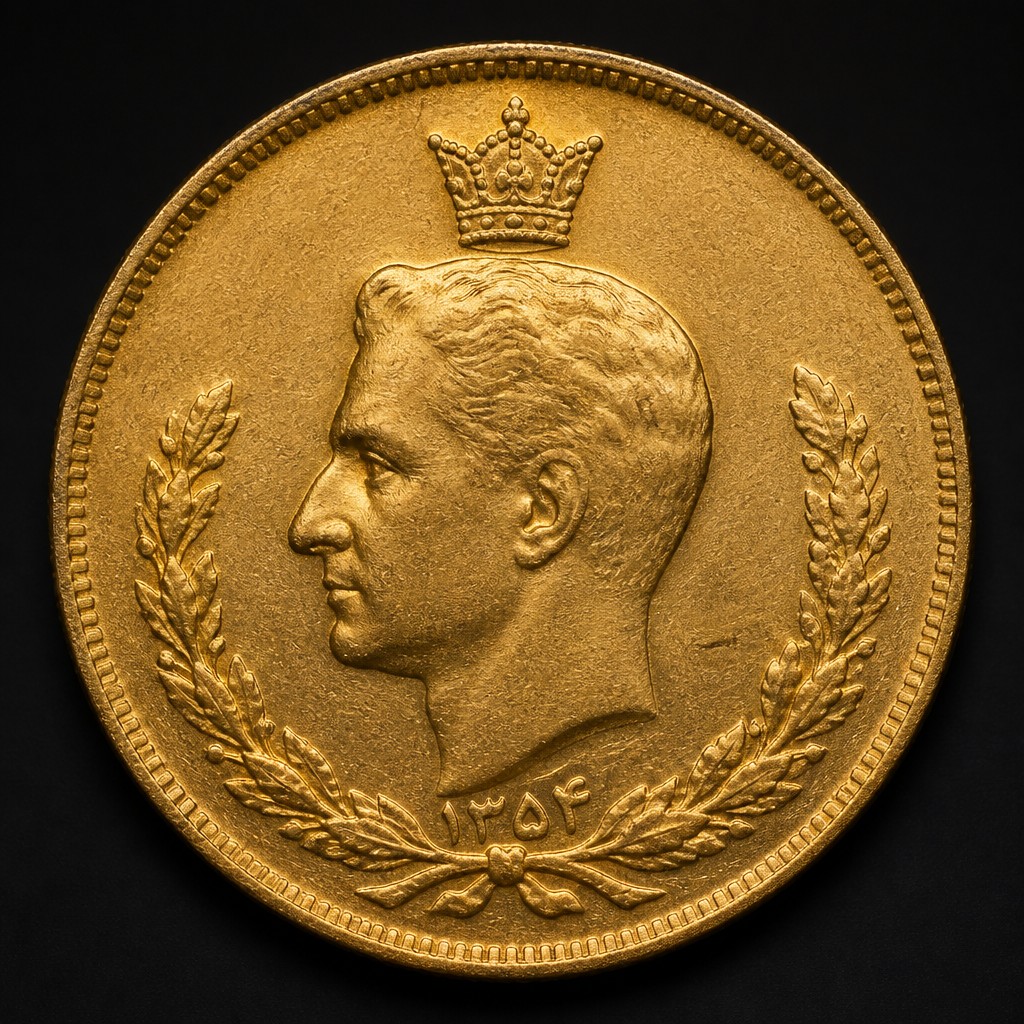
Iranian Pahlavi Gold Coin
1925–1979
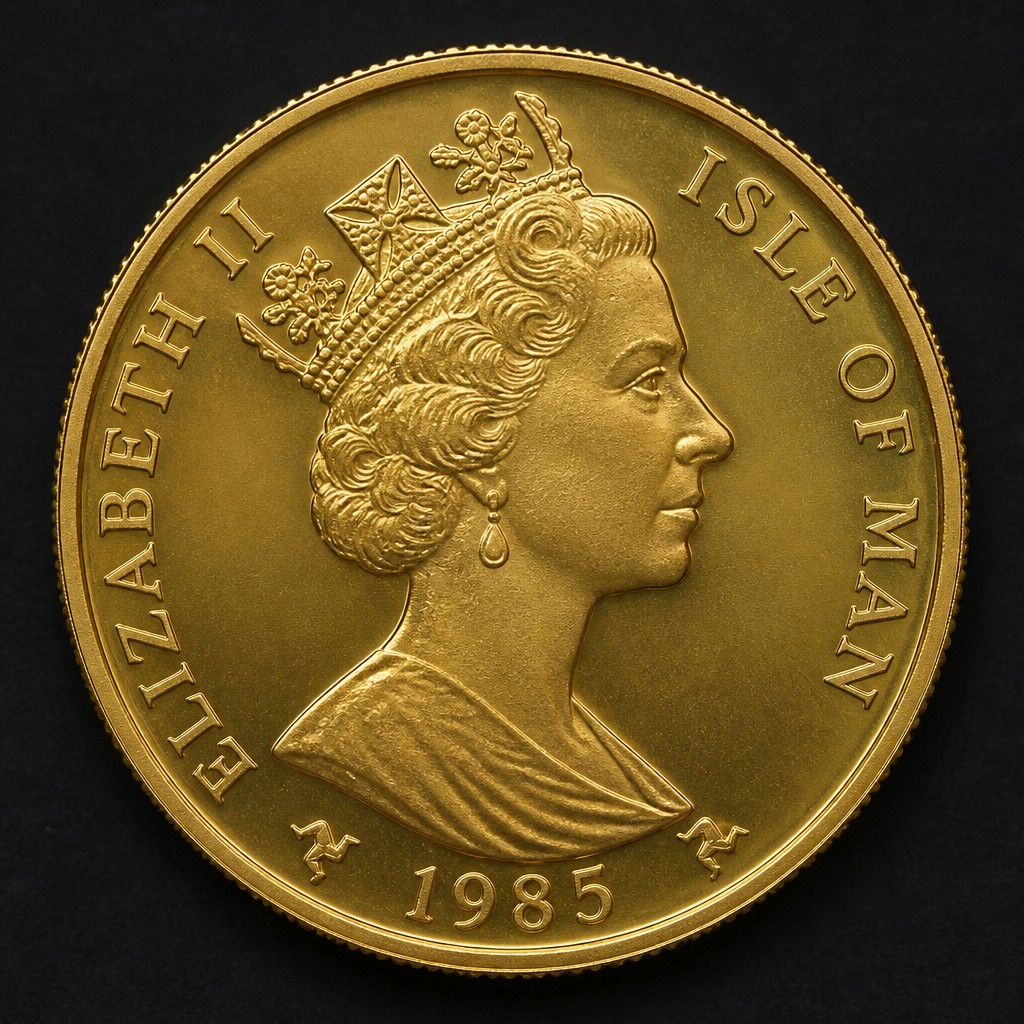
Isle of Man Angel Gold Coin
1984–present
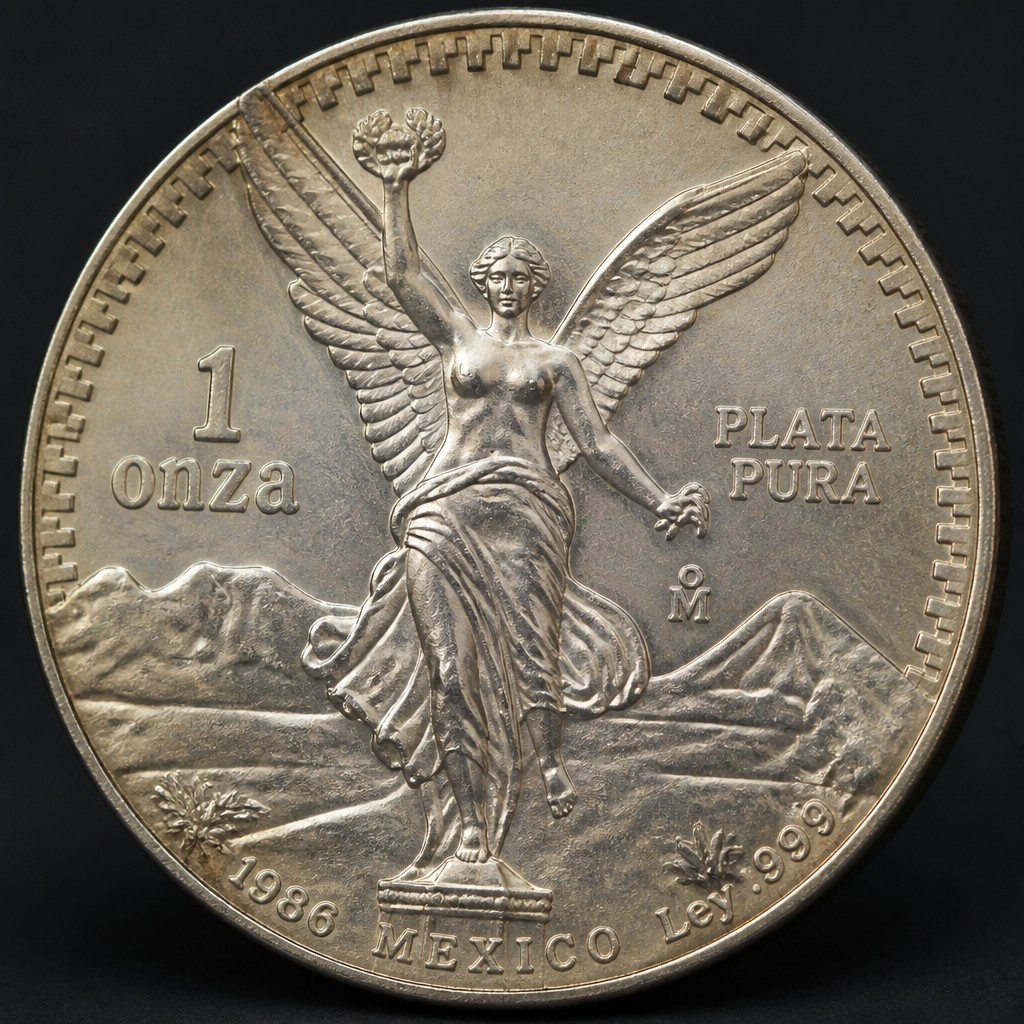
Mexican Libertad
1981-present (gold); 1982-present (silver)
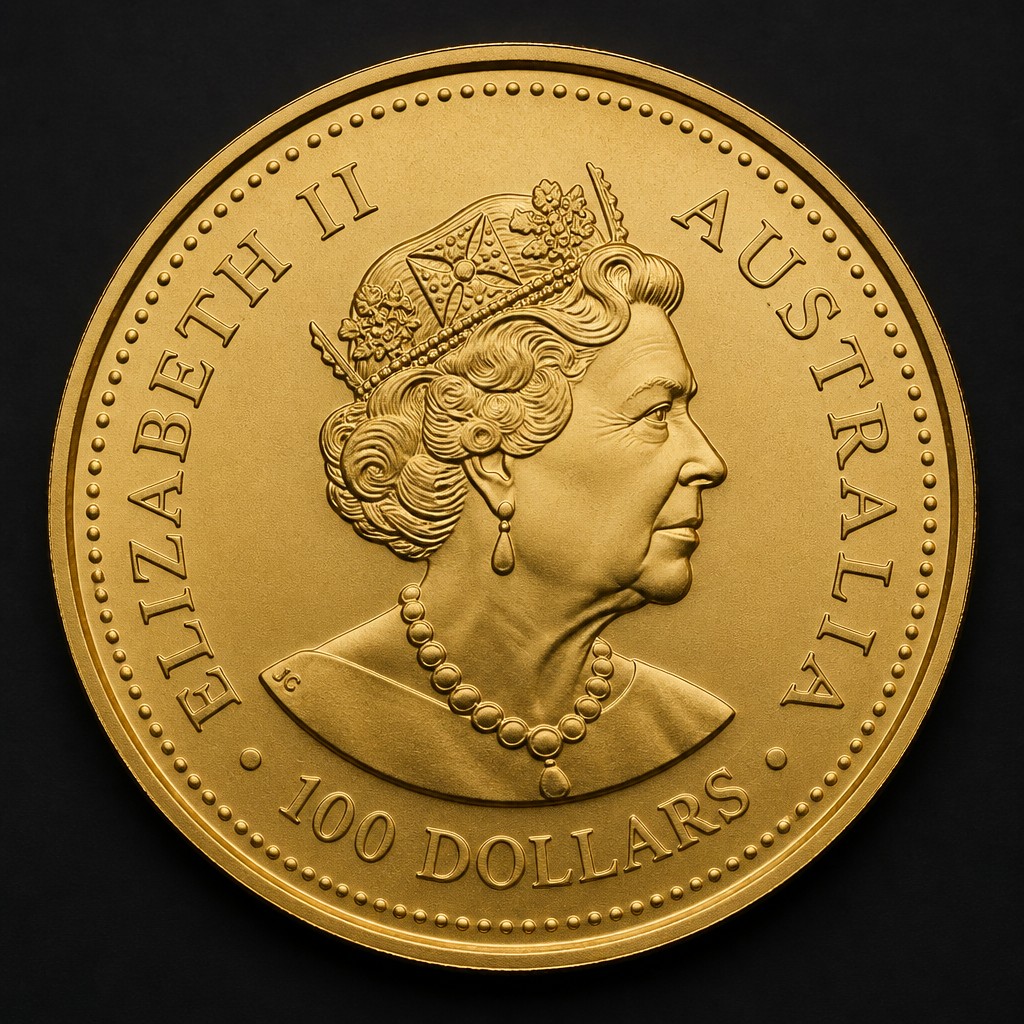
Australian Lunar Series (Perth Mint)
1996–present
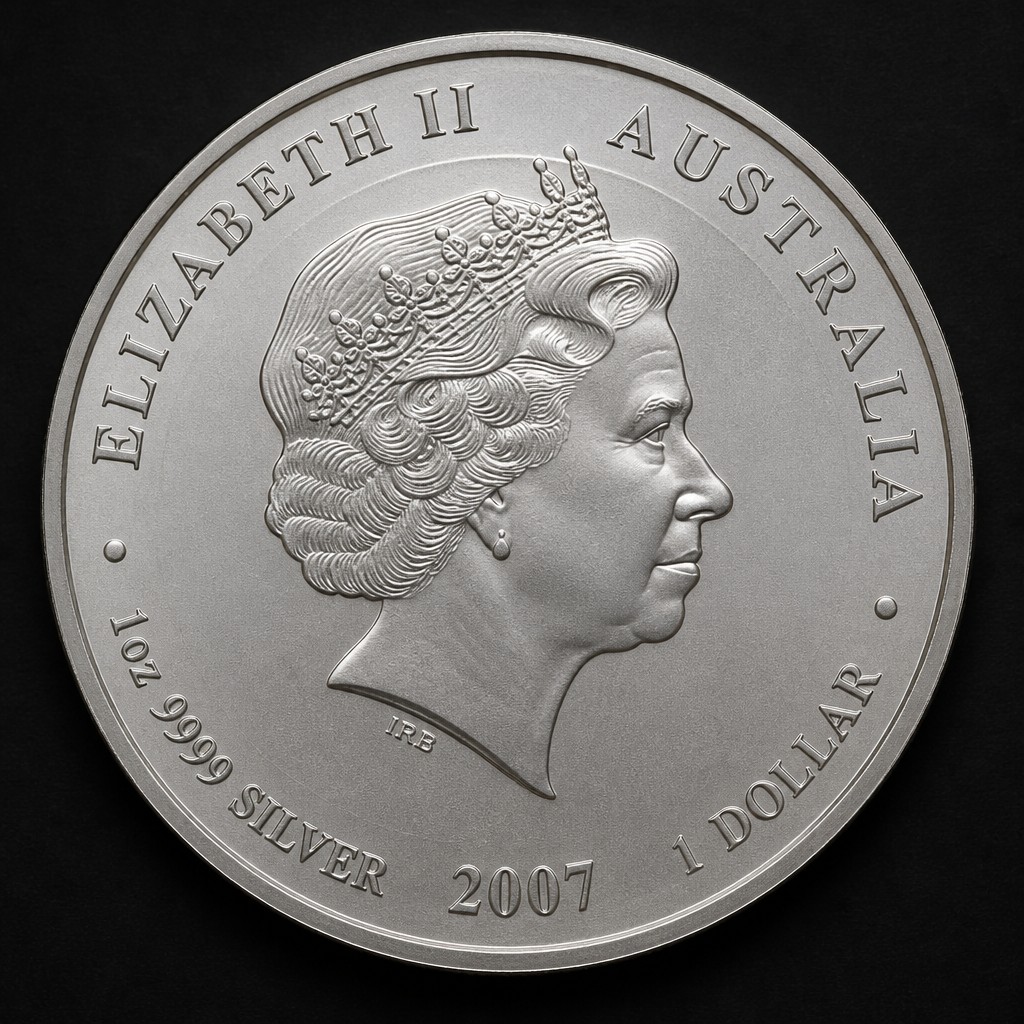
Australian Koala (Perth Mint)
1990-present (gold); 2007-present (silver)
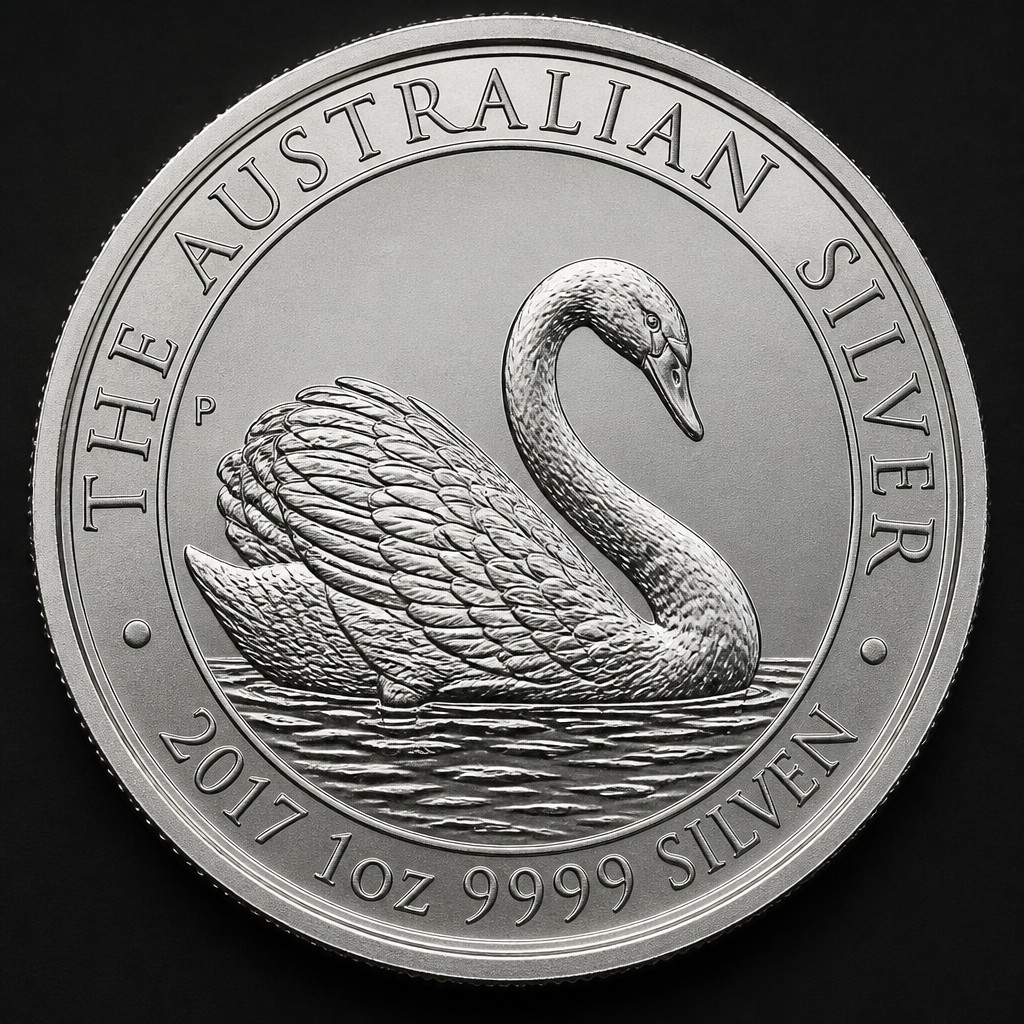
Perth Mint Silver Swan
2017–present
Australian Platinum Koala
1988–present
New Zealand Mint Silver Kiwi
2006–present
British Silver Landmarks of Britain
2020s–present
American Palladium Eagle
2017–present
Niue Silver Owl (Athenian)
2010s–present