
Coin Encyclopedia
Search and identify coins from around the world — with country, denomination, metal, mint, history, and how to tell them apart.
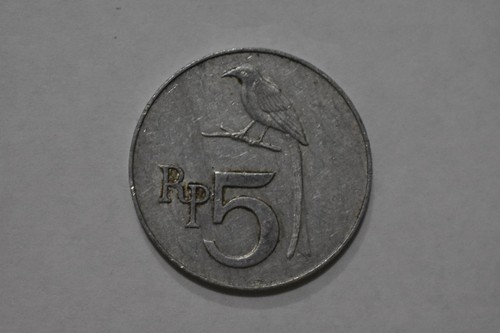
Indonesia 5 Rupiah
A lightweight aluminum 5-rupiah coin of the Republic of Indonesia dated 2003, carrying the Garuda eagle emblem and the legend Bank Indonesia.
Southeast Asia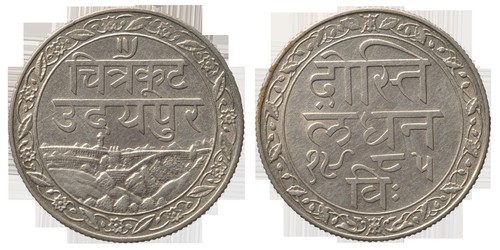
Mewar Chitrakut Half Rupee
A silver half rupee of the princely state of Mewar (Udaipur), dated VS 1985 (c. 1928), with Devanagari legends including the denomination अर्धरुपये.
Princely & Presidency States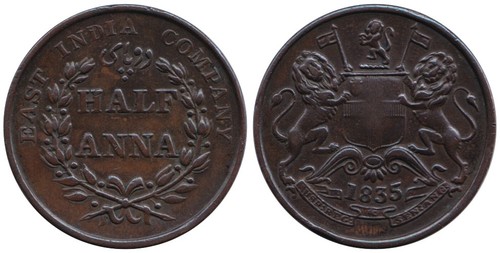
East India Company Half Anna
Large copper Half Anna of the East India Company, dated 1835, with laurel-wreath legend and the Company's heraldic lion-and-shield arms.
British India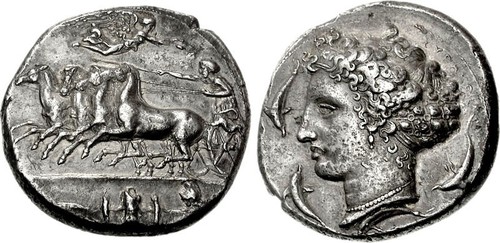
Syracuse Dekadrachm
Large silver dekadrachm of Syracuse, c. 405-380 BC, showing a racing quadriga crowned by Victory and a head of the nymph Arethusa with flowing hair.
Ancient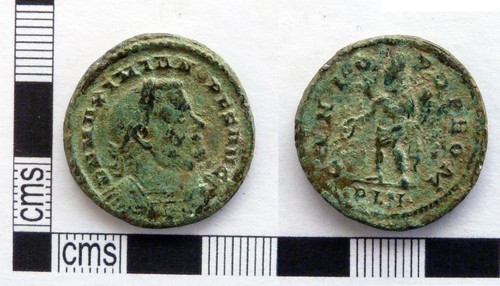
Roman Follis (AE3)
A small late Roman bronze follis of the Constantine I era (AD 320-330), with an emperor's profile obverse and a Victory or vota-in-wreath commemorative reverse.
Ancient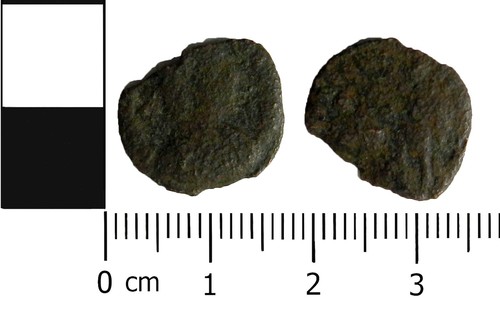
Roman Centenionalis
A small fourth-century Roman bronze coin, part of the reformed low-value currency struck across the empire's mints during a period of frequent monetary change.
Ancient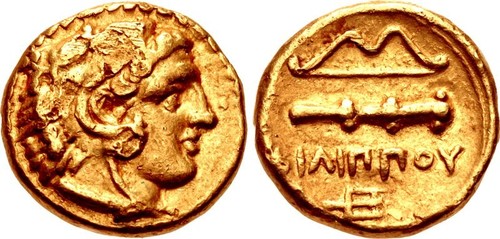
Alexander the Great Gold Quarter Stater
A small gold fraction of the Alexander the Great coinage, showing the head of Heracles and an eagle perched on a thunderbolt, the attributes of Zeus.
Ancient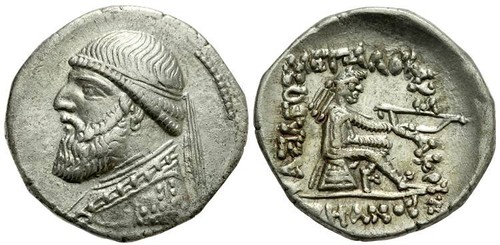
Parthian Drachm
Silver drachm of the Parthian (Arsacid) Empire, pairing a bearded royal profile with a seated archer holding a bow, struck in the era of Mithradates II.
Ancient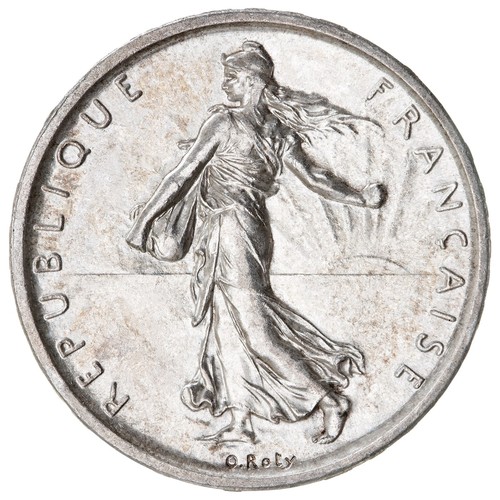
French Semeuse 5 Francs
A silver French 5-franc coin of the Fifth Republic showing the Sower (Semeuse) striding left, with a flowered wreath around the value on the reverse.
Circulation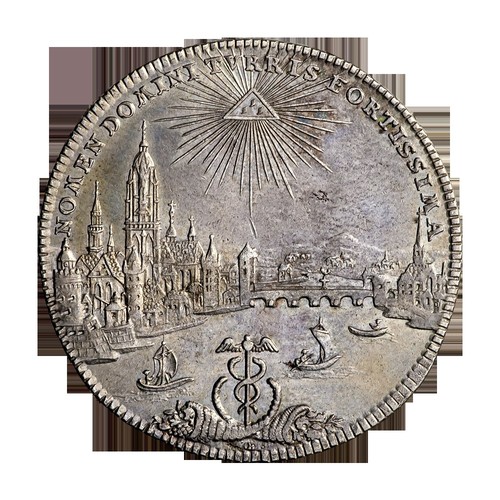
Frankfurt am Main Taler
A 1772 silver Taler of the Free Imperial City of Frankfurt am Main, famed for its detailed city-view reverse with walls, towers and radiant sun.
German States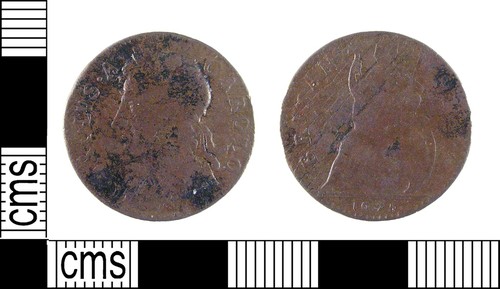
Charles II Halfpenny
A milled copper halfpenny of Charles II showing his laureate bust and a seated Britannia, part of the first regal copper coinage of England, dated 1675.
Milled
Chu State Ant-Nose Coin
A small cast bronze cowrie-shaped coin of the Chu state, bearing a face-like Chinese inscription in relief, nicknamed ant-nose or ghost-face money.
Ancient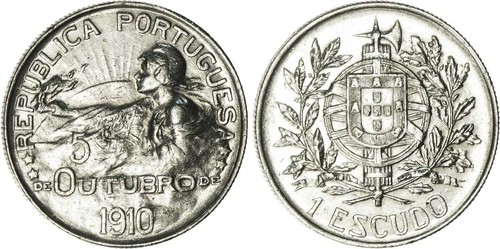
1 Escudo
Portugal's first silver escudo, struck in 1910 to mark the founding of the Republic, with an allegorical female head and the crowned national shield.
Modern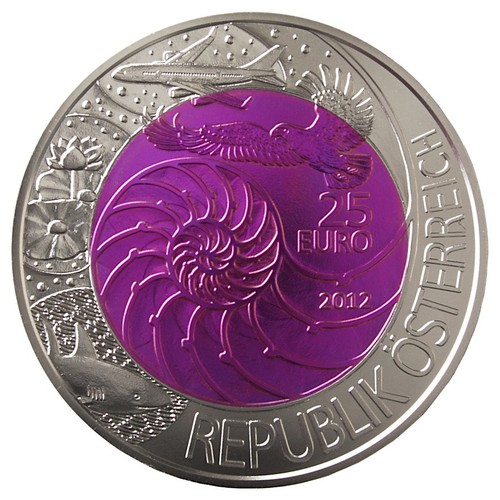
25 Euro (Bionik)
Austria's 2012 silver-niobium 25 euro coin, part of the Silver Niobium Series, with a purple niobium core and a Bionik (bionics) theme.
Commemorative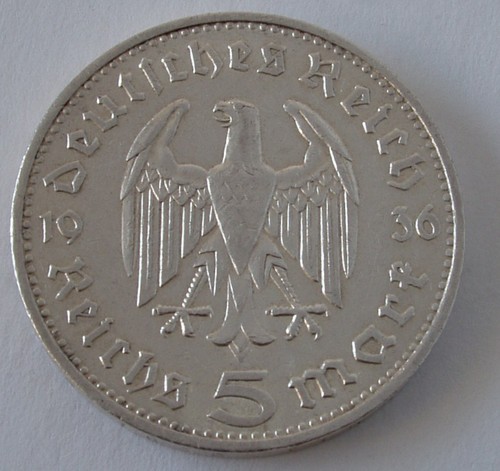
German 5 Reichsmark (Hindenburg)
German silver 5 Reichsmark of the Third Reich, pairing a portrait of Paul von Hindenburg with an eagle-and-swastika reverse; dated 1936.
Circulation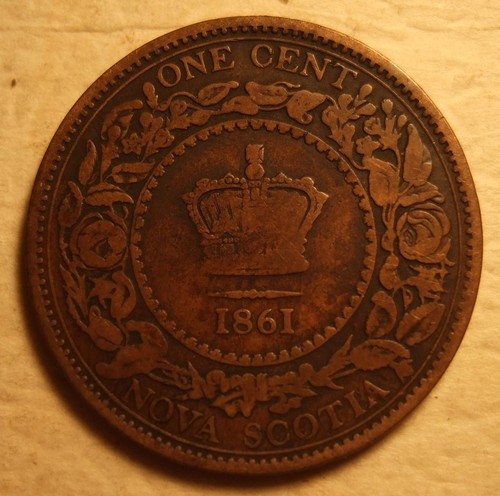
Nova Scotia One Cent
Bronze one-cent coin of the colony of Nova Scotia, with a crowned Queen Victoria obverse and a crown-and-maple-leaves reverse.
Canadian & Provincial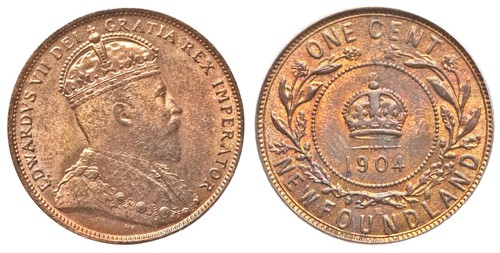
Newfoundland One Cent
Bronze large cent of the colony of Newfoundland; the example shown is a 1904 issue with Edward VII's profile and a wreath reverse.
Canadian & Provincial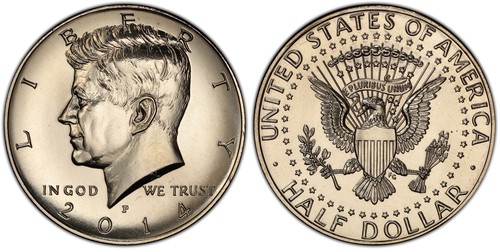
Kennedy Half Dollar 50th Anniversary High Relief
U.S. 90% silver half dollar issued in 2014 for the 50th anniversary of the Kennedy design, with a restored high-relief JFK portrait.
Half Dollar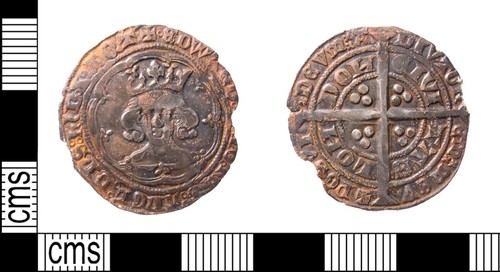
Edward III Groat
Hammered silver fourpence of King Edward III, showing a crowned bust of the king and a long cross with pellets in the quarters.
Medieval Coins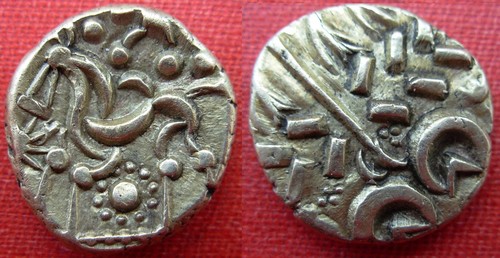
Corieltauvi Stater
A gold stater of the Corieltauvi tribe of Iron Age Britain, with an abstracted head on the obverse and a stylized horse and symbols on the reverse.
Ancient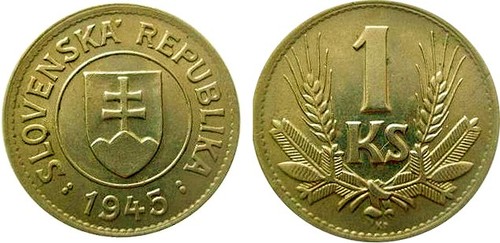
1 Koruna
A lightweight aluminum 1 Koruna of the wartime Slovak state, showing the double-cross national shield on one side and the value 1 Ks flanked by wheat ears.
Modern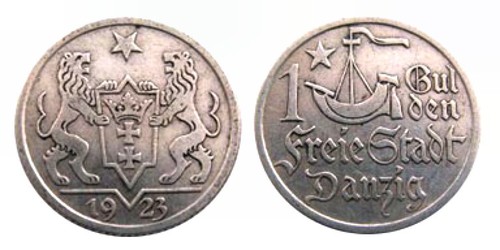
1 Gulden (Silver)
Silver 1 Gulden of the Free City of Danzig, dated 1923, carrying the city's coat of arms and its own short-lived currency between the World Wars.
Modern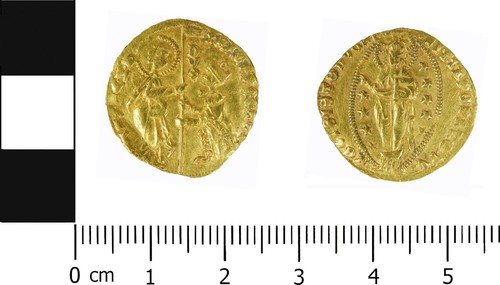
Venetian Ducat
A medieval gold ducat of the Republic of Venice, showing Saint Mark presenting a banner to the kneeling Doge on one side and Christ on the other.
Medieval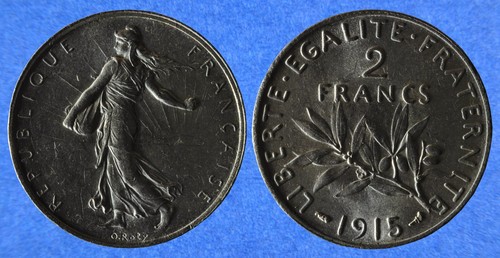
2 Francs Semeuse
A French silver two francs of the Third Republic showing Roty's striding Semeuse (Sower) on the obverse and the value with the national motto on the reverse.
Circulation