
Coin Encyclopedia
Search and identify coins from around the world — with country, denomination, metal, mint, history, and how to tell them apart.
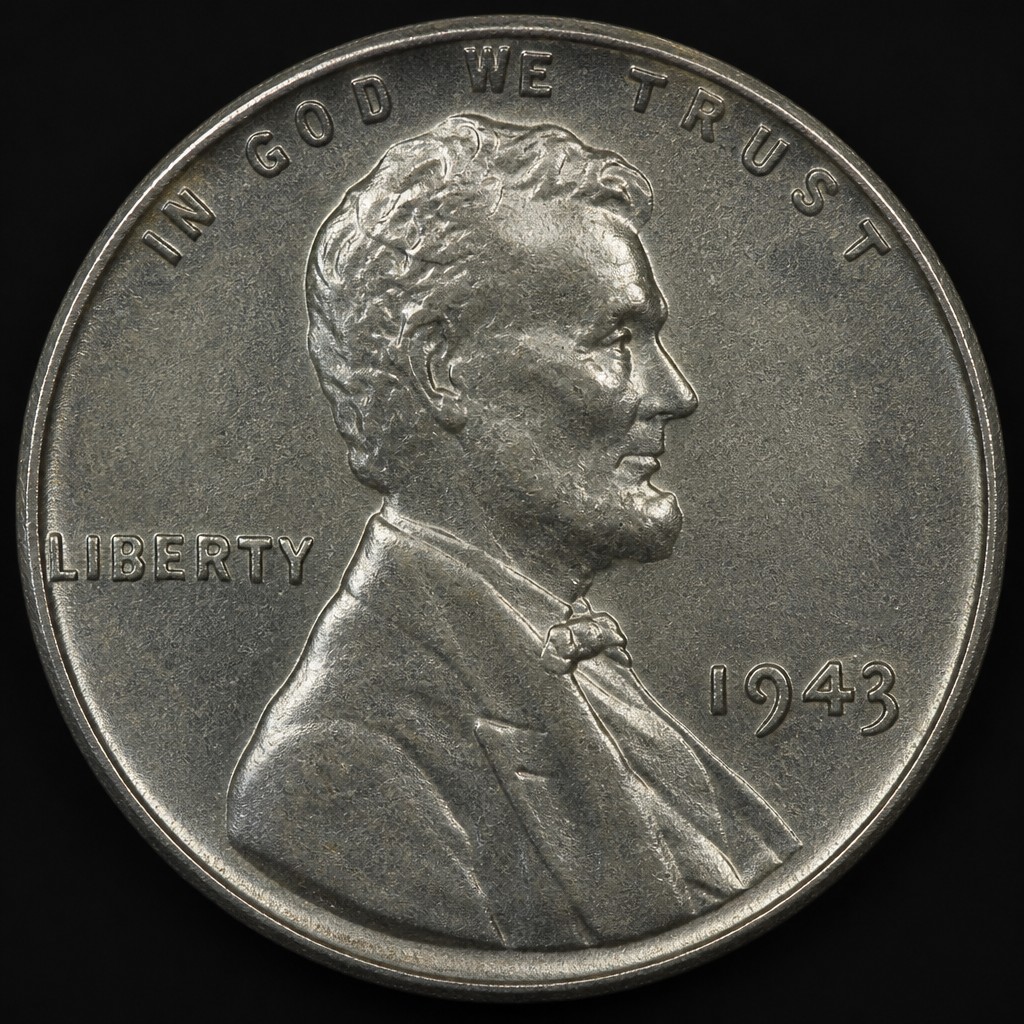
1943 Steel Cent
A one-year-only zinc-coated steel cent struck to conserve copper for World War II ammunition and equipment production, easily recognized by its silvery color.
United States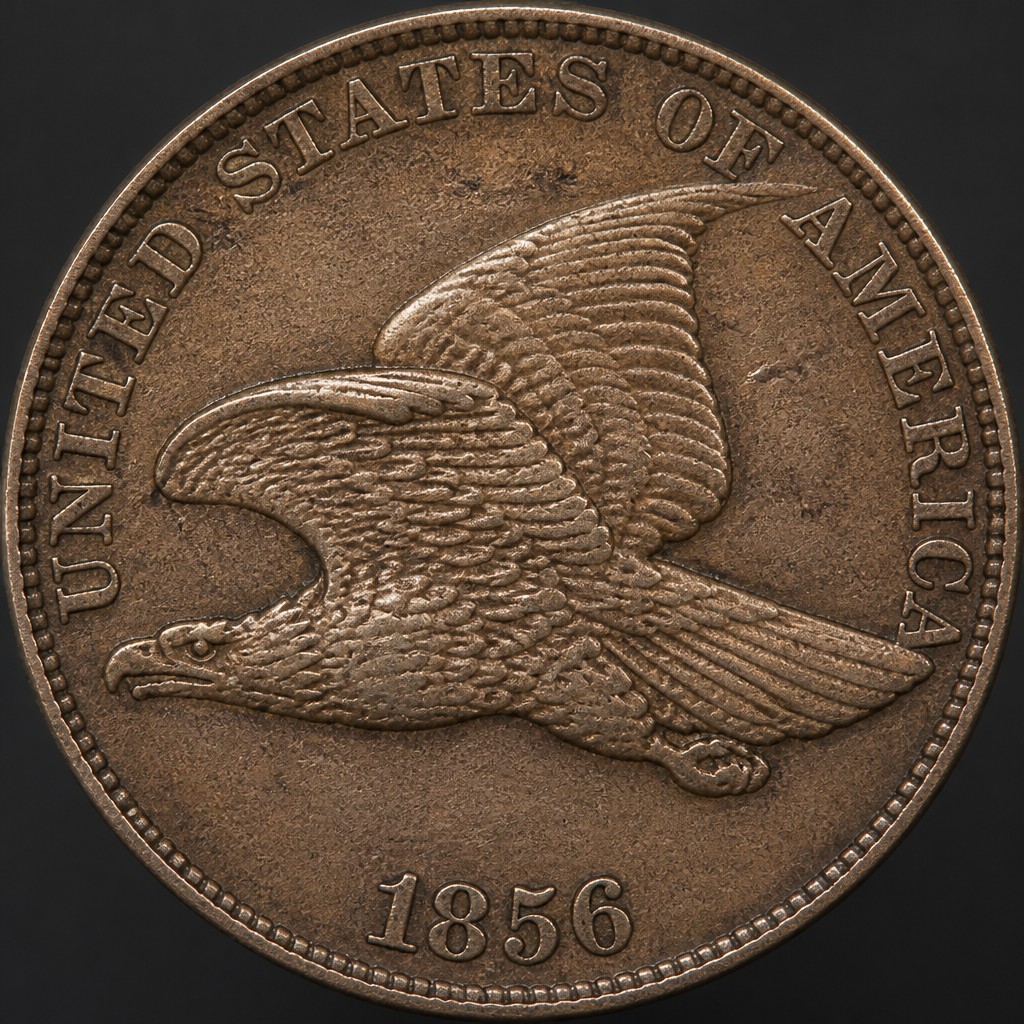
Flying Eagle Cent
The first small-size U.S. cent, introduced in 1856 to replace the large copper cent, featuring a flying eagle obverse designed by James B. Longacre.
United States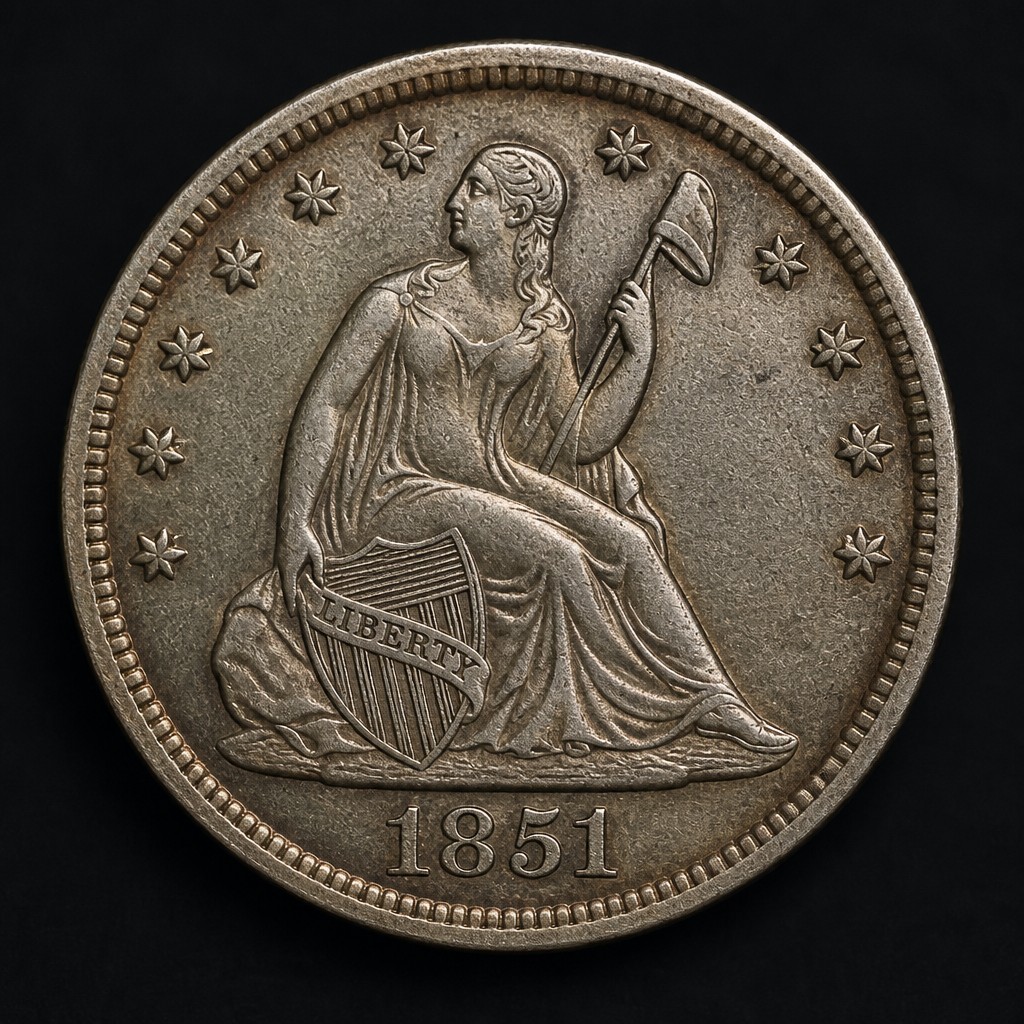
1851 Silver Three-Cent Piece
The first-year issue of the tiny Type I silver three-cent piece, nicknamed the trime, created to ease a national shortage of small change and postage-stamp coinage.
United States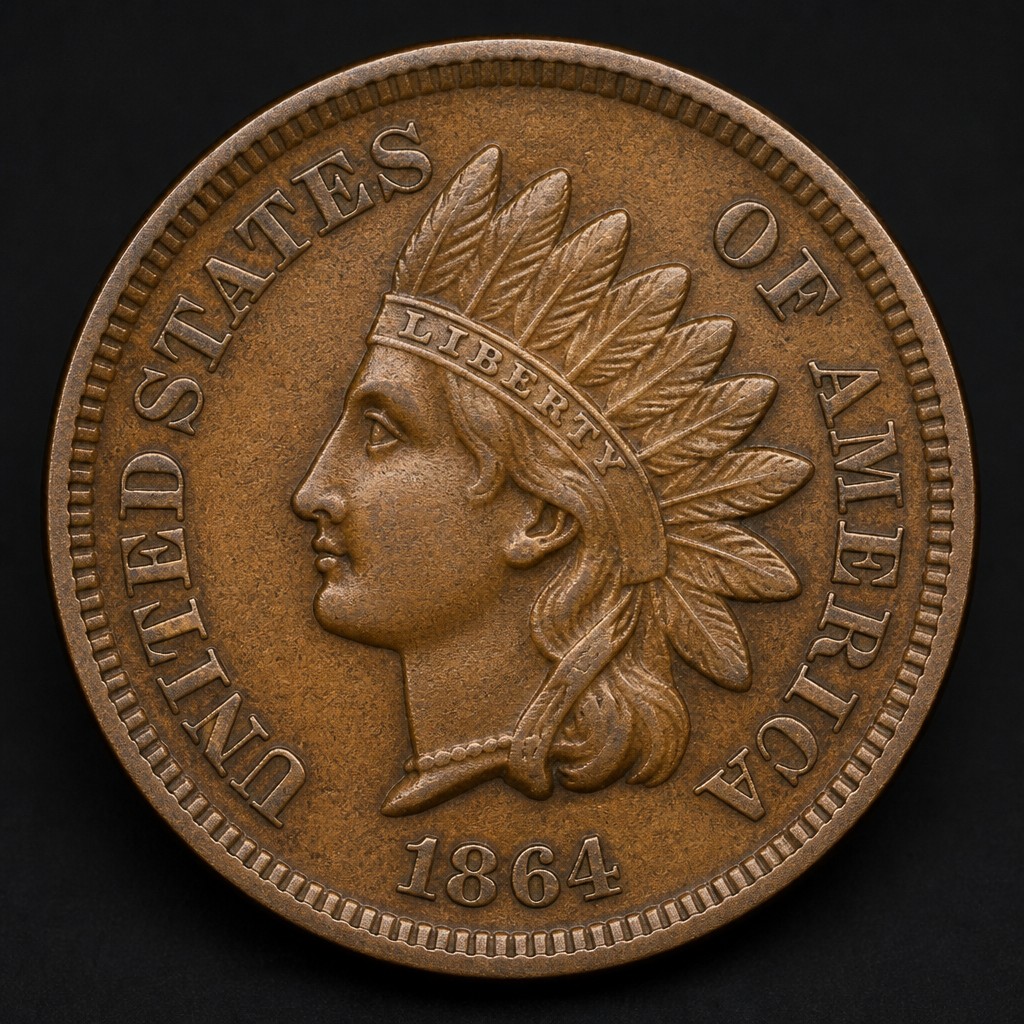
1864 L Indian Head Cent
A famous variety of the 1864 bronze Indian Head cent bearing a tiny L on Liberty's ribbon for designer James Longacre, one of the most recognized key varieties in the series.
United States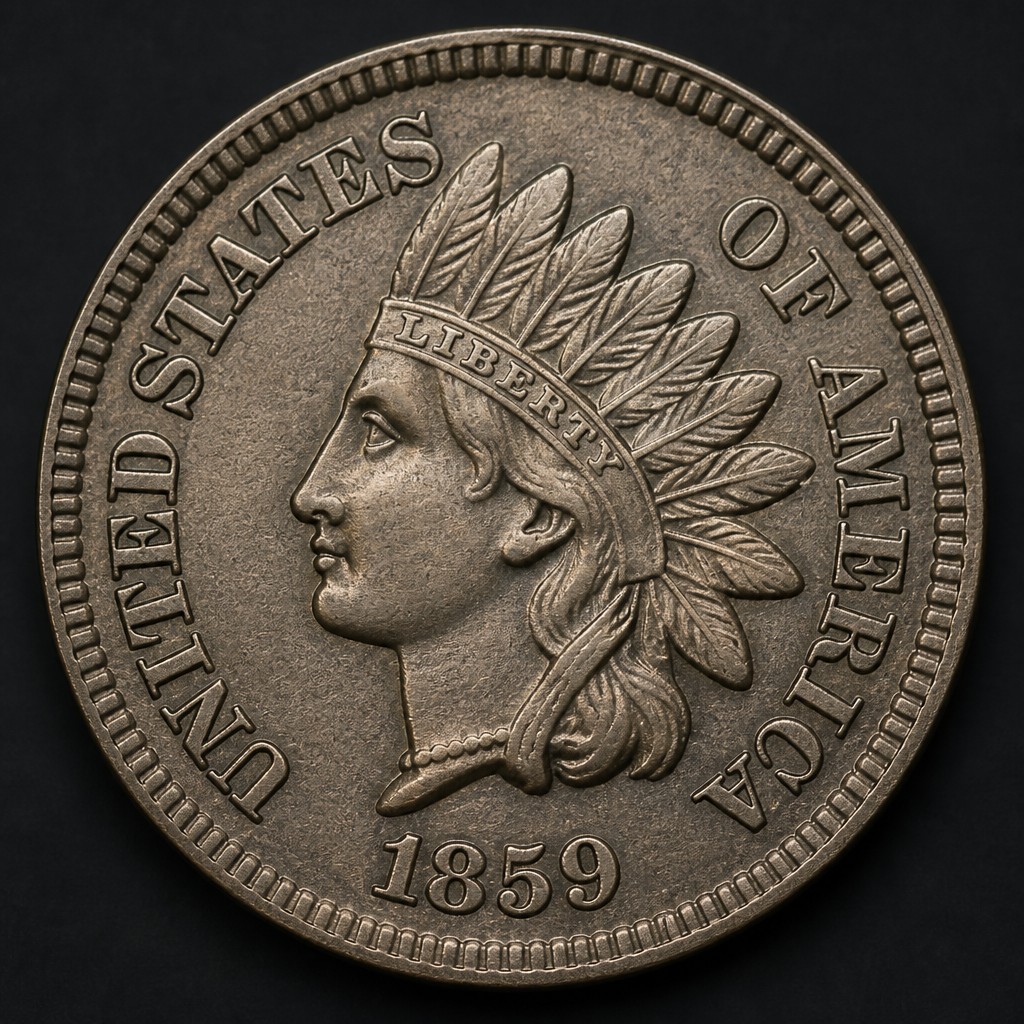
Copper-Nickel Indian Head Cent
The earliest Indian Head cents, struck in copper-nickel from 1859 to 1864 before the Mint switched to a thinner bronze alloy, nicknamed 'white cents' for their pale color.
United States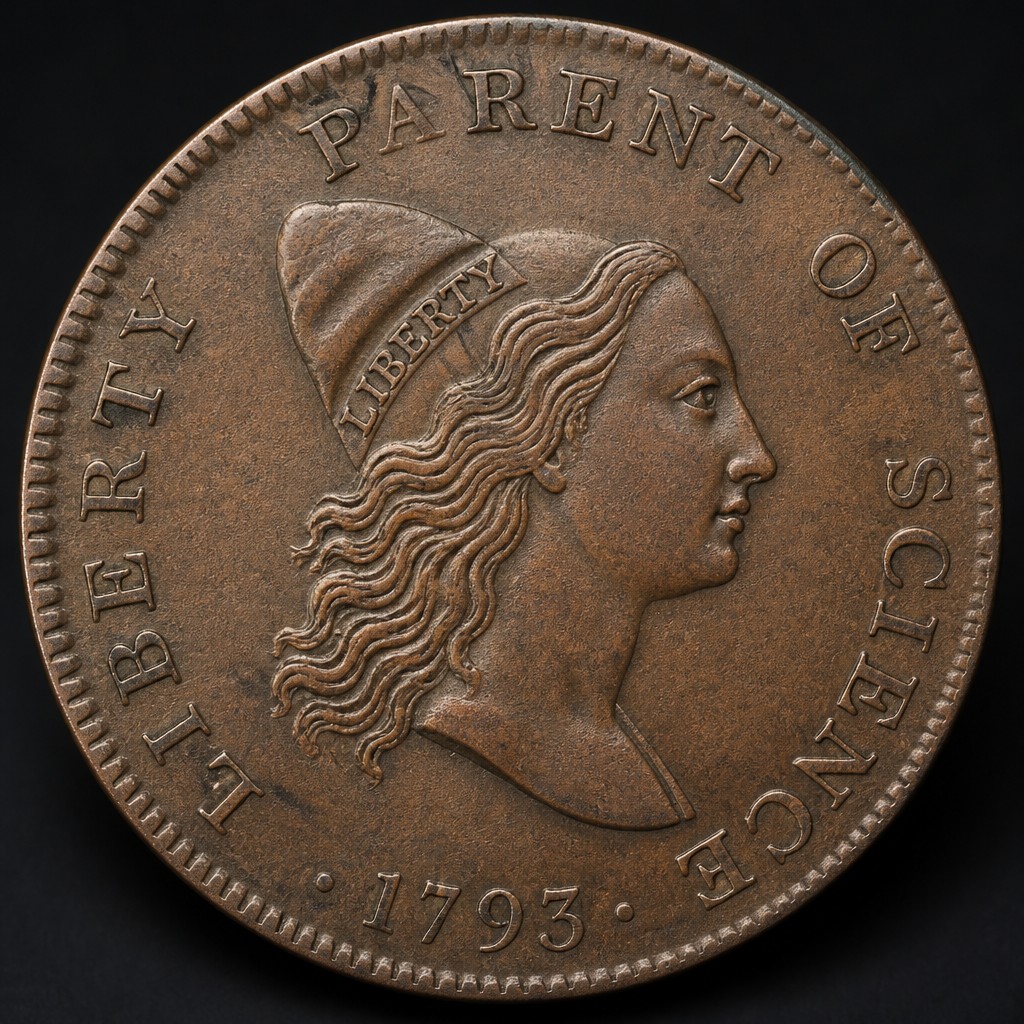
1793 Liberty Cap Half Cent
The first-year half cent, struck in 1793 with a distinctive 'Head Facing Left' Liberty Cap design used only that single year before the design was revised.
United States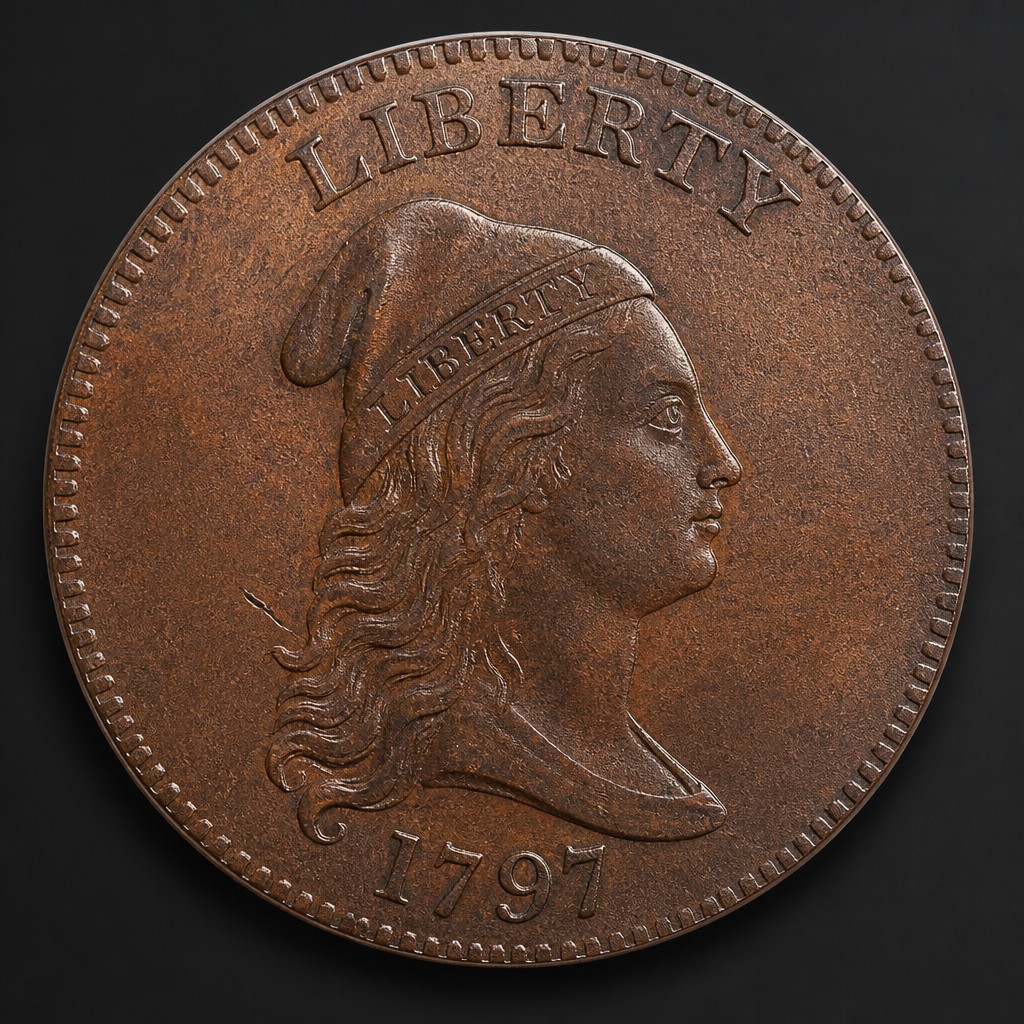
Liberty Cap Half Cent
The first design used on the U.S. half cent, struck from 1793 to 1797, showing Liberty wearing a soft cap on the obverse and a wreath on the reverse.
United States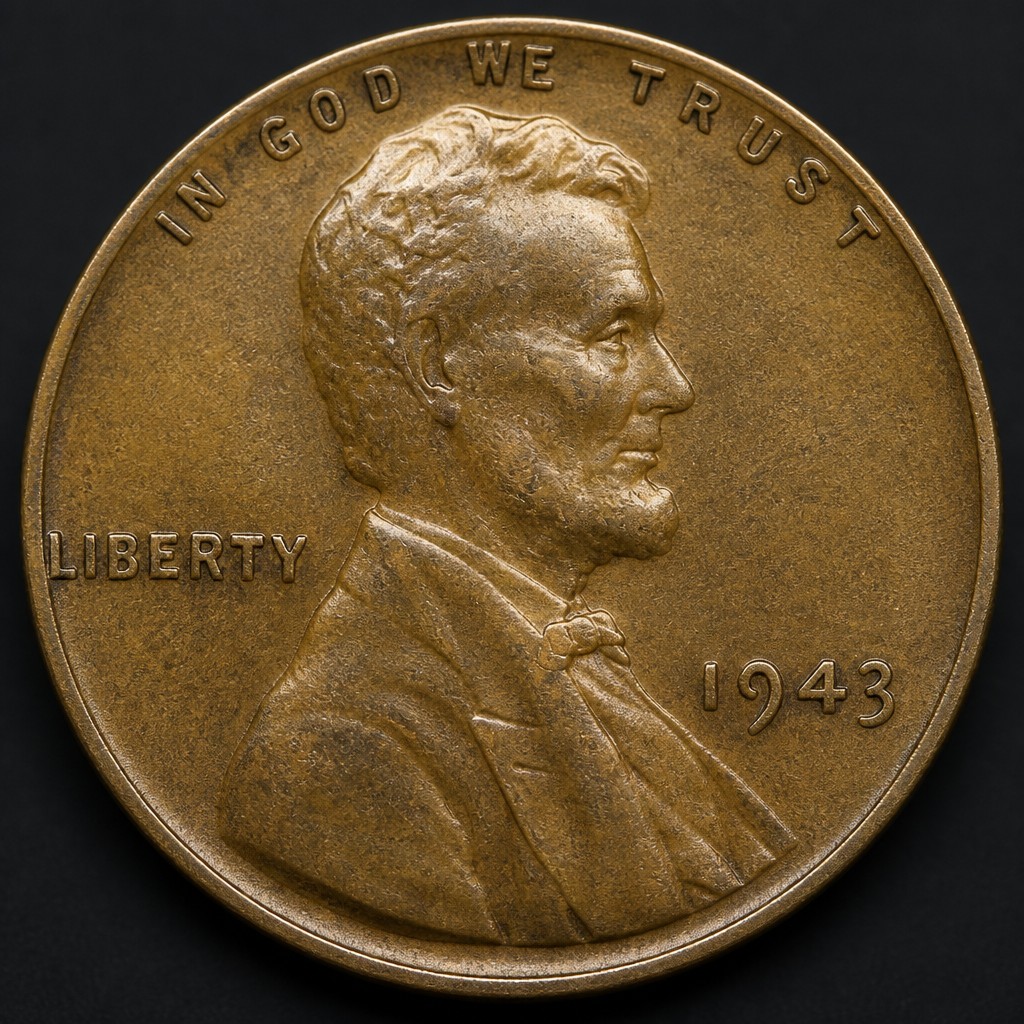
1943 Bronze Cent
An extremely rare Lincoln cent mistakenly struck in leftover bronze planchets in 1943, a year when cents were officially made of zinc-coated steel to save copper for World War II.
Errors & Varieties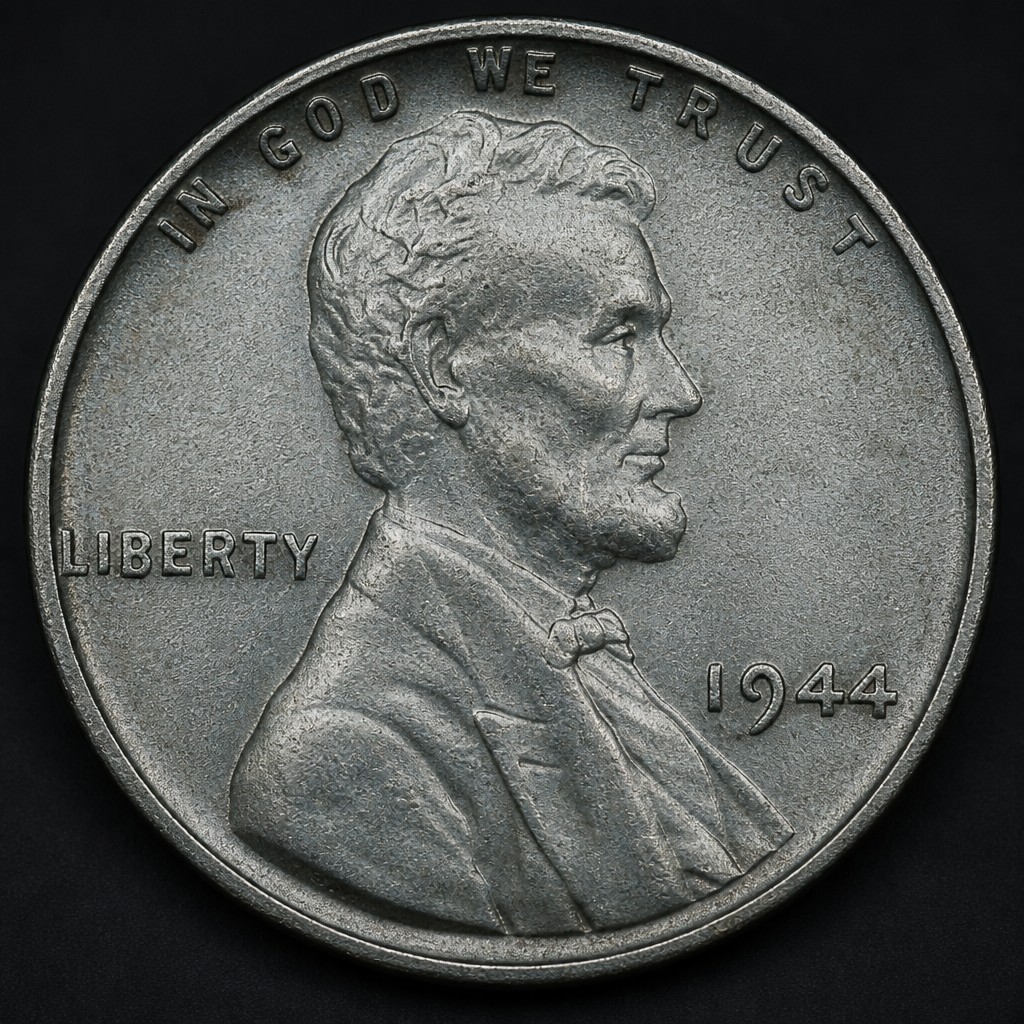
1944 Steel Cent
A rare Lincoln cent mistakenly struck on leftover steel planchets in 1944, the reverse counterpart to the famous 1943 bronze cent error.
Errors & Varieties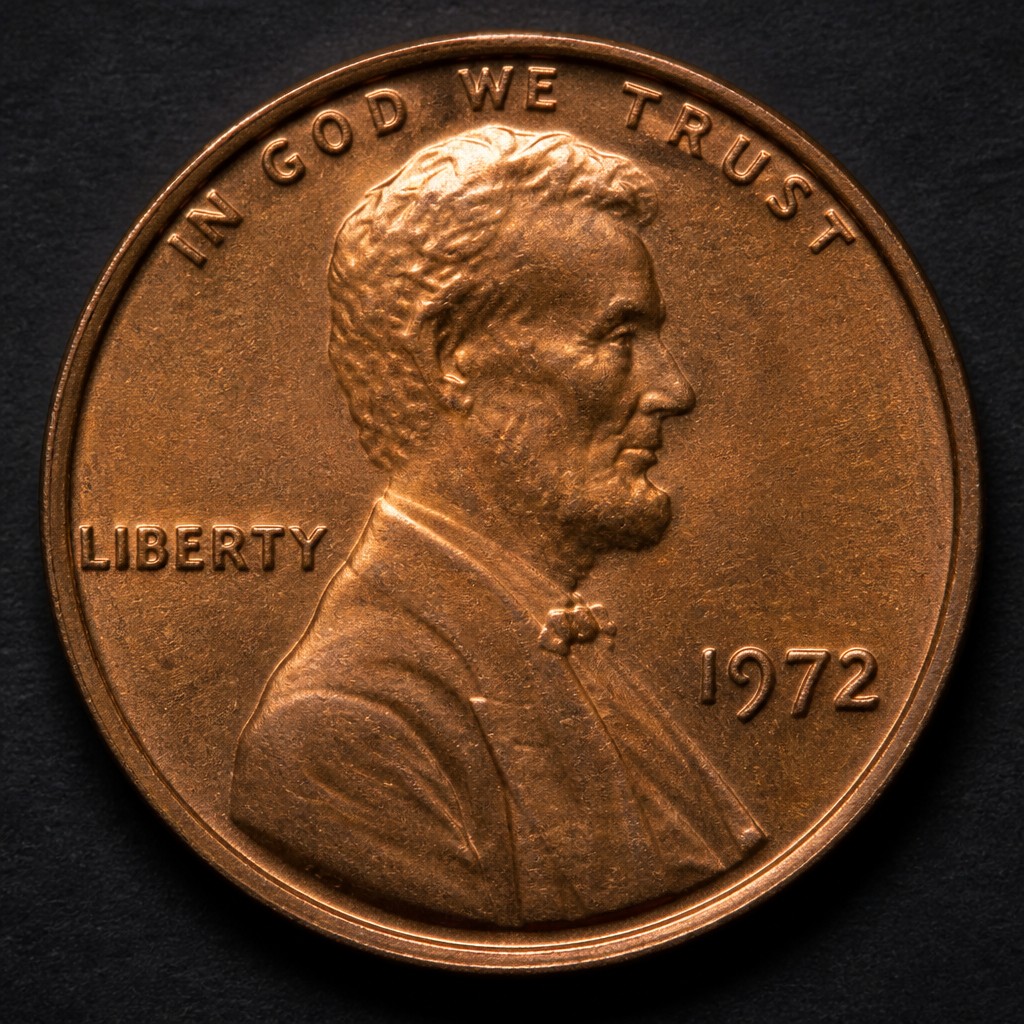
1972 Doubled Die Lincoln Cent
A famous Lincoln cent error showing strong doubling on the obverse date and lettering, caused by a misaligned die hub during production at the Philadelphia Mint.
Errors & Varieties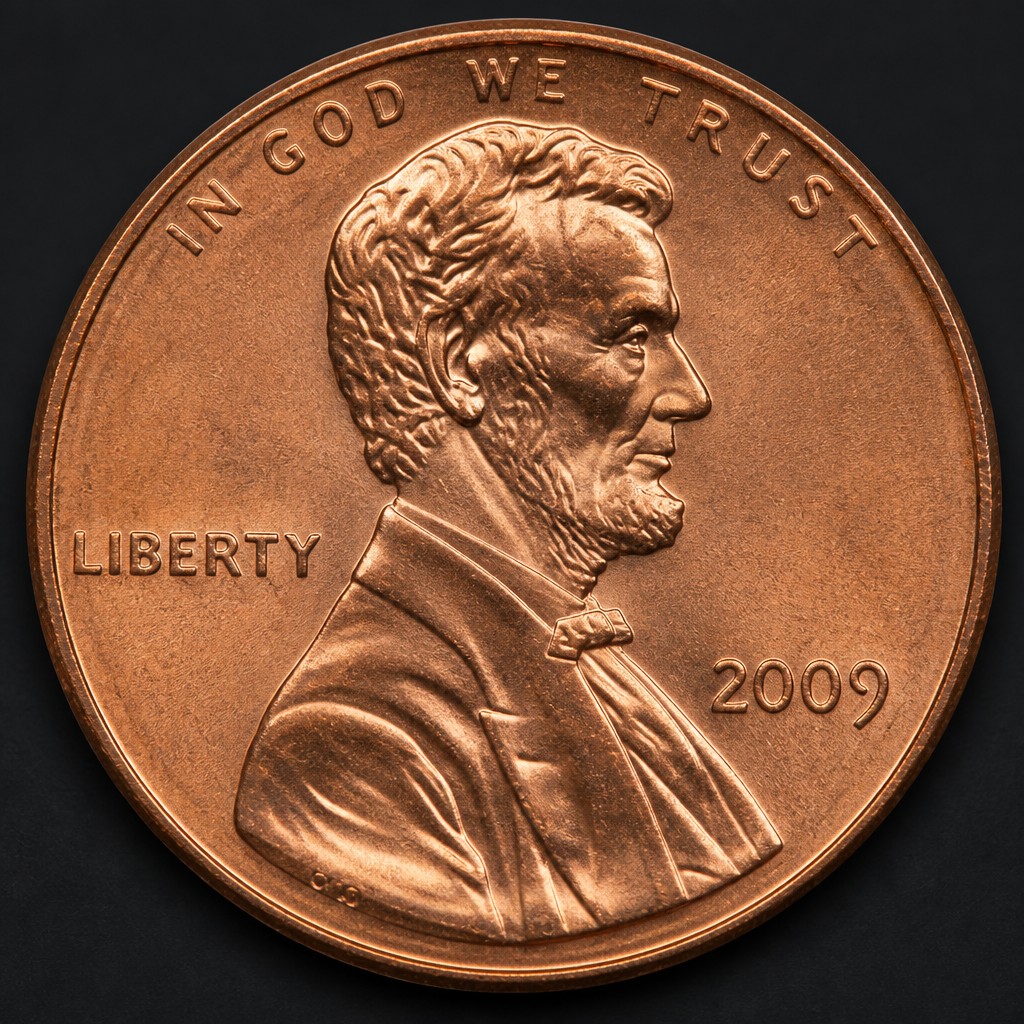
Lincoln Bicentennial Cent (2009)
A one-year series of four different reverse designs issued in 2009 to mark the 200th anniversary of Abraham Lincoln's birth and the centennial of the Lincoln cent.
Commemorative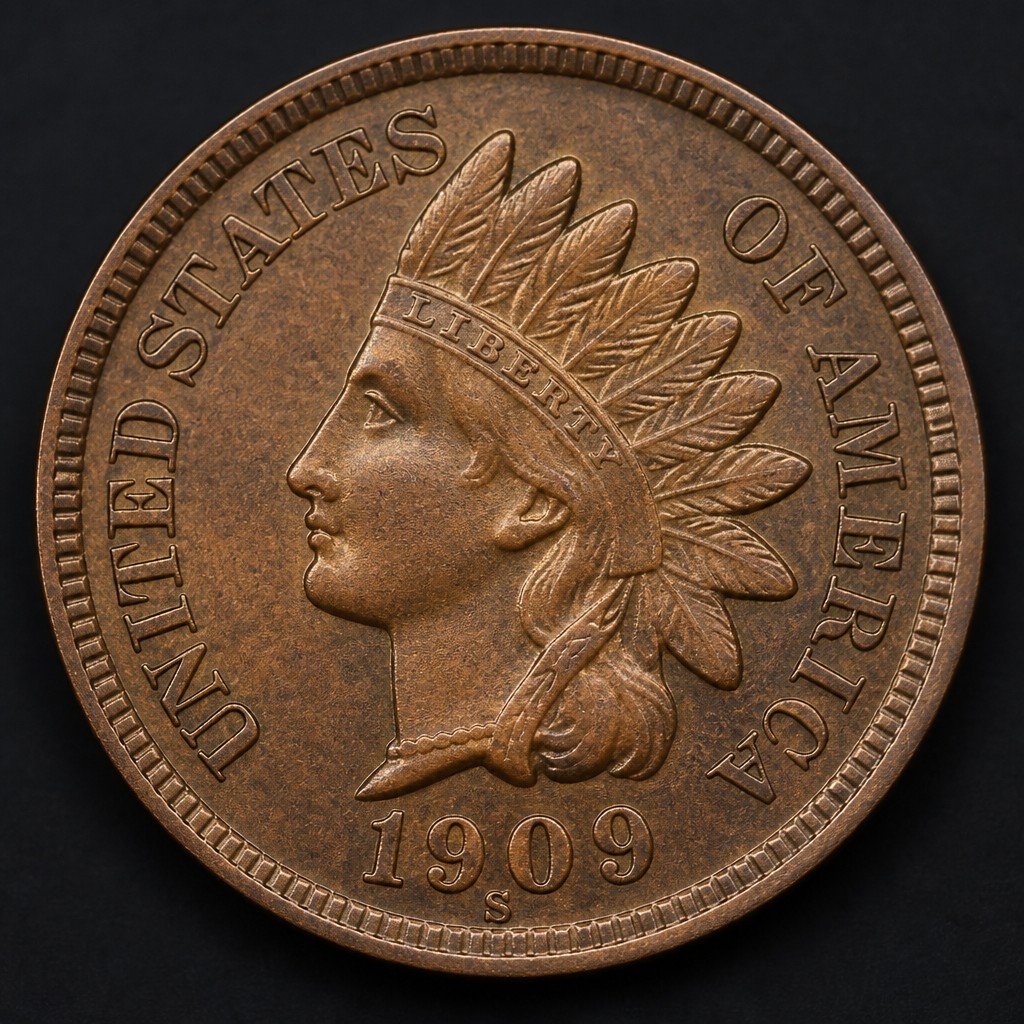
1909-S Indian Head Cent
The final and lowest-mintage Indian Head cent, struck at the San Francisco Mint in the series' last year before the Lincoln cent debuted.
United States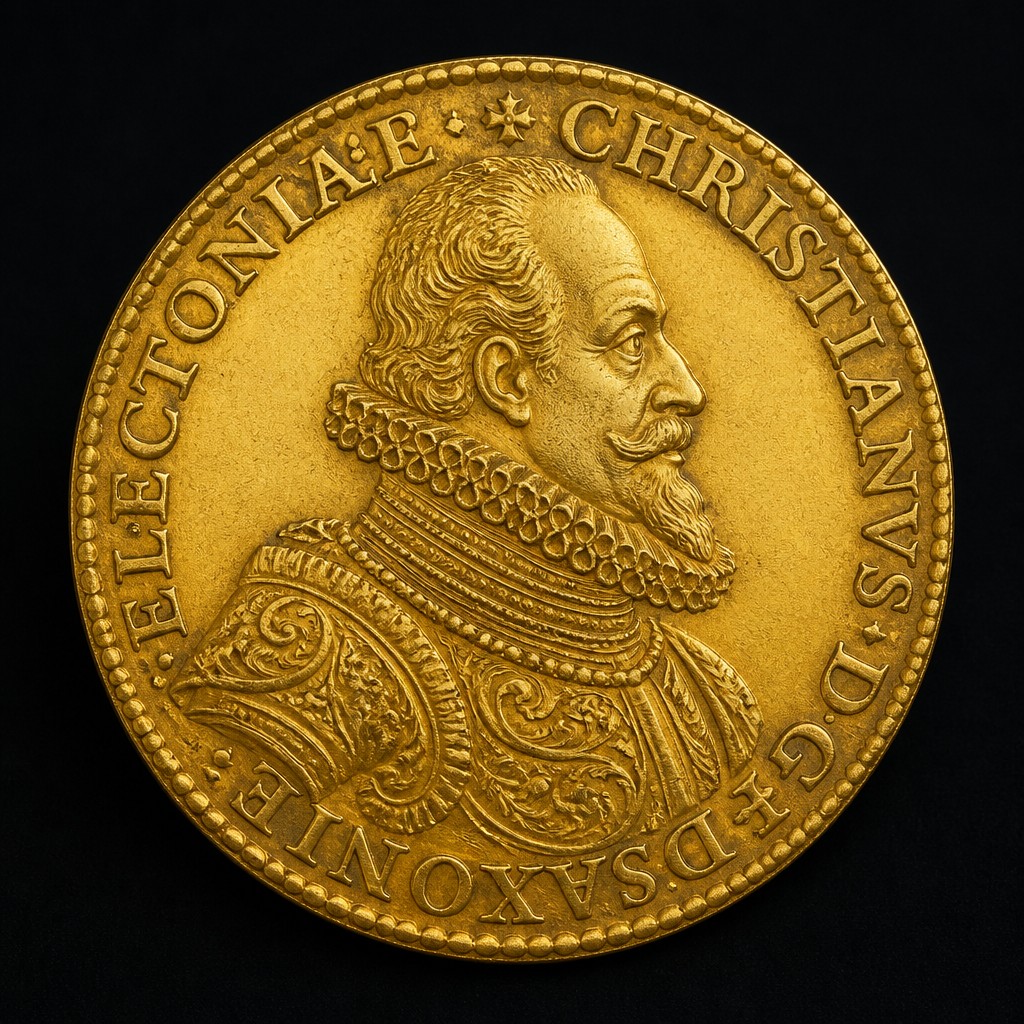
German Saxony Ducat
A high-purity gold trade coin struck for centuries by the rulers of Saxony, one of the most important German states before national unification.
European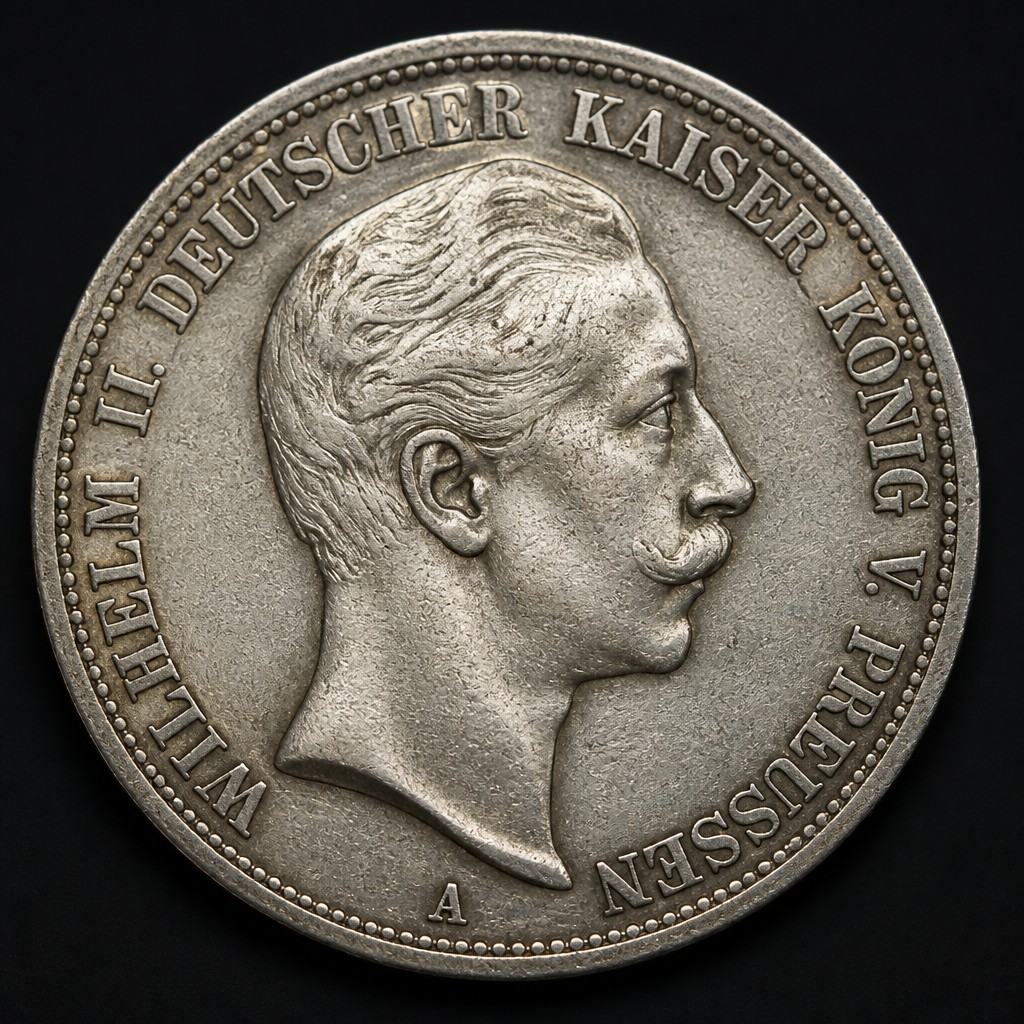
German 5 Mark Silver (Kaiserreich)
The 5 Mark was the largest circulating silver coin of the German Empire, issued by numerous constituent states and free cities, each with its own portrait or design under a common imperial system.
European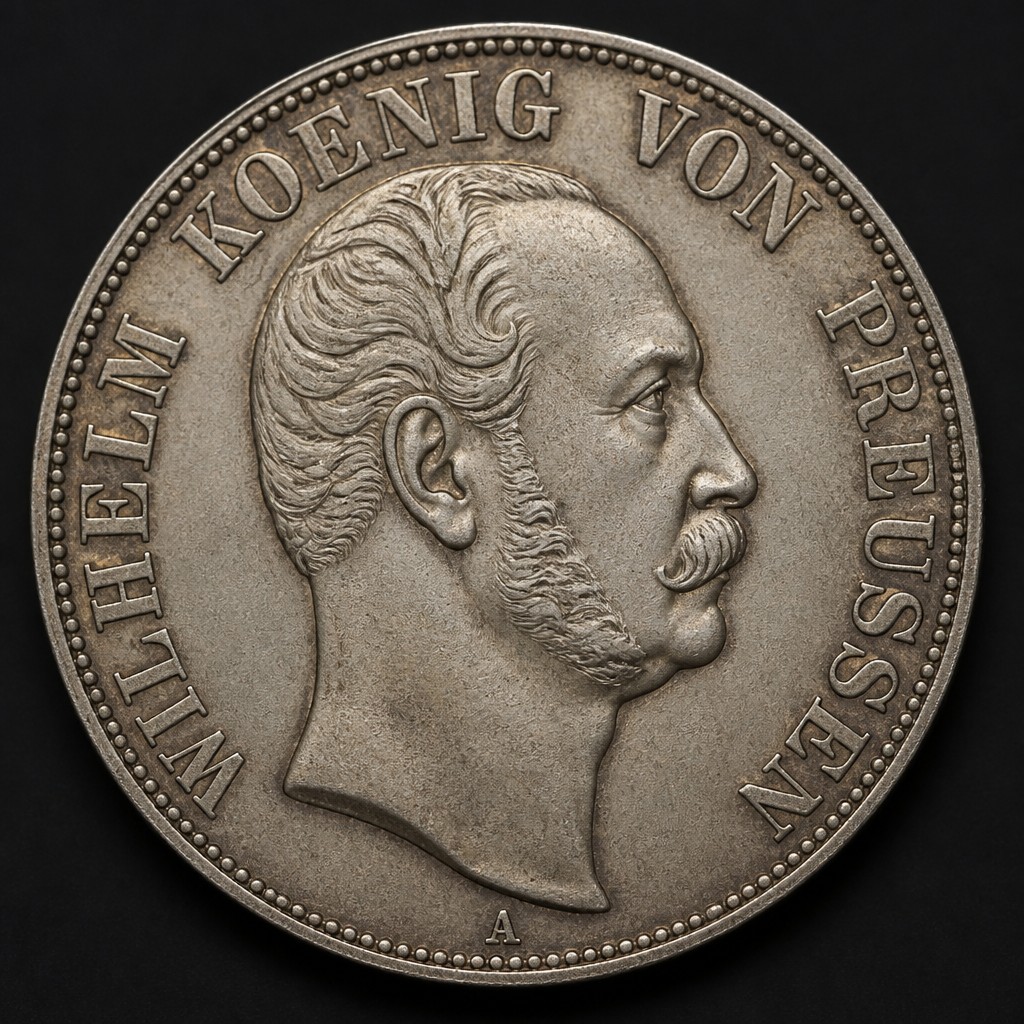
Prussian Vereinsthaler
A standardized silver thaler struck by the Kingdom of Prussia under the 1857 Vienna Monetary Treaty, unifying weight and fineness across many German and Austrian states before German unification.
European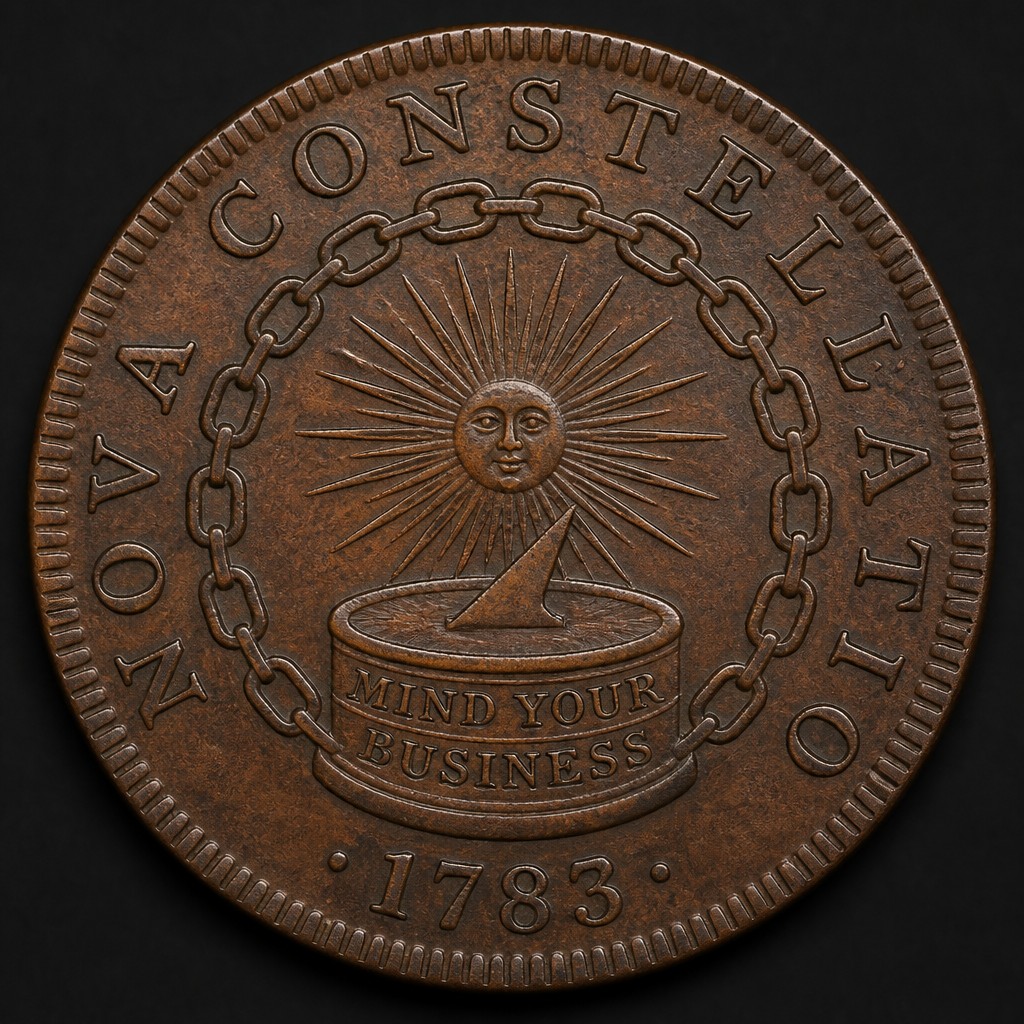
Nova Constellatio Copper
Distinctive early American copper coin featuring a radiant eye within a circle of stars, associated with Gouverneur Morris's proposed decimal coinage plans of the early 1780s.
United States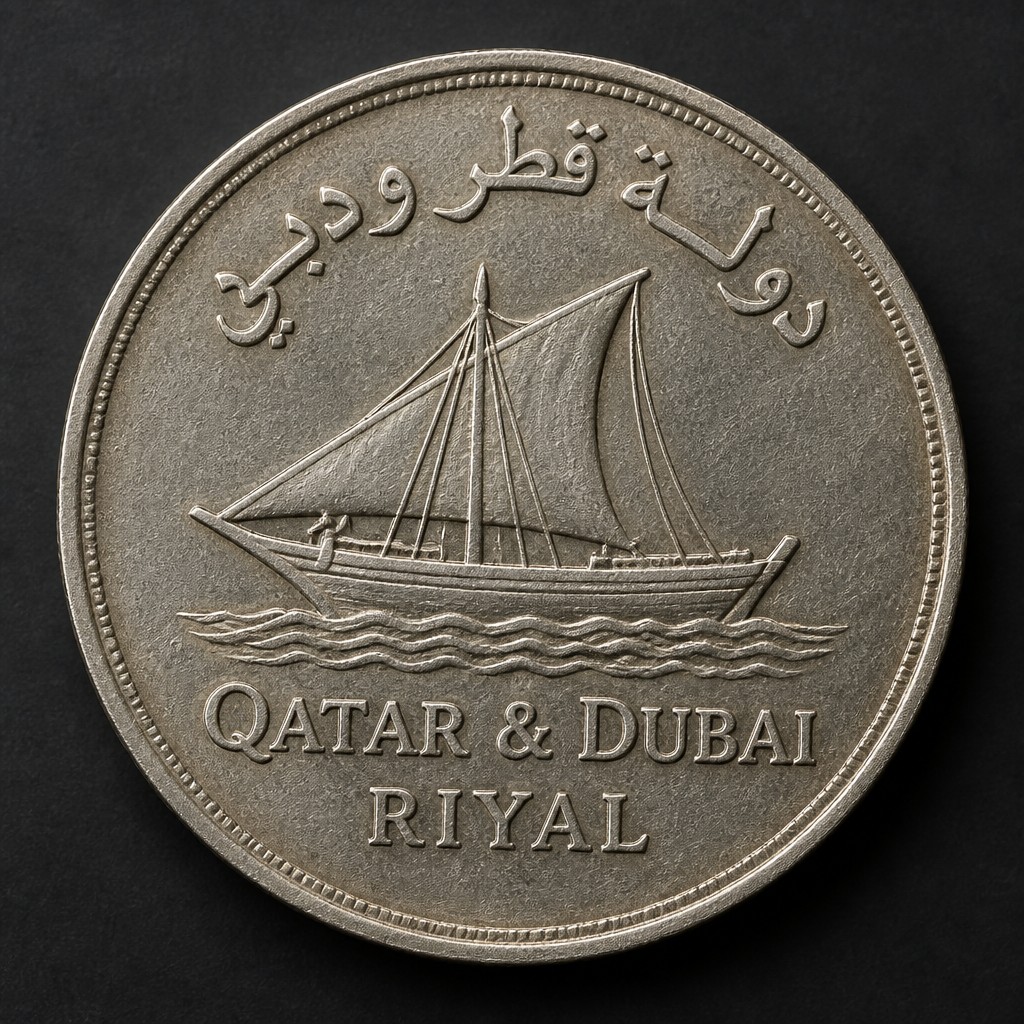
Qatar and Dubai Riyal
A short-lived joint currency issued for Qatar and Dubai between 1966 and 1973, created to replace the Gulf Rupee and used until each formed its own separate national currency.
Asian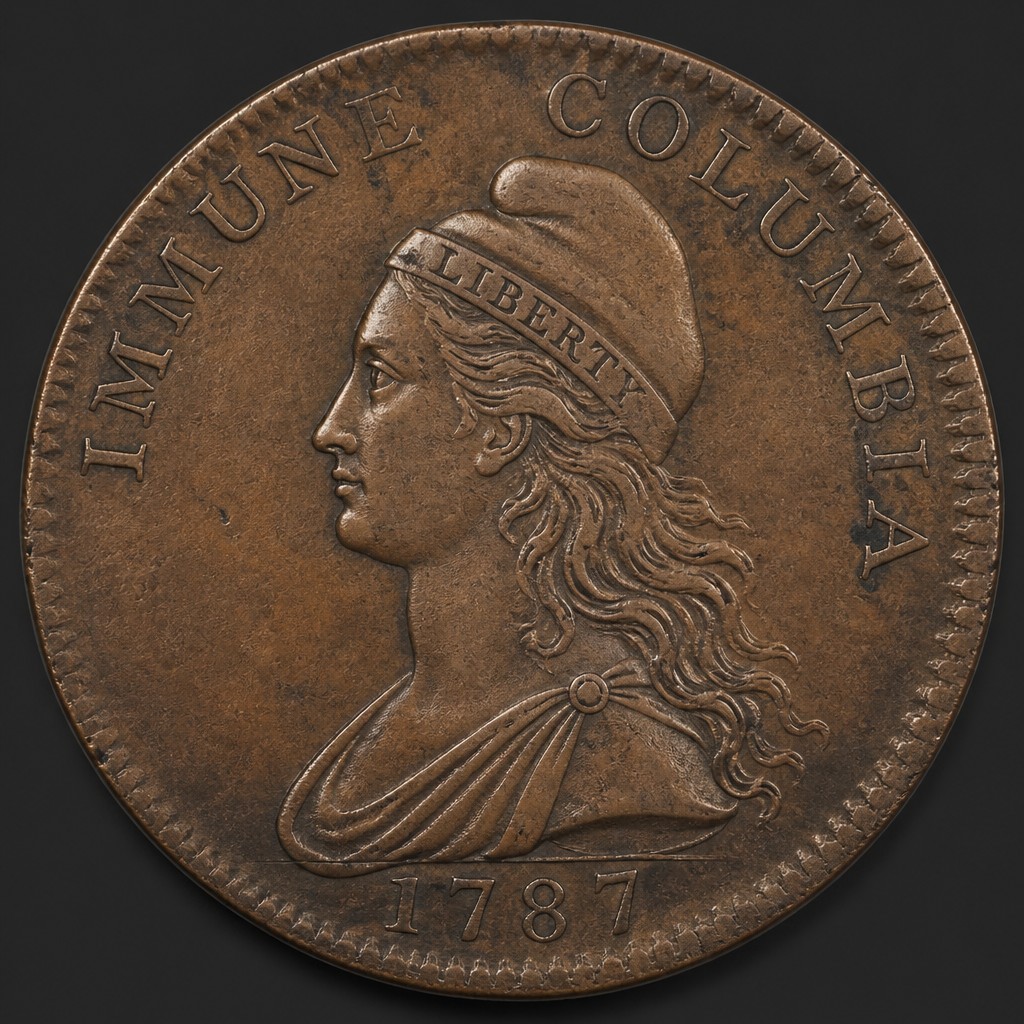
Immune Columbia Copper
An extremely rare Confederation-era copper carrying the Latin legend 'IMMUNIS COLUMBIA,' known for numerous unusual die combinations and mules with other early American and British designs.
United States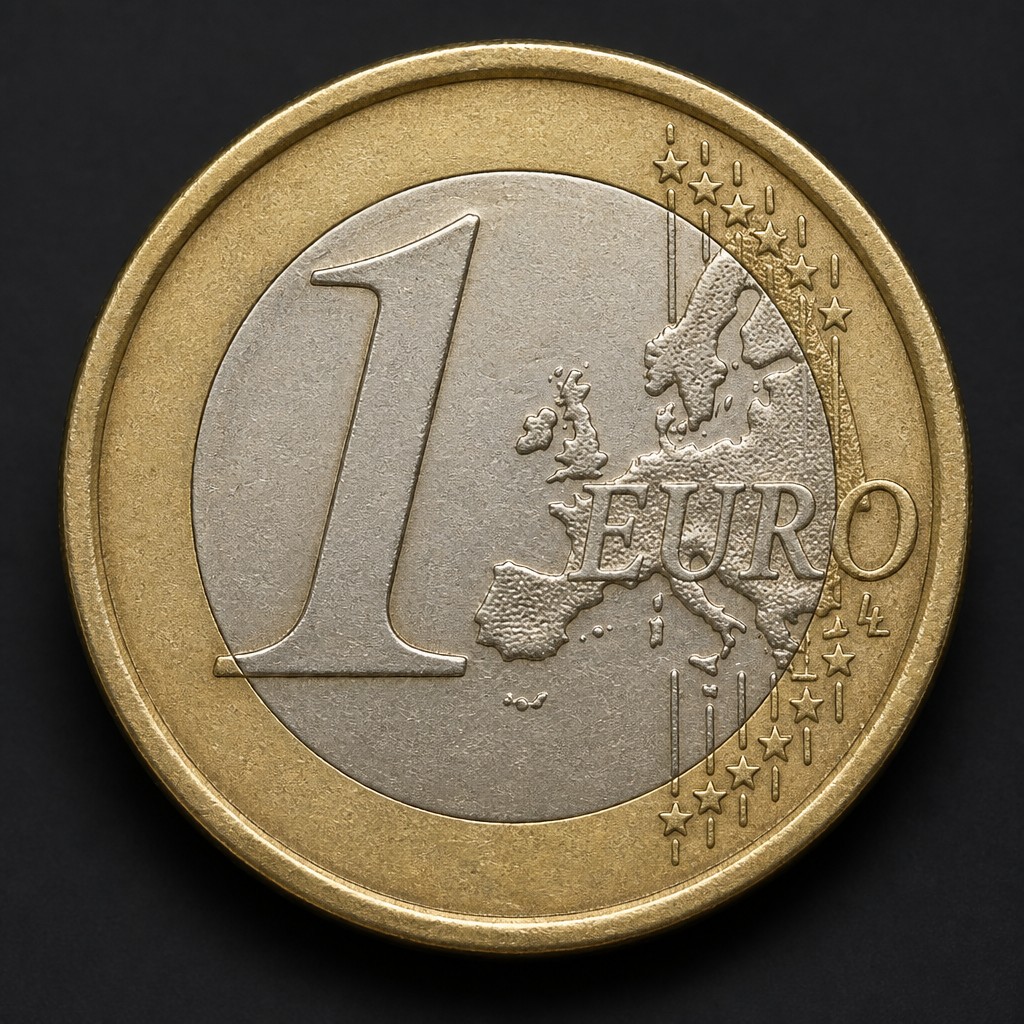
1 Euro Coin
The standard circulating one-euro coin used across the Eurozone since 2002, bimetallic with a gold-colored center and silver-colored ring, and a national obverse that varies by issuing country.
European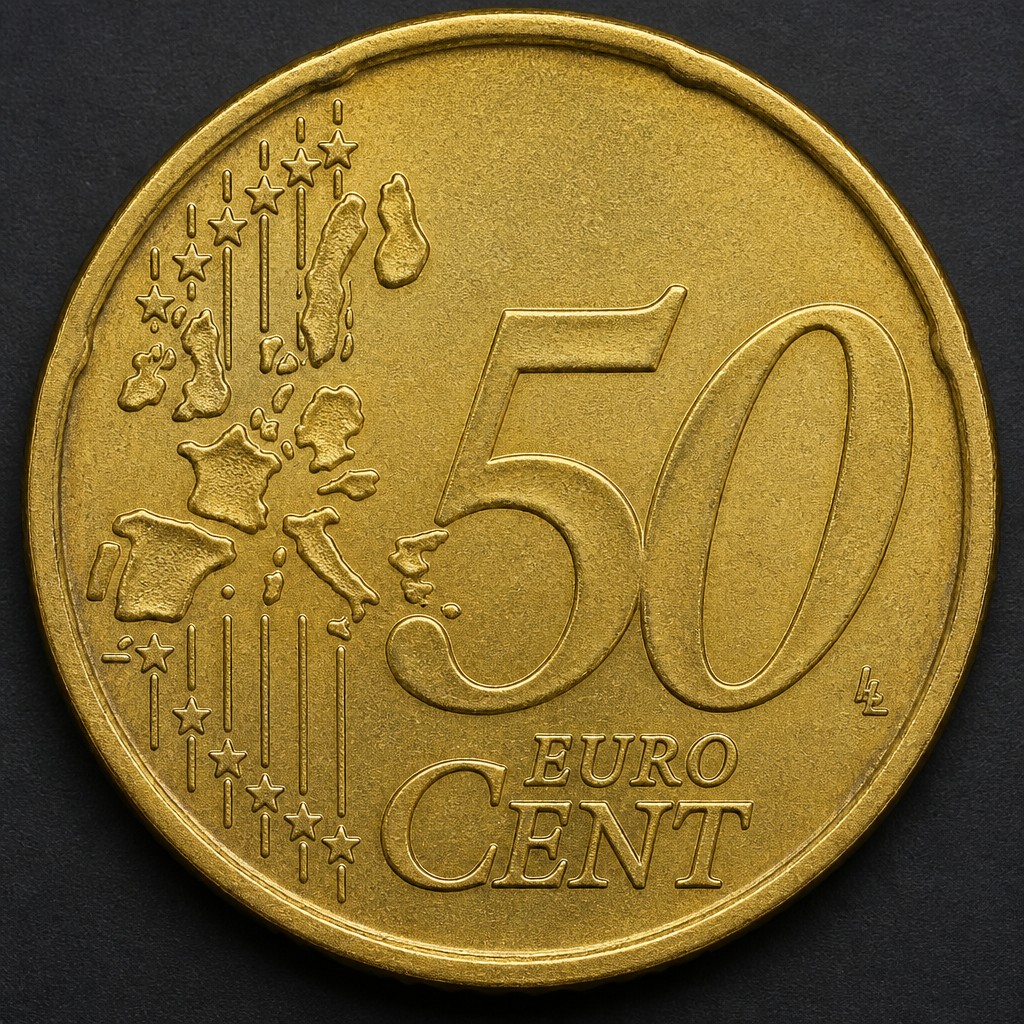
50 Euro Cent Coin
A gold-colored circulating euro coin worth half a euro, struck in a copper-based Nordic gold alloy and easily recognized by its distinctive scalloped-edge shape and national obverse design.
European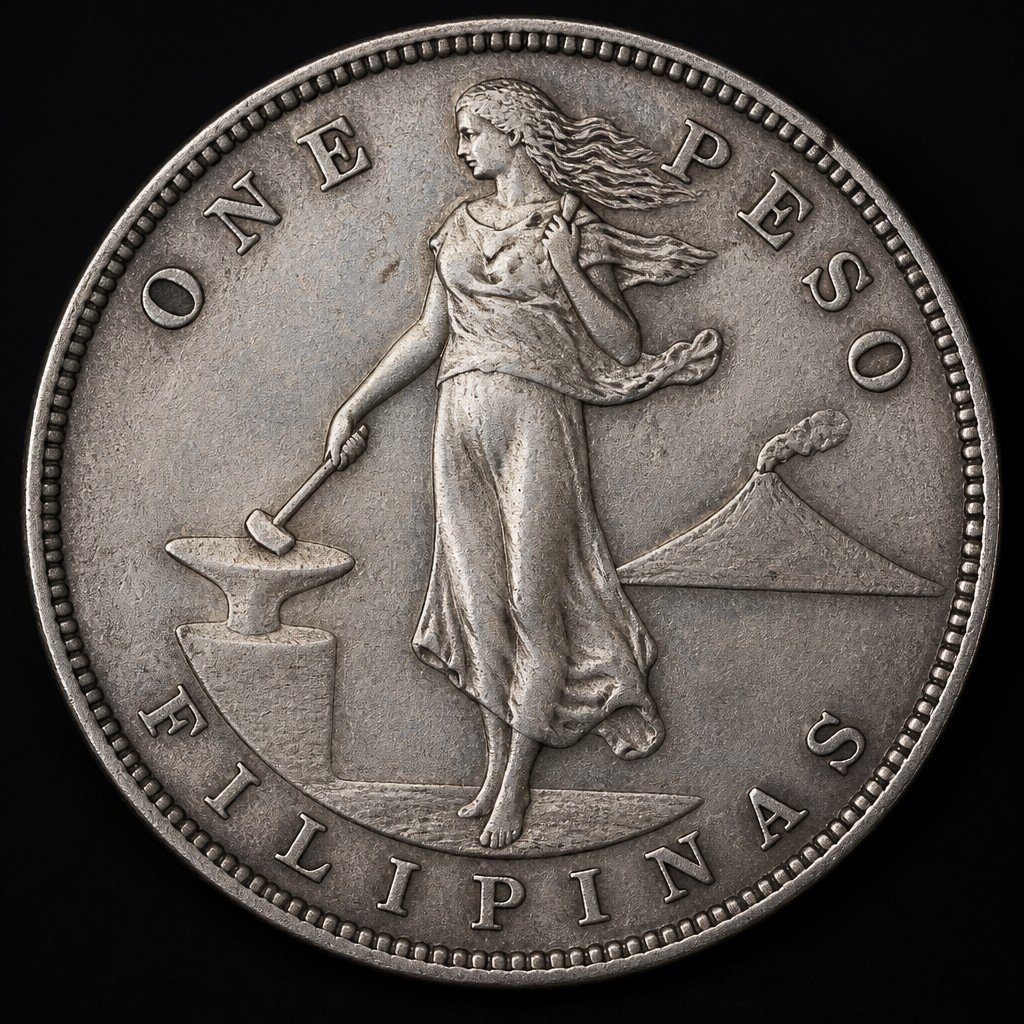
Philippine Peso (US Administration, 1903)
Silver one-peso coin struck for the Philippines under early American colonial administration, part of a new US-designed coinage system introduced in 1903.
Asian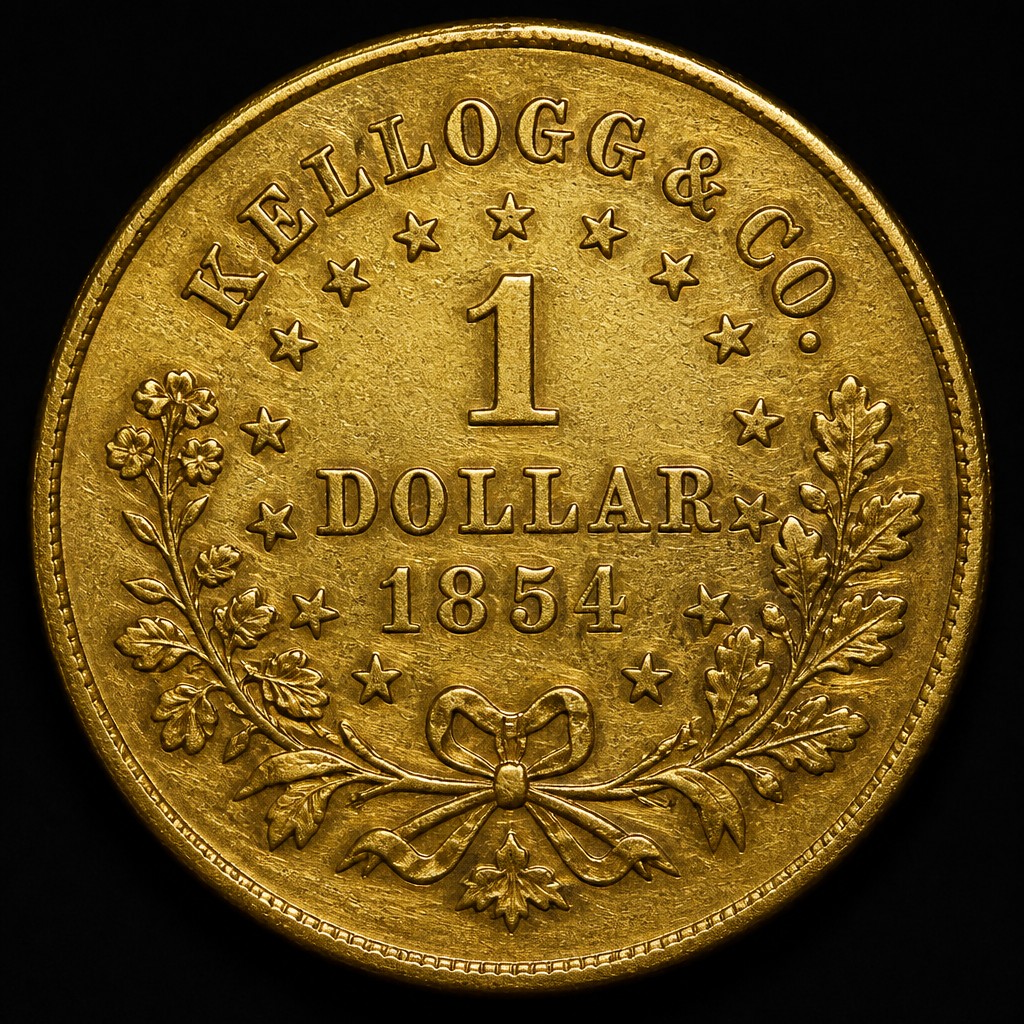
Kellogg & Co. Gold Piece
Private gold coinage struck by the San Francisco firm Kellogg & Co. during the California Gold Rush, including the famous octagonal fifty-dollar 'slug' of 1855, filling a shortage of circulating coin.
United States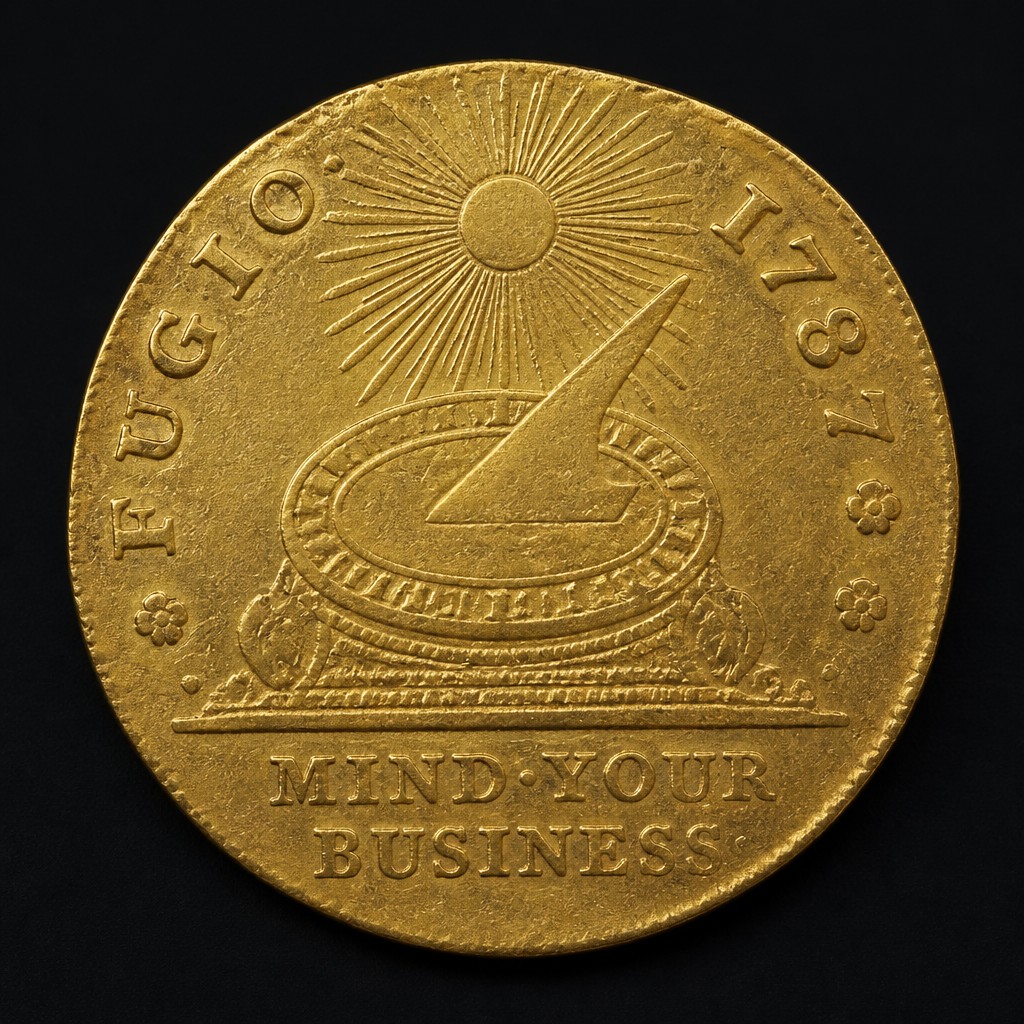
Brasher Doubloon
A famous privately struck gold coin made in 1787 by New York goldsmith Ephraim Brasher, a neighbor of George Washington, and one of the most valuable and celebrated coins in American numismatics.
United States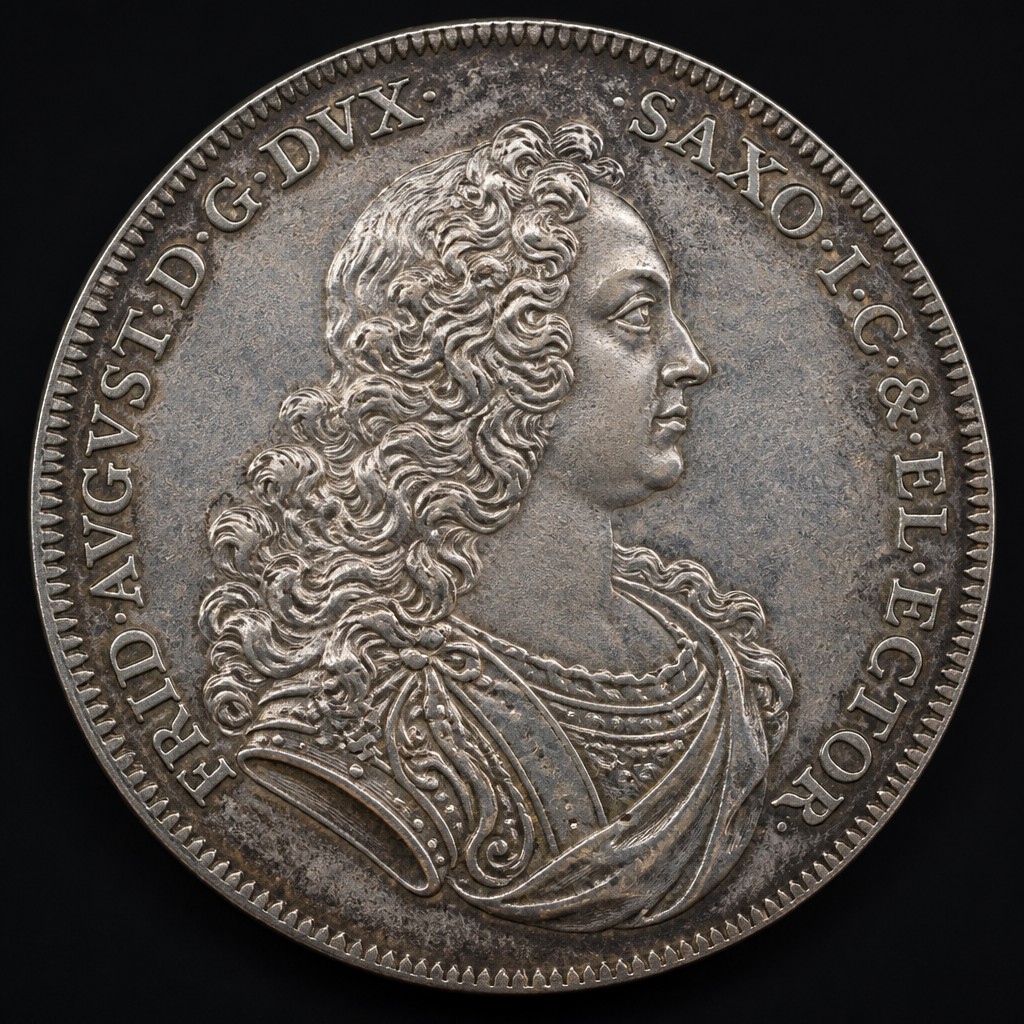
Saxon Speciestaler
Full-weight silver taler issued by the Electors and later Kings of Saxony, distinguished from lesser-value "current" talers used for everyday commerce.
European