
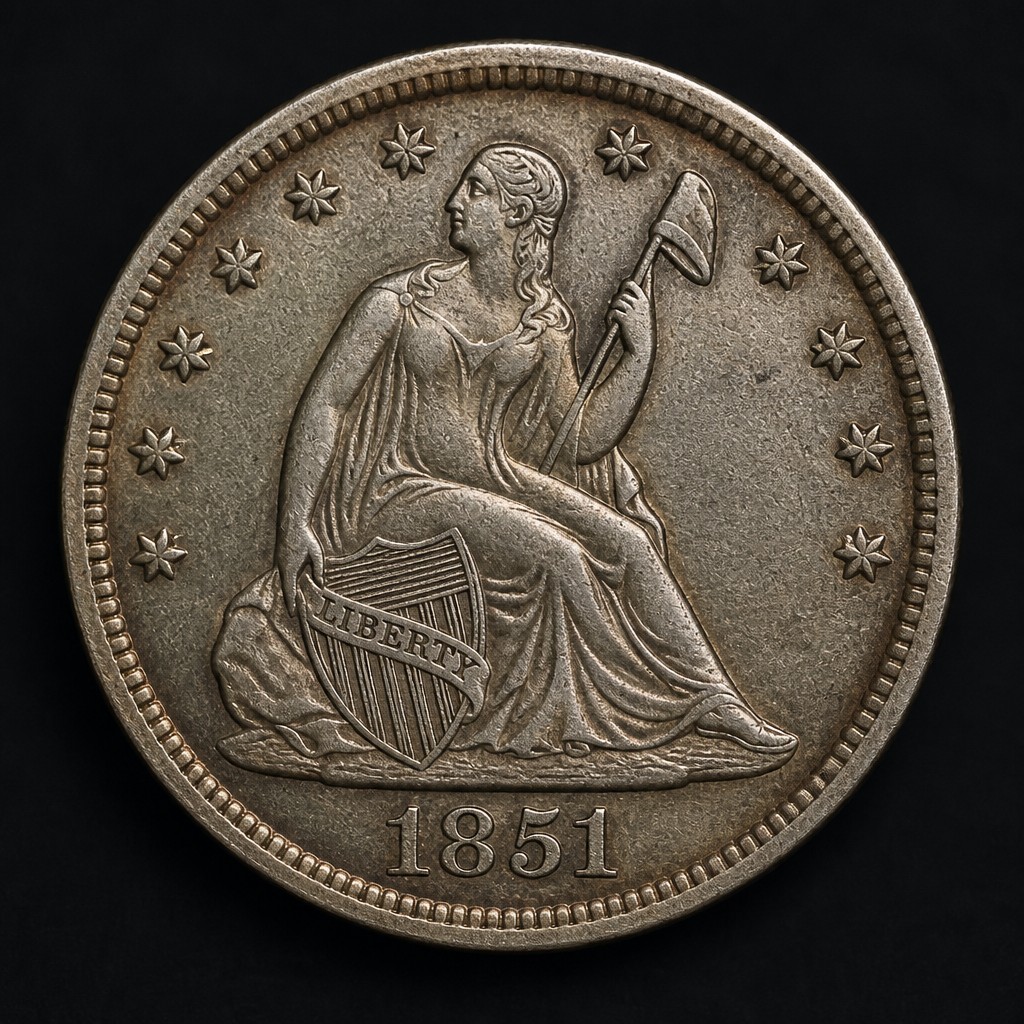
1851 Silver Three-Cent Piece
The first-year issue of the tiny Type I silver three-cent piece, nicknamed the trime, created to ease a national shortage of small change and postage-stamp coinage.
- Country
- United States
- Denomination
- Three Cents
- Metal
- Silver (.750 fine)
Got a coin like this?
Identify any coin from a photo, free.
Overview
The 1851 Silver Three-Cent Piece, often called a 'trime,' introduced an entirely new and unusually small denomination to American coinage. It was the first US coin struck in a reduced silver fineness of .750, and its tiny size made it one of the smallest coins ever issued for circulation by the United States.
For collectors, the 1851 issue is significant as the debut year of the Type I design, which features a plain six-pointed star without the added design elements found on later Type II and Type III trimes. It is generally the most obtainable date in the short three-year Type I series.
History & Background
The three-cent silver piece was authorized by Congress in 1851 to address two problems at once: a shortage of small-denomination coins in circulation and the need for a convenient coin to purchase the recently reduced three-cent postage stamp. To make the new coin practical to produce and to help stem the export and melting of standard silver coinage, it was struck in a debased .750 fine silver alloy rather than the standard .900.
Its small size and unusual fineness made it distinctive from other silver US coins, and it proved immediately popular, with substantial mintages in its first year at both Philadelphia and the New Orleans branch mint. The design and alloy were adjusted just a few years later, creating the Type II trime beginning in 1854.
How to Identify
The Type I trime is tiny, roughly the size of a modern US dime's thickness in miniature, and shows a six-pointed star on the obverse with a shield at its center and 'UNITED STATES OF AMERICA' around the border. The reverse features a large Roman numeral III inside an ornamental letter C, surrounded by thirteen stars.
The 1851 issue is identified by its plain, unadorned star with no border or extra outline, a feature unique to the Type I design; later types added a triple outline around the star and additional lines around the reverse numeral. New Orleans coins carry a small O mintmark on the reverse, while Philadelphia coins have none.
Given its small size and light weight, this coin is easily lost or overlooked, and its worn surfaces can make the design difficult to read without magnification.
Value & Collectibility
As the most common date in the Type I series, the 1851 trime is generally affordable in circulated grades, making it a popular choice for type collectors who want one example of the earliest three-cent silver design. The 1851-O New Orleans issue, while less common than the Philadelphia strikes, is still obtainable and adds a mintmark variety to pursue.
Because these coins are thin and prone to wear, uncirculated and problem-free examples bring a real premium over average circulated pieces, and well-struck coins with full details on the star and shield are especially desirable.
Frequently asked questions
Why is it called a trime?
Trime is a nickname collectors use for the three-cent silver piece, derived from its three-cent value.
Why was the silver debased to .750 fine?
Using a lower silver fineness discouraged melting and export of the new coin and made it more practical to produce a coin of such small value and size.
How do I tell a Type I trime from later types?
Type I has a plain star with no outline, while Type II and Type III trimes add a triple outline around the star and extra lines on the reverse numeral.
Was the 1851 trime struck anywhere besides Philadelphia?
Yes, the New Orleans mint also struck 1851 trimes, identified by a small O mintmark on the reverse.
Other coins you may enjoy
Virginia Halfpenny
1773
Brasher Doubloon
1787
Higley Copper
1737–1739
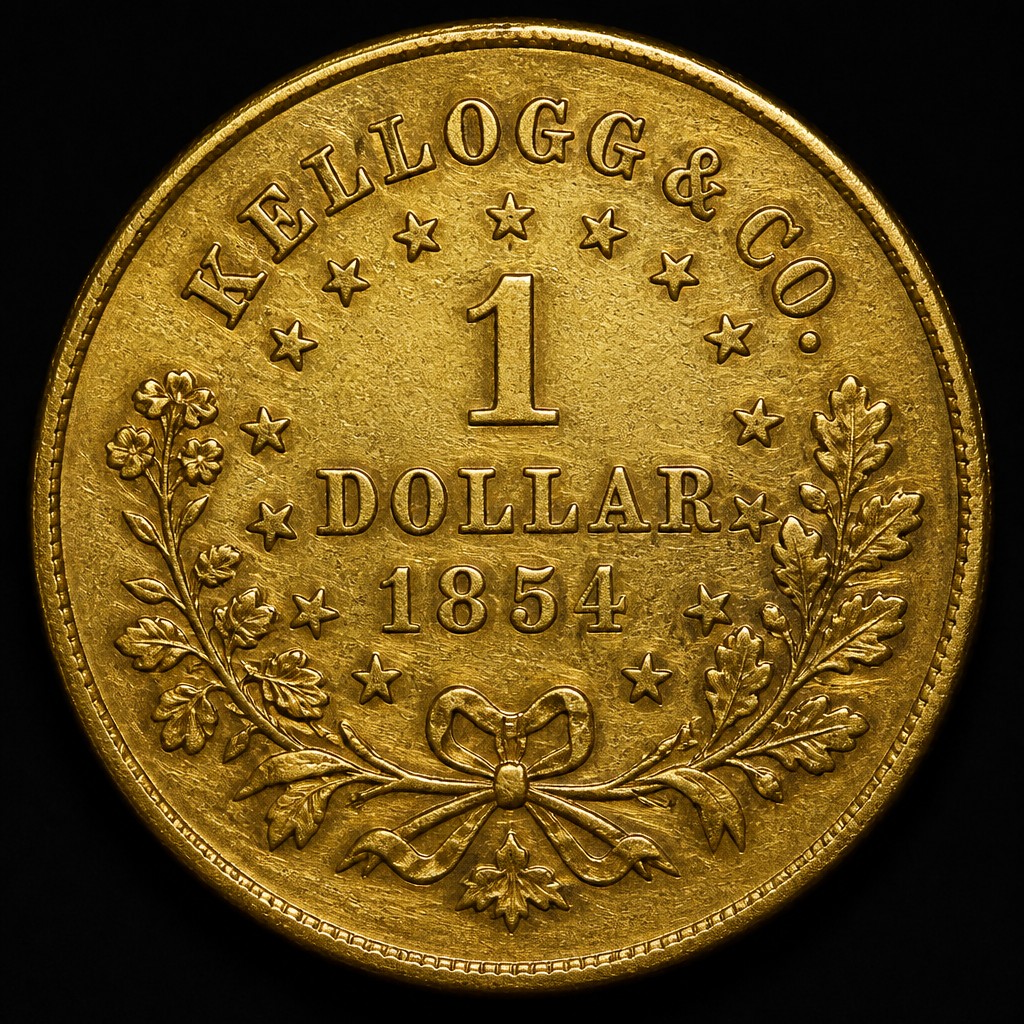
Kellogg & Co. Gold Piece
1854–1855
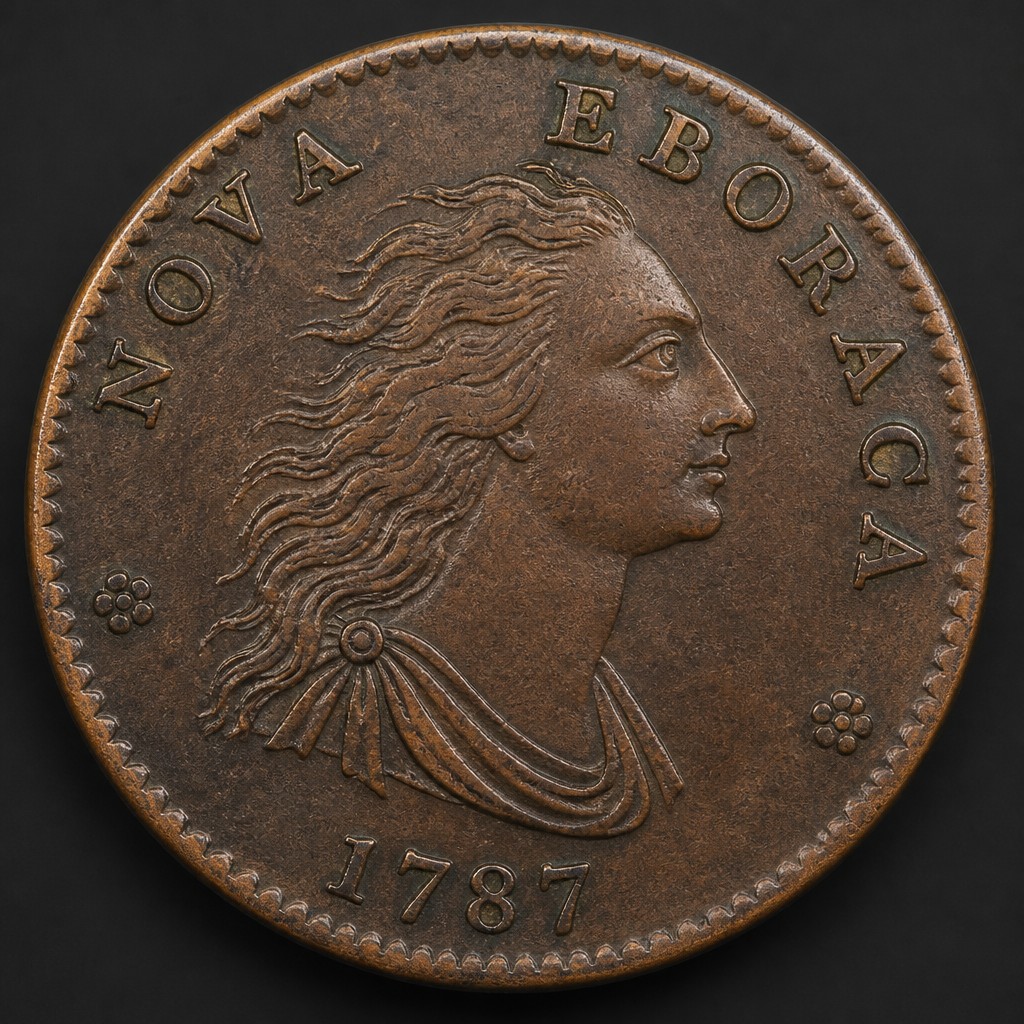
Nova Eborac Copper
1787
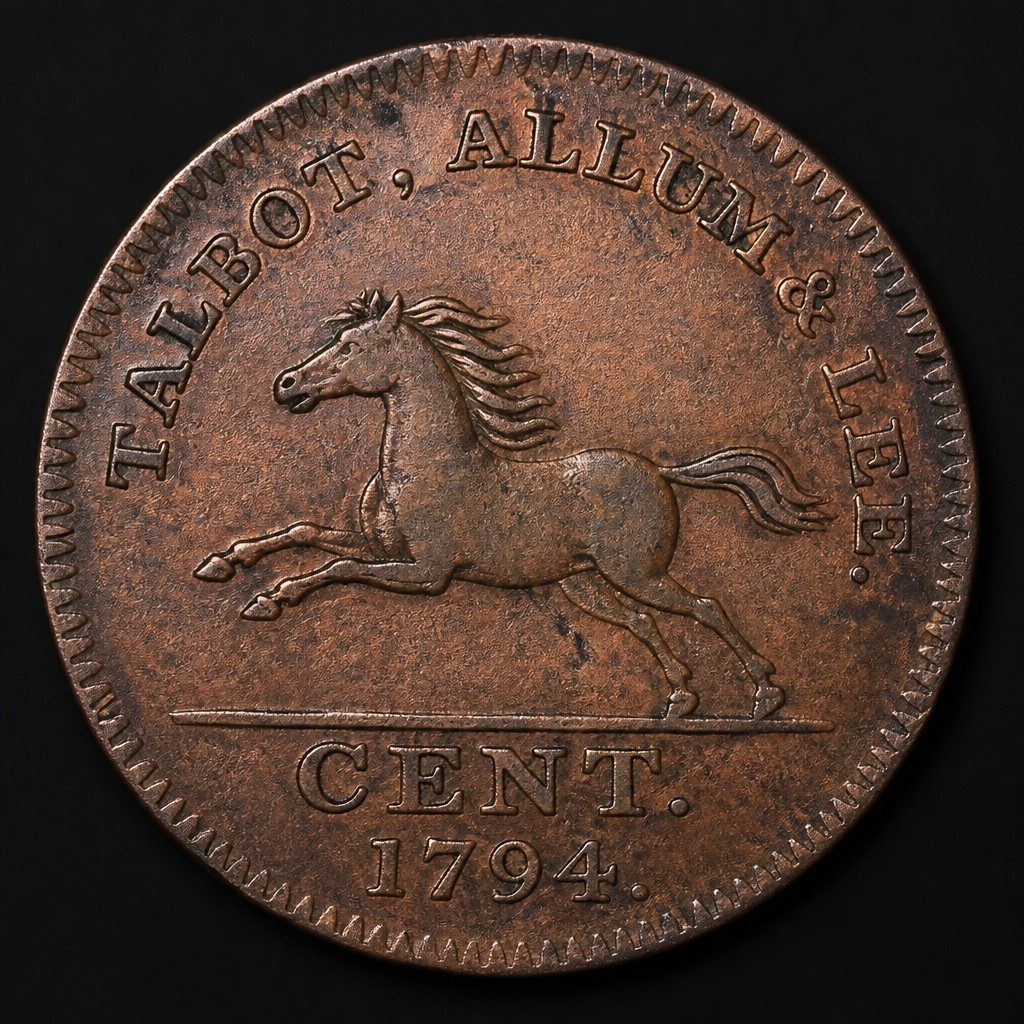
Talbot, Allum & Lee Cent
1794–1795
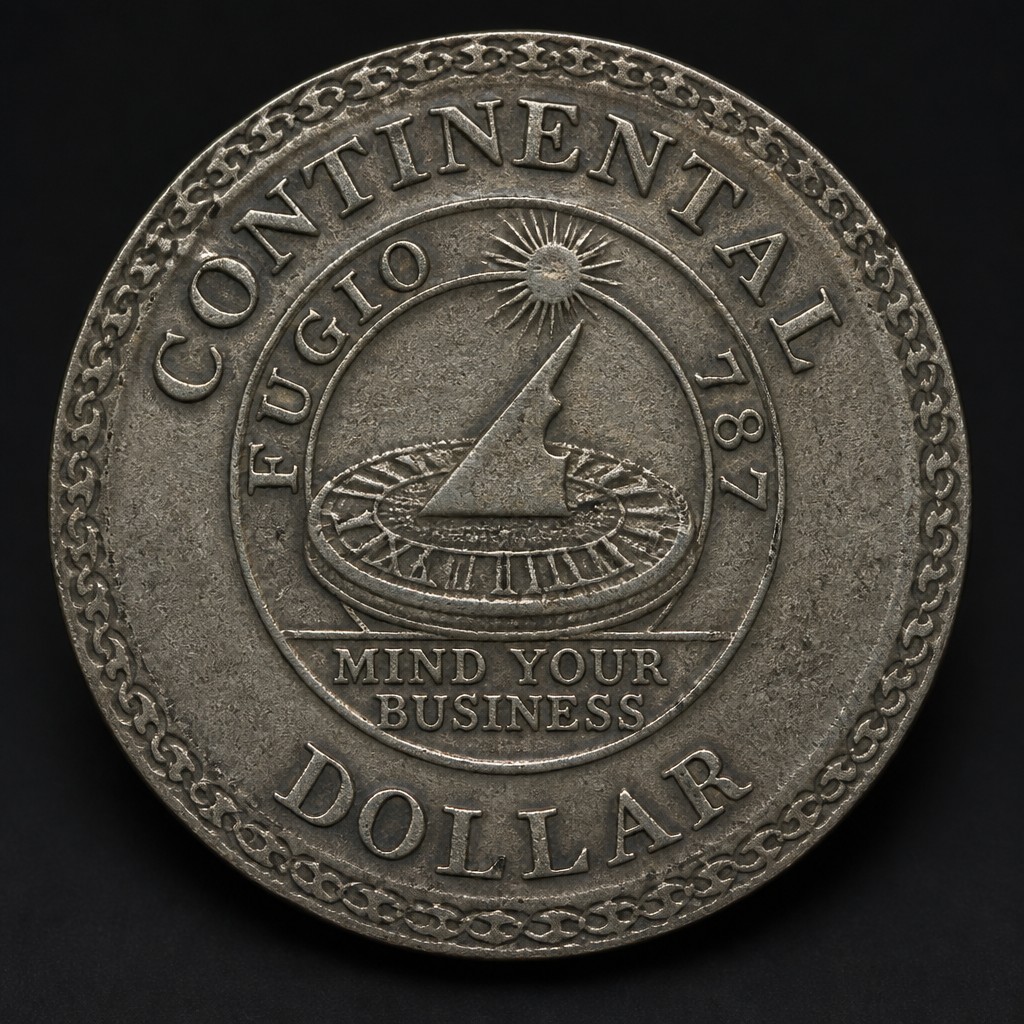
Continental Dollar
1776
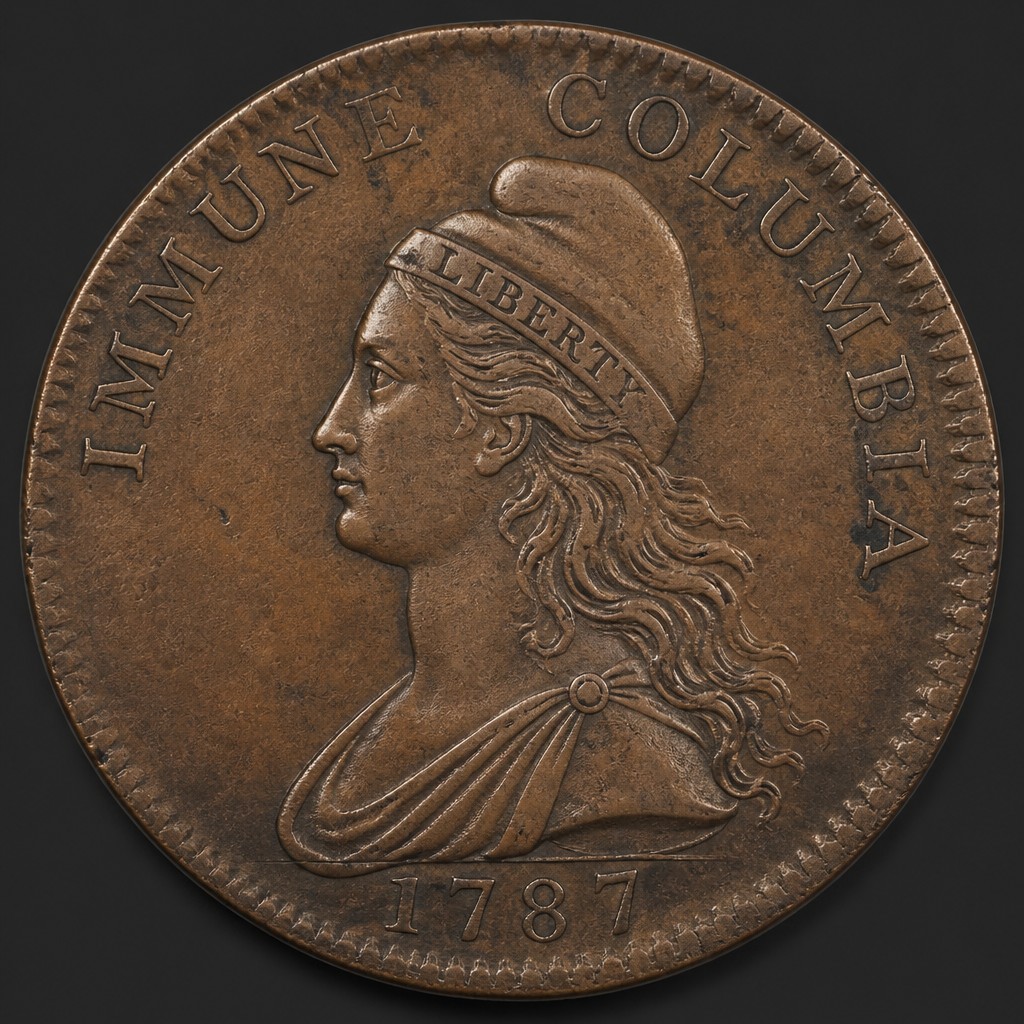
Immune Columbia Copper
circa 1785–1787
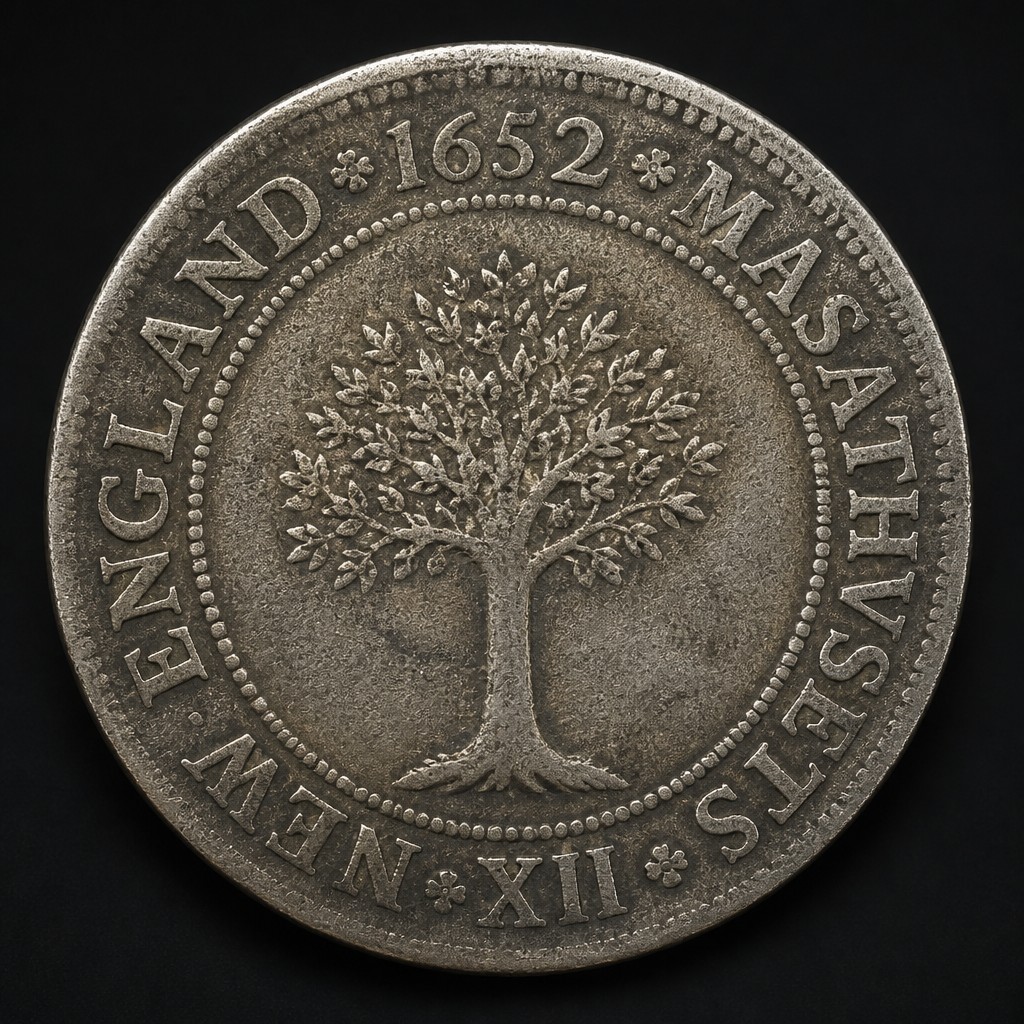
Massachusetts Oak Tree Shilling
Dated 1652, struck circa 1660–1667
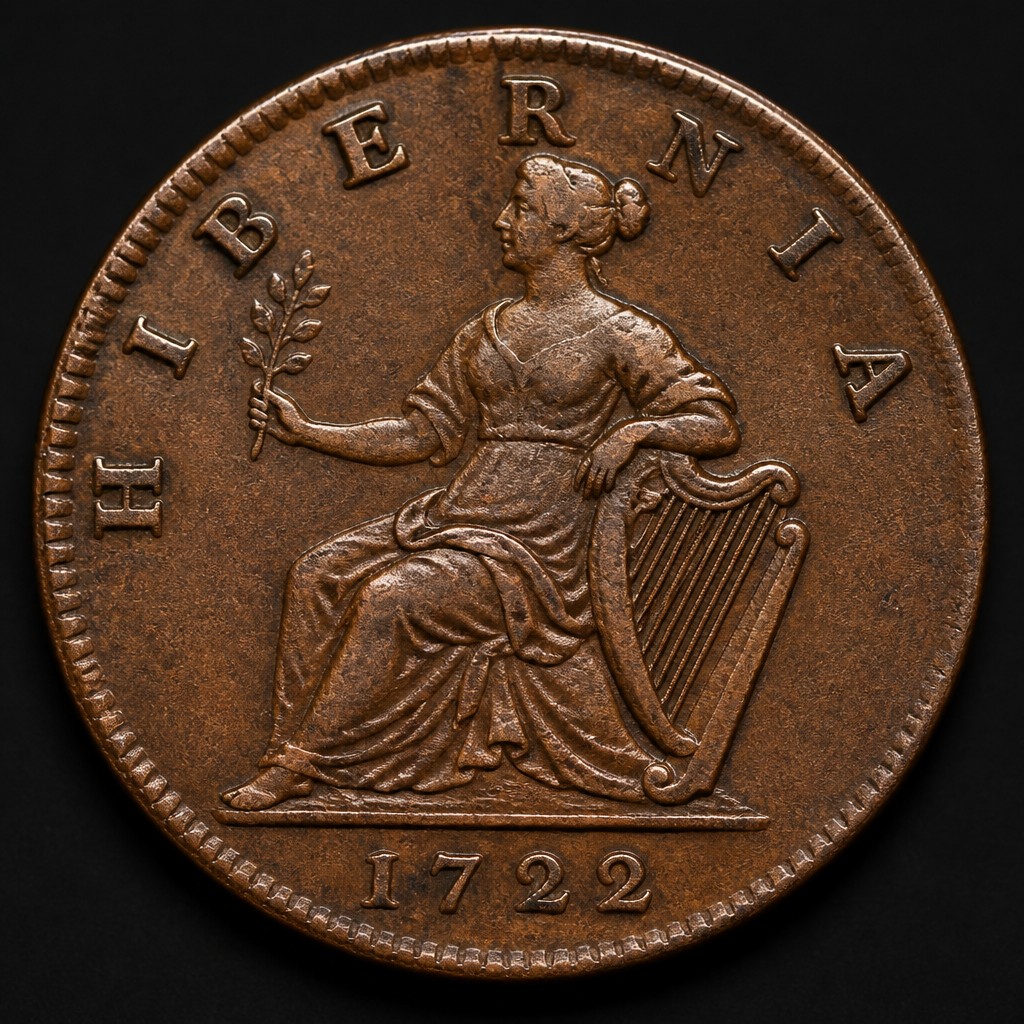
Wood's Hibernia Halfpenny
1722–1724
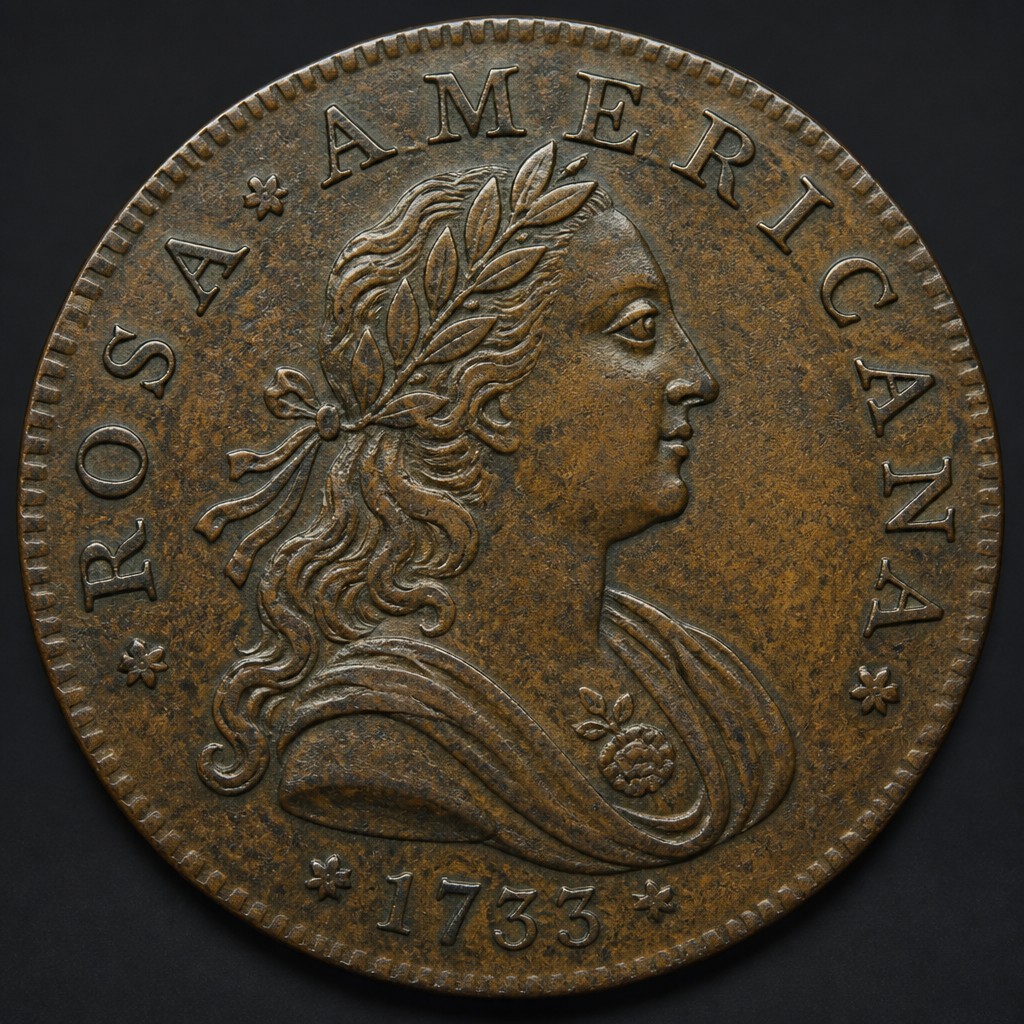
Rosa Americana Coinage
1722–1724 (with pattern issues dated 1733)
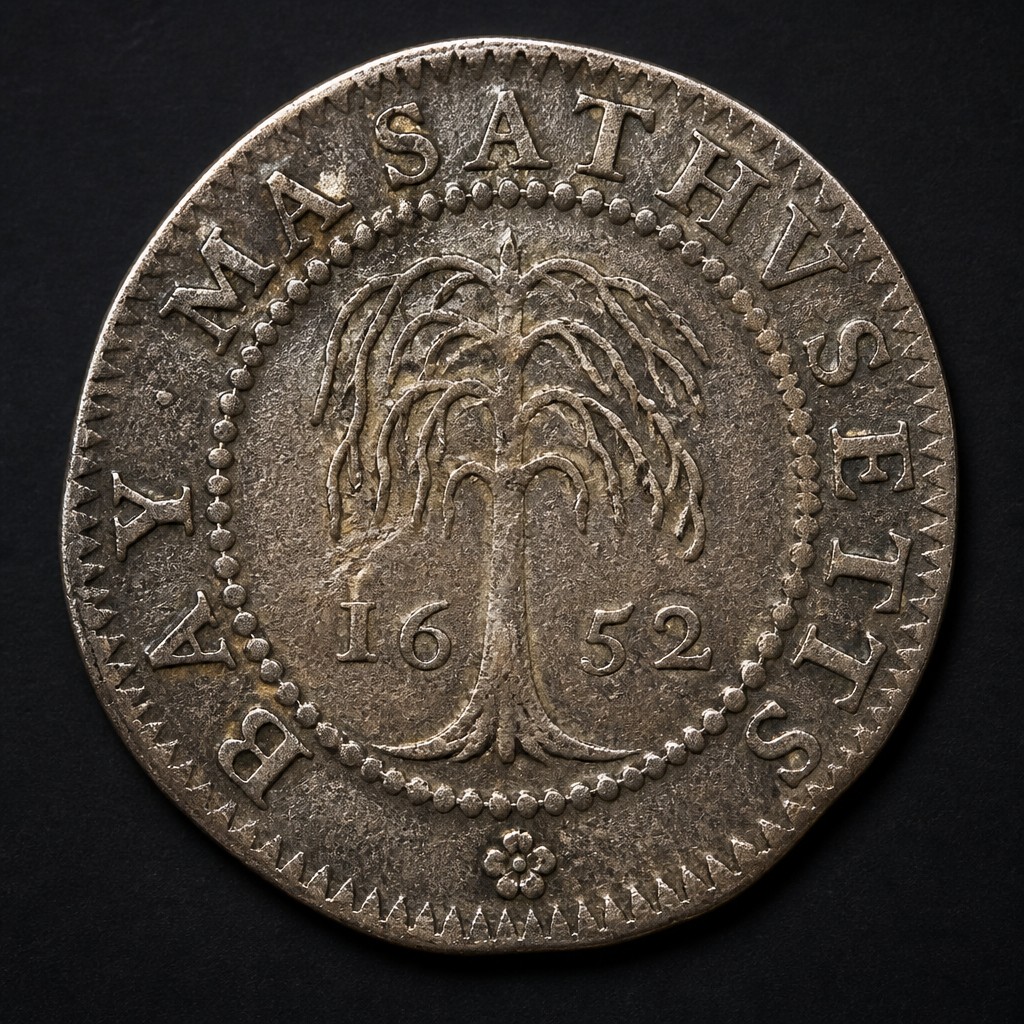
Massachusetts Willow Tree Shilling
Dated 1652, struck circa 1653–1660