
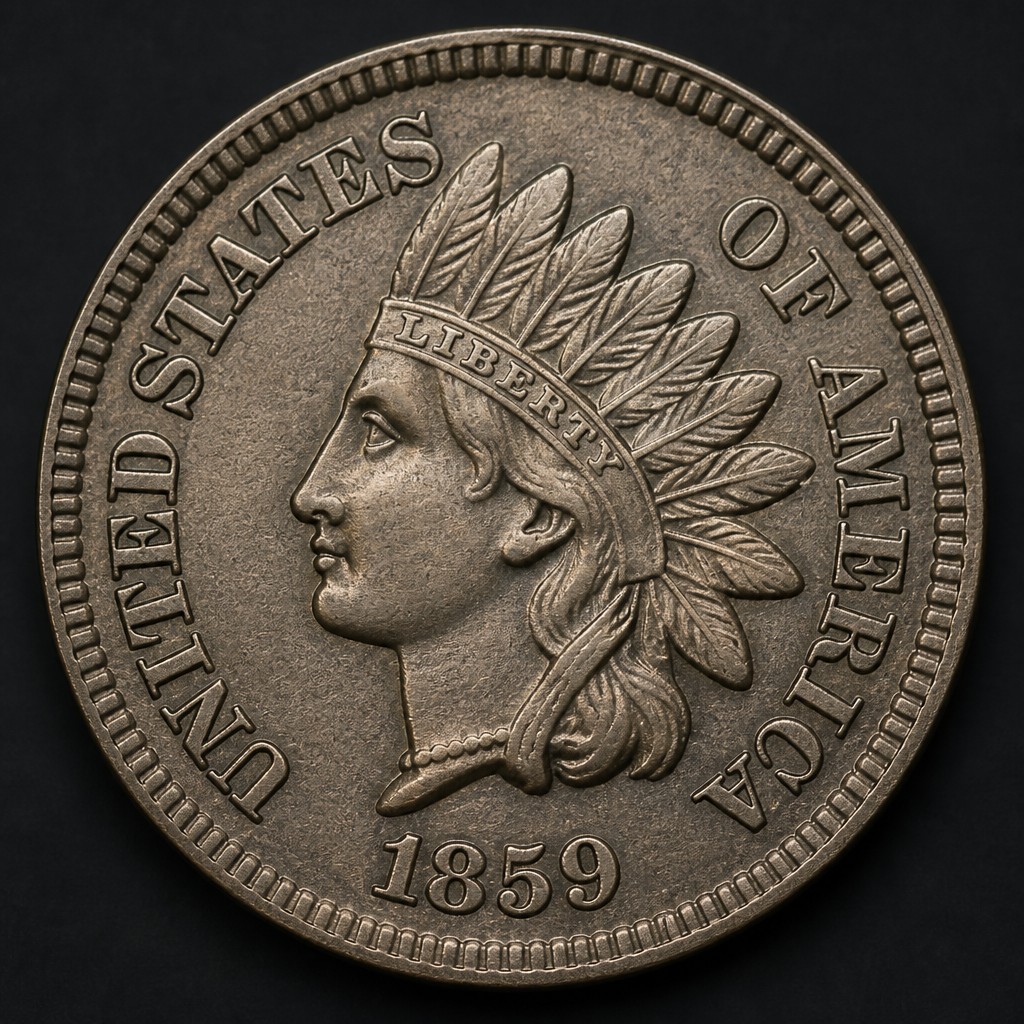
Copper-Nickel Indian Head Cent
The earliest Indian Head cents, struck in copper-nickel from 1859 to 1864 before the Mint switched to a thinner bronze alloy, nicknamed 'white cents' for their pale color.
- Country
- United States
- Denomination
- One Cent
- Metal
- Copper-Nickel (88% Copper, 12% Nickel)
Got a coin like this?
Identify any coin from a photo, free.
Overview
The Copper-Nickel Indian Head cent covers the first years of the famous Indian Head cent design, struck from 1859 to 1864 in an 88% copper, 12% nickel alloy that gave the coins a distinctive pale, silvery-gray appearance compared to the coppery bronze cents that followed. Collectors often call these early issues 'white cents' or 'CN cents' to distinguish them from the later bronze Indian Head cents (1864–1909).
Because the copper-nickel alloy was harder to strike well and coins from this era often show weaker details, and because the type spans a relatively short six-year run, these issues are popular both as a distinct short type set and as part of a complete Indian Head cent date collection.
History & Background
The Indian Head cent replaced the Flying Eagle cent in 1859, both sharing the same copper-nickel composition that had been adopted in 1857 to replace the old large copper cent with a smaller, more durable coin. Designed by Mint Chief Engraver James B. Longacre, the Indian Head cent's obverse is often said to depict an idealized Liberty wearing a Native American-style feathered headdress, rather than a portrait of any specific individual.
The copper-nickel alloy proved difficult for the Mint's presses to strike fully and evenly, and the metal's higher cost, partly driven by the difficulty of sourcing sufficient nickel ore, contributed to the Mint's 1864 decision to switch the Indian Head cent to a thinner bronze composition, which continued until the Lincoln cent's introduction in 1909.
How to Identify
Obverse: Liberty's profile facing left, wearing a Native American-style feather headdress inscribed LIBERTY on the band, with UNITED STATES OF AMERICA around the border and the date below.
Reverse (1859): A laurel wreath surrounding ONE CENT with no shield above. Reverse (1860–1864 copper-nickel): An oak wreath with a small shield added at the top, a design change introduced in 1860 that continued through the bronze era.
The copper-nickel issues (1859–1864) are noticeably paler and grayer in color than the coppery bronze Indian Head cents from 1864 onward, and they are slightly thicker for their weight due to the harder alloy. A coin's date alone, 1859–1864, combined with its pale color is usually enough to identify it as a copper-nickel issue, though 1864 exists in both copper-nickel and the new bronze composition, distinguishable mainly by color and, in the case of the famous 1864-L variety, a small L initial on the ribbon.
Value & Collectibility
Copper-nickel Indian Head cents are generally more expensive in any given grade than the later, more common bronze Indian Head cents, since total mintages were lower and the coins were struck for a shorter span; common dates in worn condition often sell for a few dollars to a few tens of dollars, while the first-year 1859, with its distinct laurel wreath reverse, and problem-free mint-state examples can bring considerably more.
Because the alloy struck poorly, well-detailed, sharply struck coins are less common and bring a premium over typical, softly-struck examples in the same numeric grade; surface color and freedom from spotting or corrosion, common issues with this alloy, also significantly affect desirability and price.
Frequently asked questions
What does 'copper-nickel' Indian Head cent mean?
It refers to Indian Head cents struck from 1859 to 1864 in an 88% copper, 12% nickel alloy, before the Mint switched to bronze in 1864.
Why are these called 'white cents'?
The copper-nickel alloy gives the coins a pale, silvery-gray color, quite different from the coppery-brown look of later bronze Indian Head cents.
How is the 1859 Indian Head cent different from other copper-nickel issues?
1859 has a unique reverse showing a laurel wreath without a shield, while 1860–1864 copper-nickel cents show an oak wreath with a small shield added at top.
Who designed the Indian Head cent?
Mint Chief Engraver James B. Longacre designed it, generally understood to be an idealized Liberty figure wearing a feathered headdress rather than a specific portrait.
Why did the Mint switch away from copper-nickel in 1864?
The alloy was difficult to strike well and became more costly, leading the Mint to adopt a thinner bronze composition that continued until 1909.
Other coins you may enjoy
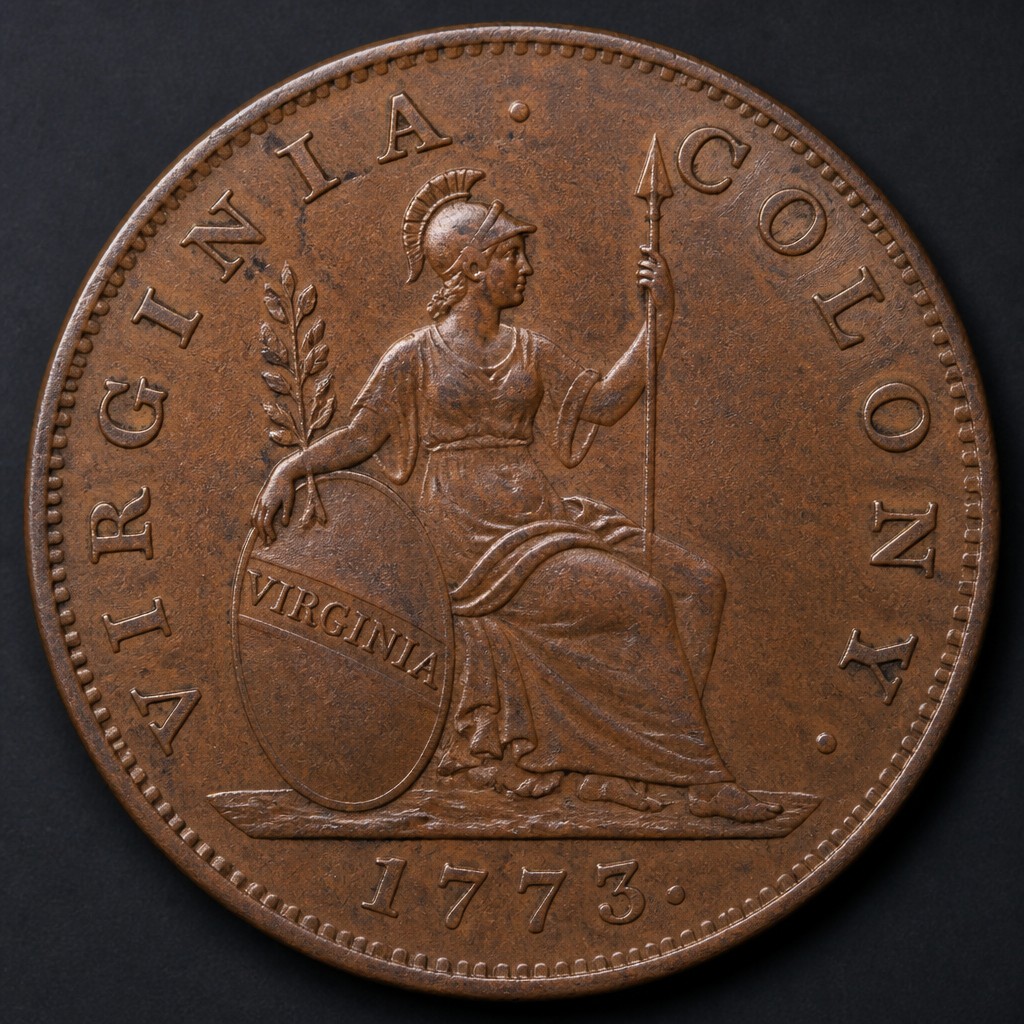
Virginia Halfpenny
1773
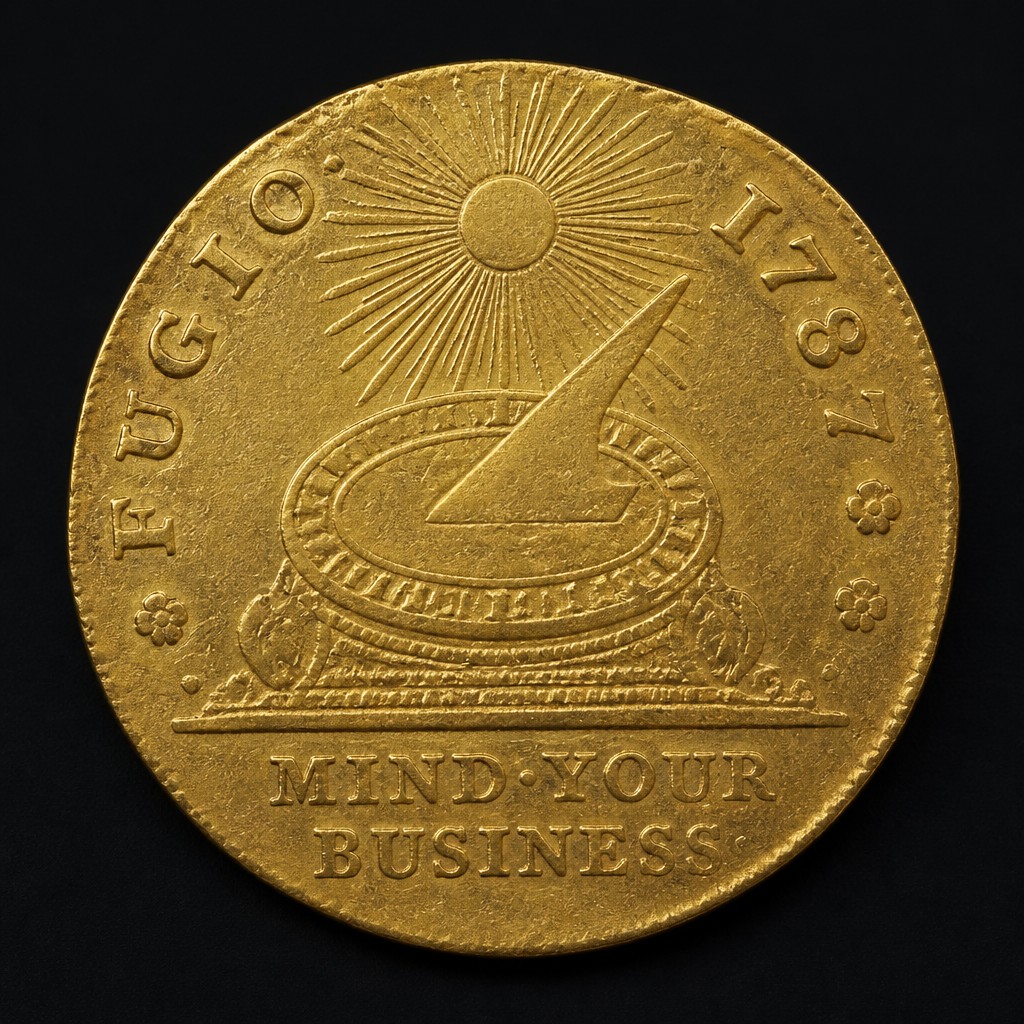
Brasher Doubloon
1787
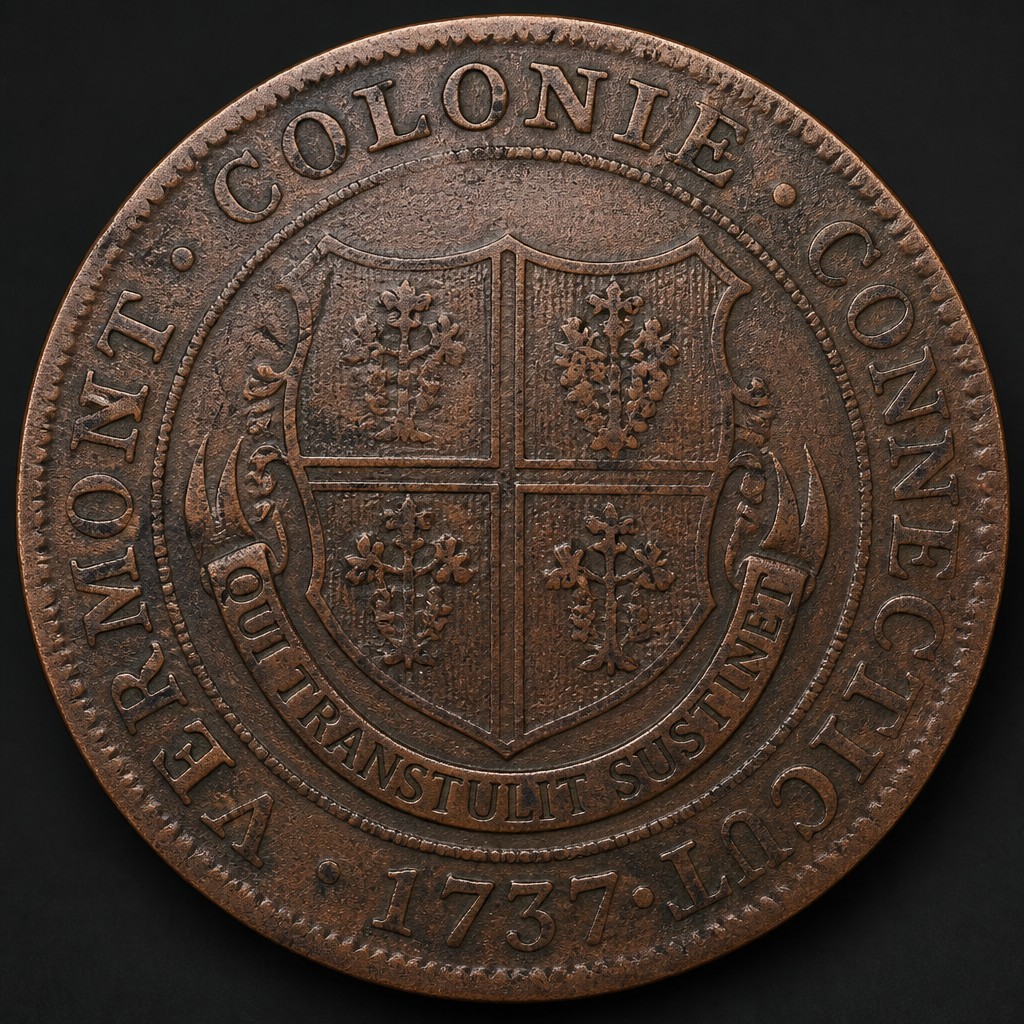
Higley Copper
1737–1739
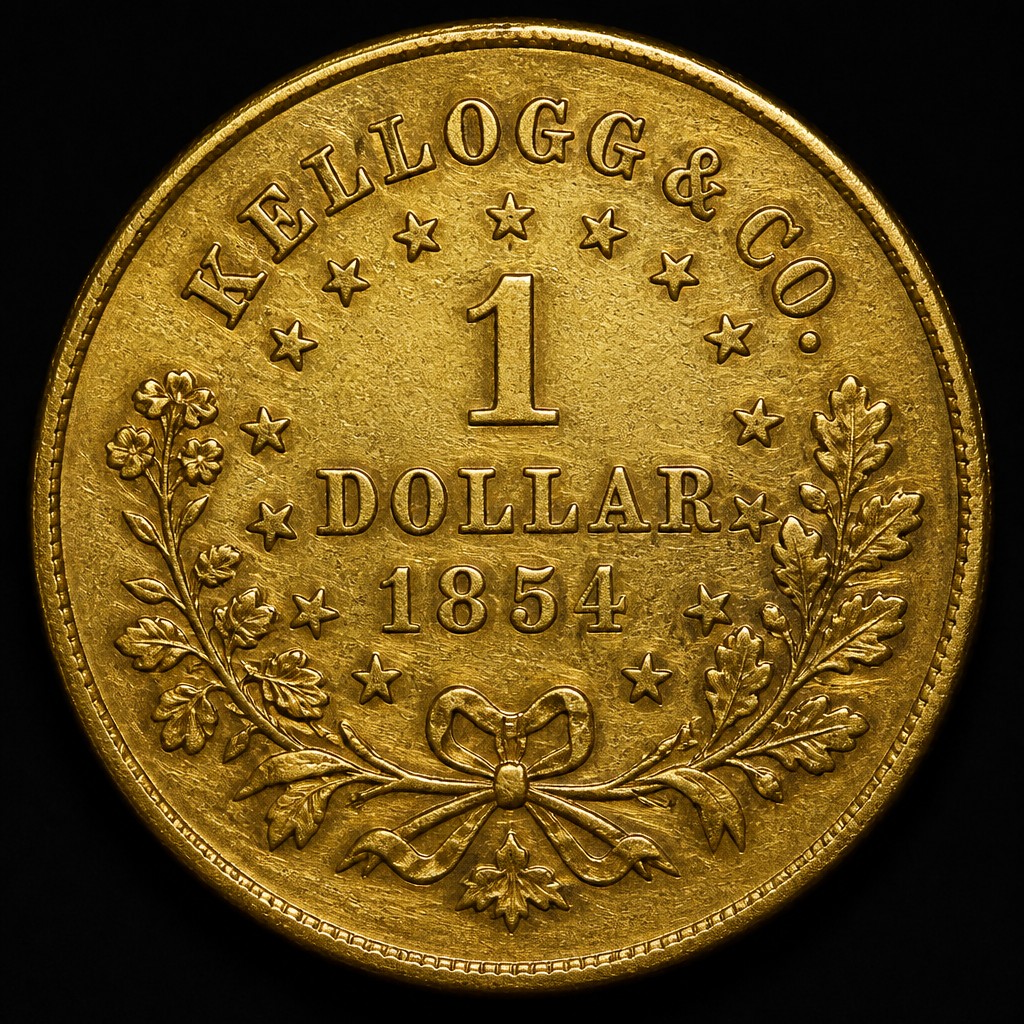
Kellogg & Co. Gold Piece
1854–1855
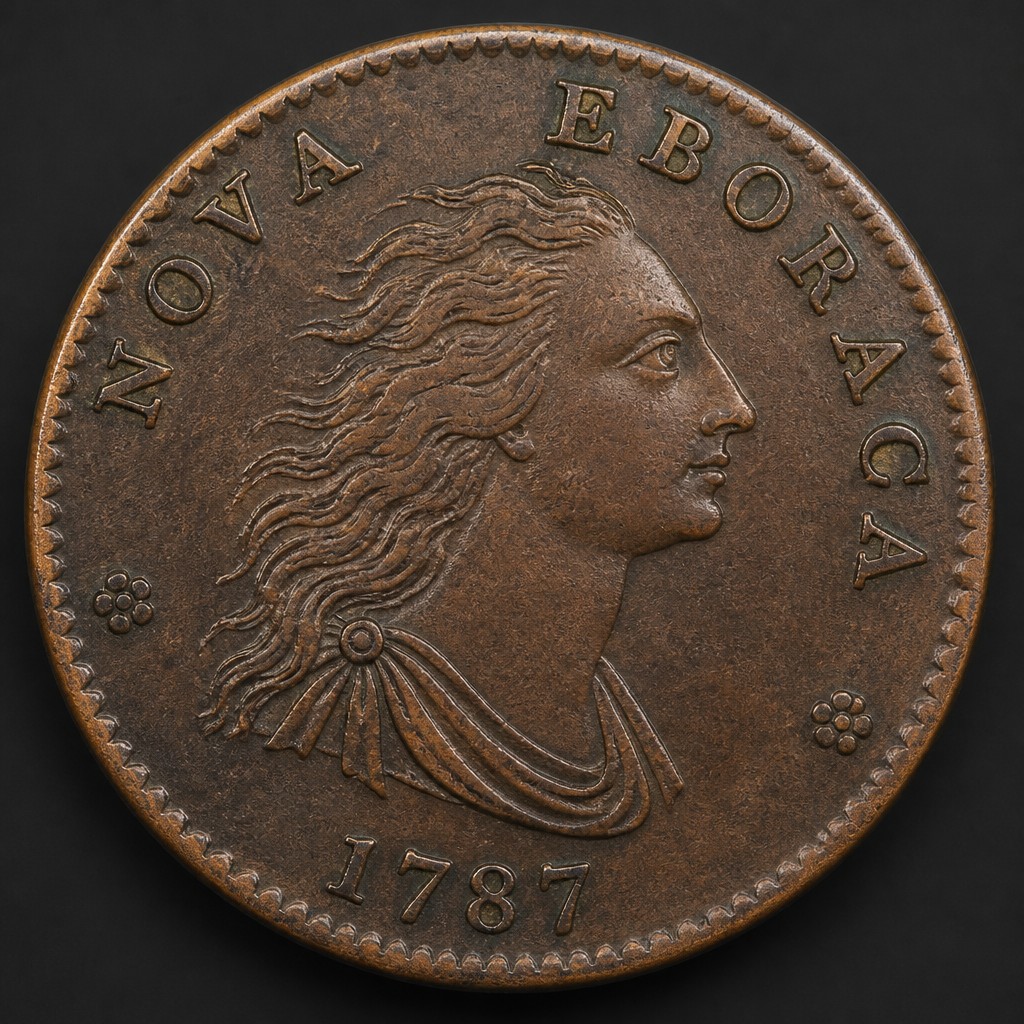
Nova Eborac Copper
1787
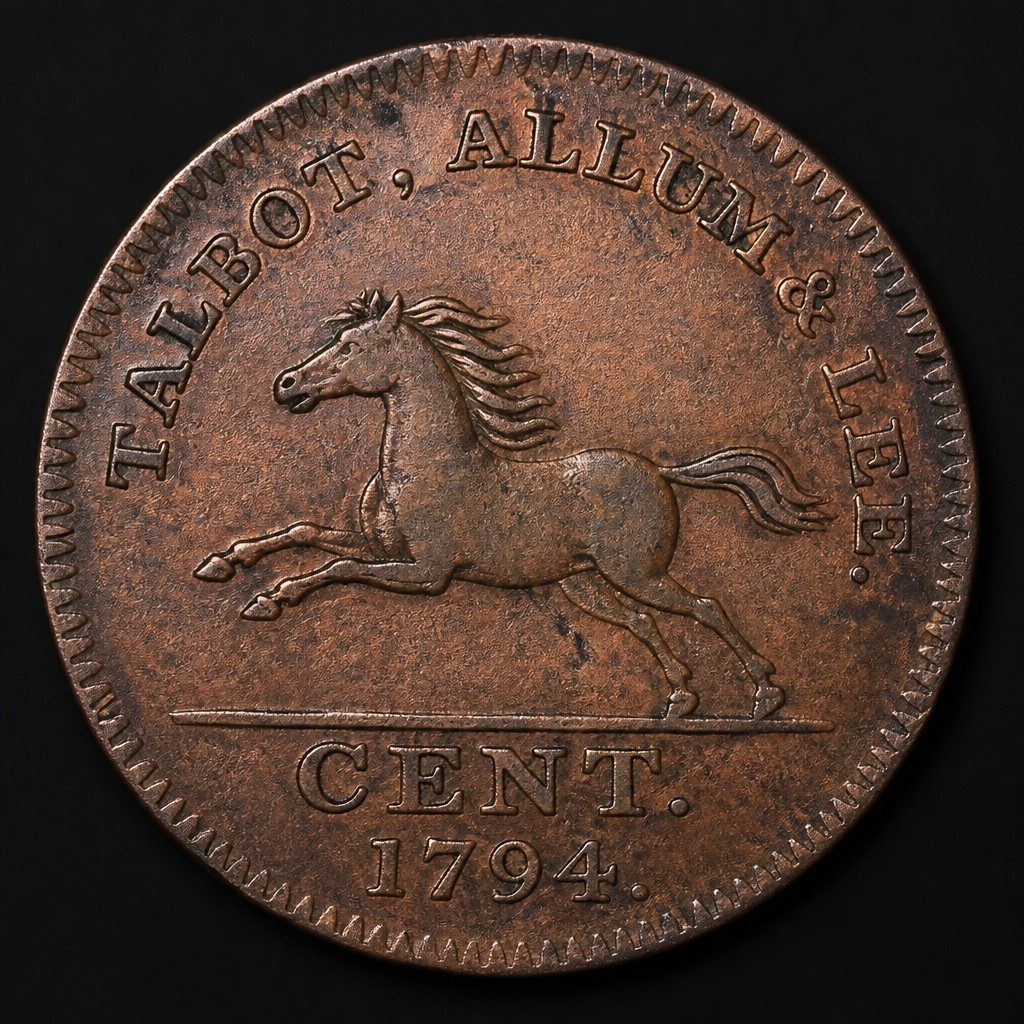
Talbot, Allum & Lee Cent
1794–1795
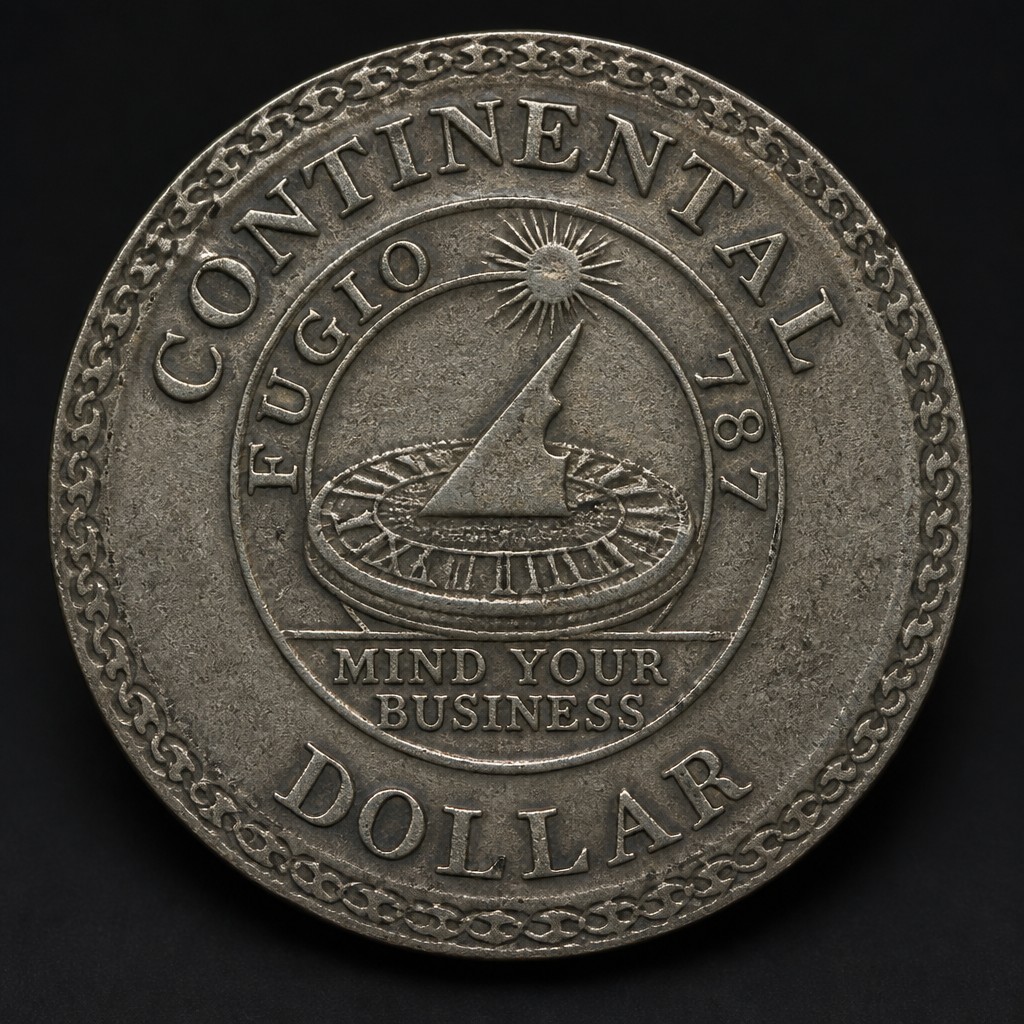
Continental Dollar
1776
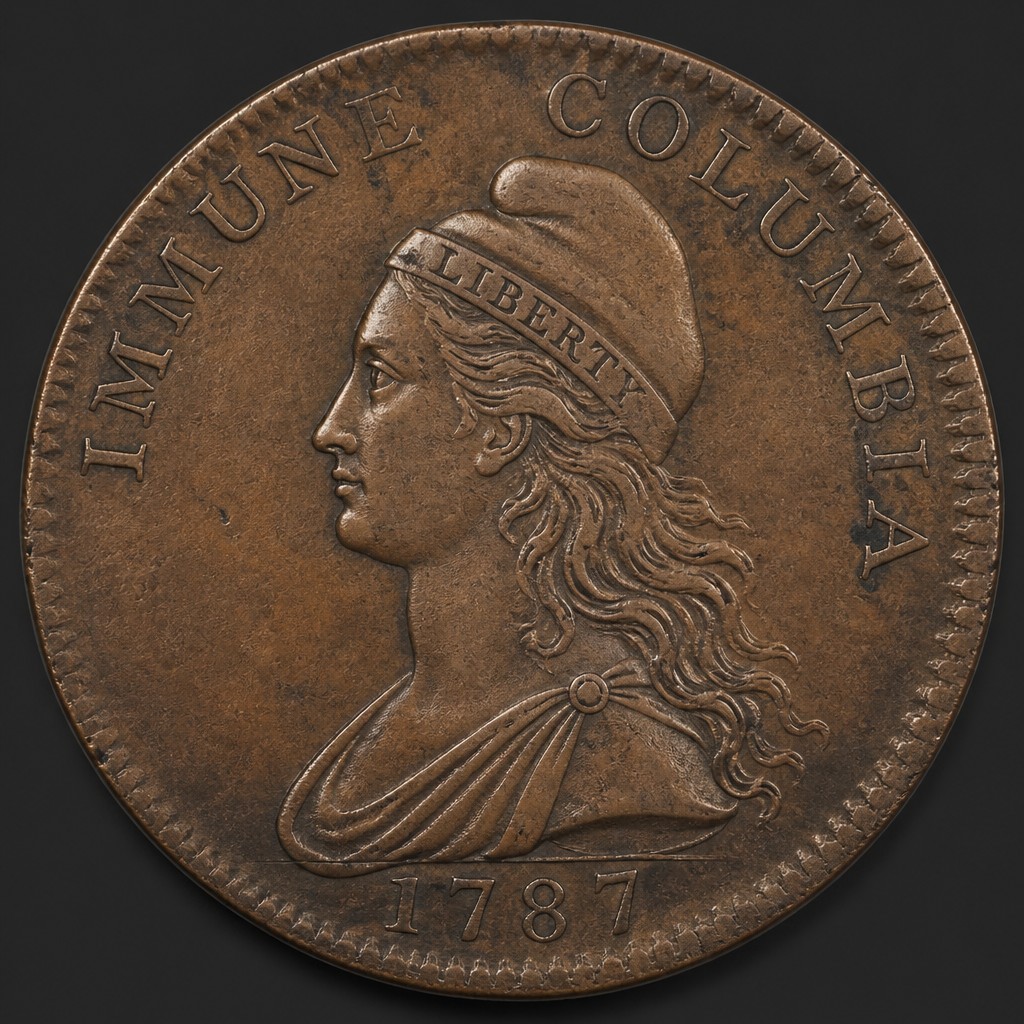
Immune Columbia Copper
circa 1785–1787
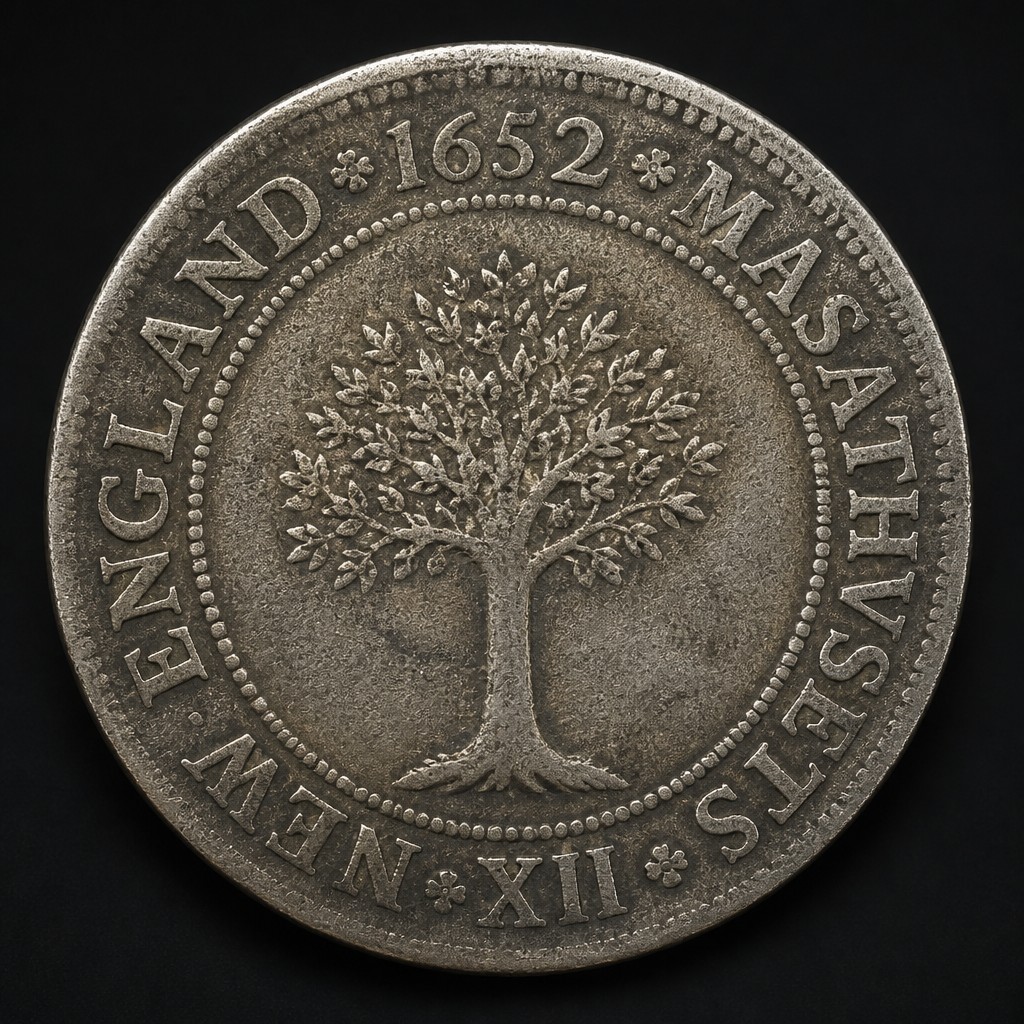
Massachusetts Oak Tree Shilling
Dated 1652, struck circa 1660–1667
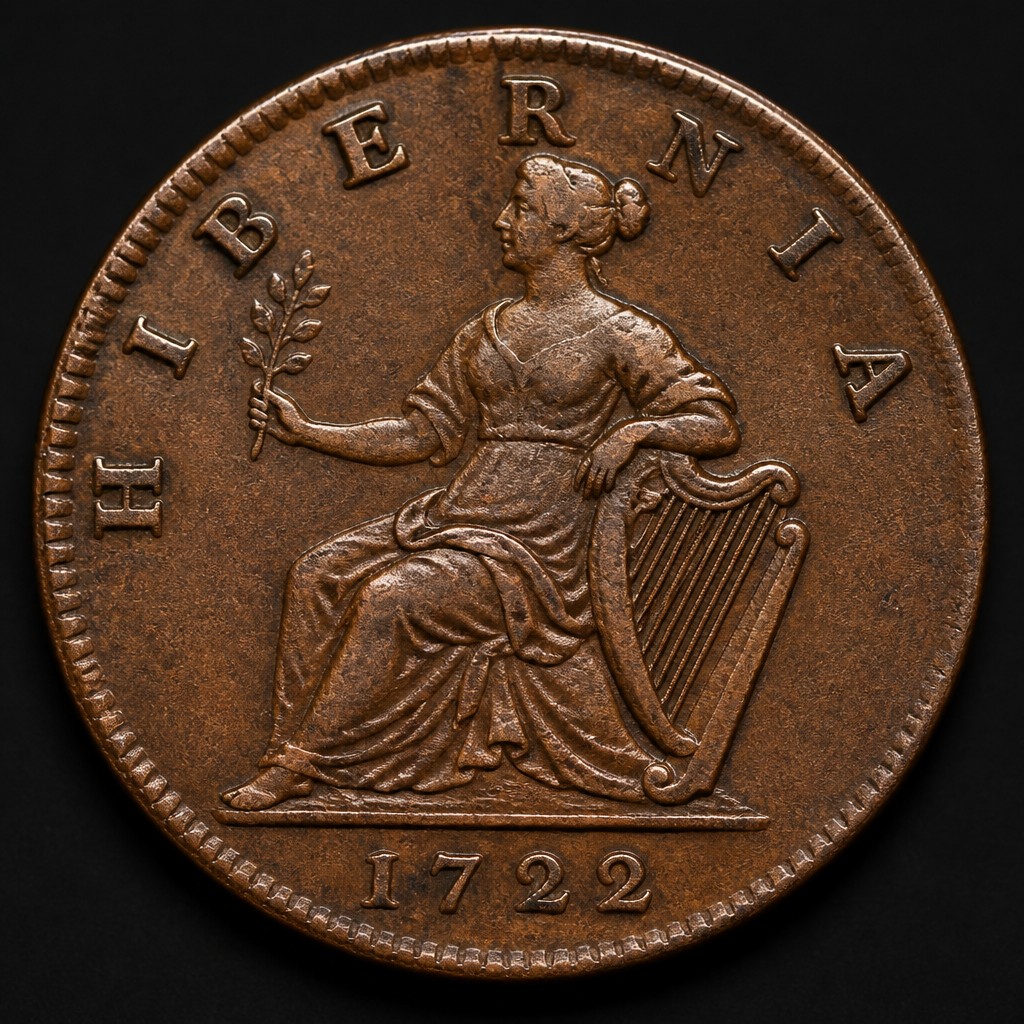
Wood's Hibernia Halfpenny
1722–1724
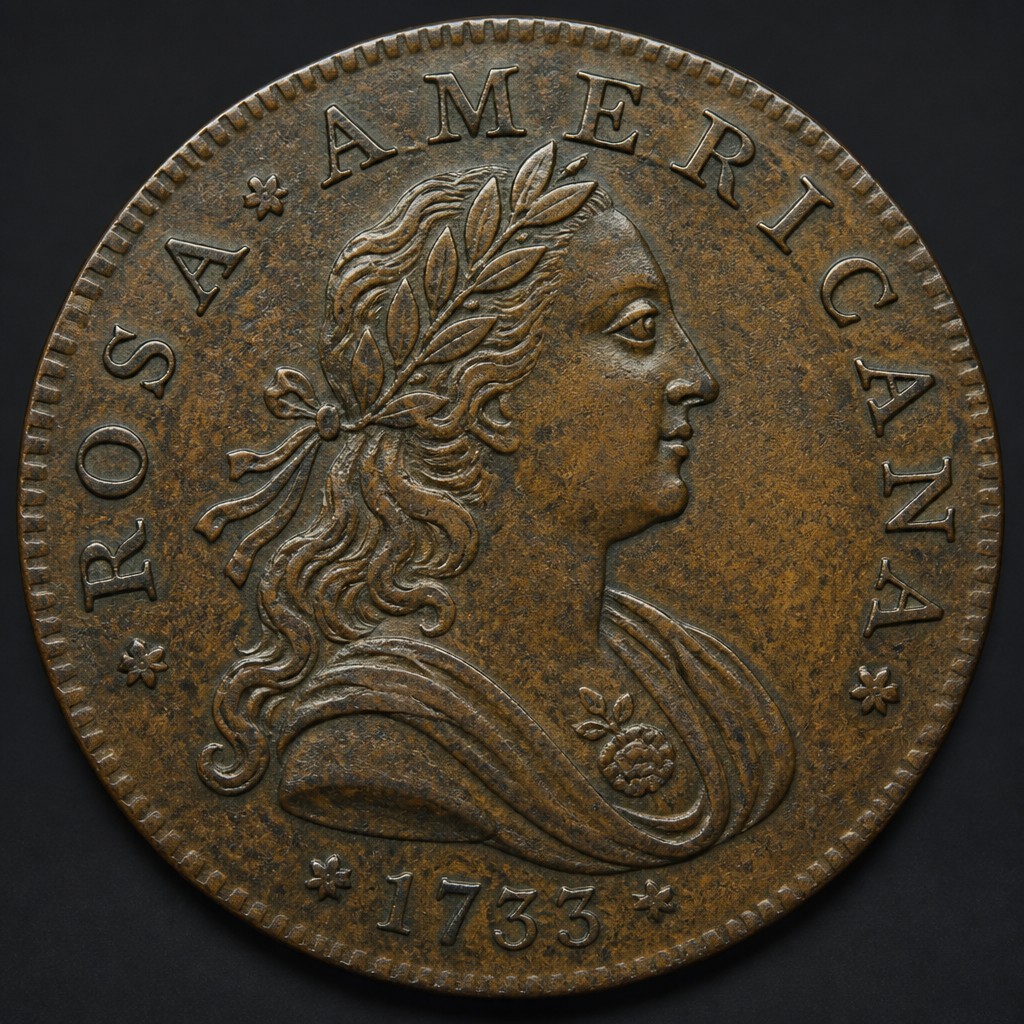
Rosa Americana Coinage
1722–1724 (with pattern issues dated 1733)
Massachusetts Willow Tree Shilling
Dated 1652, struck circa 1653–1660