
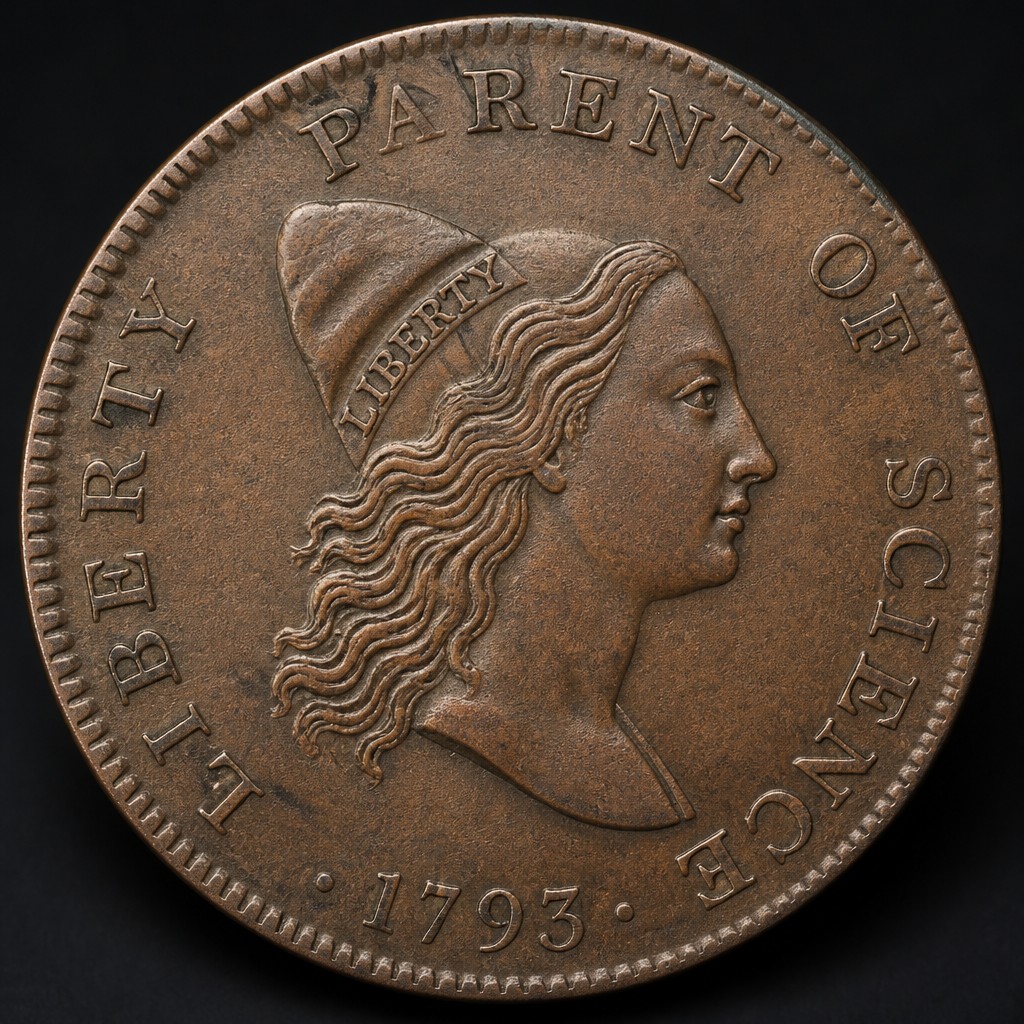
1793 Liberty Cap Half Cent
The first-year half cent, struck in 1793 with a distinctive 'Head Facing Left' Liberty Cap design used only that single year before the design was revised.
- Country
- United States
- Denomination
- Half Cent
- Metal
- Copper
Got a coin like this?
Identify any coin from a photo, free.
Overview
The 1793 half cent is the very first issue of the United States half cent denomination and is distinguished within the Liberty Cap type by its unique 'Head Facing Left' design, used only in this one year before the Mint revised the portrait to face right starting in 1794. As a first-year-of-issue coin from the earliest days of the U.S. Mint, it holds outsized historical importance.
Mintage was quite limited, and surviving examples are scarce and eagerly sought by collectors of early American coinage and by anyone assembling a type set of U.S. half cents.
History & Background
The half cent was authorized under the Coinage Act of 1792 to supply small-denomination coinage for a young nation that lacked sufficient low-value coins for everyday commerce. The Philadelphia Mint struck its first half cents in 1793, using a Liberty Cap design with the head facing left, a style used only that year.
Beginning in 1794, the Mint revised the design so Liberty's head faced right, a change that continued, with further small design updates, through 1797. The switch reflected the Mint's ongoing refinement of its die-engraving practices in its earliest years of operation.
How to Identify
Obverse: Liberty's head in profile facing left, wearing a soft liberty cap on a pole behind her head, with LIBERTY above and the date 1793 below; the leftward-facing head is the key diagnostic distinguishing this year from all later Liberty Cap half cents.
Reverse: A wreath surrounding HALF CENT with a fraction (1/200) below and UNITED STATES OF AMERICA around the border.
The coin is a small, all-copper piece with an edge design, typically a two-leaf edge device, characteristic of the Mint's early production methods. Because of the coin's age, value, and history of counterfeiting and alteration in the antique coin market, careful attention to known die varieties and, where practical, professional authentication are recommended for any potential purchase.
Value & Collectibility
As a rare first-year issue, the 1793 half cent commands strong prices even in heavily worn or problem condition, typically starting in the low thousands of dollars, with well-preserved, problem-free, or high-grade examples reaching tens of thousands of dollars or more at auction.
Because the coin is nearly universally recognized as a key type coin for early American copper collecting, demand extends well beyond half cent specialists to type collectors and early American coinage enthusiasts generally, which helps support strong and consistent pricing relative to its low survival numbers.
Frequently asked questions
What makes the 1793 half cent different from later Liberty Cap half cents?
It uniquely shows Liberty's head facing left, a design used only in 1793 before the Mint switched to a right-facing head in 1794.
Why is the 1793 half cent historically important?
It is the first year of issue for the U.S. half cent denomination, minted in the earliest years of the federal Mint.
Is the 1793 half cent rare?
Yes, mintage was limited and surviving examples are scarce, making it a genuinely rare early American coin.
What is a 1793 half cent typically worth?
Prices generally start in the low thousands of dollars even for worn examples, rising substantially for higher-grade or exceptional pieces.
What metal is the 1793 half cent made of?
Pure copper, consistent with all early U.S. half cents.
Other coins you may enjoy
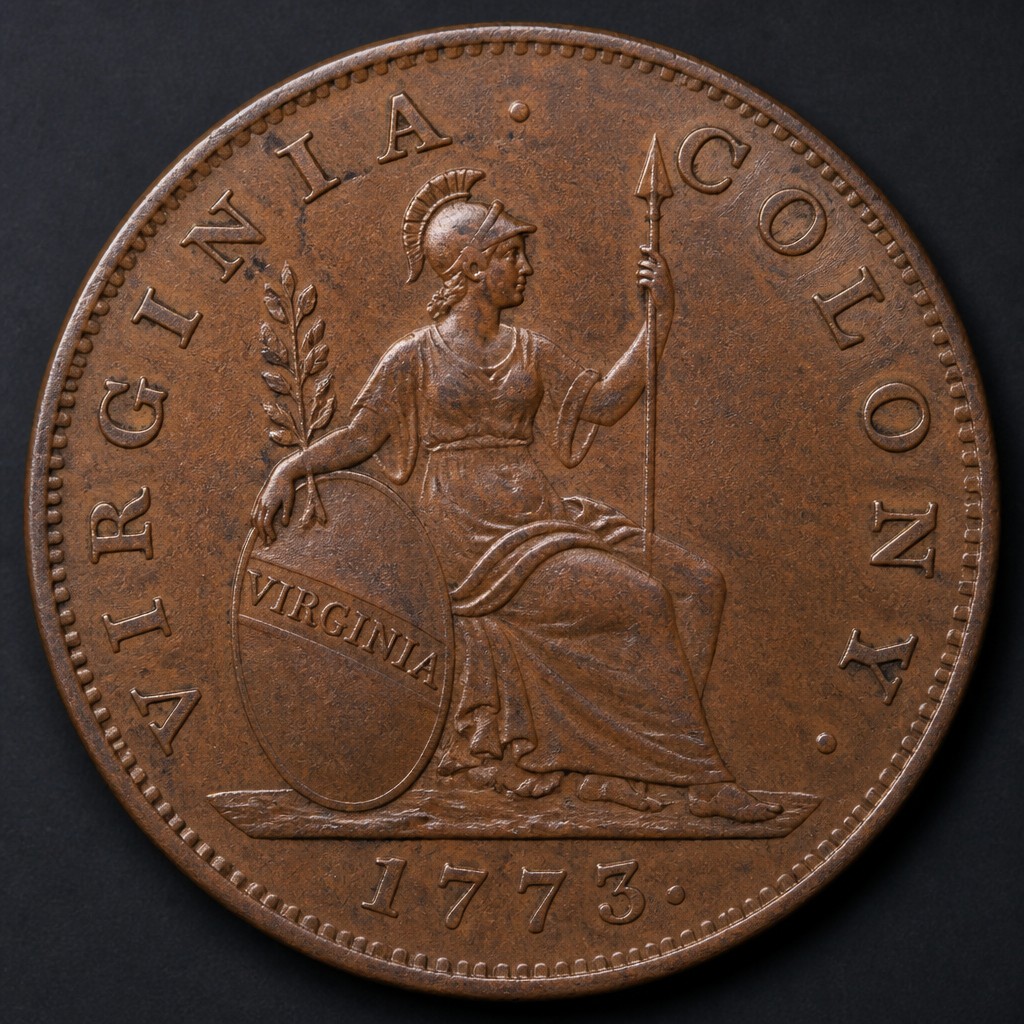
Virginia Halfpenny
1773

Brasher Doubloon
1787
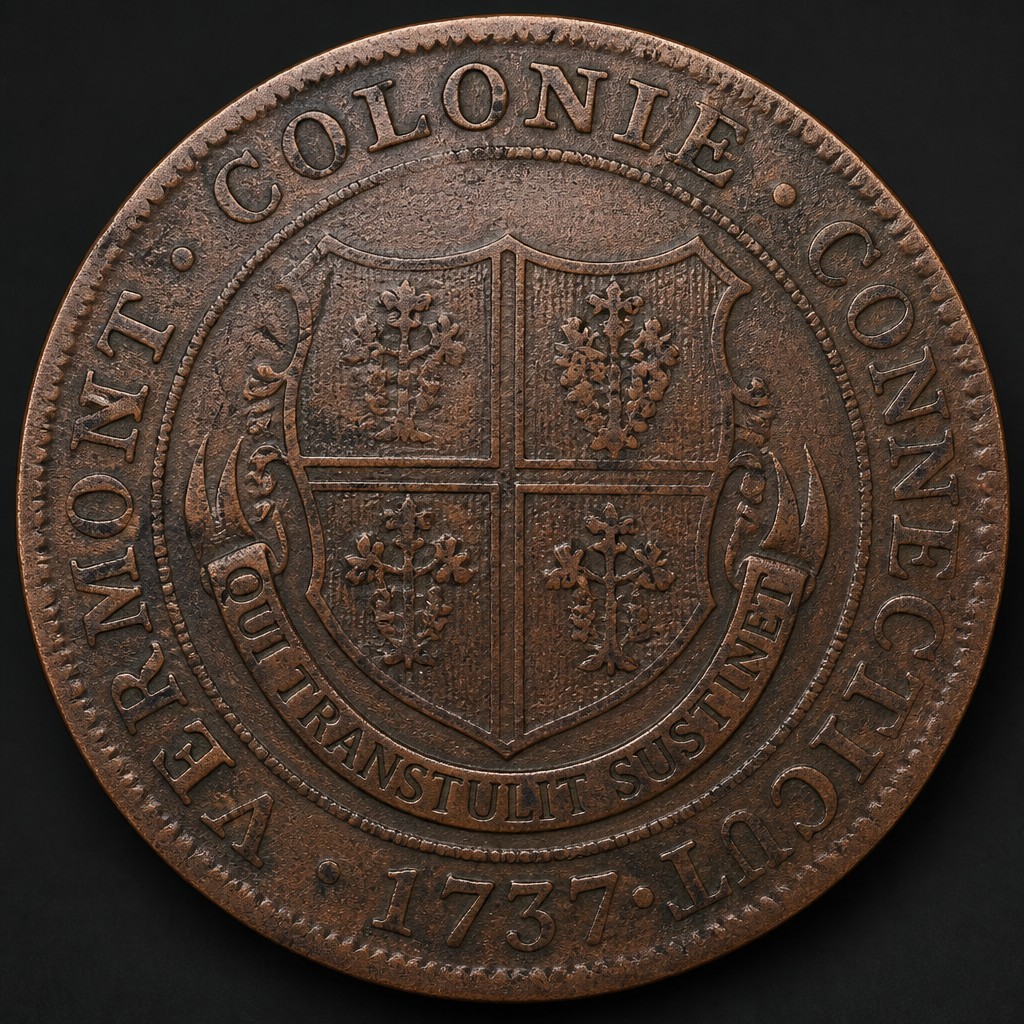
Higley Copper
1737–1739
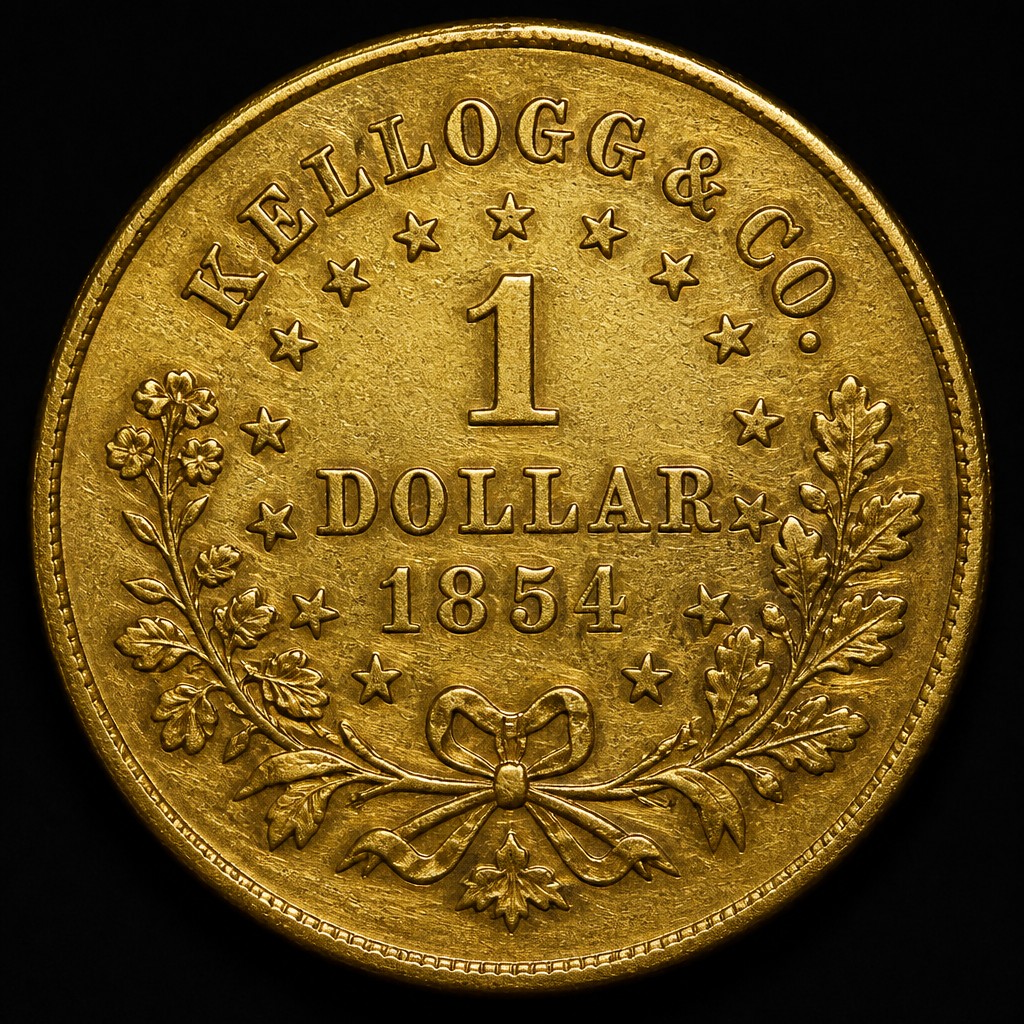
Kellogg & Co. Gold Piece
1854–1855
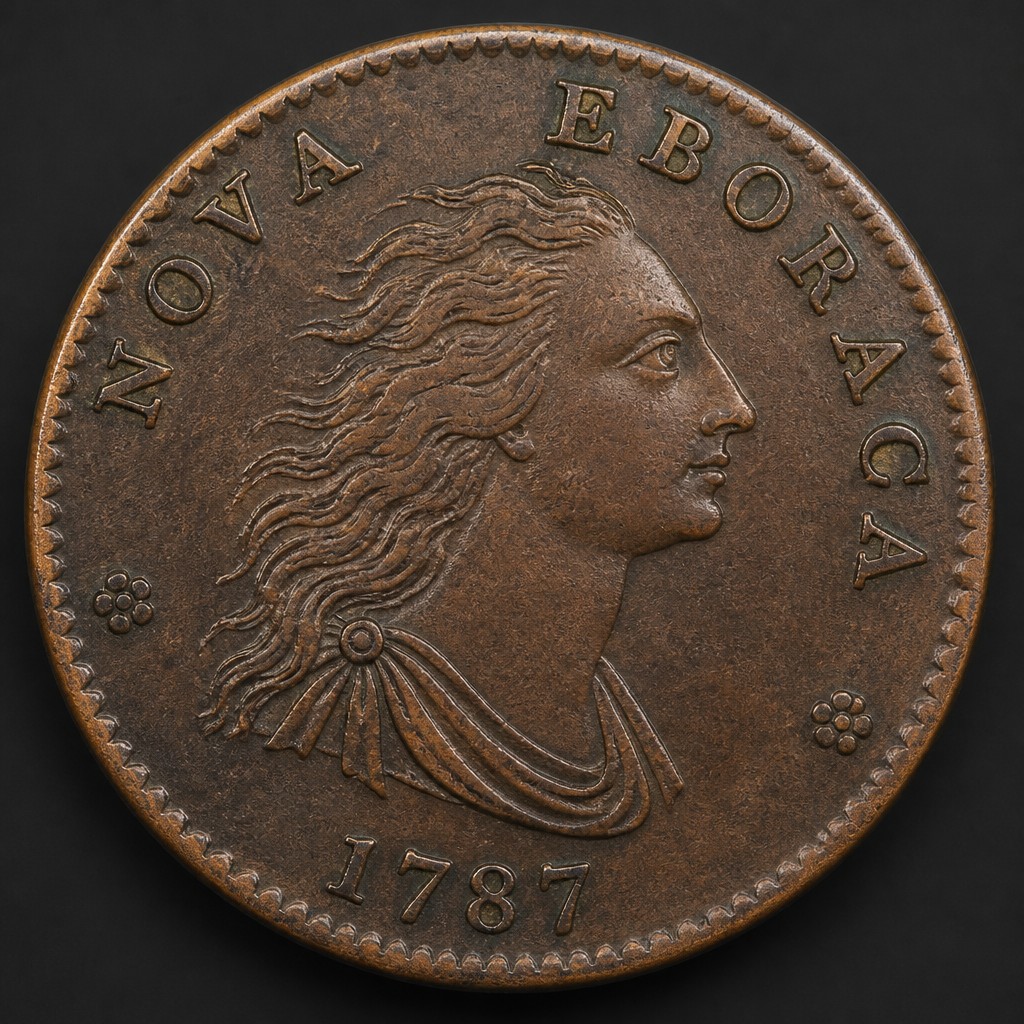
Nova Eborac Copper
1787
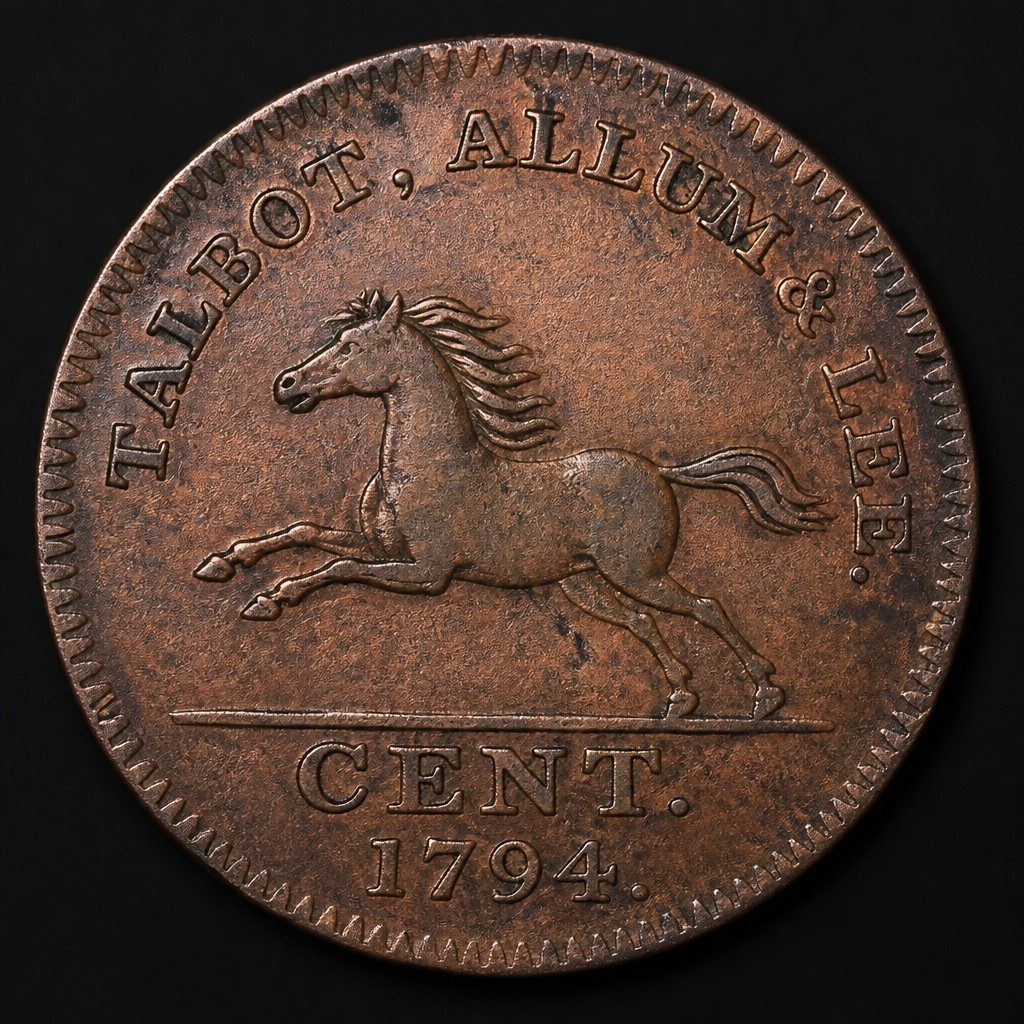
Talbot, Allum & Lee Cent
1794–1795
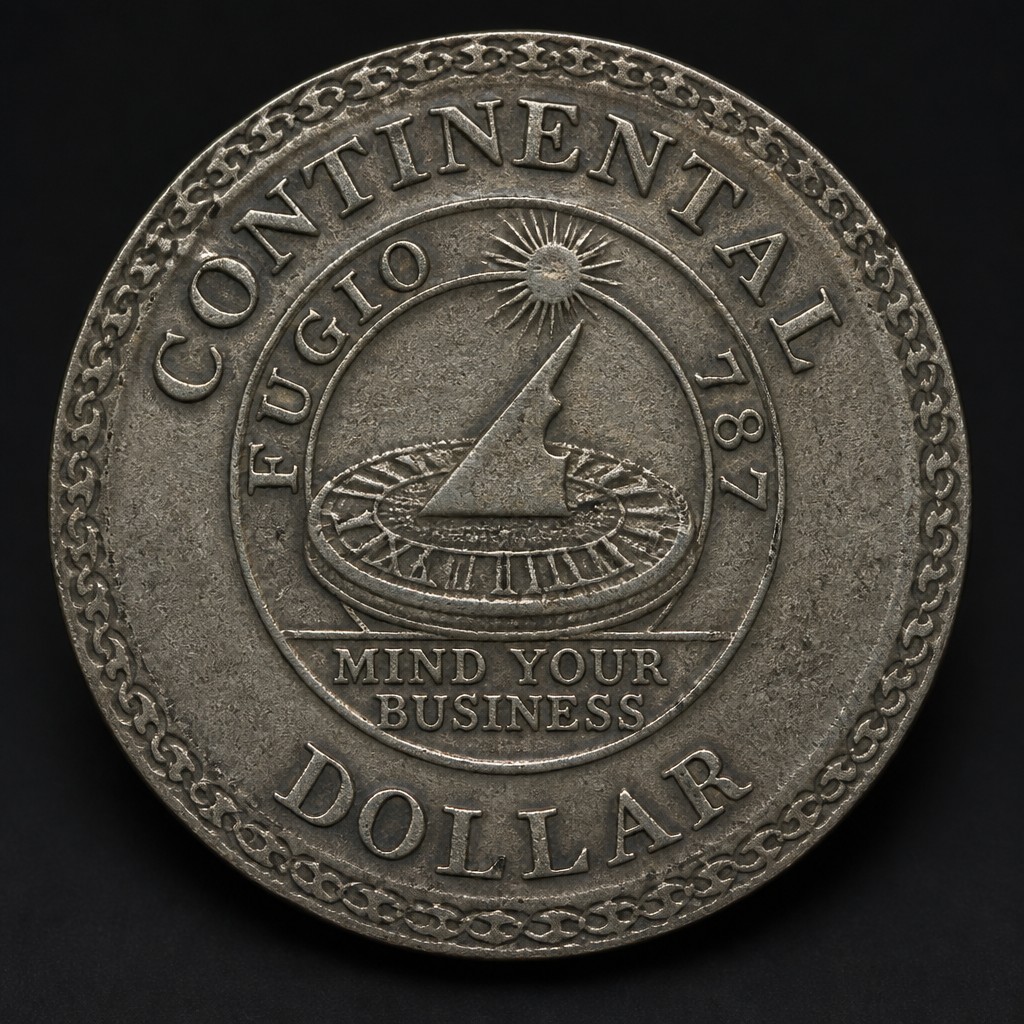
Continental Dollar
1776
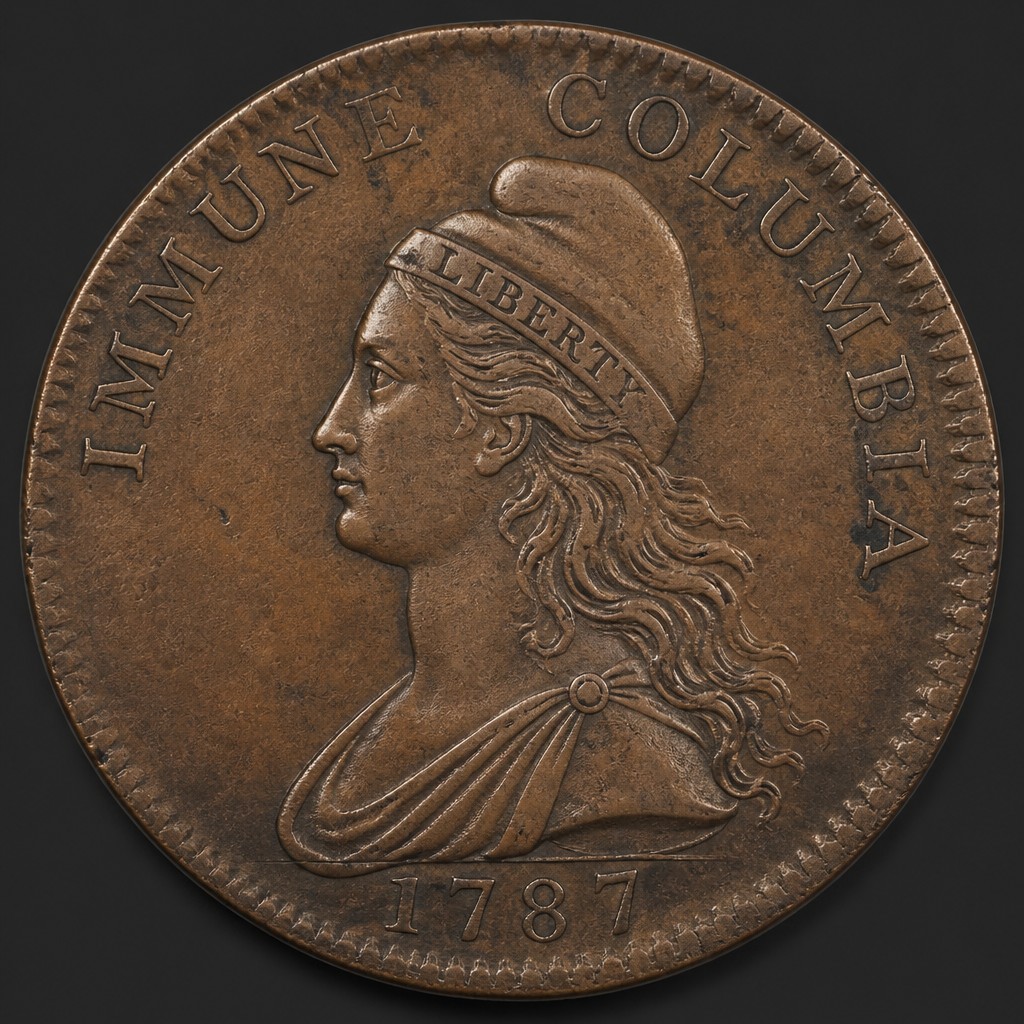
Immune Columbia Copper
circa 1785–1787
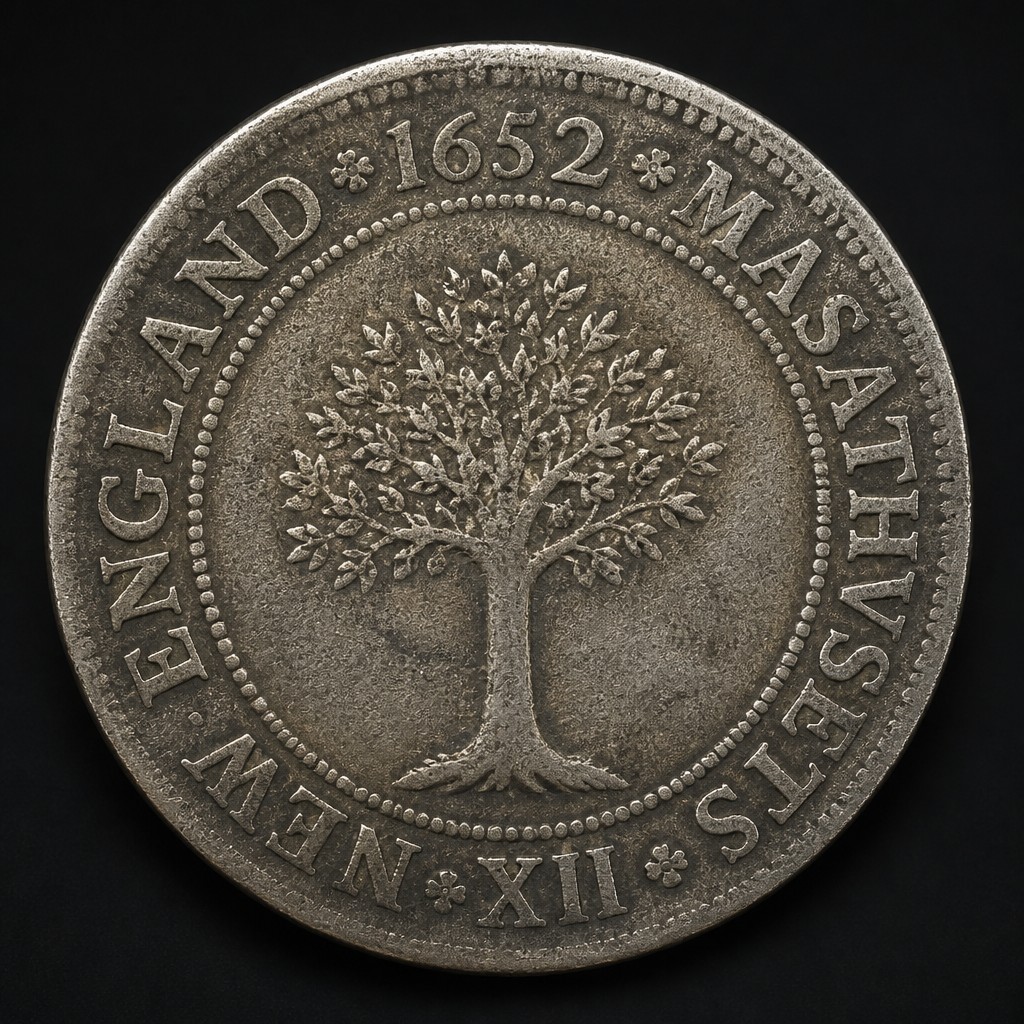
Massachusetts Oak Tree Shilling
Dated 1652, struck circa 1660–1667
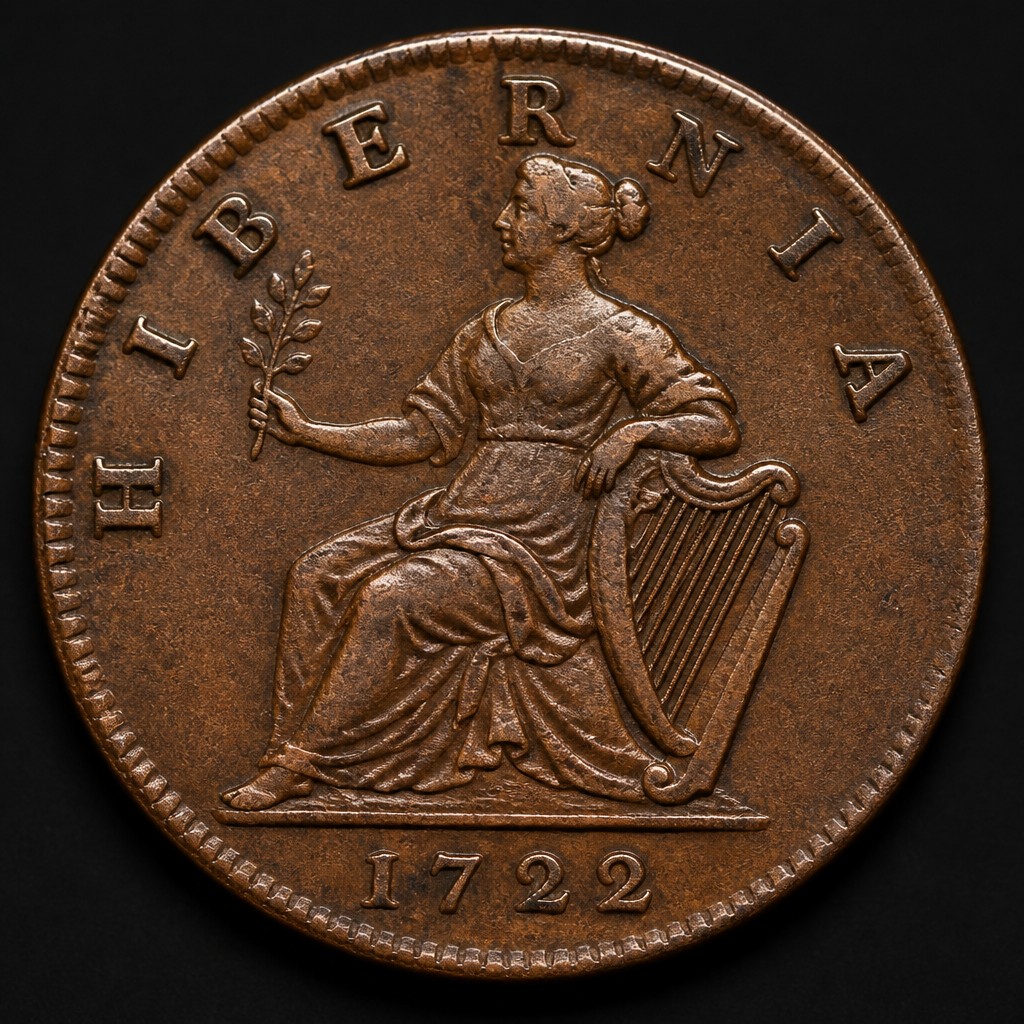
Wood's Hibernia Halfpenny
1722–1724
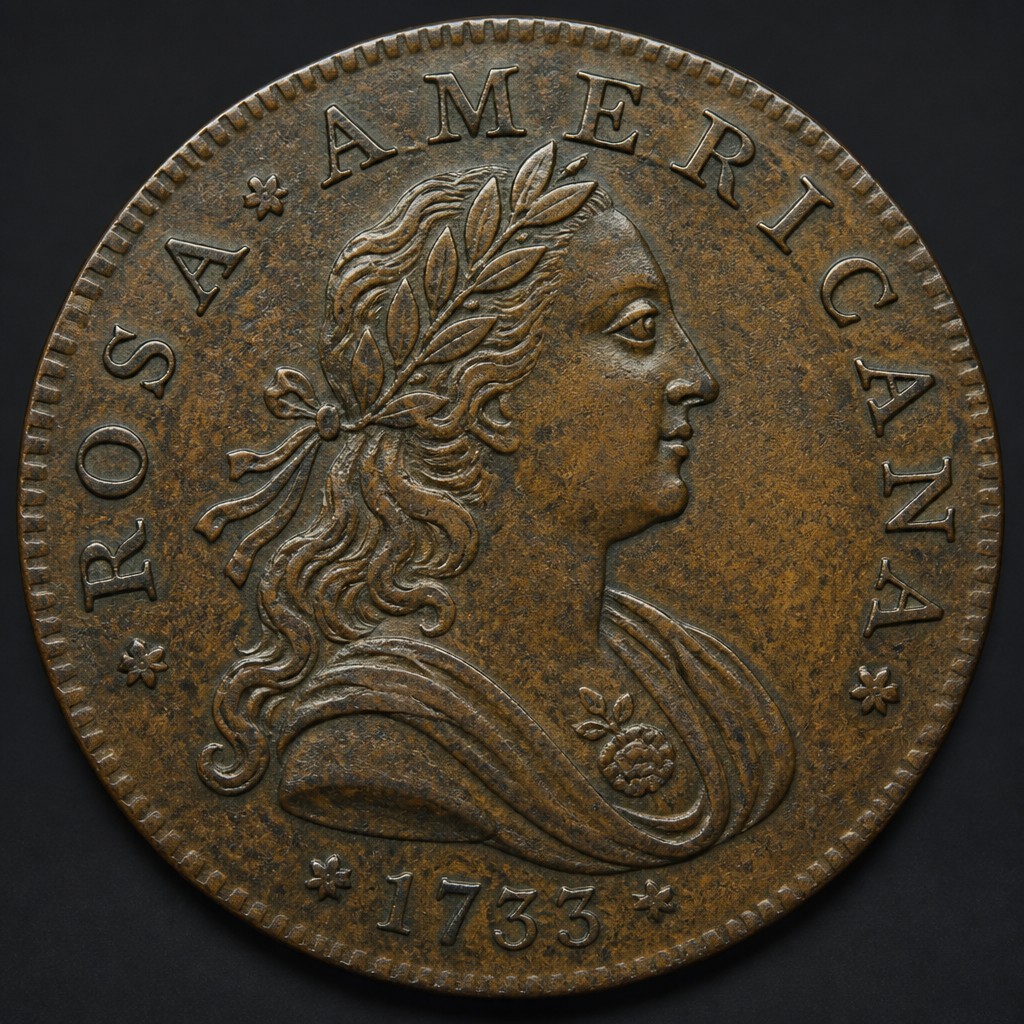
Rosa Americana Coinage
1722–1724 (with pattern issues dated 1733)
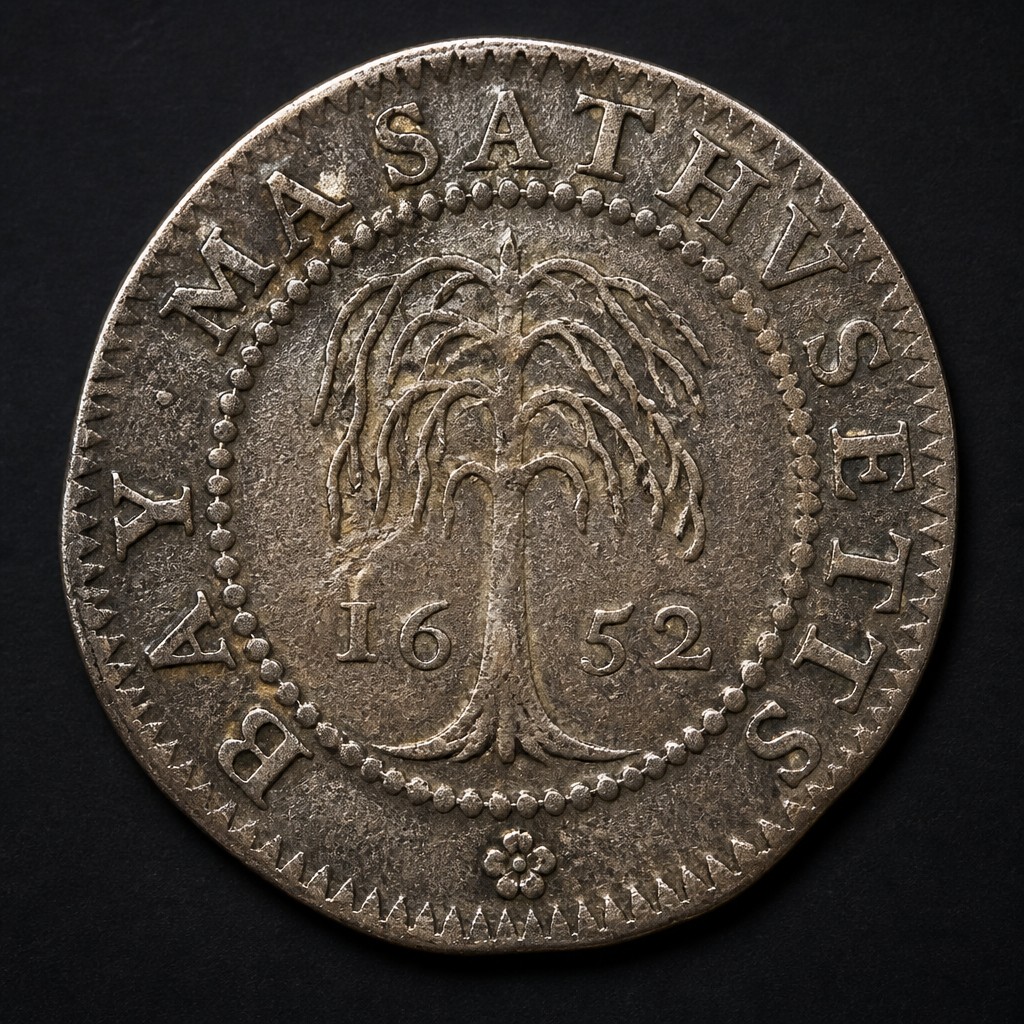
Massachusetts Willow Tree Shilling
Dated 1652, struck circa 1653–1660