
Coin Encyclopedia
Search and identify coins from around the world — with country, denomination, metal, mint, history, and how to tell them apart.
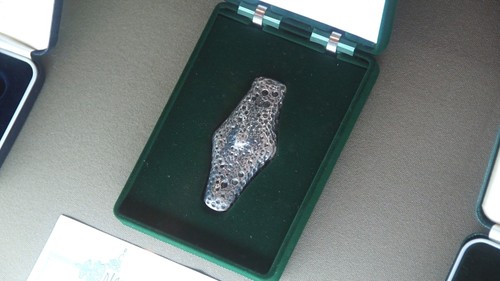
Hryvnia
Medieval silver money unit of Kievan Rus, circulating as cast silver ingots and weight-money rather than as a struck, portrait-bearing coin.
Medieval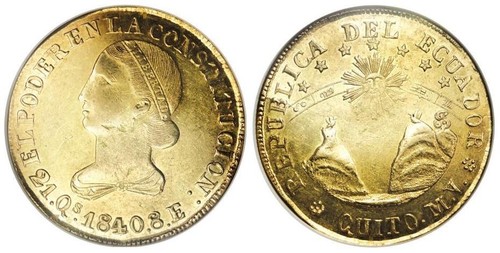
Escudo (Joanna and Charles V, contemporary copy)
A contemporary gilded copper-alloy copy imitating a Spanish gold escudo of Joanna and Charles V, made to pass as the real Habsburg gold coin.
Early Modern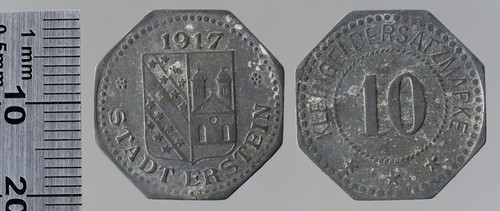
Erstein Notgeld 10 Pfennigs
A 1917 German emergency coin (Notgeld) for 10 Pfennigs from the town of Erstein, with the city coat of arms on one side and a large 10 on the other.
Token/notgeld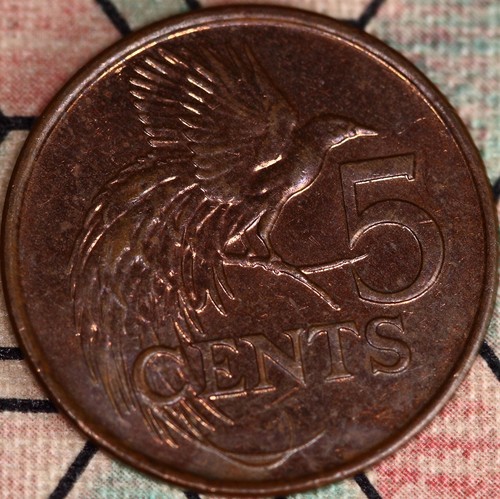
Trinidad and Tobago 5 Cents
A bronze five-cent coin of Trinidad and Tobago showing a perched bird — the Greater Bird of Paradise, often mistaken for a parrot — with FIVE CENTS on the reverse.
Circulation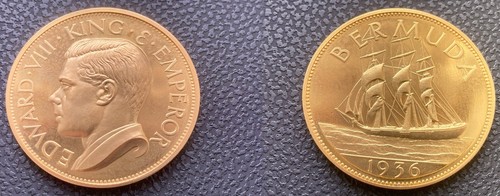
Bermuda Edward VIII Fantasy Crown
A modern fantasy Bermuda crown dated 1936 with an Edward VIII profile and a three-masted sailing ship; a gold-plated novelty, not an official coin.
Fantasy Issue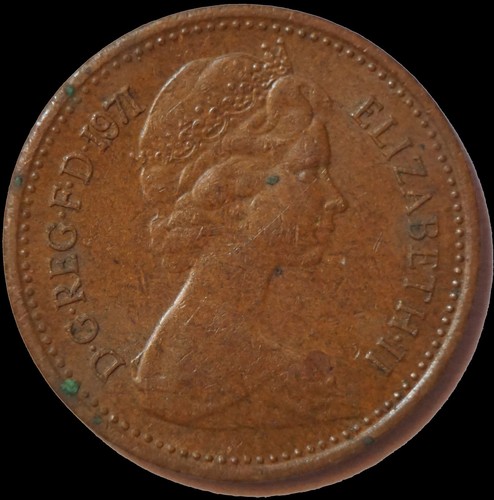
British Decimal Half Penny
The smallest UK decimal coin, a tiny bronze half-penny introduced with decimalisation in 1971, bearing a crown reverse and the Machin portrait of Elizabeth II.
British Isles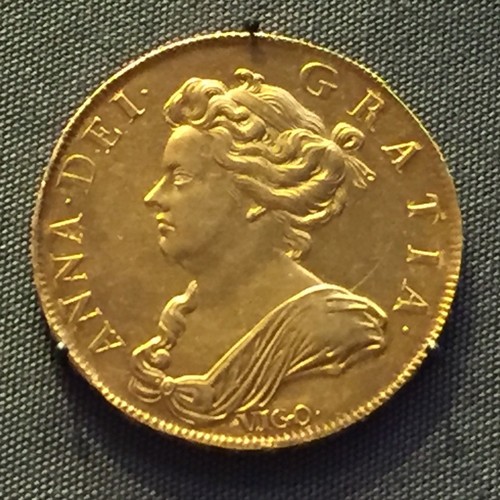
Five Guineas of Anne
Queen Anne's largest gold coin, the celebrated 1703 issue struck with VIGO below the bust from gold captured at the Battle of Vigo Bay.
Milled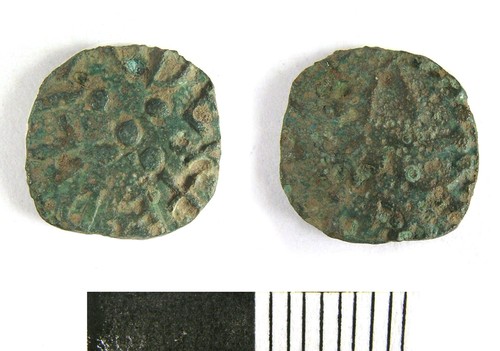
Anglo-Saxon Styca
A tiny base-metal coin of the Anglo-Saxon kingdom of Northumbria, struck in the 8th-9th century with a head and inscription on one side and a cross on the other.
Medieval Coins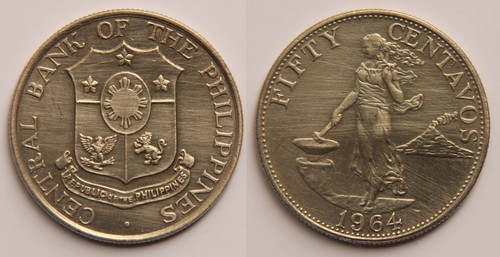
Philippines 50 Centavos
A 1960s Philippine 50-centavos coin in copper-nickel, its obverse showing an allegorical woman with a torch and its reverse the national coat of arms.
Southeast Asia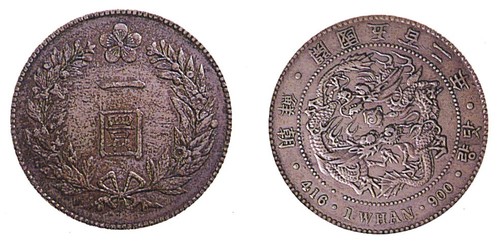
1 Hwan
A late-Joseon Korean bronze coin of one hwan, carrying a chrysanthemum-and-cartouche obverse and a traditional dragon motif with East Asian characters on the reverse.
Historic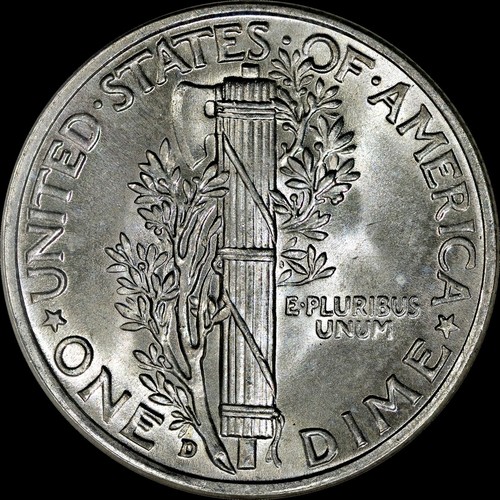
Mercury Dime
U.S. silver ten-cent coin struck 1916–1945, showing a winged-cap Liberty head on the obverse and a fasces with an olive branch on the reverse.
Dime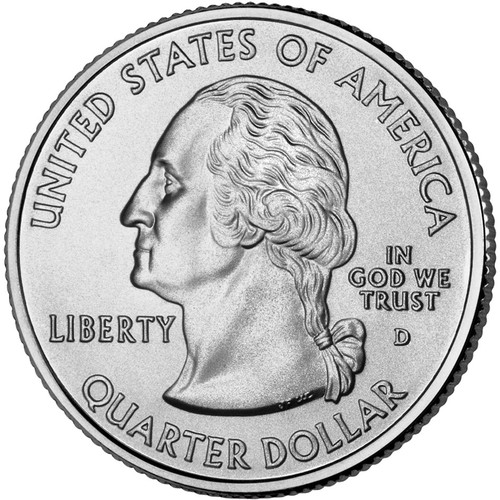
Washington Quarter
U.S. twenty-five-cent coin introduced in 1932, showing George Washington's profile and an eagle reverse; early issues struck in 90% silver.
Quarter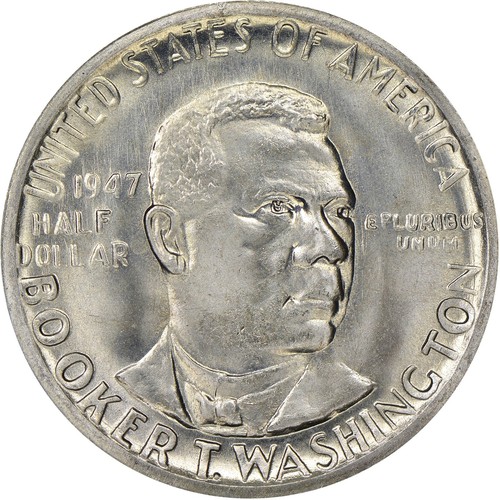
Booker T. Washington Memorial Half Dollar
A U.S. silver commemorative half dollar (1946–1951) honoring educator Booker T. Washington, the first African American portrayed on a U.S. coin.
Classic Commemorative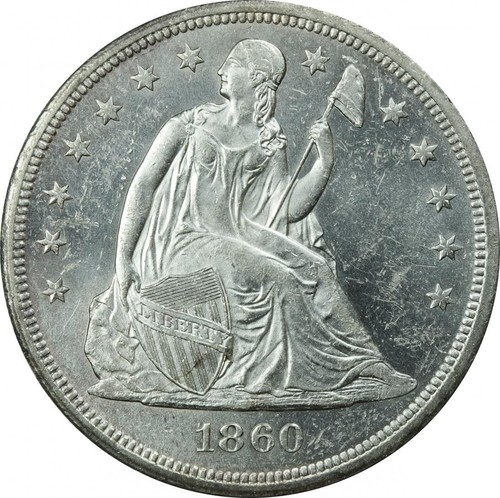
Seated Liberty Dollar
U.S. silver dollar (1840-1873) with Liberty seated holding a shield and a liberty-cap pole, ringed by stars. The pictured coin is dated 1860.
Dollar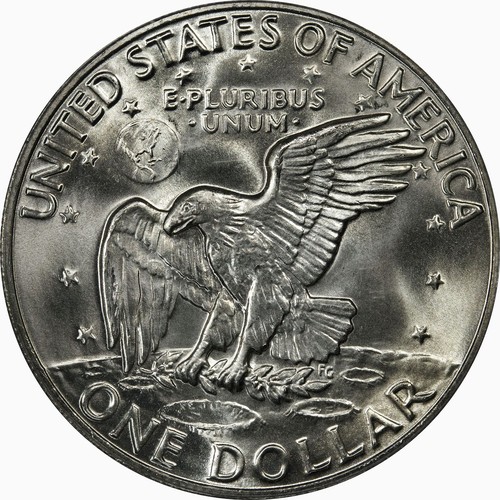
Eisenhower Dollar
Large U.S. dollar coin struck 1971–1978 with Eisenhower's profile and an eagle landing on the Moon, most circulation issues in copper-nickel clad.
Dollar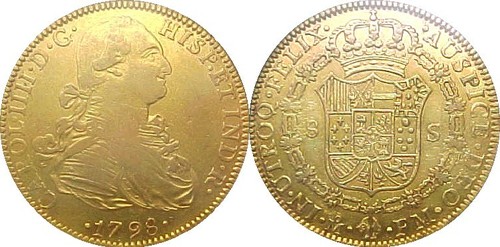
Spanish Doubloon (8 Escudos)
Large Spanish gold coin worth eight escudos, showing the right-facing bust of King Charles IV and a crowned Spanish shield with a cross.
World Coins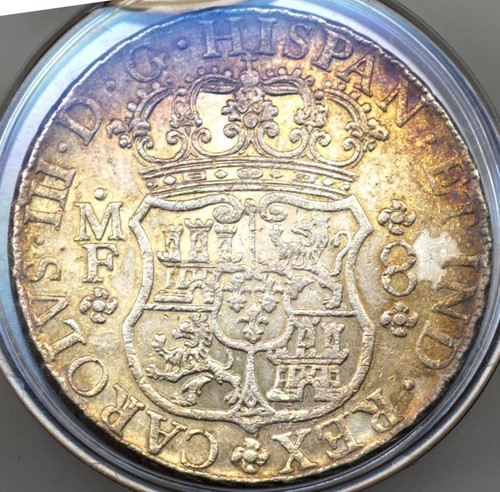
Pillar Dollar (Columnario)
Machine-struck Spanish colonial silver 8 reales showing two crowned globes between the Pillars of Hercules; a trusted world trade coin.
World Coins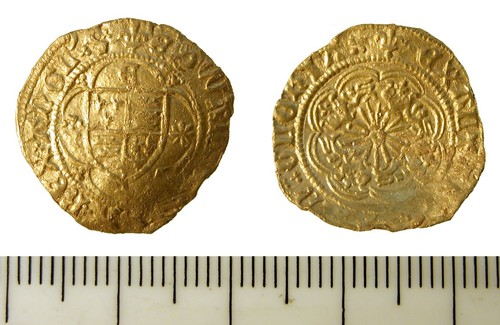
Edward IV Quarter Ryal
Small English medieval gold coin of Edward IV, bearing the crowned royal arms and an ornate radiate cross with a rose-on-sun at its center.
Medieval Coins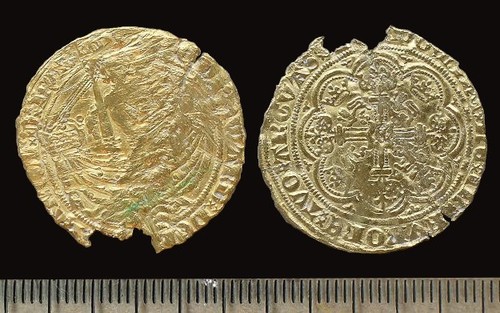
Edward III Half Noble
Medieval English gold coin worth half a noble, this example showing King Edward III crowned with heraldic devices and a shielded, ornamented reverse.
Medieval Coins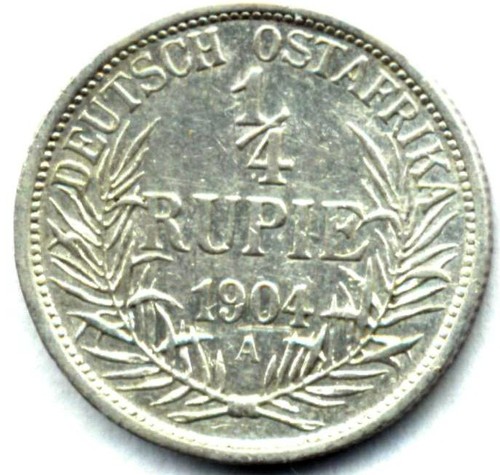
German East Africa 1/4 Rupie
A small colonial silver coin of German East Africa, inscribed DEUTSCH OSTAFRIKA and 1/4 RUPIE within a wreath, paired with the imperial eagle.
World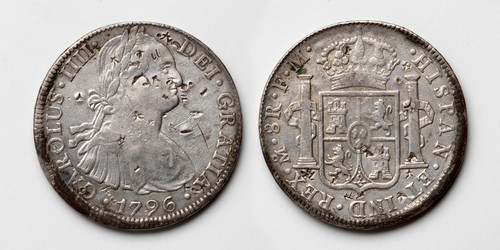
Spanish Colonial 8 Reales (Milled Bust)
The milled-bust Spanish colonial 8 reales—the classic “piece of eight,” a large silver coin bearing the Spanish king's portrait and royal arms.
Colonial
Qianlong Tongbao (An Nam)
A bronze round cash coin with a square center hole bearing the four characters Qianlong Tongbao, cast in An Nam (Vietnam) in the imitative Chinese style.
Cash Coin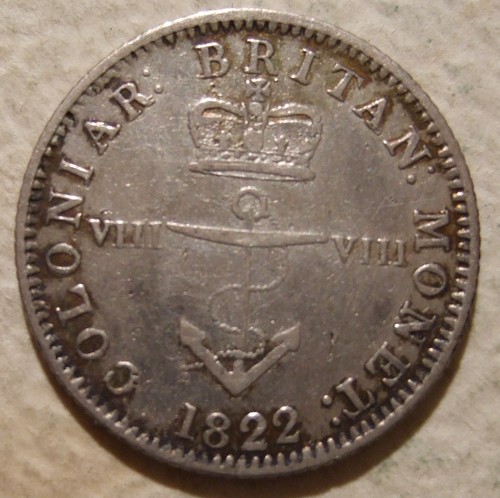
George IV One Eighth Spanish Dollar
Small 1822 British colonial silver coin from the George IV "Anchor Money," a fraction of the Spanish dollar used in the West Indies and Mauritius.
Colonial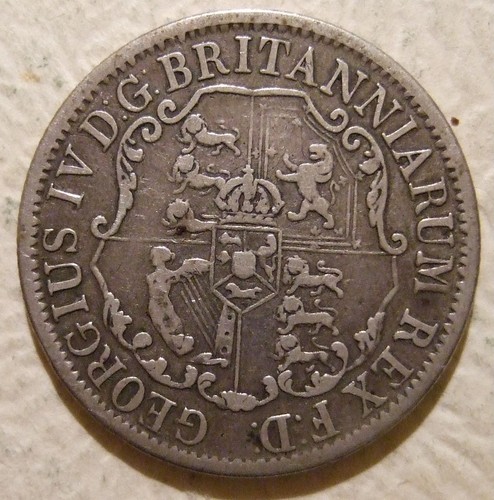
George IV One Quarter Spanish Dollar
An 1822 British colonial silver coin valued at one quarter of a Spanish dollar, part of the George IV "Anchor Money" issued for colonies in the Americas.
Colonial