
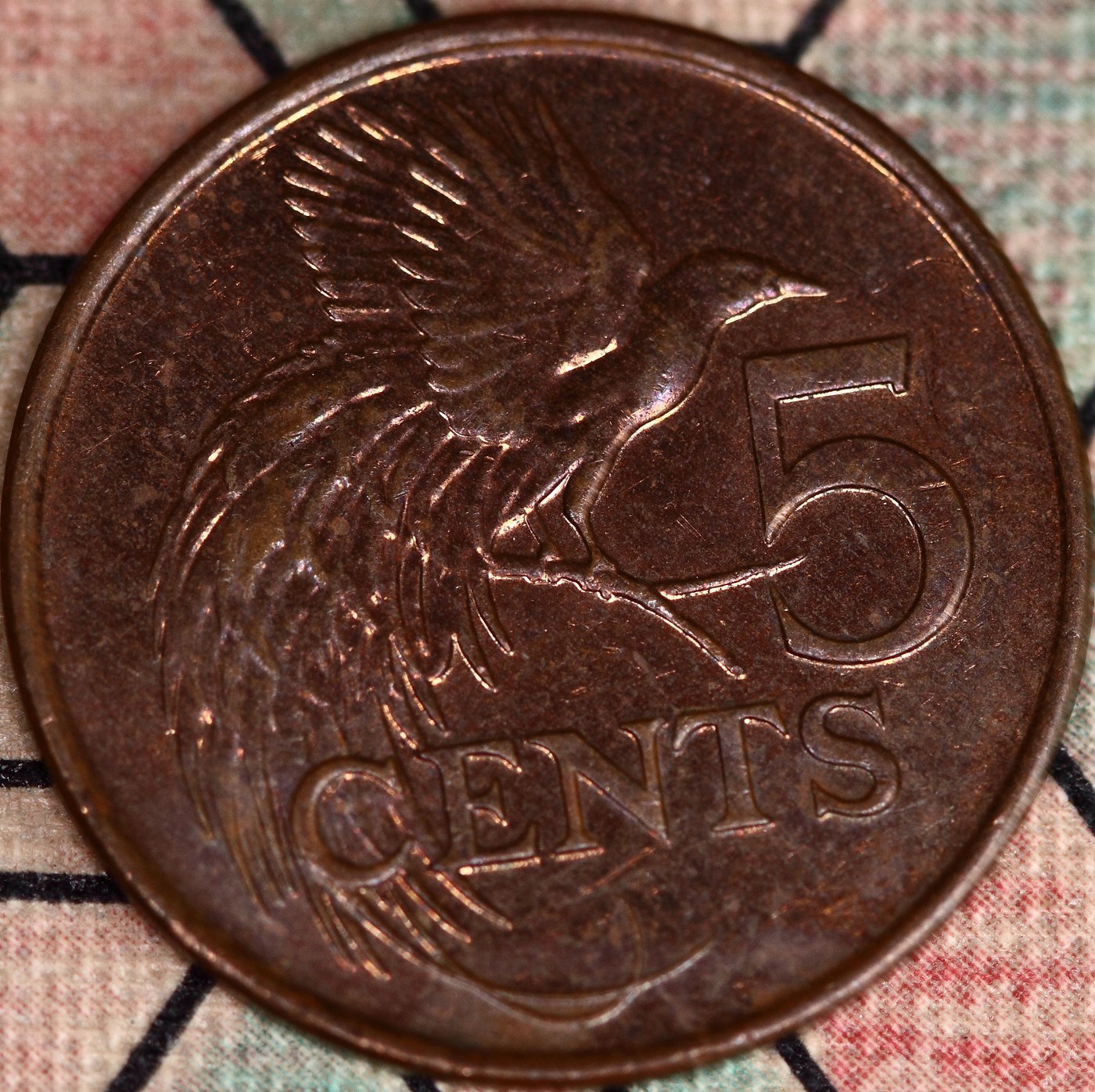
Trinidad and Tobago 5 Cents
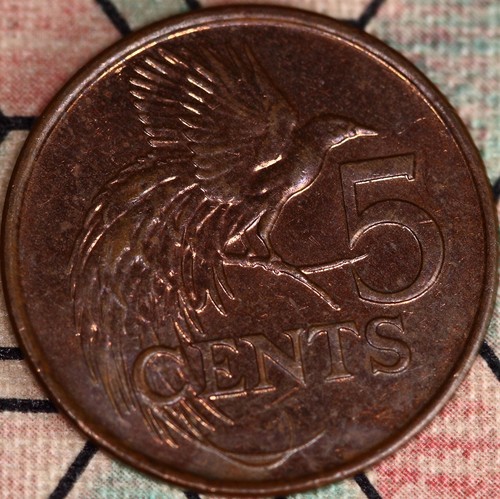
A bronze five-cent coin of Trinidad and Tobago showing a perched bird — the Greater Bird of Paradise, often mistaken for a parrot — with FIVE CENTS on the reverse.
- Country
- Trinidad and Tobago
- Denomination
- 5 Cents
- Metal
- Bronze
Got a coin like this?
Identify any coin from a photo, free.
Overview
The Trinidad and Tobago 5 Cents is a small bronze circulation coin from the twin-island Caribbean republic's decimal series. The example photographed shows a perched bird design on one face — the national Greater Bird of Paradise, which casual viewers often read as a parrot — and the value FIVE CENTS with the year and country name on the other.
It is a low-value, everyday piece rather than a precious-metal issue, struck in bronze with a warm brown to reddish tone. As one of the smaller denominations in circulation, it was made in large numbers across many years and is very commonly encountered in mixed Caribbean change and world-coin lots.
History & Background
Trinidad and Tobago introduced its own decimal coinage in 1966, four years after gaining independence in 1962, replacing the British West Indies currency that had circulated before. The 5-cent piece has been part of that series from the beginning, carrying wildlife and national symbols in keeping with the country's coinage program.
The bird shown on the five-cent coin references the Greater Bird of Paradise (Paradisaea apoda), famously associated with the small island of Little Tobago, where a population was once established. Over the decades the coin has been struck across many dates; the piece here is a modern example. Compositions and finishes on Caribbean minor coinage have shifted over time, so exact metal and specifications are best confirmed against the specific date on the coin.
How to Identify
One face carries a perched bird motif — the slender, long-tailed Greater Bird of Paradise on a branch — which is the coin's signature design and the reason it is sometimes miscalled a parrot. The other face shows the denomination FIVE CENTS, together with TRINIDAD AND TOBAGO and the date.
The coin is bronze, small in diameter, and brown to reddish in tone with age. Look for the full country name spelled out, the clear numeral/word value, and the distinctive bird with its flowing tail plumes. The combination of the specific bird design and the FIVE CENTS legend distinguishes it from the country's other denominations and from similar small coins of neighboring islands.
Value & Collectibility
As a modern, high-mintage bronze minor, the Trinidad and Tobago 5 Cents is generally worth only a few cents to a small collector premium in circulated grade. Its value comes from novelty and set-completion rather than metal content, and heavily worn examples are essentially face-value curiosities.
Better prices are reserved for uncirculated coins, scarcer dates, and error or variety pieces, which can command a modest multiple over common examples. Because value depends on the exact date and grade, compare against recent sales for the specific year rather than assuming a single figure; cleaned or damaged coins sell for less.
Frequently asked questions
Is the bird on the Trinidad and Tobago 5 cents a parrot?
It is usually the Greater Bird of Paradise, a long-tailed bird historically associated with Little Tobago. It is easy to mistake for a parrot at a glance, but the flowing tail plumes and perched pose point to the bird of paradise design.
What metal is the 5-cent coin made of?
The example shown is bronze, giving it a warm brown to reddish color. It is a base-metal circulation coin with no precious-metal content, so its worth is driven by condition and collector interest rather than melt value.
When was this coin made?
Trinidad and Tobago's decimal coinage began in 1966, and the 5 cents has been struck across many dates since. The photographed piece is a modern example; check the date on the coin itself for the exact year.
Is my Trinidad and Tobago 5 cents worth much?
Most circulated examples are worth only a few cents above face value. Uncirculated coins, scarce dates, and genuine errors can carry a modest premium, so the date and grade matter more than the type itself.
Trinidad and Tobago 5 Cents guides
In-depth guides for identifying, valuing, and collecting Trinidad and Tobago 5 Cents.
Other coins you may enjoy
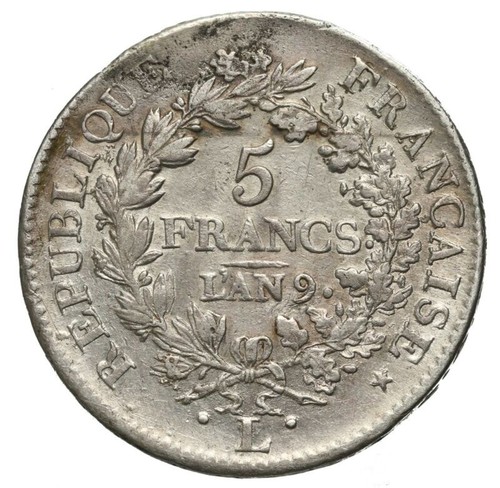
5 Francs (First Republic)
L'an 9 (1800–1801)
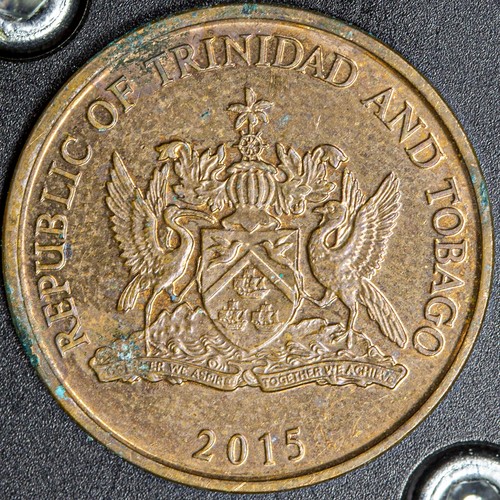
Trinidad and Tobago Dollar
2015
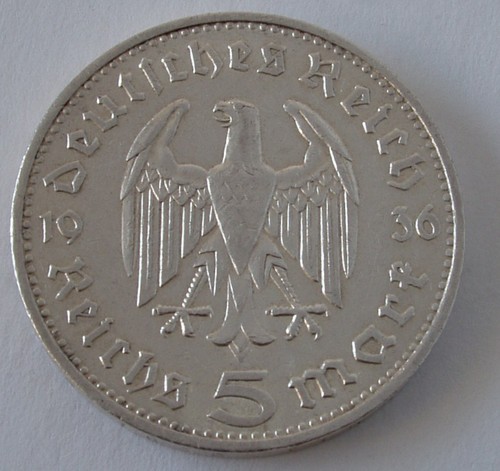
German 5 Reichsmark (Hindenburg)
1935–1936 (Hindenburg type with swastika)
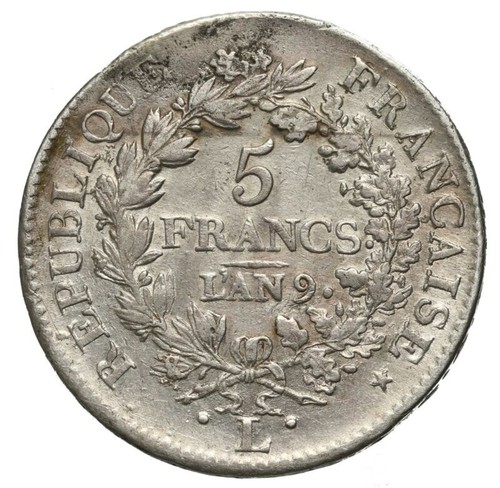
5 Francs Semeuse
1960–1969
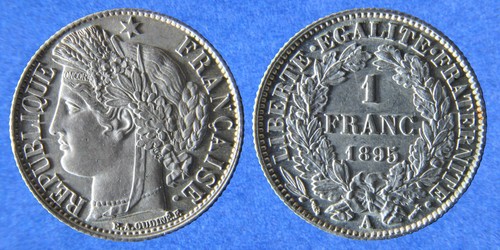
French Cérès 1 Franc
1849–1895
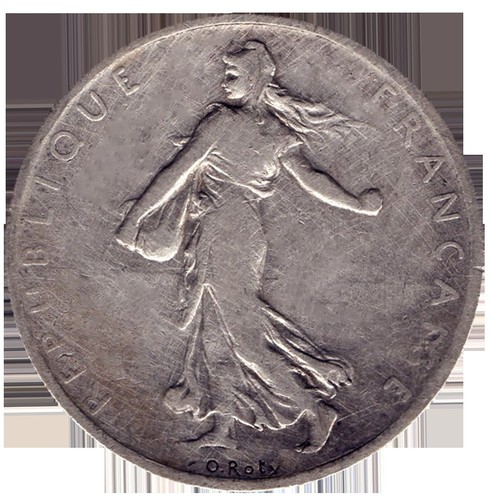
French Semeuse 2 Francs
1898–1920 (silver issues; pictured example dated 1899)
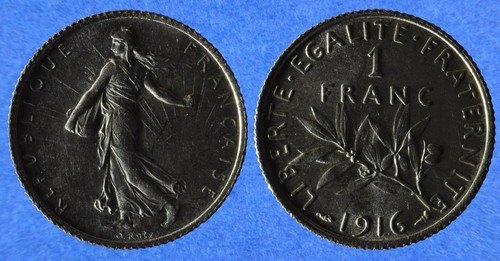
French Semeuse 1 Franc
1898–1920 (silver Semeuse 1 franc type)
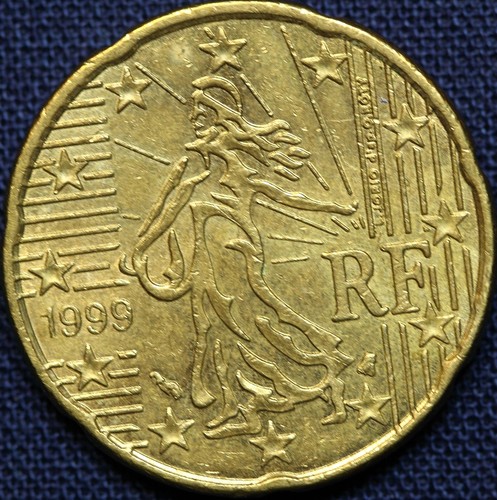
France 50 Cent Euro
1999–present
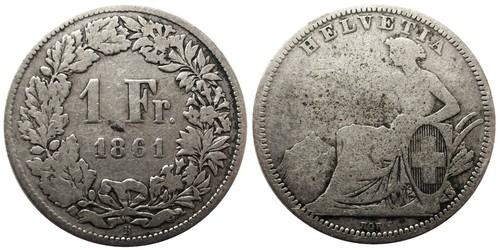
Swiss 1 Franc
1861
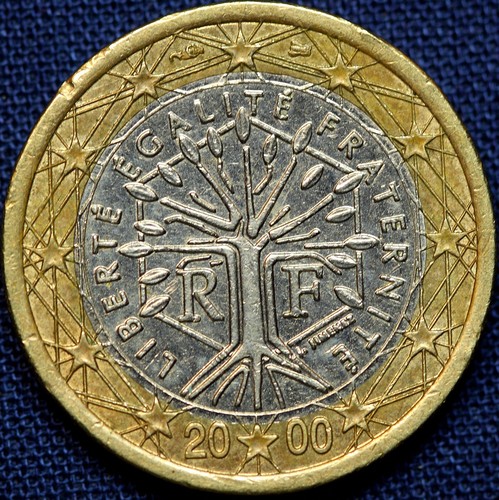
France 20 Centimes
1962–2001 (Fifth Republic, Marianne / Lagriffoul type)
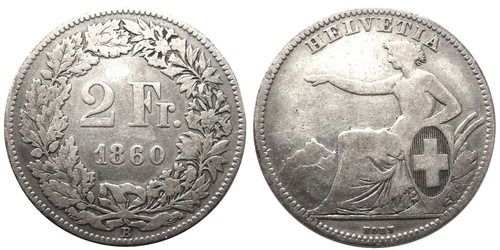
Swiss 2 Francs
1860
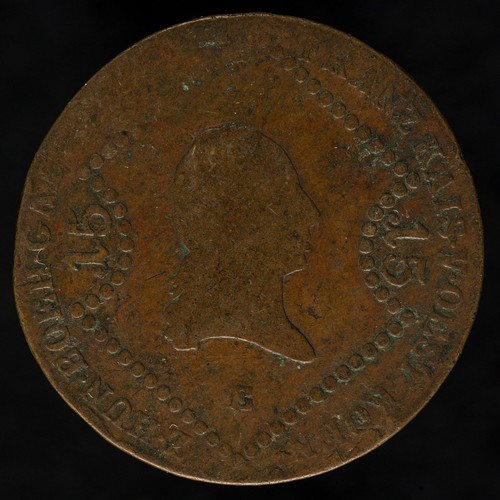
Austria-Hungary 15 Kreuzer
1807