
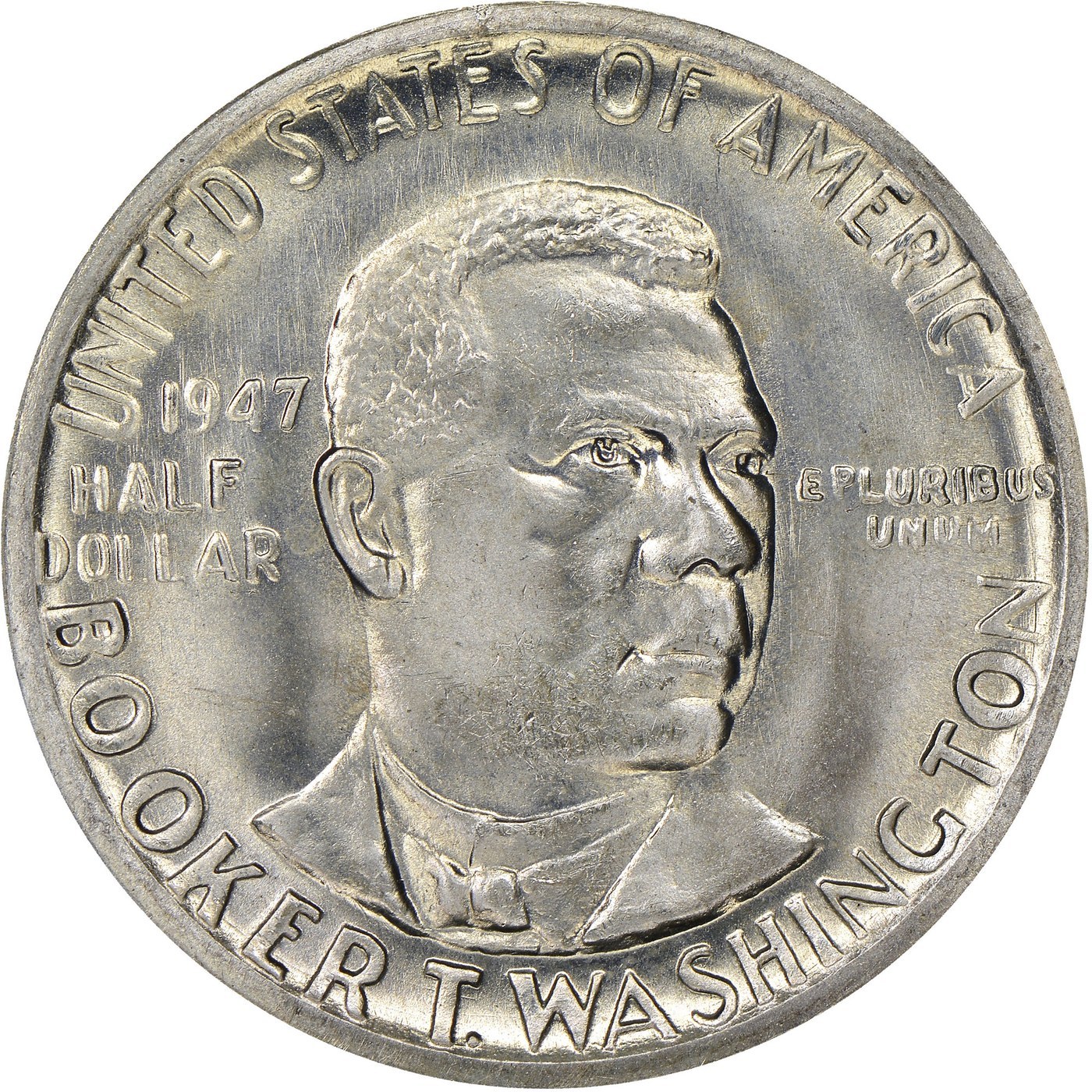
Booker T. Washington Memorial Half Dollar
A U.S. silver commemorative half dollar (1946–1951) honoring educator Booker T. Washington, the first African American portrayed on a U.S. coin.
- Country
- United States
- Denomination
- 50¢
- Metal
- Silver
Got a coin like this?
Identify any coin from a photo, free.
Overview
The Booker T. Washington Memorial Half Dollar is a United States silver commemorative fifty-cent piece struck from 1946 through 1951. It honors Booker T. Washington (1856–1915), the educator, author, and founder of what became Tuskegee University who rose from slavery to national prominence. The example shown here is dated 1947, one year within the multi-year series.
The obverse carries a right-facing profile portrait of Washington with the inscriptions HALF DOLLAR, the date, and E PLURIBUS UNUM. The reverse depicts the New York University Hall of Fame for Great Americans building above a small log cabin, wrapped by the motto FROM SLAVE CABIN TO HALL OF FAME and a reference to FRANKLIN COUNTY, VA, where Washington was born enslaved.
Designed by sculptor Isaac Scott Hathaway, it holds a notable place in numismatic history as the first U.S. coin to depict an African American. Struck in the standard 90% silver alloy of a regular half dollar but never meant for circulation, it belongs to the "classic" commemorative series that ran from 1892 to 1954.
History & Background
Congress authorized the Booker T. Washington Memorial half dollar in 1946, with proceeds from sales at a premium intended to fund the purchase and construction of memorials to Washington and to support education. The program was promoted by the Booker T. Washington Birthplace Memorial Commission, headed by S. J. Phillips, and coins were sold across the country to raise money for the cause.
The design was created by Isaac Scott Hathaway, an African American sculptor and educator, making both the subject and the artist historically significant. Coins were issued from three mints — Philadelphia, Denver, and San Francisco — across the years 1946 through 1951, sold individually and in three-coin annual sets bearing the P, D, and S mint marks.
The series was struck in very large quantities relative to earlier commemoratives, and a great many coins went unsold and were returned or released later, which depressed the premiums the program hoped to earn. In 1951 the design gave way to the related Washington–Carver half dollar, which paired Washington with George Washington Carver and ran through 1954, closing out the classic commemorative era.
How to Identify
Identify the type by its portrait and mottoes. The obverse shows a right-facing profile bust of Booker T. Washington with HALF DOLLAR and the date around the rim and E PLURIBUS UNUM in the field. The reverse is the surest confirmation: it shows the domed Hall of Fame colonnade above a small log cabin, encircled by FROM SLAVE CABIN TO HALL OF FAME, with FRANKLIN COUNTY, VA and the national mottoes.
The coin is a standard-size half dollar — about 30.6 mm in diameter, roughly 12.5 grams, struck in 90% silver (with 10% copper) and a reeded edge. Mint marks, when present, appear on the reverse; Philadelphia issues carry no mint mark, while Denver (D) and San Francisco (S) coins are marked.
Because it is a commemorative rather than a circulating issue, its designs bear no resemblance to the Walking Liberty or Franklin half dollars of the same years. The Washington portrait and the "slave cabin to Hall of Fame" reverse are unlike any circulating coin. Note that the closely related Washington–Carver half dollar (1951–1954) shows two conjoined portraits, not Washington alone.
Value & Collectibility
As a classic silver commemorative made in large numbers, the Booker T. Washington half dollar is among the more affordable coins in the series. Because so many were struck and many survive in high grade, common date-and-mint combinations trade for modest premiums over their silver content, while a small number of low-mintage issues carry stronger premiums.
Circulated and typical uncirculated single coins generally sell in the range of a few dollars to the low tens of dollars, with three-coin sets and scarcer mint-mark years bringing more; sharply struck, high-grade certified examples command the highest prices. Any specimen's value depends heavily on date, mint mark, grade, eye appeal, and original surfaces.
Because prices track the collector market and the individual coin's grade and variety, check a specific example against recent auction results and current price guides rather than relying on a single fixed figure.
Frequently asked questions
Who is on the Booker T. Washington Memorial Half Dollar?
Booker T. Washington (1856–1915), the educator, author, and Tuskegee founder who was born enslaved in Franklin County, Virginia. He was the first African American depicted on a U.S. coin.
What do the reverse inscriptions mean?
The reverse shows the Hall of Fame for Great Americans building above a log cabin, ringed by FROM SLAVE CABIN TO HALL OF FAME and FRANKLIN COUNTY, VA — symbolizing Washington's rise from slavery to national honor at his Virginia birthplace.
What years and mints was it made?
It was struck from 1946 through 1951 at Philadelphia (no mint mark), Denver (D), and San Francisco (S), often sold in three-coin annual sets. The coin pictured here is dated 1947.
Is it made of silver?
Yes. Like a regular half dollar of the era, it is 90% silver and 10% copper, about 12.5 grams and 30.6 mm across, with a reeded edge.
Is it valuable?
Most examples are affordable because millions were struck, trading from a few dollars into the low tens. Scarcer mint-mark years and high-grade certified coins bring higher prices.
Booker T. Washington Memorial Half Dollar guides
In-depth guides for identifying, valuing, and collecting Booker T. Washington Memorial Half Dollar.
Other coins you may enjoy
Isabella Quarter
1893
Hawaiian Sesquicentennial Half Dollar
1928
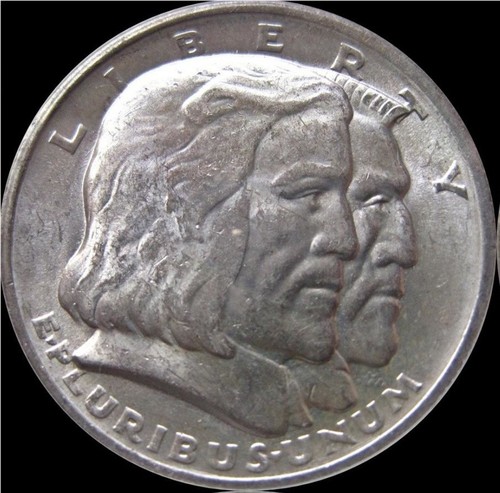
Long Island Tercentenary Half Dollar
1936
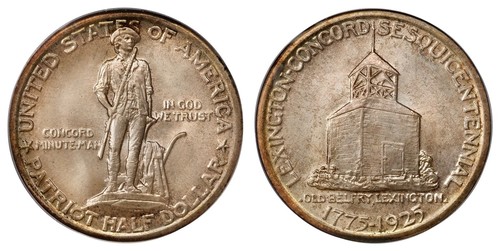
Lexington-Concord Sesquicentennial Half Dollar
1925
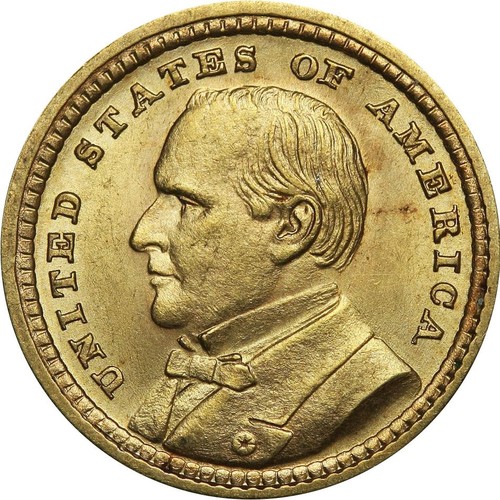
Louisiana Purchase Exposition Dollar (Jefferson)
1903
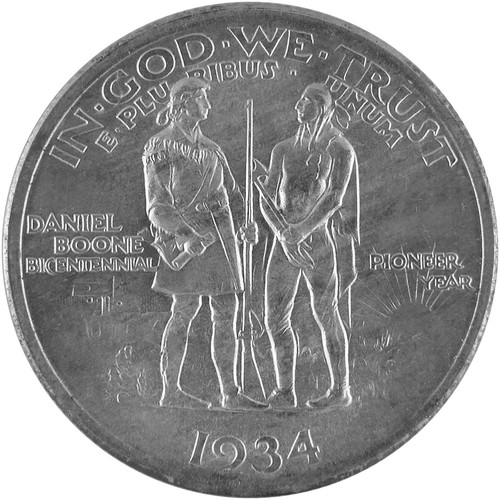
Daniel Boone Bicentennial Half Dollar
1934–1938
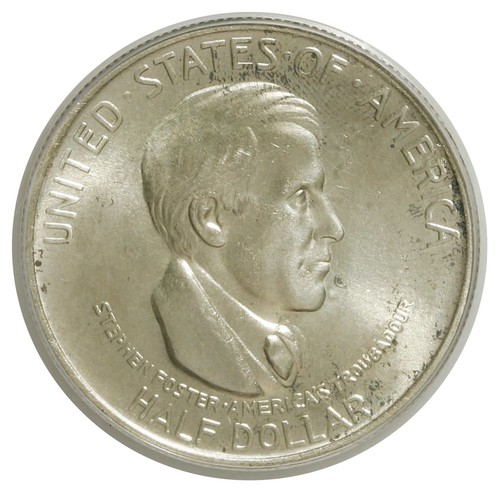
Cincinnati Music Center Half Dollar
1936
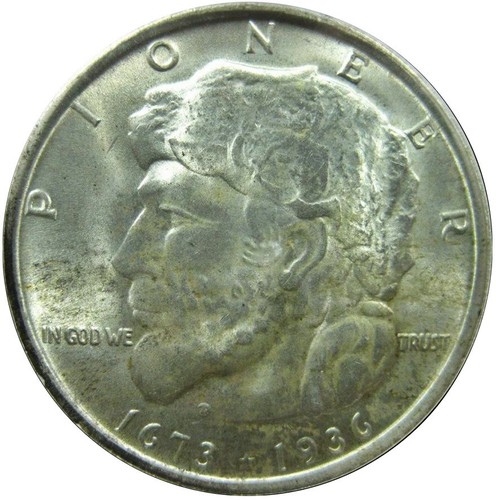
Elgin Illinois Centennial Half Dollar
1936
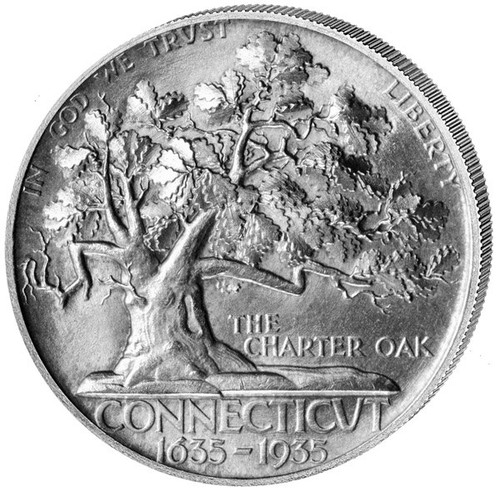
Connecticut Tercentennial Half Dollar
1935
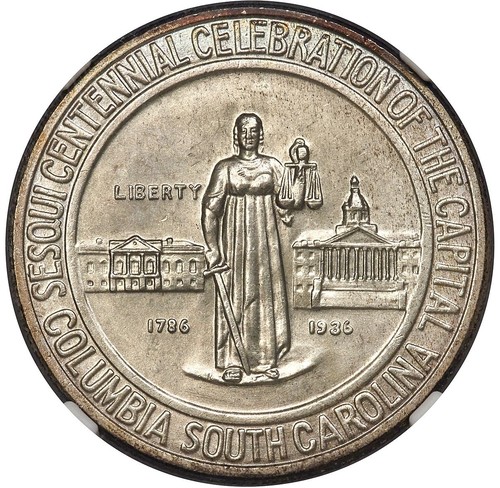
Columbia South Carolina Sesquicentennial Half Dollar
1936
Sesquicentennial of American Independence Quarter Eagle
1926
Pilgrim Tercentenary Half Dollar
1920-1921