
Coin Encyclopedia
Search and identify coins from around the world — with country, denomination, metal, mint, history, and how to tell them apart.
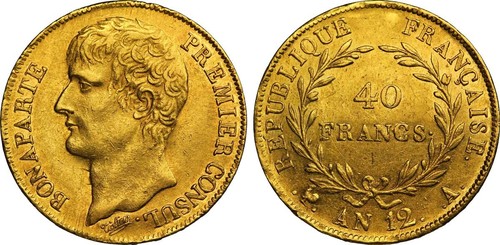
40 Francs Napoleon
A large early French gold 40 francs of Napoleon's Consulate, with the bare-headed BONAPARTE PREMIER CONSUL bust and a laurel-framed 40 FRANCS reverse dated 1804.
Bullion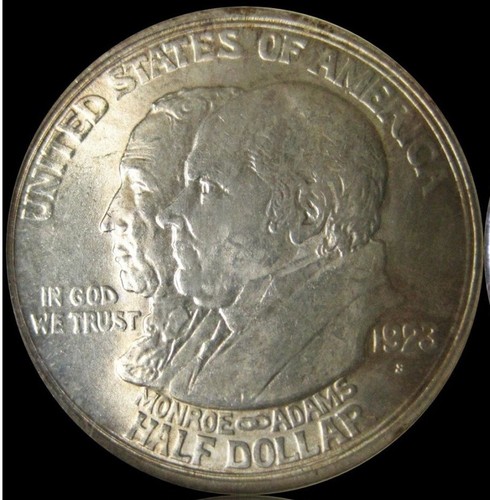
Monroe Doctrine Centennial Half Dollar
A 1923 U.S. silver commemorative half dollar marking the centennial of the Monroe Doctrine, with jugate portraits of James Monroe and John Quincy Adams.
Classic Commemorative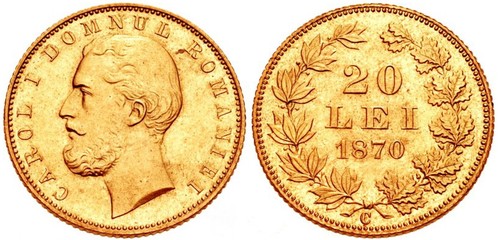
20 Lei
Romania's first gold coin, the 1870 20 Lei of Prince Carol I, pairing his left-facing portrait with the national coat of arms.
Modern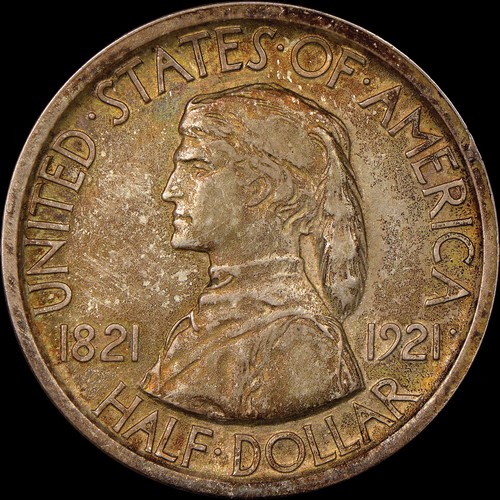
Missouri Centennial Half Dollar
A 1921 U.S. silver commemorative half dollar marking 100 years of Missouri statehood, with a coonskin-capped frontiersman facing left and a frontier-scene reverse.
Classic Commemorative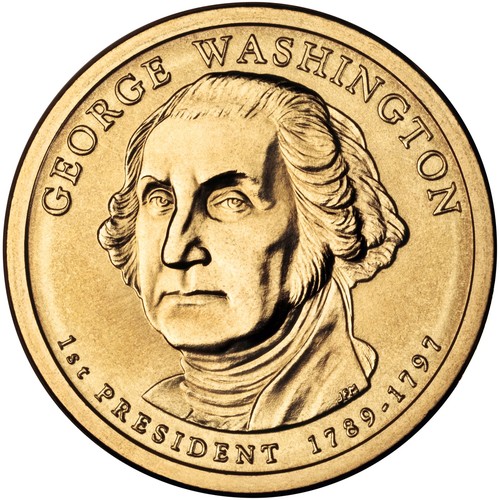
George Washington Presidential Dollar
The 2007 golden dollar honoring George Washington, first coin in the U.S. Presidential $1 series, with a left-facing portrait and Statue of Liberty reverse.
Dollar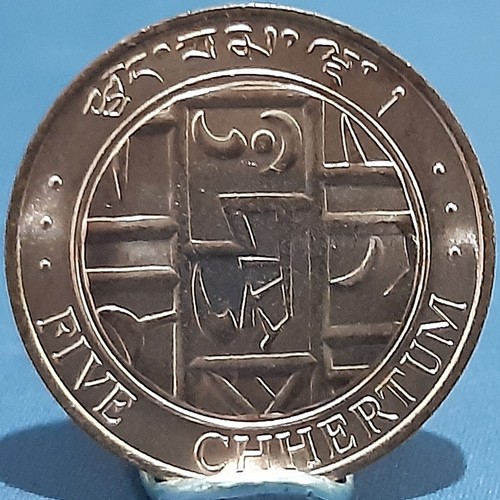
Bhutan 5 Sengtrum
A small cupro-nickel Bhutanese coin of 1979 worth five Sengtrum, with the national emblem on the obverse and a traditional architectural gateway on the reverse.
Himalayan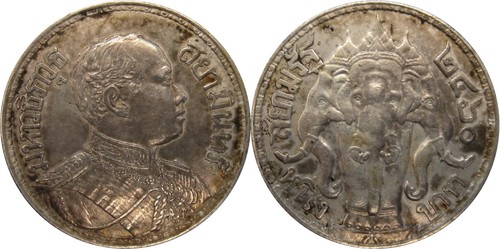
Thailand One Baht
A silver one-baht coin of Siam struck under King Rama VI, its obverse bearing the young king's uniformed profile within Thai royal inscriptions.
Southeast Asia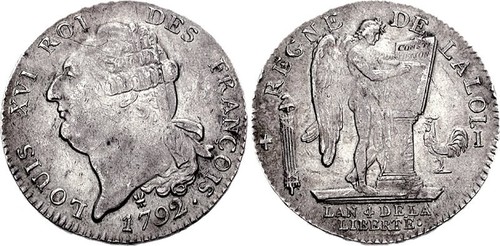
French Constitutional Ecu
A large 1792 French silver ecu of the constitutional monarchy, with a bust of Louis XVI and an allegorical figure of Liberty with fasces.
Revolutionary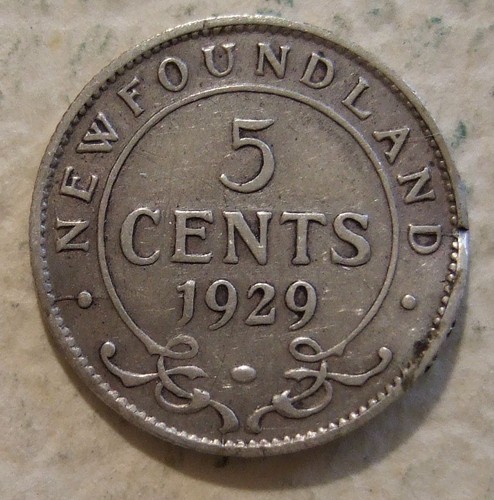
Newfoundland Five Cents
Tiny sterling-silver 5-cent piece of the Dominion of Newfoundland; the 1929 issue bears King George V and a crowned denomination reverse.
Canadian & Provincial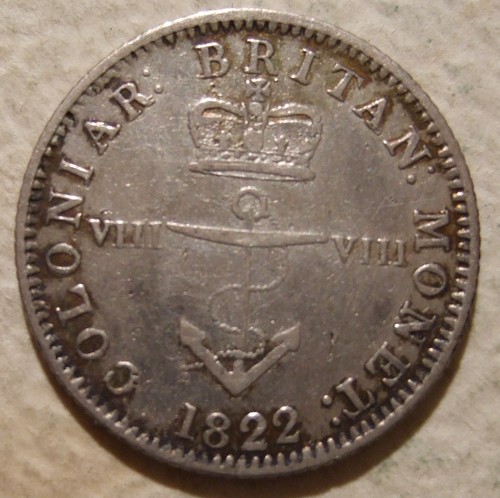
George IV One Eighth Spanish Dollar
Small 1822 British colonial silver coin from the George IV "Anchor Money," a fraction of the Spanish dollar used in the West Indies and Mauritius.
Colonial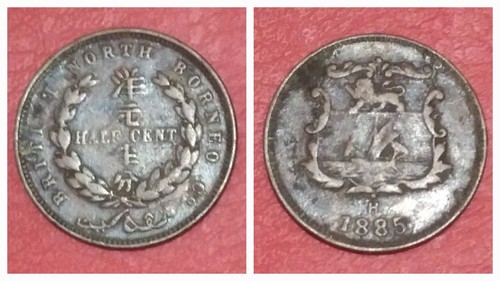
British North Borneo Half Cent
An 1885 copper half cent of British North Borneo: a bust in a laurel wreath on the obverse and the company arms with a heraldic supporter on the reverse.
Colonial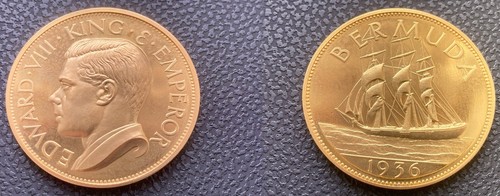
Bermuda Edward VIII Fantasy Crown
A modern fantasy Bermuda crown dated 1936 with an Edward VIII profile and a three-masted sailing ship; a gold-plated novelty, not an official coin.
Fantasy Issue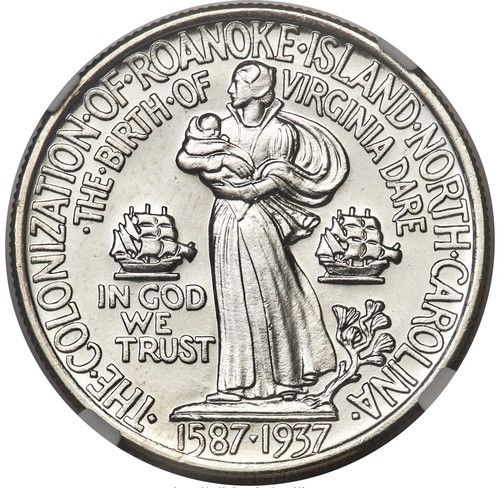
Roanoke Island Half Dollar
A 1937 U.S. silver half dollar marking 350 years since the Roanoke Island colony and the birth of Virginia Dare, with Sir Walter Raleigh and a sailing ship.
Classic Commemorative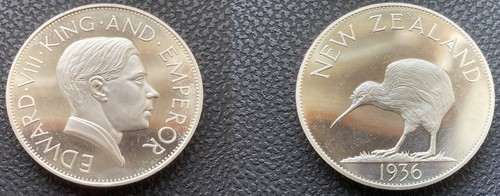
Edward VIII New Zealand Crown
A 1936-dated crown-sized piece pairing an Edward VIII profile with a New Zealand kiwi; a fantasy/novelty issue, not an officially circulated coin.
World Coins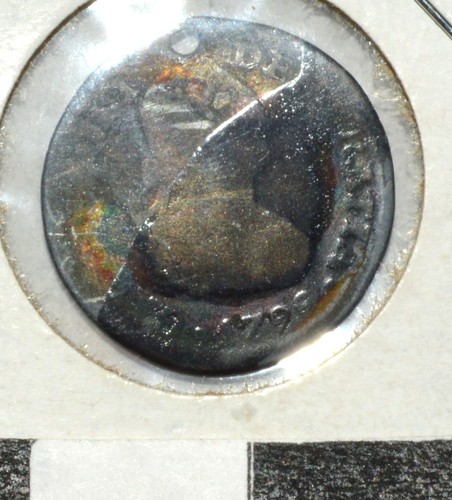
Spanish Colonial Half Real
The smallest milled silver coin of Spain's American empire: a tiny 1/2 real with a royal bust and the crowned arms between pillars.
Colonial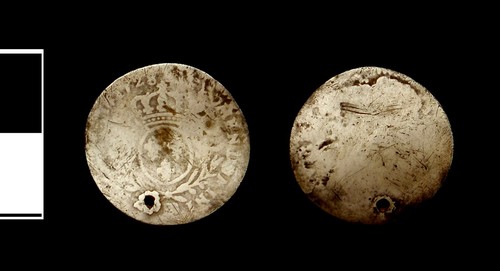
Unidentified Silver Coin (Louis XV era)
An 18th-century French royal silver coin of the Louis XV era, showing a right-facing bust and a crowned fleur-de-lis shield; the exact denomination is not confirmed.
Royal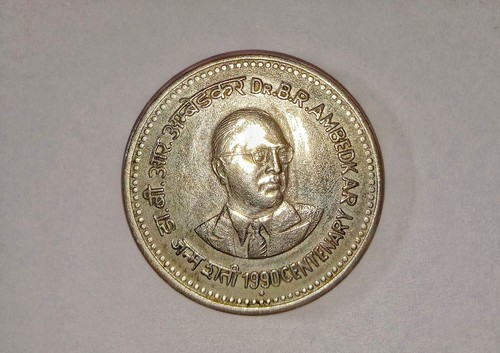
Ambedkar Centenary One Rupee
A 1990 Indian one-rupee commemorative honoring the birth centenary of Dr. B.R. Ambedkar, its obverse bearing his bespectacled portrait and bilingual legend.
Modern India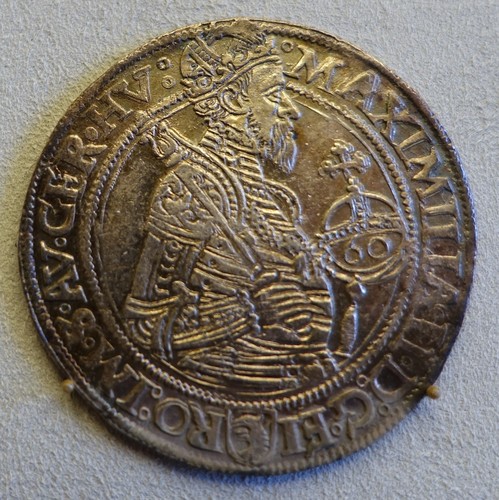
60 Kreuzer Guldiner
A gold 60 Kreuzer Guldiner of the Holy Roman Empire dated 1568, showing Emperor Maximilian II in plumed armor in right profile.
German States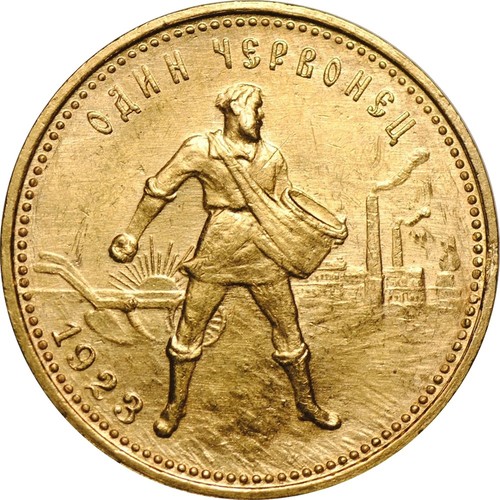
Gold Chervonets
Soviet gold coin of 1923 worth one chervonets (10 rubles), showing a peasant sowing before a rising sun and factories, with the Soviet state emblem.
World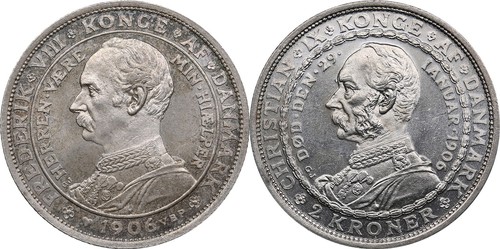
2 Kroner
A Danish silver 2 Kroner dated 1875, the first year of the krone, showing the crowned Danish coat of arms and the denomination 2 KRONER.
Modern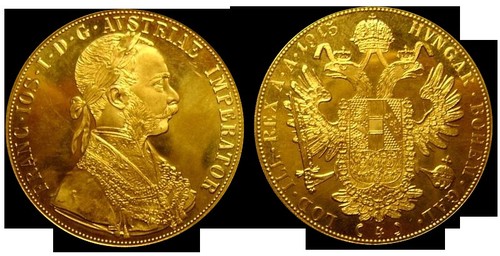
Austrian Gold Ducat
A high-purity Austrian gold ducat of the Habsburg monarchy, showing a crowned ruler in military dress on the obverse and the double-headed imperial eagle on the reverse.
Bullion/gold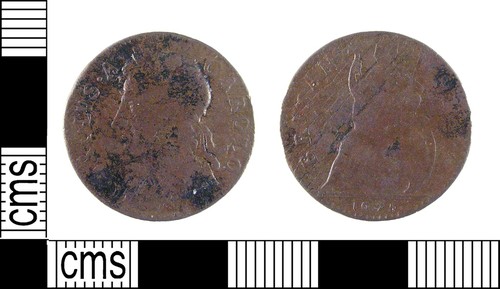
Charles II Halfpenny
A milled copper halfpenny of Charles II showing his laureate bust and a seated Britannia, part of the first regal copper coinage of England, dated 1675.
Milled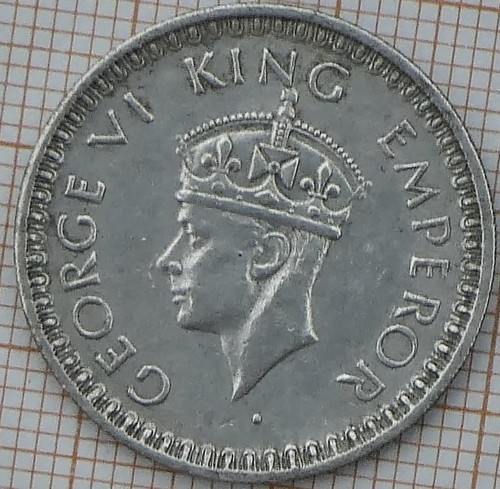
India 50 Paise
A George VI half-rupee of British India dated 1946 — the pale nickel-brass ancestor of the modern 50 paise, with a crowned royal bust and a rampant lion reverse.
Modern India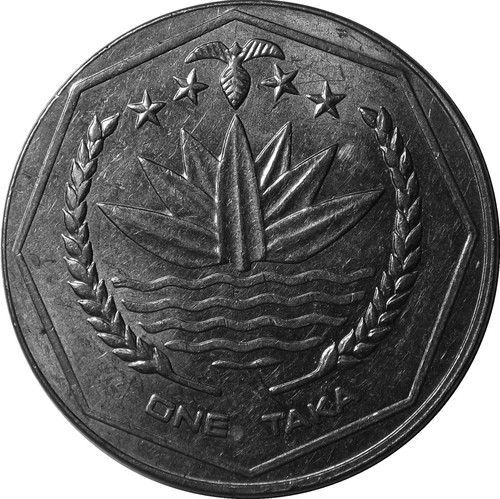
Bangladesh One Taka
A small nickel-plated steel coin of Bangladesh worth one Taka, showing a jute plant with stars on the obverse and the numeral 1 with Bengali text and date on the reverse.
South Asia