
Coin Encyclopedia
Search and identify coins from around the world — with country, denomination, metal, mint, history, and how to tell them apart.
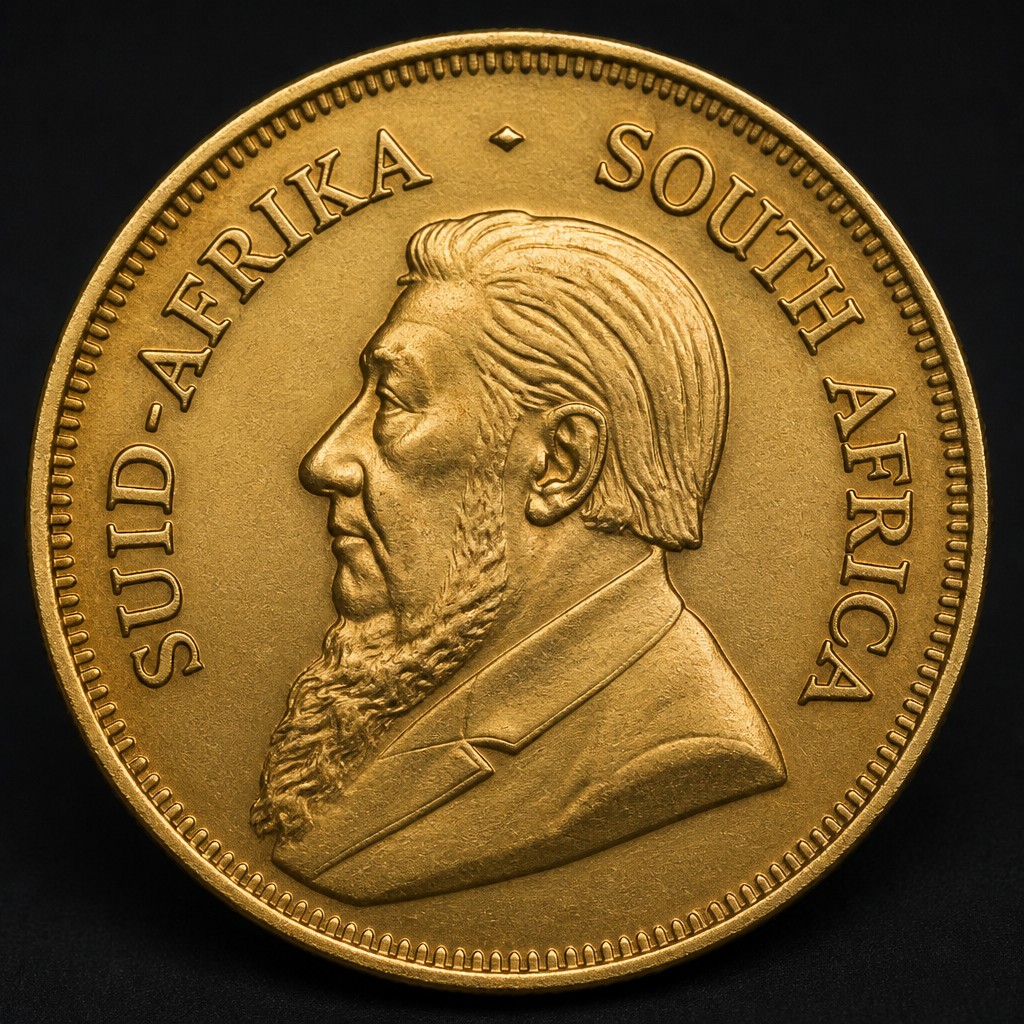
South African Krugerrand
The world's first modern gold bullion coin for private investment, introduced in 1967 featuring President Paul Kruger and a springbok antelope, sparking the global gold-coin bullion market.
Bullion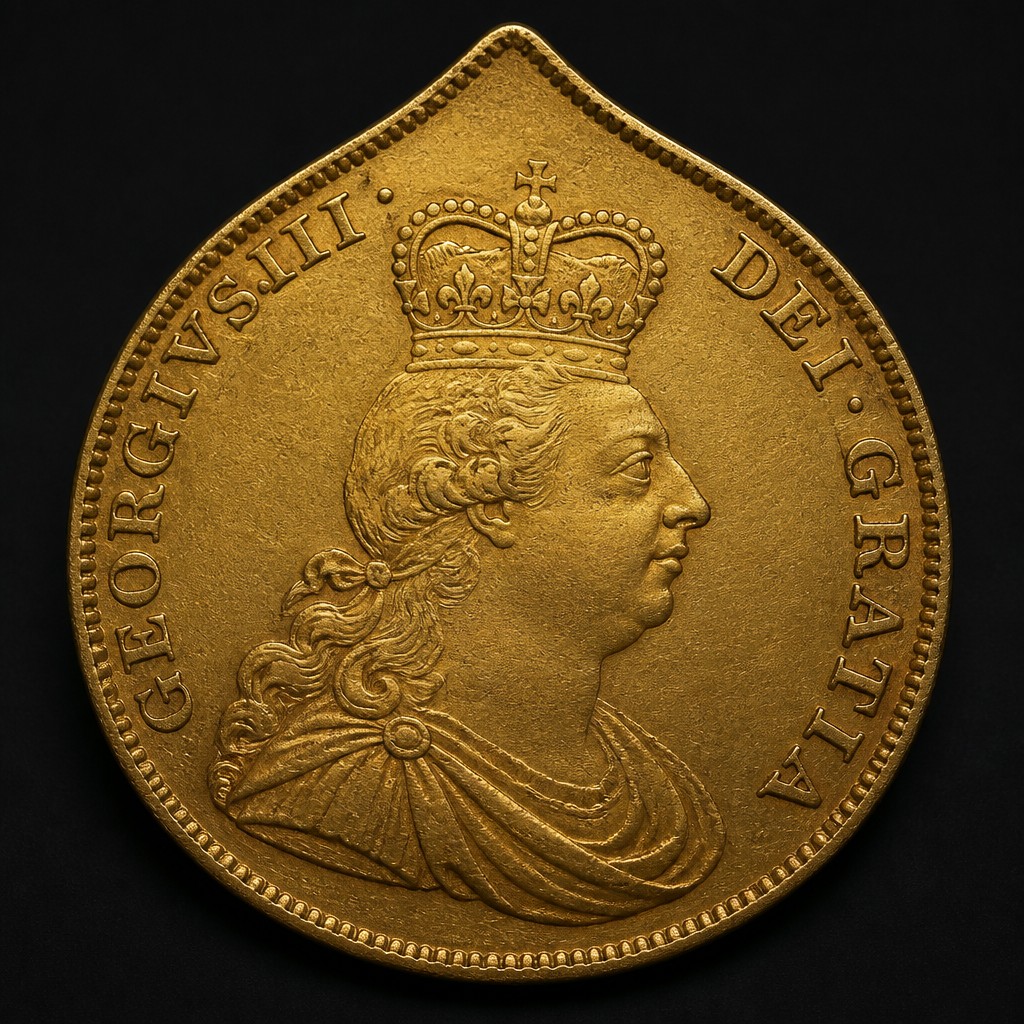
Spade Guinea
A George III gold guinea nicknamed for its spade-shaped shield reverse, one of the last widely circulated guinea types before the denomination was phased out in the early 1800s.
British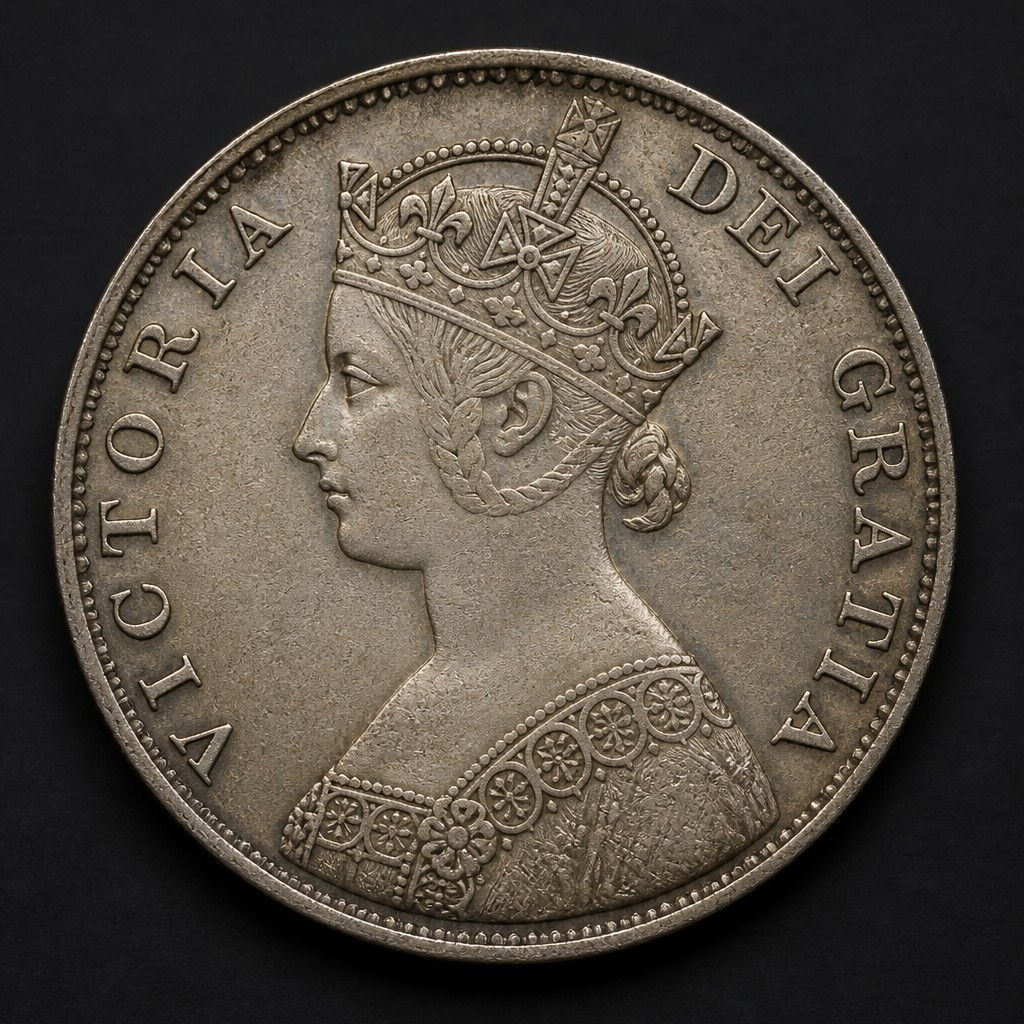
Groat (Fourpence)
A historic English silver coin worth four pence, first struck under Edward I in 1279 and periodically revived, later surviving mainly as a Maundy Money denomination.
British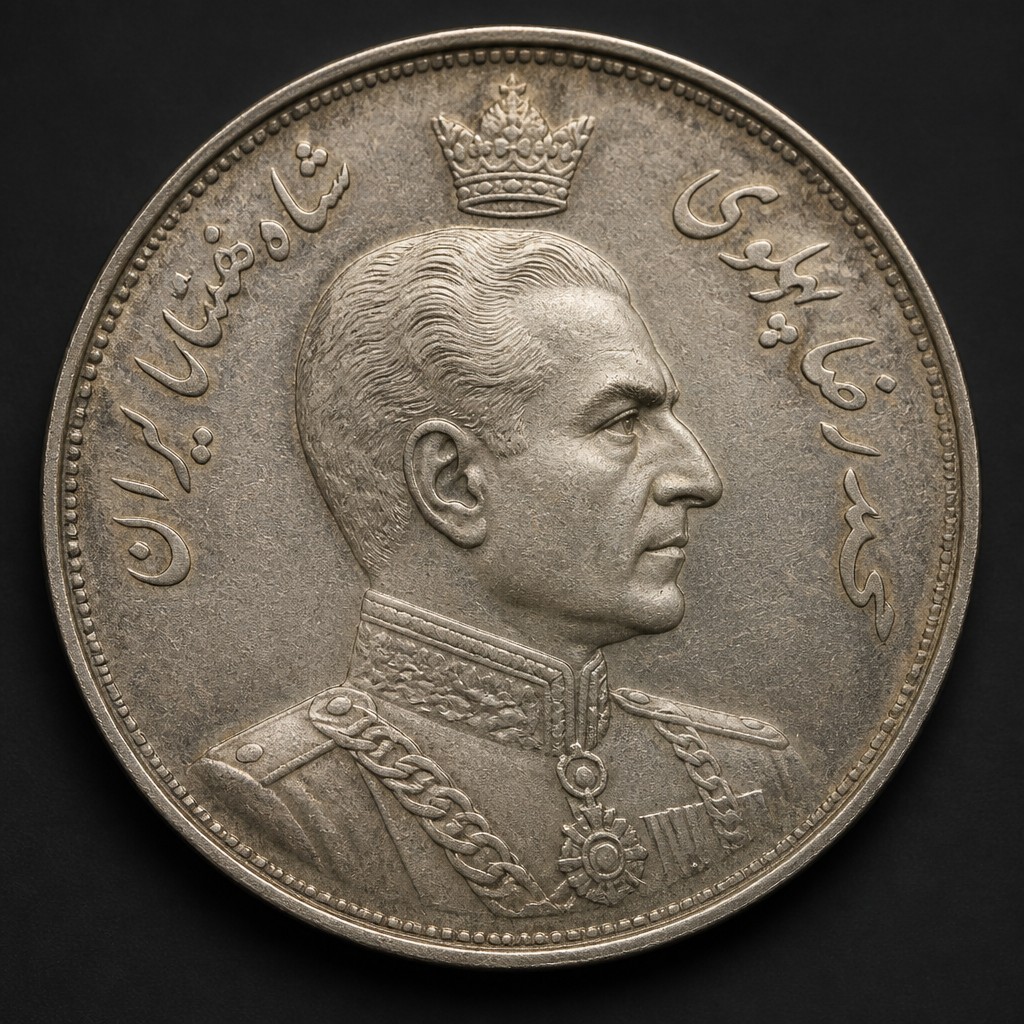
Iranian Rial
Iran's official currency unit since 1932, replacing the earlier qiran/kran, struck across the Pahlavi monarchy and the Islamic Republic in changing metals and designs.
Asian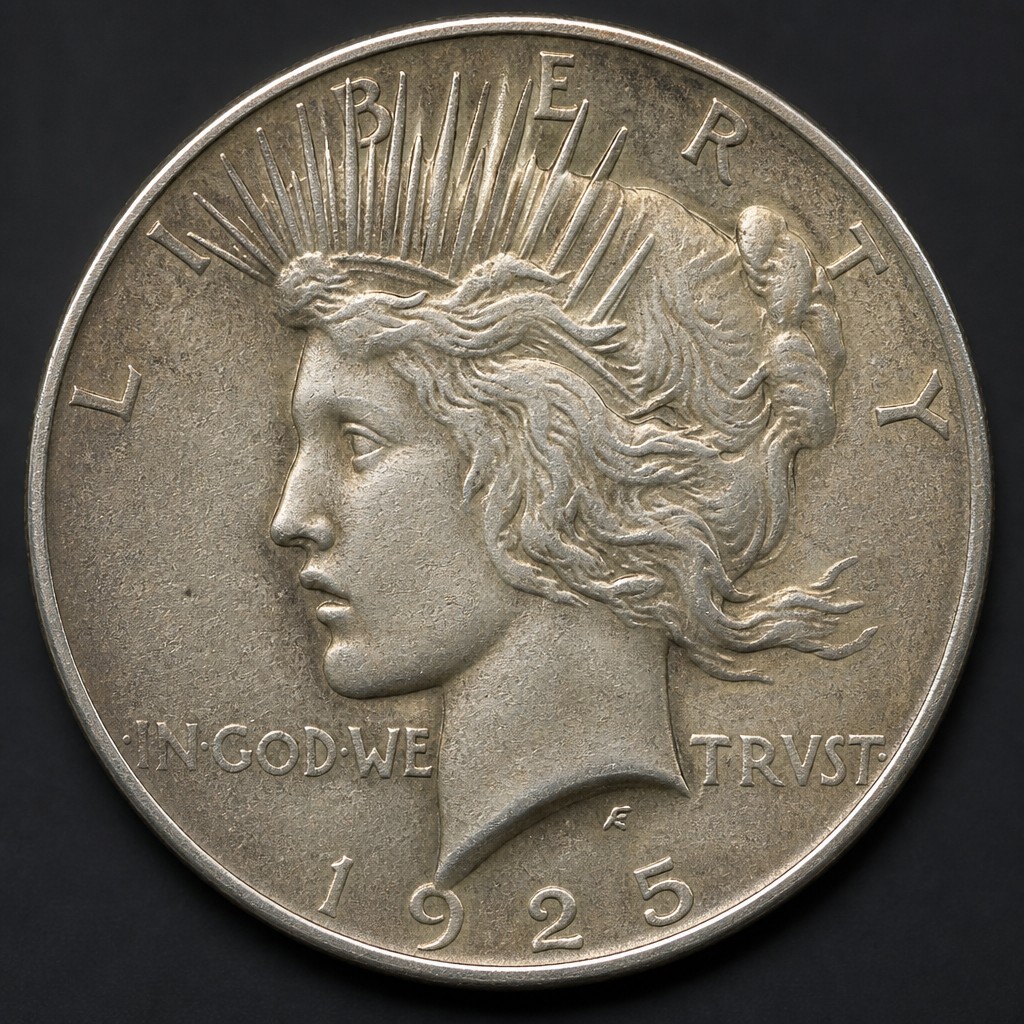
US Peace Dollar
Silver dollar issued starting in 1921 to commemorate peace after World War I, featuring a radiant Liberty head and an eagle resting on a mountain with an olive branch.
United States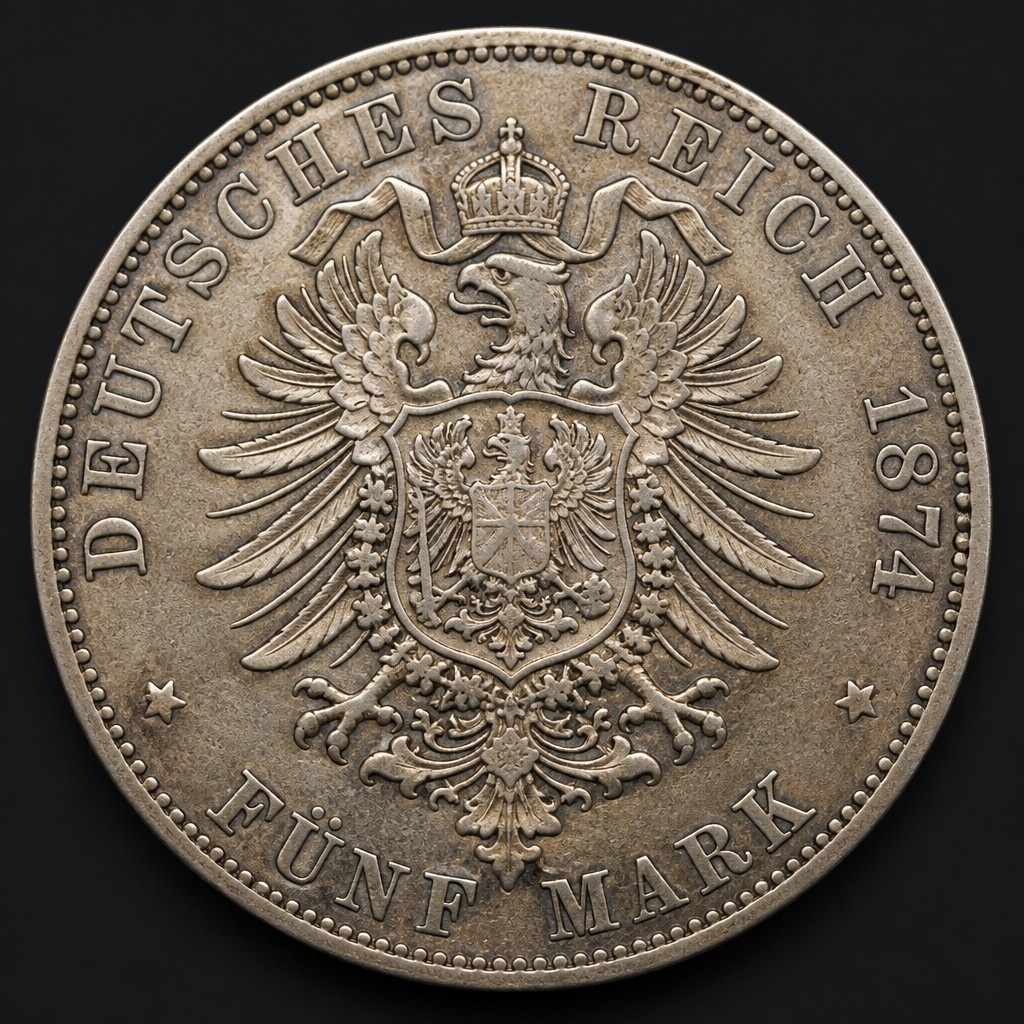
German Empire 5 Mark
A large silver crown of Imperial Germany bearing the portrait or arms of individual constituent states, unified under a common eagle reverse after German unification in 1871.
European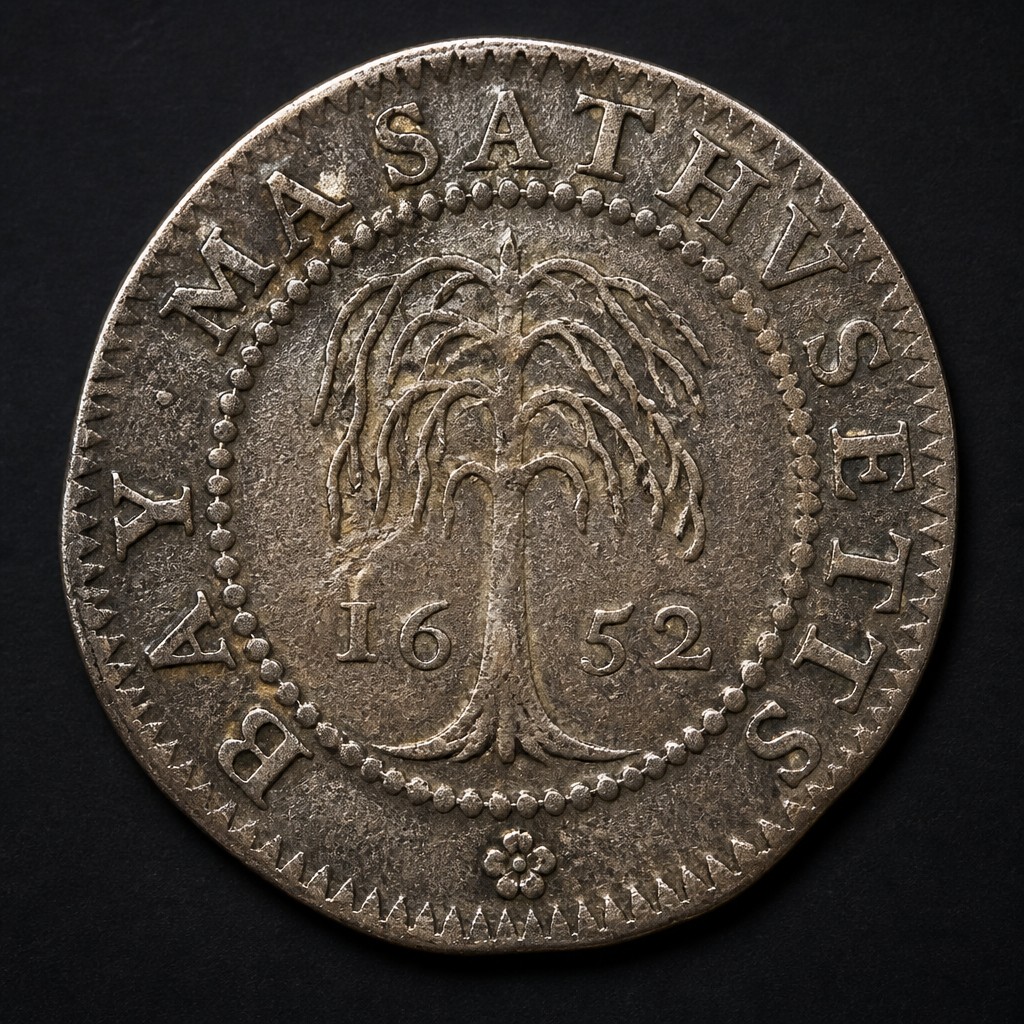
Massachusetts Willow Tree Shilling
The rarest of Massachusetts Bay's tree-series colonial shillings, struck in secret defiance of English law and all frozen with the date 1652 regardless of actual striking year.
United States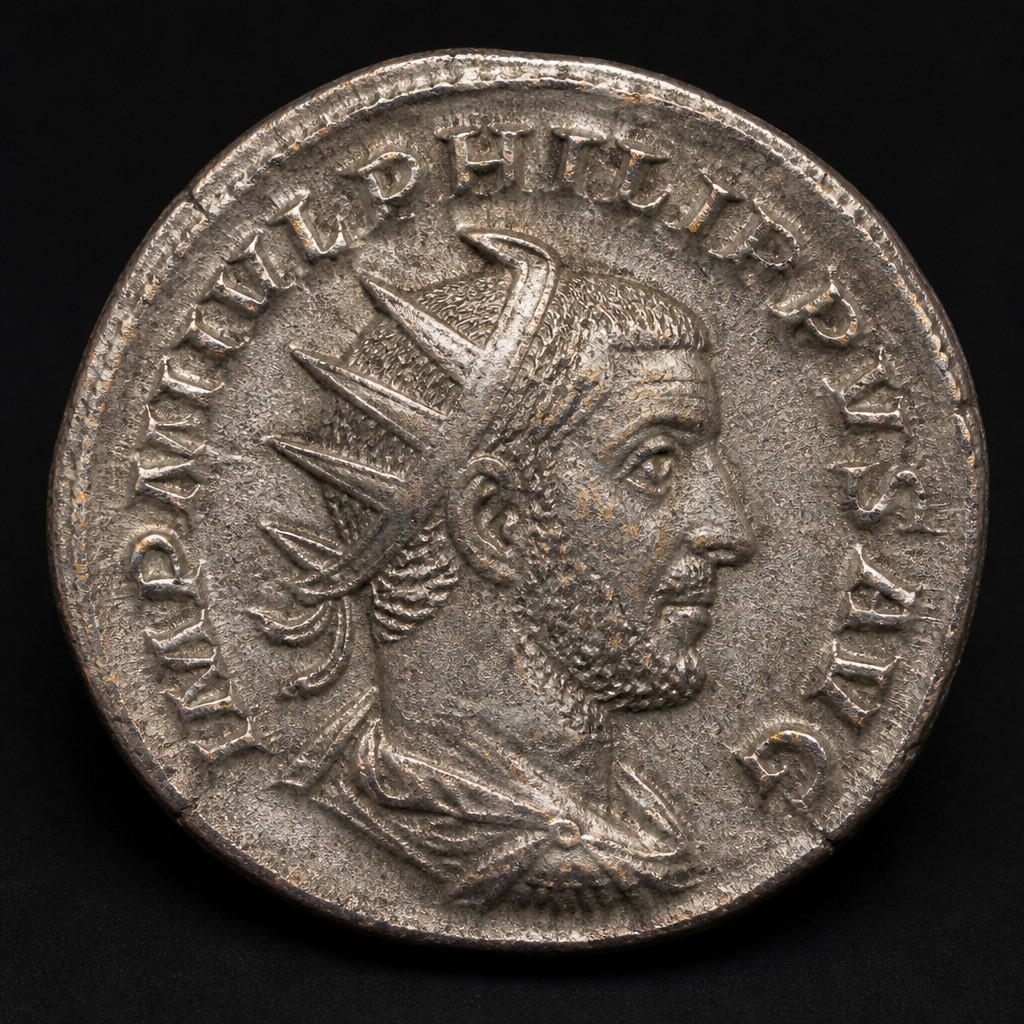
Philip the Arab Antoninianus
Radiate coin of Philip the Arab, notable for celebrating Rome's 1,000th anniversary in 248 AD with a memorable series of animal-themed 'Saecular Games' reverse types.
Ancient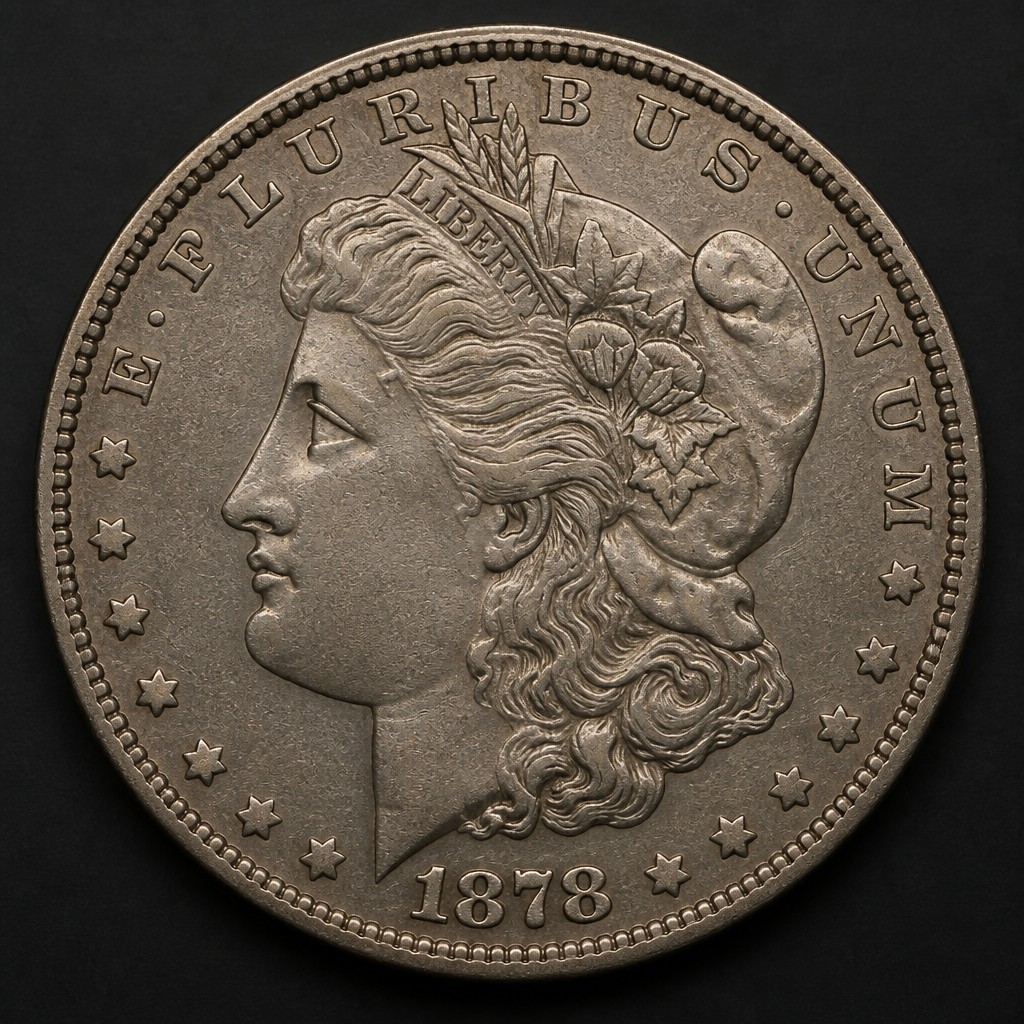
GSA Morgan Dollar
Morgan silver dollars, mostly from Carson City, sold by the U.S. General Services Administration in the 1970s in distinctive hard plastic holders with a black or brown outer box.
United States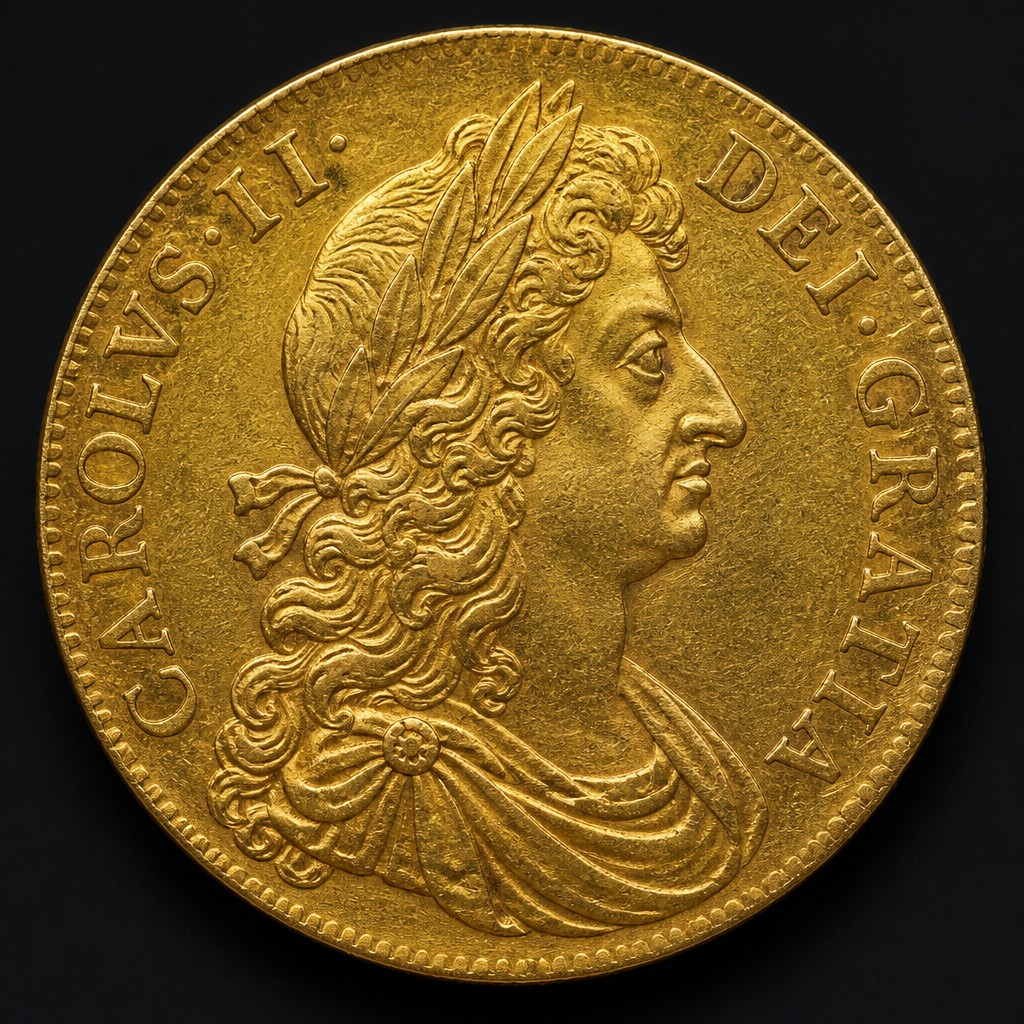
British Gold Guinea
Struck from 1663 to 1814 and named for the West African gold used in its earliest issues, the guinea was Britain's leading gold coin and gave its name to a unit of value still referenced today.
British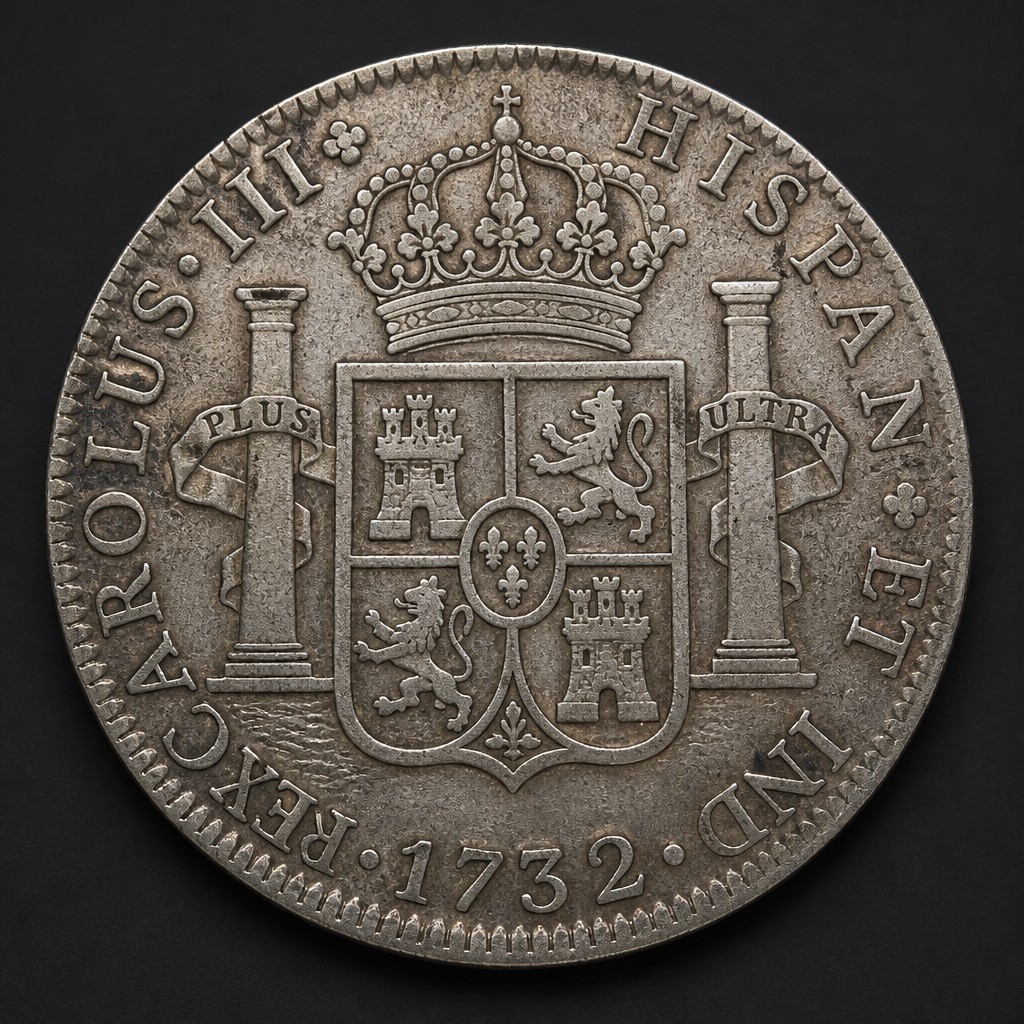
Mexican 8 Reales Pillar Dollar
Minted in colonial Mexico City from 1732 to the early 1770s, the pillar dollar's crowned globes and Pillars of Hercules design made it one of the most widely trusted silver trade coins in the world.
Latin American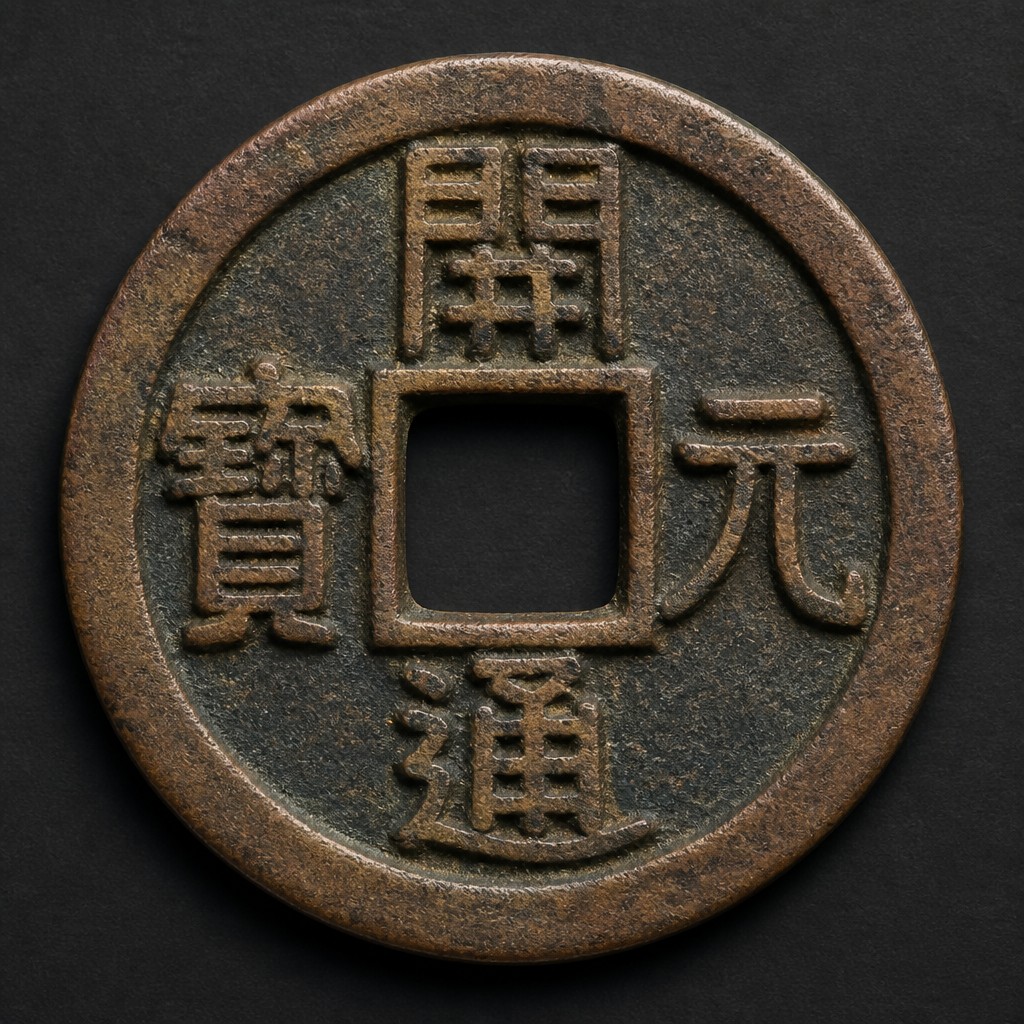
Kai Yuan Tong Bao Cash
A landmark Tang dynasty cash coin whose four-character reign-title inscription became the standard template for Chinese, and much of East Asian, coinage for the next 1,300 years.
Ancient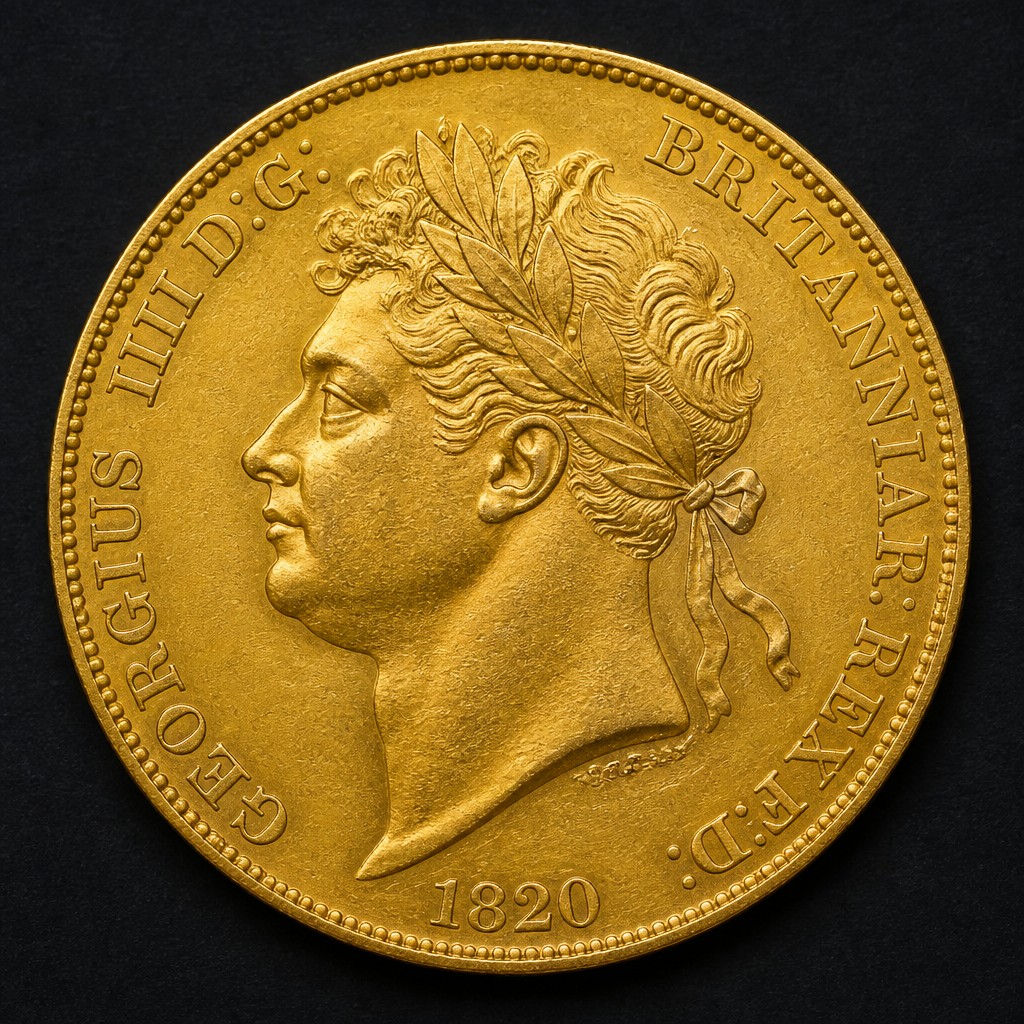
Five Pound Gold (Quintuple Sovereign)
The largest standard gold coin in the British sovereign family, worth five pounds and equal to five sovereigns, struck intermittently since 1820 for commemorative and collector purposes.
British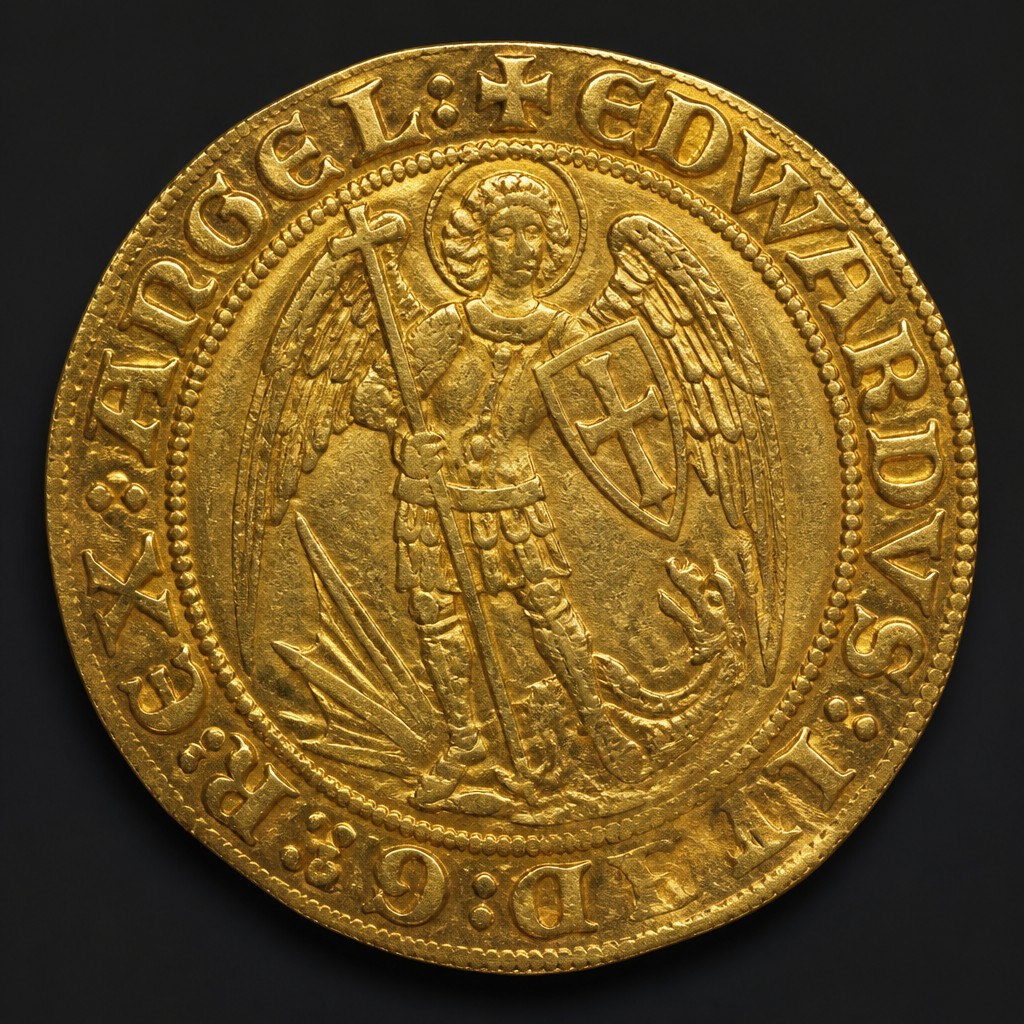
Angel
An English gold coin depicting the Archangel Michael slaying a dragon, introduced in 1465 and famously used as a ceremonial 'touch piece' in royal healing rituals.
British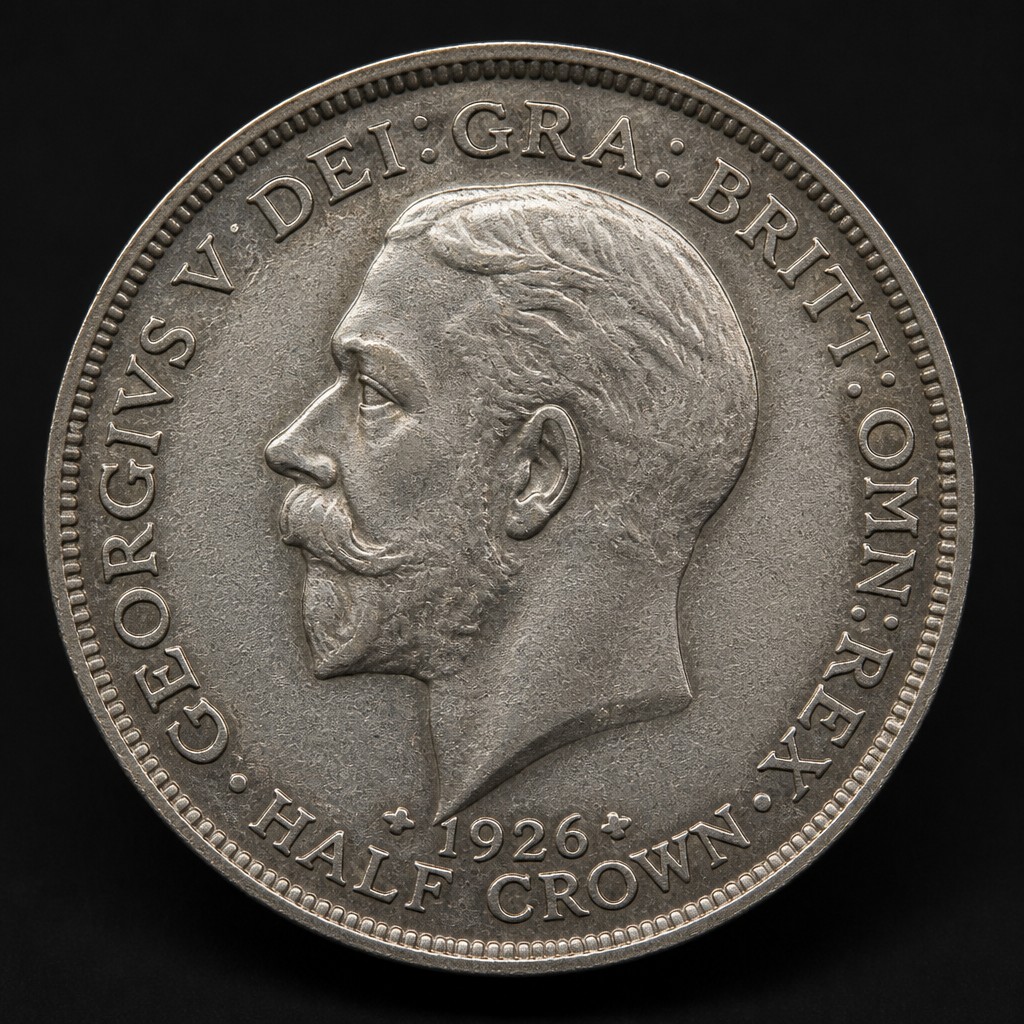
Half Crown
A long-lived British coin worth one-eighth of a pound, struck from the Tudor era until decimalisation in 1970, valued today mainly for its portraits and design variety.
British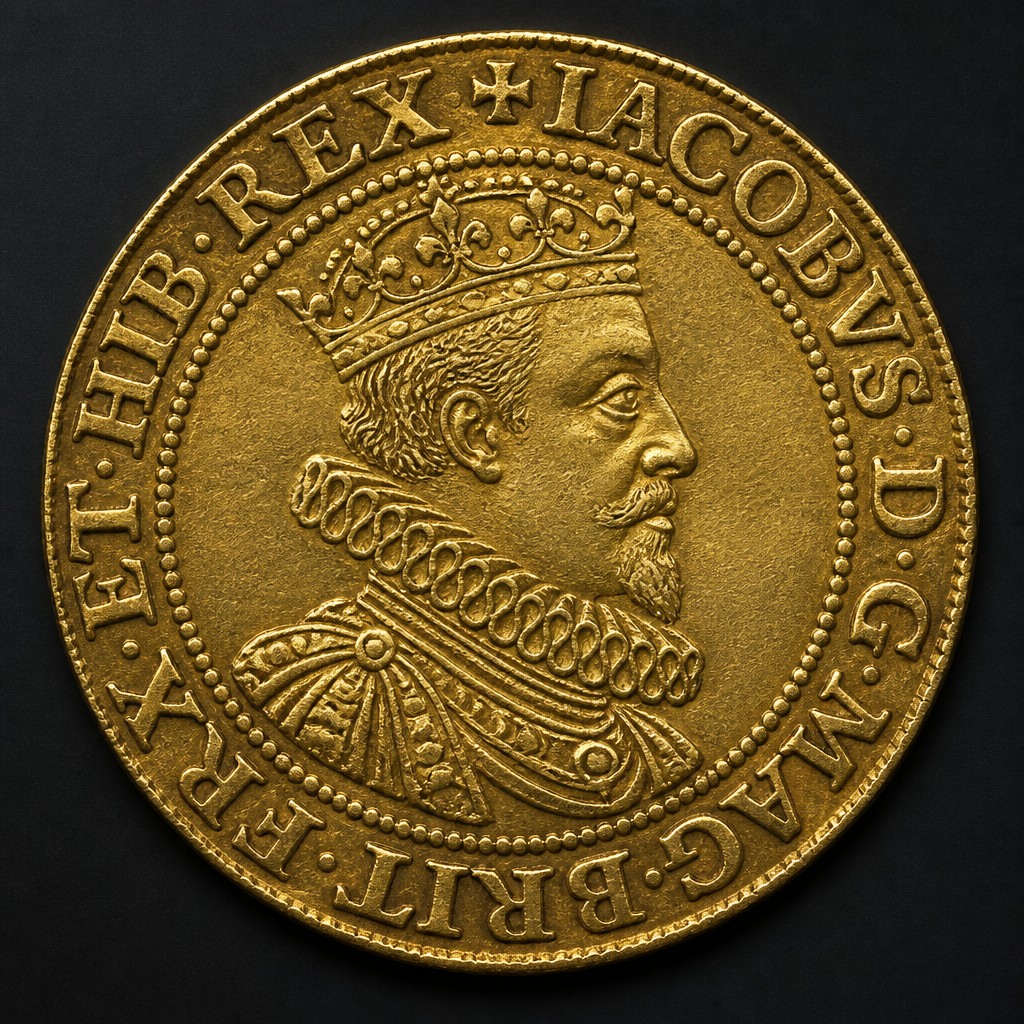
Unite
A gold twenty-shilling coin introduced by James I in 1604 to celebrate the union of the English and Scottish crowns, its name literally symbolizing the joining of the two kingdoms.
British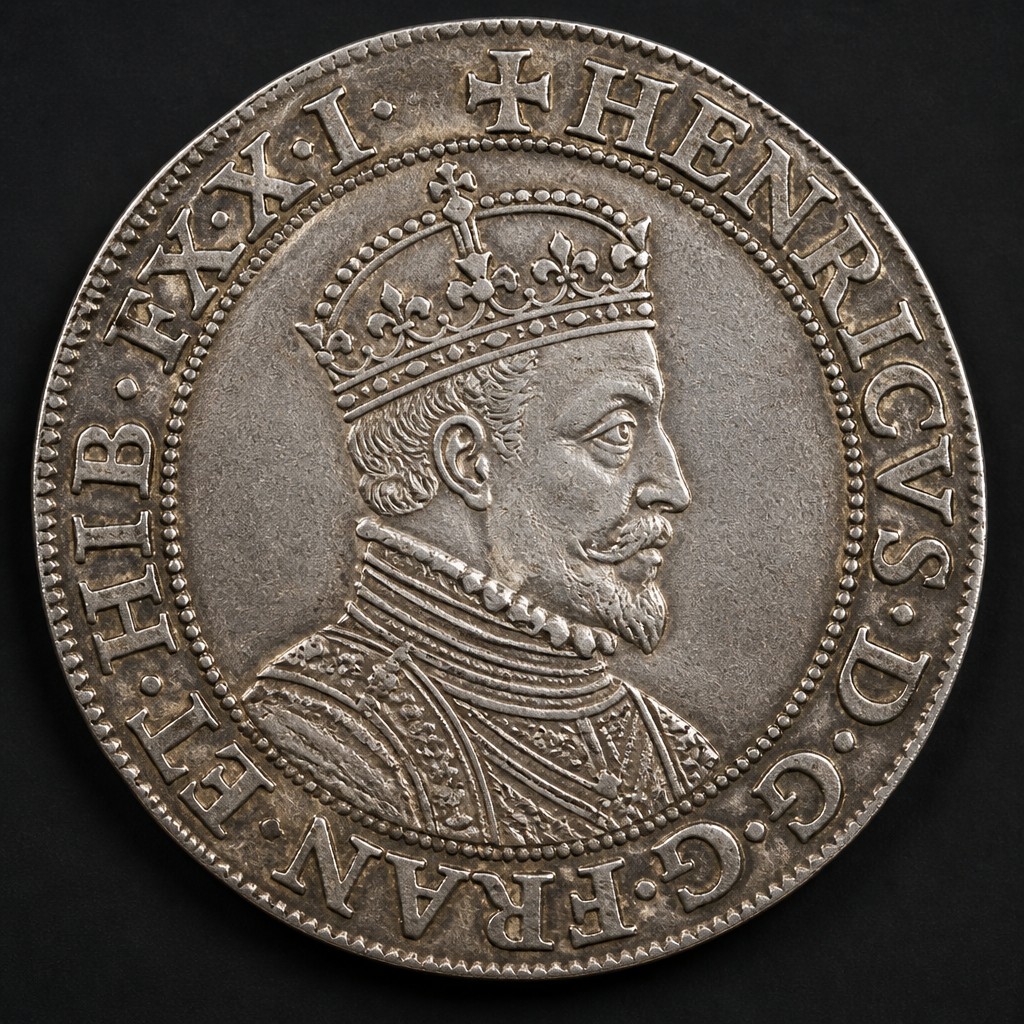
Testoon
The earliest English coin to carry a realistic royal portrait, introduced under Henry VII around 1487 as the forerunner of the shilling, later continued and debased under Henry VIII.
British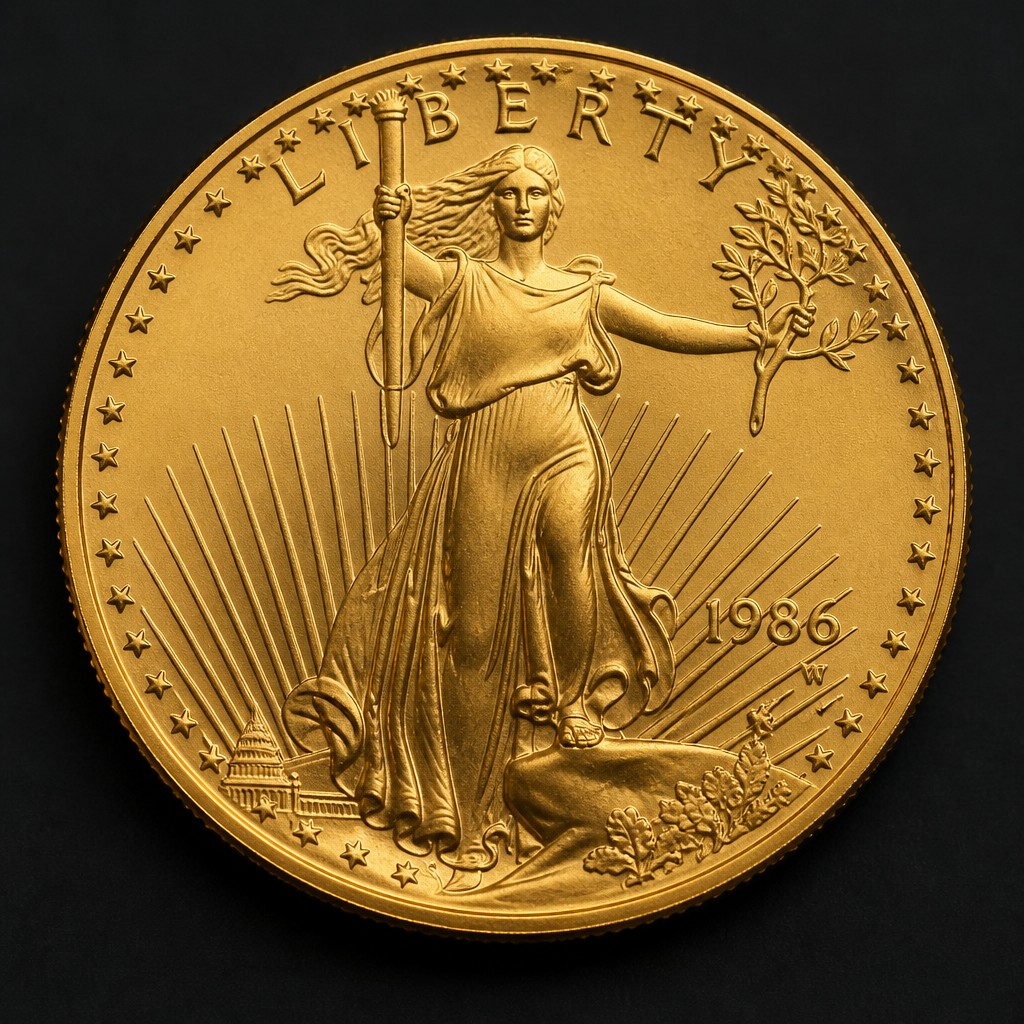
American Gold Eagle
The official U.S. gold bullion coin series since 1986, pairing Augustus Saint-Gaudens' famous Liberty design with a family-of-eagles reverse, issued in four sizes.
Bullion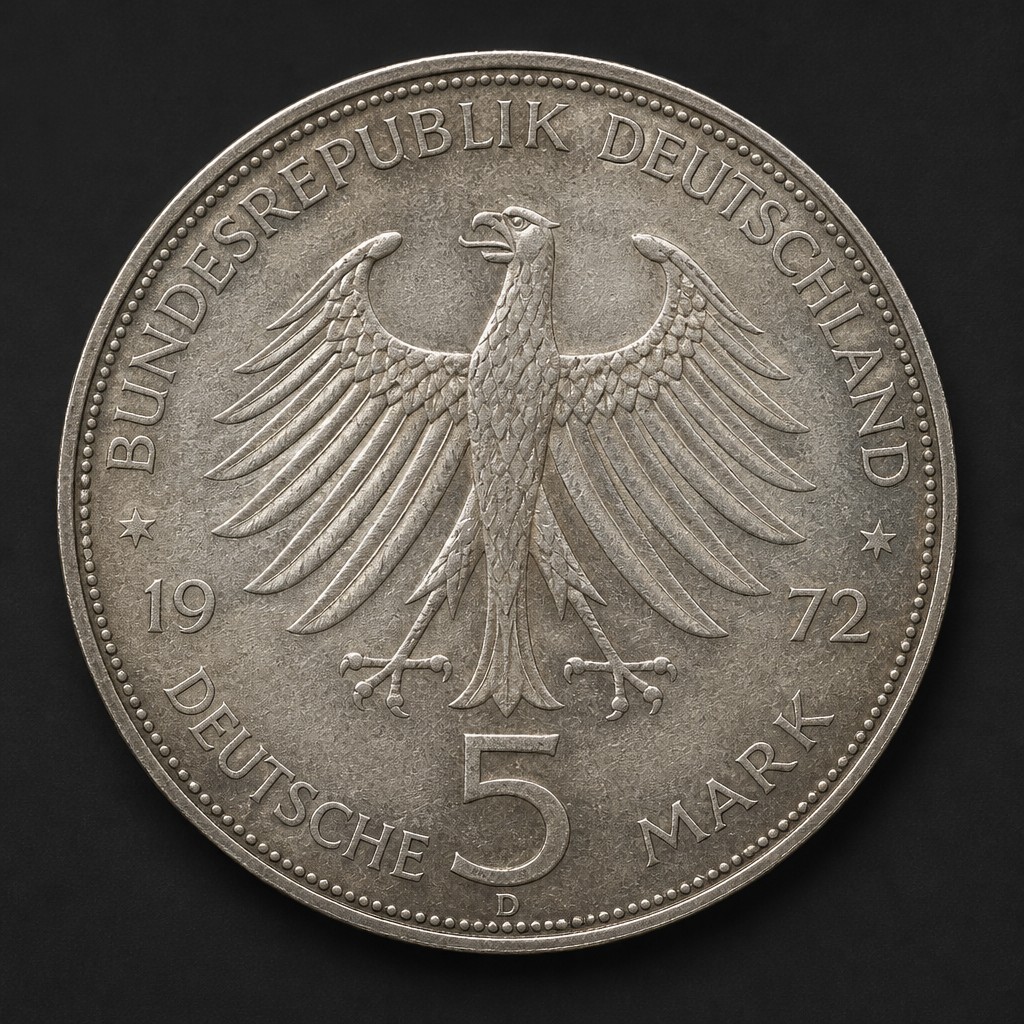
German 5 Deutsche Mark Commemoratives
West Germany issued special silver 5 Deutsche Mark coins from the 1950s through the mid-1980s to mark anniversaries, institutions, and notable Germans, alongside its regular circulating 5 DM coin.
Commemorative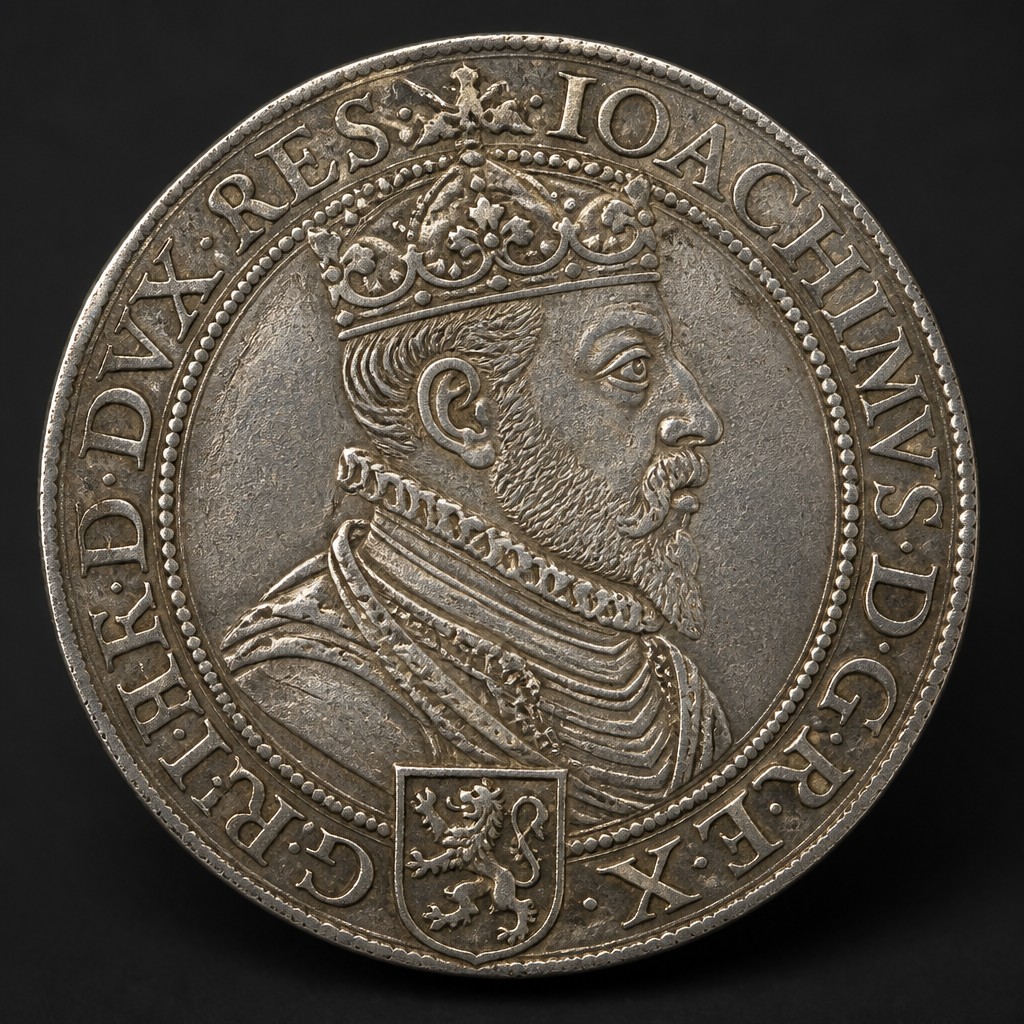
Joachimsthaler
Struck beginning in 1520 in the Bohemian silver-mining town of Joachimsthal, this large silver coin gave its name, shortened to 'thaler' and later 'dollar,' to countless currencies around the world.
European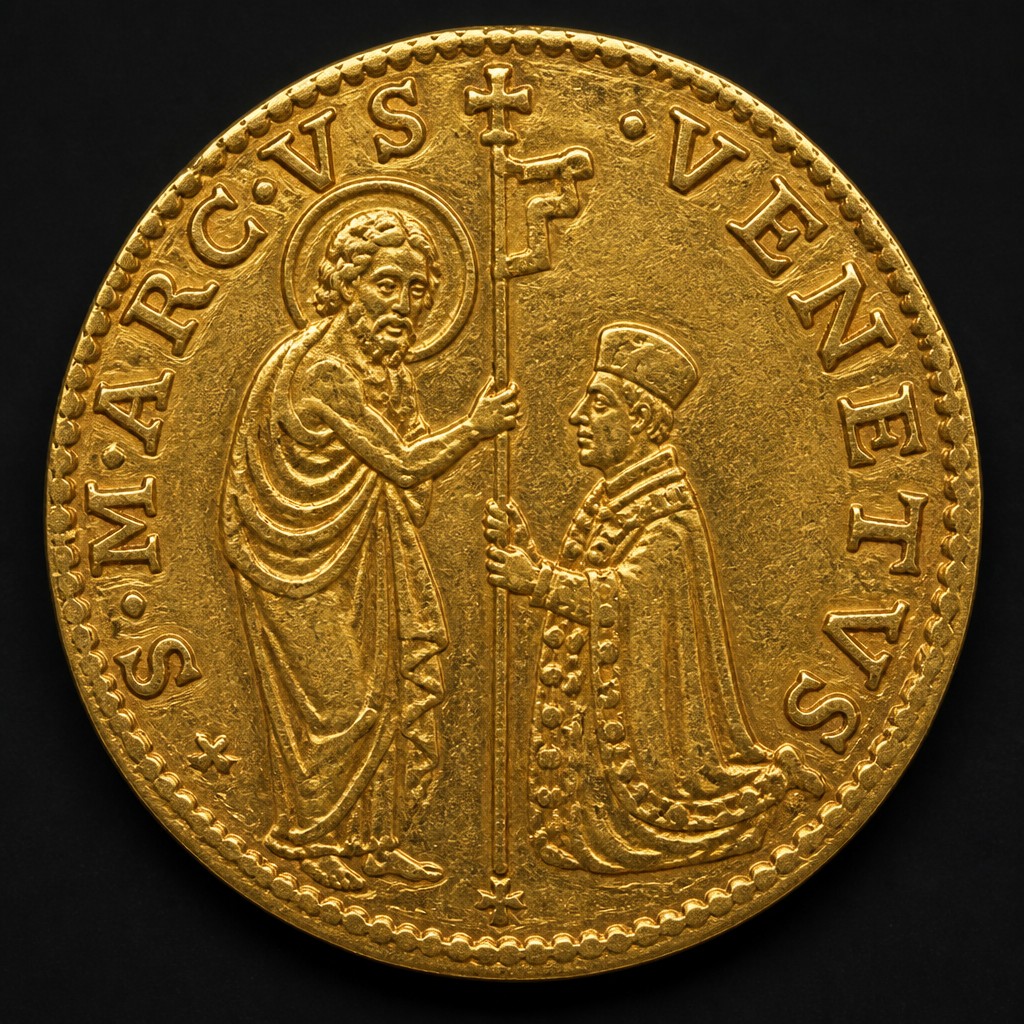
Venetian Ducat
Gold coin first struck by the Republic of Venice in 1284, prized for its remarkably consistent weight and purity, which made it a dominant trade coin across medieval and Renaissance Europe.
European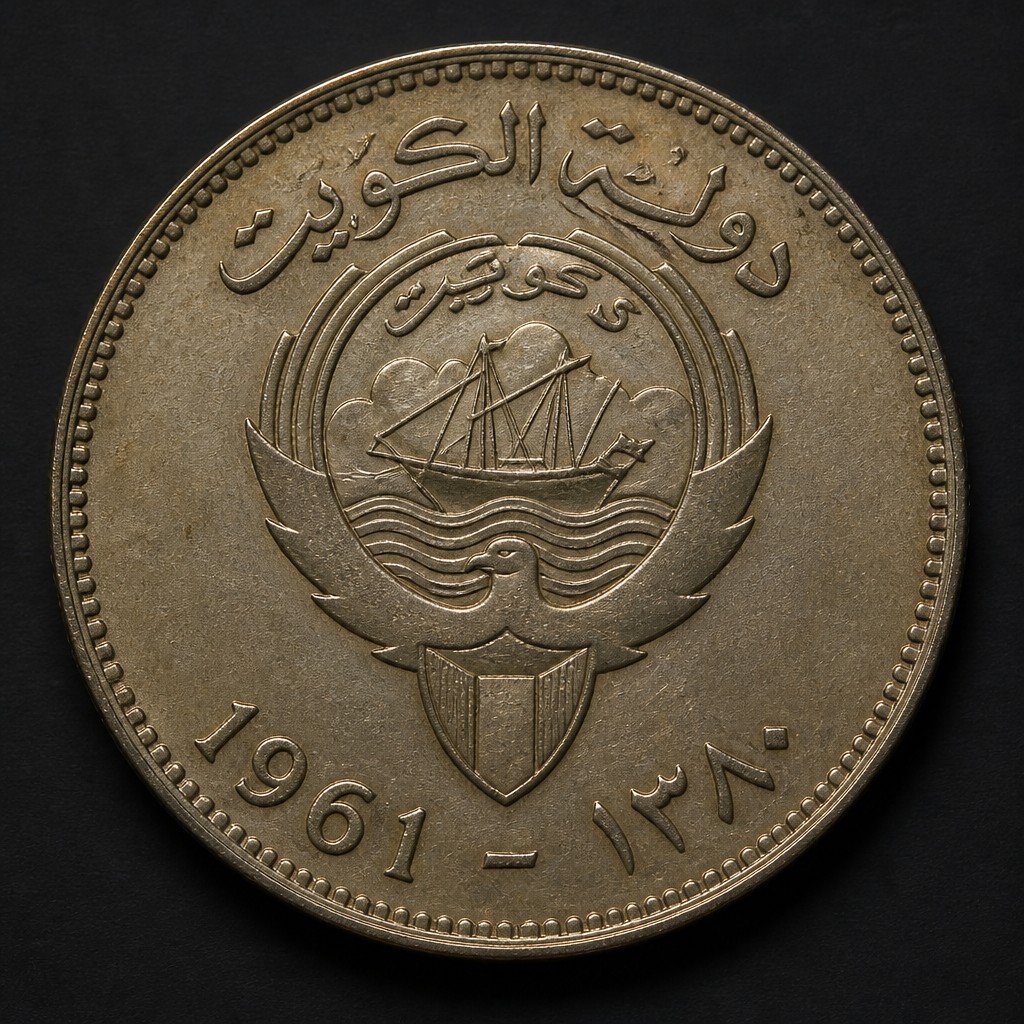
Kuwaiti Fils
Kuwait's everyday subsidiary coinage, introduced after independence in 1961 as 1/1000 of the Kuwaiti dinar, featuring the Emir's name and national emblems across several denominations.
Asian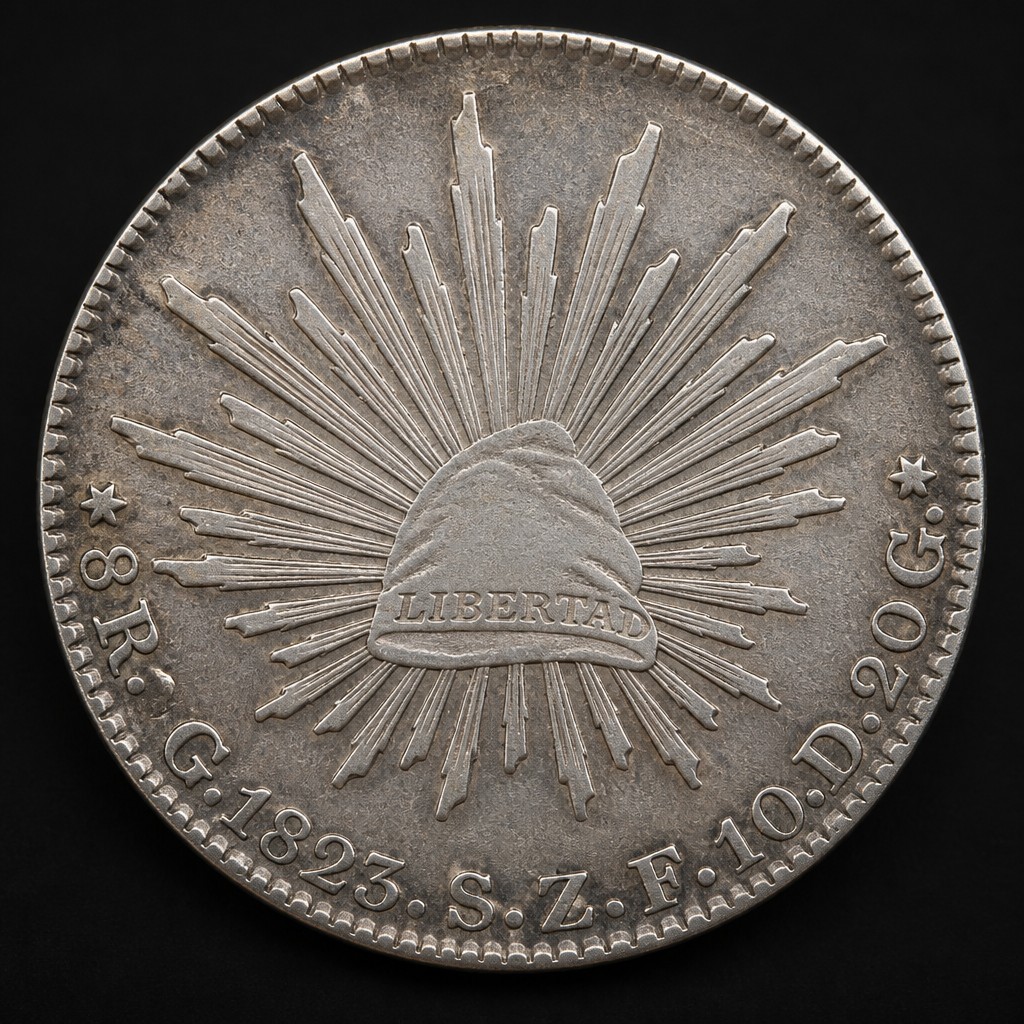
Mexican 8 Reales Cap and Rays
The classic silver dollar of independent Mexico, showing a radiant Phrygian liberty cap over mountains, widely trusted and traded across the Americas and Asia for most of the 19th century.
Latin American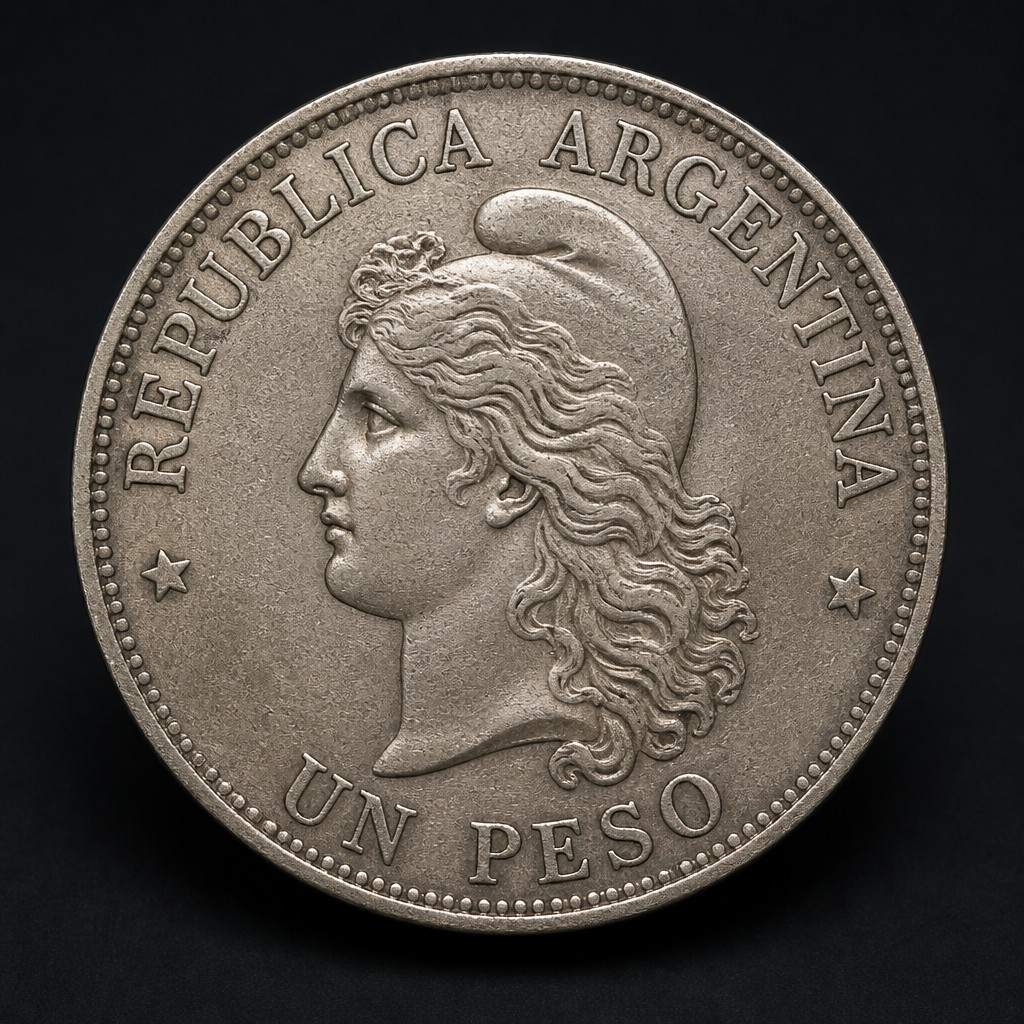
Argentine Peso Moneda Nacional (Patacón)
Argentina's long-standing peso moneda nacional coinage, informally nicknamed the patacón, formed the backbone of the country's currency from the 1880s well into the twentieth century.
Latin American