
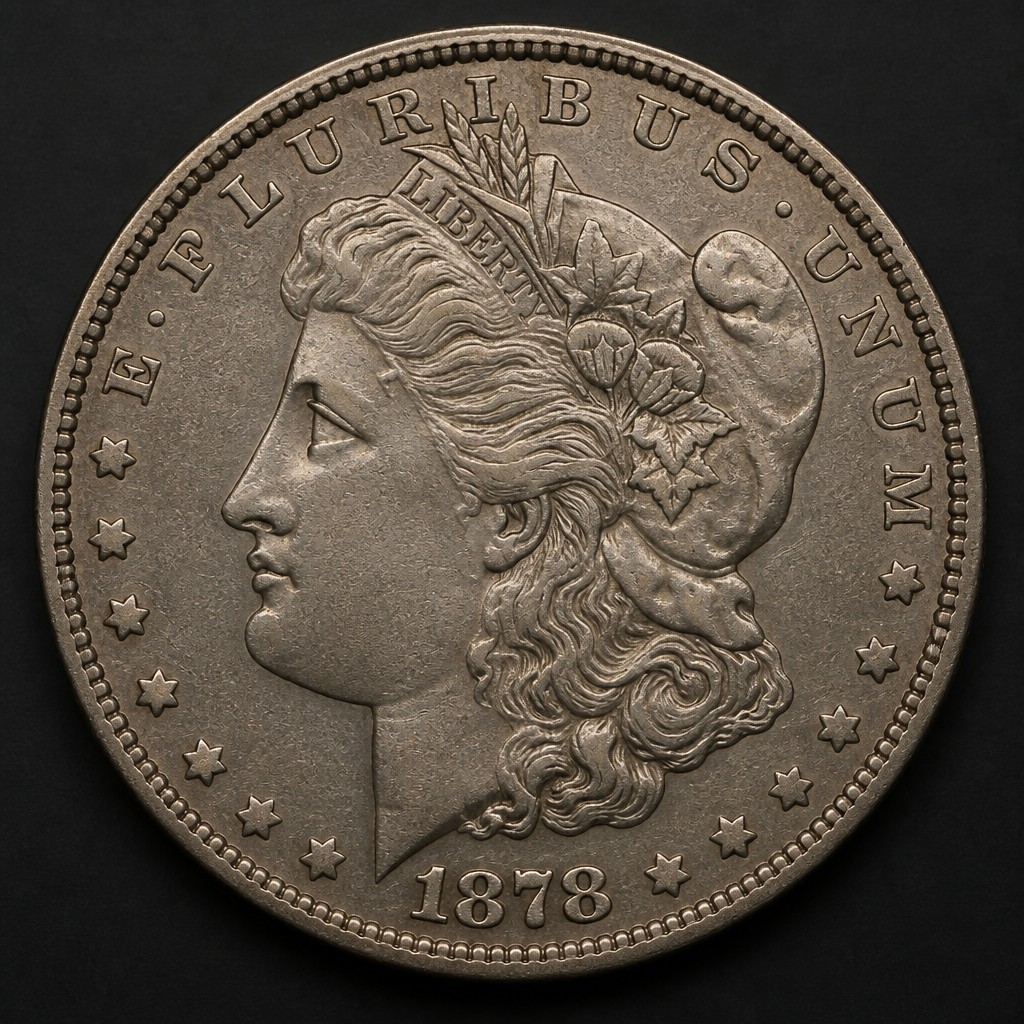
GSA Morgan Dollar
Morgan silver dollars, mostly from Carson City, sold by the U.S. General Services Administration in the 1970s in distinctive hard plastic holders with a black or brown outer box.
- Country
- United States
- Denomination
- One Dollar
- Metal
- 90% Silver, 10% Copper
Got a coin like this?
Identify any coin from a photo, free.
Overview
The GSA Morgan dollar is not a distinct coin design but a specific presentation: original Carson City Morgan silver dollars that were held in Treasury vaults for decades and then sold to the public by the General Services Administration between 1972 and 1980. The coins came sealed in a rectangular hard plastic holder inside a cardboard box, and that unopened original packaging is itself a collectible feature.
Collectors value GSA-holdered coins for the documented, unbroken chain of custody it implies, tracing the coin directly back to a Carson City Mint bag rather than general circulation. A small number of Philadelphia and New Orleans dollars were also included in the GSA sales, but the vast majority are CC-mint coins.
History & Background
For decades, millions of silver dollars struck primarily at the Carson City Mint sat unused in Treasury vaults because paper currency and other denominations had largely replaced the silver dollar in everyday commerce. When the Treasury decided to dispose of this enormous hoard, Congress directed that the General Services Administration handle the sale to the public rather than release the coins through normal banking channels, which could have disrupted the numismatic market.
Beginning in 1972 and continuing through a series of mail-bid and other sales into 1980, the GSA offered these silver dollars, including a substantial number of choice uncirculated Carson City coins that had never previously been available to collectors. The sale was a landmark event in American numismatics, since some dates, like 1889-CC and 1893-CC, had previously been considered great rarities but turned out to still exist in the government hoard in modest quantities.
The hard plastic holders used by the GSA were sturdy and tamper-resistant, and many collectors today intentionally keep coins sealed in these holders to preserve the original packaging and provenance rather than removing them for independent grading.
How to Identify
The coin itself is a standard Morgan silver dollar, so the obverse Liberty head, reverse eagle, and CC (or occasionally no mintmark or O mintmark) follow the same design described for the general Carson City Morgan dollar. What distinguishes a GSA Morgan dollar is the original holder: a rectangular, brick-like hard plastic case with a black insert and clear window, usually still housed in its cardboard outer box marked with GSA and Treasury markings.
Genuine GSA holders have a specific size, weight, and printed identification on the black insert describing the coin's mint and condition category (circulated or uncirculated) as sold. Collectors should be cautious of reproduction or empty holders being paired with unrelated coins, and should compare the holder's construction and printing style to known authentic examples.
Some GSA dollars are additionally certified and encapsulated by third-party grading services that preserve the original GSA holder within an outer certification slab, explicitly noting the GSA pedigree on the label.
Value & Collectibility
Values for GSA Morgan dollars depend heavily on the date, grade, and whether the original government packaging is intact. Common circulated-grade CC dates in their original GSA holders often sell in the range of roughly $100 to $250, while choice or gem uncirculated examples of scarcer dates can bring several hundred to well over a thousand dollars.
Coins retaining the complete original box, insert card, and holder generally command a modest premium over the same coin removed from its packaging, since collectors place value on verified GSA provenance. As with all Morgan dollars, strike quality, luster, and the presence of the "cameo" or prooflike surfaces on some early CC issues can meaningfully affect price.
Frequently asked questions
What does GSA stand for on these coins?
General Services Administration, the federal agency that sold off the government's silver dollar hoard from 1972 to 1980.
Should I remove a GSA dollar from its holder?
Many collectors prefer to keep the coin in its original holder since the intact GSA packaging can add to its collectible value and provenance.
Are all GSA dollars Carson City coins?
The large majority are CC-mint dollars, though a small number of Philadelphia and New Orleans dollars were also included in some GSA sales.
Are GSA dollars rarer than regular CC Morgans?
The coin itself is the same; it is the documented GSA holder and packaging that adds distinct collector interest and, often, extra value.
Other coins you may enjoy
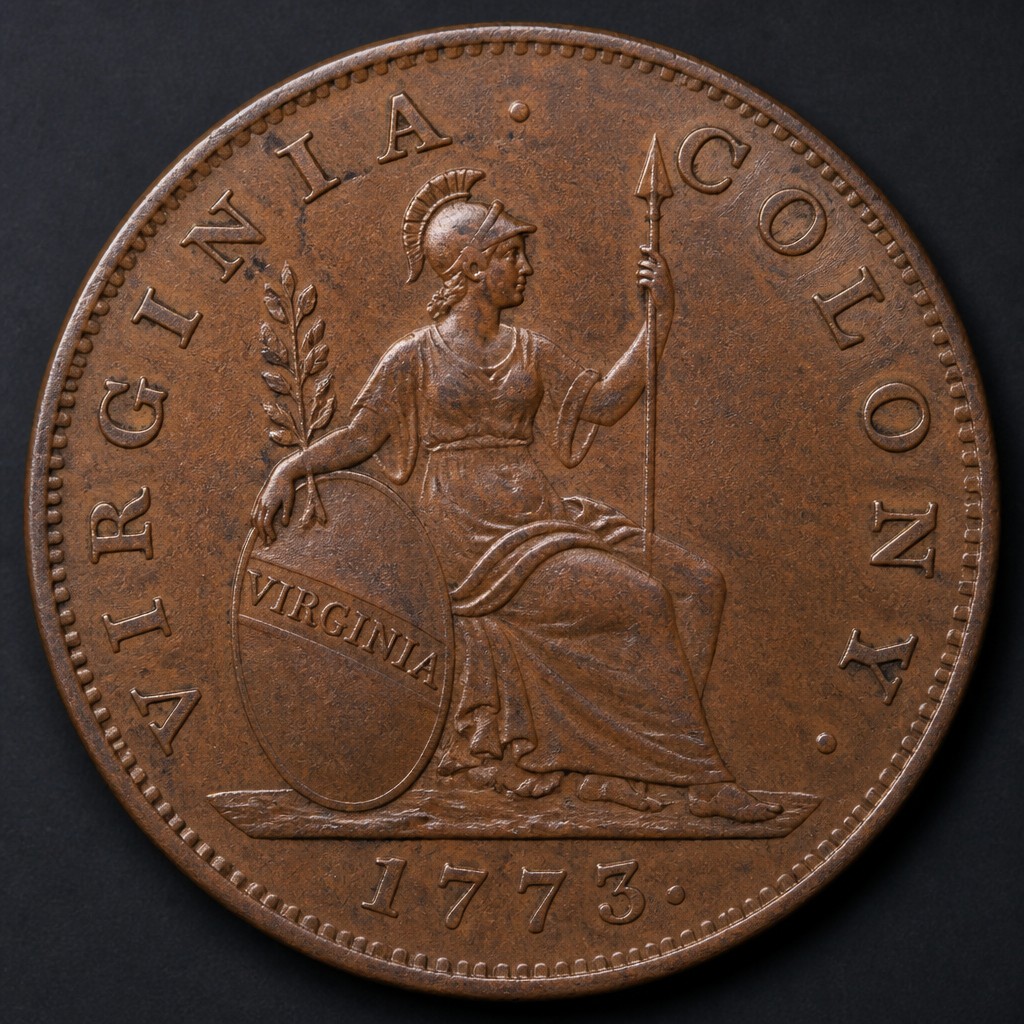
Virginia Halfpenny
1773
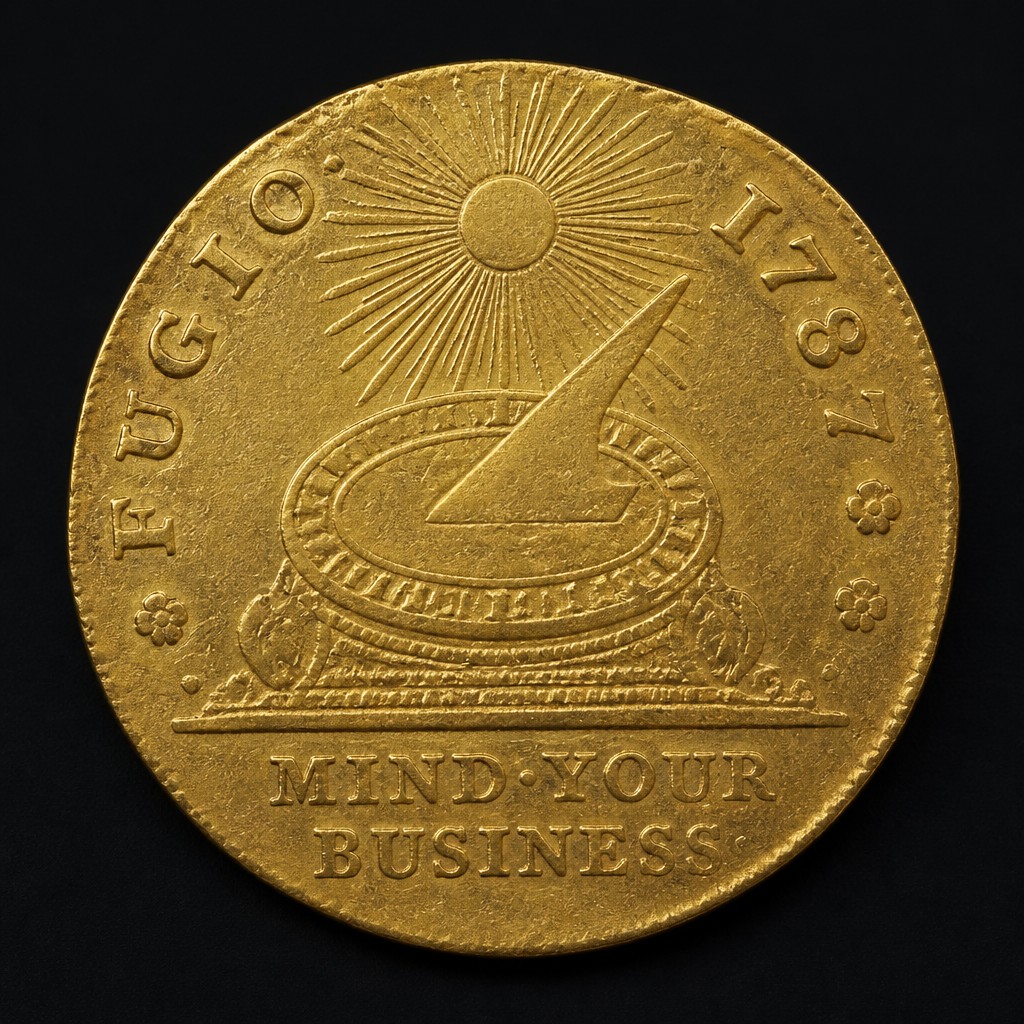
Brasher Doubloon
1787
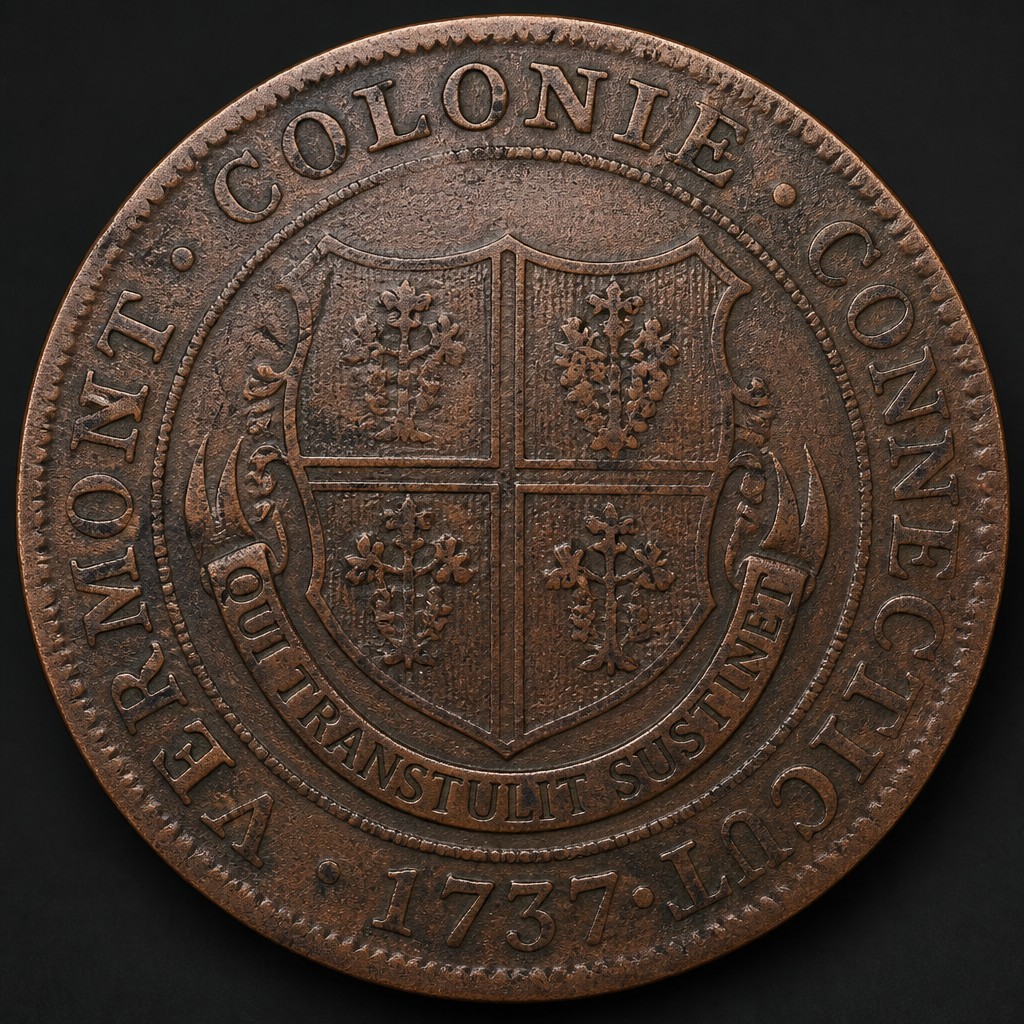
Higley Copper
1737–1739
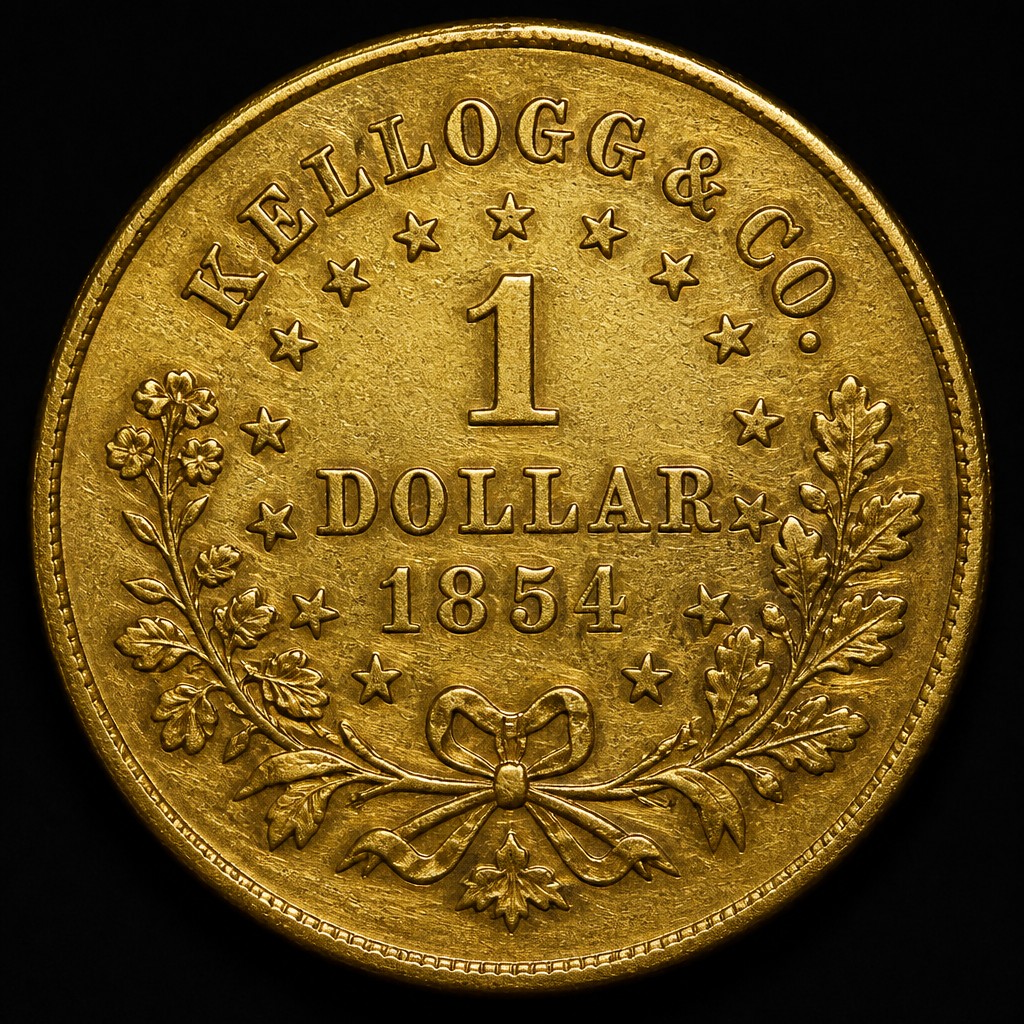
Kellogg & Co. Gold Piece
1854–1855
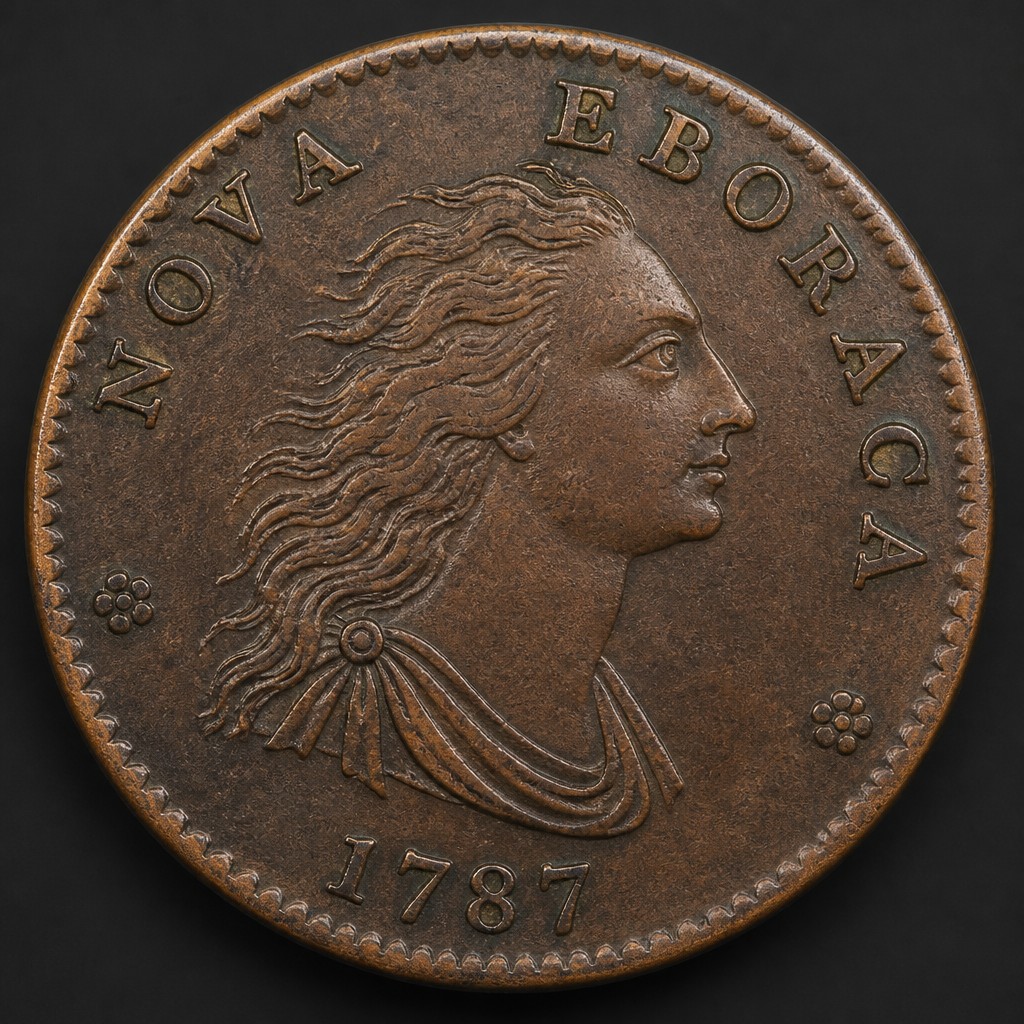
Nova Eborac Copper
1787
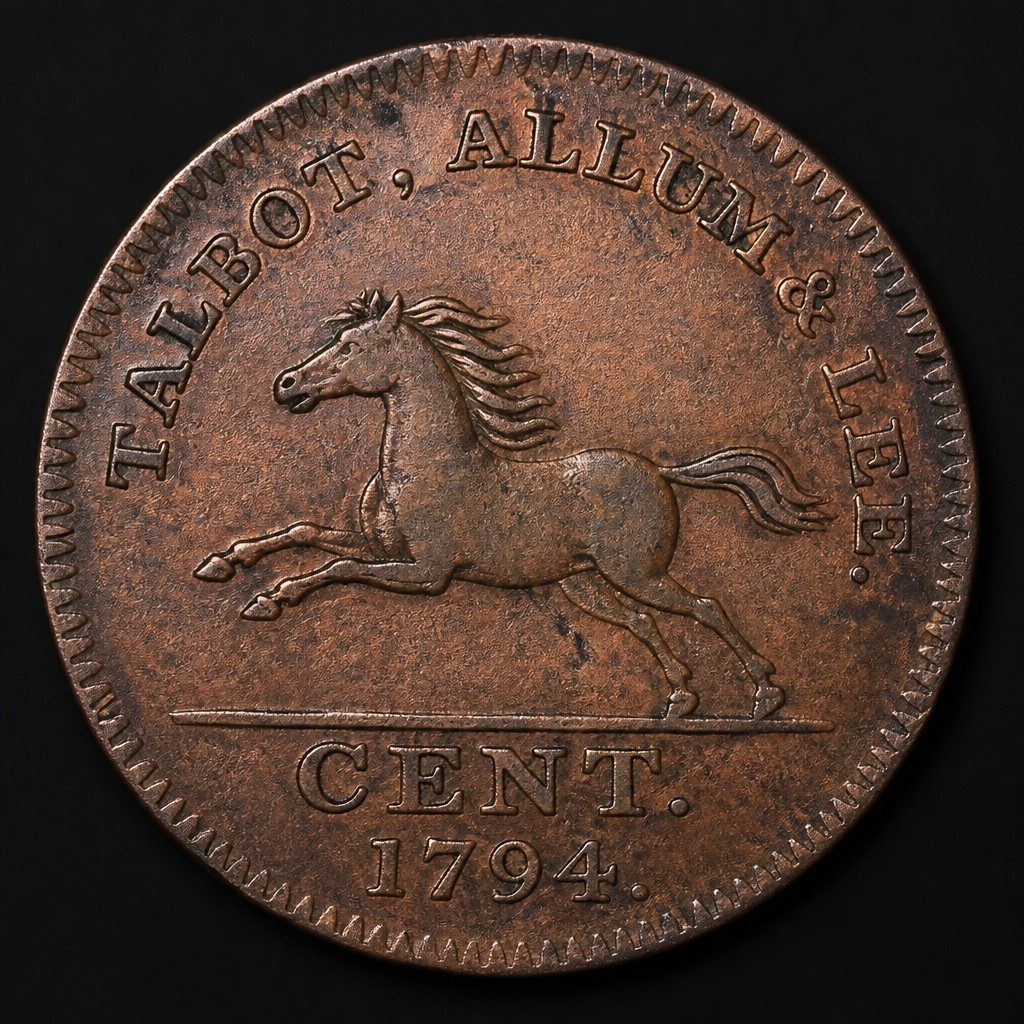
Talbot, Allum & Lee Cent
1794–1795
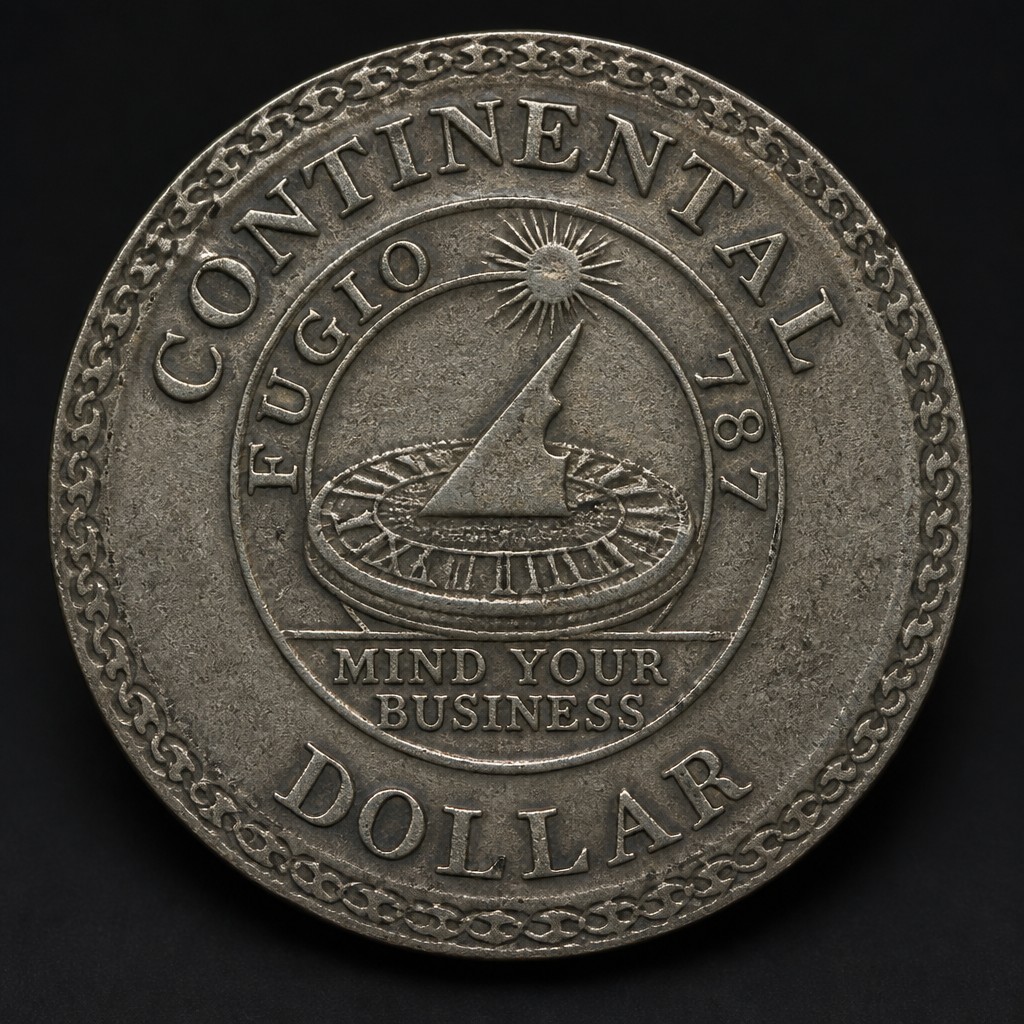
Continental Dollar
1776
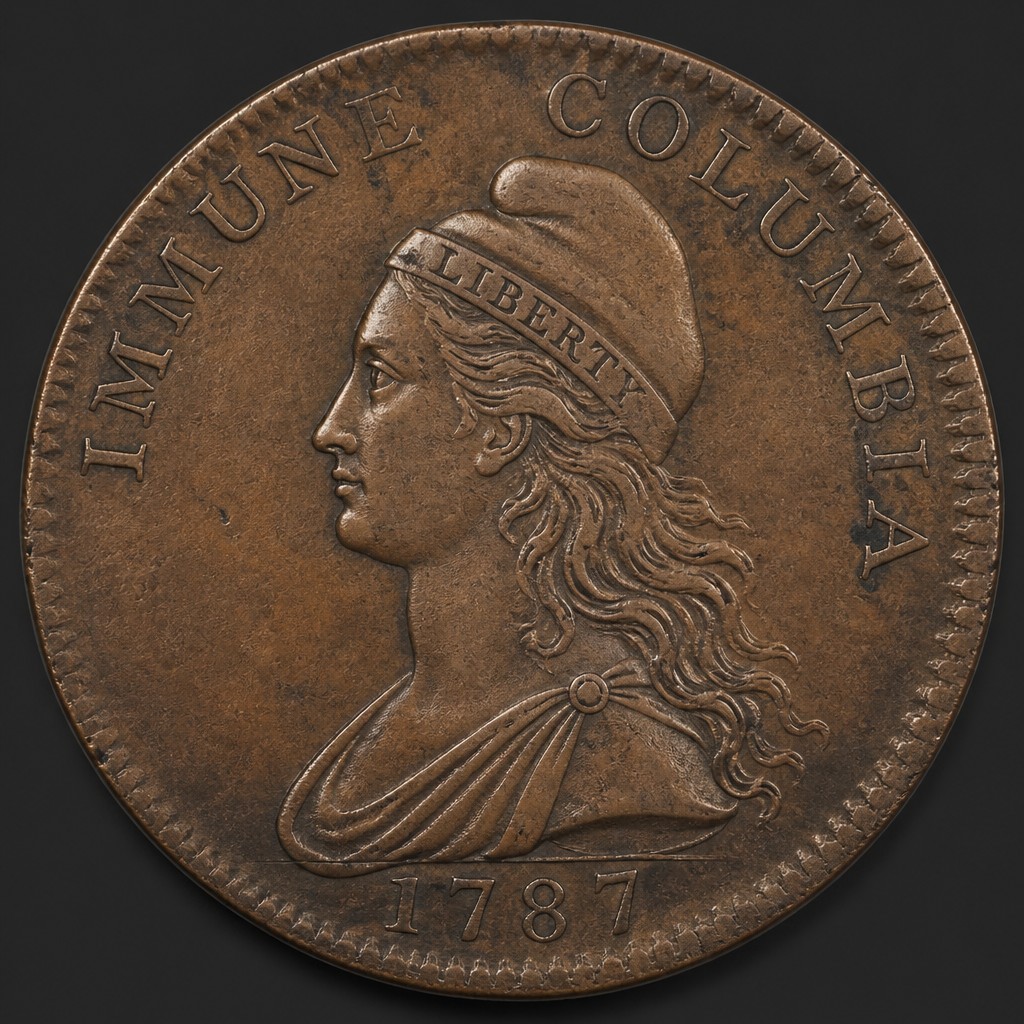
Immune Columbia Copper
circa 1785–1787
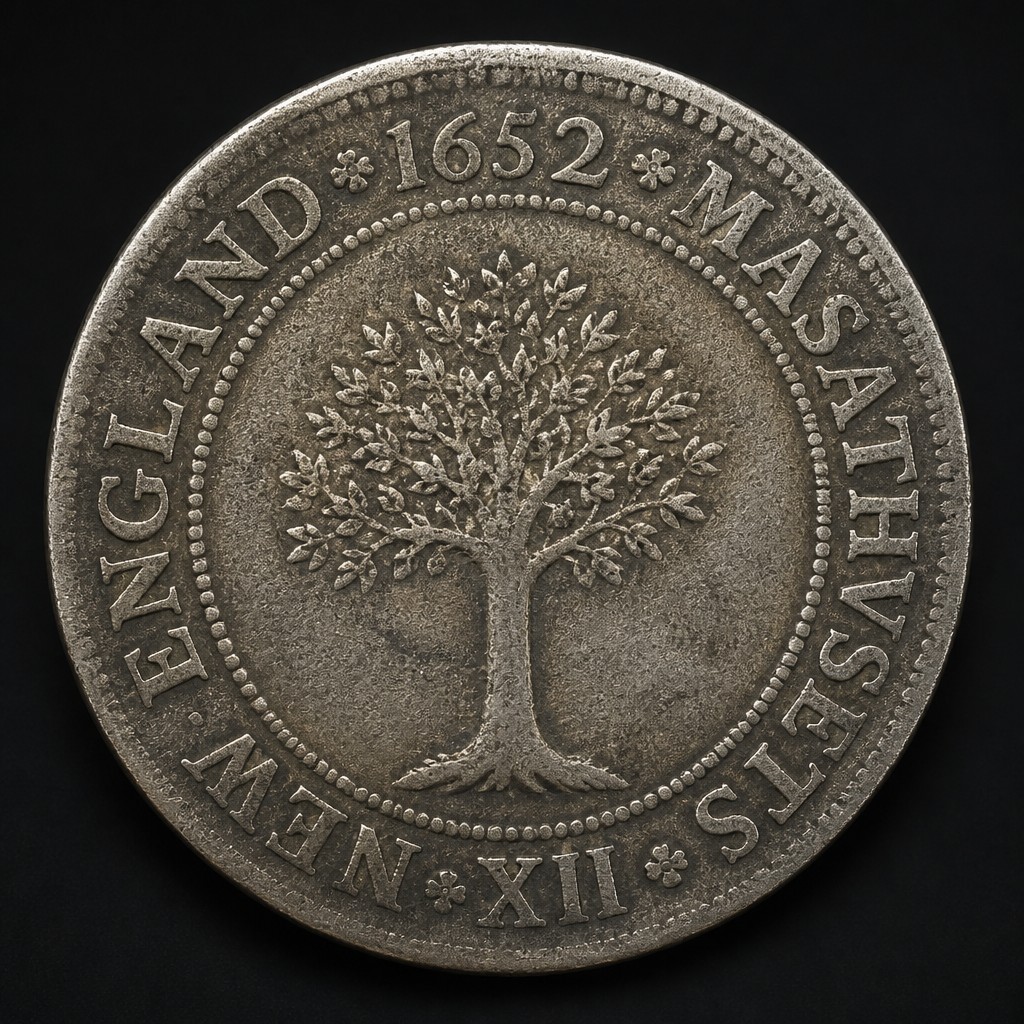
Massachusetts Oak Tree Shilling
Dated 1652, struck circa 1660–1667
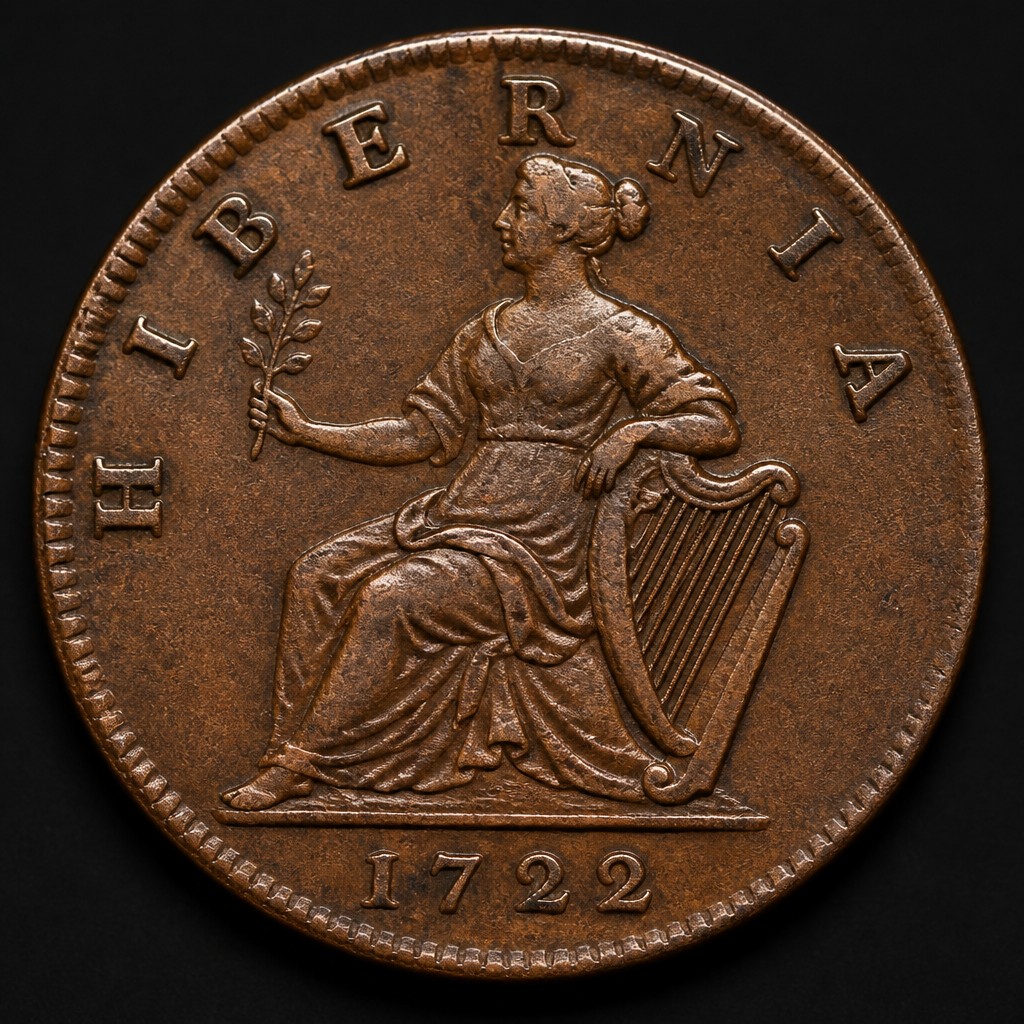
Wood's Hibernia Halfpenny
1722–1724
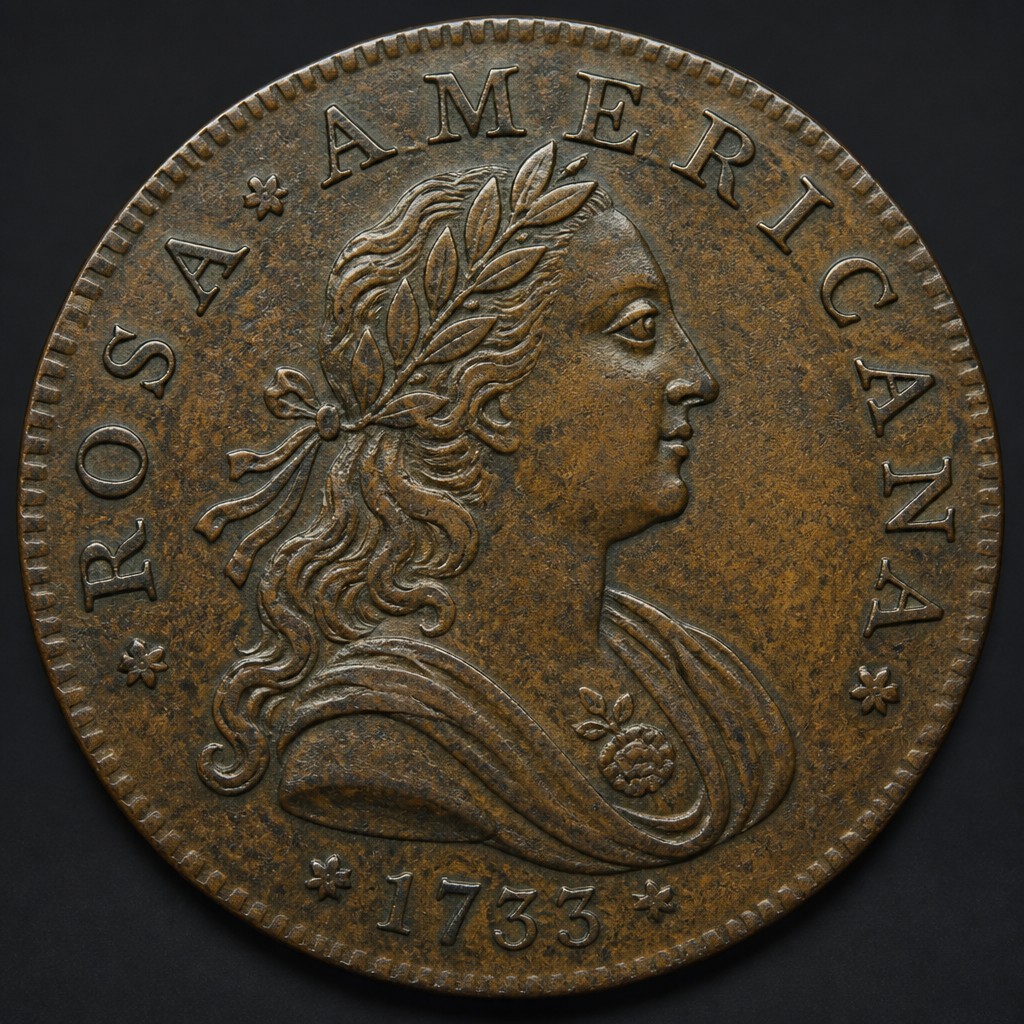
Rosa Americana Coinage
1722–1724 (with pattern issues dated 1733)
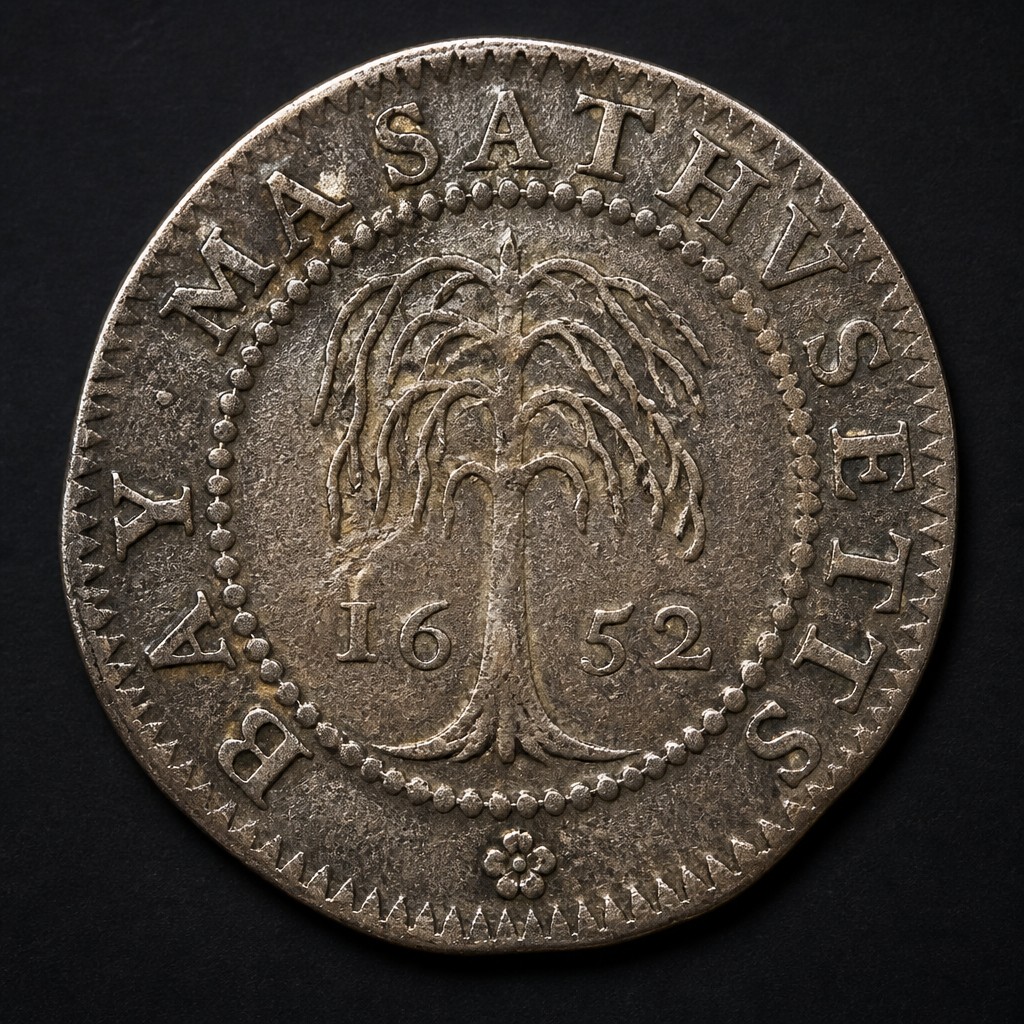
Massachusetts Willow Tree Shilling
Dated 1652, struck circa 1653–1660