
Coin Encyclopedia
Search and identify coins from around the world — with country, denomination, metal, mint, history, and how to tell them apart.
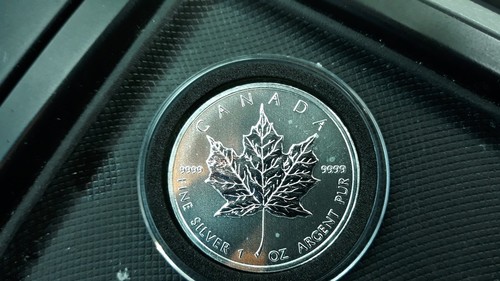
Canadian Silver Maple Leaf
Canada's flagship 1 oz silver bullion coin, struck in .9999 fine silver by the Royal Canadian Mint with a single sugar-maple leaf design.
Bullion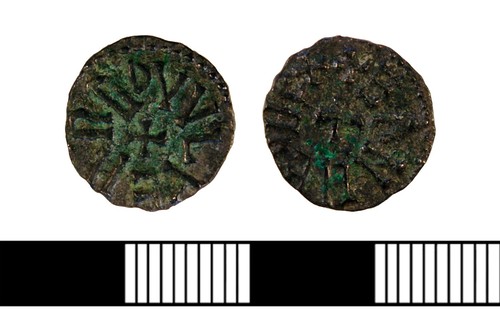
Styca of Eanred
Small base-metal coin of King Eanred of Northumbria, with a cross and legend on one face and a central symbolic motif on the other.
Medieval Coins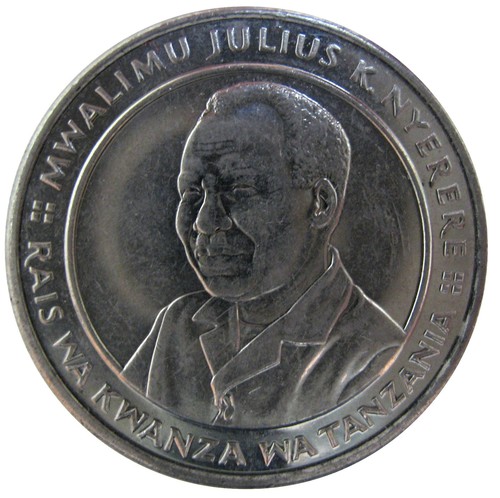
Tanzania 10 Shillings
A base-metal Tanzanian coin bearing President Julius Nyerere on the obverse and the national coat of arms with the value 10 on the reverse.
World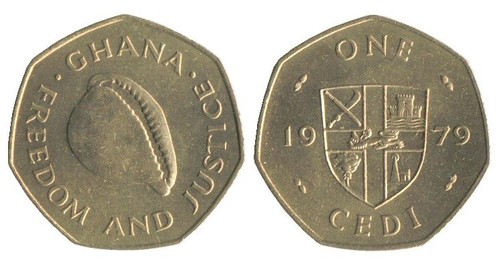
Ghana 1 Cedi
A golden-brass Ghanaian coin dated 1979, showing a cocoa pod with FREEDOM AND JUSTICE on one face and the national coat of arms on the other.
World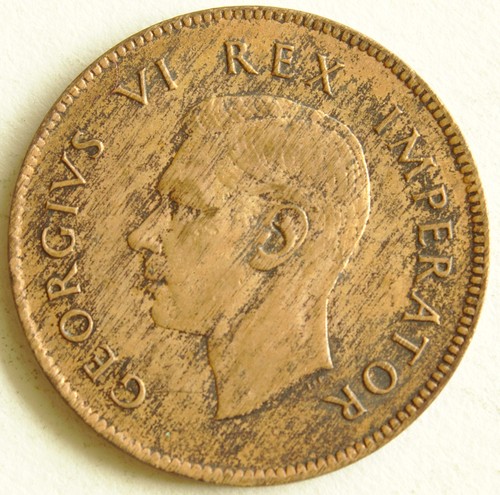
South Africa Farthing
The smallest bronze coin of the Union of South Africa, a quarter-penny with a crowned royal portrait and a South African bird reverse.
World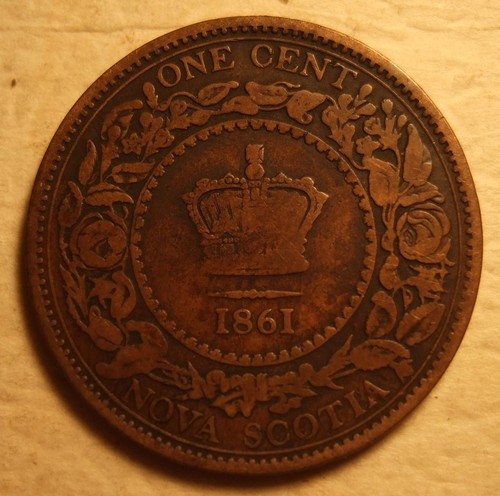
Nova Scotia One Cent
Bronze one-cent coin of the colony of Nova Scotia, with a crowned Queen Victoria obverse and a crown-and-maple-leaves reverse.
Canadian & Provincial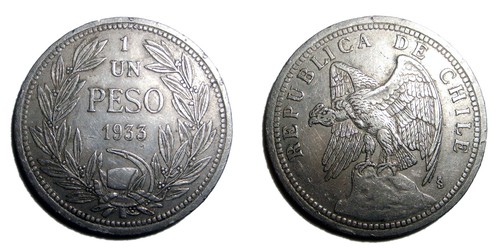
Chilean Peso (1875 Type)
A silver one-peso coin of Chile: the national coat of arms with its lone star and laurel wreaths on one side, and a large bird in flight on the other.
Circulation
Hryvnia
Medieval silver money unit of Kievan Rus, circulating as cast silver ingots and weight-money rather than as a struck, portrait-bearing coin.
Medieval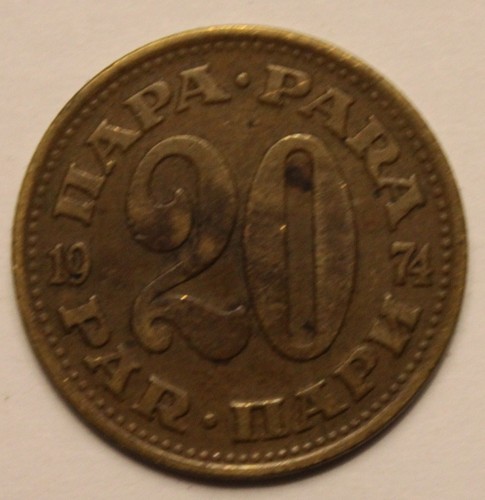
20 Para
A small base-metal coin of socialist Yugoslavia, showing the value 20 with the date 1974 on one side and the six-flame Yugoslav state emblem on the other.
Modern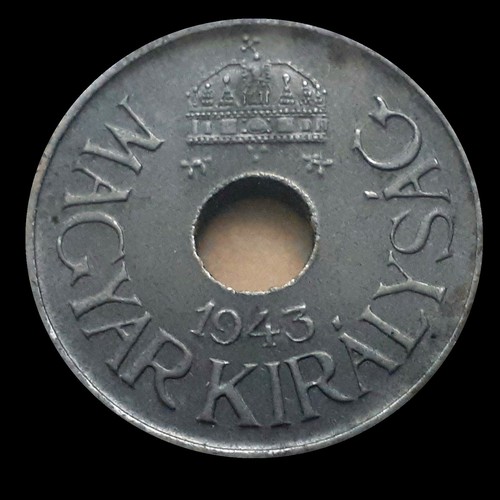
20 Fillér
An early 20th-century Hungarian 20 fillér, a small base-metal coin showing the crowned Hungarian coat of arms and the FILLÉR minor denomination.
Modern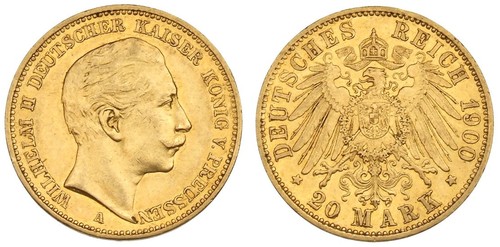
German 20 Mark Gold
German Empire gold 20 mark of Prussia, with Kaiser Wilhelm I's bust and the imperial eagle; a small .900 gold coin from the pre-WWI Goldmark era.
Bullion/gold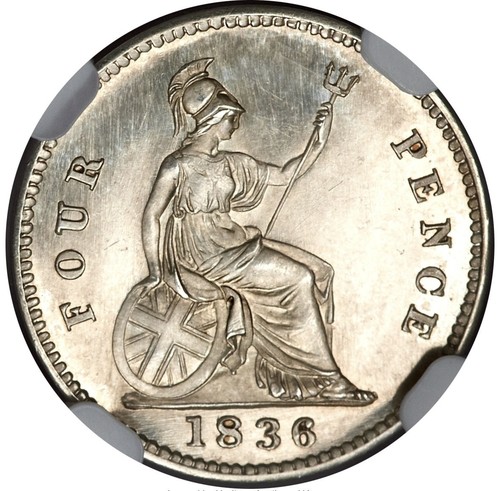
Groat of William IV
A small silver fourpenny piece of William IV (1836–1837), with a seated Britannia reverse; the coin that revived the modern British groat.
Milled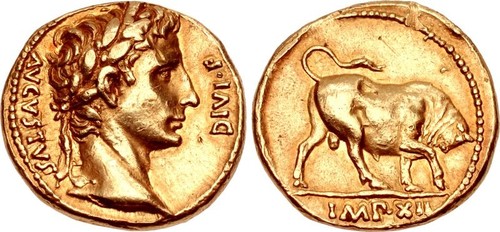
Aureus of Augustus
Roman imperial gold coin bearing the bare head of Augustus, first emperor of Rome, struck during his reign from 27 BC to 14 AD.
Ancient Coins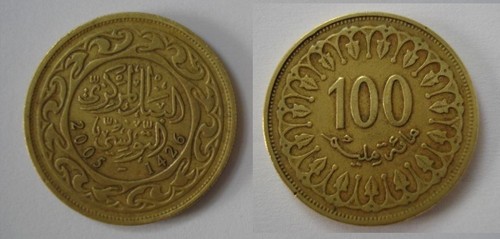
Tunisia 100 Millimes
A brass Tunisian coin worth 100 millimes, with flowing Arabic calligraphy inside an ornate border on one side and a large 100 on the other.
World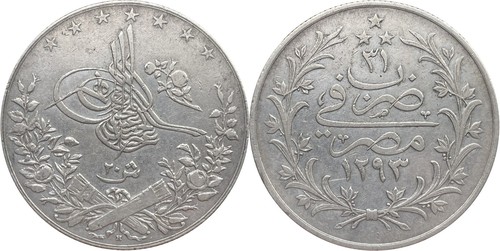
Egypt 20 Qirsh
The 20 qirsh was Egypt's largest silver coin under the Khedivate, bearing the Ottoman sultan's tughra; this example dates to 1905.
World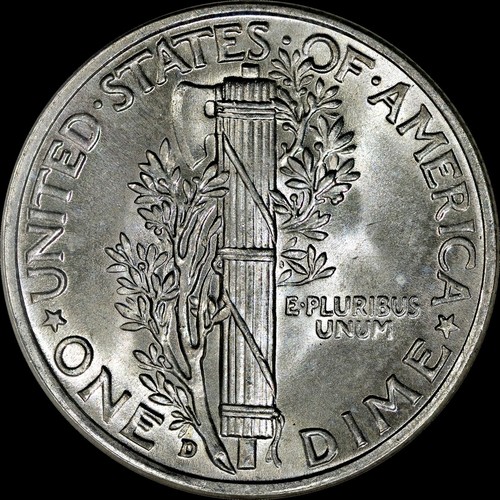
Mercury Dime
U.S. silver ten-cent coin struck 1916–1945, showing a winged-cap Liberty head on the obverse and a fasces with an olive branch on the reverse.
Dime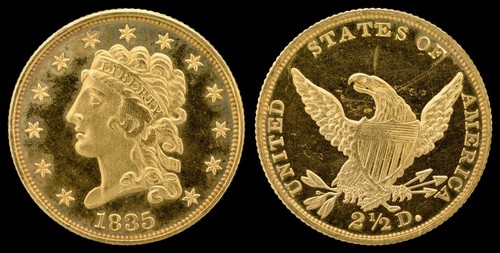
Classic Head Quarter Eagle
U.S. $2.50 gold coin struck 1834–1839, with a band-bound Liberty head obverse and a shield-breasted eagle reverse marked "2½ D."
Quarter Eagle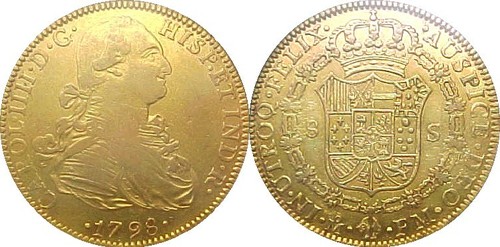
Spanish Doubloon (8 Escudos)
Large Spanish gold coin worth eight escudos, showing the right-facing bust of King Charles IV and a crowned Spanish shield with a cross.
World Coins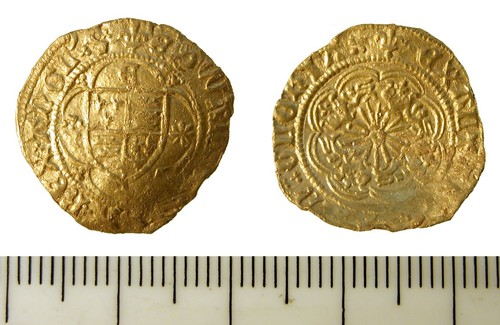
Edward IV Quarter Ryal
Small English medieval gold coin of Edward IV, bearing the crowned royal arms and an ornate radiate cross with a rose-on-sun at its center.
Medieval Coins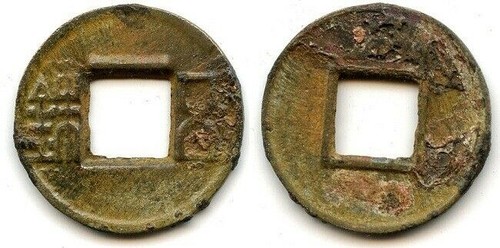
Wu Zhu Cash
A round Han-dynasty bronze cash coin with a central square hole and two seal-script characters, Wu Zhu, naming its weight of five zhu.
Cash Coin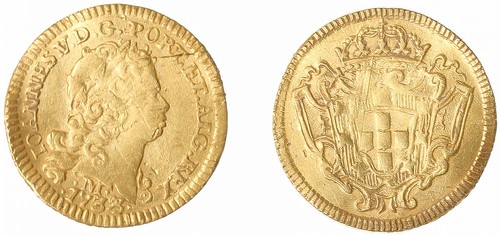
Half Escudo (800 Reis) of Joao V
A small Portuguese gold coin of King Joao V, valued at half an escudo (800 reis), with his laureate bust and a crowned Portuguese shield.
Colonial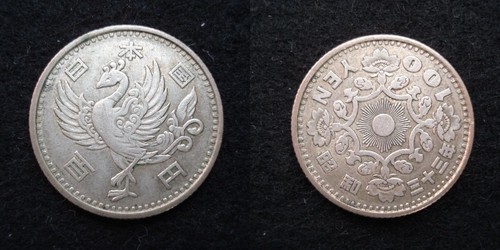
100 Yen (Showa Silver)
Japan's first 100 Yen coin, in silver: a phoenix in flight on the obverse and a bold radiating 100 on the reverse. Dated Showa 33 (1958).
Circulation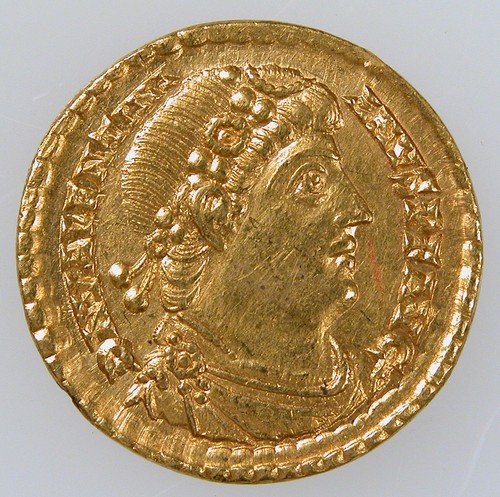
Solidus of Valentinian I
The gold solidus of Valentinian I (AD 364-375), a pure-gold coin bearing his pearl-diademed profile that anchored the late Roman monetary system.
Ancient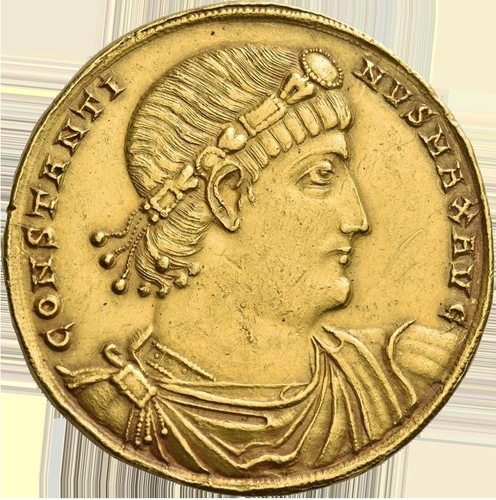
Solidus of Constantine I the Great
Constantine the Great's gold solidus, a high-purity coin struck from about AD 309 that became the standard of late Roman and Byzantine gold.
Ancient