
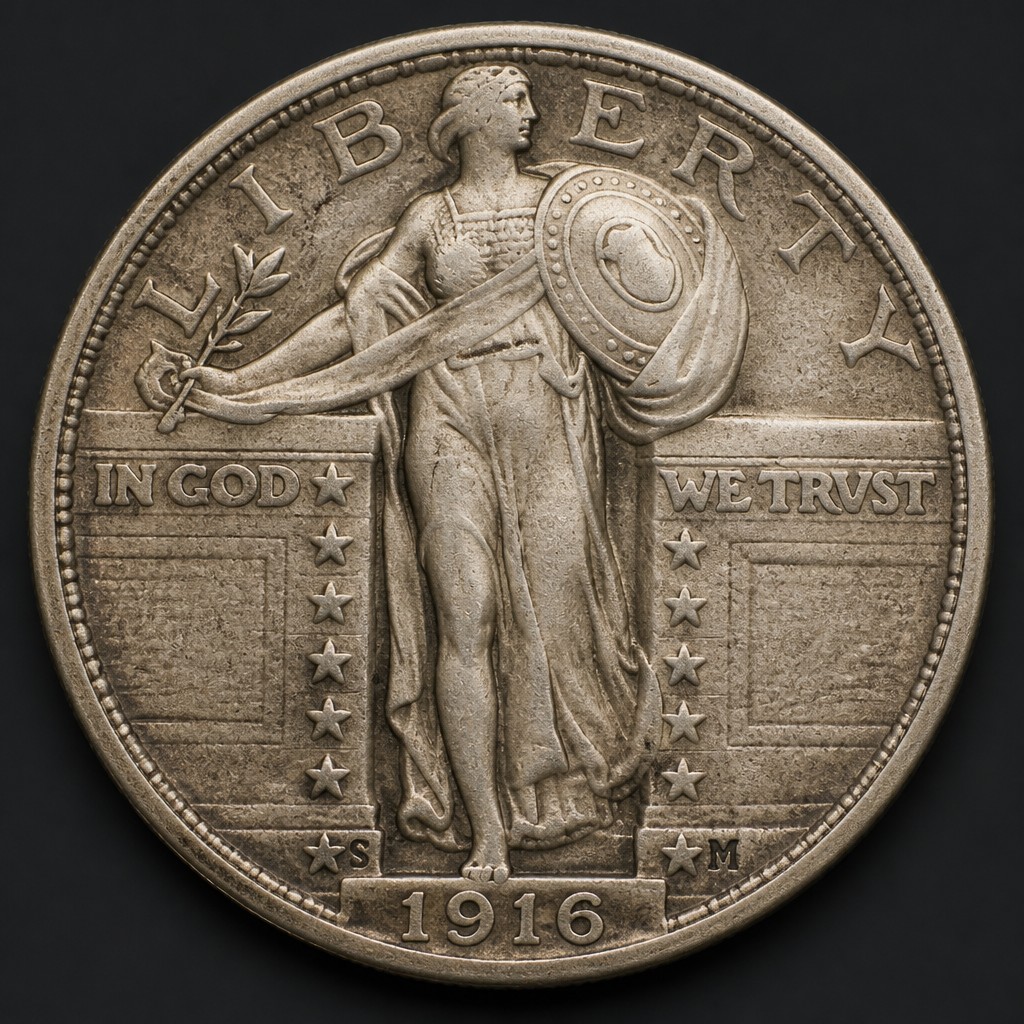
1916 Standing Liberty Quarter
The extremely low-mintage first-year issue of the Standing Liberty quarter, one of the most famous key dates in all of United States coinage.
- Country
- United States
- Denomination
- Twenty-Five Cents (Quarter Dollar)
- Metal
- 90% Silver, 10% Copper
Got a coin like this?
Identify any coin from a photo, free.
Overview
The 1916 Standing Liberty quarter is among the most celebrated key dates in American numismatics, produced in only a tiny quantity at the very end of 1916 as the new design was rolled out. It depicts Liberty with an exposed right breast, a design element quickly modified in 1917, making the 1916 date the sole representative of this original 'Type 1' design.
Because of its combination of extreme rarity and status as the first year of an admired design by Hermon MacNeil, the 1916 is considered one of the great trophy coins for collectors of 20th-century US silver.
History & Background
The Standing Liberty quarter replaced the Barber quarter in 1916 as part of a broader effort to modernize American coin designs, following similar changes to the dime and half dollar. Sculptor Hermon Atkins MacNeil designed the coin, depicting Liberty stepping forward through a gateway, holding a shield and an olive branch, symbolizing preparedness and peace.
Only a very small run was struck at the Philadelphia Mint in the final weeks of 1916 before the calendar turned to 1917, making it the lowest-mintage date in the series by a wide margin. The exposed-breast design drew public criticism, and in 1917 the Mint added a coat of chain mail to cover Liberty's chest, creating the distinct Type 2 design for the remainder of the series.
How to Identify
The obverse shows a standing figure of Liberty in a gateway, holding a shield in her left hand and an olive branch in her right, with her right breast bare, LIBERTY above, and the date below. The reverse depicts an eagle in flight with UNITED STATES OF AMERICA above and QUARTER DOLLAR below, and E PLURIBUS UNUM to the sides.
There is no mintmark since only Philadelphia struck this date. The coin is 90% silver, 24.3mm in diameter, with a reeded edge. Collectors distinguish the 1916 Type 1 from the visually similar 1917 Type 1 quarter primarily by the date, since both share the bare-breast design before the 1917 Type 2 modification.
Value & Collectibility
The 1916 Standing Liberty quarter is rare in any condition and valuable even in heavily worn grades, with low circulated examples often starting in the low thousands of dollars and rising sharply with condition. Choice and gem uncirculated examples are major rarities that can command tens of thousands of dollars or considerably more at auction.
Given its fame and value, the date is one of the most frequently counterfeited or altered coins in American numismatics (with genuine 1917 quarters sometimes having their dates altered to '1916'), so certification by a major grading service is essential for any purchase.
Frequently asked questions
Why is the 1916 Standing Liberty quarter so rare?
It was struck only briefly at the very end of 1916 when the new design debuted, resulting in a very small mintage compared to every other date in the series.
What is the difference between Type 1 and Type 2 designs?
Type 1, used in 1916 and part of 1917, shows Liberty with a bare right breast; Type 2, used afterward, covers her chest with chain mail armor.
Does the 1916 quarter have a mintmark?
No, it was struck only at the Philadelphia Mint, which did not use a mintmark.
Why should I be cautious buying one?
Because of its high value, altered-date fakes (changing a 1917 quarter to read 1916) are a known problem, so certification is strongly recommended.
Other coins you may enjoy
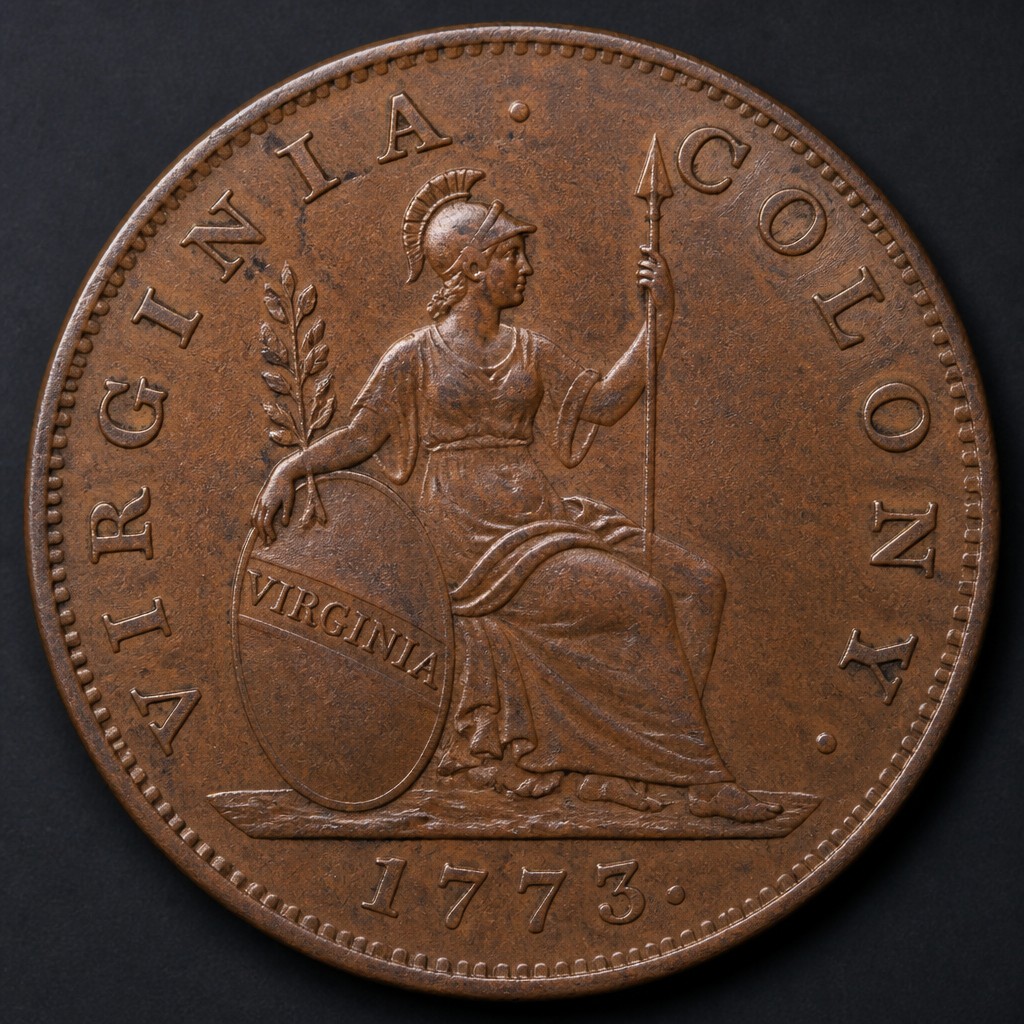
Virginia Halfpenny
1773
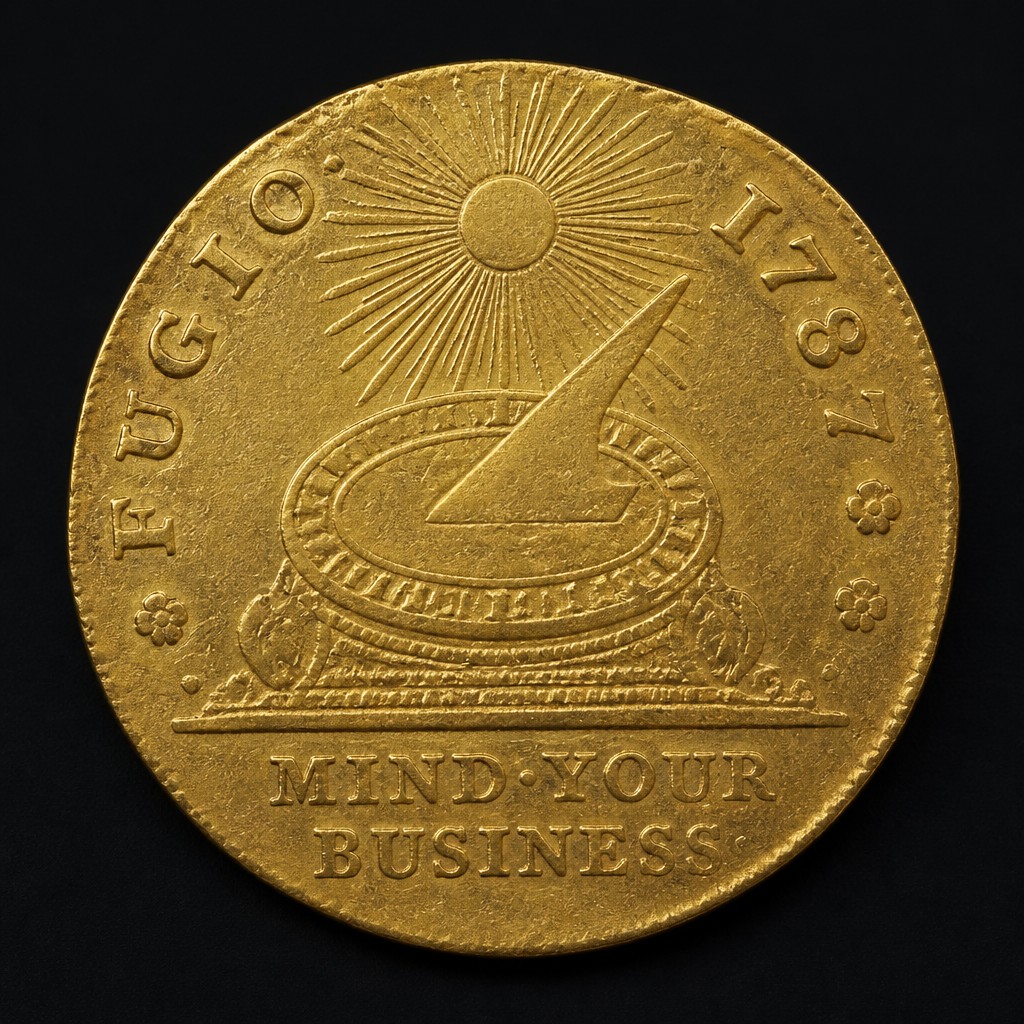
Brasher Doubloon
1787
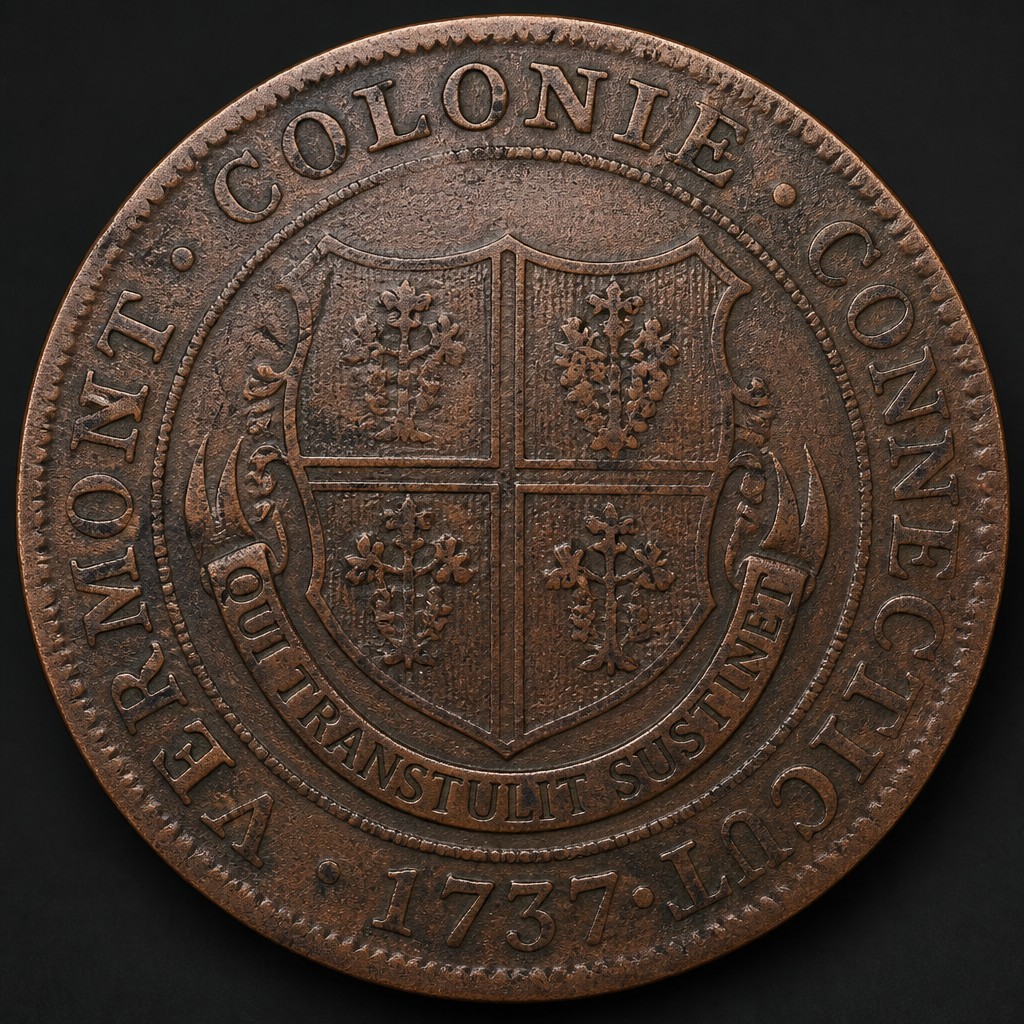
Higley Copper
1737–1739
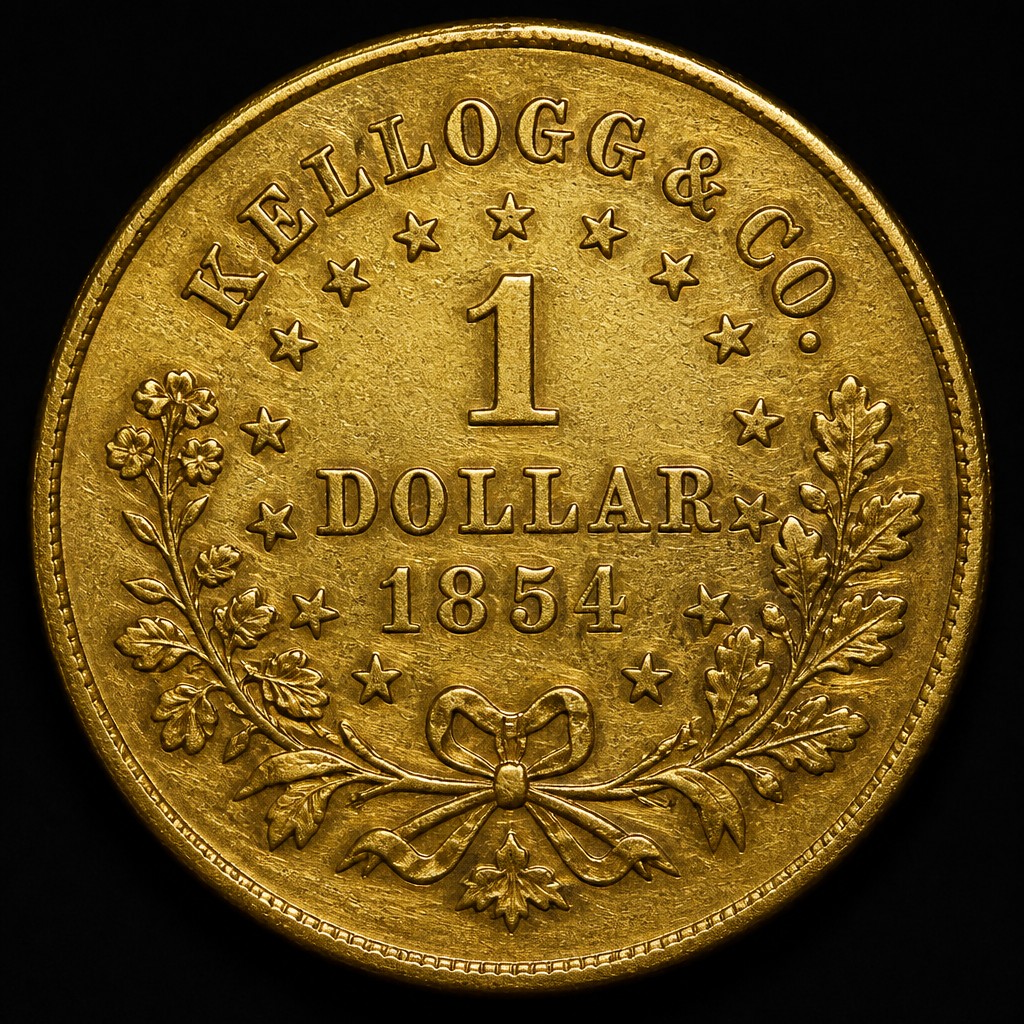
Kellogg & Co. Gold Piece
1854–1855
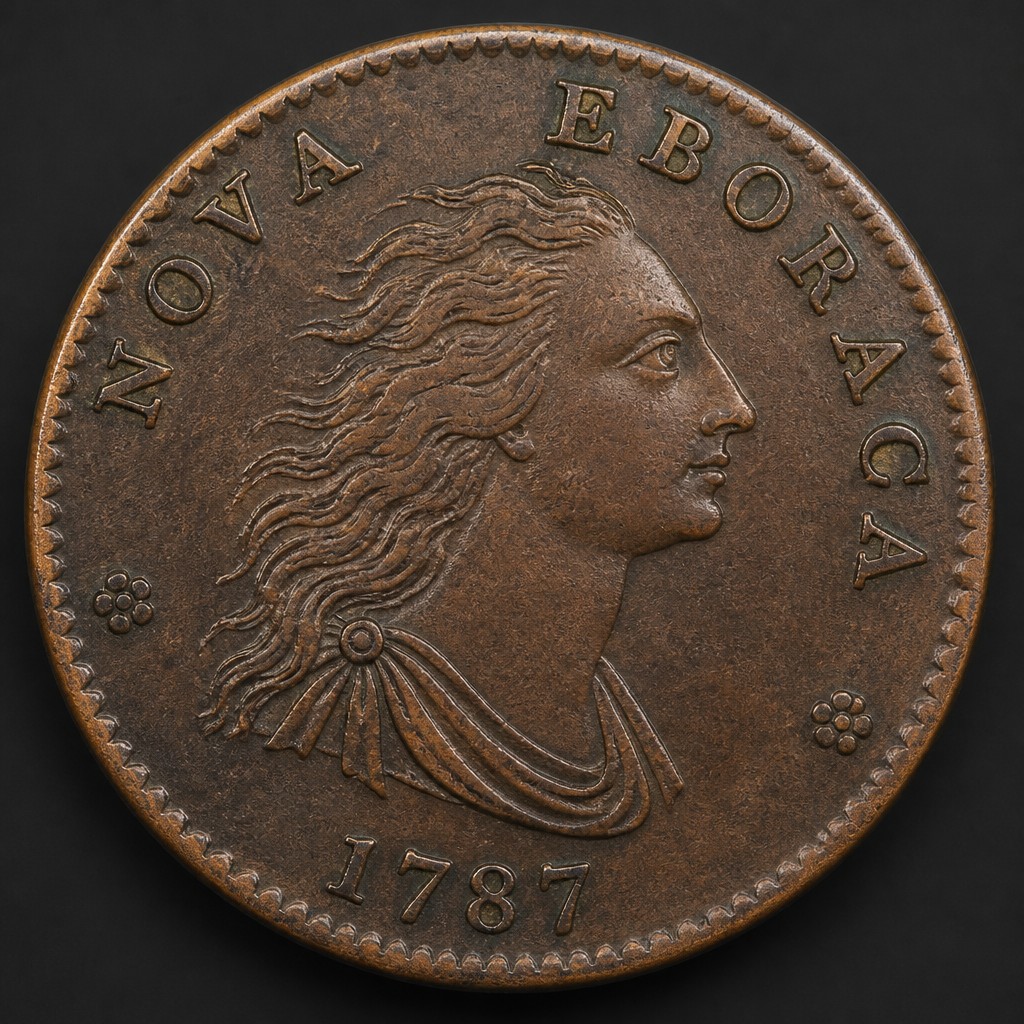
Nova Eborac Copper
1787
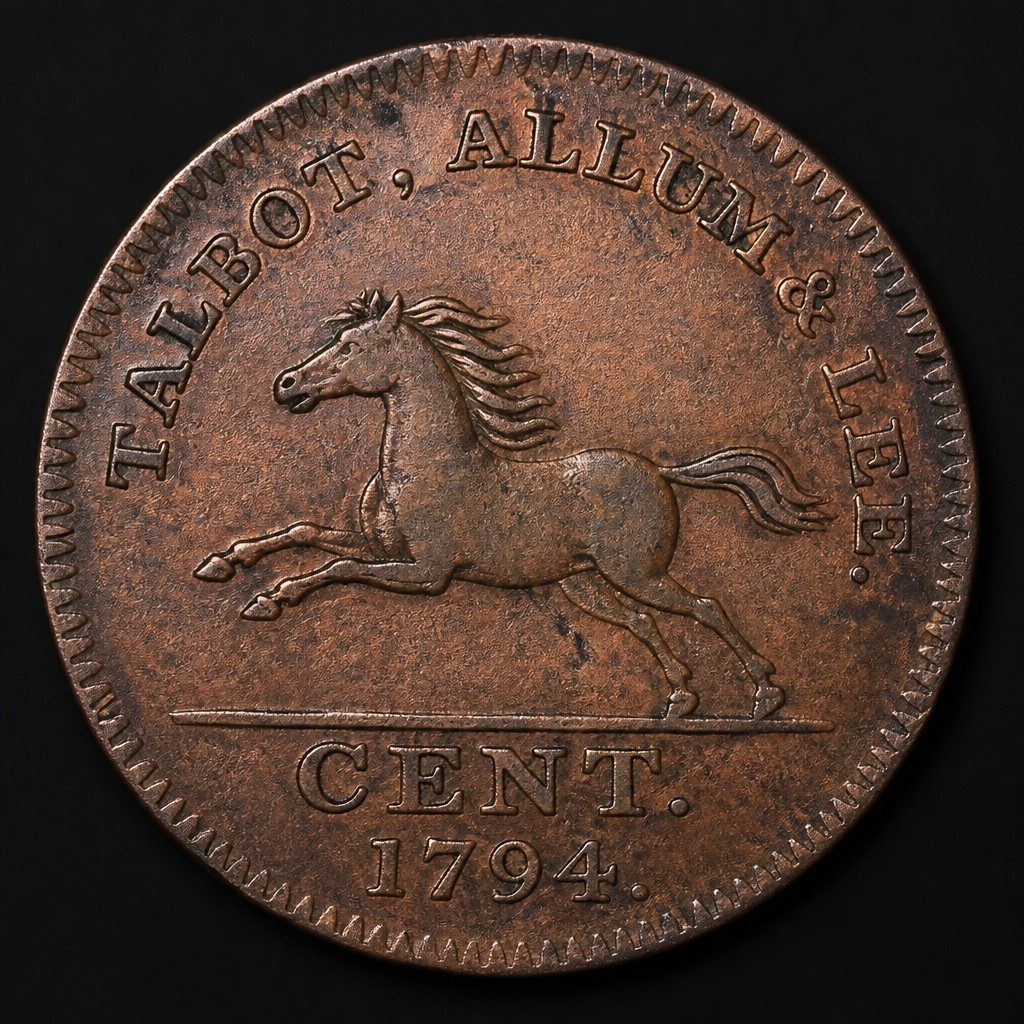
Talbot, Allum & Lee Cent
1794–1795
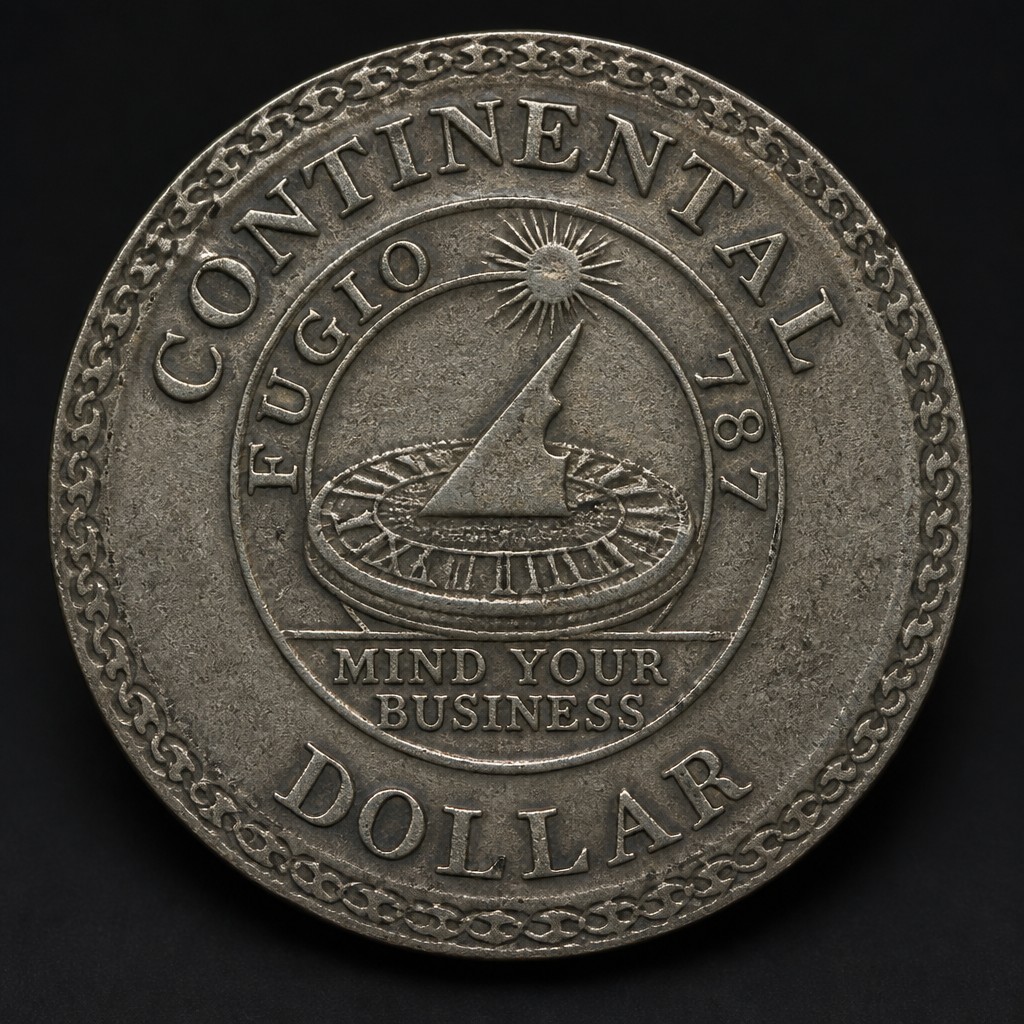
Continental Dollar
1776
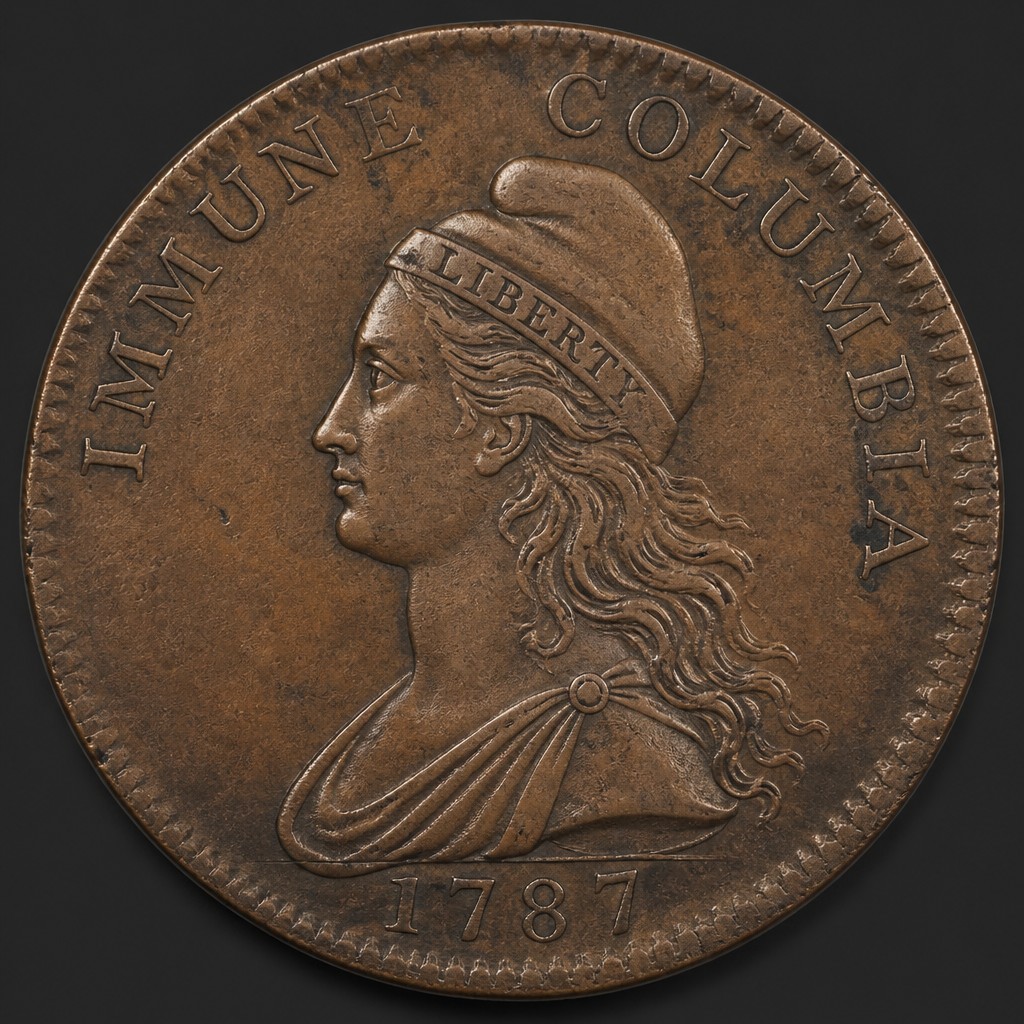
Immune Columbia Copper
circa 1785–1787
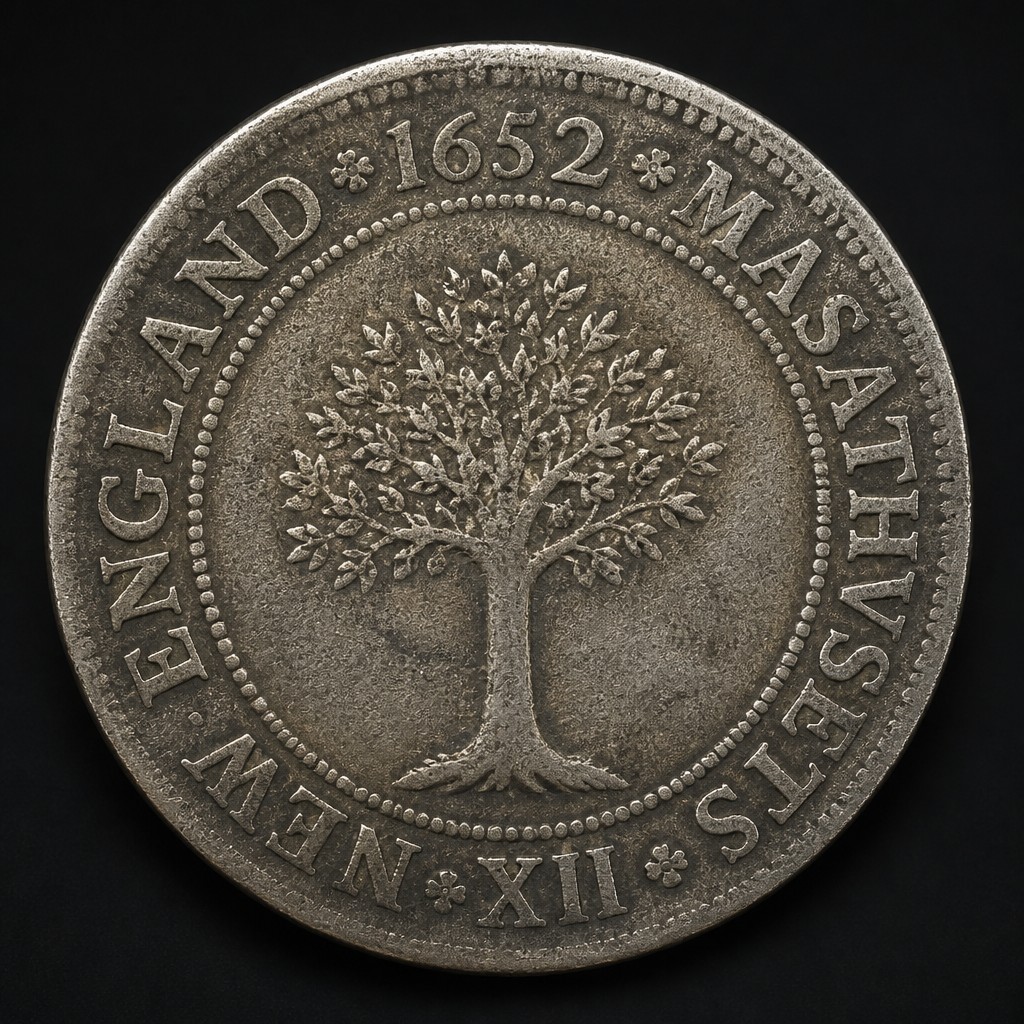
Massachusetts Oak Tree Shilling
Dated 1652, struck circa 1660–1667
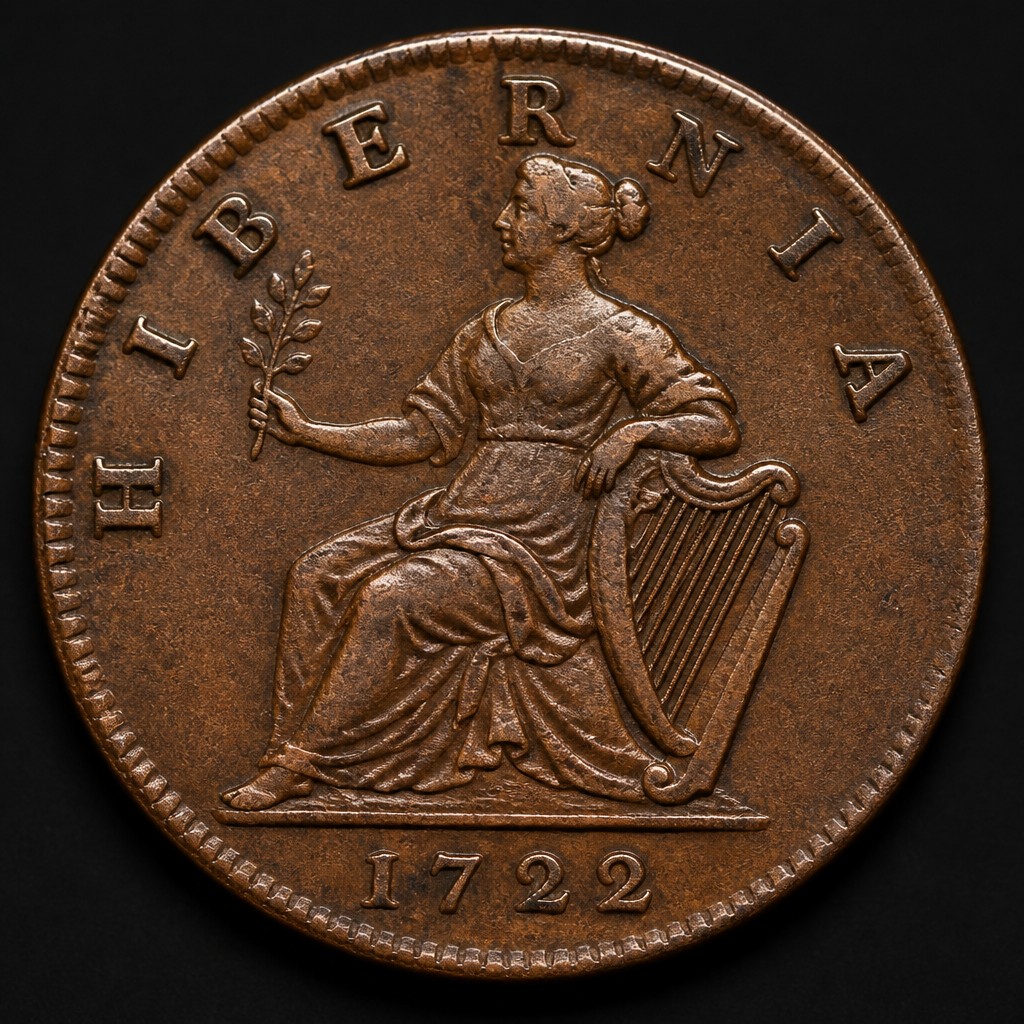
Wood's Hibernia Halfpenny
1722–1724
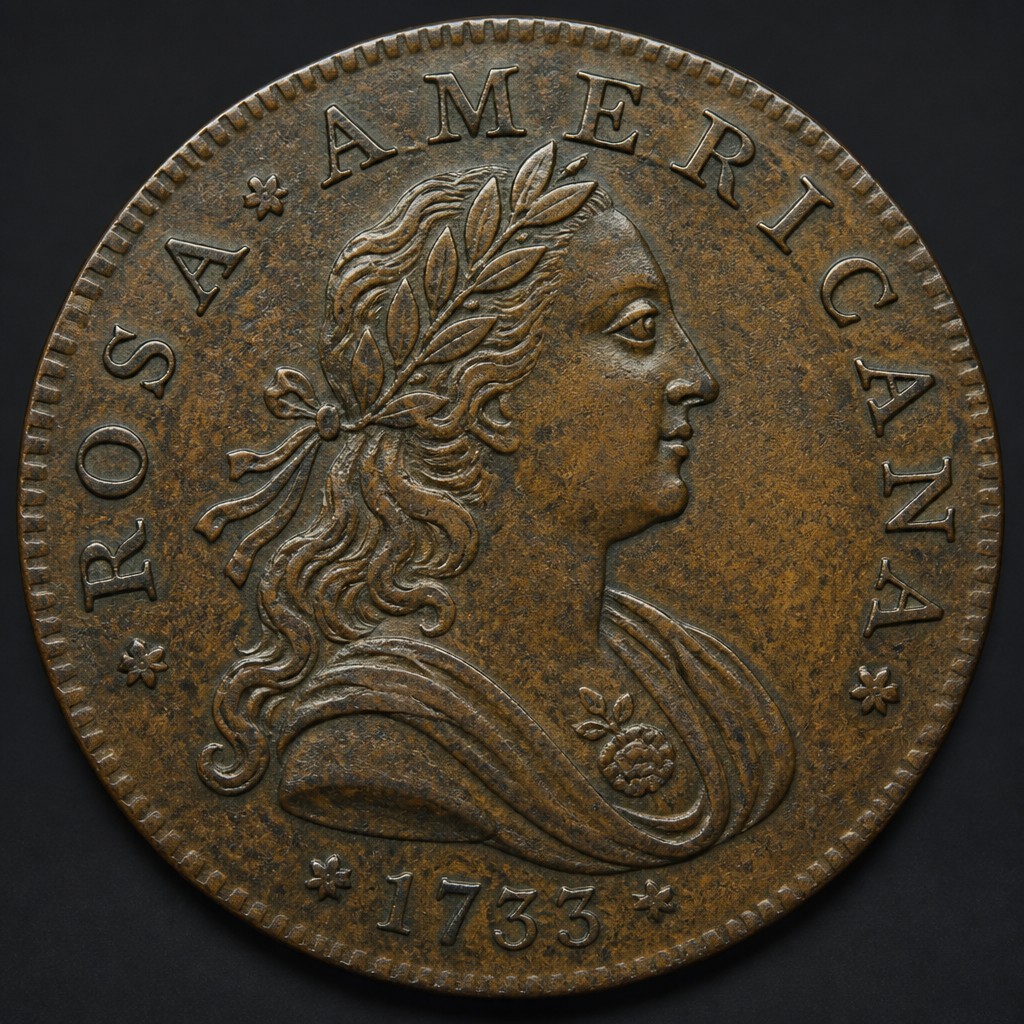
Rosa Americana Coinage
1722–1724 (with pattern issues dated 1733)
Massachusetts Willow Tree Shilling
Dated 1652, struck circa 1653–1660