
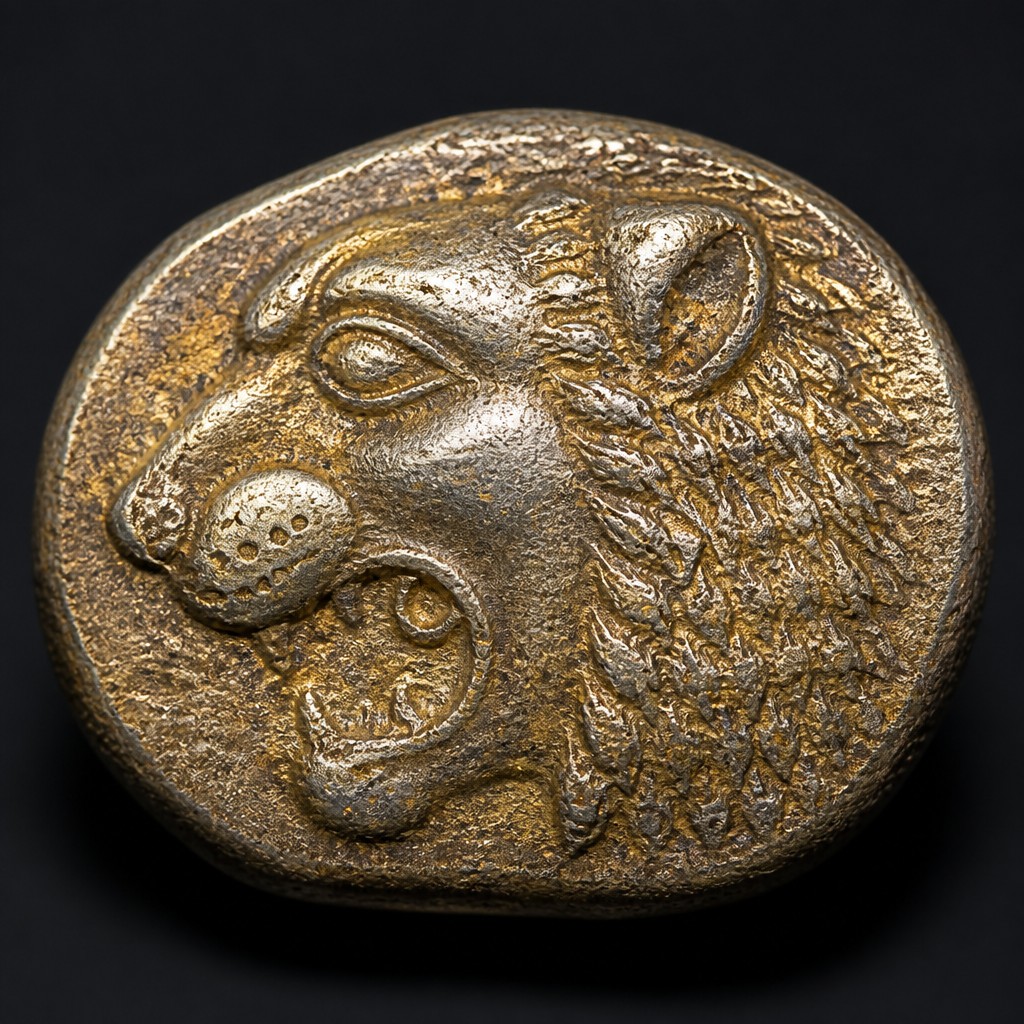
Lydian Lion Trite (Electrum)
An early electrum coin from the Kingdom of Lydia bearing a roaring lion's head, among the very earliest coins struck anywhere in the world.
- Country
- Kingdom of Lydia
- Denomination
- Trite (1/3 Stater)
- Metal
- Electrum (Gold-Silver Alloy)
Got a coin like this?
Identify any coin from a photo, free.
Overview
The Lydian lion trite is one of the most historically important coins in existence, representing an early stage in the invention of coinage itself. Struck from electrum, a naturally occurring gold-silver alloy found in Lydian rivers, these small pieces predate the more standardized gold and silver coinages that followed later in antiquity.
For collectors and historians, the Lydian lion holds a special appeal not for artistic refinement but for its foundational role: it represents humankind's move from weighed bullion toward stamped, state-guaranteed units of value, an innovation that would spread across the Mediterranean world.
History & Background
The Kingdom of Lydia, located in western Asia Minor in what is now Turkey, is traditionally credited by ancient historians such as Herodotus with inventing coinage, using electrum panned from the Pactolus River near the capital, Sardis. Lion-themed electrum coins are associated with the Mermnad dynasty of Lydian kings, including Alyattes, who reigned in the late 7th and early 6th centuries BC.
Before uniform coinage, trade relied on weighing bullion for each transaction, a slow and imprecise process; the introduction of pieces of standardized weight bearing a royal or civic stamp offered a guarantee of value that greatly simplified commerce, at least within the issuing authority's sphere of trust.
The lion imagery, often paired with a sunburst-like knob on the forehead in some interpretations linked to solar symbolism or a specific Lydian dynastic emblem, became a recognizable hallmark of Lydian electrum coinage before King Croesus later reformed the system into separate pure gold and silver denominations.
How to Identify
The obverse features the head of a roaring lion in profile, mouth open, with a raised knob or wart-like protrusion above the eye on the forehead in many examples, sometimes interpreted as a stylized sunburst. The reverse has no image at all, showing only two or three rectangular or square incuse punch marks left by the tool used to strike the coin into the die, a hallmark of the earliest stage of coin production.
The coin is small and struck in electrum, a naturally pale yellow gold-silver alloy, with weight and denomination (trite, or one-third of a full stater) determining its size, which is considerably smaller than a full stater. Because true ancient examples are scarce and valuable, and the type has been reproduced, careful attention to metal composition, weight standard, and die style is essential when evaluating a piece.
Value & Collectibility
As one of the earliest coin types in the world, genuine Lydian lion electrum coins carry strong historical premium value beyond their small size and modest metal content, with examples typically trading from several hundred to several thousand dollars depending on denomination, preservation, and die quality; the full stater denomination in nice condition can reach considerably higher.
Because of their fame as "the first coins," this type is a popular target for both serious ancient coin collectors and for forgers, so provenance and expert opinion are especially valuable when considering a purchase, and coins from recognized, reputable ancient coin dealers or major auction houses are generally preferred.
Frequently asked questions
Why are Lydian lion coins considered so important?
They are among the earliest known coins in the world, marking the transition from weighed bullion trade to standardized, stamped currency.
What metal are they made from?
Electrum, a naturally occurring alloy of gold and silver found in Lydian rivers such as the Pactolus.
Why does the reverse have no picture?
Early coinage technology only used a design on one die (the obverse); the reverse die was a simple punch, leaving plain incuse marks rather than an image.
What does 'trite' mean?
Trite refers to a denomination equal to one-third of a full stater, the basic weight unit of Lydian electrum coinage.
Who is credited with inventing coinage?
Ancient historians such as Herodotus credit the Lydians with inventing coinage, associating early lion-type coins with Lydian kings of the Mermnad dynasty.
Other coins you may enjoy
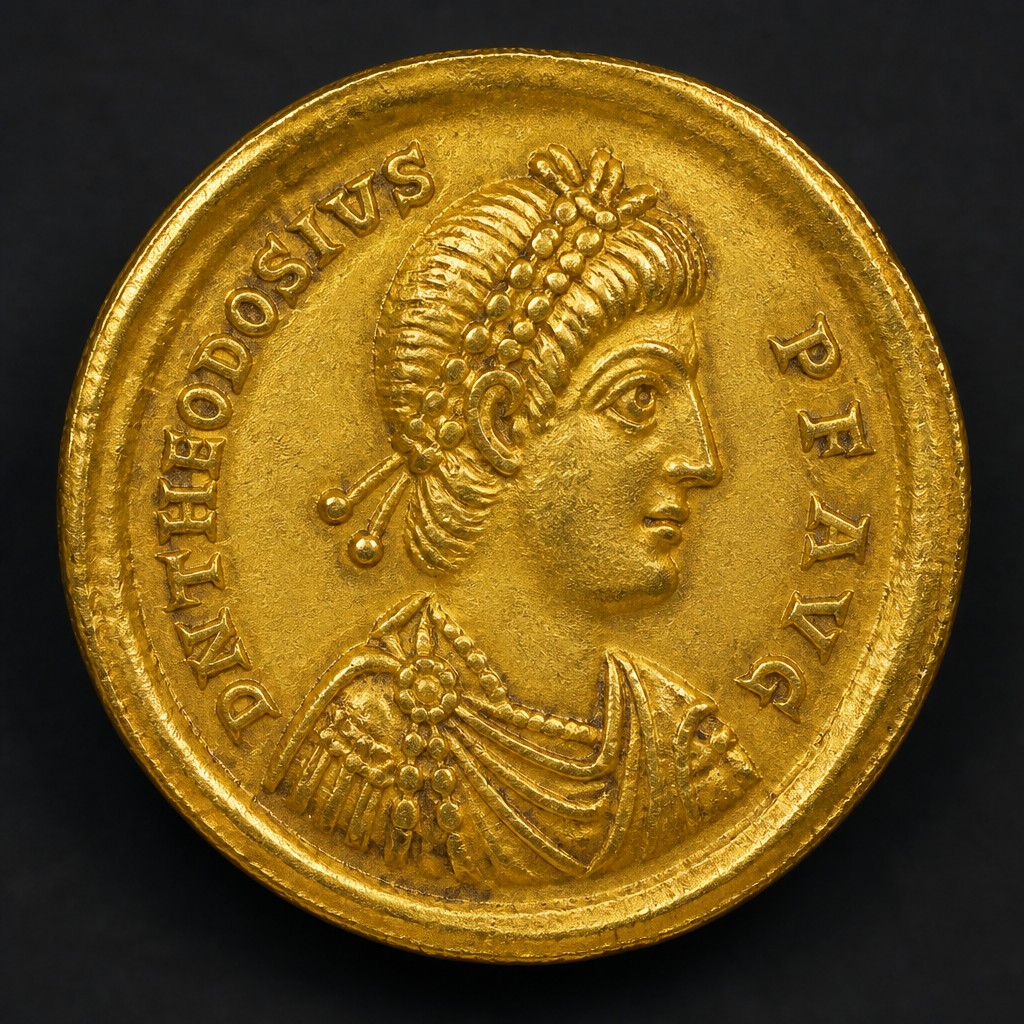
Theodosius I Solidus
379–395 AD
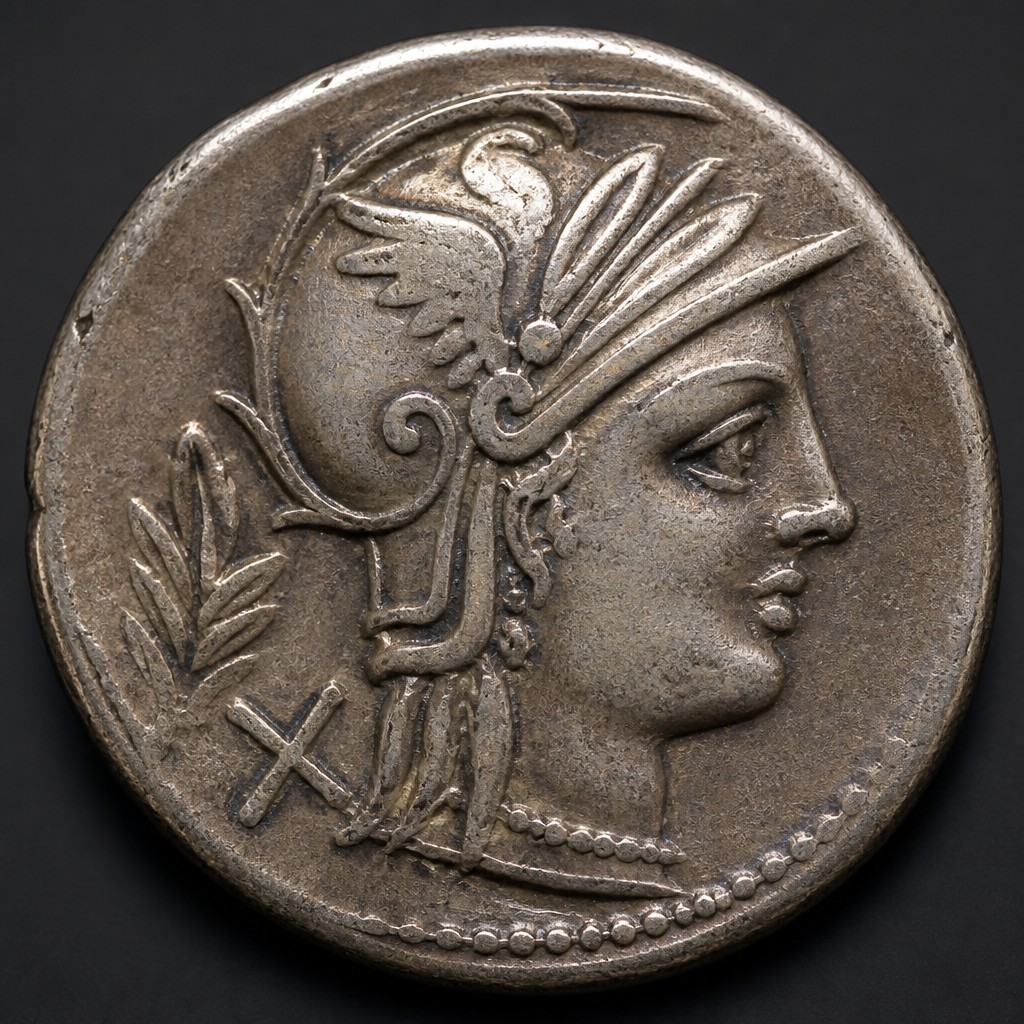
Republican Victoriatus
c. 211–170 BC
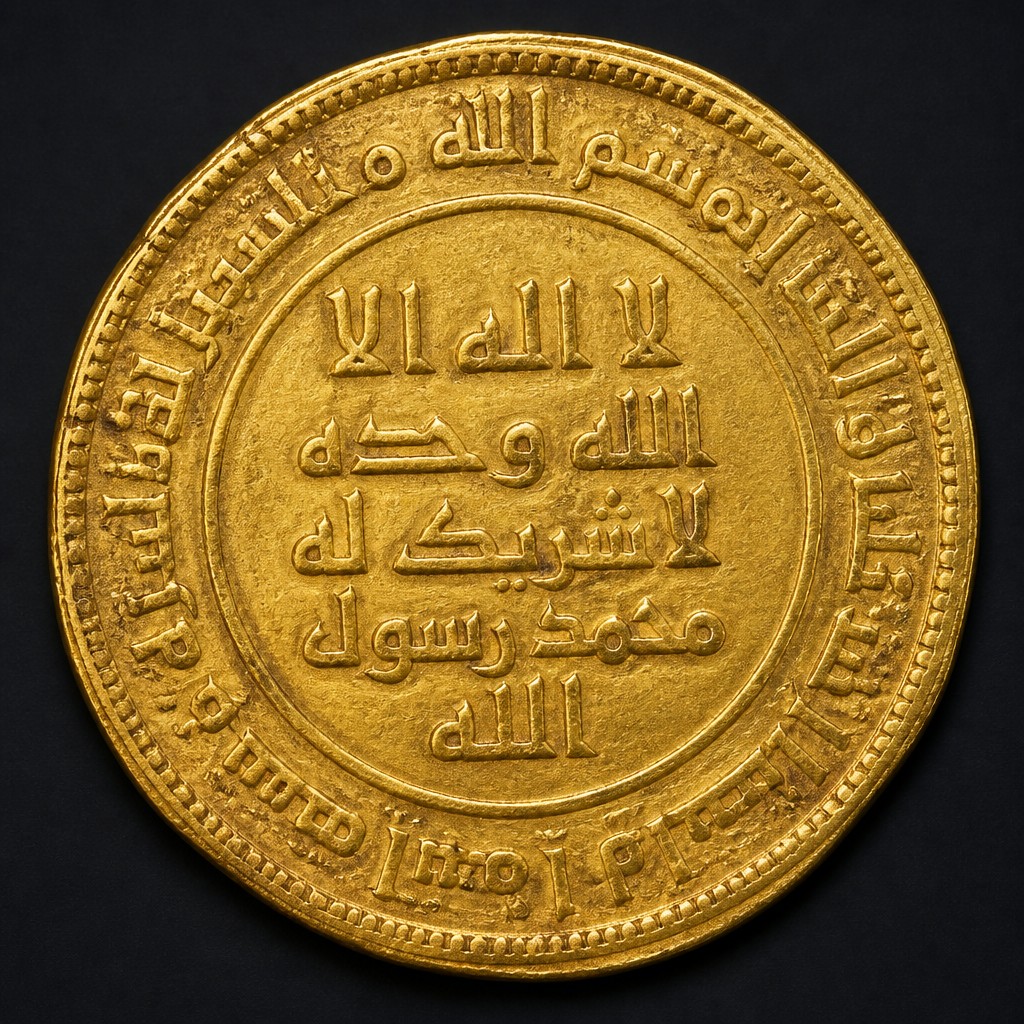
Islamic Gold Dinar (Umayyad)
c. 696–750 AD
Magnentius Double Centenionalis
350–353 AD
Chinese Wu Zhu Cash
118 BC – 618 AD
Valentinian I Solidus
364–375 AD
Sassanian Silver Drachm
c. 224–651 AD
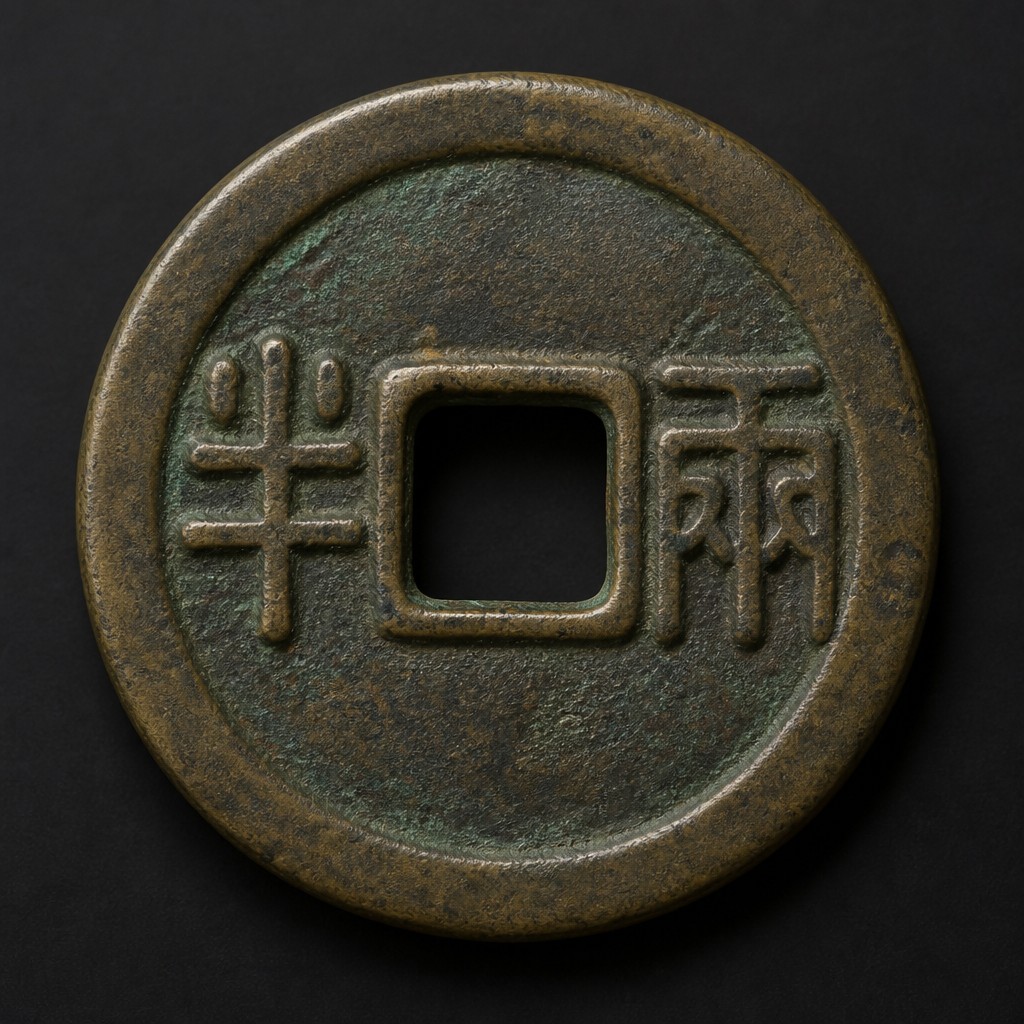
Chinese Ban Liang Cash
c. 221–118 BC
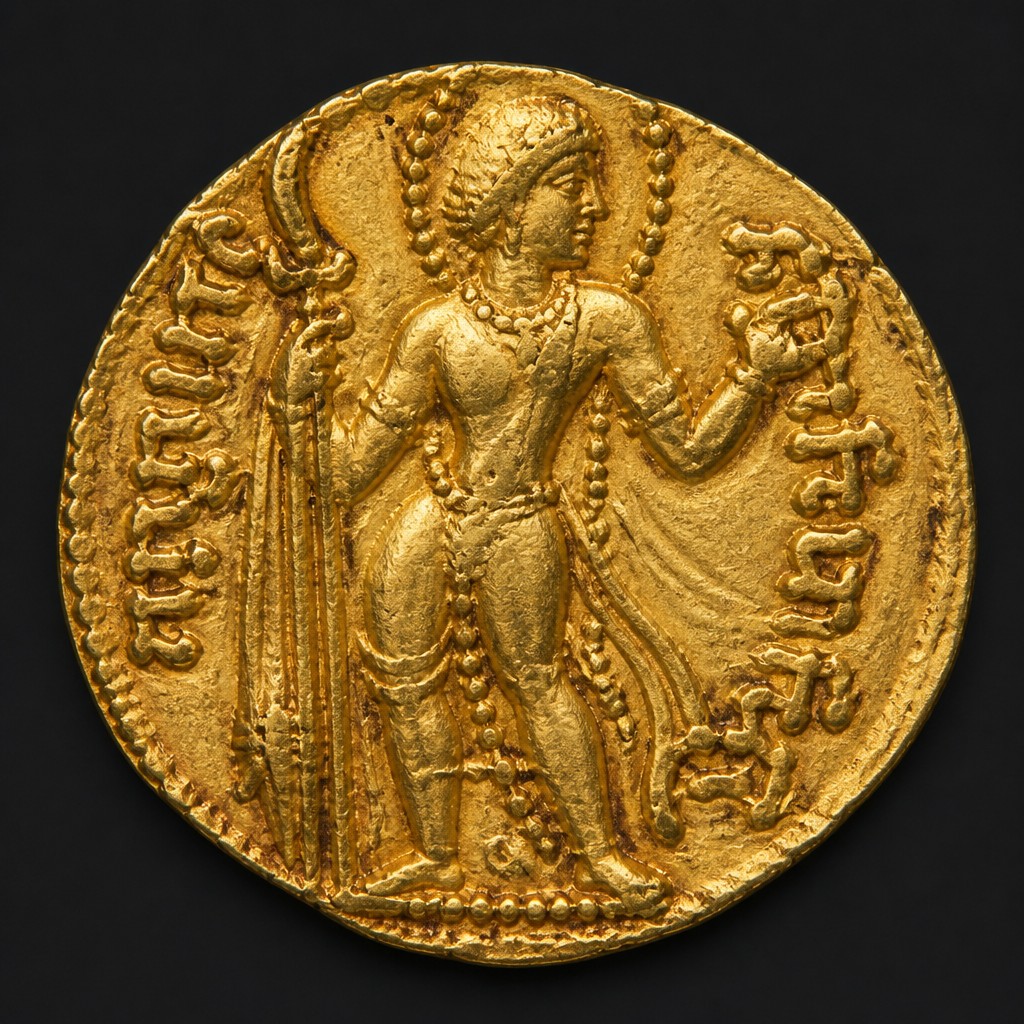
Gupta Empire Gold Dinar
c. 320–550 AD
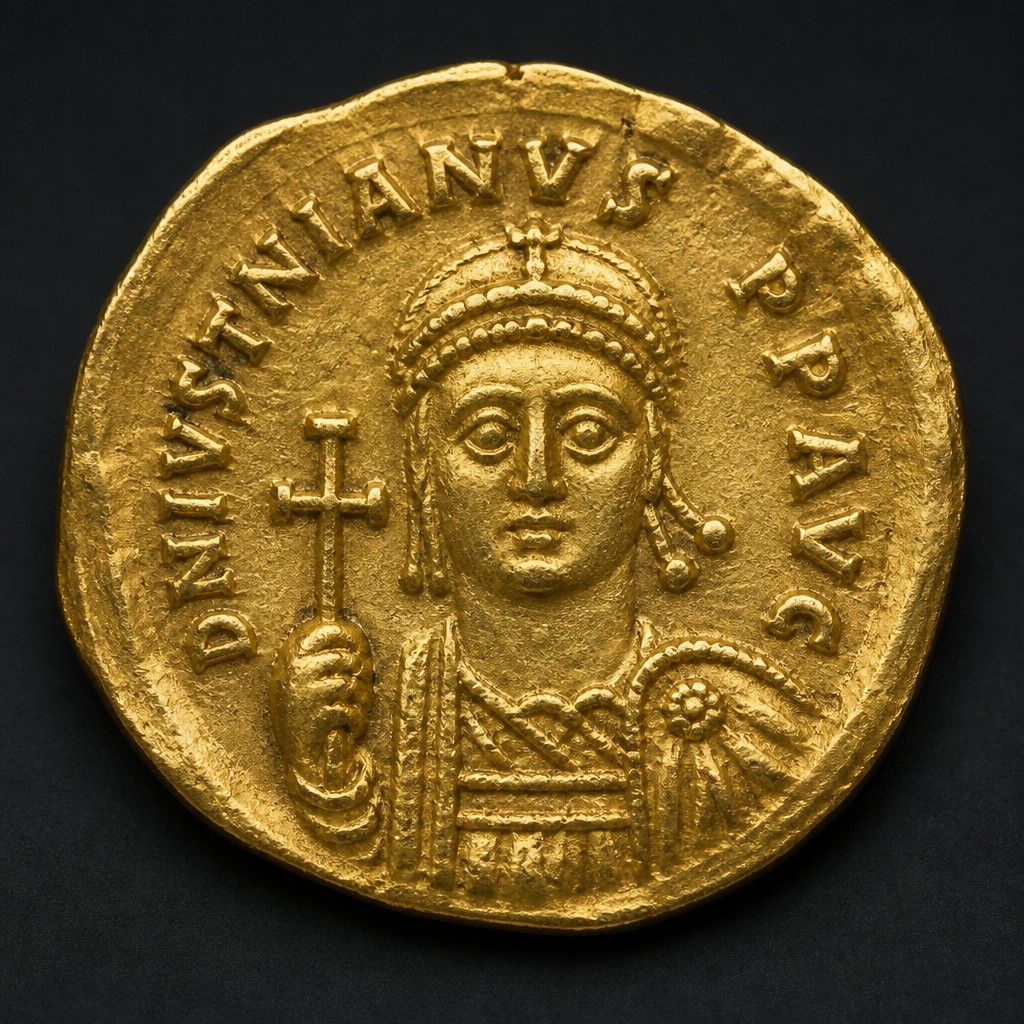
Byzantine Gold Tremissis
c. 4th–7th century AD
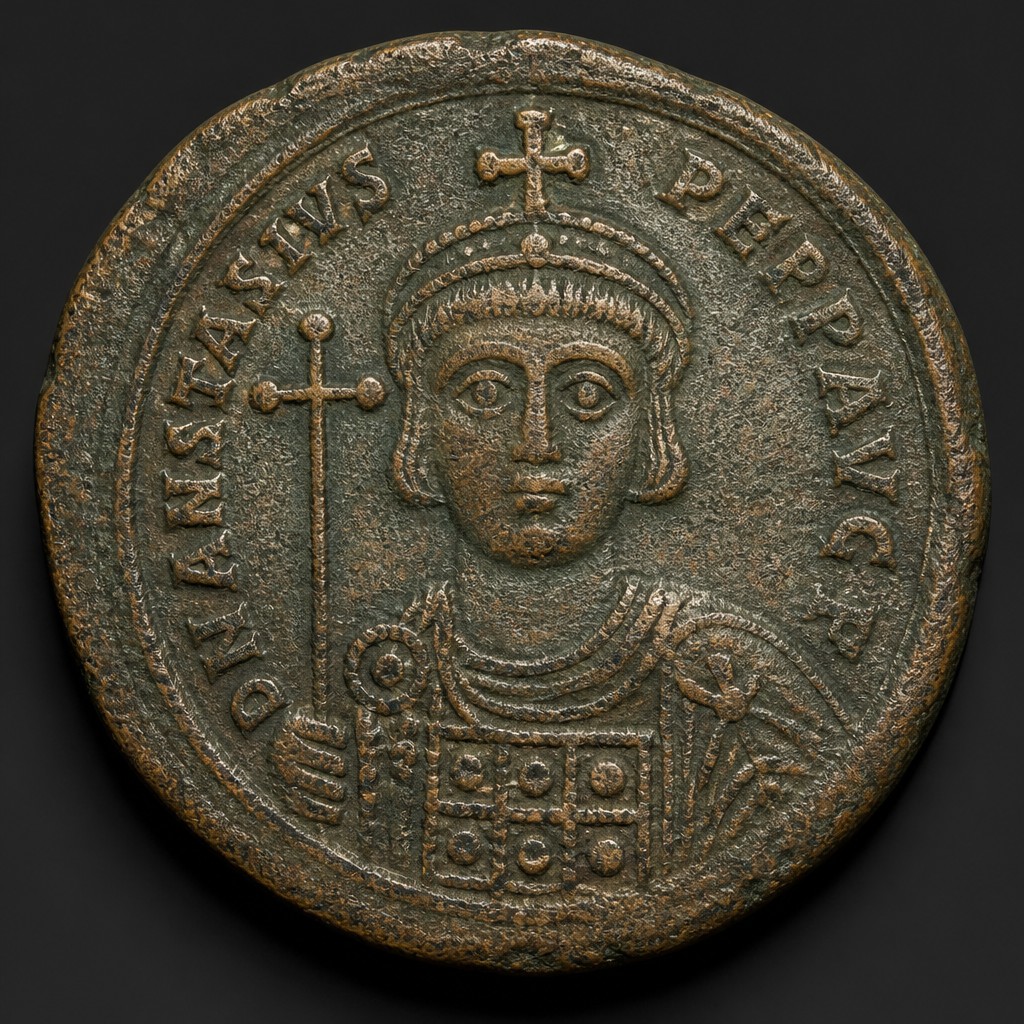
Byzantine Follis
498–c. 11th century AD
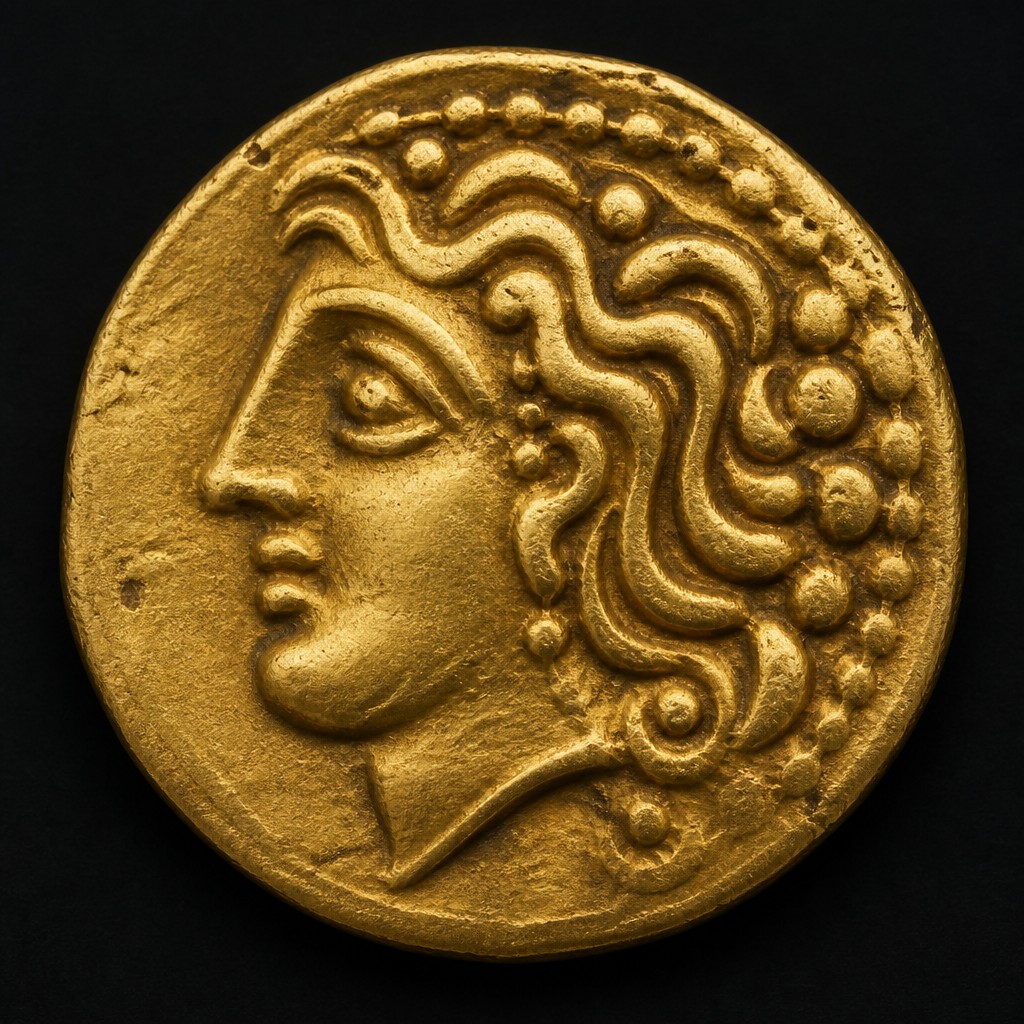
Celtic Gold Stater
c. 3rd century BC – 1st century AD