
Coin Encyclopedia
Search and identify coins from around the world — with country, denomination, metal, mint, history, and how to tell them apart.
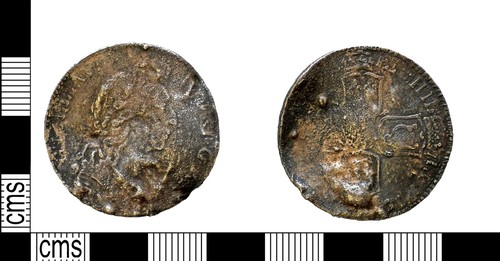
Ancient Roman Coin
An unattributed ancient bronze coin of the Roman Empire, showing a right-facing portrait head on the obverse and a figure or heraldic design on the reverse.
Ancient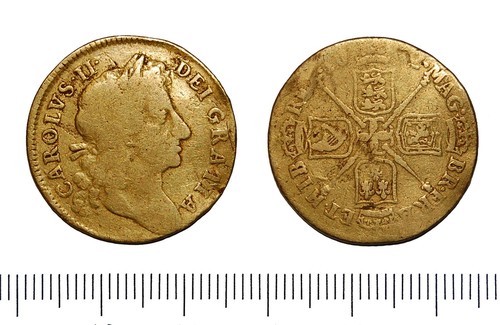
Gold Guinea
English gold coin of the Guinea denomination; the example shown bears the right-facing bust of Charles II with a crowned cruciform shield reverse dated 1668.
World Coins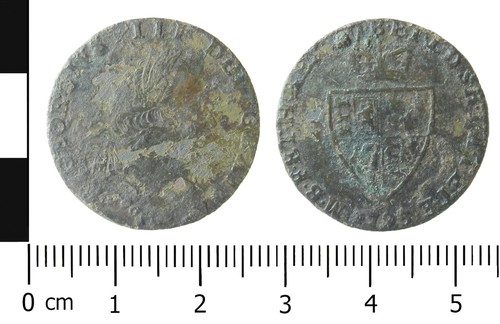
Counterfeit Guinea
A base-metal (copper or brass) imitation of a George III gold guinea, struck or cast to deceive, showing a right-facing bust and a heraldic shield reverse.
Counterfeit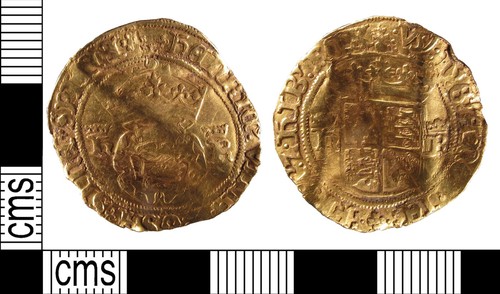
Gold Crown of Henry VIII (Third Coinage)
A hammered Tudor gold crown of five shillings struck during Henry VIII's Third Coinage, the debased issue that earned him the nickname "Old Coppernose."
Hammered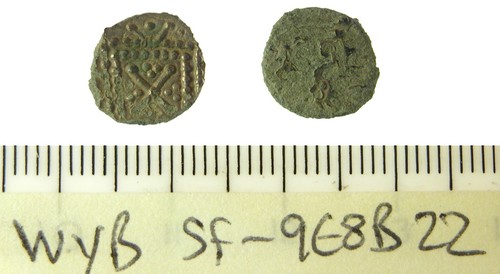
Anglo-Saxon Sceatta
Tiny thick silver coin of early Anglo-Saxon England, the example showing a stylized bird with geometric patterns and symbolic reverse designs.
Medieval Coins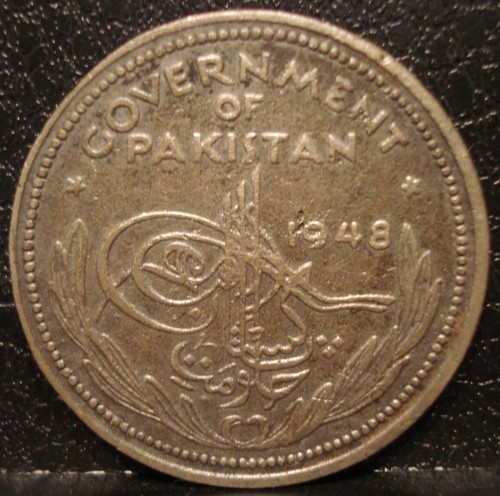
Pakistan One Rupee
An early coin of newly independent Pakistan, dated 1948, with the GOVERNMENT OF PAKISTAN legend framing an ornate Islamic geometric and floral design.
South Asia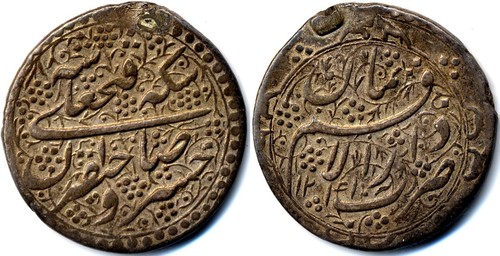
Qiran of Fath-Ali Shah Qajar
A hand-struck silver qiran of the Qajar shah Fath-Ali, carrying Persian calligraphy, a decorative border and crown motif, dated AH 1240–1241 (AD 1825–1826).
Persia / Iran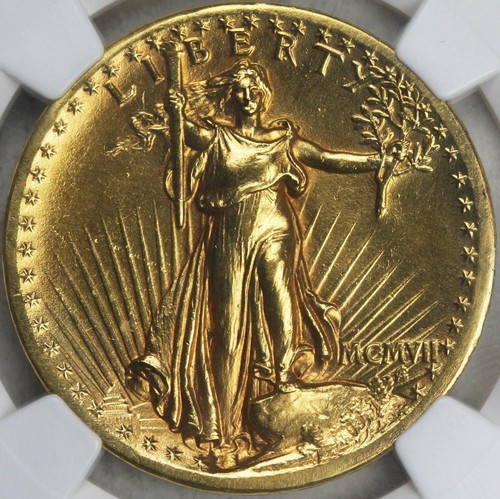
Saint-Gaudens Double Eagle
United States $20 gold coin (1907–1933) designed by Augustus Saint-Gaudens, showing a striding Liberty with torch and olive branch before a radiant sun.
Gold Type Coin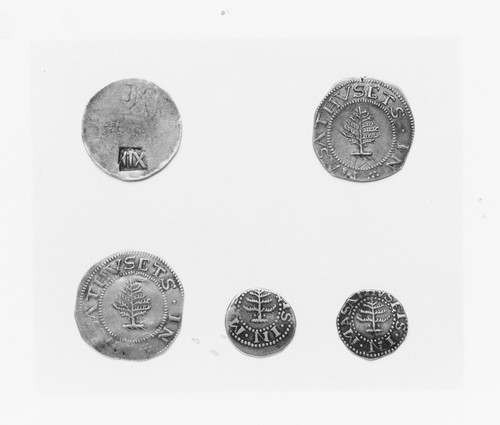
Scottish Shilling
A historical Scottish silver shilling featuring the thistle, Scotland's national emblem, in a heraldic design on one face and as a growing plant on the other.
World Coin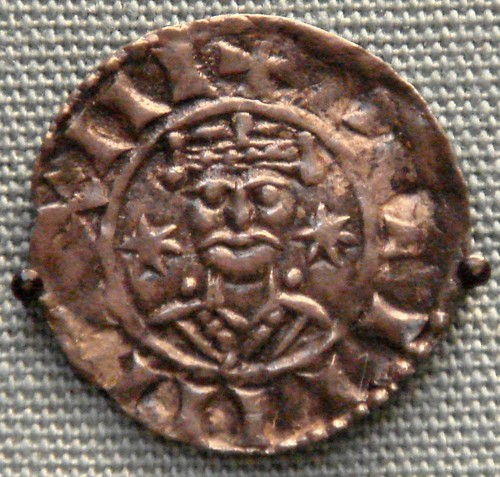
Penny of William I
Hammered silver penny of William the Conqueror, the example showing a profile portrait of the king and a decorated cross reverse, struck circa 1075.
Medieval Coins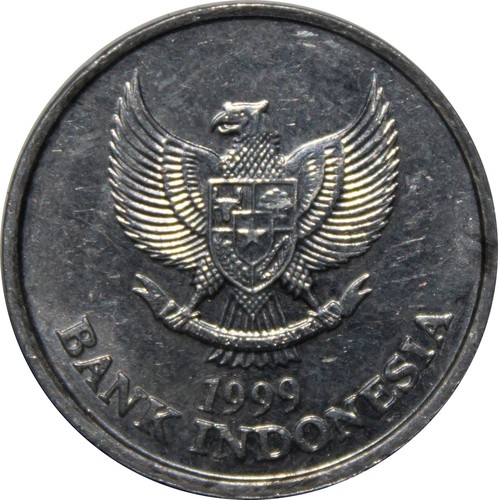
Indonesia 100 Rupiah
A modern lightweight aluminium 100 Rupiah of Indonesia, carrying the Garuda Pancasila national emblem, the BANK INDONESIA legend and the 100 denomination.
Southeast Asia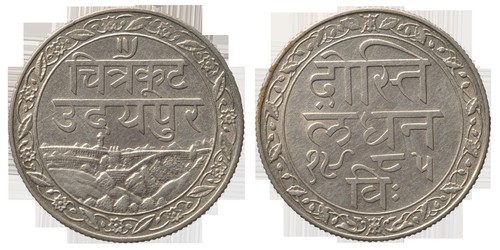
Mewar Chitrakut Half Rupee
A silver half rupee of the princely state of Mewar (Udaipur), dated VS 1985 (c. 1928), with Devanagari legends including the denomination अर्धरुपये.
Princely & Presidency States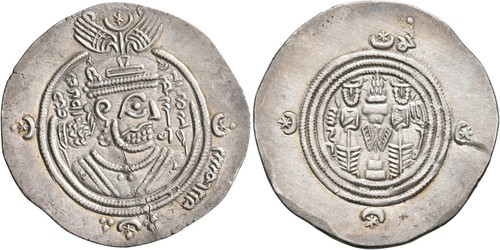
Dirham of Samura ibn Jundab
An Arab-Sassanian silver dirham struck in the name of the early governor Samura ibn Jundab, keeping the Persian Shah bust and fire-altar design with added Arabic.
Islamic (Medieval)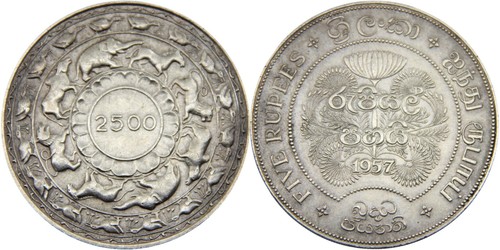
Ceylon 5 Rupees Buddhism Anniversary
Ceylon's 1957 silver five rupees marking 2,500 years of Buddhism, with an ornate 2500 device amid mythological creatures and a scrolled RUPEES reverse.
South Asia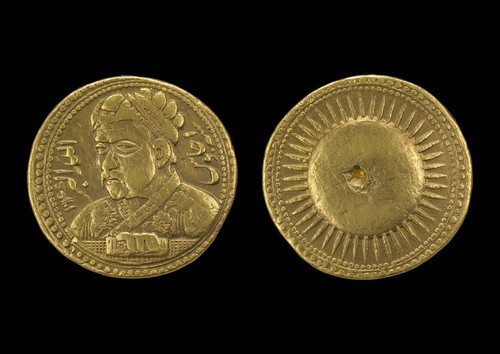
Unattributed Gold Coin
A gold-colored coin of uncertain origin: a portrait with East Asian calligraphy on one face and a radiating sunburst within a decorative border on the other.
Unknown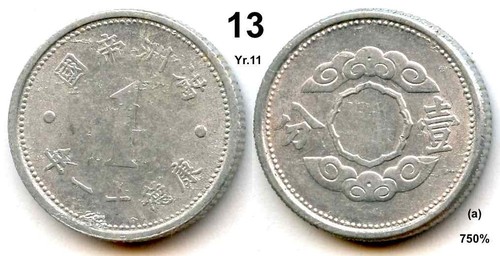
Manchukuo 1 Fen
A small bronze 1 fen from Manchukuo, dated 1944, with a large numeral 1 and Chinese inscriptions on one side and an ornamental circular design on the other.
Circulation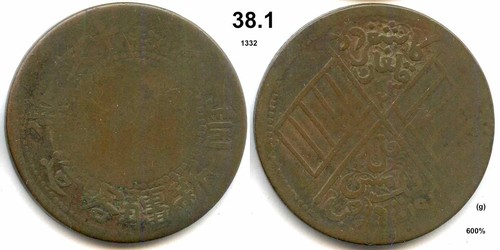
10 Cash (Republic)
A Republic of China bronze 10 Cash: a round machine-struck copper piece with a central ornament and characters on one face and a decorative inscribed reverse.
Cash Coin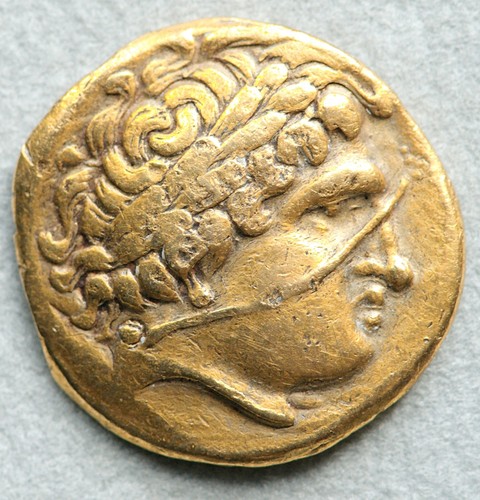
Gallic Imitation Stater
A gold stater struck by the tribes of Gaul, whose stylized head and single horse descend from Greek Macedonian prototypes reworked into abstract Celtic art.
Ancient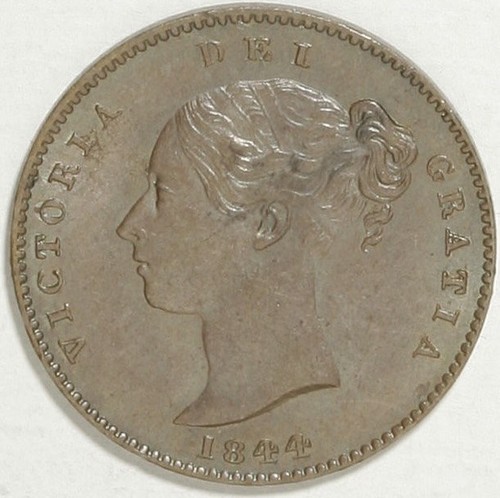
British Third Farthing
A tiny 1844 Victoria copper coin: young left-facing queen's bust obverse, crowned value reverse. One of Britain's smallest denominations, struck for Malta.
Circulation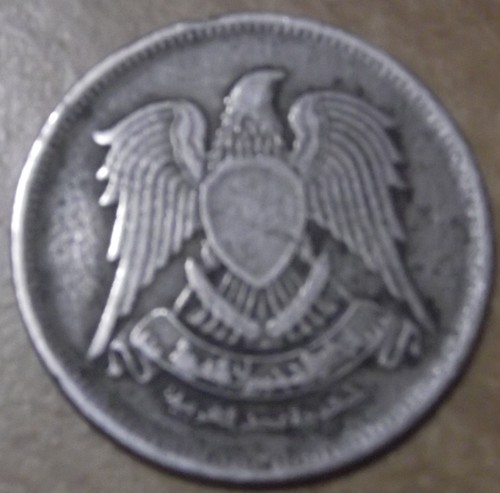
Egyptian 10 Piastres
A modern Egyptian 10 piastres in cupro-nickel, its face carrying Arabic script framed by geometric ornament and diamond-shaped decorative patterns.
World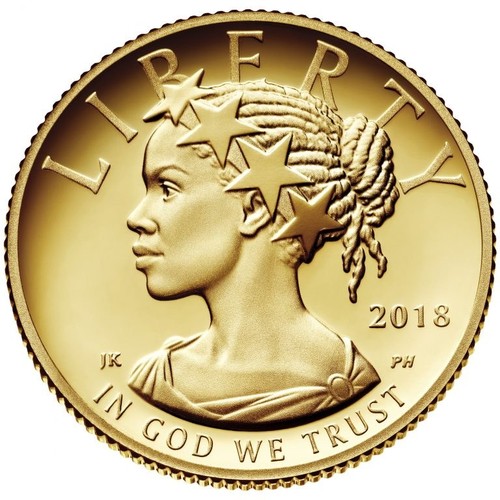
American Liberty High Relief Gold Coin
A modern one-ounce, .9999 fine gold $100 coin from the US Mint's American Liberty series, struck in dramatic high relief with a contemporary Liberty and eagle design.
Bullion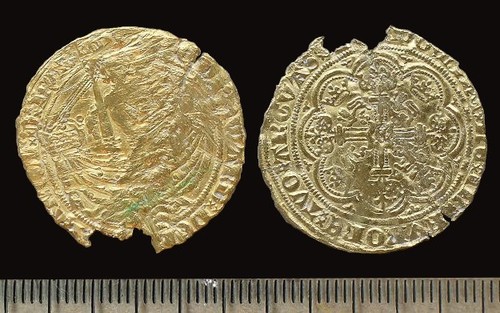
Edward III Half Noble
Medieval English gold coin worth half a noble, this example showing King Edward III crowned with heraldic devices and a shielded, ornamented reverse.
Medieval Coins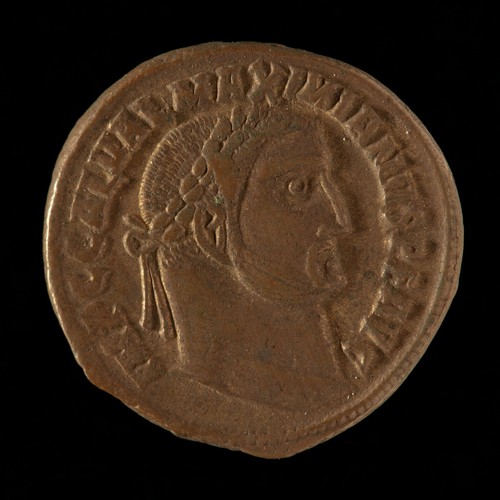
Follis of Galerius
A large silvered bronze follis of the emperor Galerius (Augustus AD 305-311), struck across the Tetrarchic mints with a laureate portrait and a standing deity reverse.
Ancient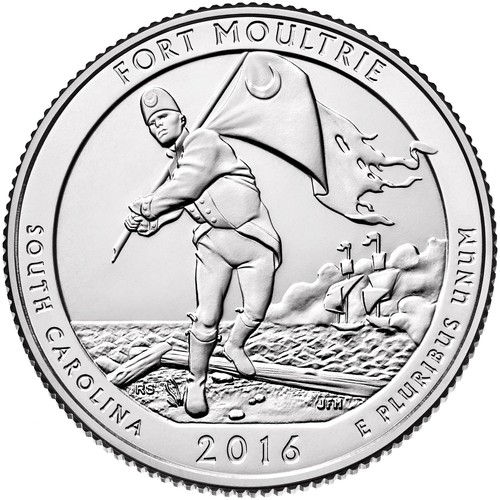
Fort Moultrie Quarter
2016 U.S. copper-nickel clad 25-cent piece, the final America the Beautiful quarter, showing a Continental soldier with a flag defending Fort Moultrie, South Carolina.
Quarter