Scottish Shilling
A historical Scottish silver shilling featuring the thistle, Scotland's national emblem, in a heraldic design on one face and as a growing plant on the other.
- Country
- Scotland
- Denomination
- 1 Shilling
- Metal
- Silver
Got a coin like this?
Identify any coin from a photo, free.
Overview
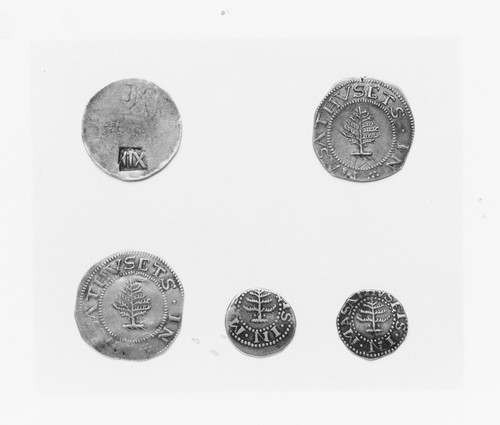
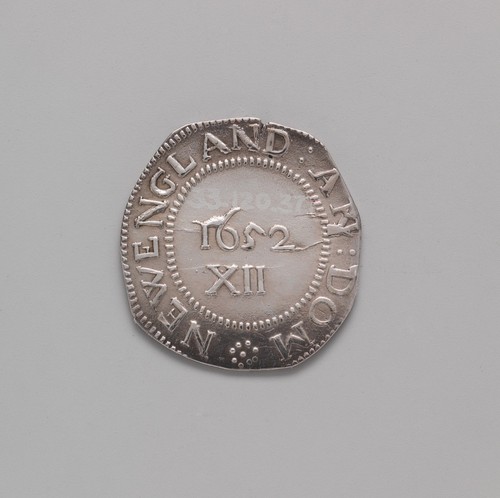
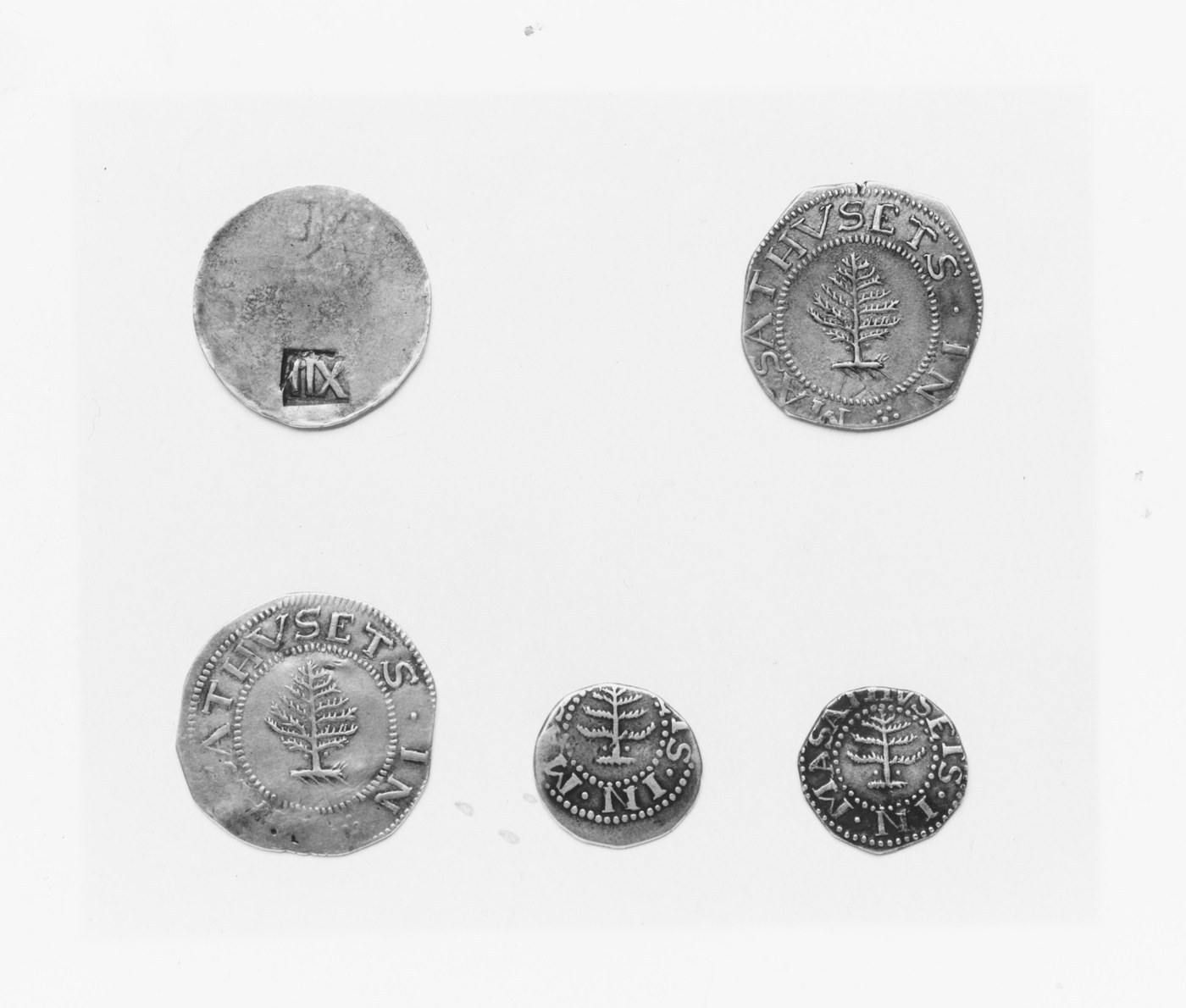
The Scottish Shilling is a historical silver one-shilling coin associated with Scotland and identified here by its strong use of the thistle, the national flower and long-standing emblem of Scotland. The example shown carries a heraldic thistle motif within a dotted (beaded) border on one face and a thistle plant accompanied by lettering on the other. The thistle is the single most consistent visual thread across Scottish coinage and heraldry, which is why it dominates both sides of this piece.
As a silver shilling, the coin sits at the small-denomination end of historical currency, valued at twelve pence in the pre-decimal system that Scotland shared with the wider British Isles. The precise date, monarch, and issue can vary considerably from coin to coin, so this entry describes the recurring thistle-based type rather than a single fixed year of issue.
History & Background
Scotland struck its own coinage for centuries as an independent kingdom before the 1707 Union with England, and shillings and related silver denominations circulated widely during that era. The thistle became firmly linked to Scottish identity and royal symbolism, appearing on coins, seals, and the Order of the Thistle, so it is unsurprising to find it used prominently on a Scottish shilling.
After the political union of the crowns and later the parliaments, "Scottish" designs continued to appear on British coinage, and the thistle remained a favored device for representing Scotland within the United Kingdom. Because thistle-decorated shillings span more than one period and more than one authority, the exact historical placement of any given coin depends on its inscriptions, portrait or arms, and date — details that should be read directly from the piece in hand rather than assumed.
How to Identify
Look first for the thistle, which appears on both faces of this coin. One side shows a heraldic thistle — a stylized, formal rendering — set inside a ring of small raised dots known as a beaded or dotted border. The other side shows a thistle as a growing plant, with leaves and flower head, surrounded or accompanied by lettering. Reading that lettering is the key to pinning down the issuing authority and date.
The coin is silver, consistent with a historical shilling, and would typically be a small, thin disc struck by hand or by early machinery, so slight irregularities in shape, centering, and strike are normal for older pieces. Any legends, initials, dates, or coats of arms present are the most reliable identifiers; note them carefully and compare against catalog references for Scottish and British shillings before assigning a specific reign or year.
Value & Collectibility
Value for a Scottish shilling depends heavily on the exact issue, its age, its silver content, and its condition, and it can range from a modest collector price for common or worn pieces to substantial sums for scarce dates, early hand-struck coins, or well-preserved examples. Because this type is described by design rather than by a single year, no single price applies.
Surface wear, clear legends, full thistle detail, and originality all raise desirability, while cleaning, damage, or heavy wear reduce it. For a meaningful valuation, identify the precise issue from the coin's inscriptions and have any potentially scarce or high-grade example examined by a reputable dealer or third-party grading service, as authentication matters for older silver coins.
Frequently asked questions
Why does this shilling have thistles on both sides?
The thistle is Scotland's national emblem, so it is a natural and recurring device on Scottish coinage. On this coin it appears once as a formal heraldic thistle inside a dotted border and once as a growing thistle plant with lettering.
What is a shilling worth in old money?
In the pre-decimal British system a shilling equaled twelve pence, with twenty shillings to the pound. As a coin, its collector value today depends on the specific issue, its silver content, and its condition, not on that old face value.
Is a Scottish shilling made of real silver?
Historical Scottish shillings were struck in silver, though the fineness varied by period. The exact silver content of any single coin depends on when and under whose authority it was made.
How can I tell exactly which Scottish shilling I have?
Read the inscriptions, any date, and any arms or portrait on the coin, then compare them to catalog references for Scottish and British shillings. The thistle identifies the theme, but the lettering identifies the specific issue.
Did Scotland have its own coins?
Yes. As an independent kingdom before the 1707 Union, Scotland minted its own coinage, including silver shillings. Scottish designs such as the thistle also continued on later British coins.
Scottish Shilling guides
In-depth guides for identifying, valuing, and collecting Scottish Shilling.