
How to Identify the Scottish Shilling
How to read the thistle designs, silver look, and inscriptions on a Scottish shilling, and how to separate it from other thistle-bearing coins.
Read the full Scottish Shilling encyclopedia entry →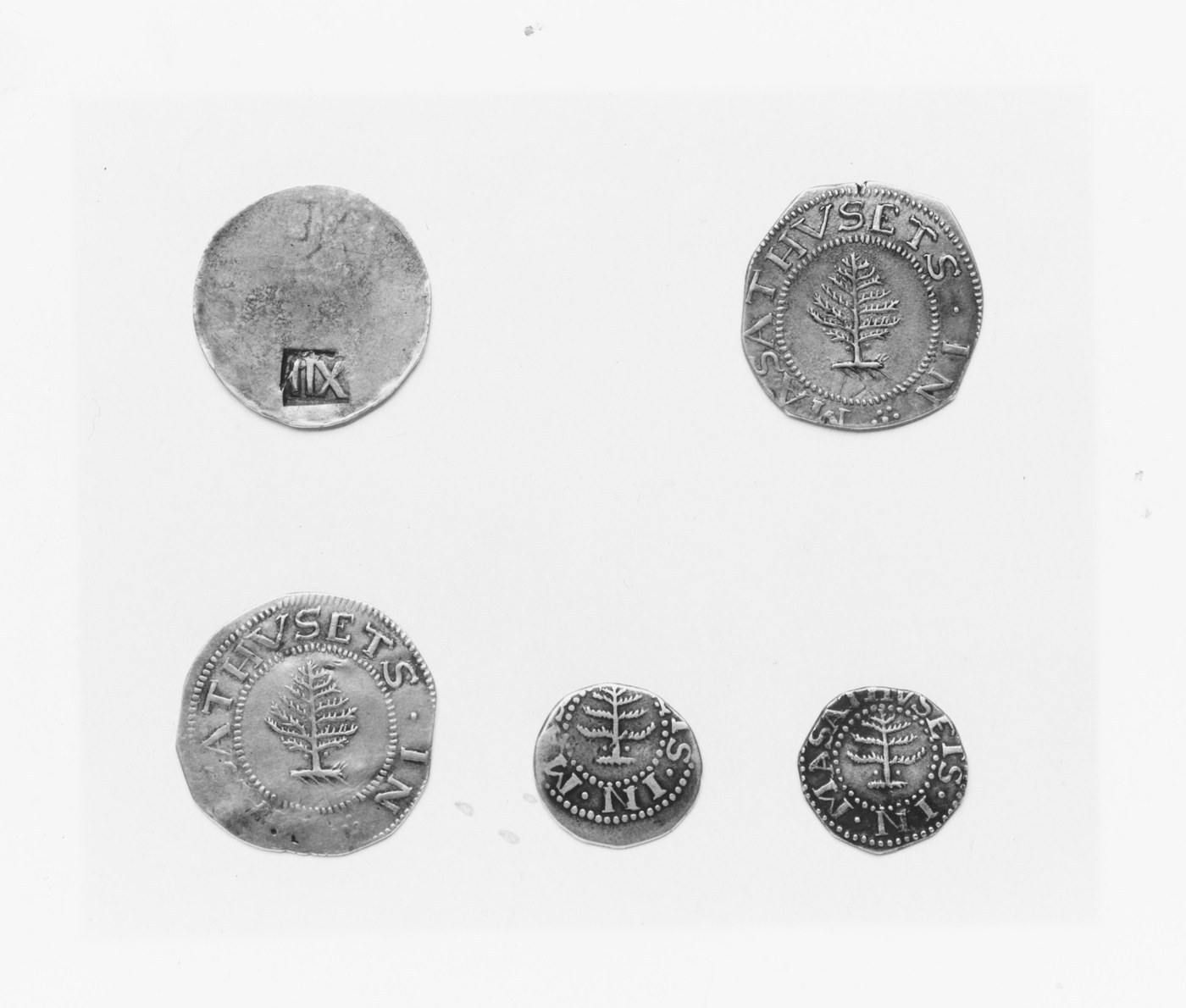
Confirm the Thistle on Both Faces
Start with the defining feature: the thistle. On one face you should see a heraldic thistle — a formal, symmetrical rendering — enclosed by a ring of small raised beads called a dotted or beaded border. On the other face the thistle appears as a natural growing plant, with a leafy stem and flower head, set among lettering. Confirming a thistle on both sides is the first step in placing the coin within the Scottish series rather than a generic silver piece.
Read the Lettering Carefully
The inscriptions are what actually identify the coin. Look for any legends around the rim, initials, a date, or a coat of arms, and record exactly what you see, including partial or worn letters. On a thistle-plant reverse the surrounding text often names the authority or denomination. Because thistle designs recur across different Scottish and British issues, the legend — not the flower — tells you the specific issue, reign, and period.
Check Size, Metal, and Strike
Expect a small, thin silver disc consistent with a historical shilling. Silver typically shows a soft gray tone and may carry age-related toning. Older hand-struck or early machine-struck coins commonly have slightly irregular edges, off-center devices, or uneven relief, so minor imperfections are normal and not automatically a sign of a fake. Weigh and measure the coin and compare against catalog specifications for the issue you suspect.
Rule Out Look-Alikes
The thistle appears on many coins connected to Scotland, so take care not to confuse a shilling with other thistle-bearing denominations or with later British coins that also use Scottish emblems. Denomination wording, diameter, and the overall design layout help separate a shilling from a sixpence, a florin, or a larger coin. Where a portrait or arms is present, match it to the correct ruler before concluding.
Authenticate Before You Trust a Date
Because older silver coins are sometimes cleaned, altered, or reproduced, treat any potentially scarce or high-grade example with caution. Do not clean the coin, as this lowers collector value. Instead, examine it under good light and magnification, note every legible detail, and for anything that looks rare or valuable, seek confirmation from a reputable dealer or third-party grading service before relying on an attributed date.
Frequently asked questions
Is the thistle alone enough to identify a Scottish shilling?
No. The thistle confirms the Scottish theme, but you also need the coin's inscriptions, denomination wording, and any date or arms to pin down the specific issue. Many coins use the thistle as a device.
What does the dotted border around the thistle mean?
It is a beaded or dotted border, a common decorative ring of small raised dots used to frame the central design. It is a normal styling element rather than a mark of a specific date.
Should I clean my Scottish shilling to read it better?
No. Cleaning scratches and dulls silver and reduces collector value. Examine the coin under strong light and magnification instead, and leave any conservation to professionals.
How do I tell a shilling from another thistle coin?
Compare diameter, weight, and any denomination wording against catalog references. A shilling differs in size and legend from a sixpence, florin, or larger silver coin that may share the thistle motif.