
Coin Encyclopedia
Search and identify coins from around the world — with country, denomination, metal, mint, history, and how to tell them apart.
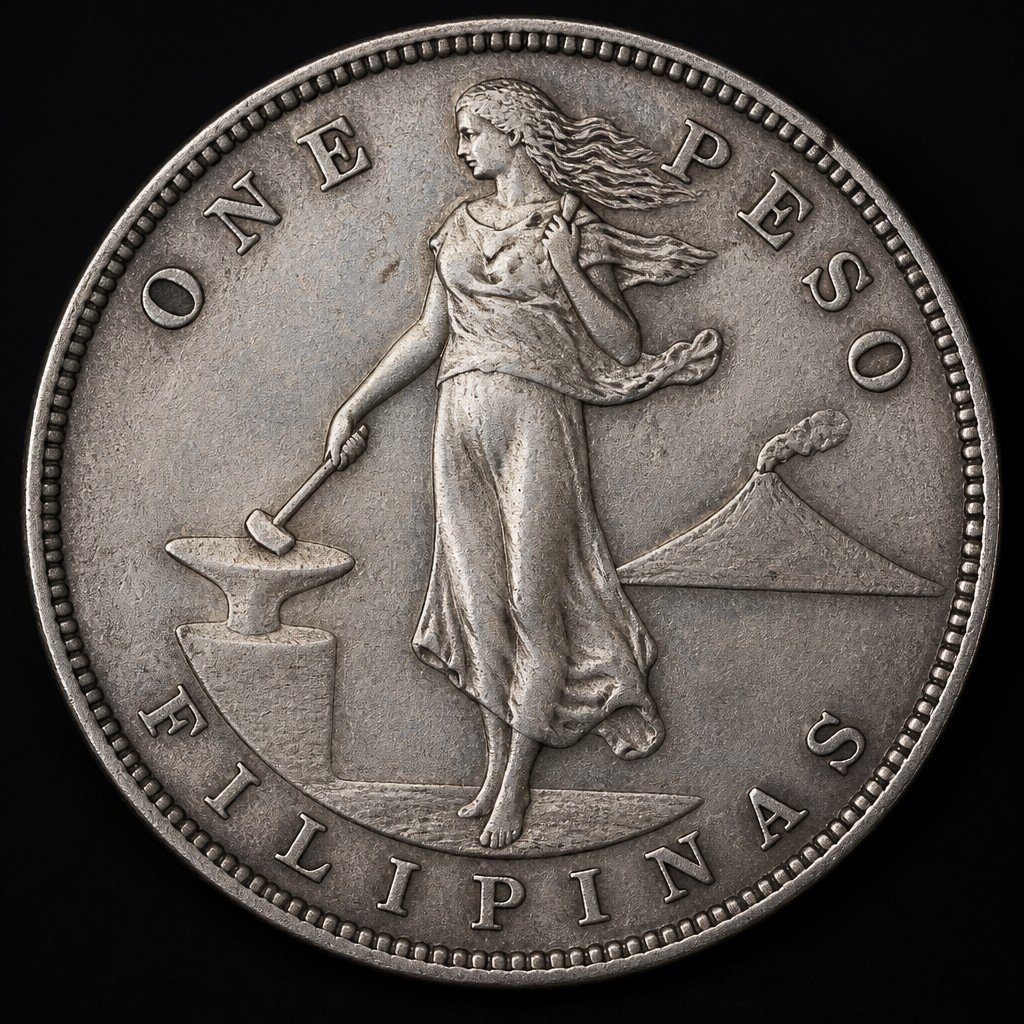
Philippine Peso (US Administration, 1903)
Silver one-peso coin struck for the Philippines under early American colonial administration, part of a new US-designed coinage system introduced in 1903.
Asian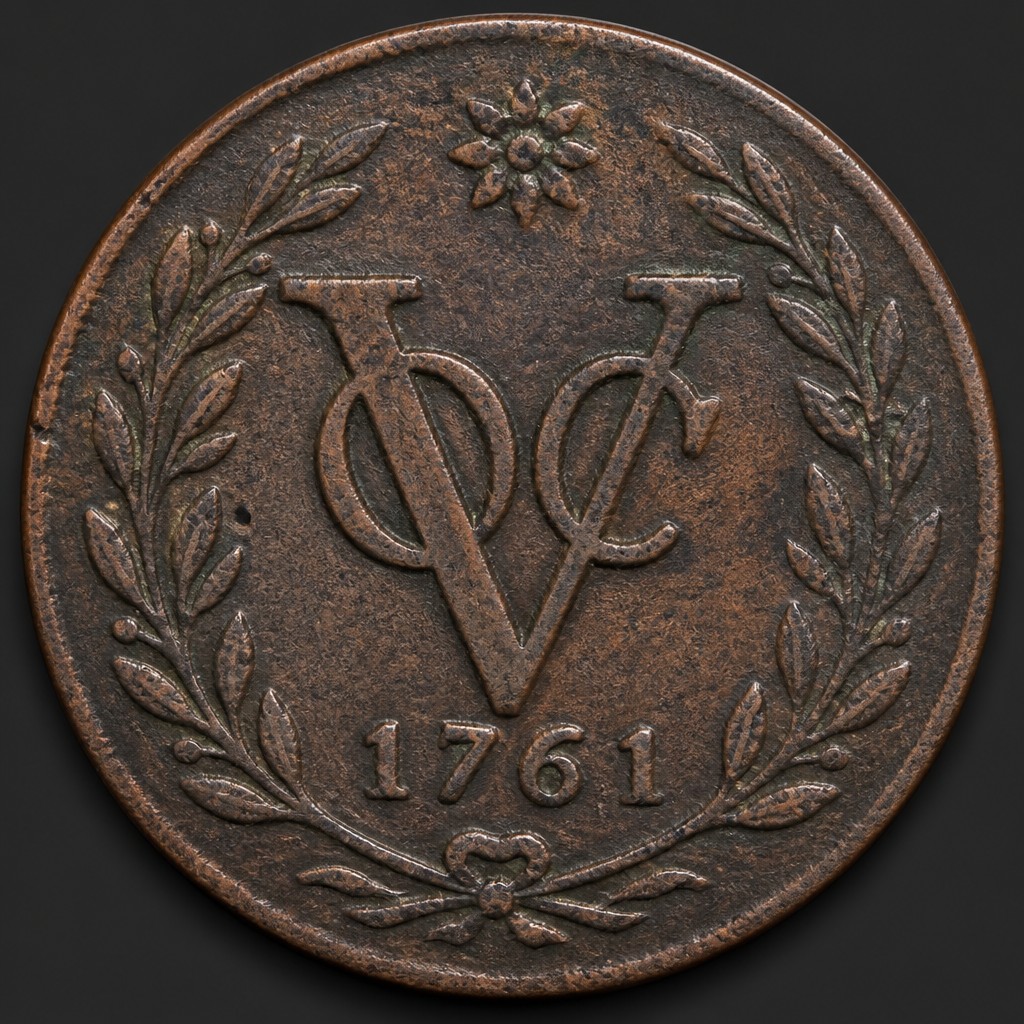
Netherlands East Indies VOC Duit
Copper coin struck by the Dutch East India Company (VOC) for circulation in its Asian trading territories, a common relic of 18th-century colonial commerce.
Asian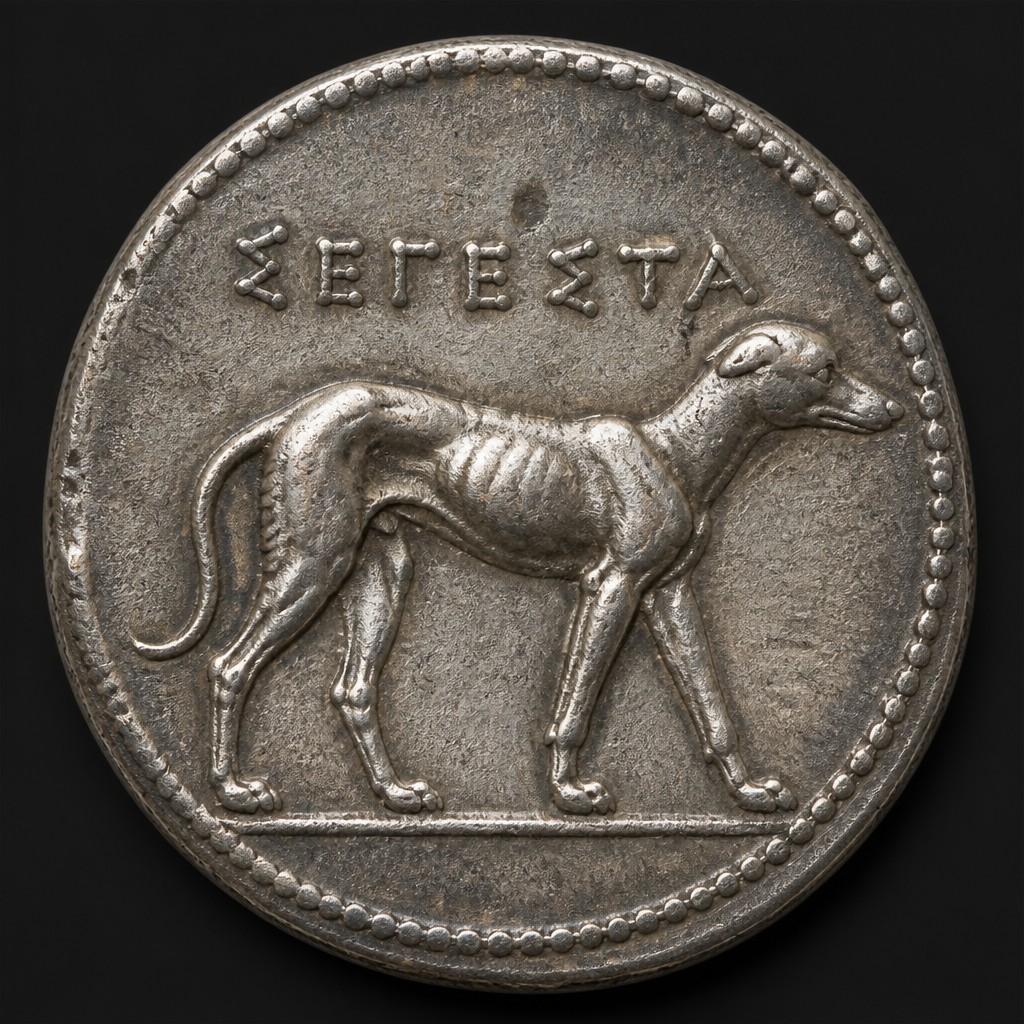
Segesta Hound Tetradrachm
Silver coin of Segesta in western Sicily, an Elymian city whose coinage features a hunting hound, linked to local legend of the river god Krimisos.
Ancient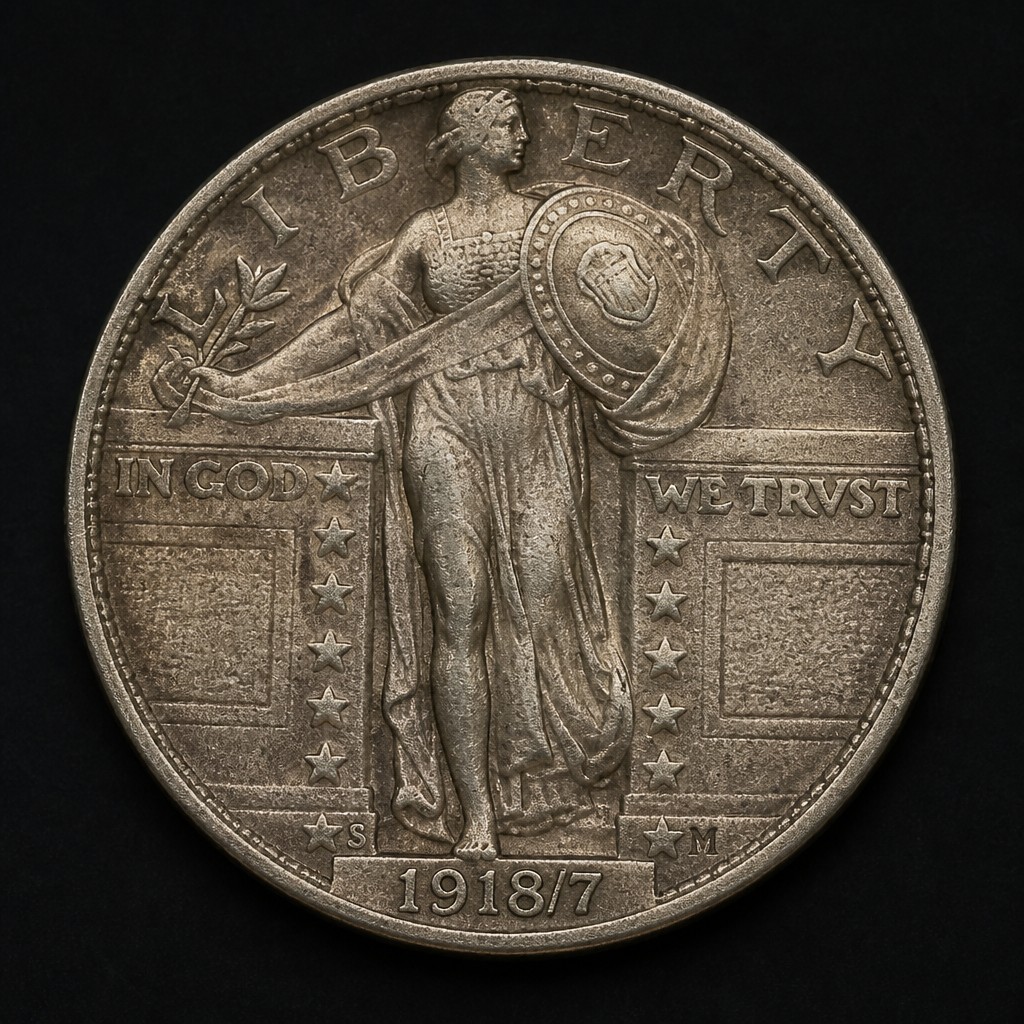
1918/7-S Standing Liberty Quarter Overdate
One of the most famous overdate varieties in U.S. coinage, where a leftover 1917 die was re-punched with an 1918 date, leaving remnants of the 7 visible beneath the 8.
Errors & Varieties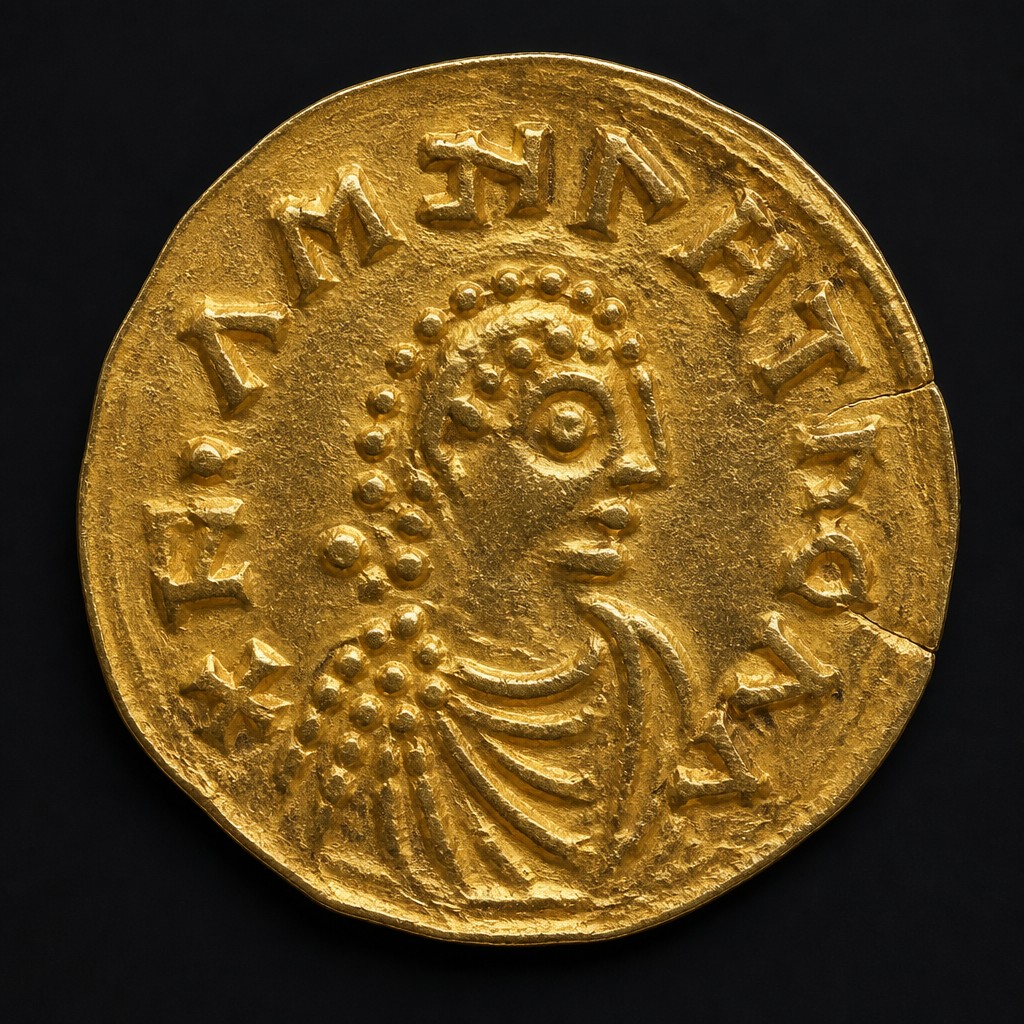
Merovingian Gold Tremissis
A small gold coin of the Merovingian Frankish kingdom, worth one-third of a solidus, often naming the local moneyer who struck it rather than the reigning king.
European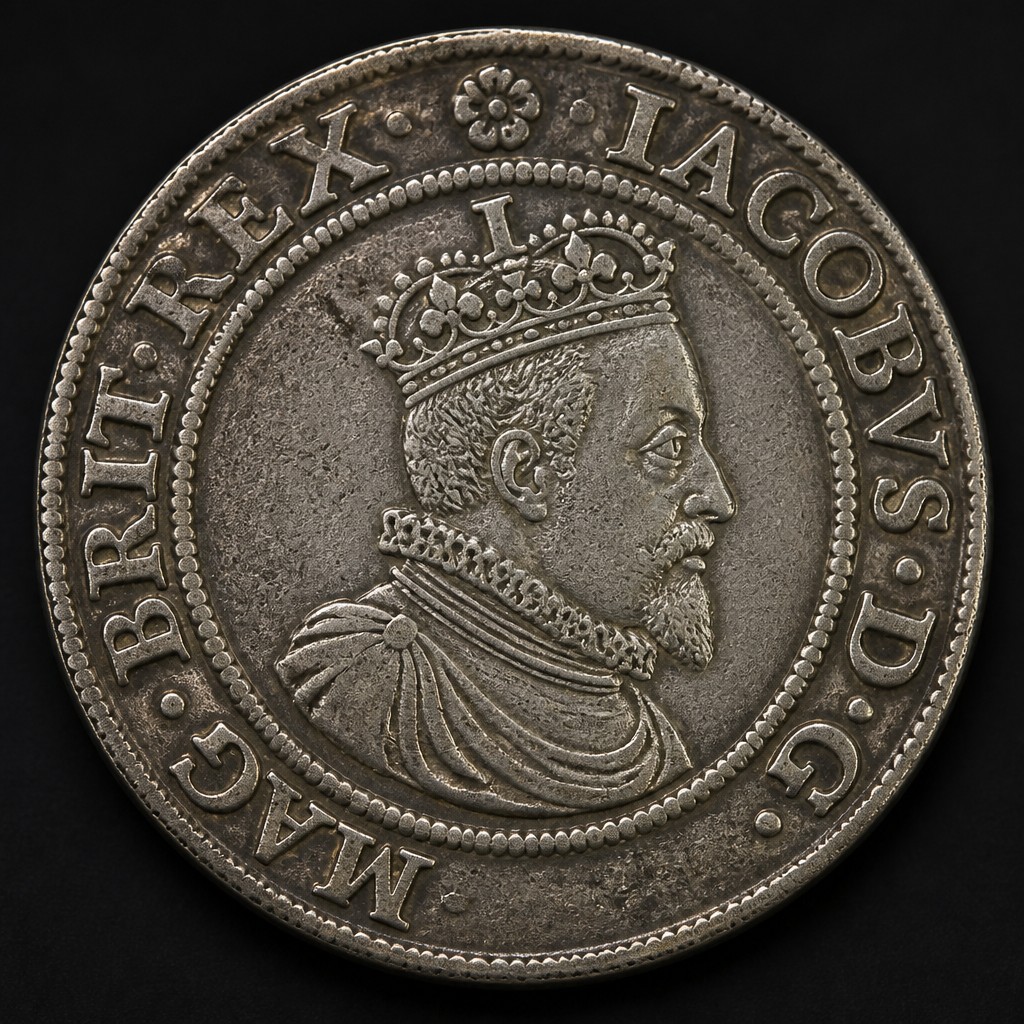
Ryal
A large Scottish silver coin issued under Mary, Queen of Scots and Henry Stewart, Lord Darnley, nicknamed the 'sword dollar' for the crowned sword on its reverse.
British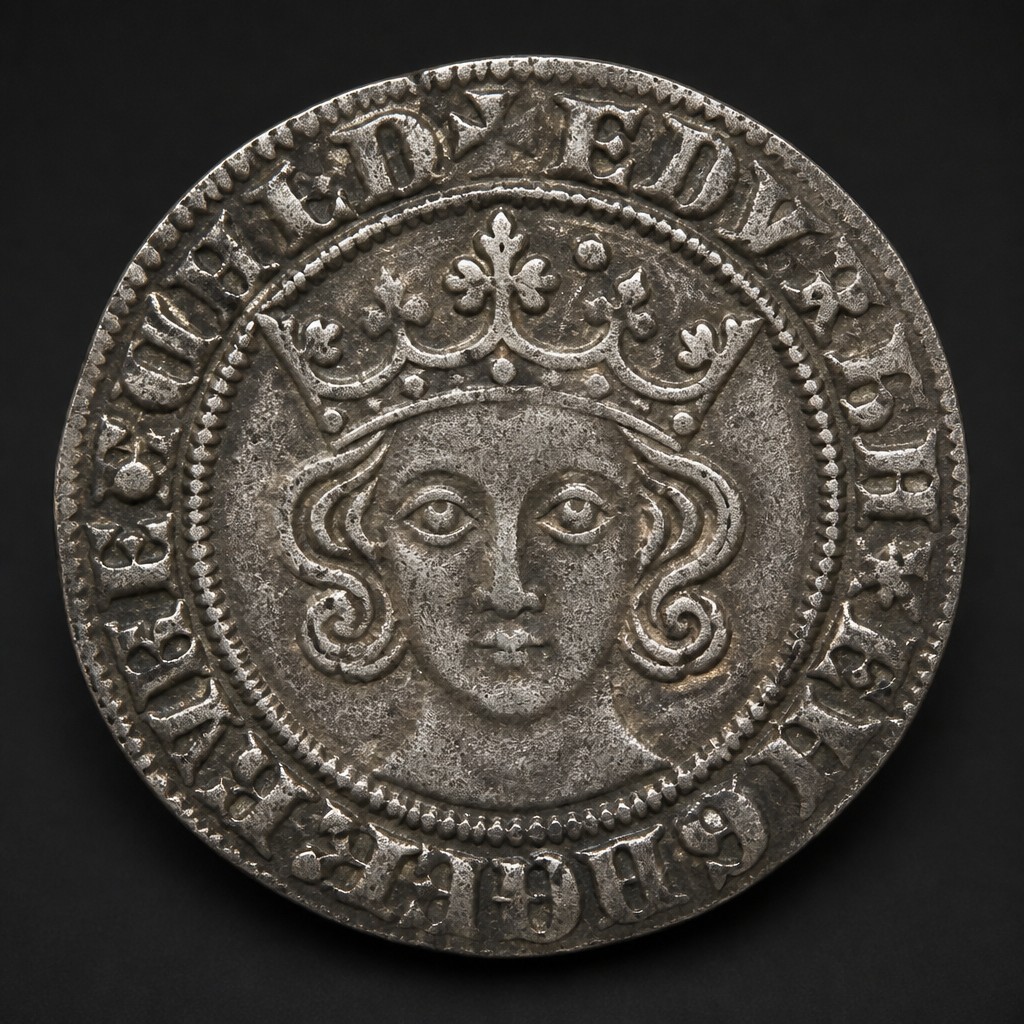
Half Groat
A small hammered silver coin worth half the value of the groat, or two pence, struck across three centuries of English coinage from the reign of Edward III through the Stuart era.
British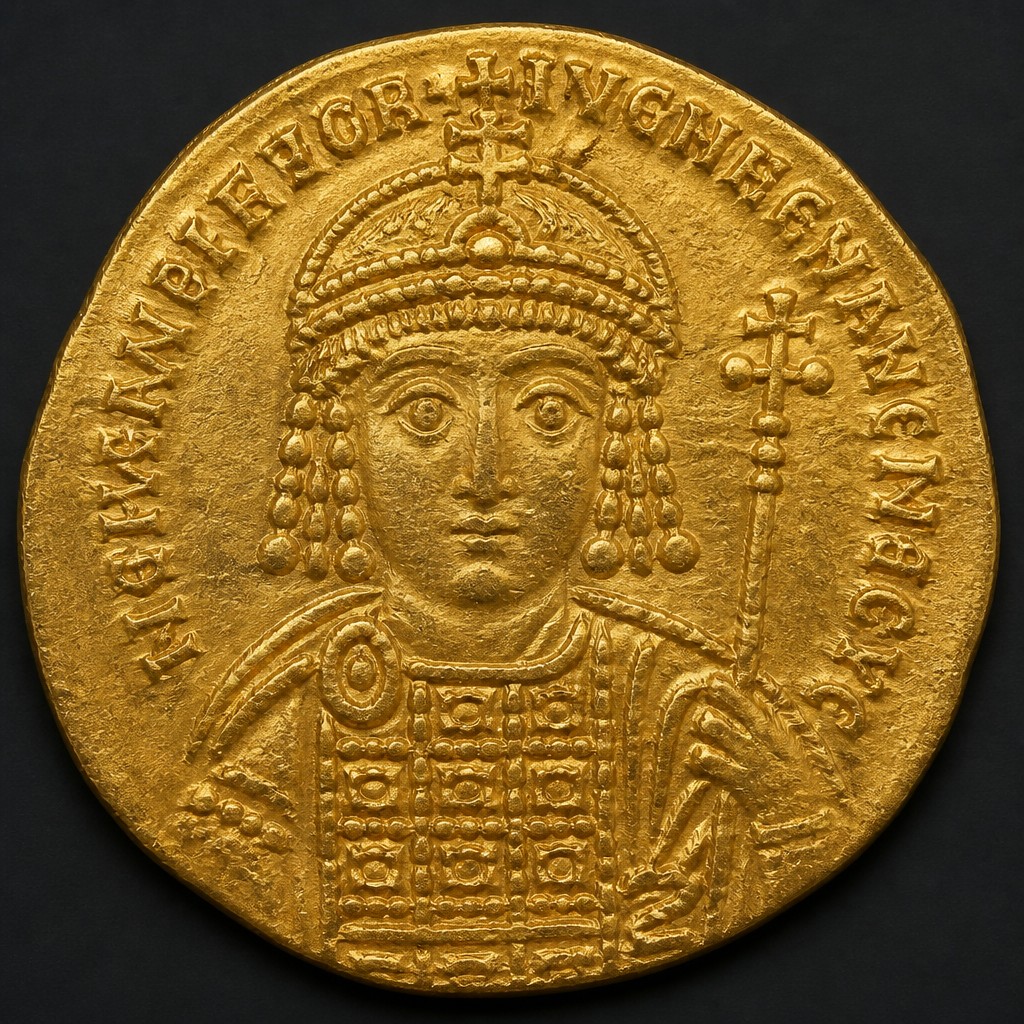
Byzantine Gold Solidus
The gold standard coin of the Byzantine Empire for over 700 years, prized in medieval trade as far away as India and Scandinavia under the nickname "bezant."
Ancient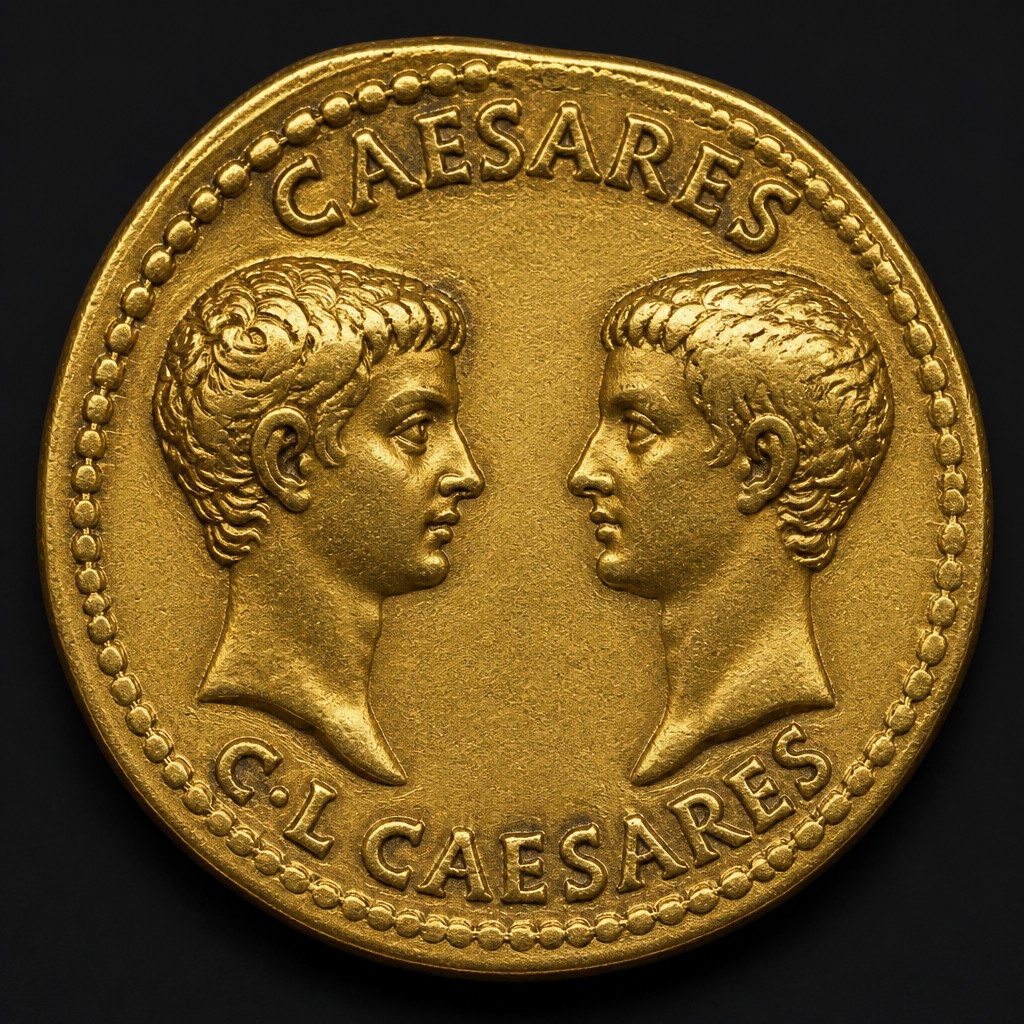
Augustus Aureus Gaius and Lucius Caesar
One of the most common ancient gold coins, an Augustus aureus honoring his grandsons and intended heirs Gaius and Lucius Caesar, both of whom died young.
Ancient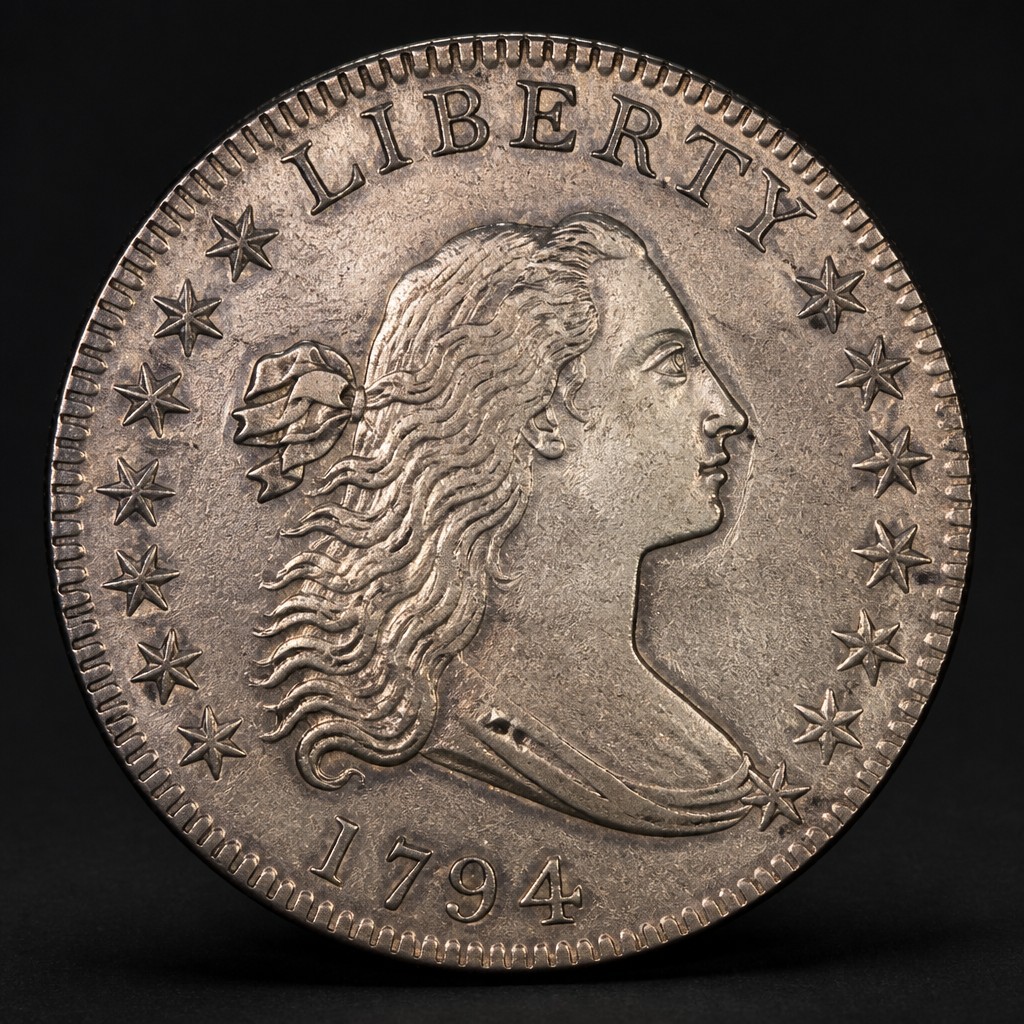
Flowing Hair Half Dime
One of the earliest United States silver coins, the Flowing Hair Half Dime was struck only in 1794 and 1795 and is a landmark rarity for early American coinage collectors.
United States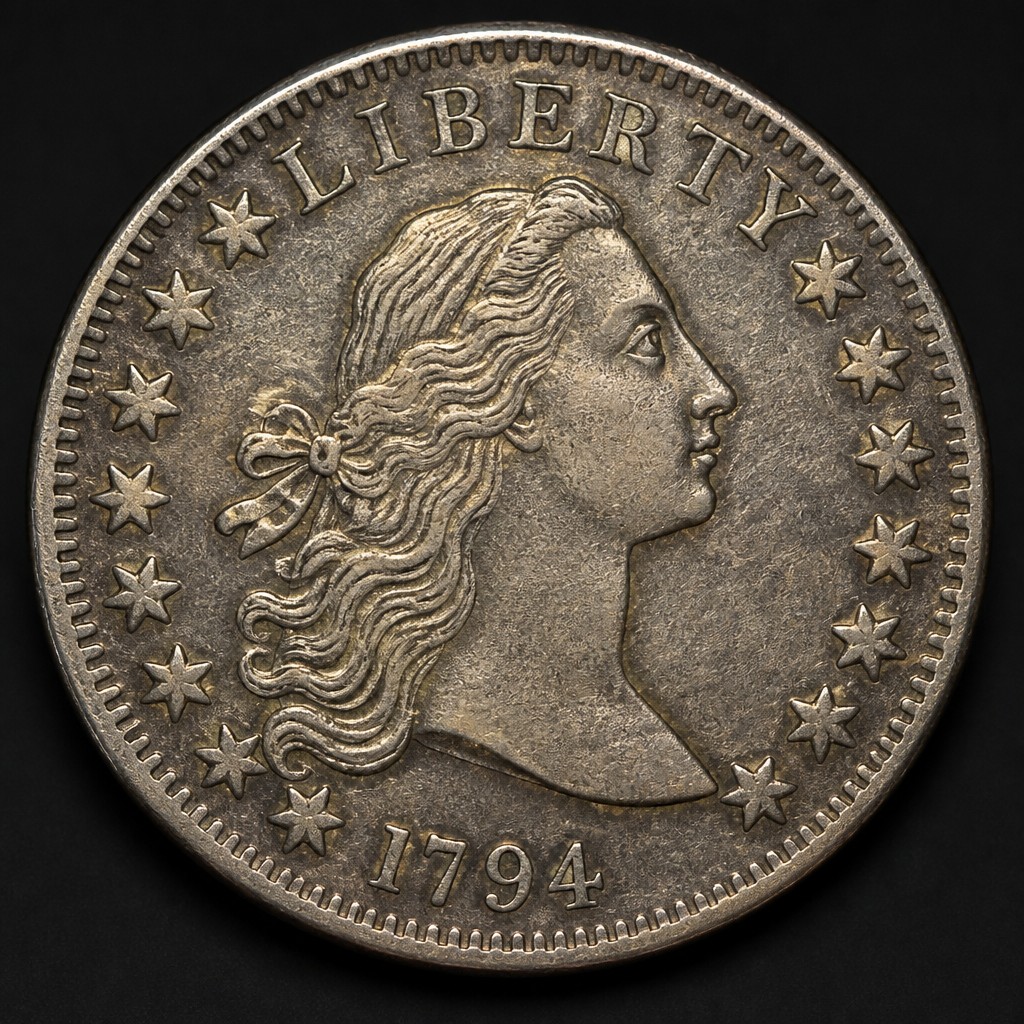
1794 Flowing Hair Half Dime
One of the very first silver coins struck for circulation by the United States Mint, bearing the Flowing Hair Liberty design and a small eagle reverse.
United States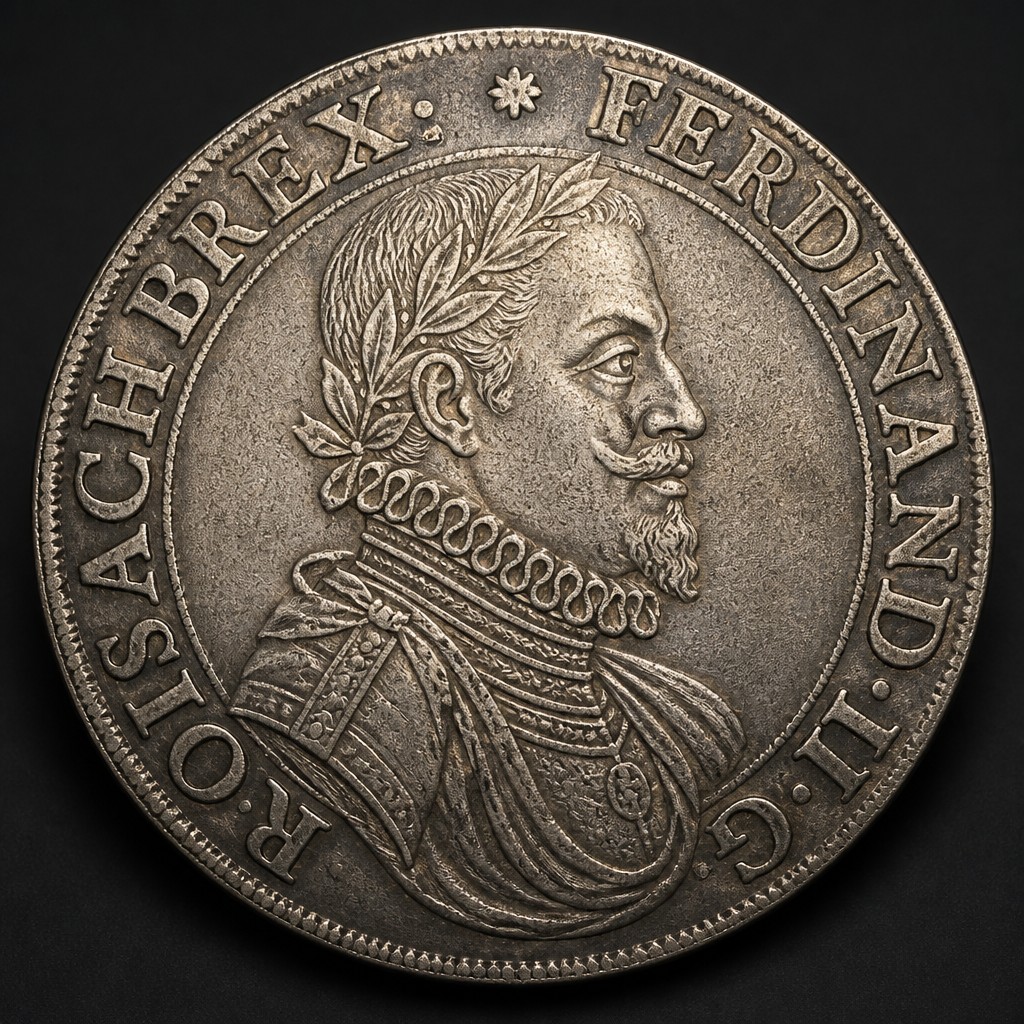
German States Thaler
A large silver coin struck by the many independent states of the German-speaking world for over three centuries, and the direct linguistic ancestor of the word 'dollar.'
European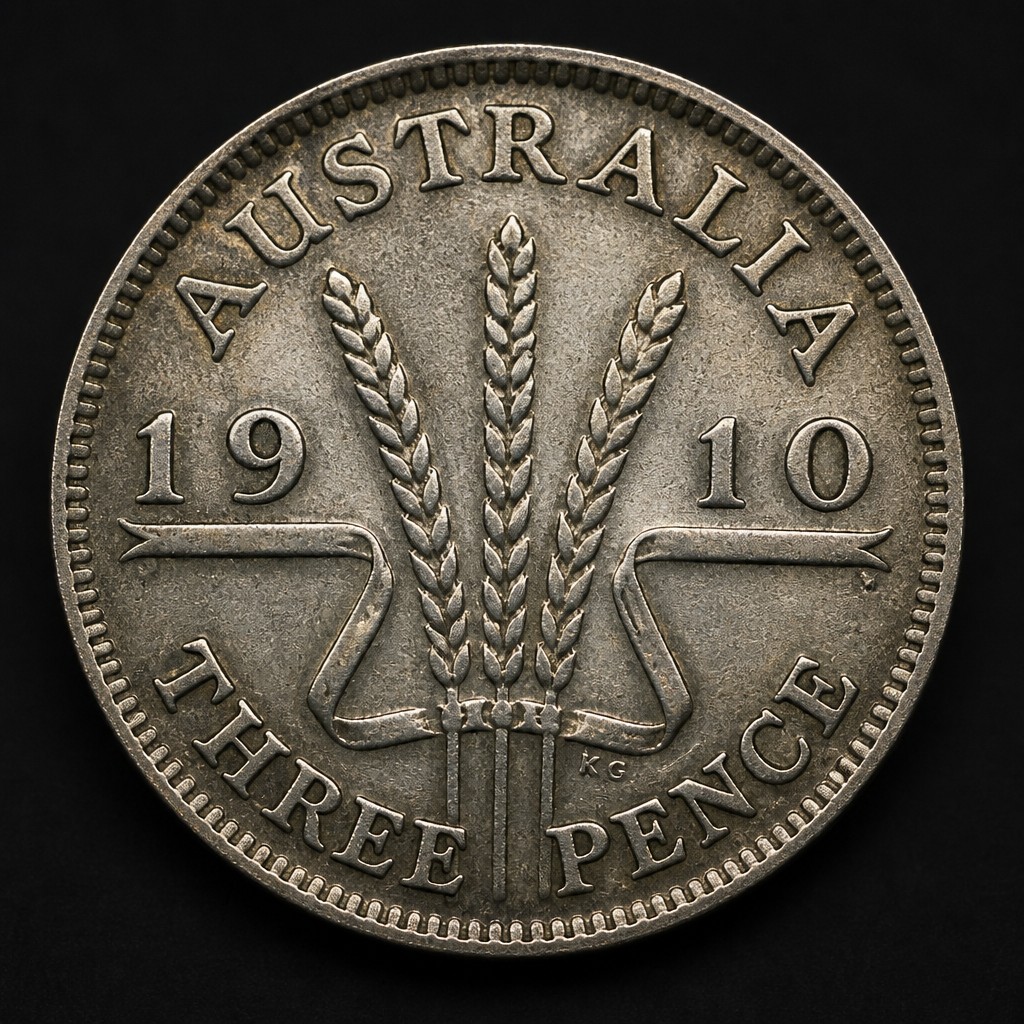
Australian Threepence (pre-decimal)
Small pre-decimal Australian silver coin worth three pence, popularly recognized for its bundled wheat-ear reverse design used across most of the 20th century.
Africa & Oceania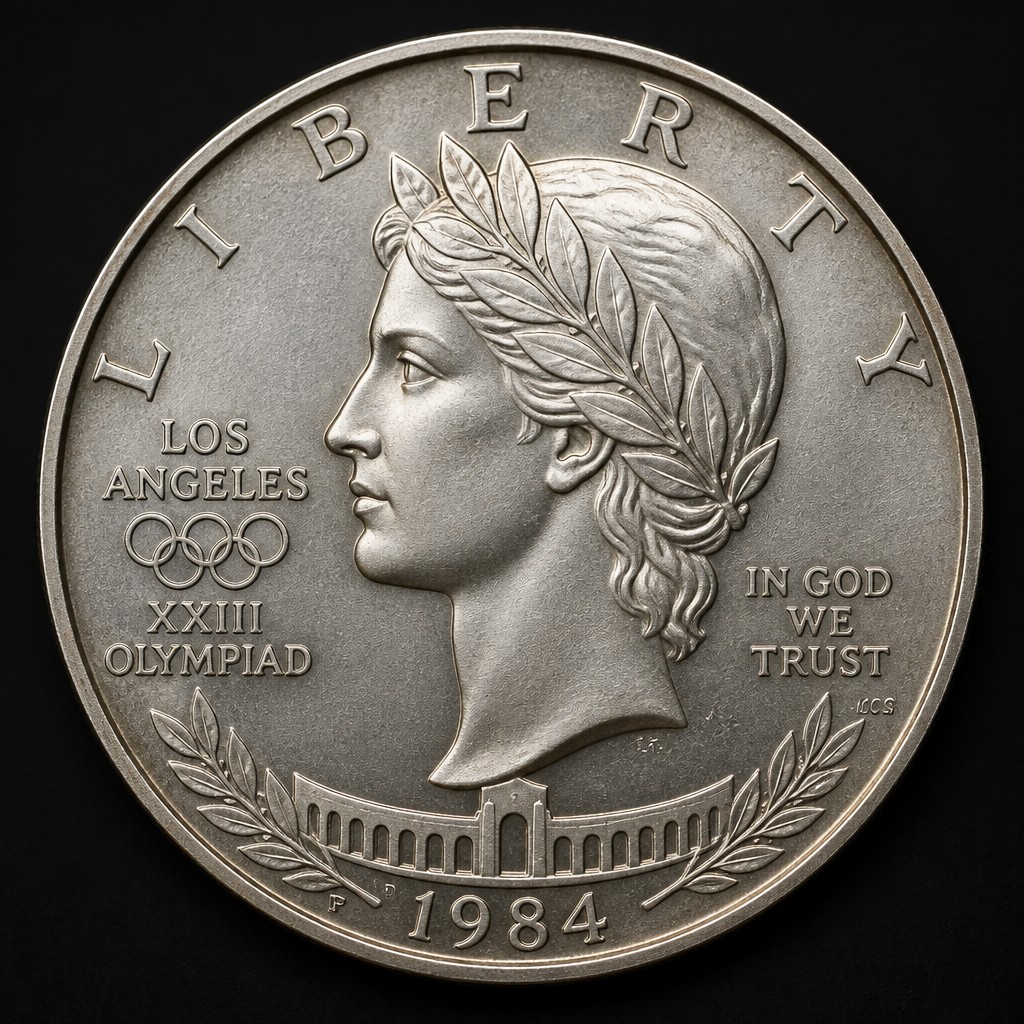
1984 Los Angeles Olympics Commemorative Dollar
The second year of a two-year US commemorative coin program, this 1984-dated silver dollar helped fund the Los Angeles Olympic Games and featured Olympic-themed artwork struck at three US mints.
Commemorative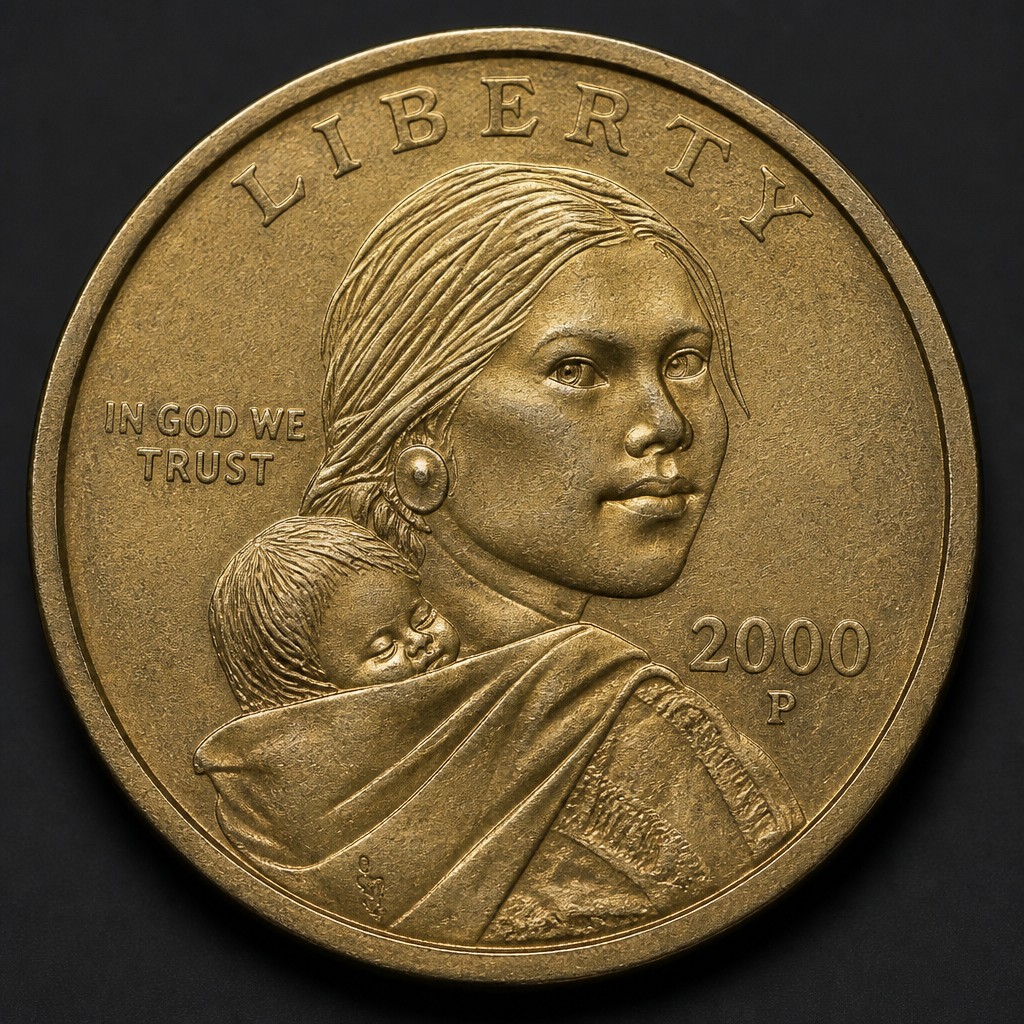
2000-P Sacagawea/Washington Quarter Mule
An extraordinarily rare mint error pairing the golden Sacagawea dollar obverse with a Washington quarter reverse die, one of the most famous modern mule errors in U.S. coinage.
Errors & Varieties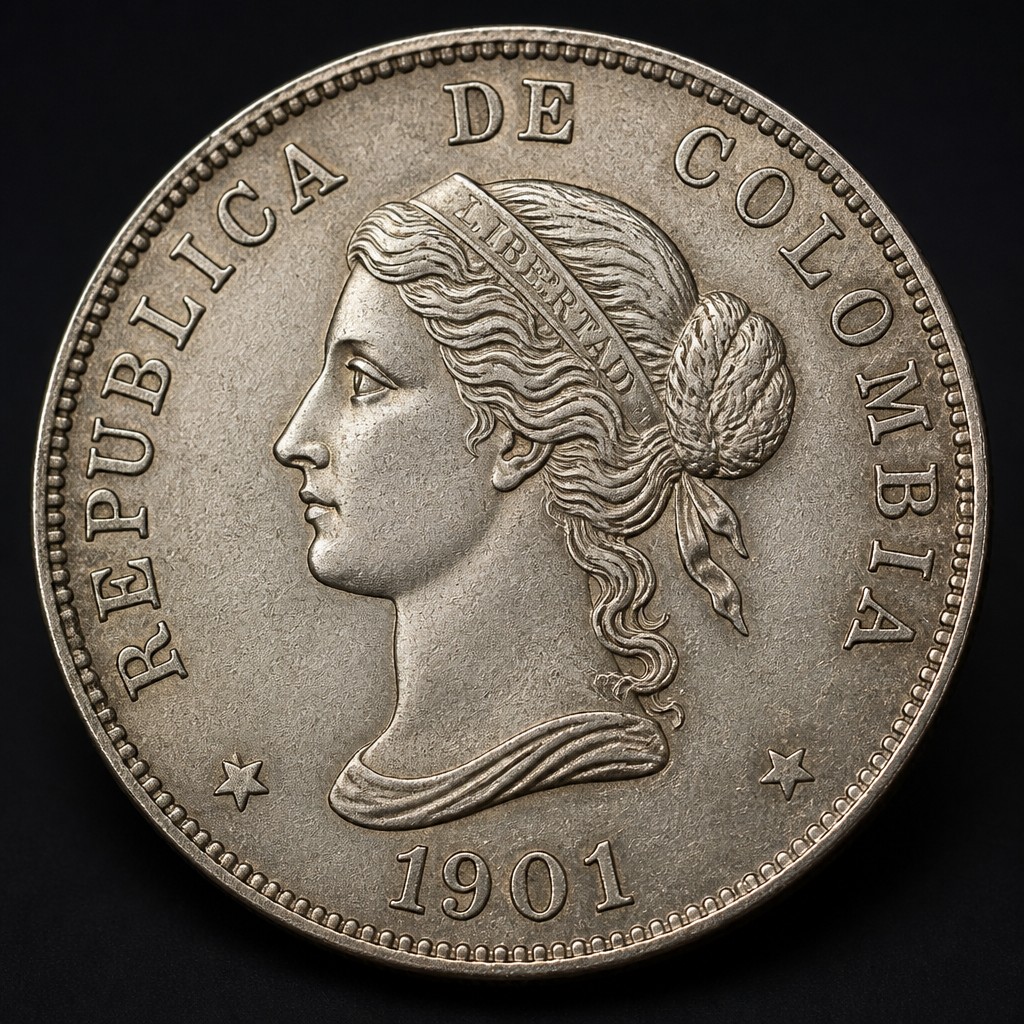
Colombian Peso Silver
Colombia's traditional silver dollar-sized coin, struck across different eras of the country's political evolution, from Nueva Granada through the modern Republic of Colombia.
Latin American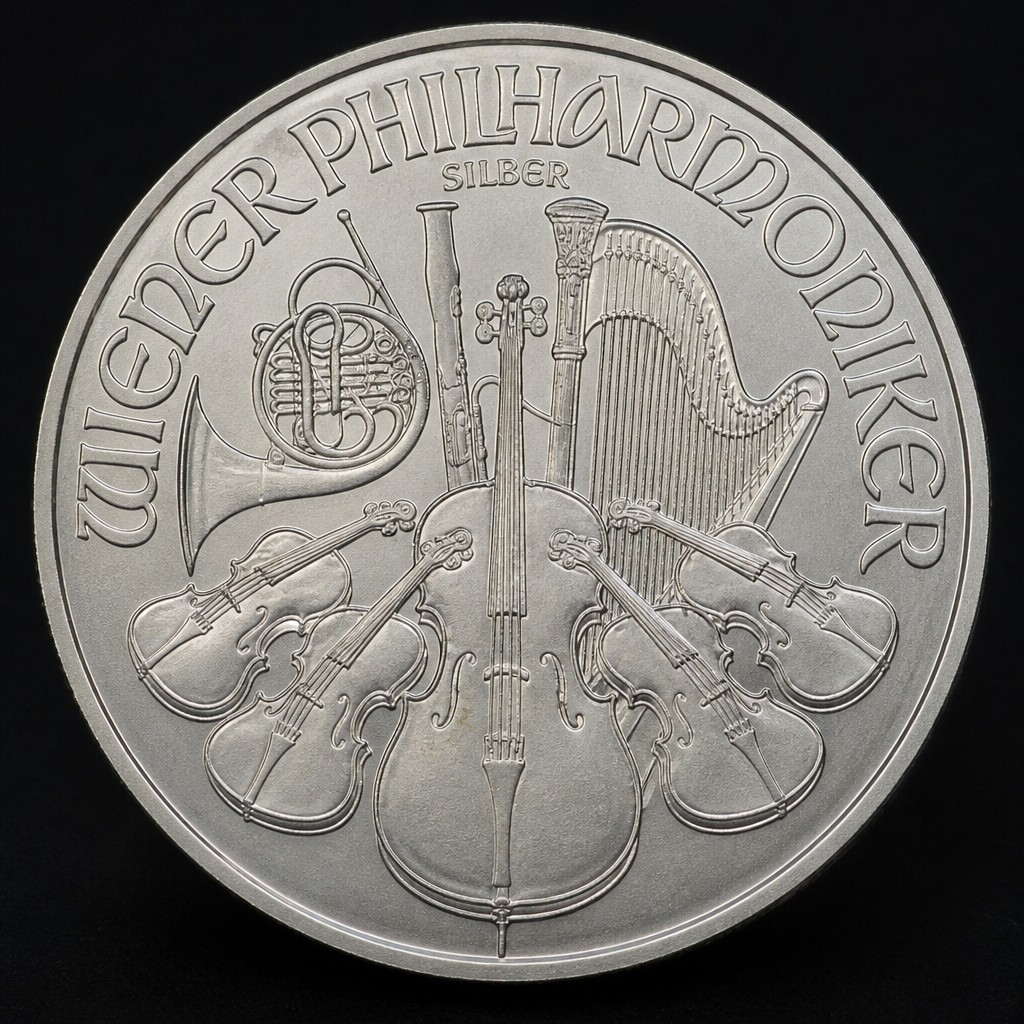
Austrian Silver Philharmonic
Austria's modern one-ounce silver bullion coin, launched in 2008 as a companion to the long-running gold Philharmonic, featuring the instruments of the Vienna Philharmonic Orchestra.
Bullion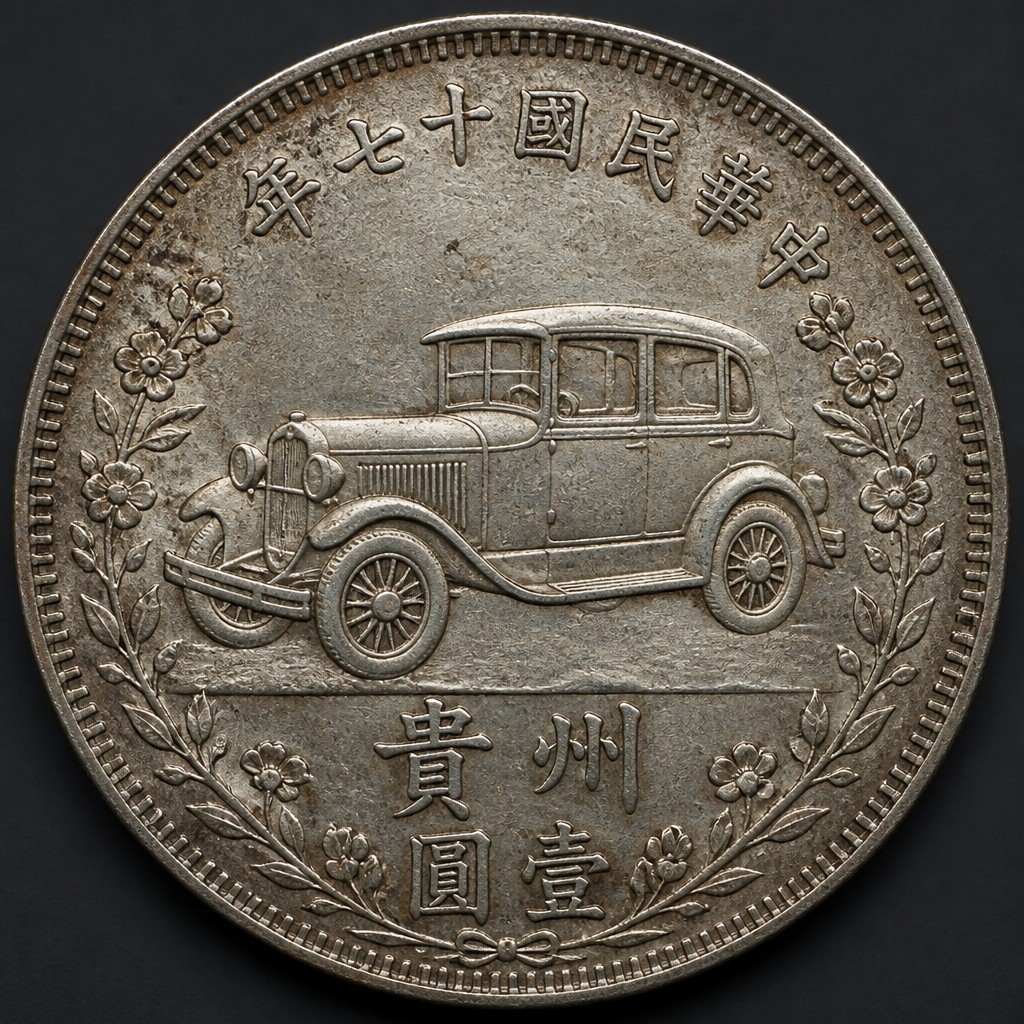
Chinese Auto Dollar (Kweichow, 1928)
Famous Chinese provincial silver dollar depicting an automobile, struck in Kweichow province in 1928 and celebrated by collectors as one of the most distinctive Chinese coin designs.
Asian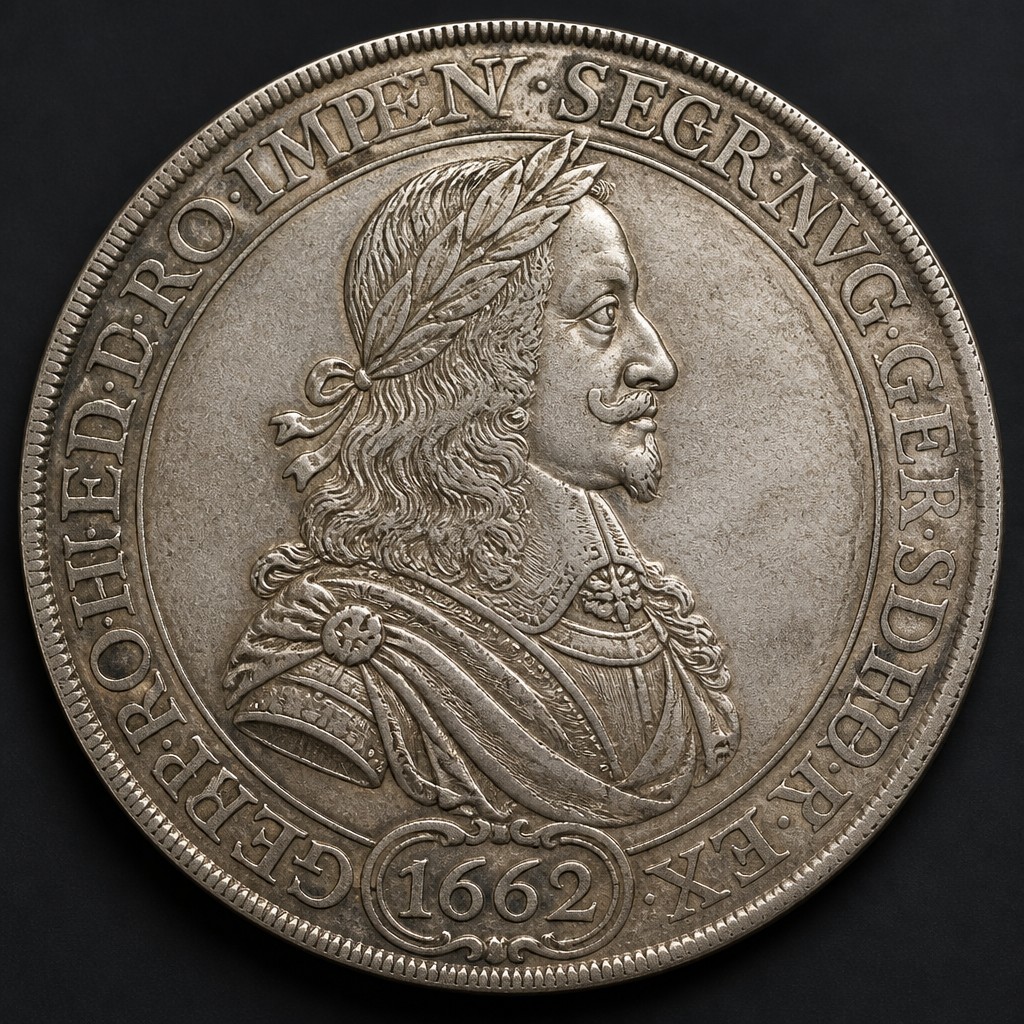
Reichsthaler
The standard large silver coin of the Holy Roman Empire and its constituent German states from the 16th century onward, whose name is the direct linguistic ancestor of the word 'dollar.'
European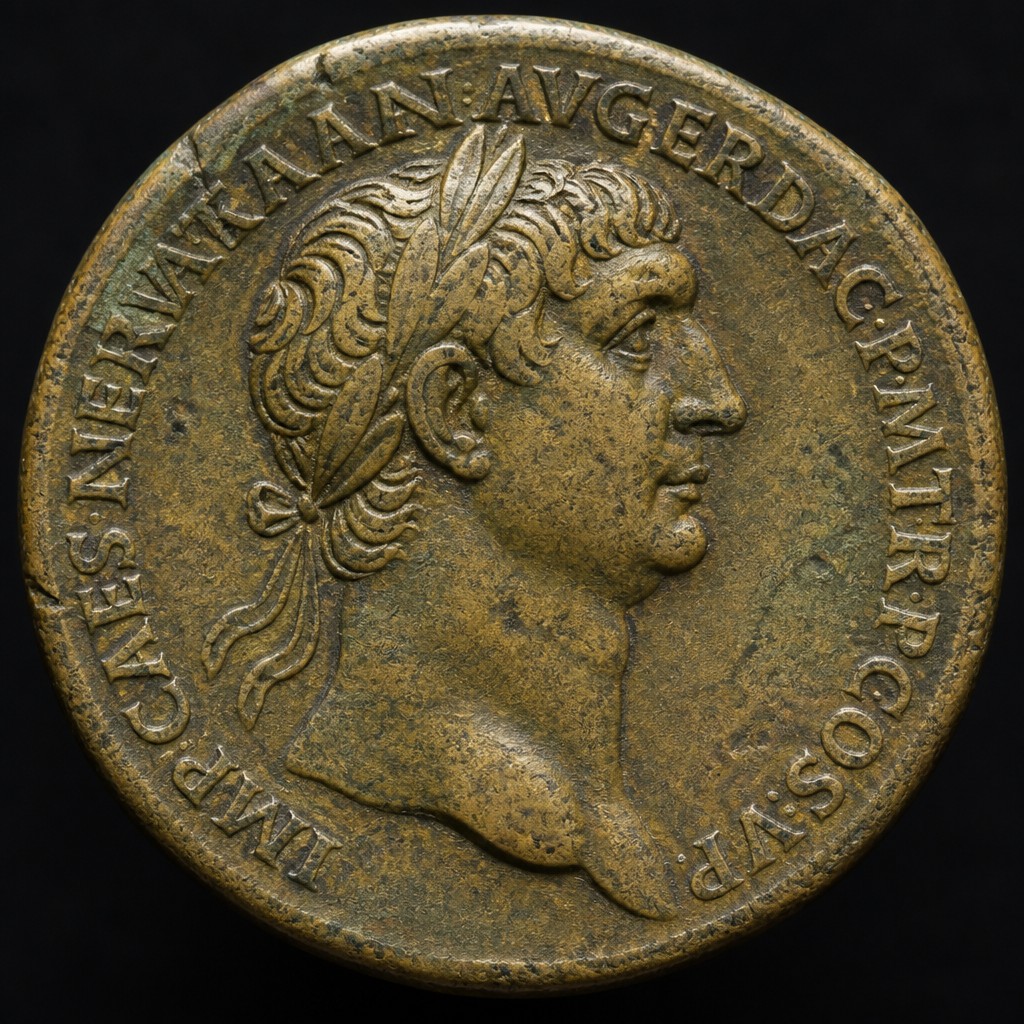
Trajan Sestertius
A large bronze coin of Trajan, whose reign brought the Roman Empire to its greatest territorial extent, with reverses celebrating Dacian conquest, public works, and Trajan's Column.
Ancient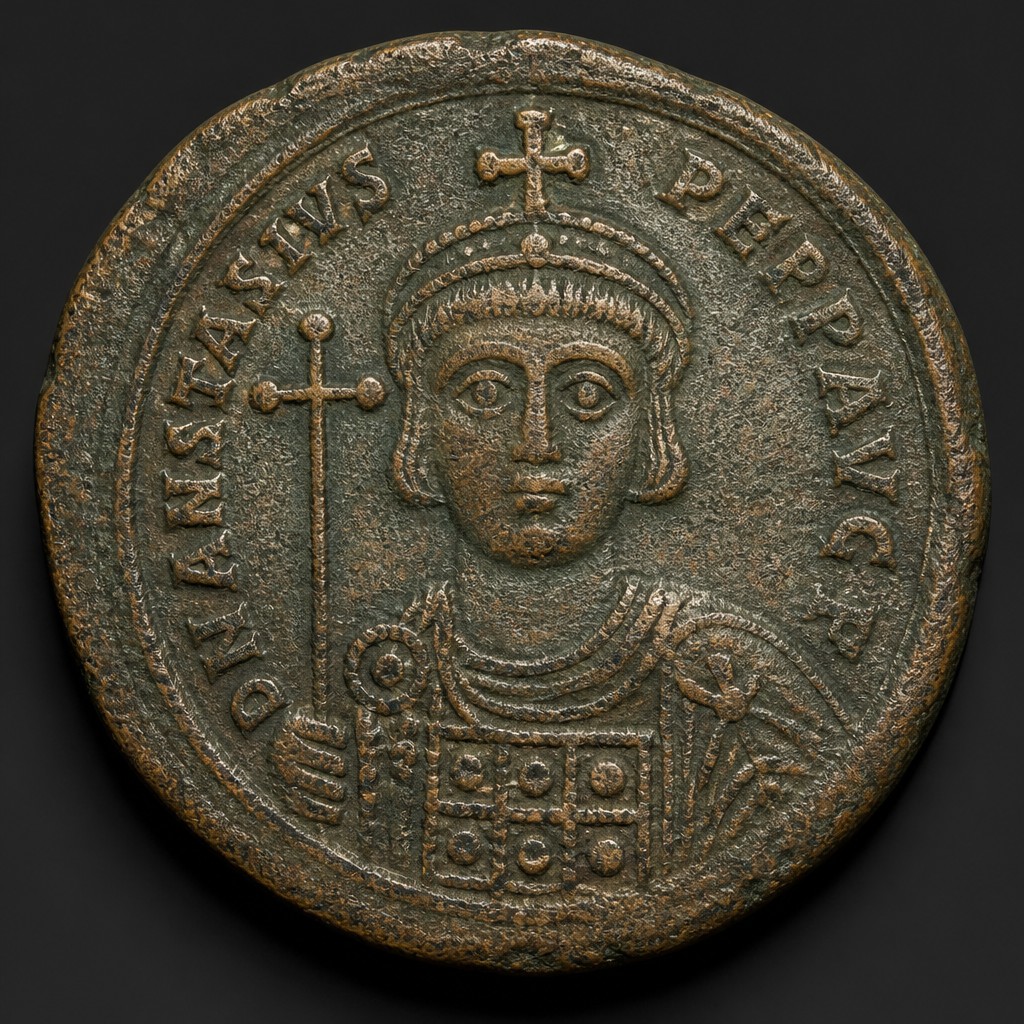
Byzantine Follis
The large bronze workhorse coin of everyday Byzantine commerce, reformed by Emperor Anastasius I in 498 AD with a prominent Greek numeral denoting its value of 40 nummi.
Ancient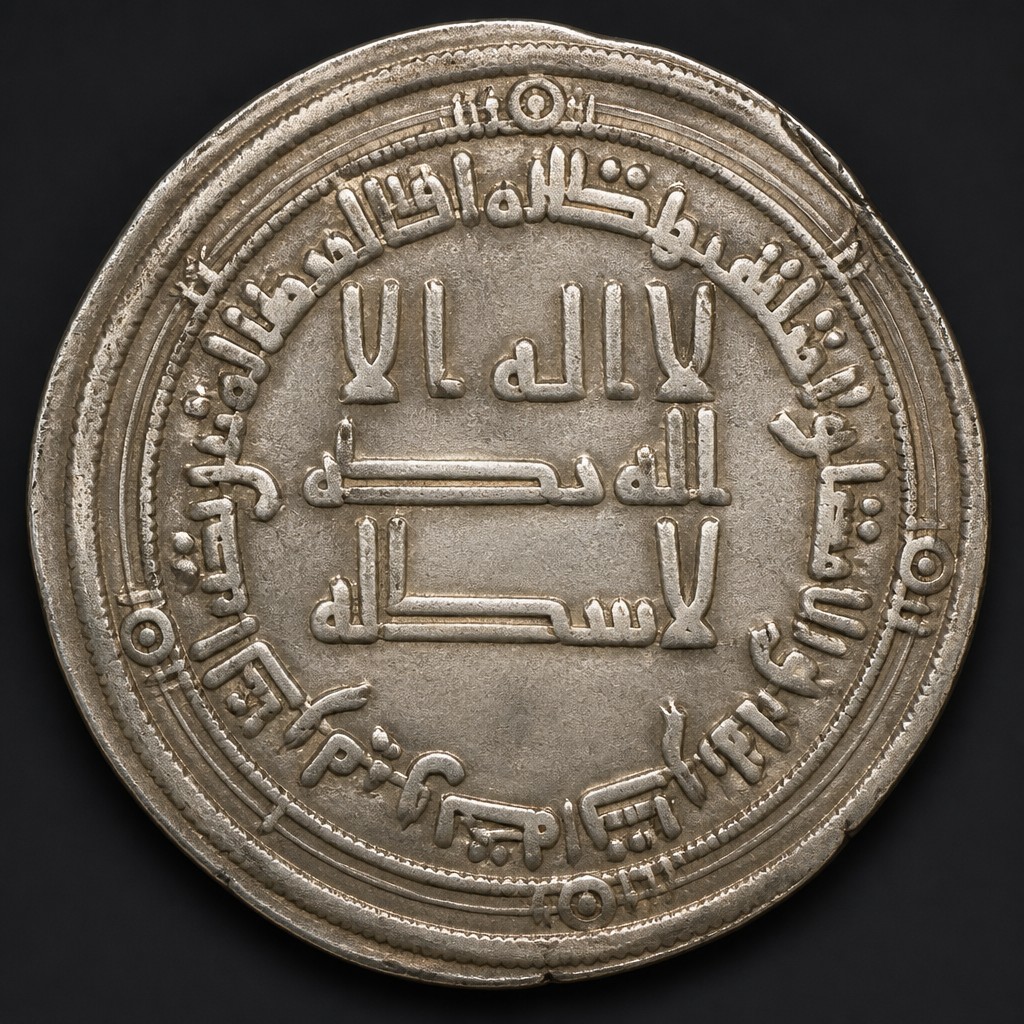
Umayyad Silver Dirham
A silver coin of the Umayyad Caliphate struck after Caliph Abd al-Malik's monetary reform, bearing only Arabic inscriptions and setting the template for centuries of Islamic coinage.
World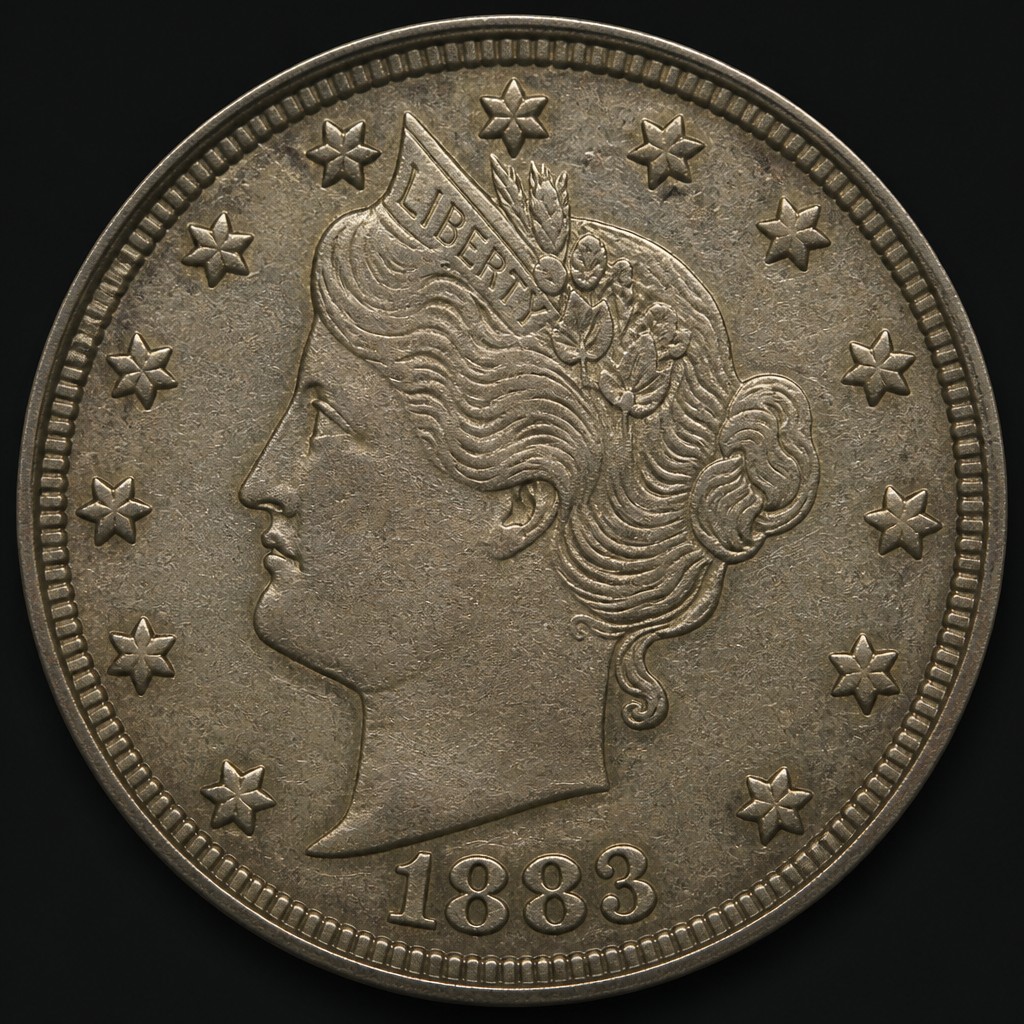
1883 No Cents Liberty Head Nickel
The first-year Liberty Head Nickel design that omitted the word CENTS from the reverse, later infamous as the 'Racketeer Nickel' after being gold-plated and passed off as a five-dollar coin.
United States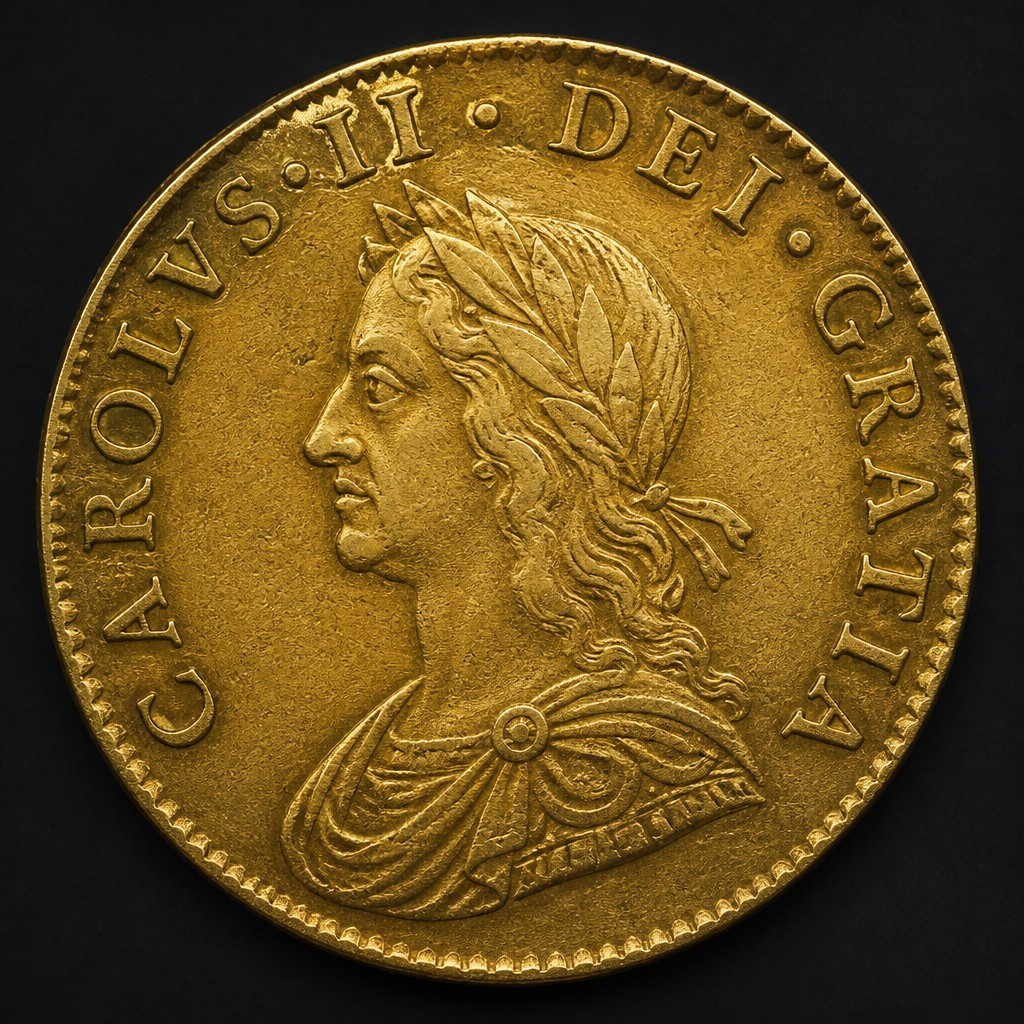
Broad
A gold twenty-shilling coin nicknamed the 'Broad' for its wide, thin flan, struck under the Commonwealth and Oliver Cromwell and continued briefly into the early reign of Charles II.
British