
Coin Encyclopedia
Search and identify coins from around the world — with country, denomination, metal, mint, history, and how to tell them apart.
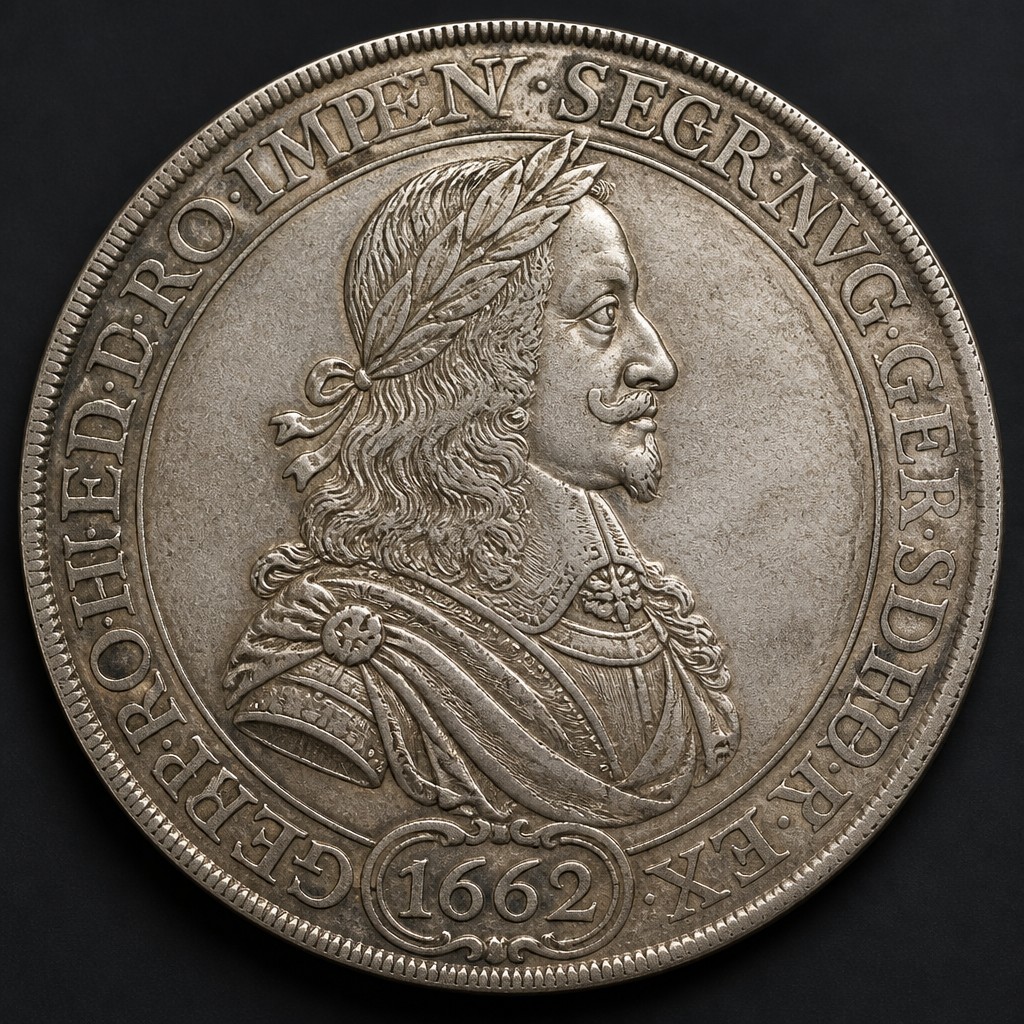
Reichsthaler
The standard large silver coin of the Holy Roman Empire and its constituent German states from the 16th century onward, whose name is the direct linguistic ancestor of the word 'dollar.'
European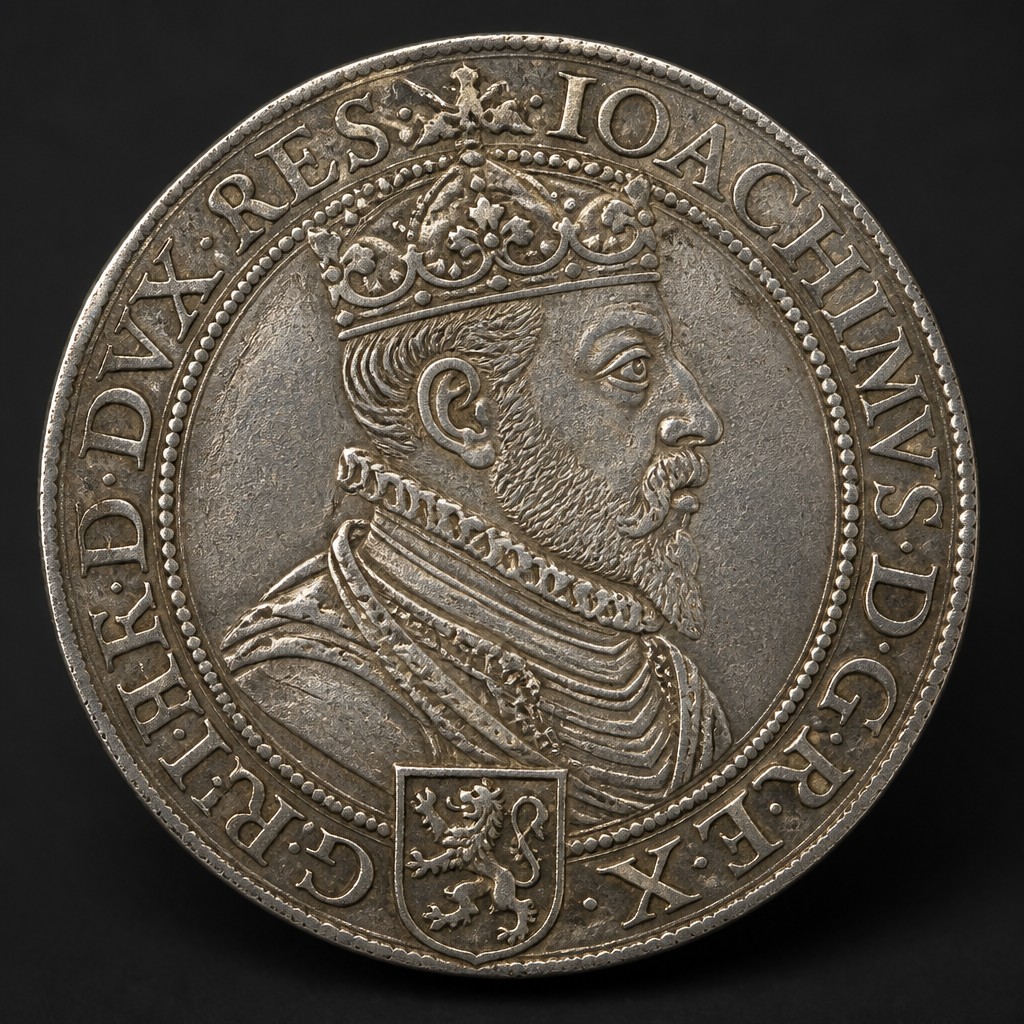
Joachimsthaler
Struck beginning in 1520 in the Bohemian silver-mining town of Joachimsthal, this large silver coin gave its name, shortened to 'thaler' and later 'dollar,' to countless currencies around the world.
European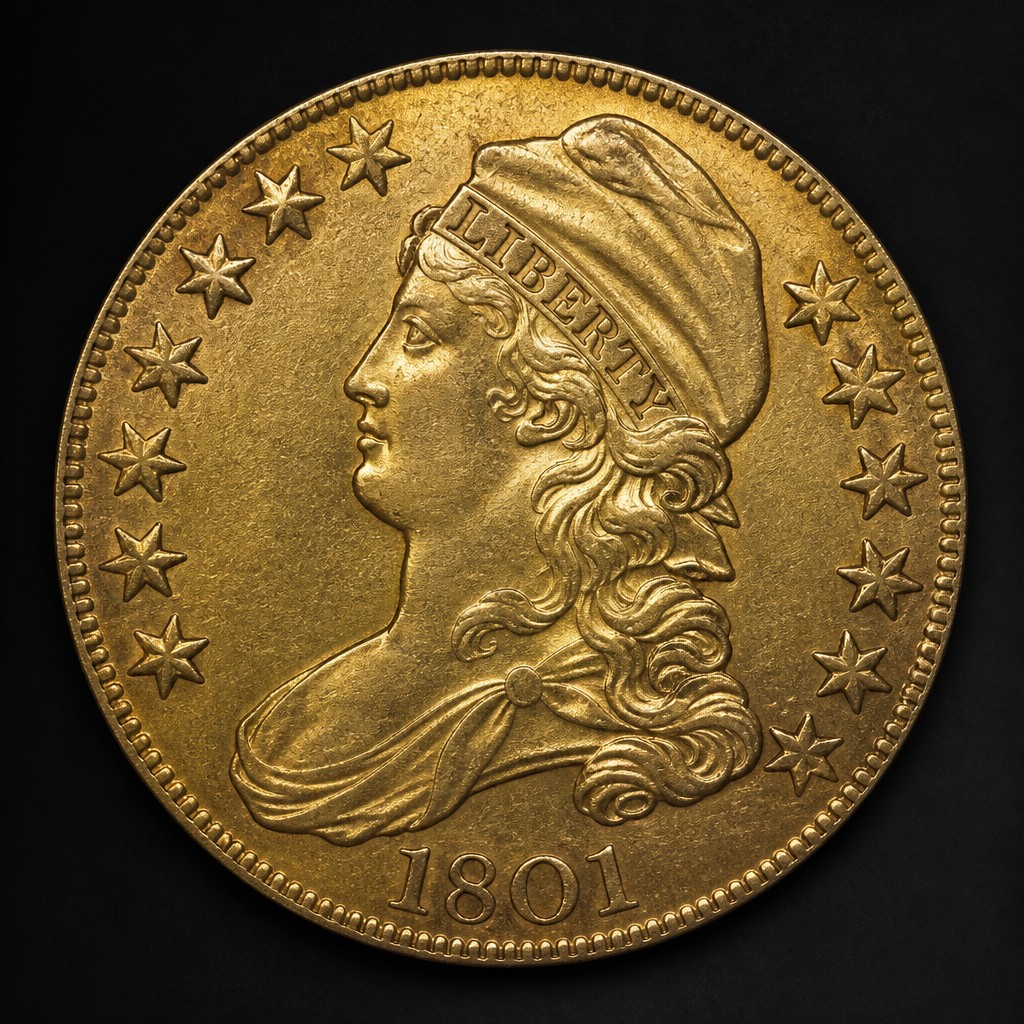
Turban Head Eagle
The first U.S. $10 gold coin, struck 1795-1804 and nicknamed 'Turban Head' for Liberty's cap-like headdress; the earliest examples pair her portrait with a small, spread-winged eagle.
United States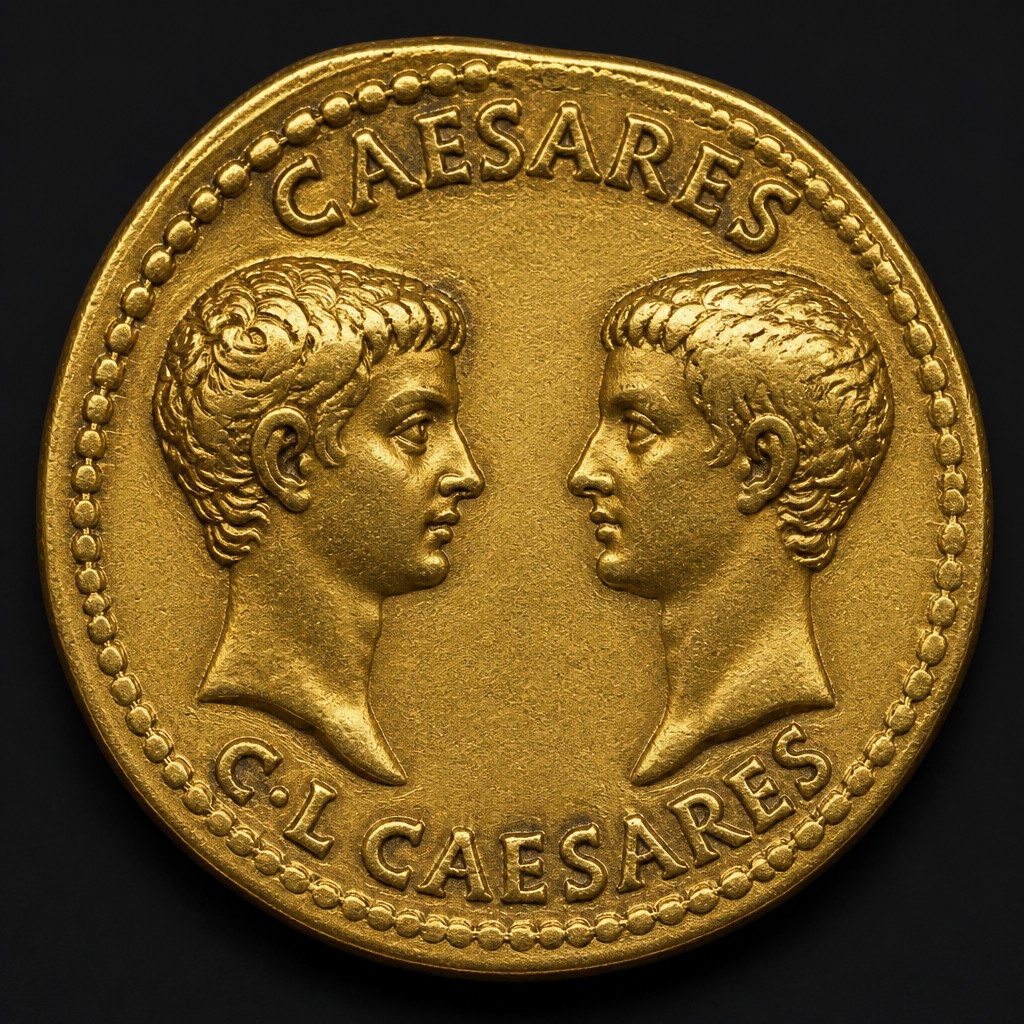
Augustus Aureus Gaius and Lucius Caesar
One of the most common ancient gold coins, an Augustus aureus honoring his grandsons and intended heirs Gaius and Lucius Caesar, both of whom died young.
Ancient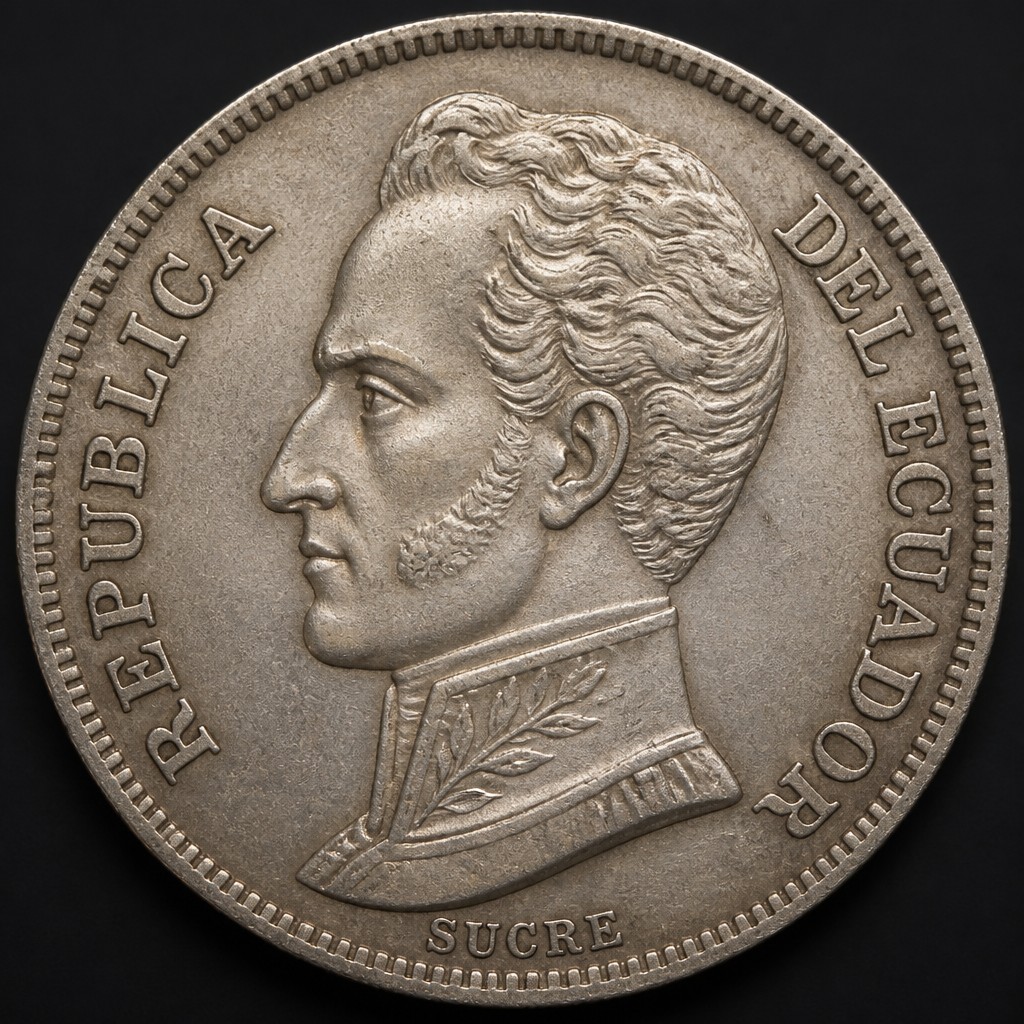
Ecuador Sucre Silver
Ecuador's historic silver one-sucre coin, named after independence hero Antonio Jose de Sucre, circulated for decades before Ecuador's currency was eventually replaced by the US dollar.
Latin American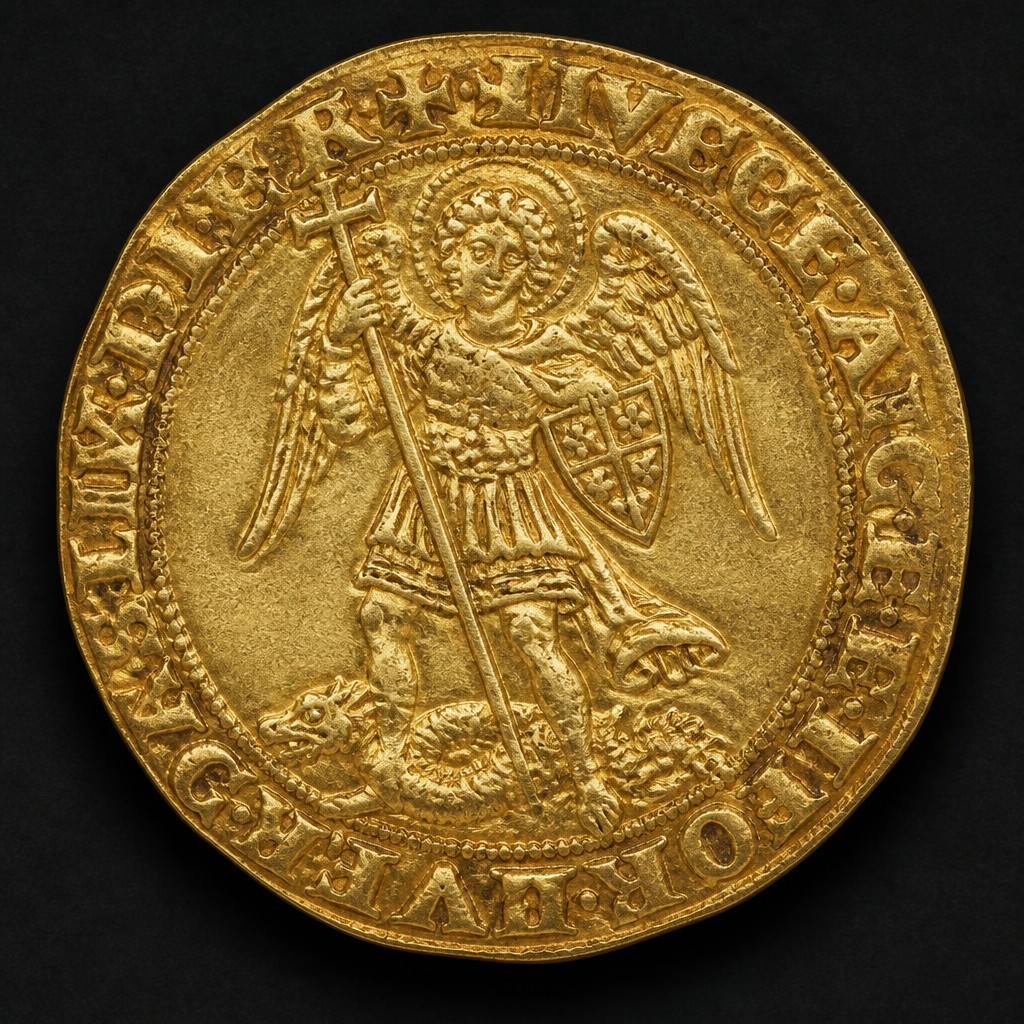
Half Angel (Angelet)
A small English gold coin worth half the value of the Angel, sharing its famous design of the Archangel Michael slaying a dragon, issued across several reigns from Edward IV to James I.
British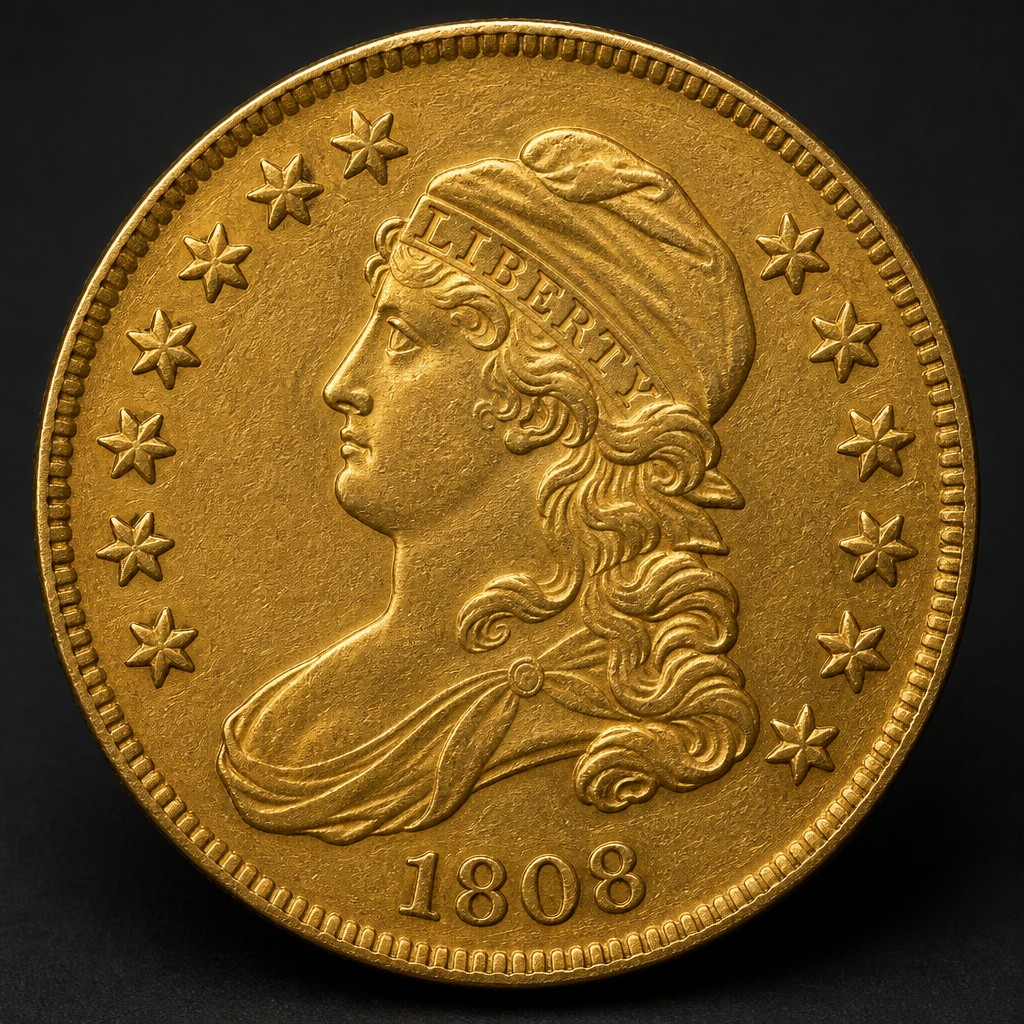
Capped Bust Quarter Eagle
An umbrella term for the earliest U.S. $2.50 gold coins (1796-1834), whose Liberty-in-a-cap portrait evolved through several sub-types, including the famous single-year 1808 issue.
United States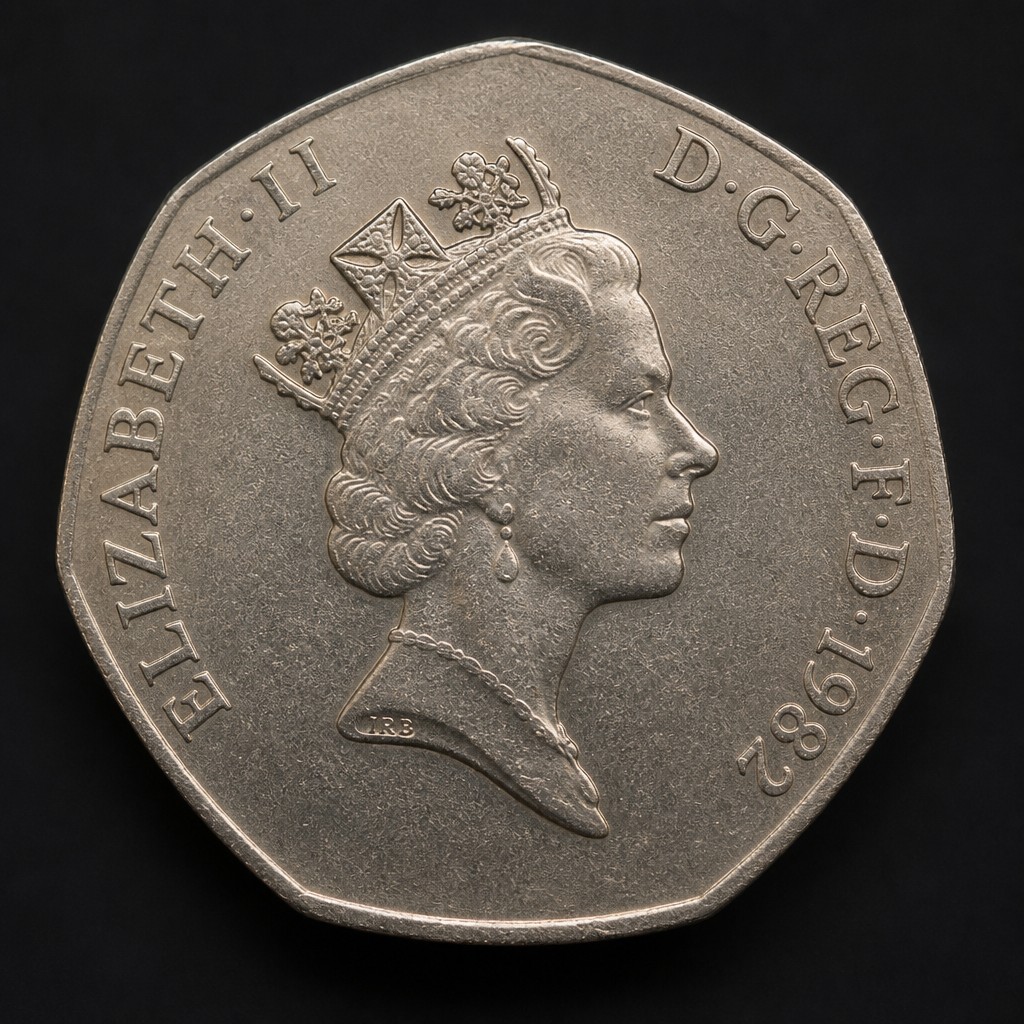
Twenty Pence
A seven-sided UK coin introduced in 1982 to fill a gap between the ten pence and fifty pence denominations.
British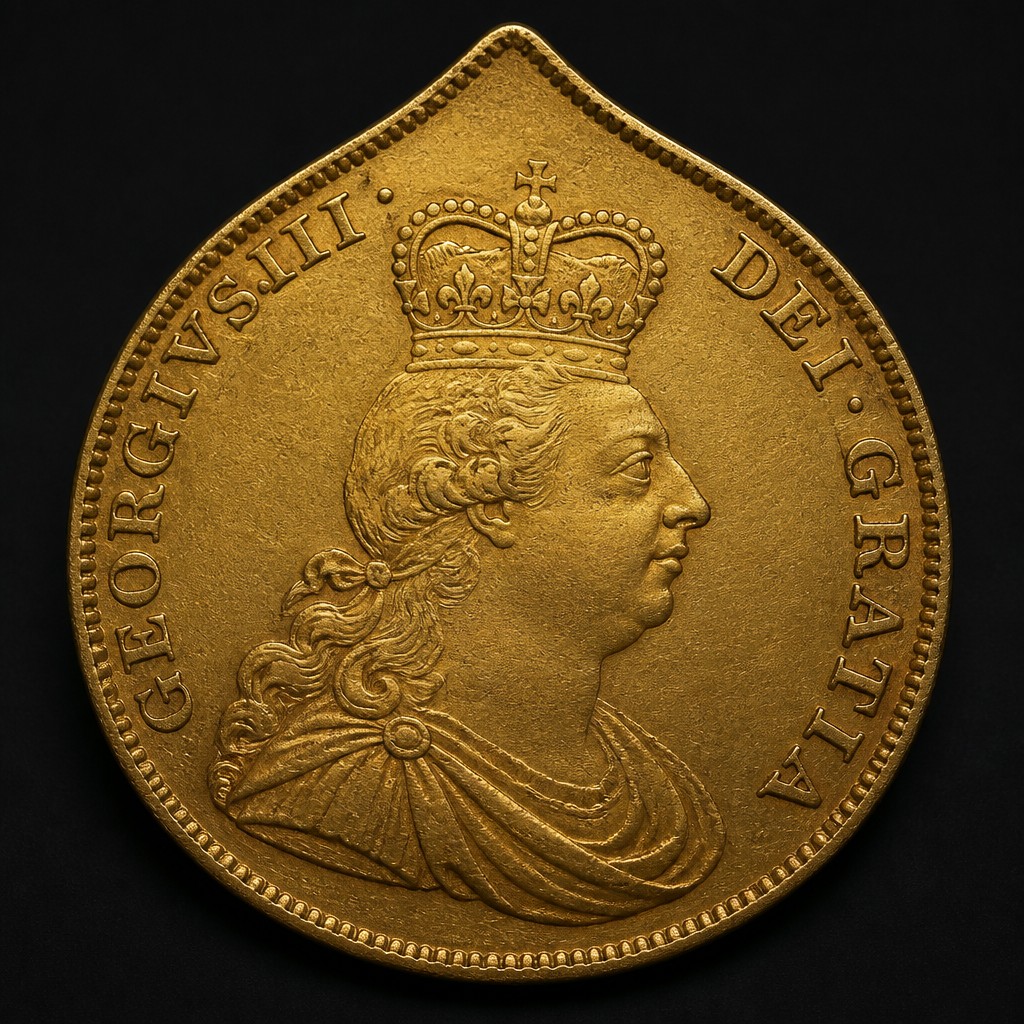
Spade Guinea
A George III gold guinea nicknamed for its spade-shaped shield reverse, one of the last widely circulated guinea types before the denomination was phased out in the early 1800s.
British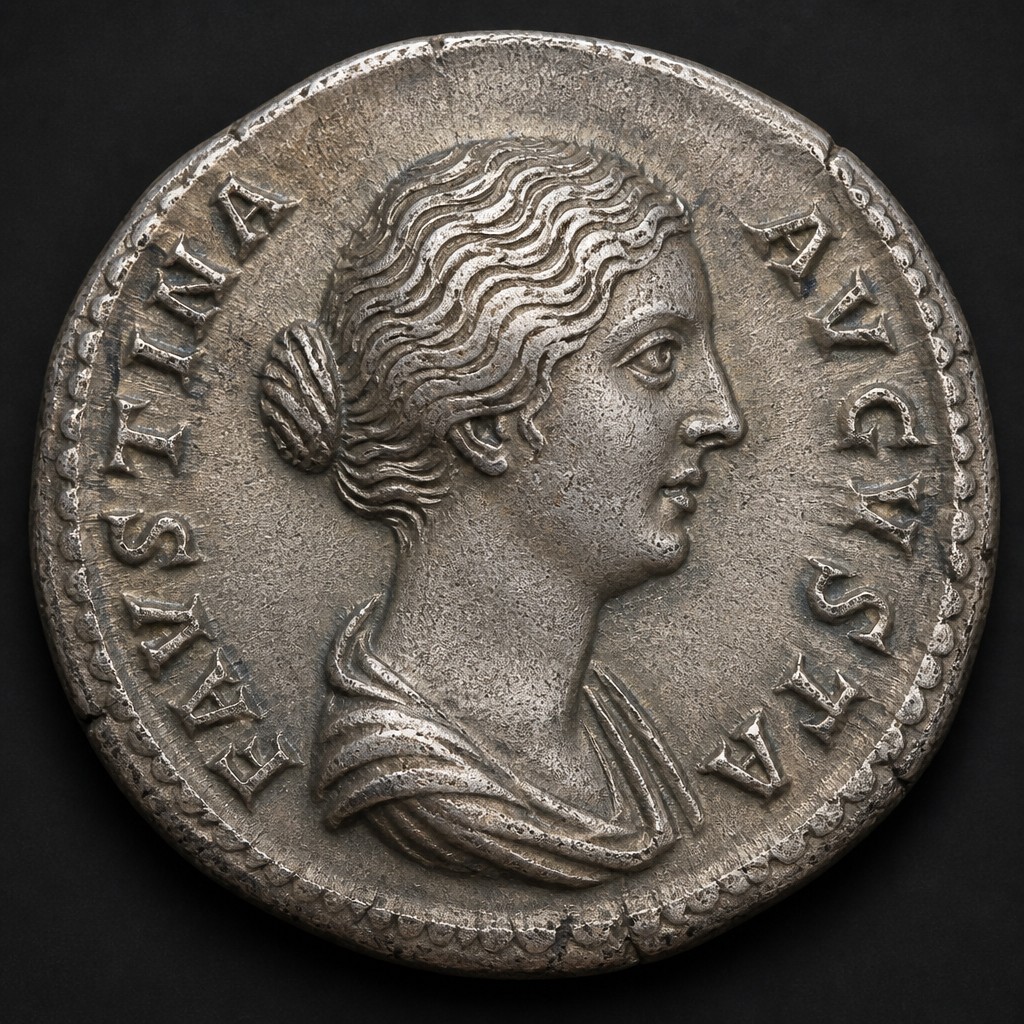
Faustina the Younger Denarius
Silver denarius of Faustina the Younger, daughter of Antoninus Pius and wife of Marcus Aurelius, whose coinage emphasizes fertility and family themes.
Ancient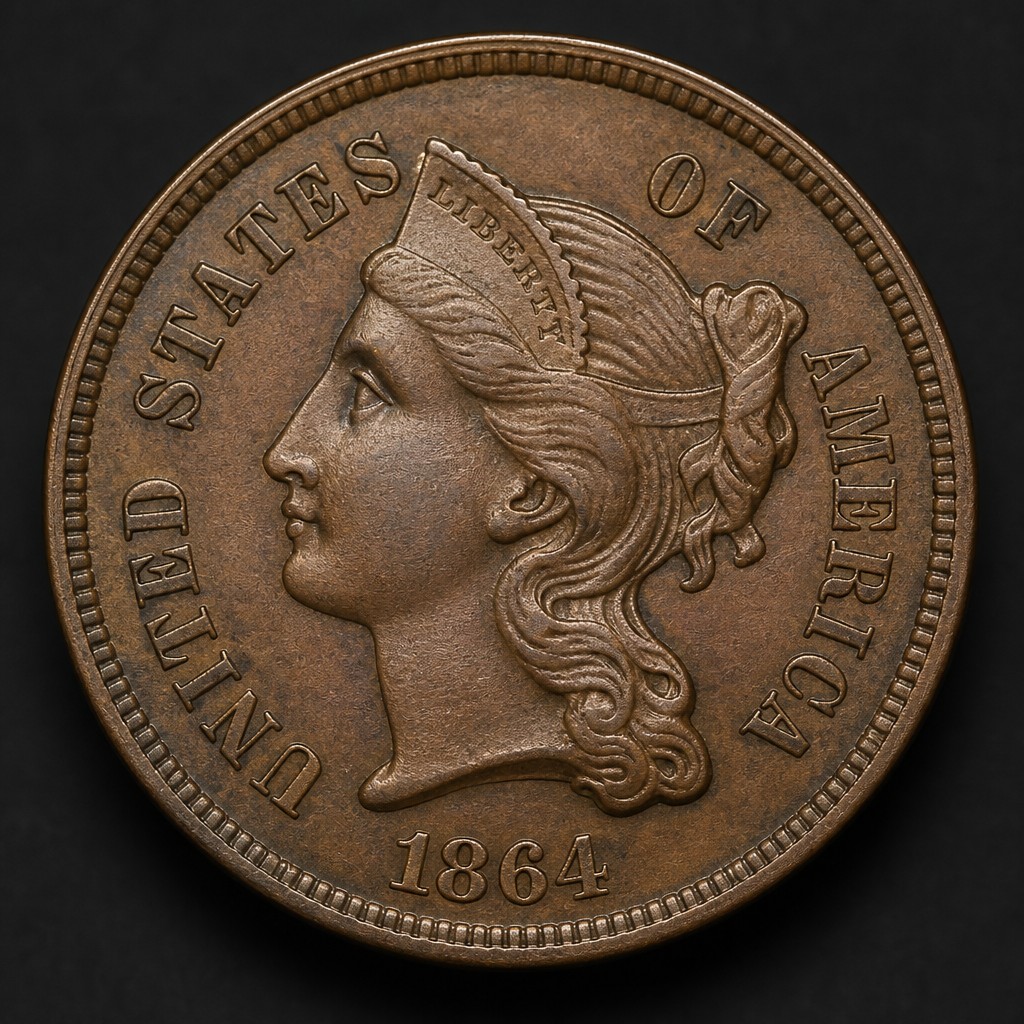
Two-Cent Piece
A short-lived Civil War-era coin notable as the first U.S. coin to bear the motto 'IN GOD WE TRUST,' issued to help ease a wartime coin shortage.
United States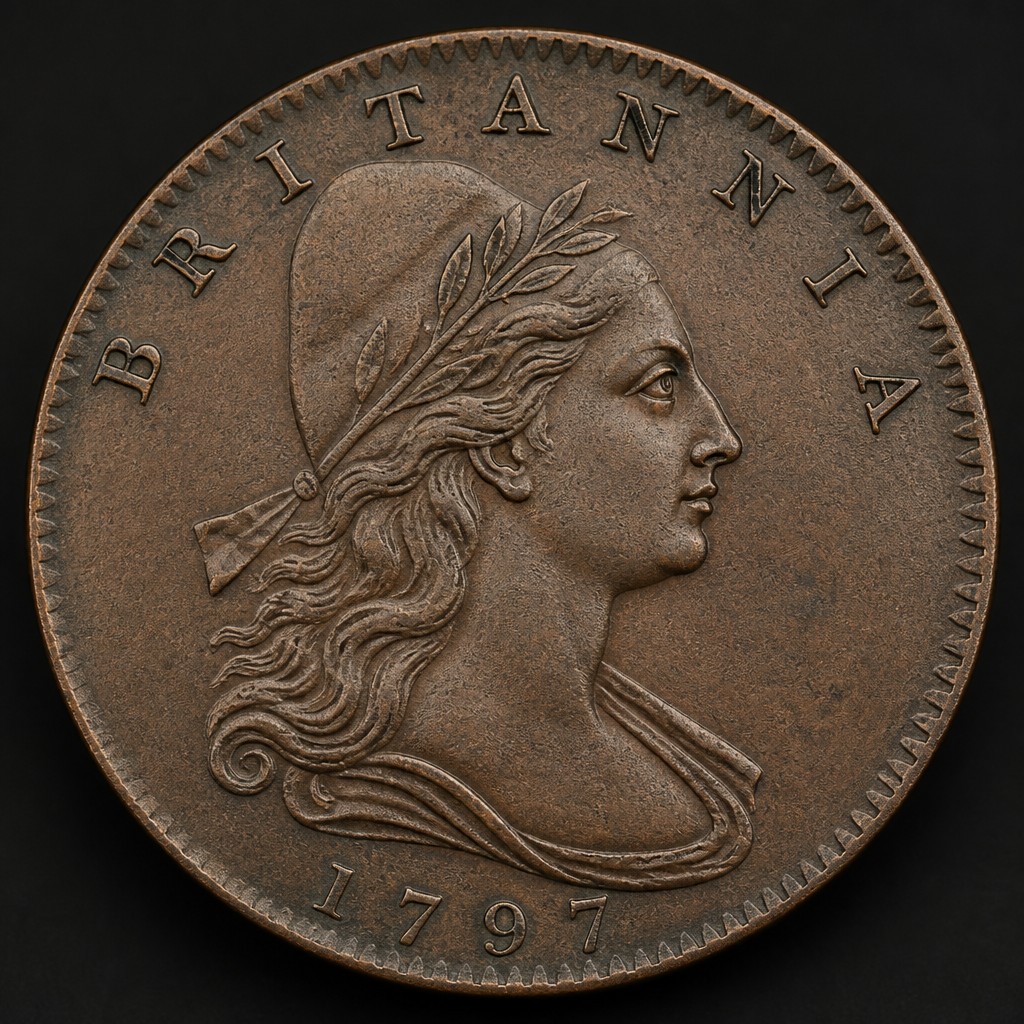
Cartwheel Twopence (1797)
An enormous two-ounce copper twopence struck in 1797, the largest coin ever produced for circulation in Britain, made famous for its heavy raised cartwheel-style rim.
British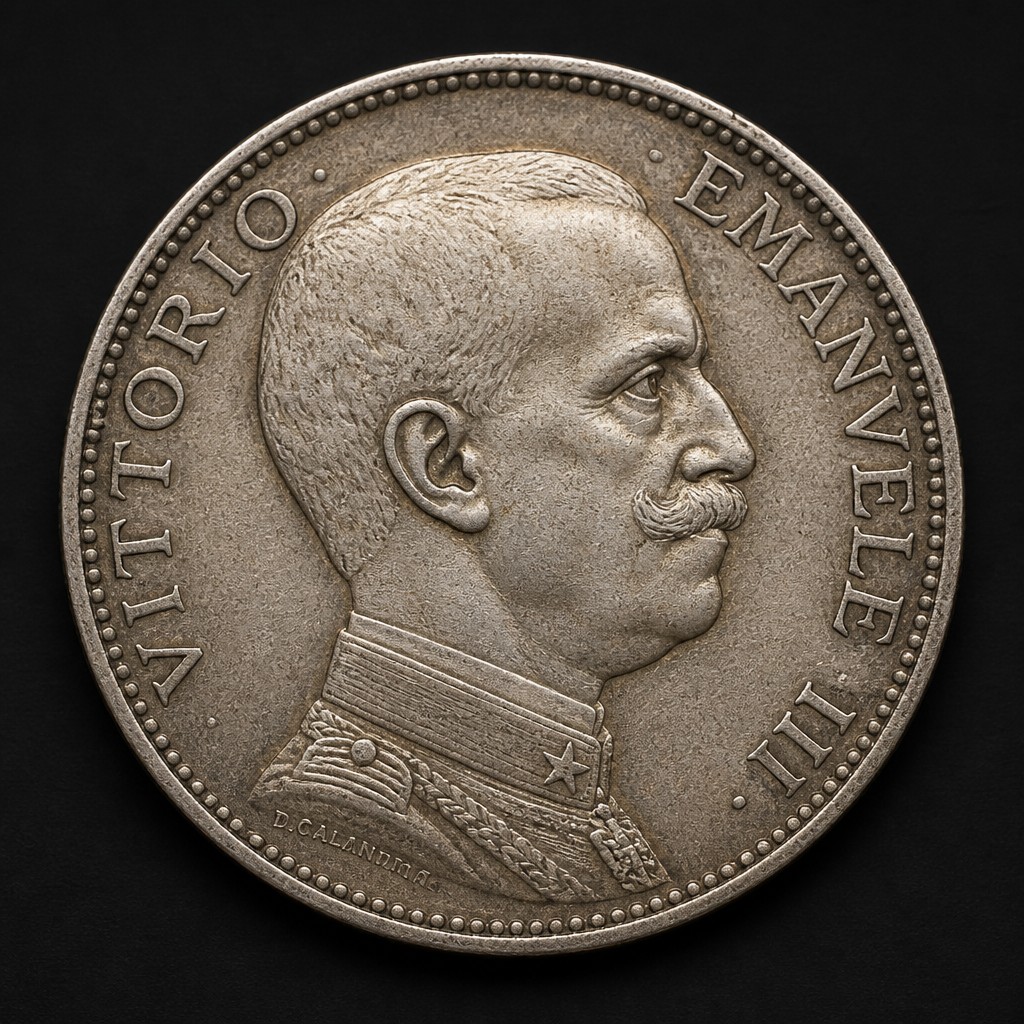
Italian 10 Lire (Silver)
Kingdom of Italy silver 10 Lire coin, best known for the 1926–1930 'Biga' type showing a two-horse chariot, struck under Vittorio Emanuele III.
European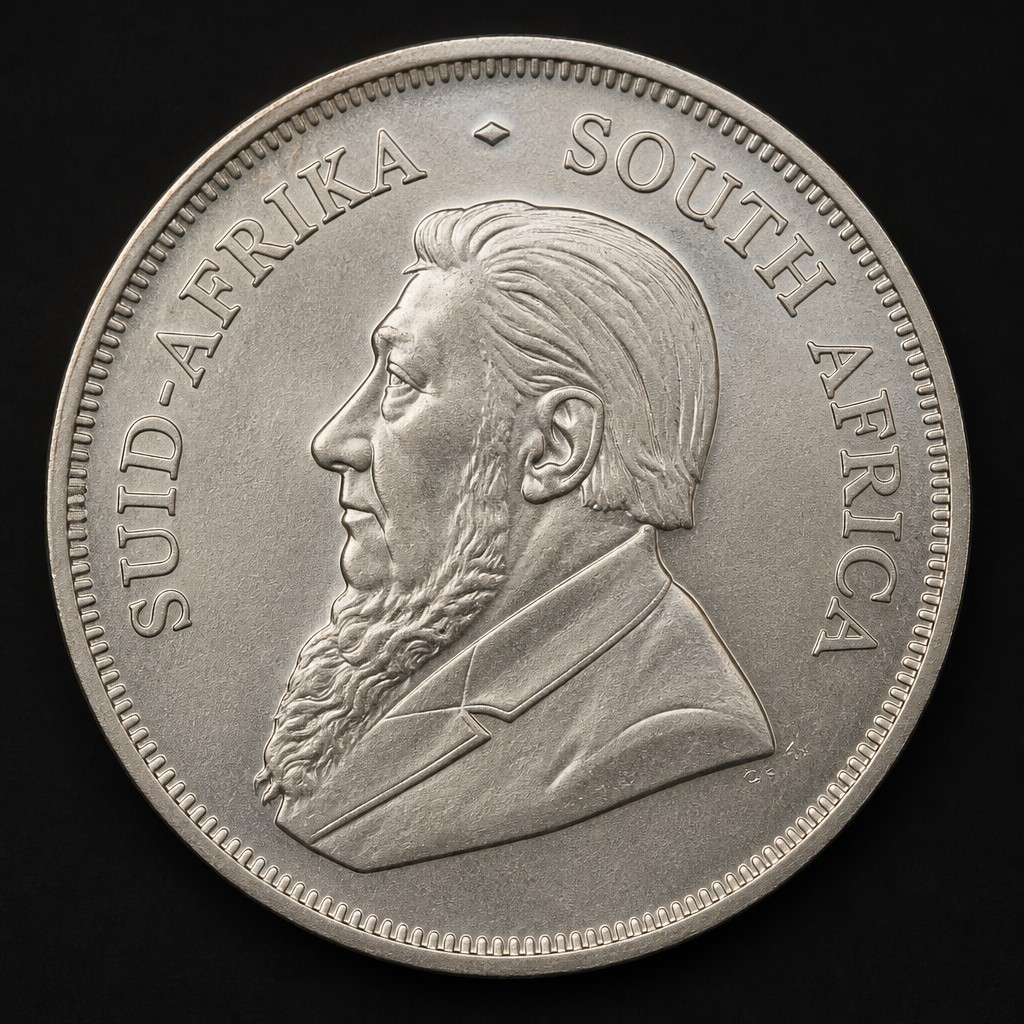
South African Silver Krugerrand
The silver version of the world-famous Krugerrand, launched in 2017 to mark the gold coin's 50th anniversary, using the same Kruger and springbok design.
Bullion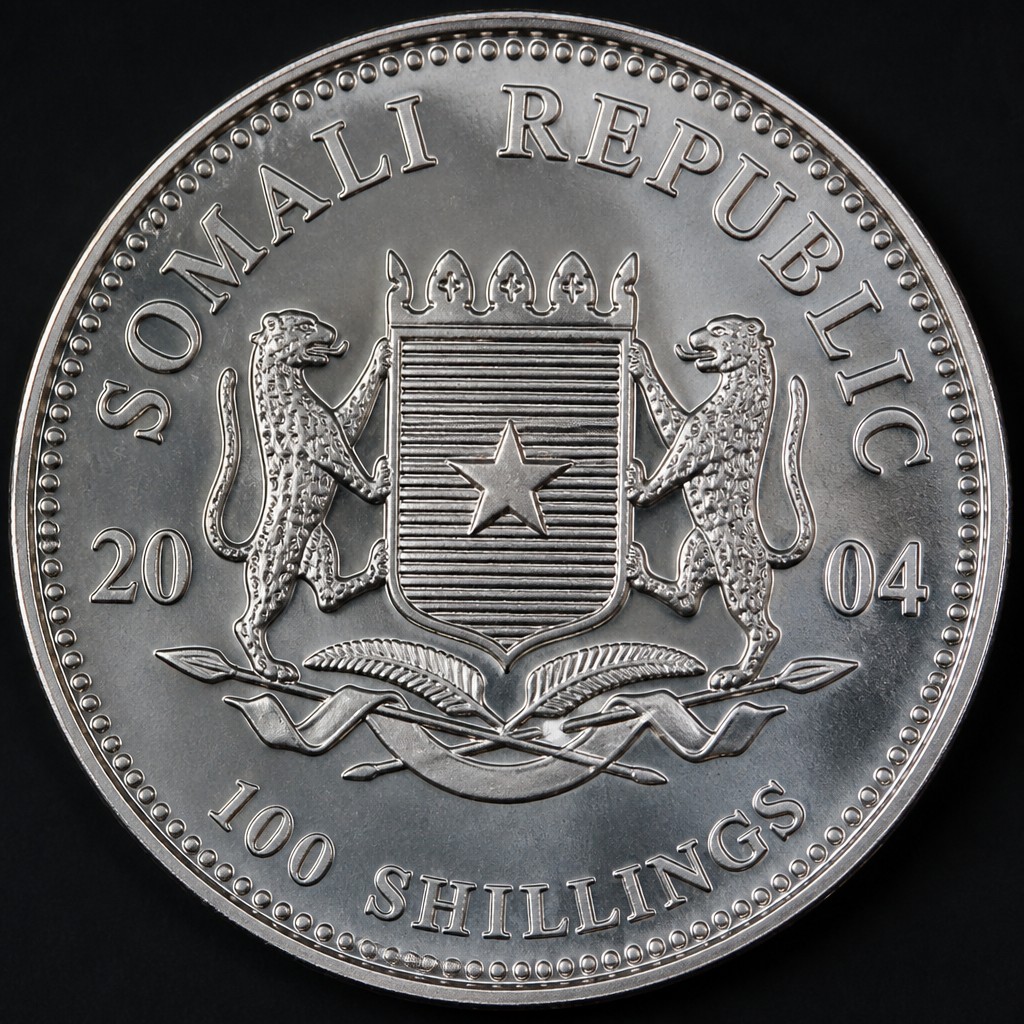
Somalian Silver Elephant (African Wildlife)
An annually redesigned silver bullion coin featuring an African elephant, issued in the name of Somalia but struck at a German state mint since 2004.
Africa & Oceania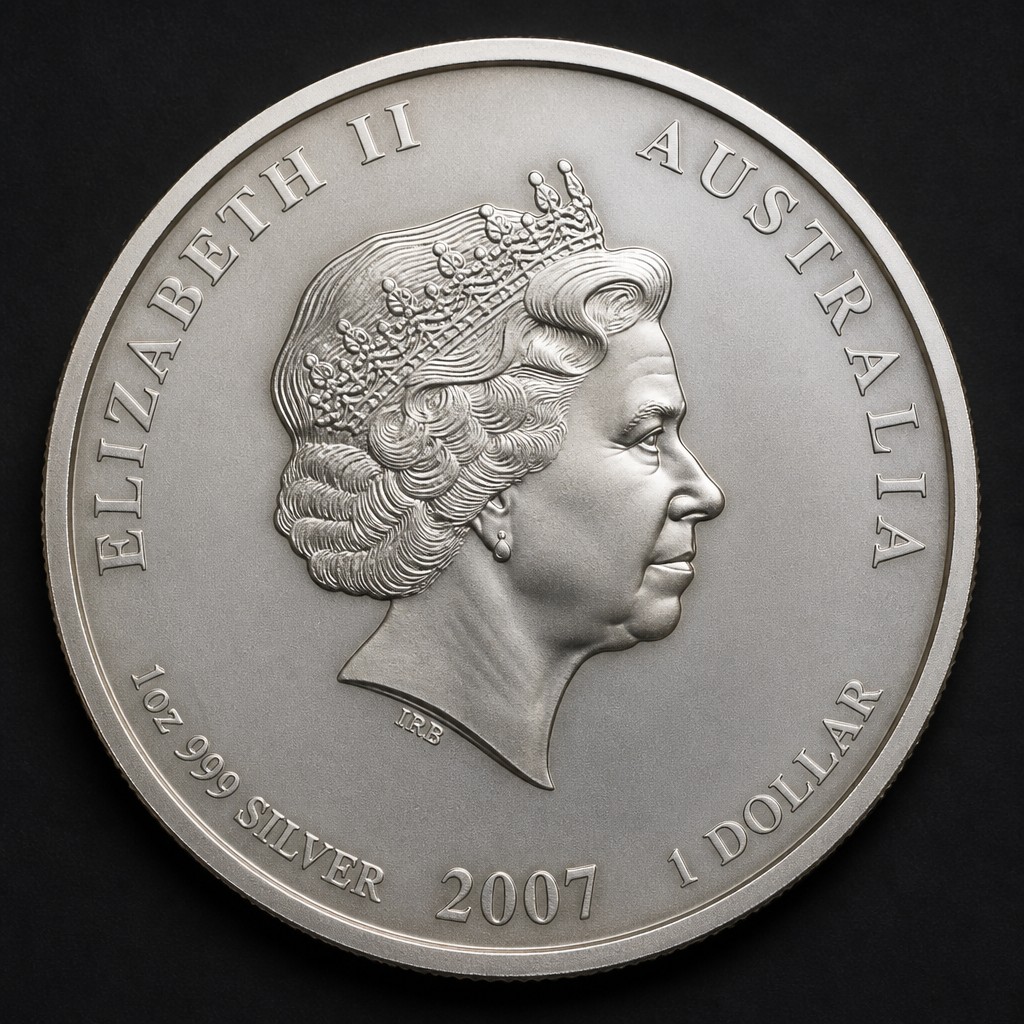
Australian Silver Koala
A Perth Mint silver bullion coin featuring an annually changing depiction of the koala, launched in 2007 as a companion series to the long-running Silver Kookaburra.
Bullion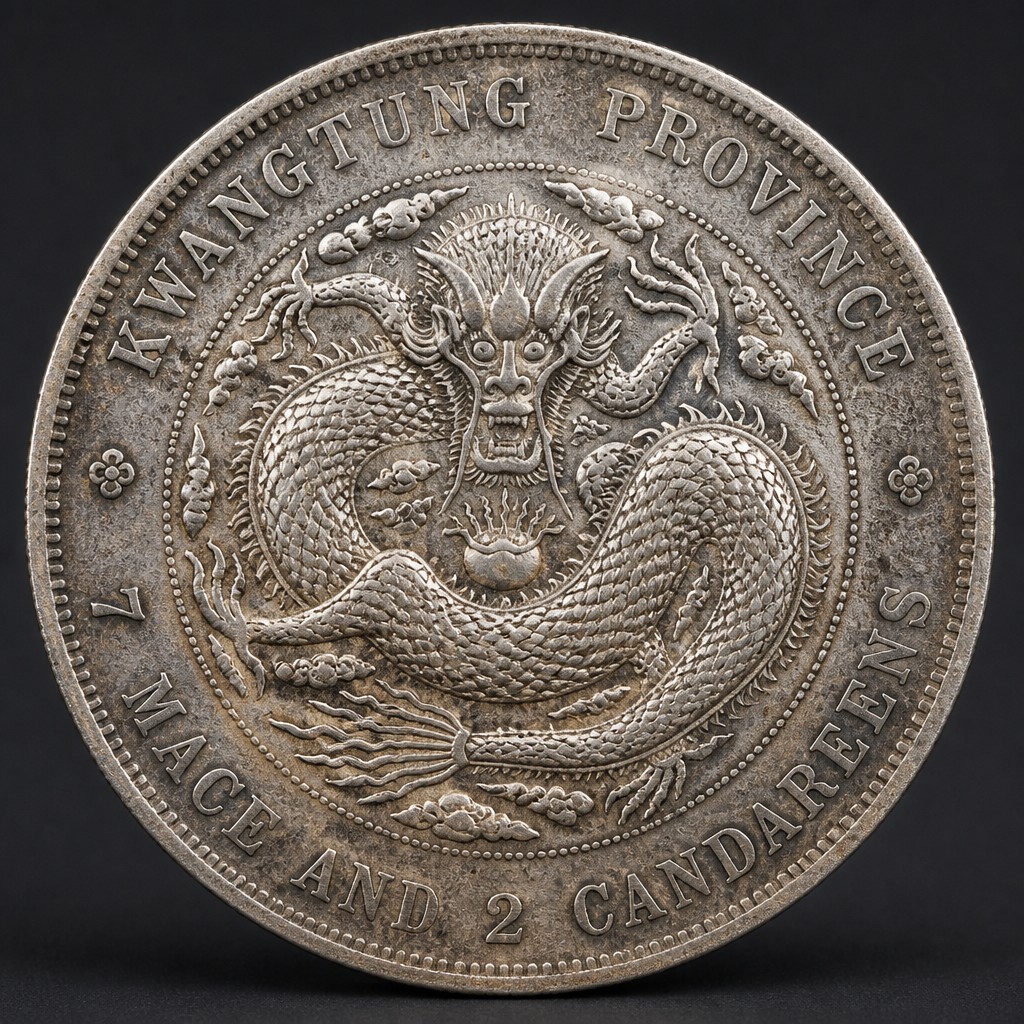
Kwangtung Province Dragon Dollar
One of the earliest Chinese machine-struck silver dollars, issued by Kwangtung Province and featuring a coiled dragon reverse that became the template for Chinese provincial dollar coinage.
Asian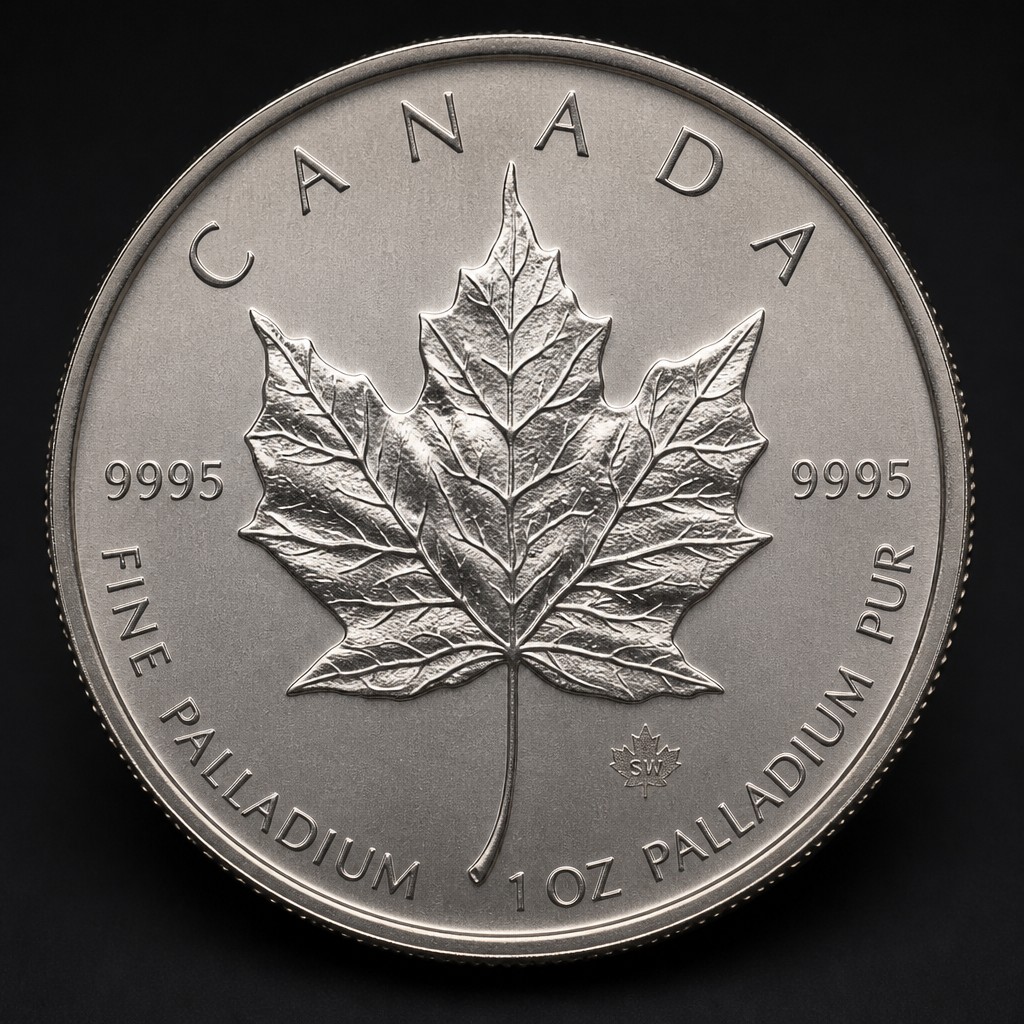
Canadian Palladium Maple Leaf
The Royal Canadian Mint's palladium bullion coin, sharing the Maple Leaf design used across Canada's precious metal series, produced intermittently since 2005.
Bullion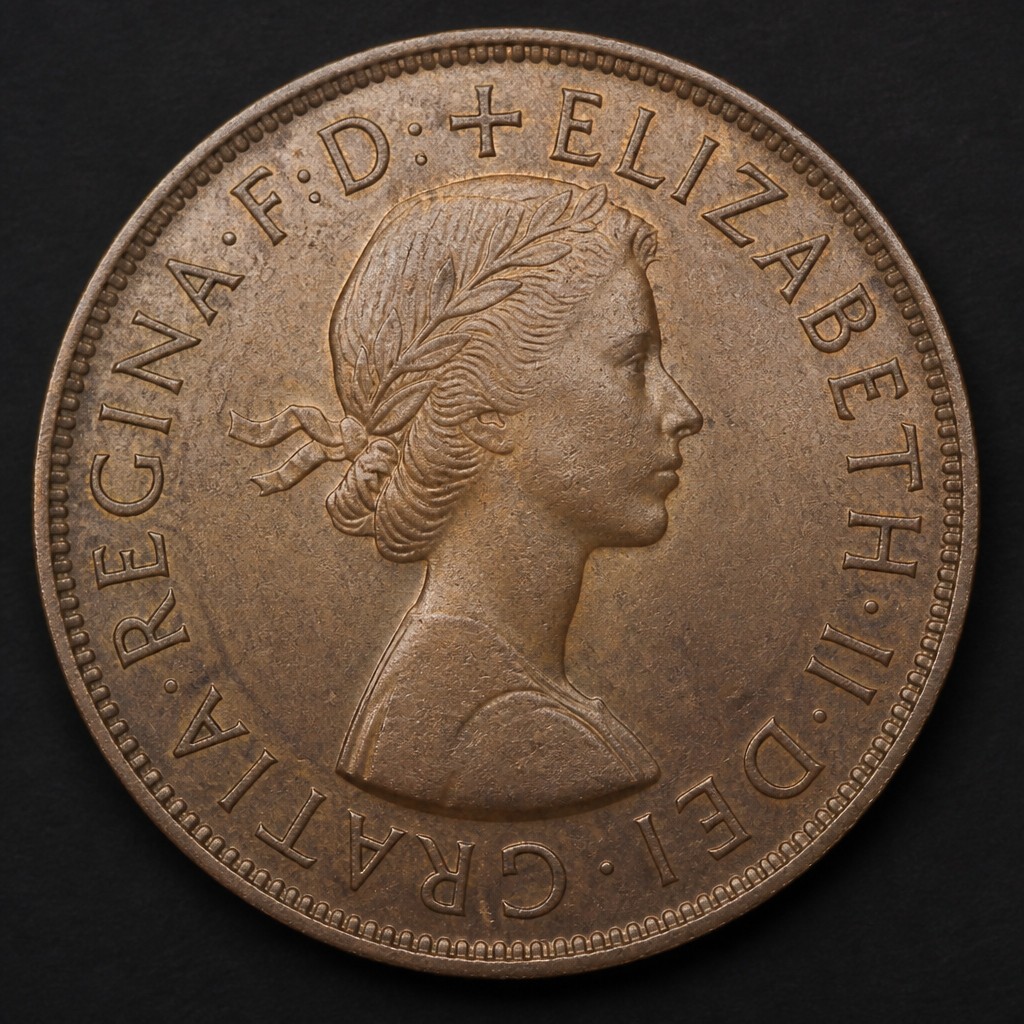
Halfpenny
A small British bronze coin worth half a penny, best known in its twentieth-century form featuring Sir Francis Drake's ship the Golden Hind on the reverse.
British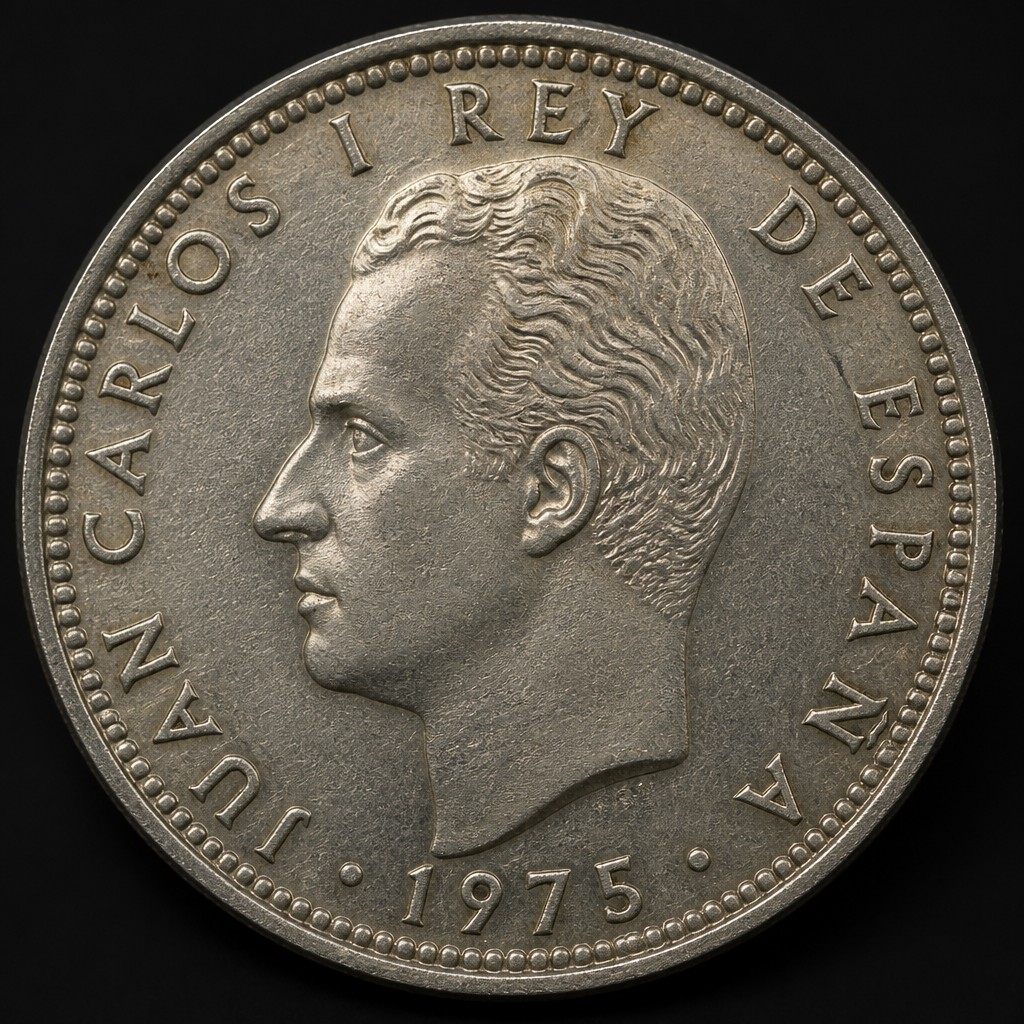
Spanish Peseta
The peseta was Spain's national currency for over 130 years, evolving from silver coinage under a provisional 19th-century government to copper-nickel coins used until the euro replaced it in 2002.
European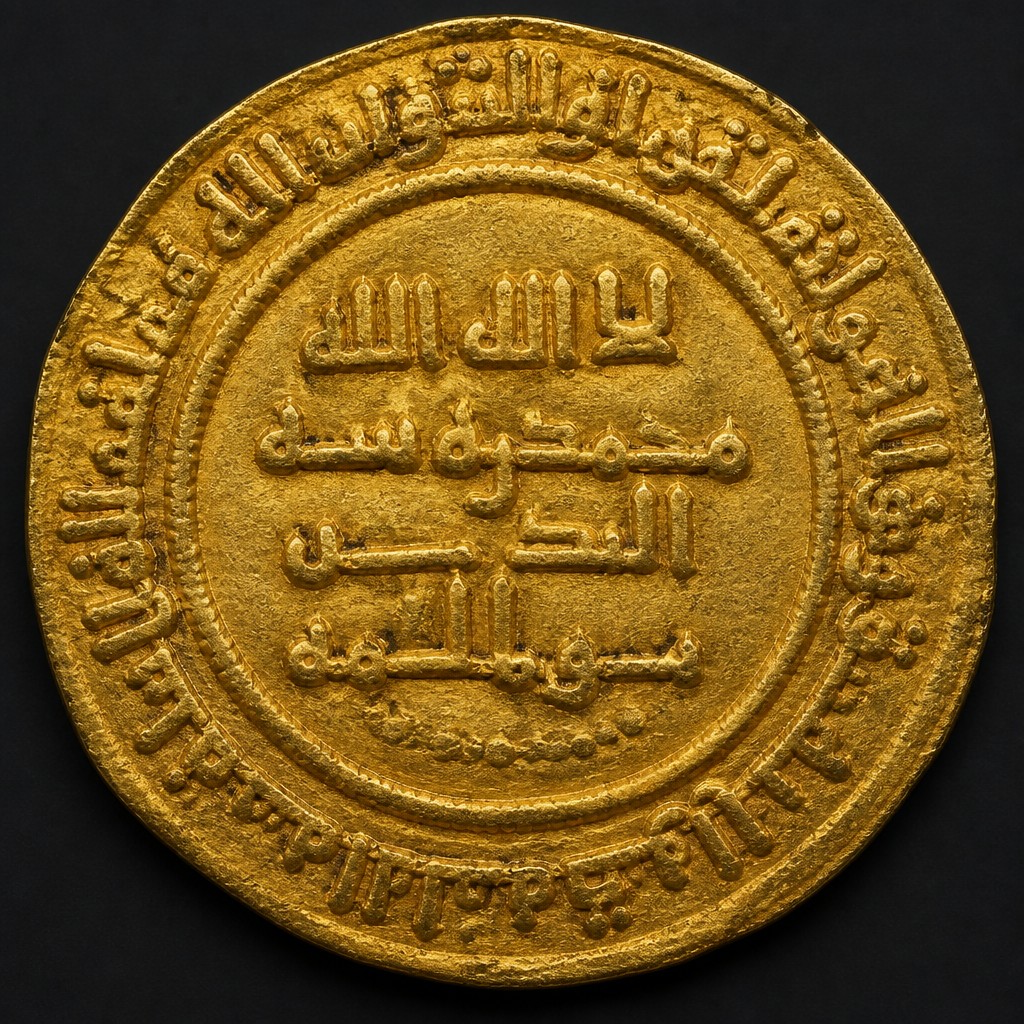
Ayyubid Dinar of Saladin
A gold dinar struck under Salah al-Din (Saladin), founder of the Ayyubid dynasty famed for recapturing Jerusalem, continuing the Islamic tradition of purely inscriptional coinage.
World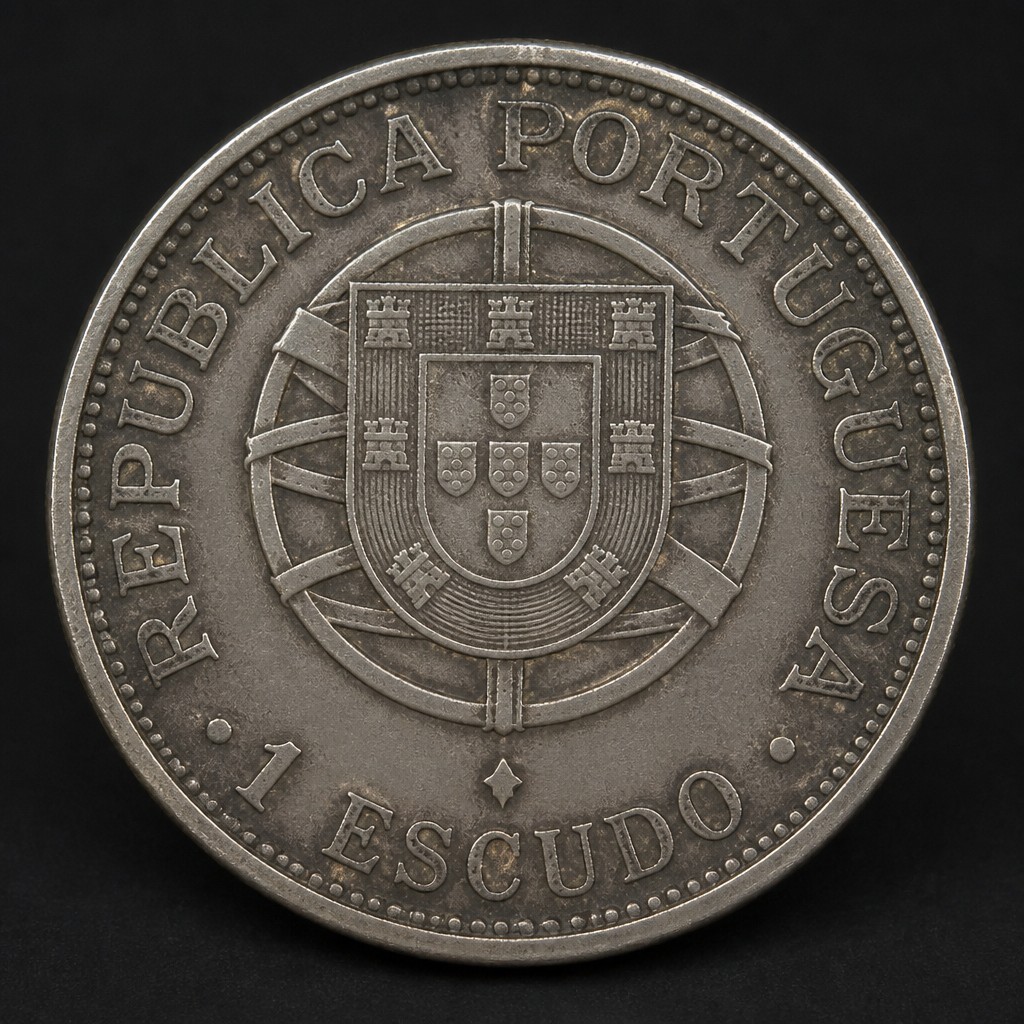
Portuguese Escudo
Portugal's national currency unit from the 1911 decimal reform, following the fall of the monarchy, until the Euro replaced it in the early 2000s.
European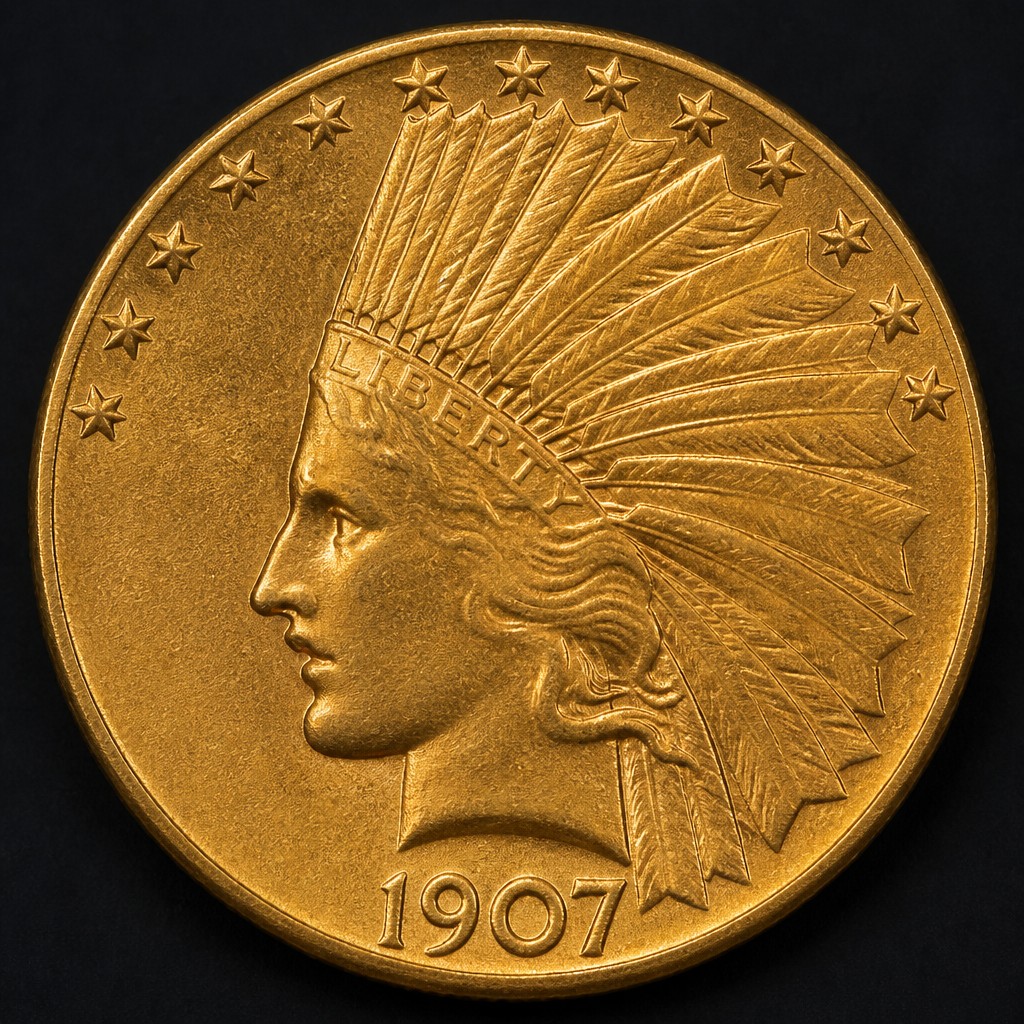
Indian Head Eagle ($10)
A striking early 20th-century gold eagle designed by Augustus Saint-Gaudens as part of President Theodore Roosevelt's push to beautify American coinage.
United States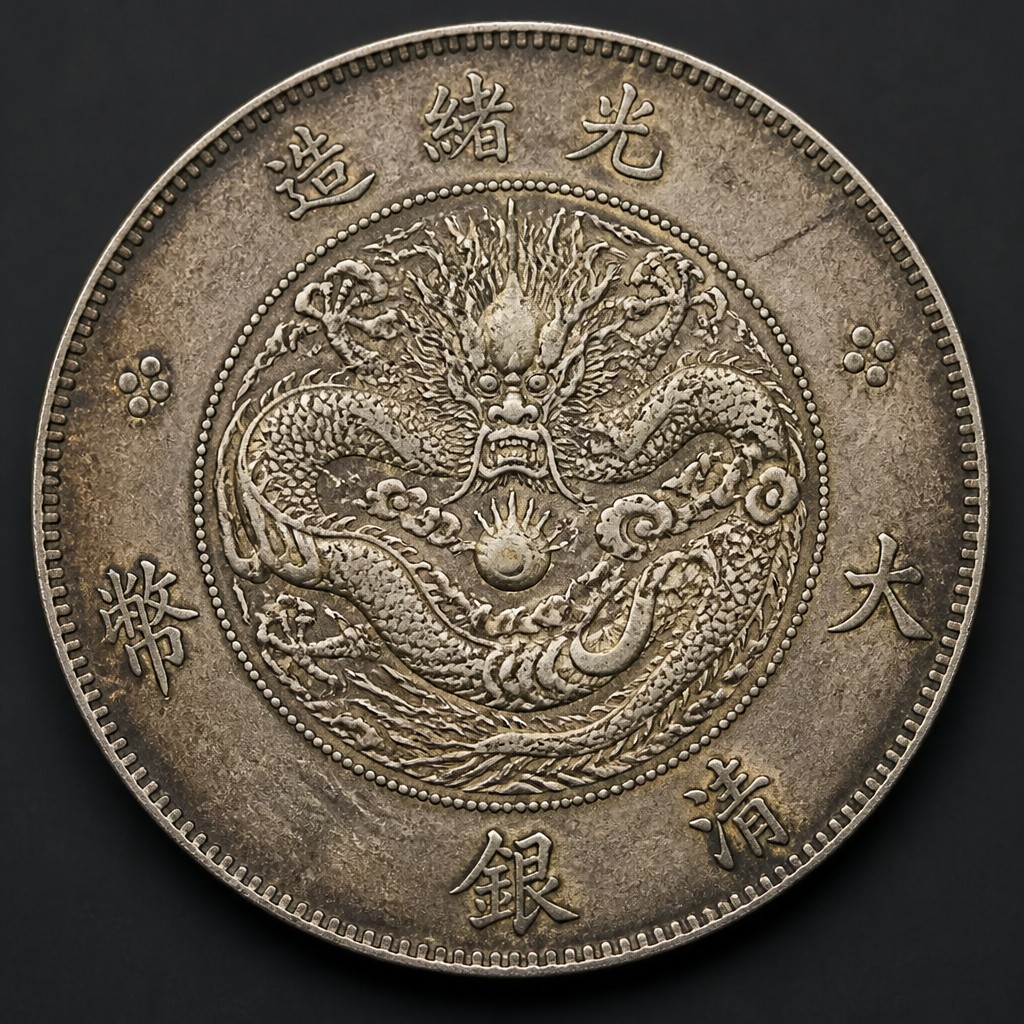
Chinese Dragon Dollar
A coiled dragon dominates the reverse of these late Qing Dynasty silver dollars, struck by numerous Chinese provincial mints as China modernized its coinage using Western minting technology.
Asian