
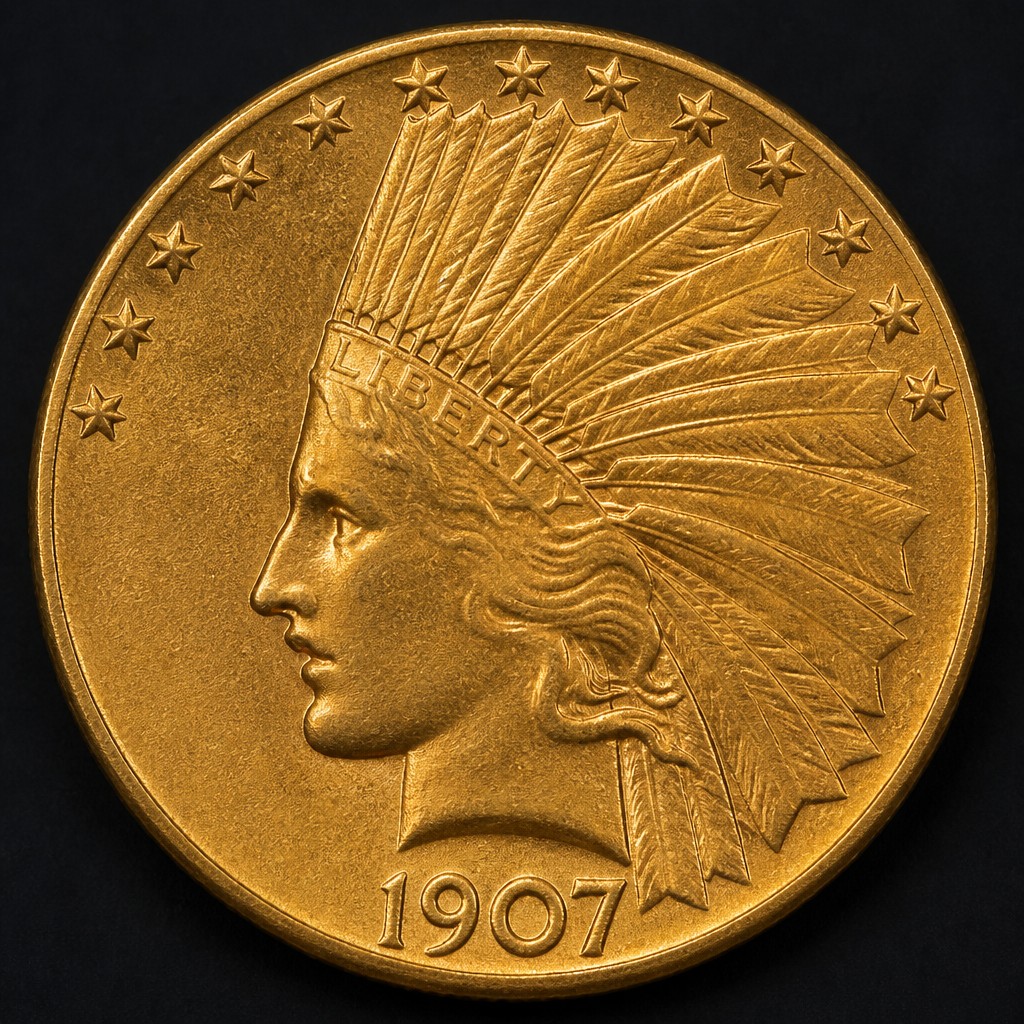
Indian Head Eagle ($10)
A striking early 20th-century gold eagle designed by Augustus Saint-Gaudens as part of President Theodore Roosevelt's push to beautify American coinage.
- Country
- United States
- Denomination
- Ten Dollars
- Metal
- Gold (.900 fine)
Got a coin like this?
Identify any coin from a photo, free.
Overview
The Indian Head Eagle is widely regarded as one of the most artistically significant United States gold coins, born out of President Theodore Roosevelt's personal campaign to elevate American coin design to the level of ancient Greek art. Sculptor Augustus Saint-Gaudens, already famed for his public monuments, contributed the design, giving the ten-dollar gold piece a bold, sculptural quality unlike anything in prior U.S. coinage.
Collectors prize the series for its dramatic relief, historical importance, and the range of interesting varieties, from the rare 1907 wire and rolled-edge experimental pieces to the famous, nearly all-melted 1933 issue.
History & Background
Commissioned in 1905 as part of Roosevelt's broader coinage redesign initiative, Saint-Gaudens produced designs for both the ten-dollar eagle and the twenty-dollar double eagle before his death in 1907. The eagle design underwent several adjustments during its debut year, including experimental wire-rim and rolled-rim editions before settling into the standard production version.
The motto IN GOD WE TRUST was initially omitted at Roosevelt's insistence, reflecting his view that placing a religious phrase on money was inappropriate, but public and congressional pressure led to its addition beginning in 1908. The series continued through 1933, when the United States left the gold standard domestically; the 1933-dated eagles were mostly never officially released and are extraordinarily rare today.
Minted at Philadelphia, Denver, and San Francisco, the series reflects the last great era of circulating American gold coinage before the Gold Reserve Act of 1934 ended gold coin production for circulation.
How to Identify
The obverse depicts Liberty as a female figure wearing a Native American-style feathered war bonnet, facing left, surrounded by thirteen stars, with the date below. The reverse shows a standing eagle perched on a bundle of arrows with an olive branch beneath its talons, encircled by UNITED STATES OF AMERICA and TEN DOLLARS, with E PLURIBUS UNUM along the edge in raised letters on some varieties rather than the field.
Early 1907 and some 1908 Philadelphia coins lack IN GOD WE TRUST on the reverse; later issues include it above the eagle. Mintmarks, when present, appear on the reverse near the arrow points: D for Denver and S for San Francisco, with no mark for Philadelphia.
The coin's edge bears raised stars rather than reeding, a distinctive feature of the design. Collectors distinguish this series from the earlier Liberty Head (Coronet) Eagle by its Native American headdress motif versus the older coronet-and-eagle-with-shield design.
Value & Collectibility
Common-date Indian Head Eagles in circulated grades trade close to their gold bullion value, while better dates and higher Mint State grades bring substantial premiums. Key dates such as certain low-mintage San Francisco and Denver issues, along with the famous 1933 (almost entirely unreleased and illegal to own in most cases without exceptional provenance), command prices far above bullion value.
The no-motto 1907 and 1908 issues, along with the rare 1907 wire-edge and rolled-edge varieties, are especially prized by specialists and can bring significant premiums depending on rarity and condition.
Frequently asked questions
Who designed the Indian Head Eagle?
Sculptor Augustus Saint-Gaudens designed it as part of Theodore Roosevelt's early 1900s initiative to improve American coin artistry.
Why do some 1907–1908 coins lack IN GOD WE TRUST?
Roosevelt initially had the motto omitted for personal religious reasons, but Congress required its restoration starting in 1908.
What is special about the 1933 Indian Head Eagle?
Most of the mintage was never officially released before the U.S. left the gold standard, making surviving examples extremely rare and valuable.
How is the edge of this coin different from other gold coins?
It has raised stars on the edge rather than the reeded edge typical of most U.S. gold coinage.
Other coins you may enjoy
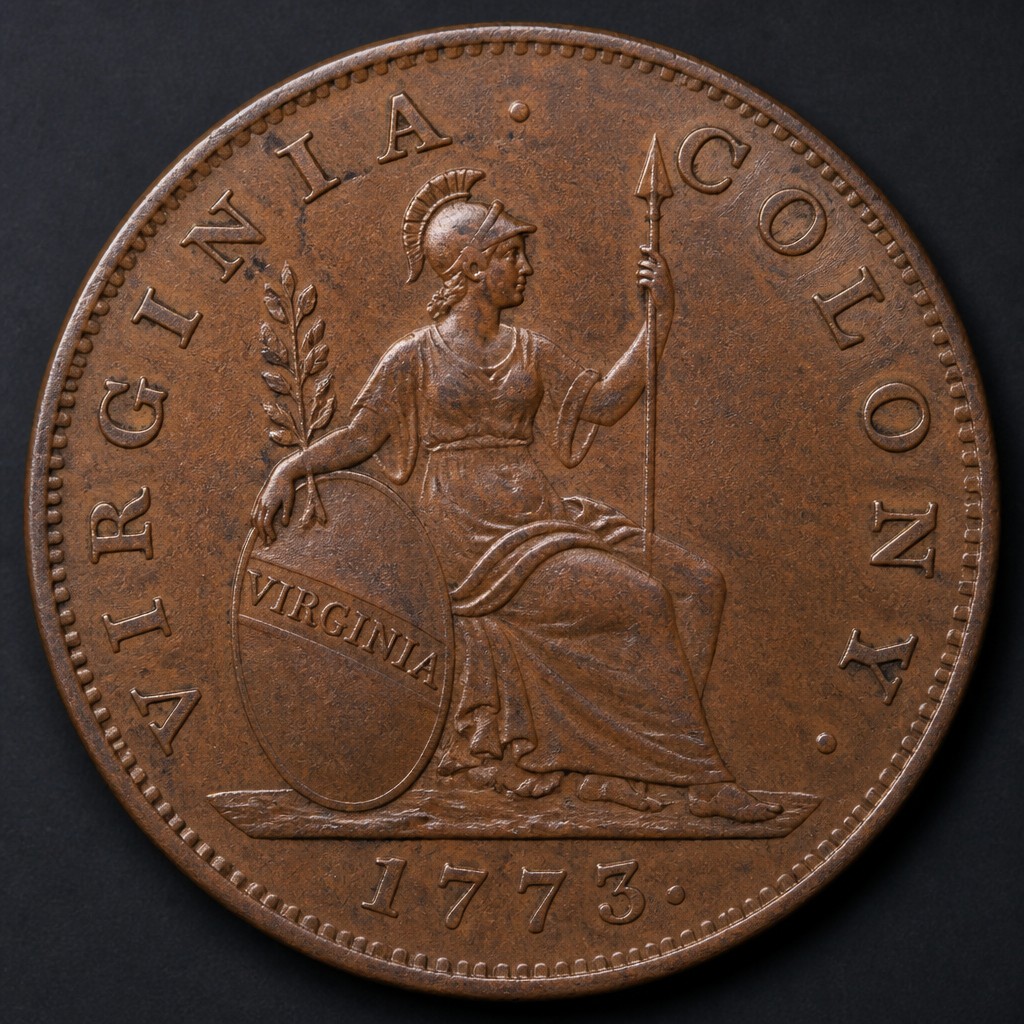
Virginia Halfpenny
1773
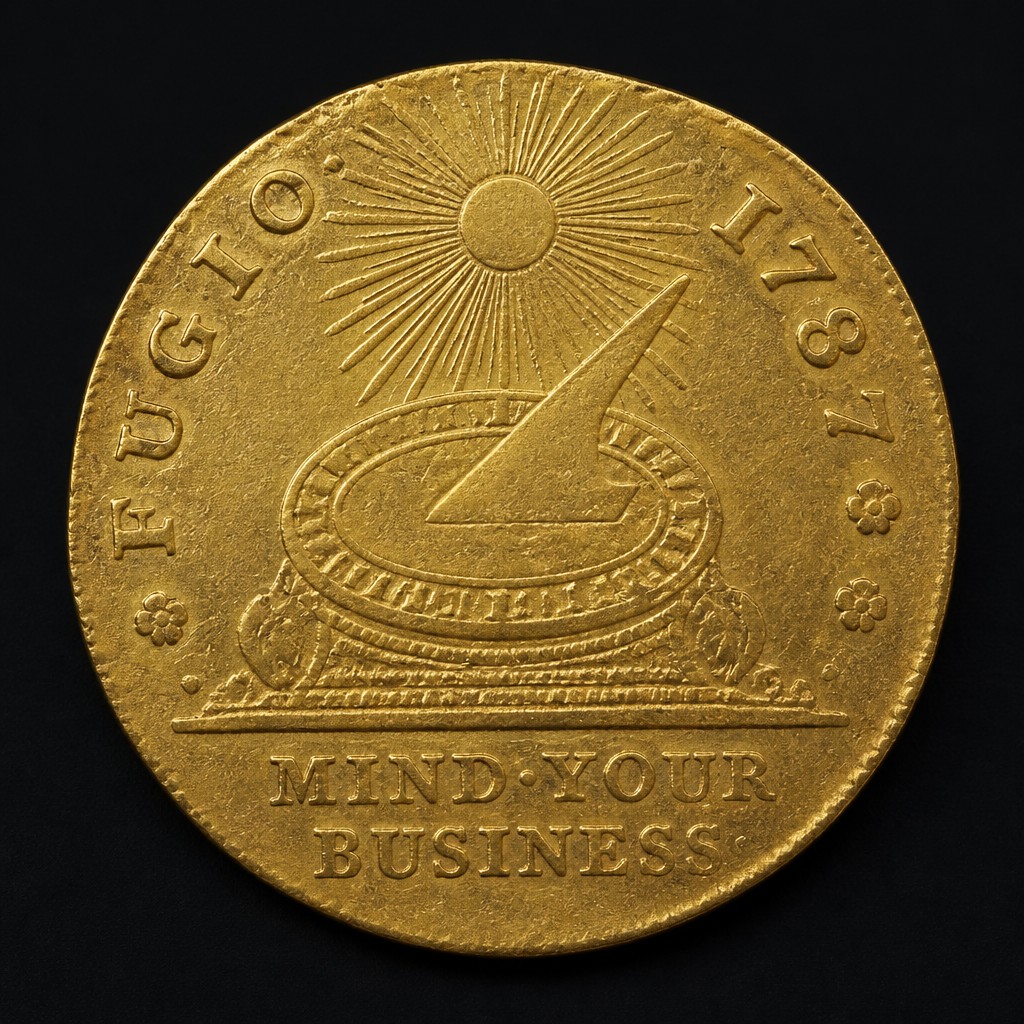
Brasher Doubloon
1787
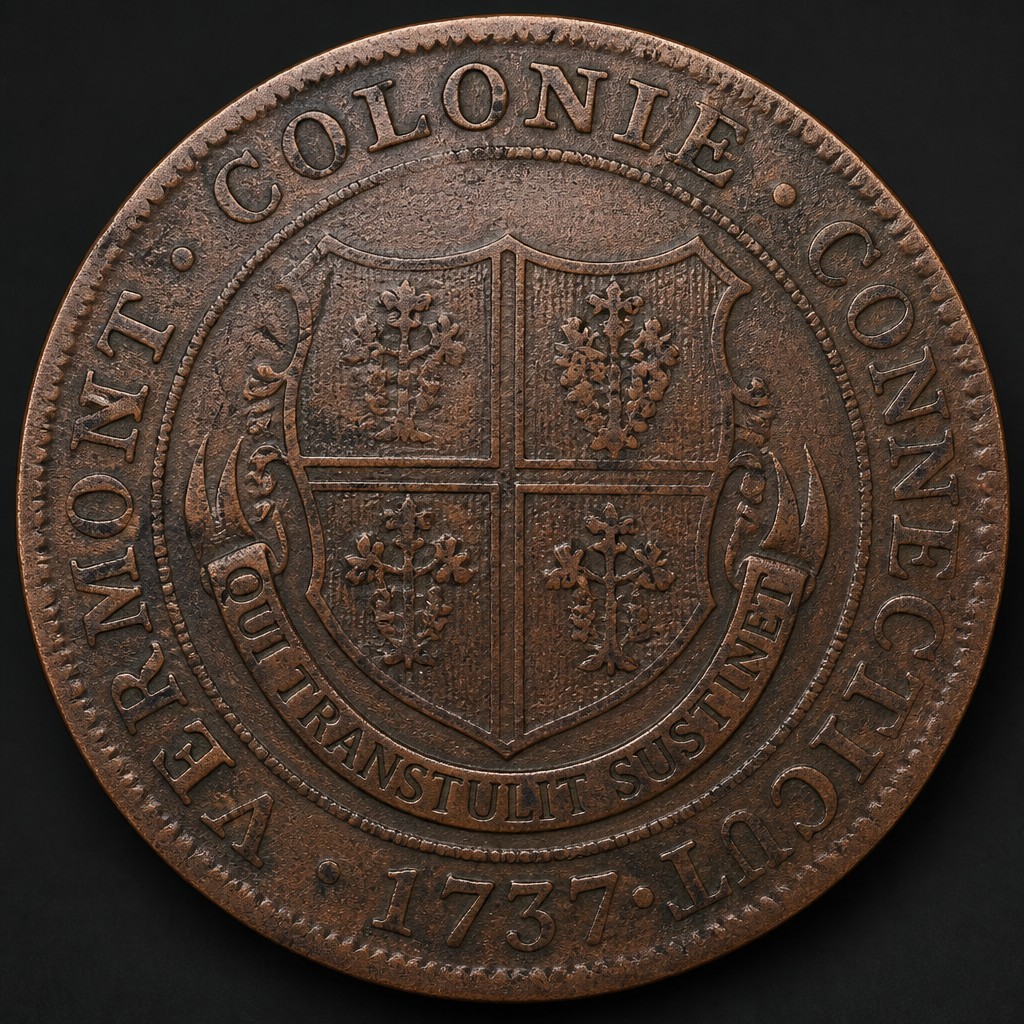
Higley Copper
1737–1739
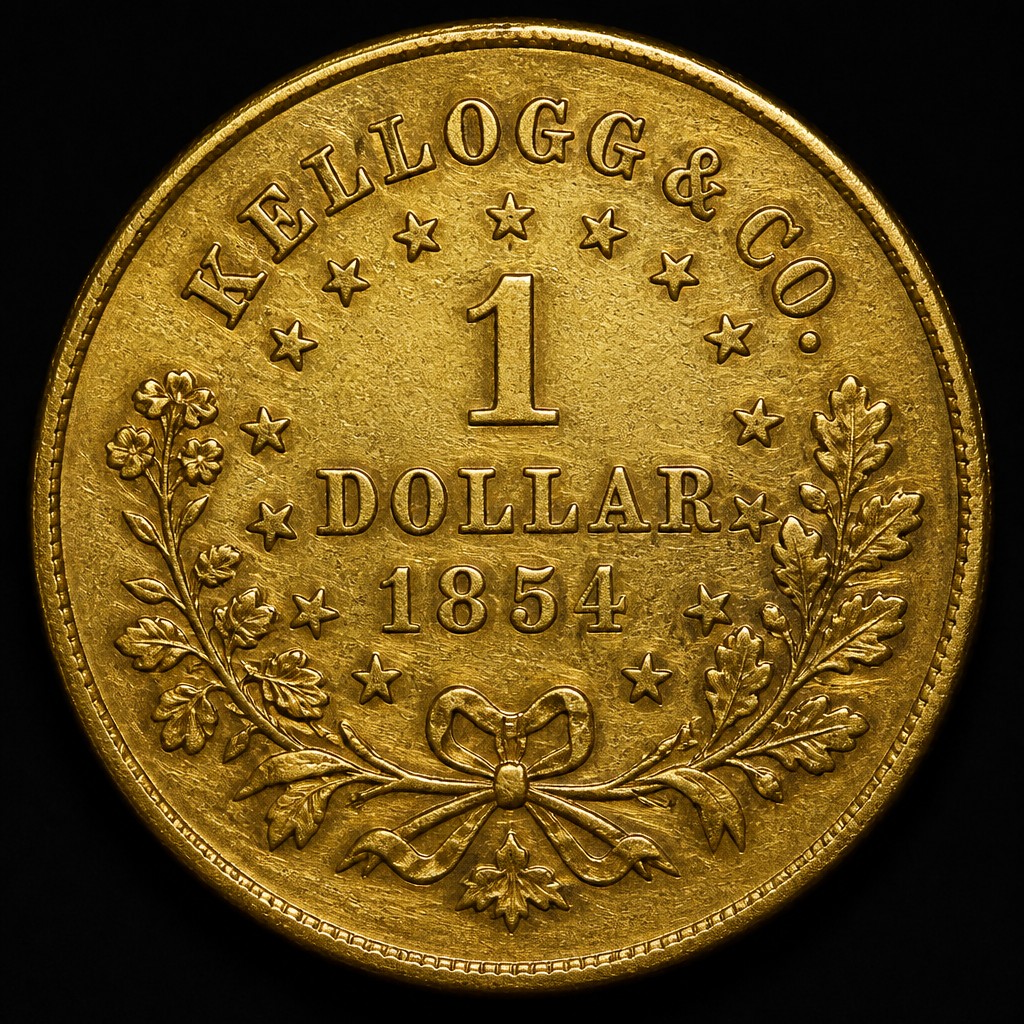
Kellogg & Co. Gold Piece
1854–1855
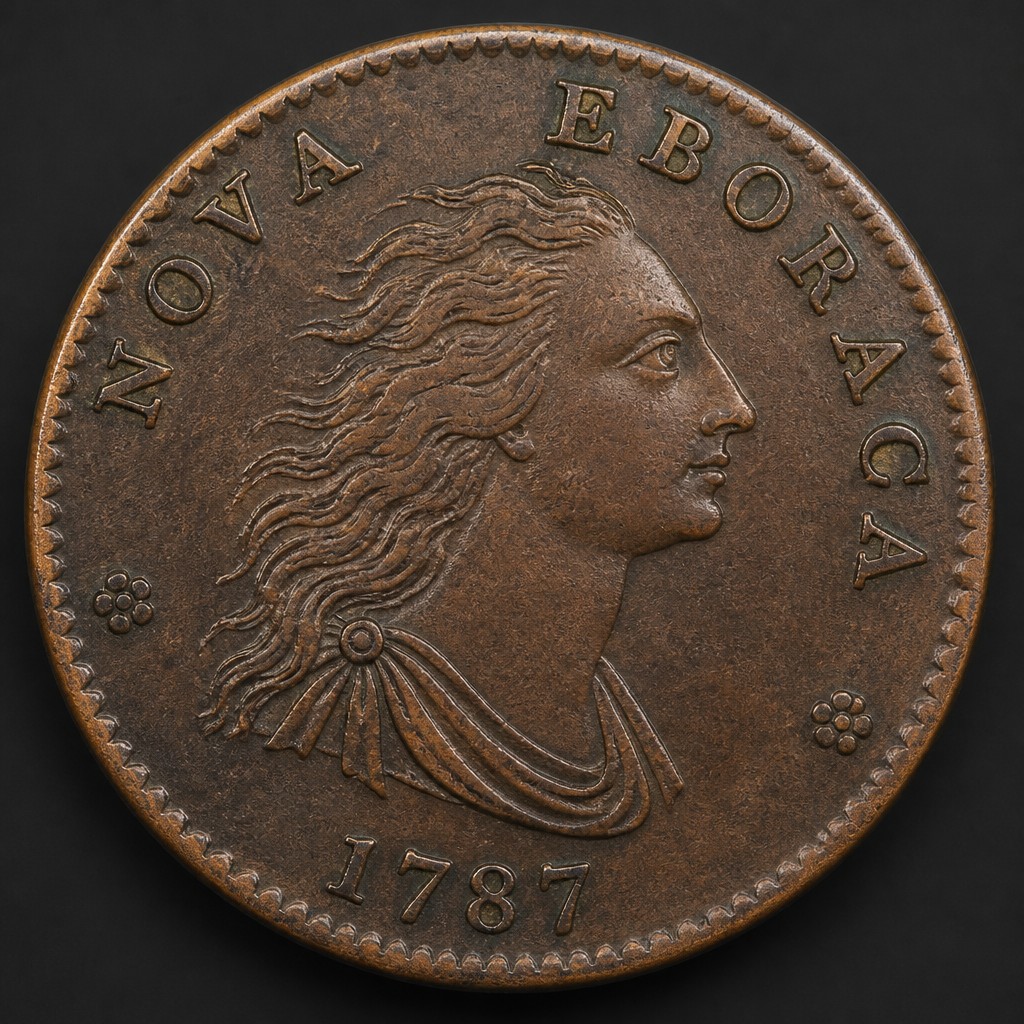
Nova Eborac Copper
1787
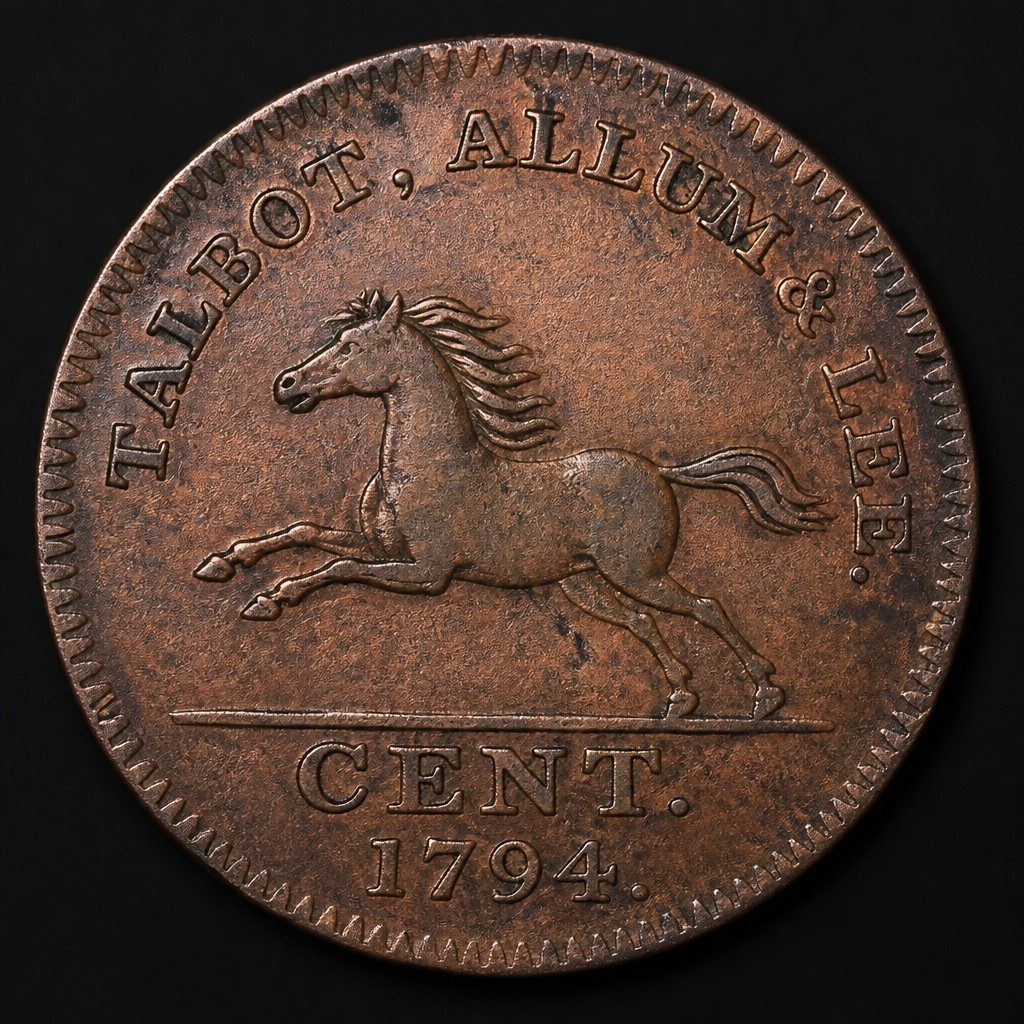
Talbot, Allum & Lee Cent
1794–1795
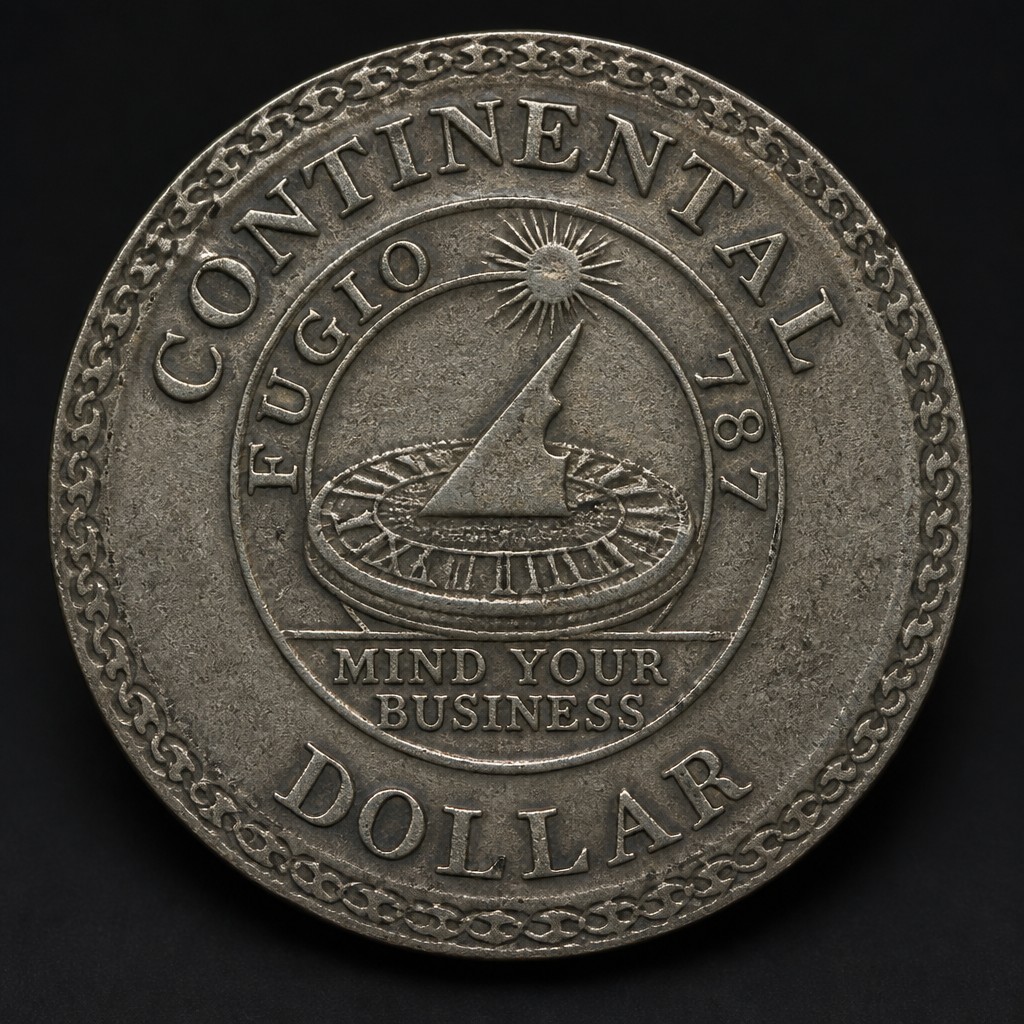
Continental Dollar
1776
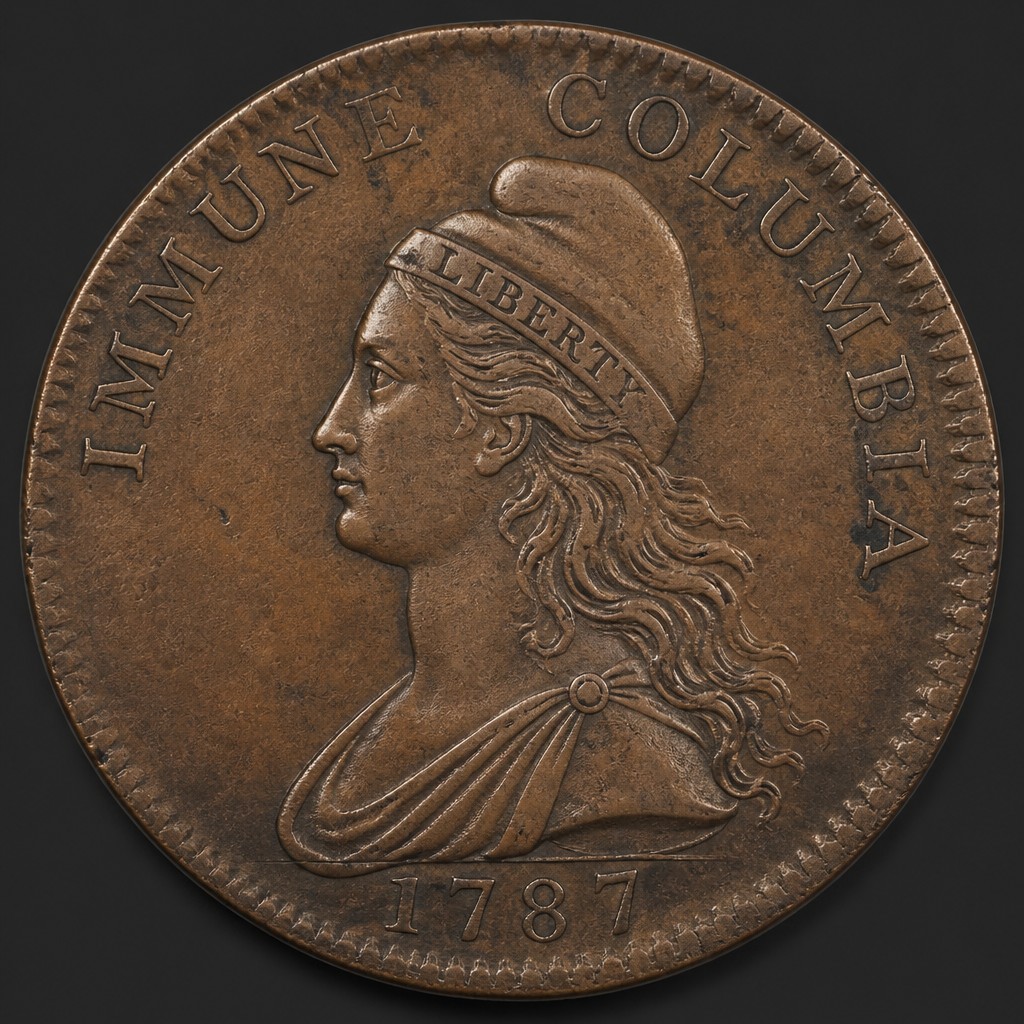
Immune Columbia Copper
circa 1785–1787
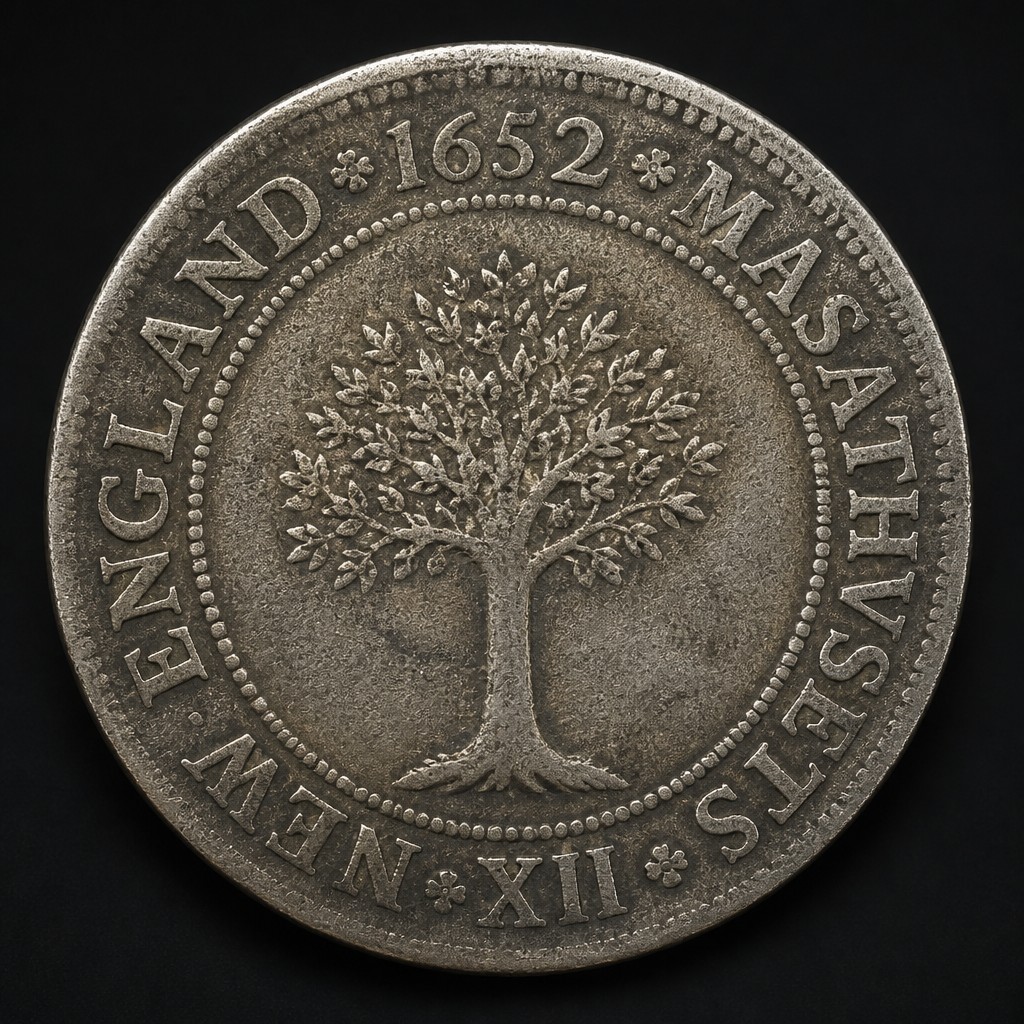
Massachusetts Oak Tree Shilling
Dated 1652, struck circa 1660–1667
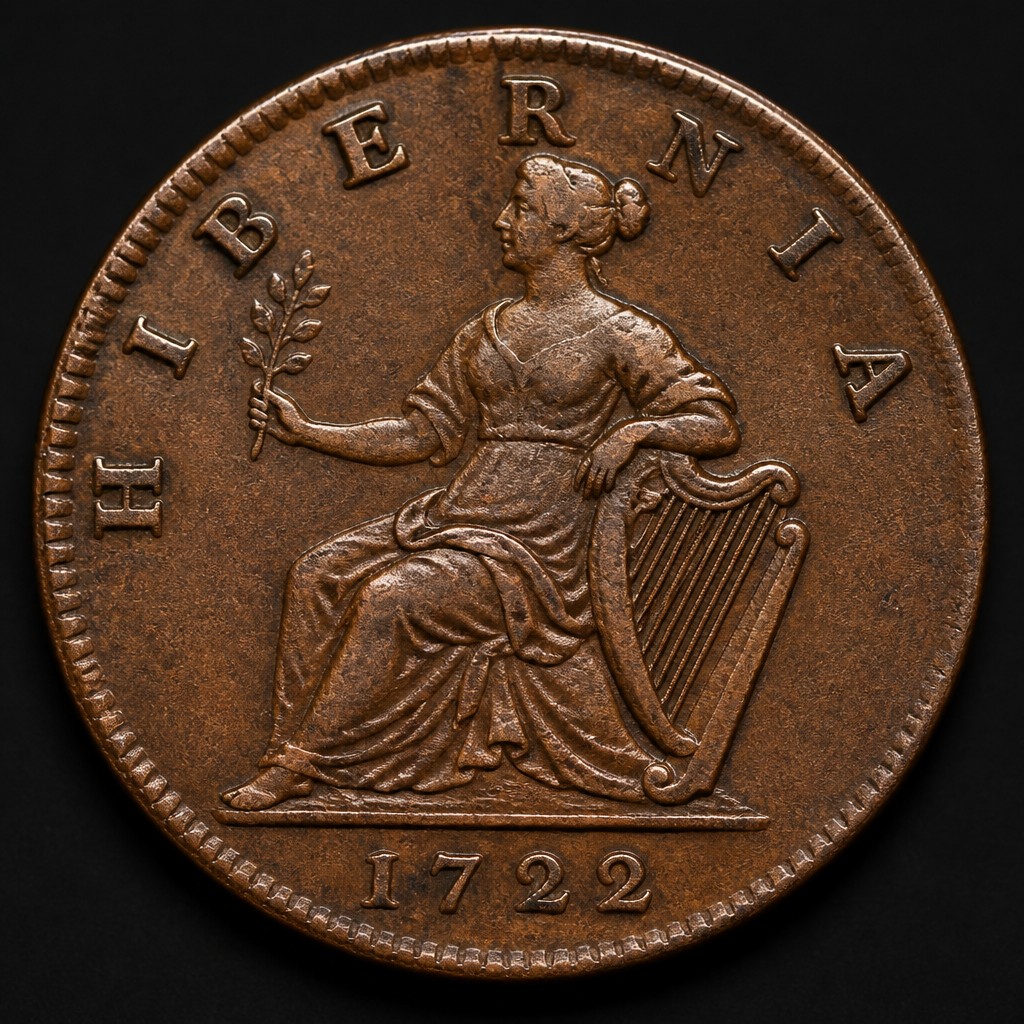
Wood's Hibernia Halfpenny
1722–1724
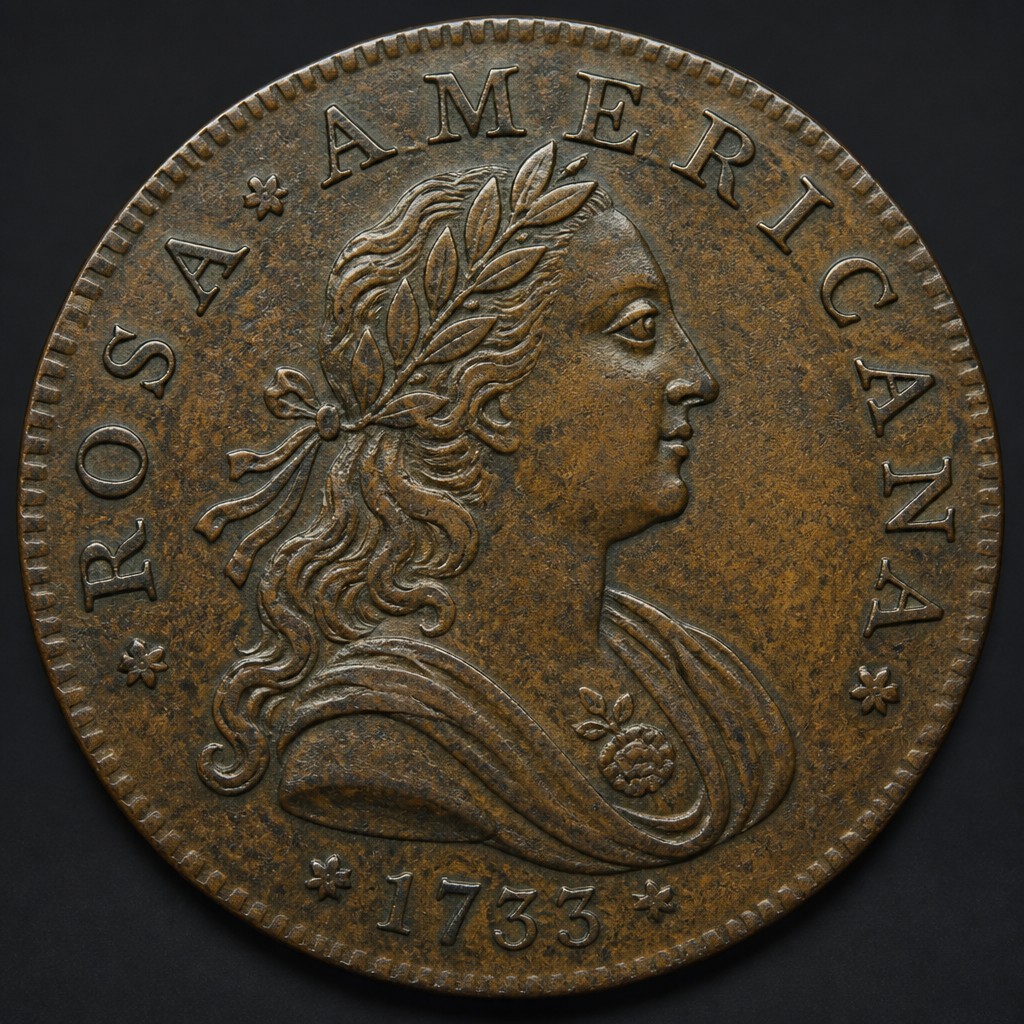
Rosa Americana Coinage
1722–1724 (with pattern issues dated 1733)
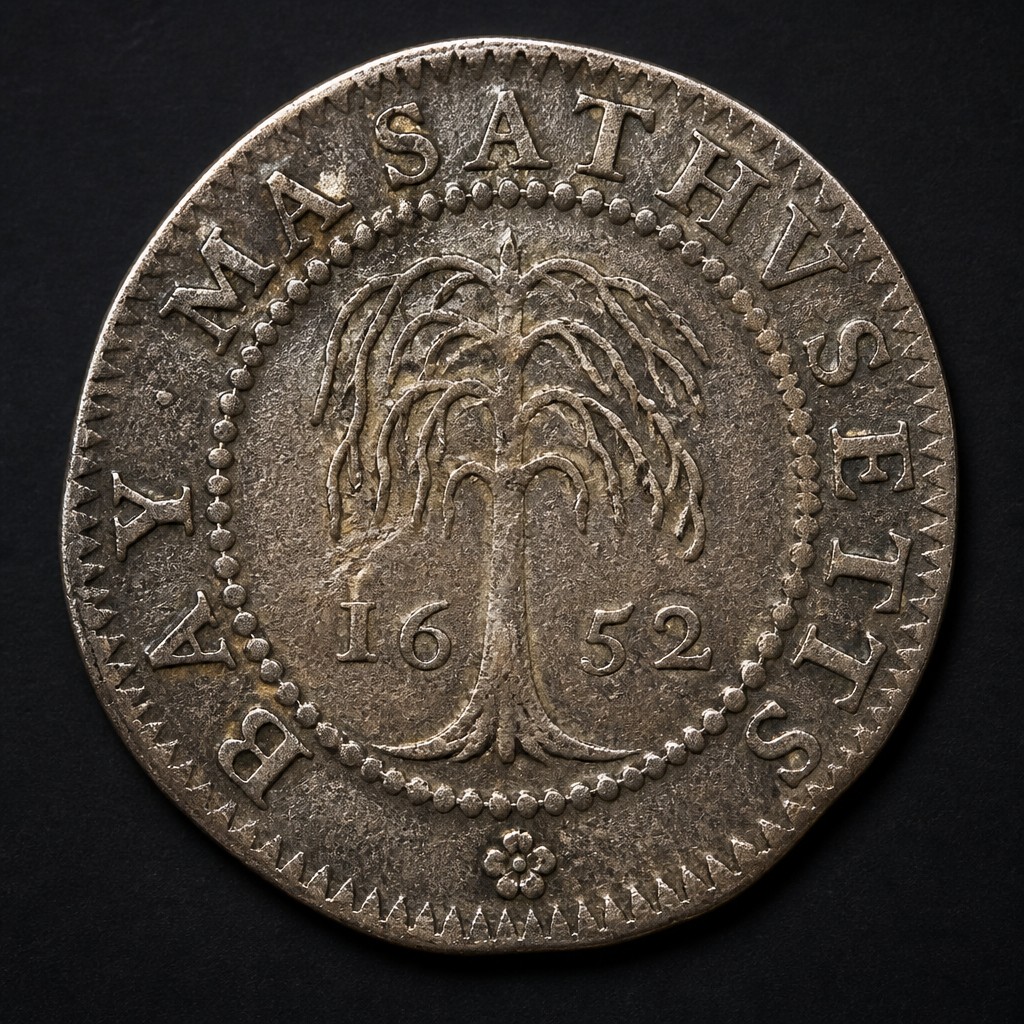
Massachusetts Willow Tree Shilling
Dated 1652, struck circa 1653–1660