
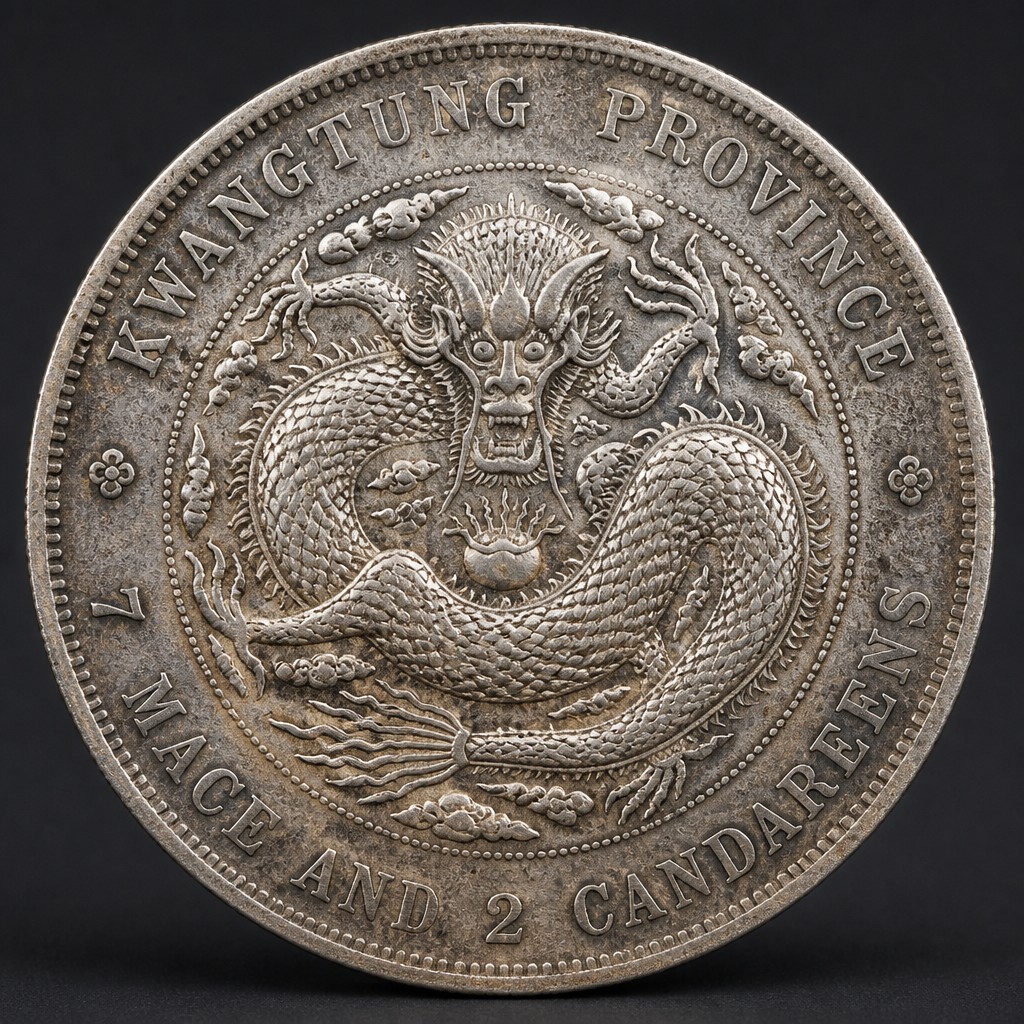
Kwangtung Province Dragon Dollar
One of the earliest Chinese machine-struck silver dollars, issued by Kwangtung Province and featuring a coiled dragon reverse that became the template for Chinese provincial dollar coinage.
- Country
- China (Kwangtung/Guangdong Province)
- Denomination
- 7 Mace and 2 Candareens (1 Dollar)
- Metal
- Silver, approximately .820–.900 fine (varies by date)
Got a coin like this?
Identify any coin from a photo, free.
Overview
The Kwangtung Province Dragon Dollar is regarded as a landmark issue in Chinese numismatics, among the first machine-struck silver dollar coins produced by a Chinese provincial mint. Its introduction in the late Qing dynasty marked a major shift away from traditional cast cash coins and silver ingots (sycee) toward Western-style milled coinage for larger transactions.
The coin's dragon reverse design proved so influential that it was adapted, with variations, by numerous other Chinese provinces that subsequently established their own mints, making the Kwangtung dollar an important reference point for the broader "dragon dollar" series that dominated Chinese silver coinage into the early twentieth century.
History & Background
In the final decades of the Qing dynasty, provincial governors were granted increasing authority to modernize local currency systems in response to the influx of foreign silver trade dollars, particularly the Mexican dollar, which circulated widely in southern China. The governor of Kwangtung Province established a mechanized mint at Canton (Guangzhou) in the late 1880s, and by around 1890 it began striking silver dollar-sized coins denominated in the traditional tael-based system of mace and candareens.
The Kwangtung mint's success and technical sophistication led other Chinese provinces, including Hupeh, Fengtien, and Kiangnan among others, to establish similar mints and adopt broadly similar dragon-themed designs, giving rise to the extensive Chinese "dragon dollar" series that continued until the fall of the Qing dynasty in 1911 and beyond into the early Republic.
How to Identify
The obverse bears Chinese characters identifying the province and denomination, arranged around a central inscription, often within beaded borders, reflecting the coin's origin under Qing provincial authority rather than a portrait-based Western design.
The reverse depicts a coiled or striding imperial dragon, a powerful symbol of Chinese sovereignty, encircled by an English-language legend reading "KWANG-TUNG PROVINCE" along with the denomination "7 MACE AND 2 CANDAREENS," reflecting the coin's intended equivalence to the Mexican trade dollar standard.
The coin is silver, roughly 39mm in diameter, with weight and fineness that shifted somewhat across different years of production as the mint refined its standards. Collectors distinguish Kwangtung issues from other provincial dragon dollars by the specific province name in the English legend and by variations in dragon style, scale details, and border ornamentation unique to the Canton mint's dies.
Value & Collectibility
Common later-date Kwangtung dragon dollars in circulated grades are reasonably accessible to collectors, while earlier dates and scarcer die varieties can command significantly higher prices due to lower surviving populations.
As with most Chinese dragon dollars, condition has an outsized effect on value: coins with strong dragon detail, minimal chop marks (merchant counter-stamps once used to verify silver content), and original luster bring substantial premiums over heavily worn or chop-marked examples.
Because Chinese dragon dollars are frequently counterfeited, both in period and in modern times, buyers should seek coins that have been authenticated or graded by a reputable service, particularly for higher-value dates and varieties.
Frequently asked questions
Why is it called a 'dragon dollar'?
The reverse features a large Chinese imperial dragon design, a motif shared across many provincial Chinese silver dollar issues of the period.
What does '7 Mace and 2 Candareens' mean?
It is a traditional Chinese weight-based currency unit roughly equivalent in silver content to one Mexican trade dollar.
Did other provinces copy this design?
Yes, the Kwangtung dollar's success encouraged many other Chinese provinces to establish mints and issue similar dragon-themed silver dollars.
What are chop marks and why do they matter?
Chop marks are small counter-stamps applied by merchants to verify silver content; heavily chop-marked coins are generally worth less to collectors.
Are Kwangtung dragon dollars commonly counterfeited?
Yes, both period and modern counterfeits exist, so authentication is important, especially for scarcer dates.
Other coins you may enjoy
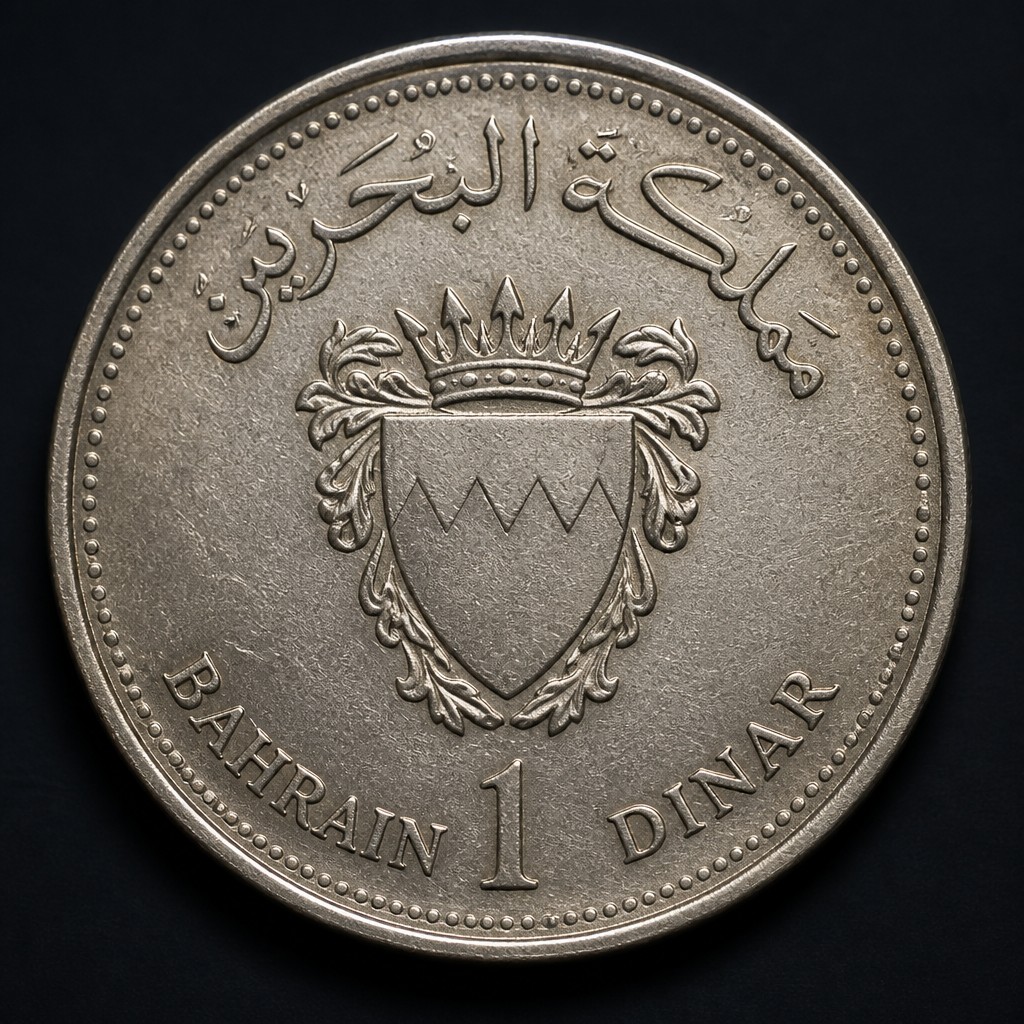
Bahraini Dinar
1965–present
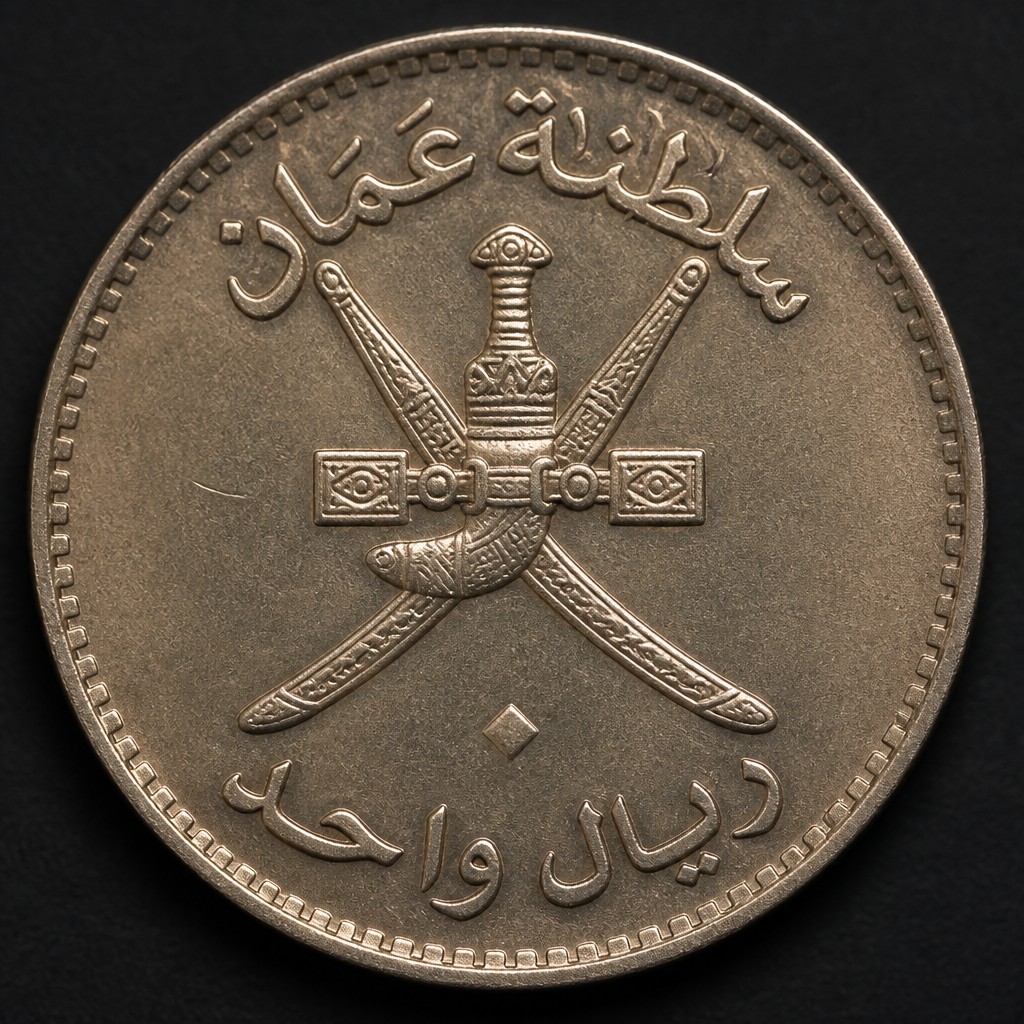
Omani Rial (Baisa Coinage)
1970–present
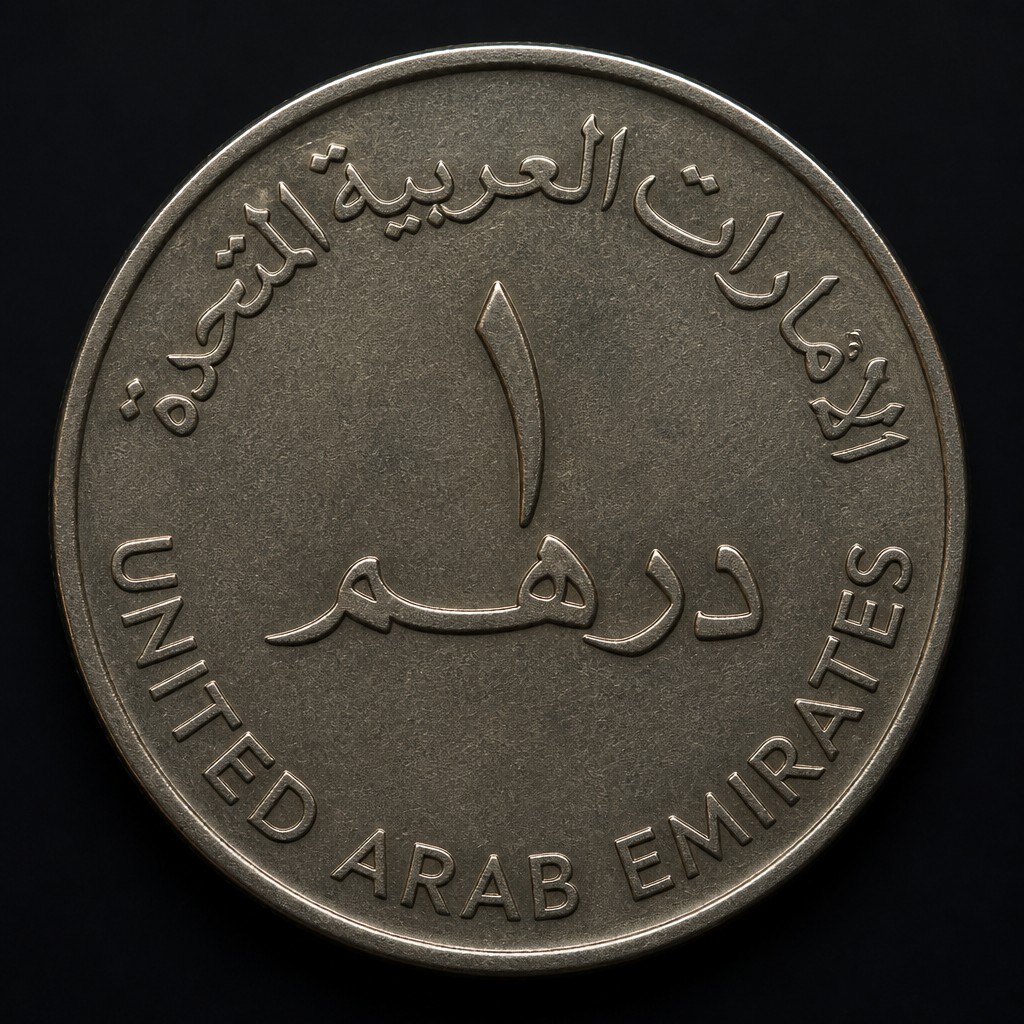
United Arab Emirates Dirham
1973–present
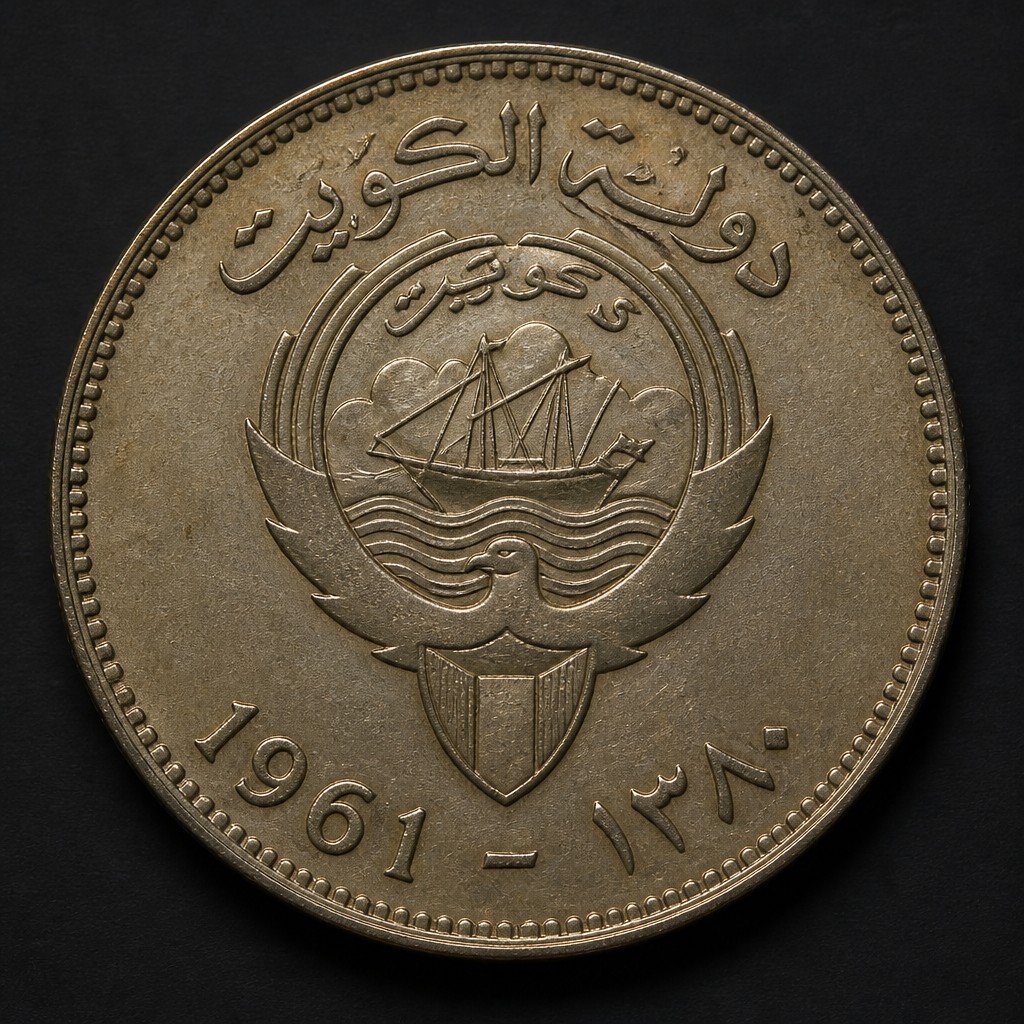
Kuwaiti Fils
1961–present
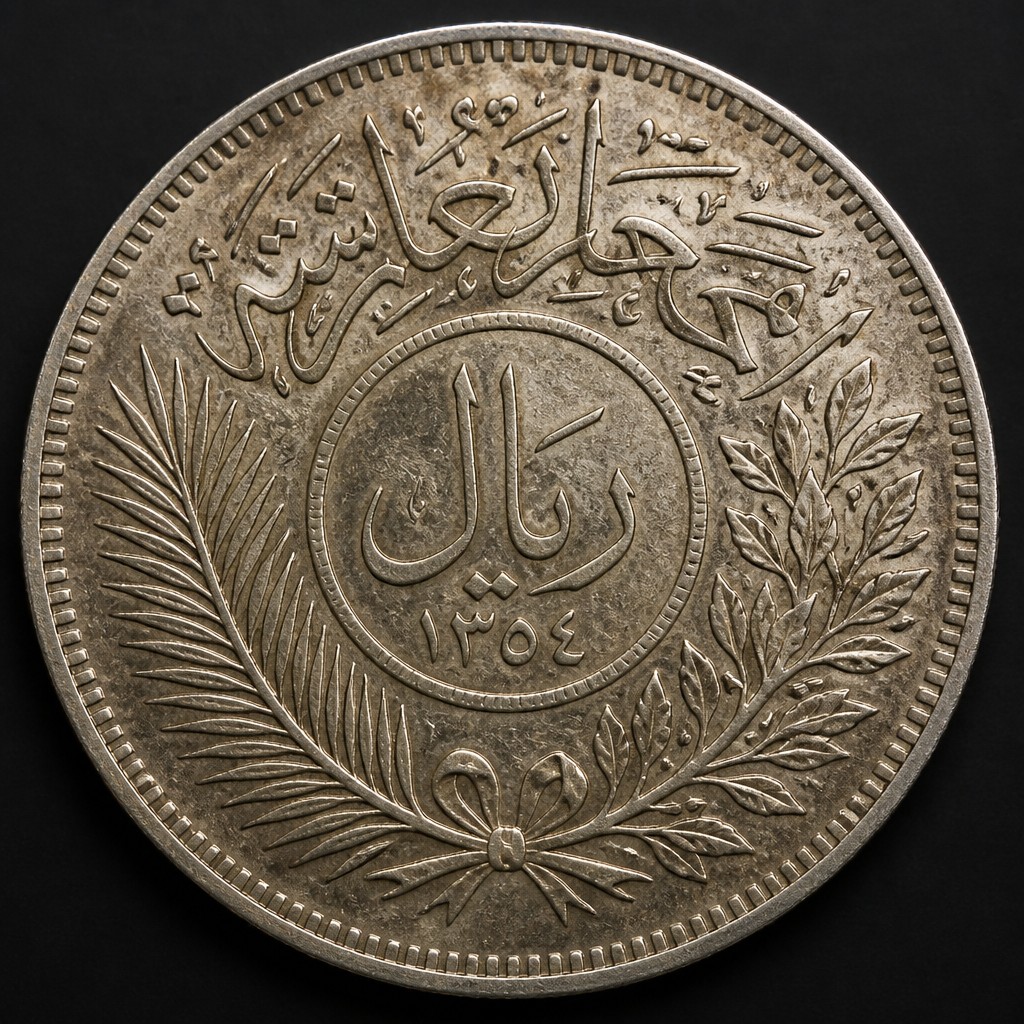
Saudi Arabian Riyal (silver)
1935 (Kingdom-wide standardization) and related issues
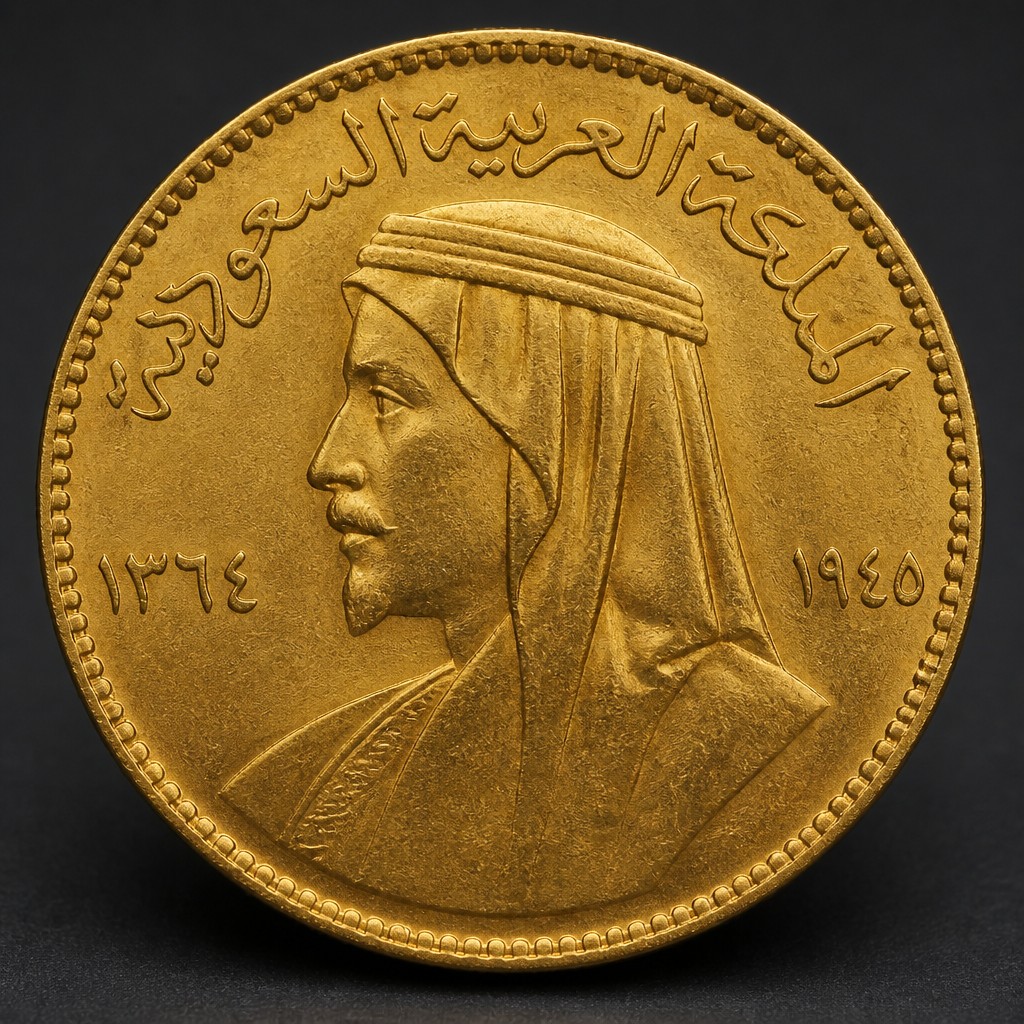
Saudi Arabian Gold Guinea (Sovereign)
1945 and later issues
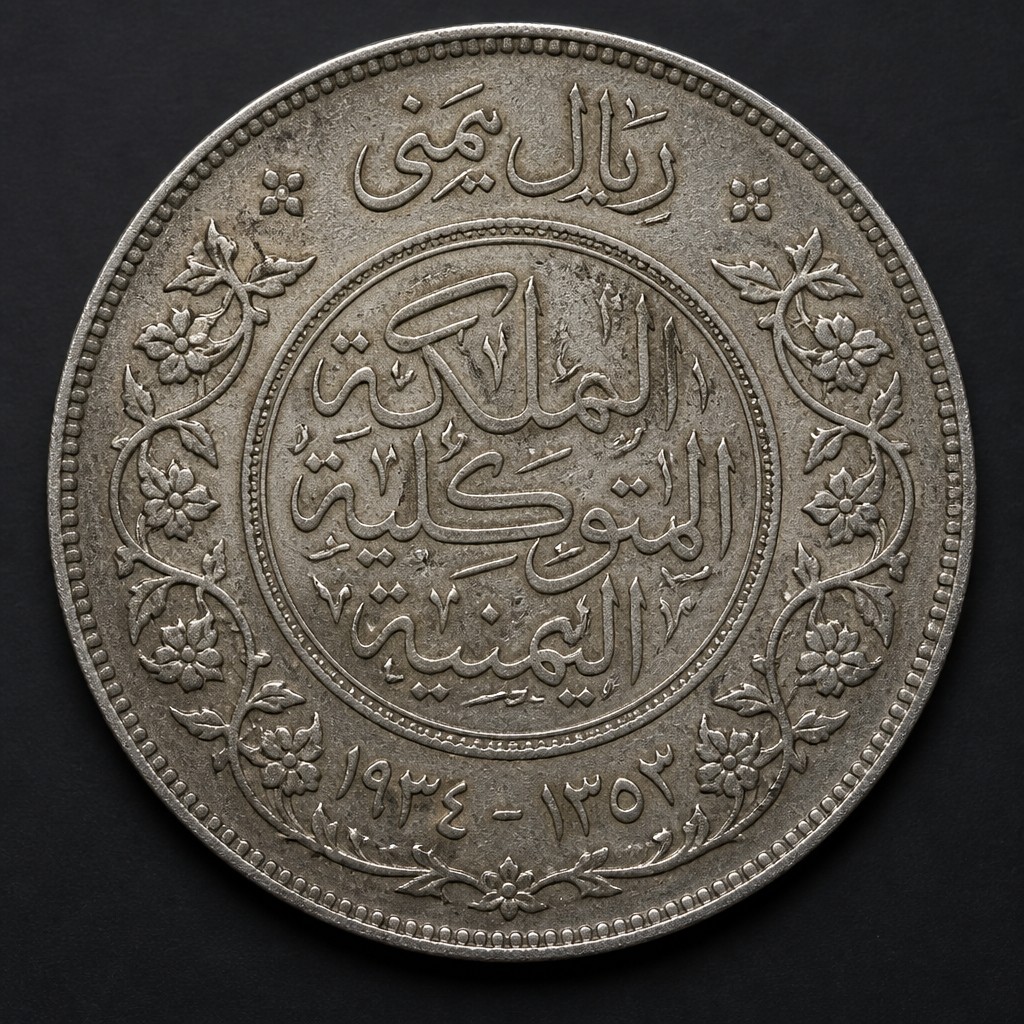
Yemeni Riyal (Ahmadi/Imadi Kingdom Coinage)
Early-to-mid 20th century
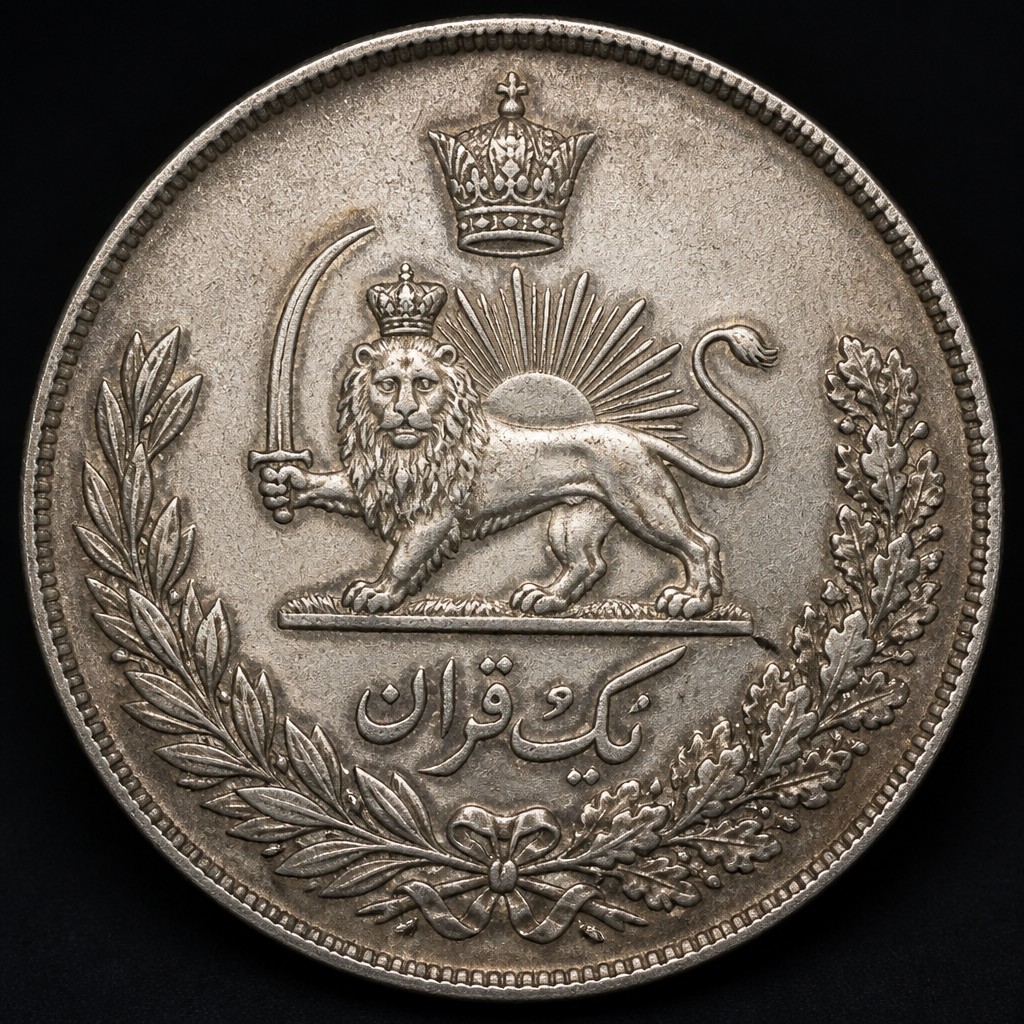
Persian Kran (Qajar silver)
Mid-19th century–1925
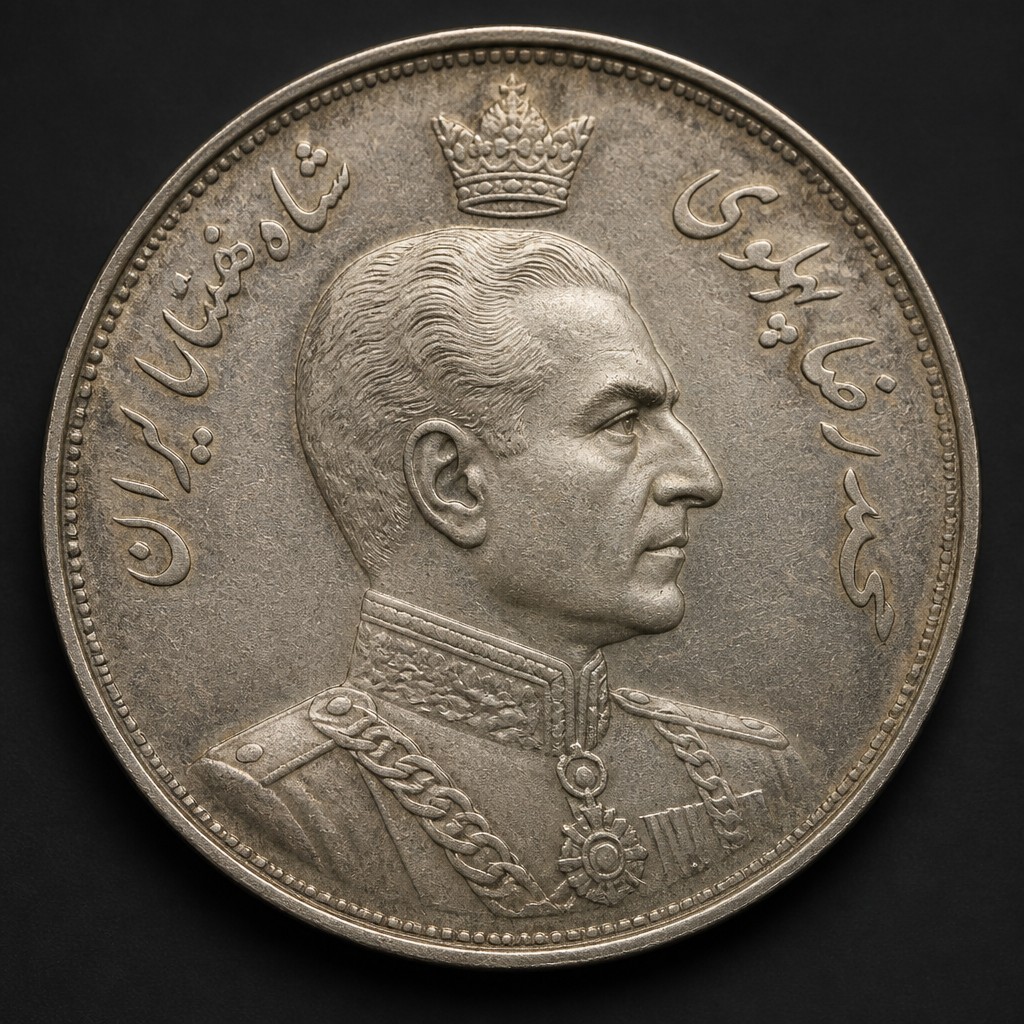
Iranian Rial
1932–present
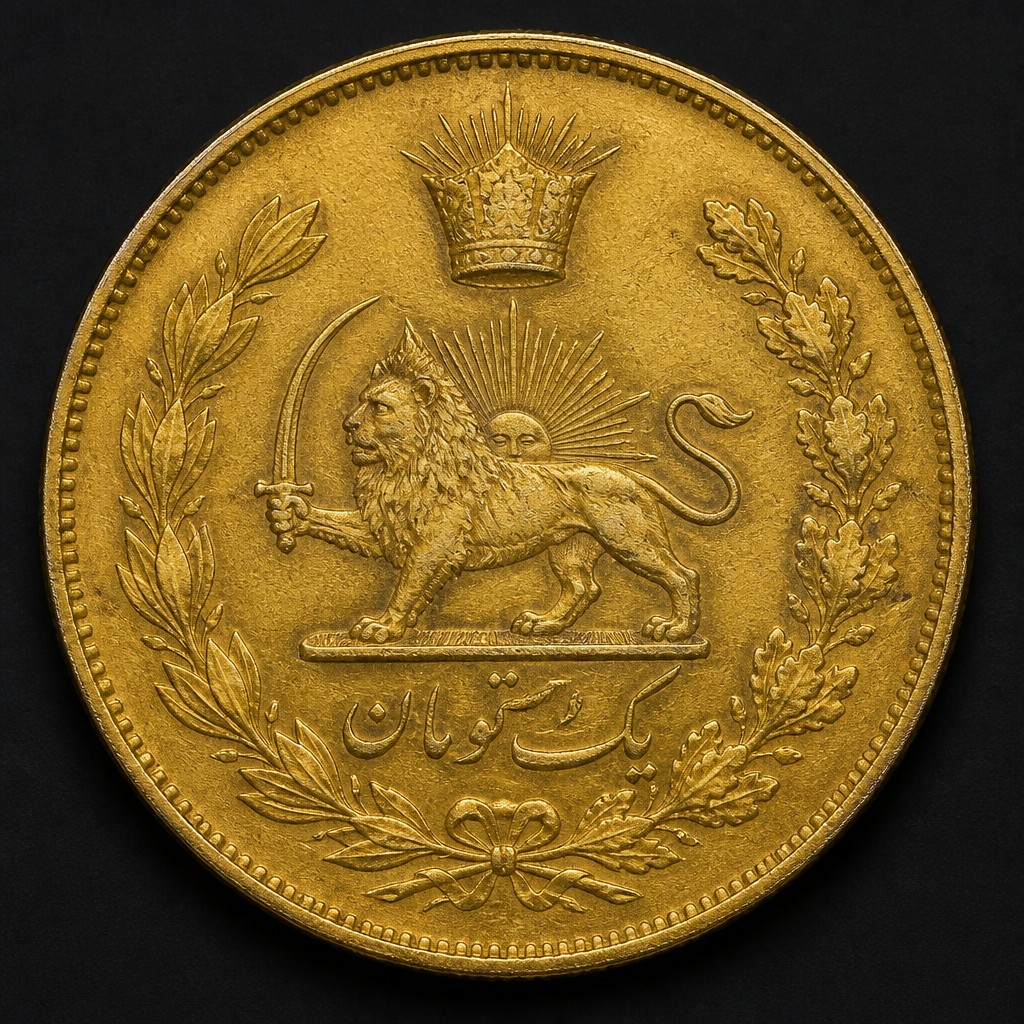
Persian Gold Toman (Qajar)
1796–1925
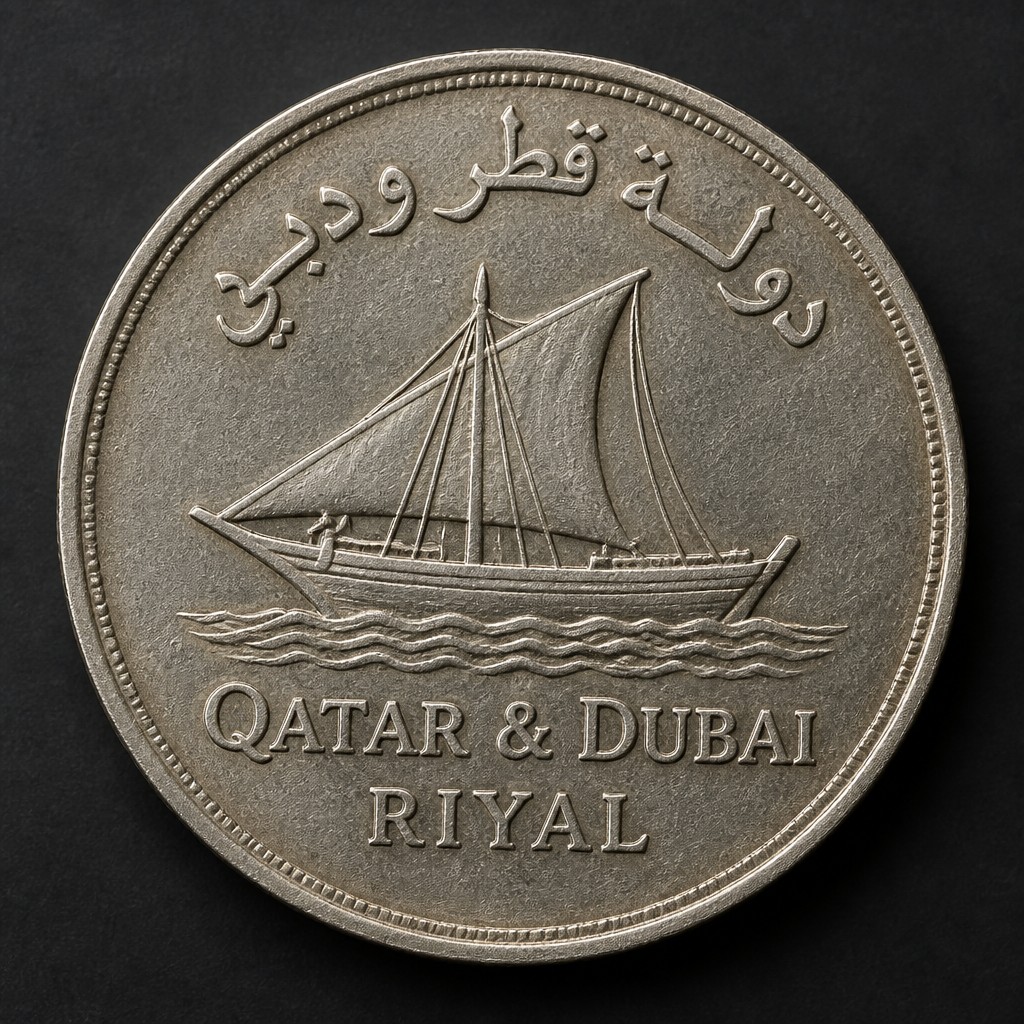
Qatar and Dubai Riyal
1966–1973
British India Rupee (Silver)
1835–1947