
Coin Encyclopedia
Search and identify coins from around the world — with country, denomination, metal, mint, history, and how to tell them apart.
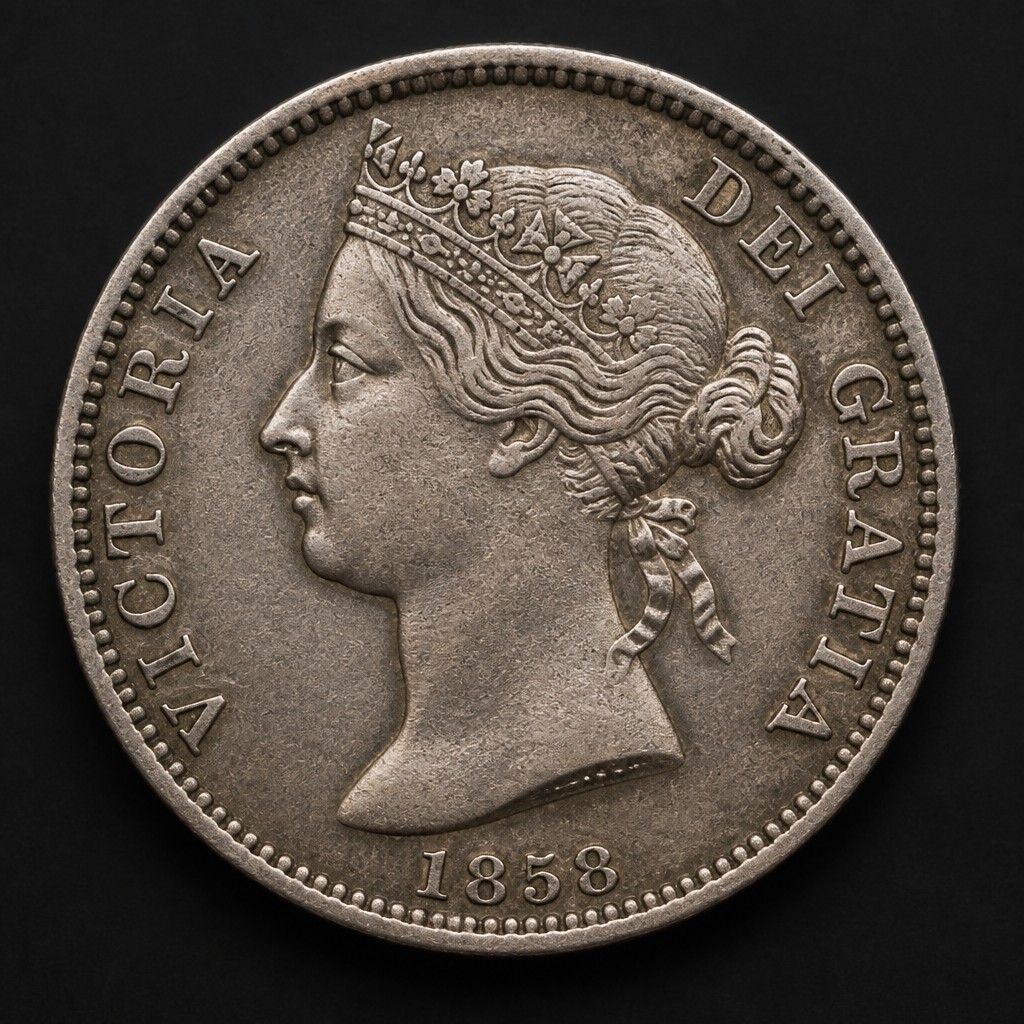
1858 Victoria Five Cents (silver)
The first Canadian five-cent coin, a tiny sterling silver piece struck for the Province of Canada in 1858 when decimal currency was introduced to replace older colonial money.
Canadian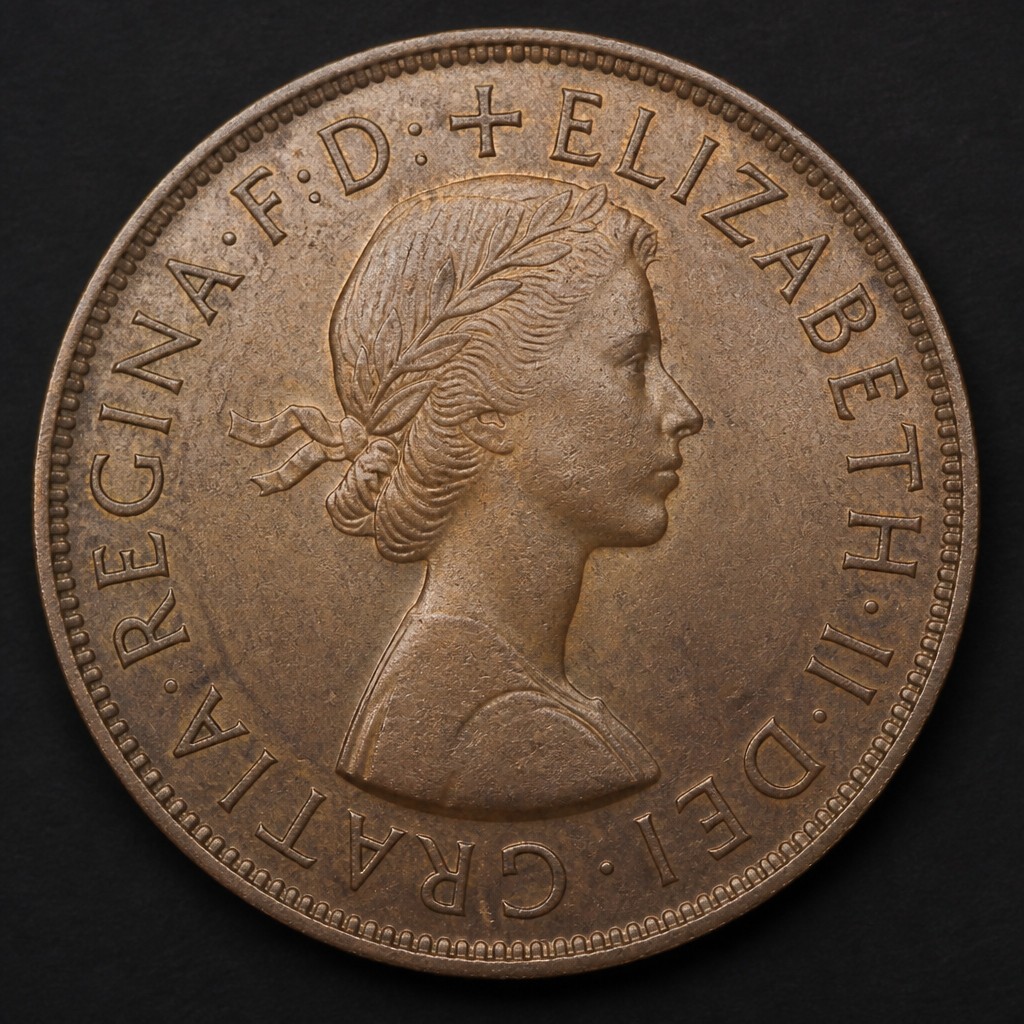
Halfpenny
A small British bronze coin worth half a penny, best known in its twentieth-century form featuring Sir Francis Drake's ship the Golden Hind on the reverse.
British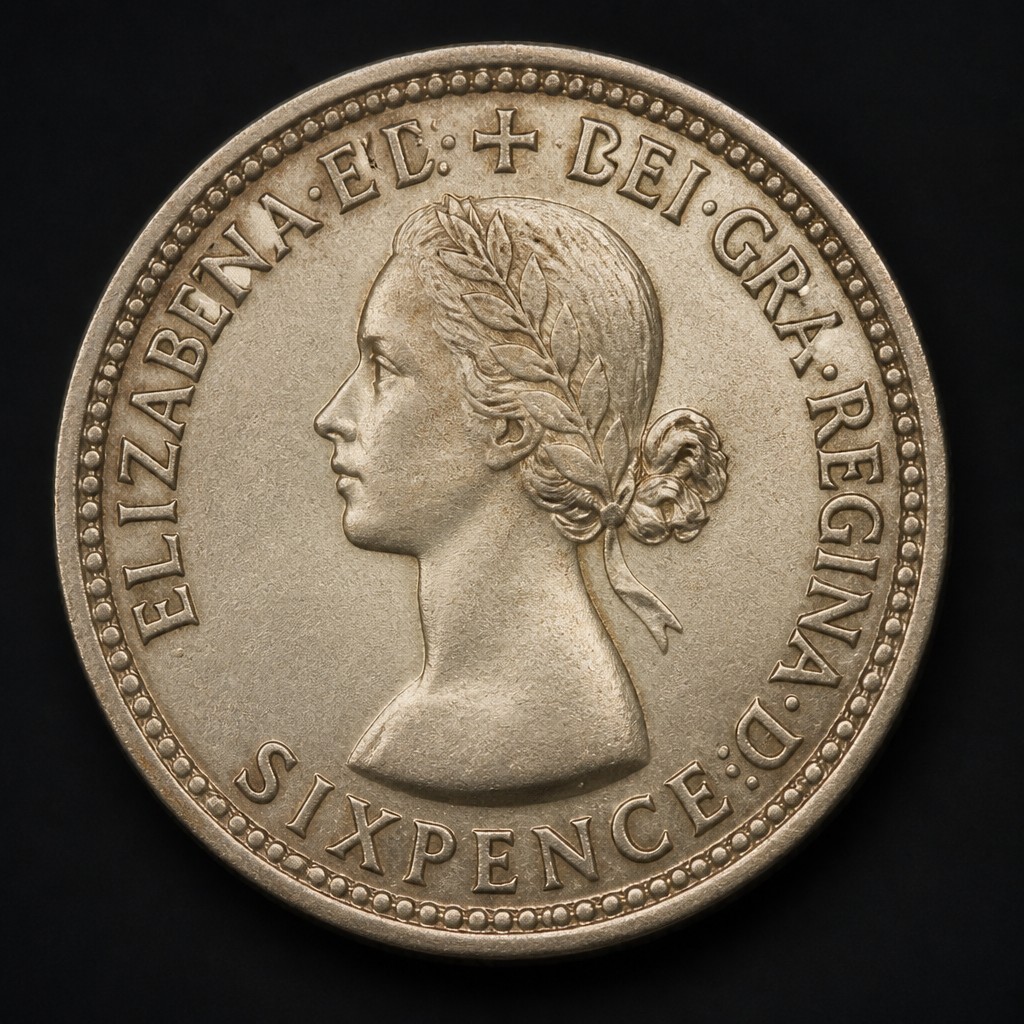
Sixpence
A small British silver coin worth half a shilling, affectionately nicknamed the 'tanner,' beloved for its traditional role tucked into Christmas puddings.
British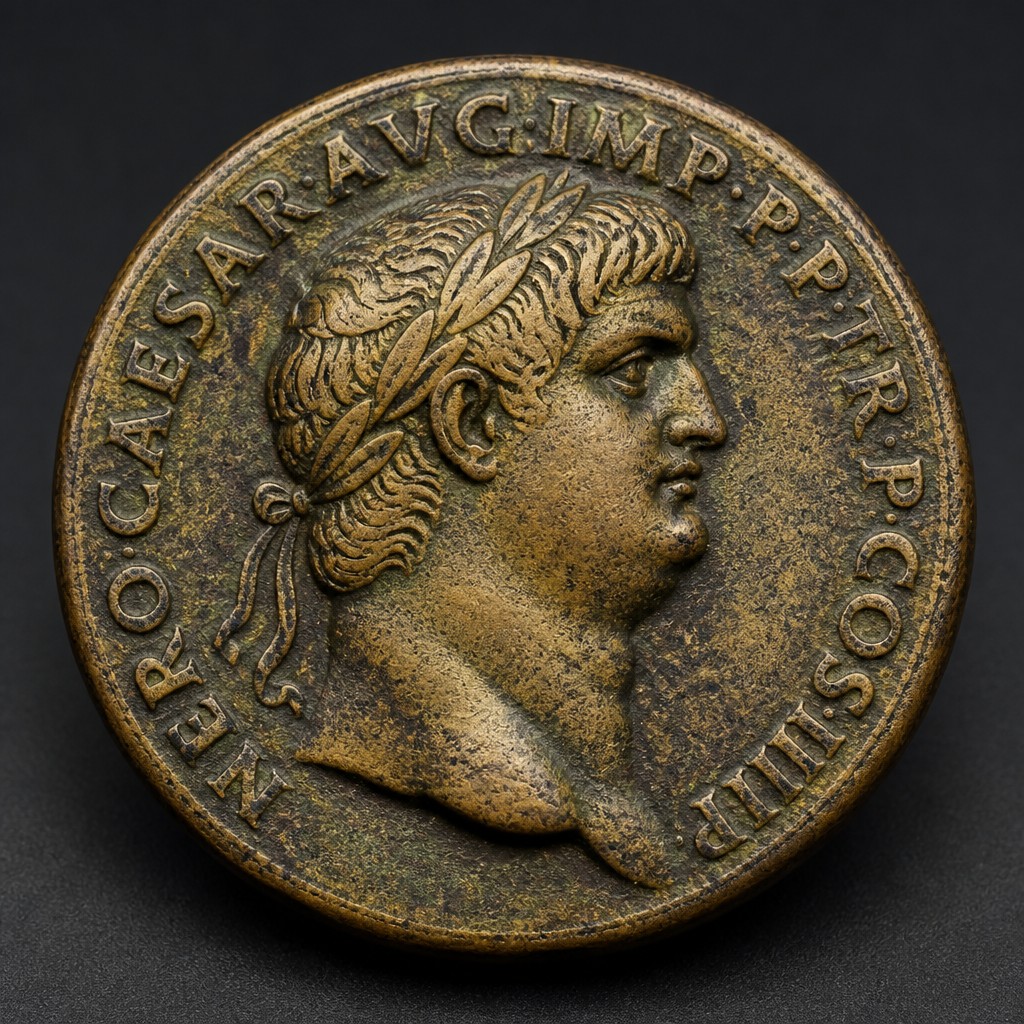
Nero Sestertius
A large bronze/brass coin of Nero widely admired for exceptional artistry, including famous reverse scenes of the Port of Ostia and the closed Temple of Janus.
Ancient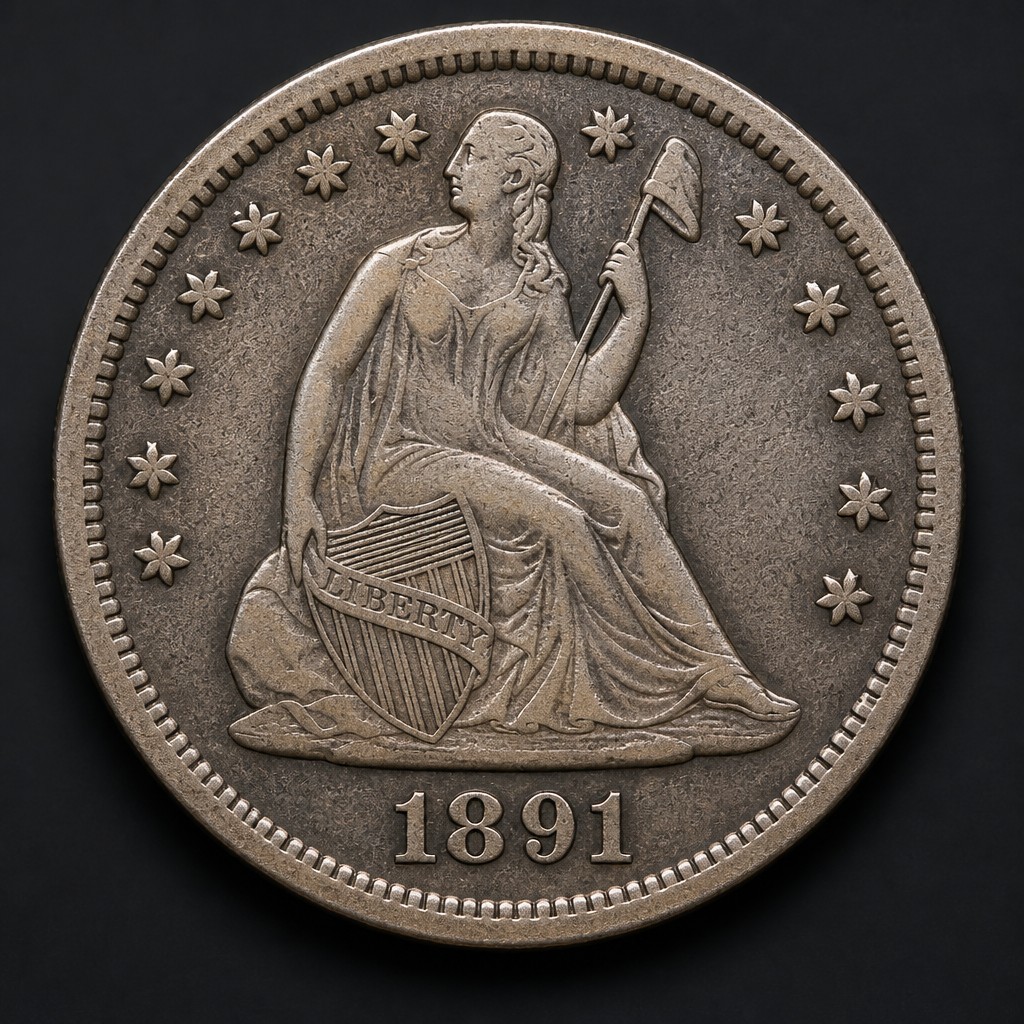
1891 Seated Liberty Quarter
The final year of the long-running Seated Liberty quarter design before it was replaced by the Barber quarter in 1892, popular as an affordable closing-date type coin.
United States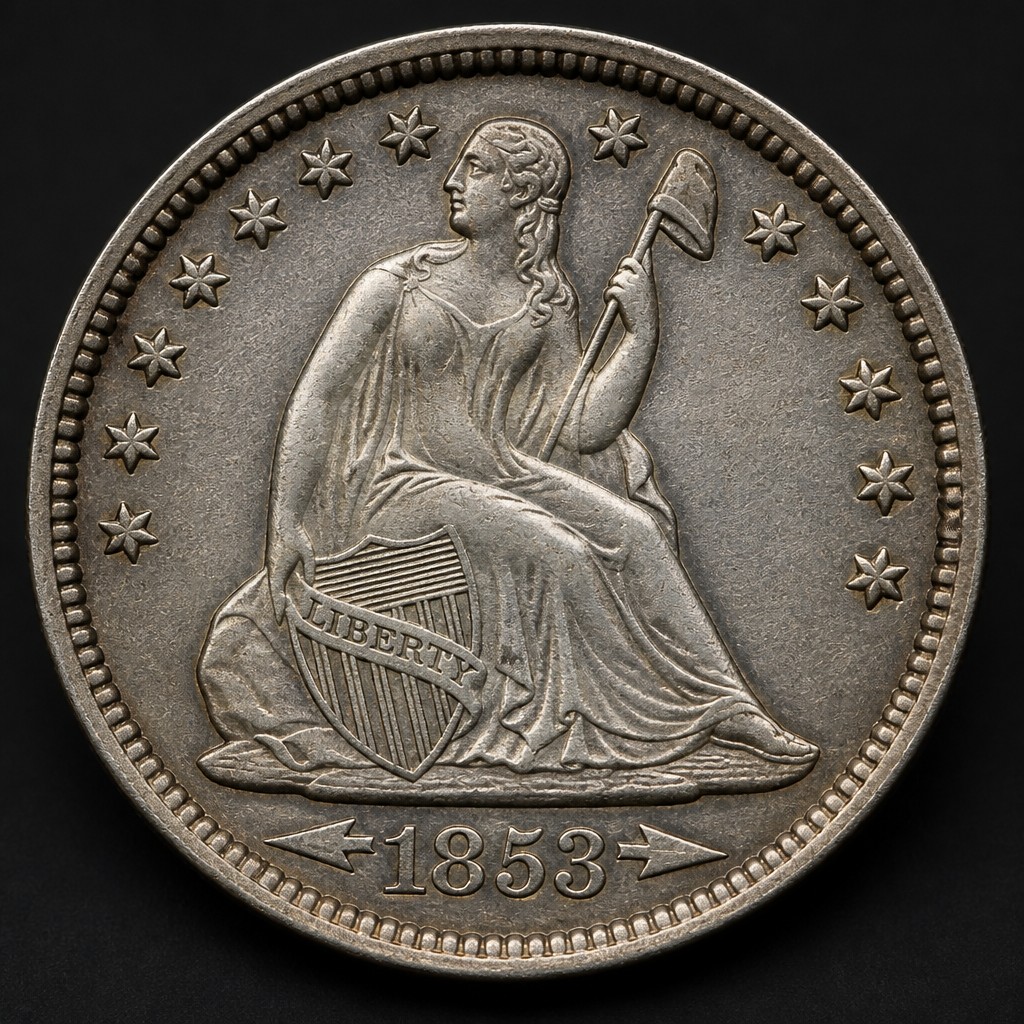
1853 Seated Liberty Quarter (Arrows and Rays)
A popular one-year Seated Liberty type marked by arrows at the date and rays around the eagle, signaling a reduction in the coin's silver weight mandated by the Coinage Act of 1853.
United States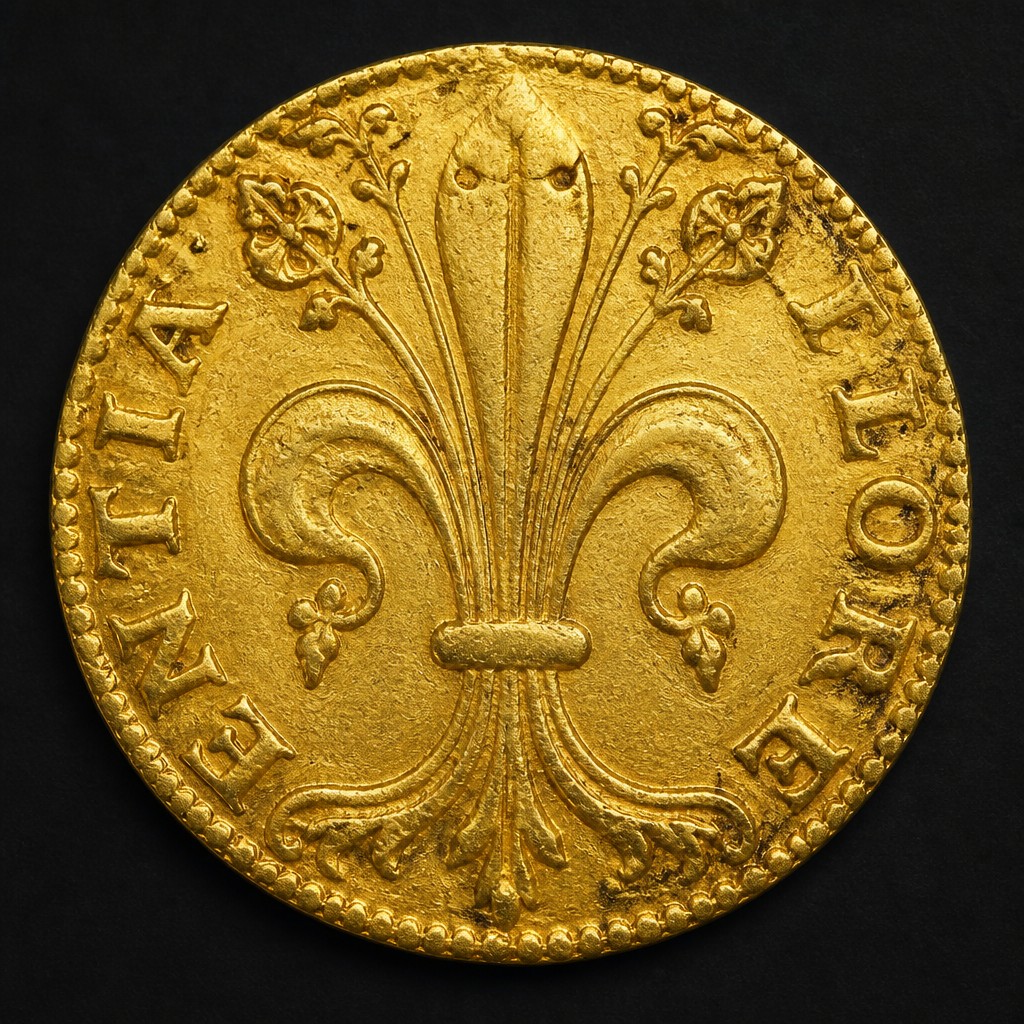
Florentine Florin
Introduced in 1252, the gold florin of Florence became medieval Europe's leading trade coin, its lily emblem and fixed gold standard copied by dozens of other mints.
European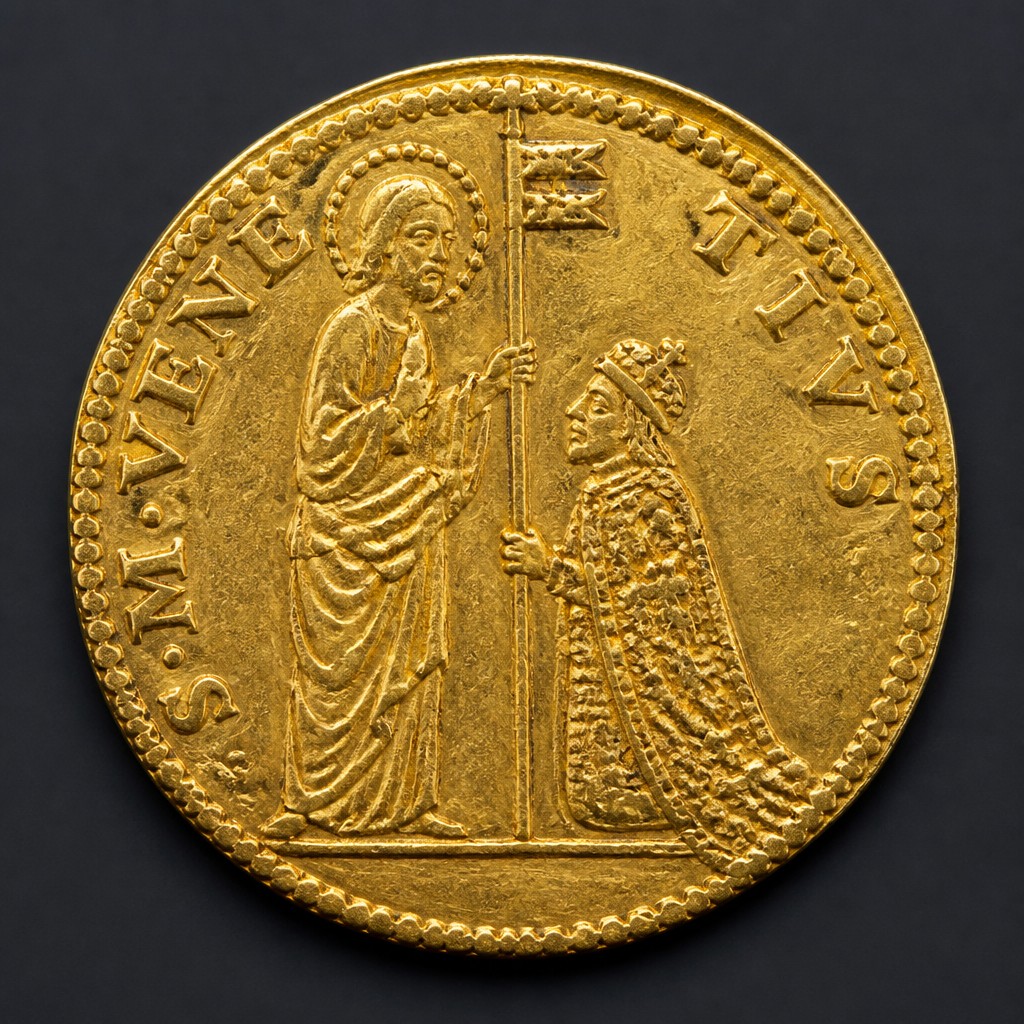
Venetian Gold Ducat
First struck in 1284, the Venetian gold ducat became medieval Europe's most trusted trade coin, prized for centuries for its unwavering weight and purity.
European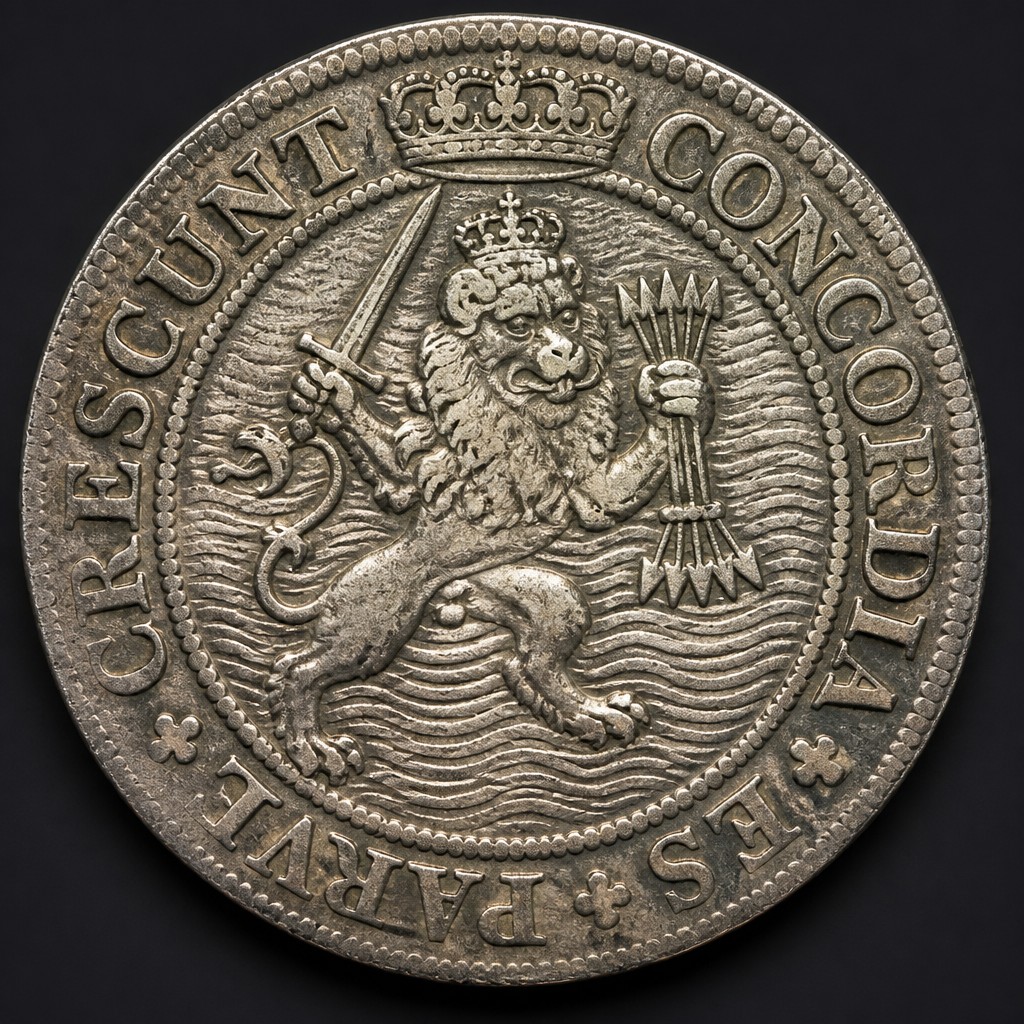
Dutch Lion Daalder (Leeuwendaalder)
A silver trade coin of the Dutch Republic showing an armored knight and a rampant lion, exported in vast quantities to the Levant, Russia, and the American colonies.
European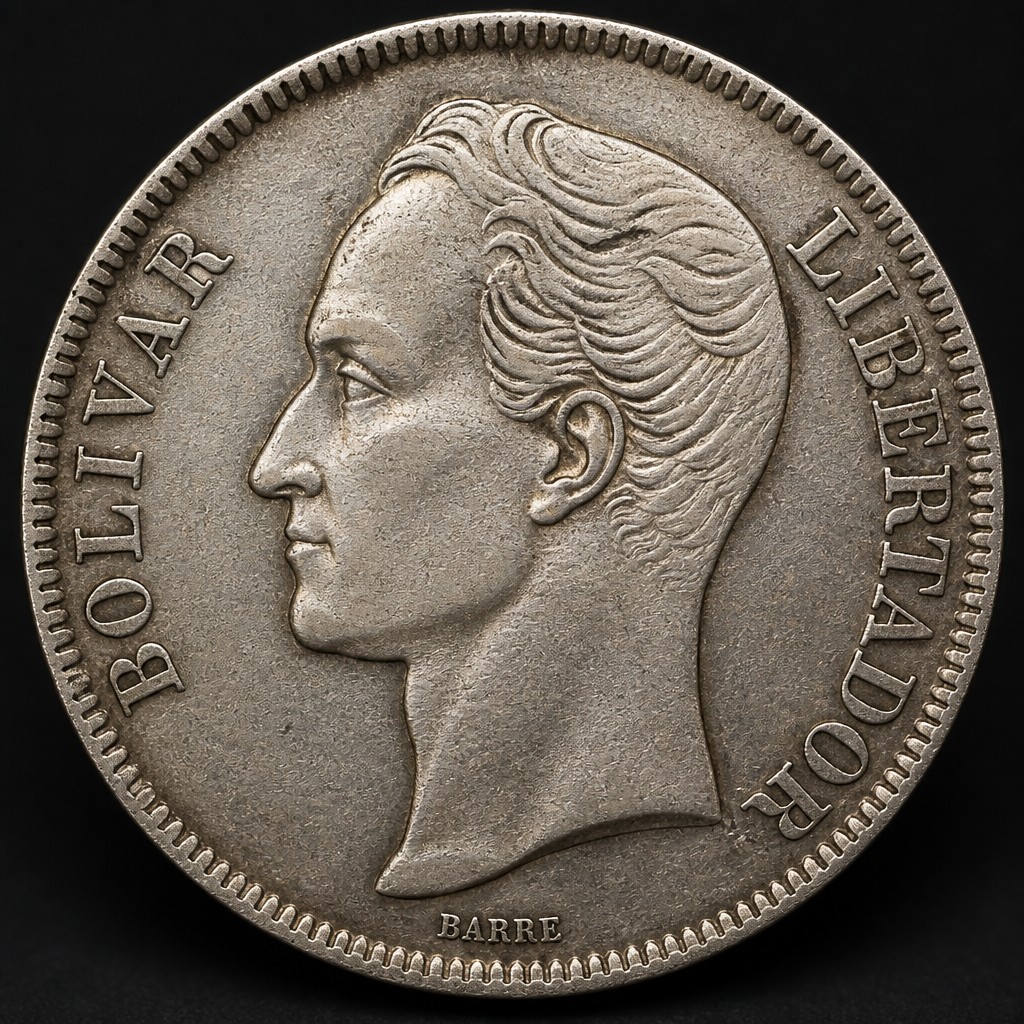
Venezuela Bolivar Silver (Bolívar Fuerte)
A large silver five-bolívares coin nicknamed the "fuerte" (strong) for its full weight and fineness, featuring a portrait of independence hero Simón Bolívar.
Latin American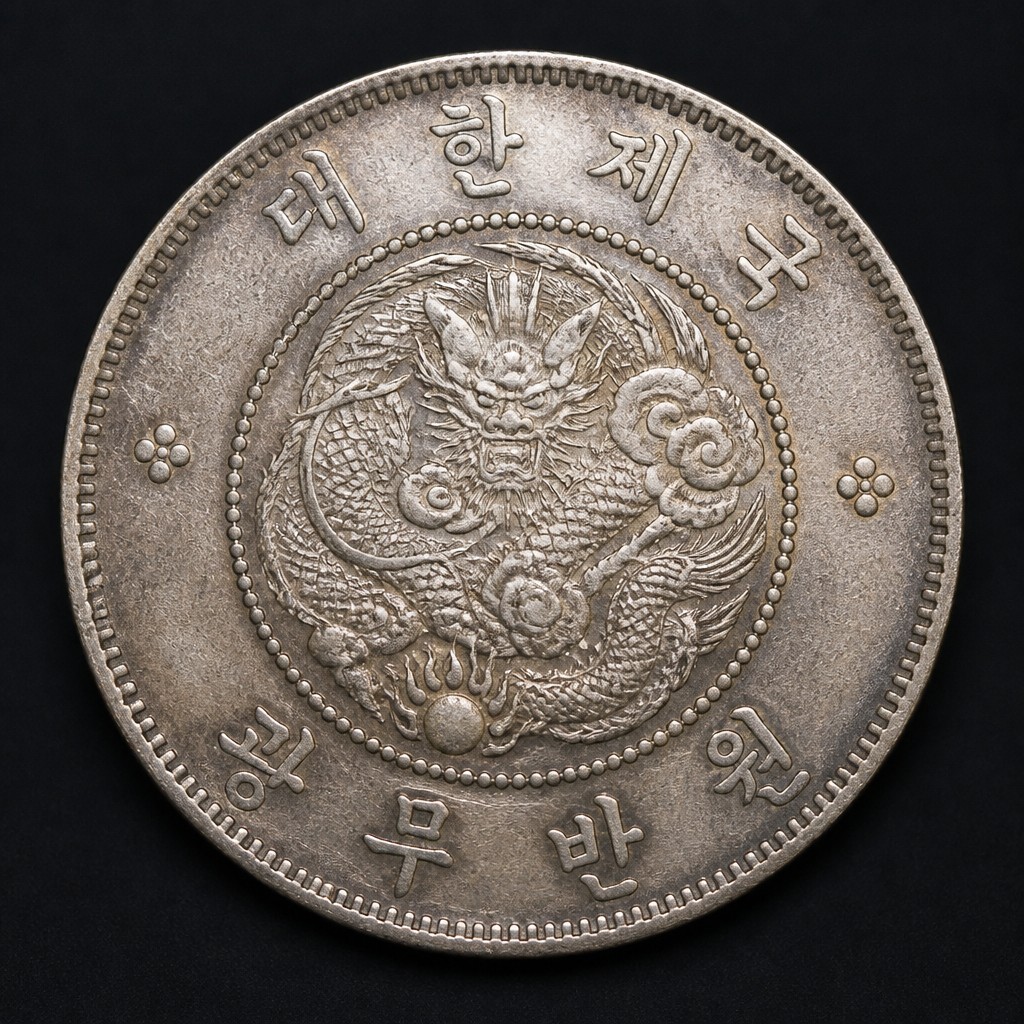
Korean Gwangmu Half Won (1905)
Silver half-won coin from the short-lived Korean Empire's Gwangmu currency reform, struck shortly before Korea fell under increasing Japanese control.
Asian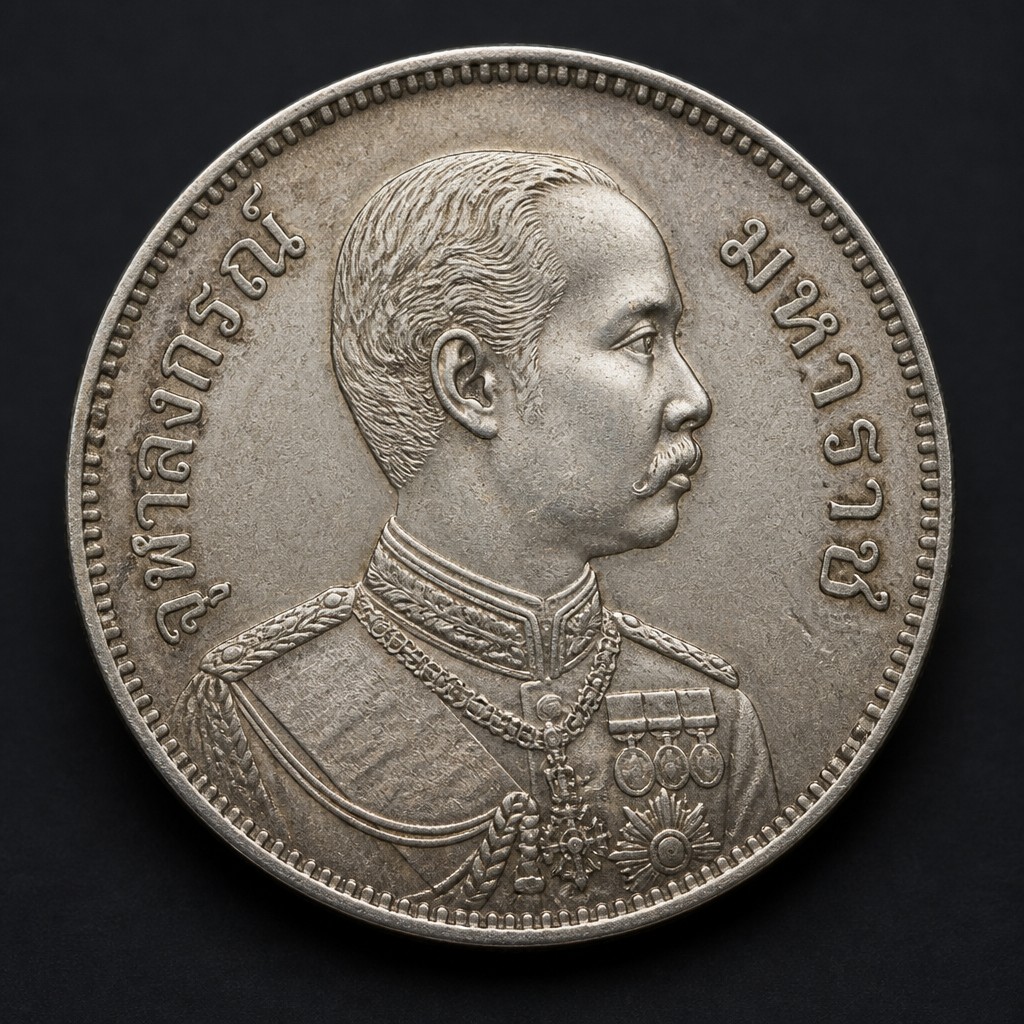
Siamese Rama V Silver Baht
Western-style silver baht introduced under King Chulalongkorn (Rama V) of Siam, replacing centuries-old bullet money with modern flat coinage.
Asian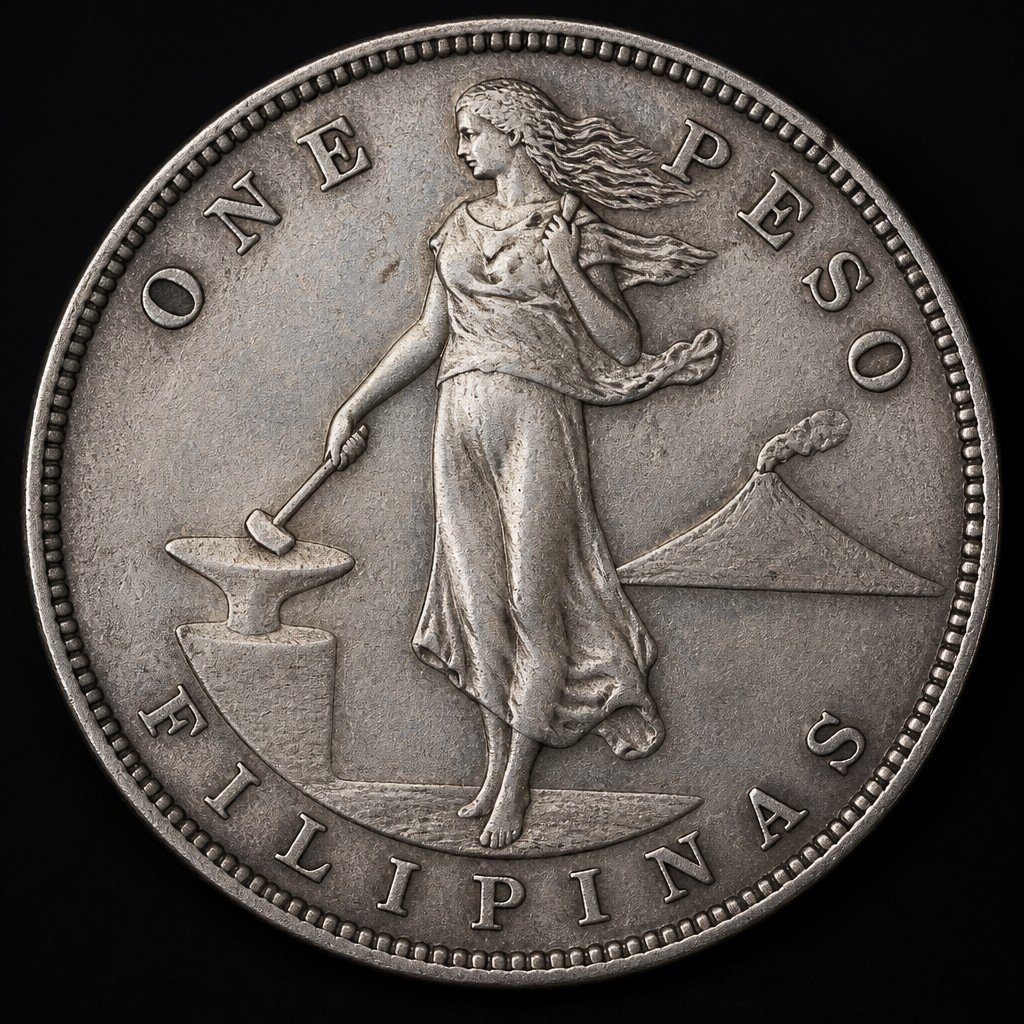
Philippine Peso (US Administration, 1903)
Silver one-peso coin struck for the Philippines under early American colonial administration, part of a new US-designed coinage system introduced in 1903.
Asian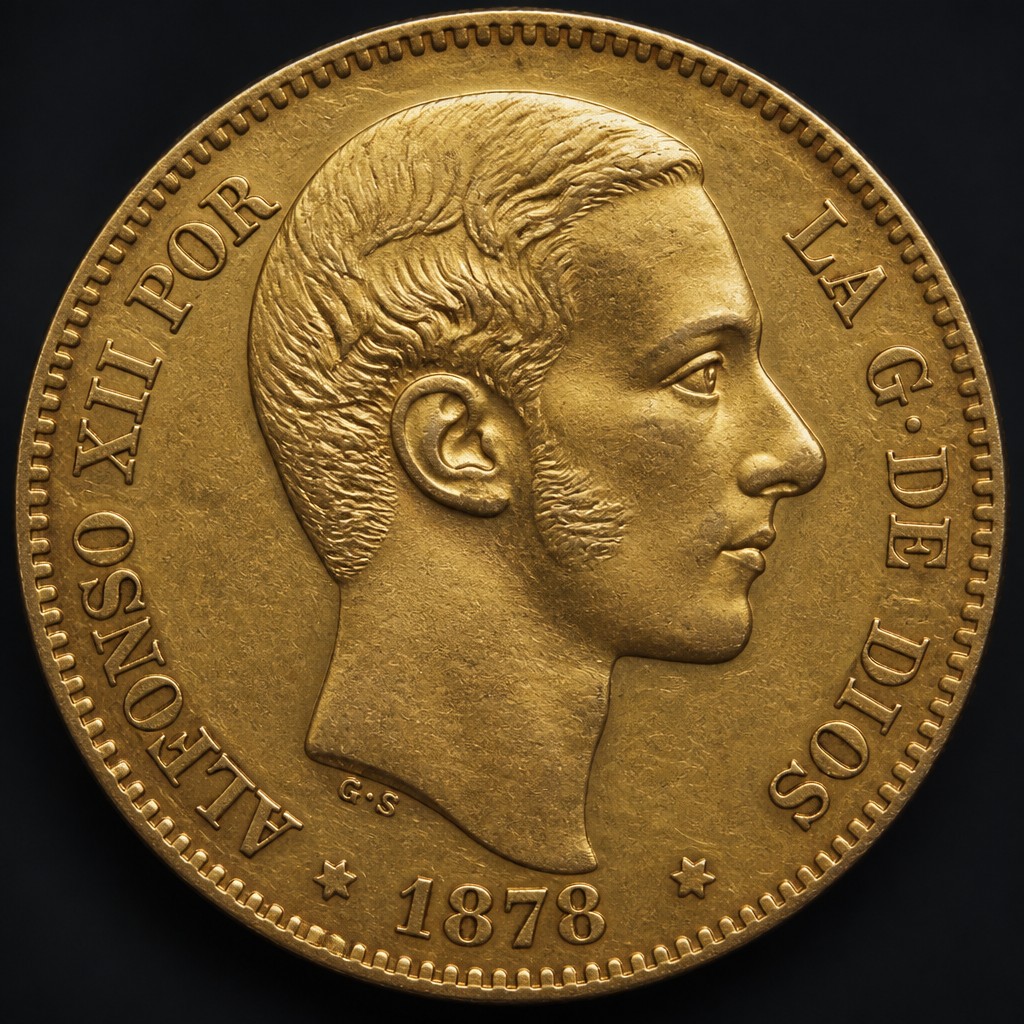
Spanish 20 Pesetas Gold (Alfonso XII)
Spain's standard gold coin of the Latin Monetary Union era, struck under King Alfonso XII following the restoration of the Spanish monarchy in the 1870s.
European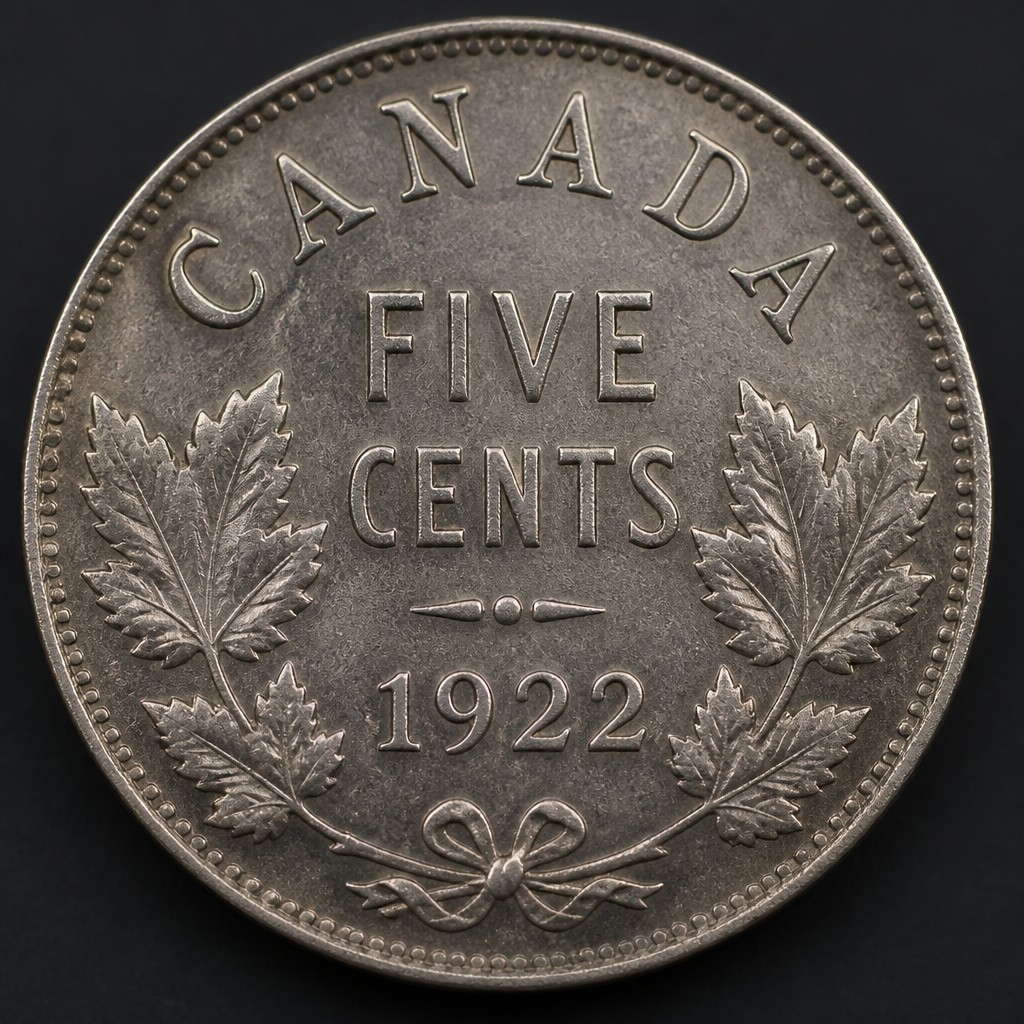
1922 Canadian Nickel Five Cents
The first year Canada's five-cent coin was struck in solid nickel rather than silver, introducing the beaver reverse design that would define the coin for decades.
Canadian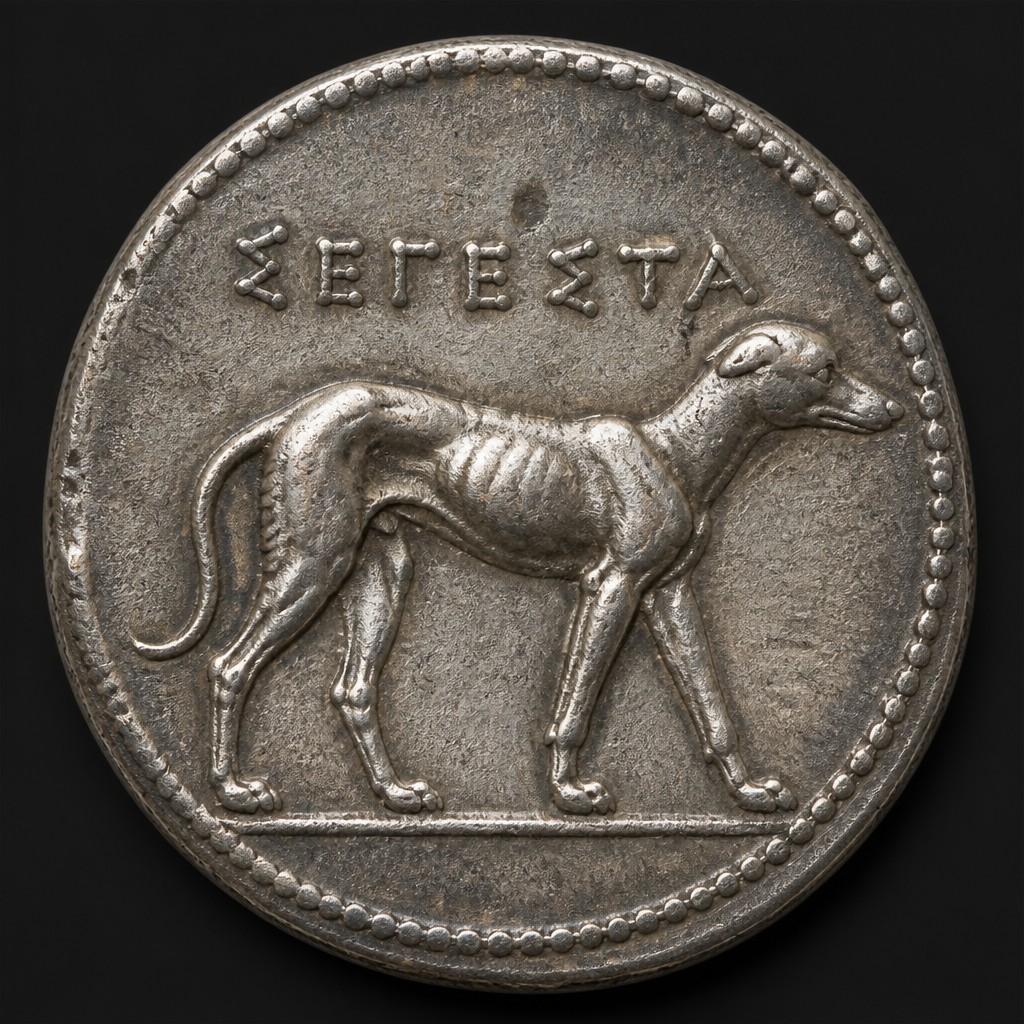
Segesta Hound Tetradrachm
Silver coin of Segesta in western Sicily, an Elymian city whose coinage features a hunting hound, linked to local legend of the river god Krimisos.
Ancient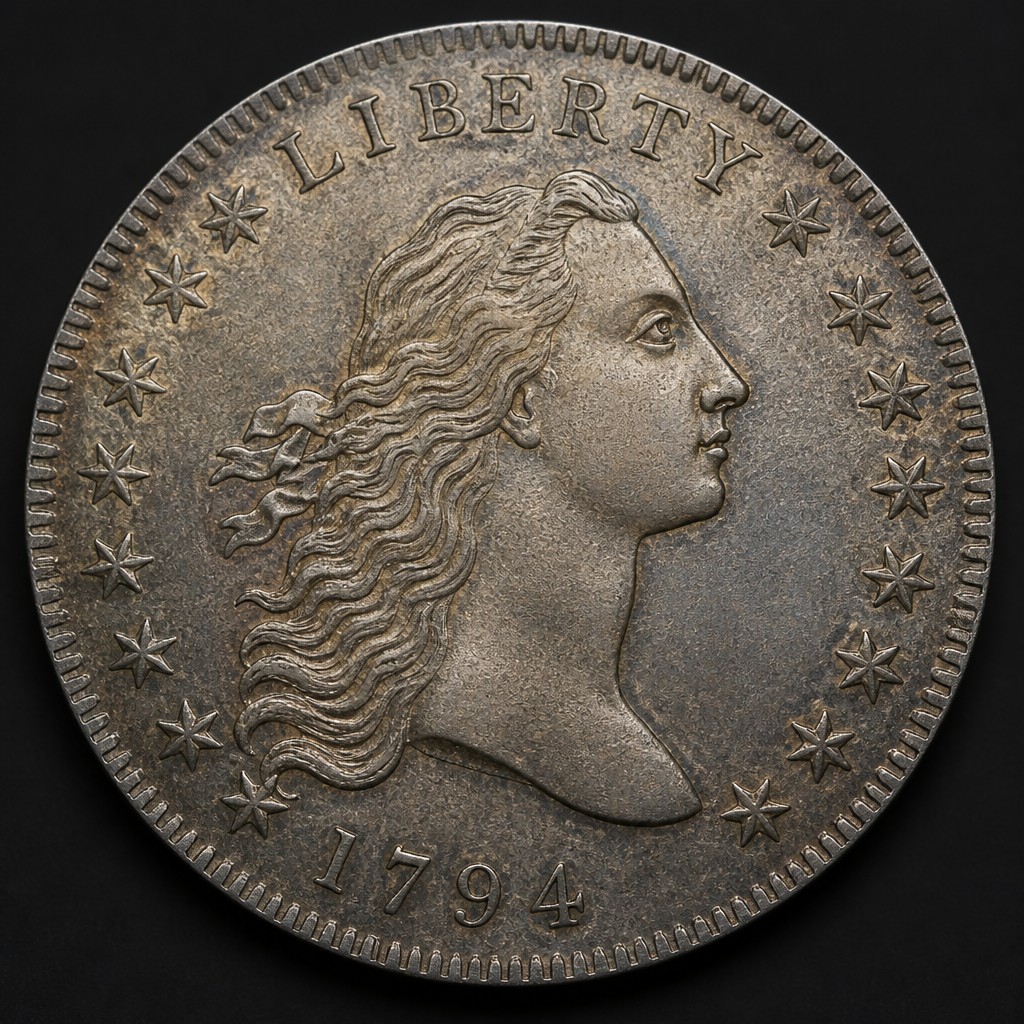
1794 Flowing Hair Half Dollar
The first half dollar ever struck by the United States Mint, produced in tiny numbers and ranking among the most desirable early American silver coins.
United States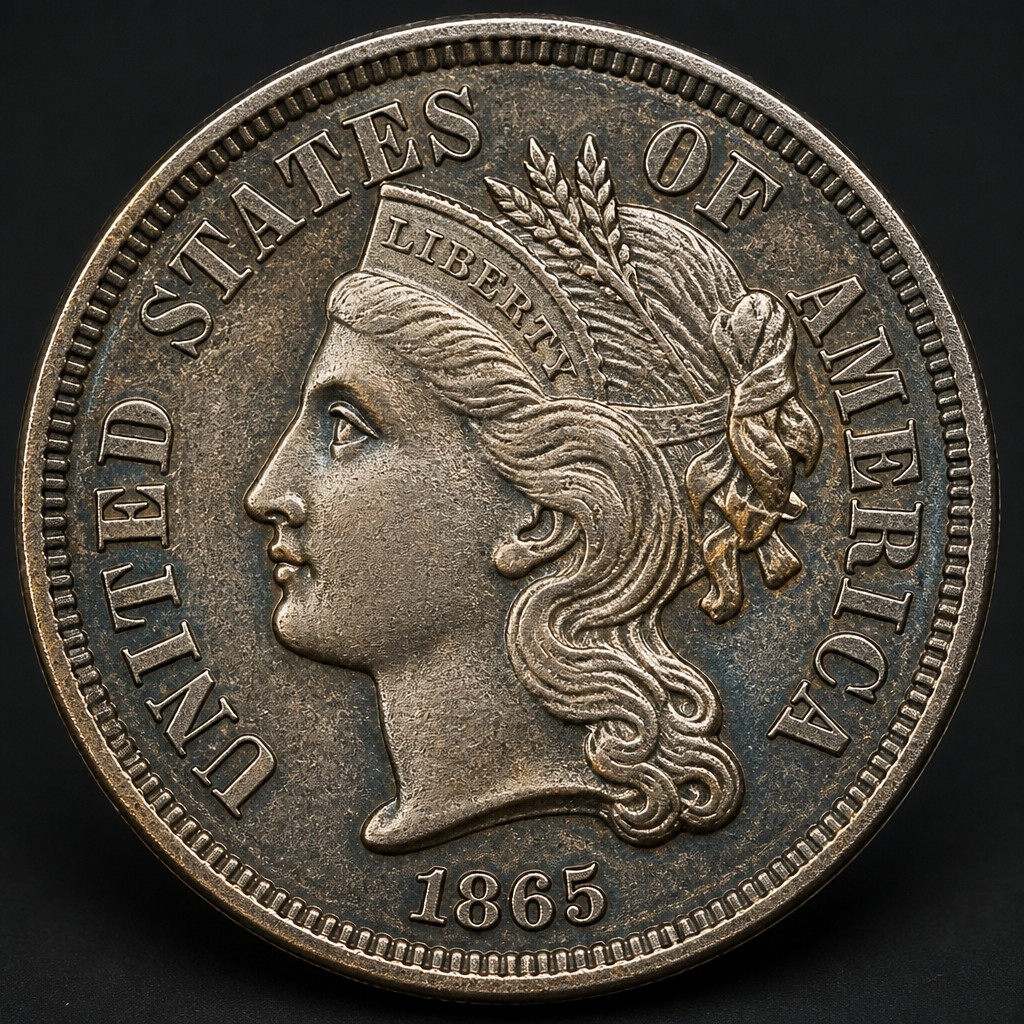
Nickel Three-Cent Piece
A post-Civil War small coin struck in copper-nickel to replace the fragile silver three-cent piece and small-denomination paper currency then in circulation.
United States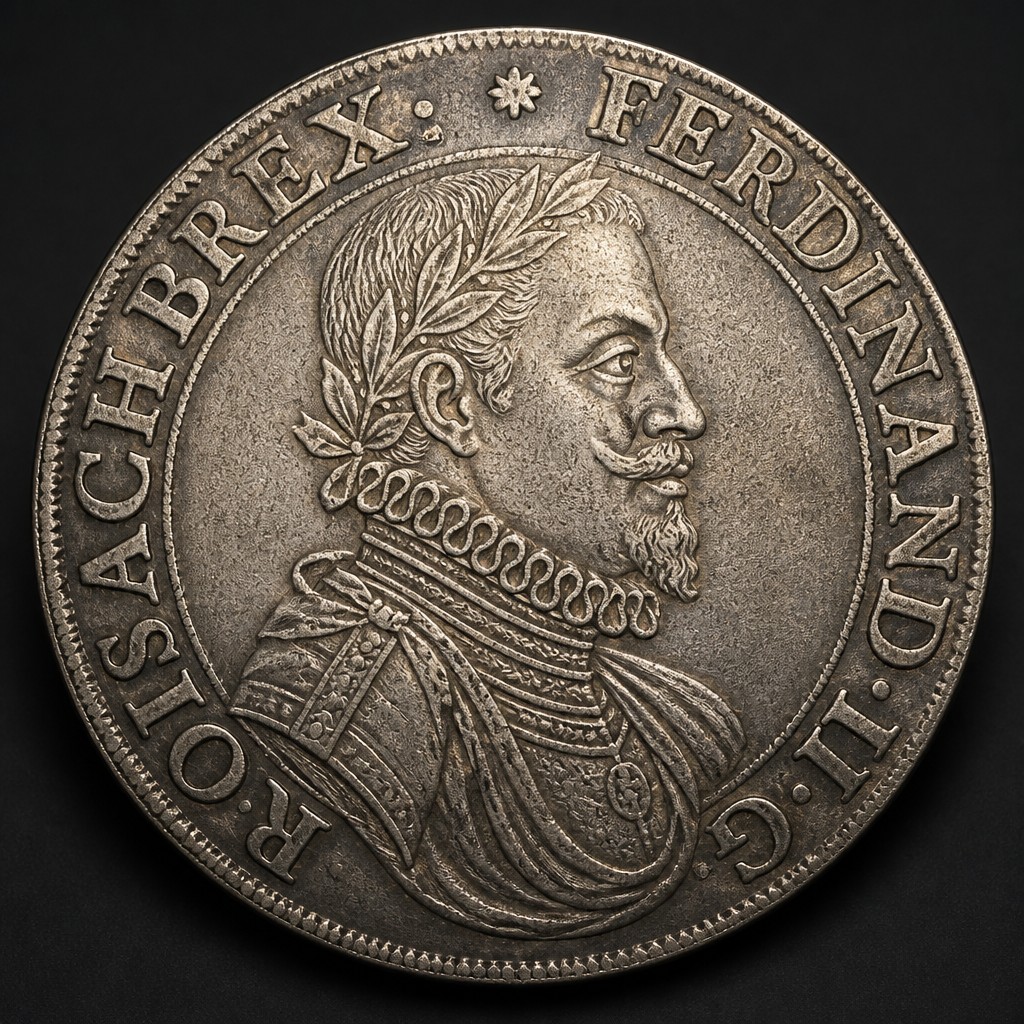
German States Thaler
A large silver coin struck by the many independent states of the German-speaking world for over three centuries, and the direct linguistic ancestor of the word 'dollar.'
European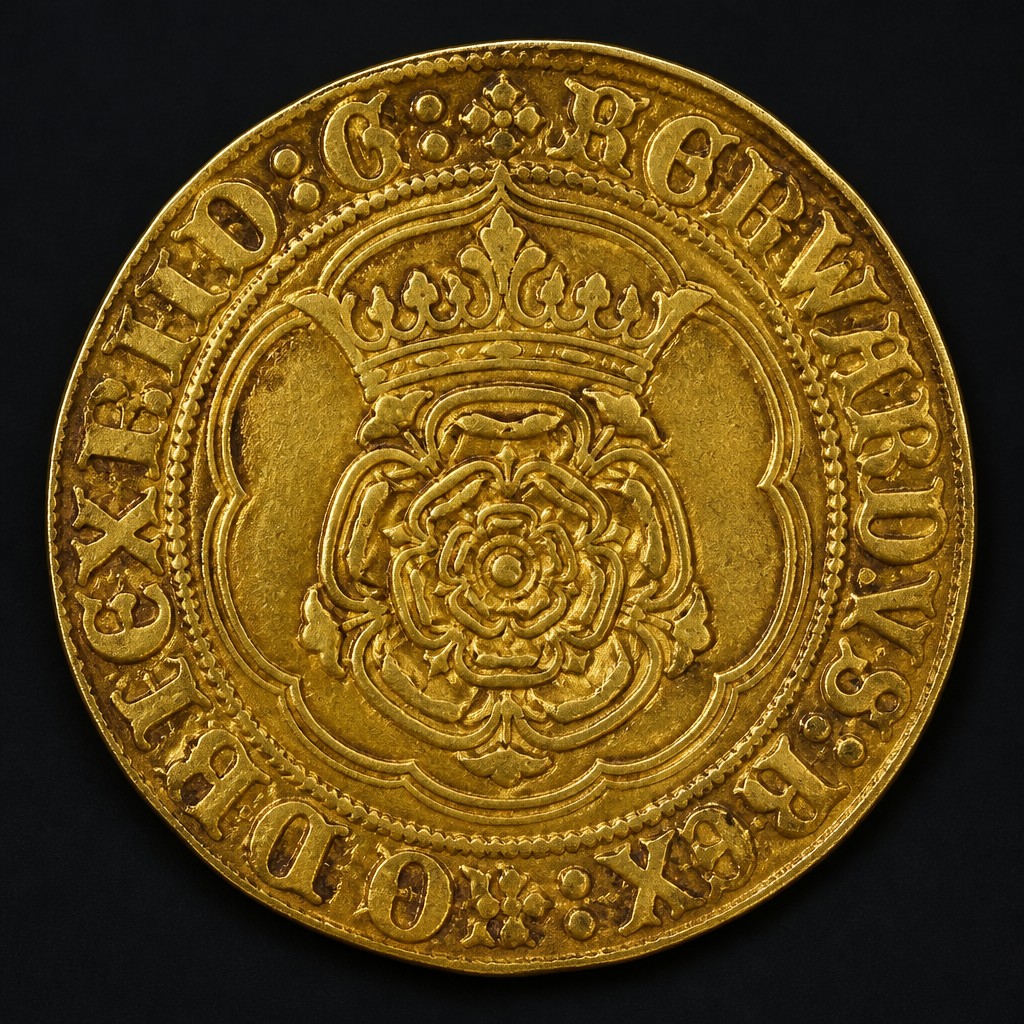
Rose Noble (Ryal)
A large English gold coin first struck under Edward IV in 1465, showing the king standing in a ship, and later revived in the Tudor era as a heavier, higher-value gold piece.
British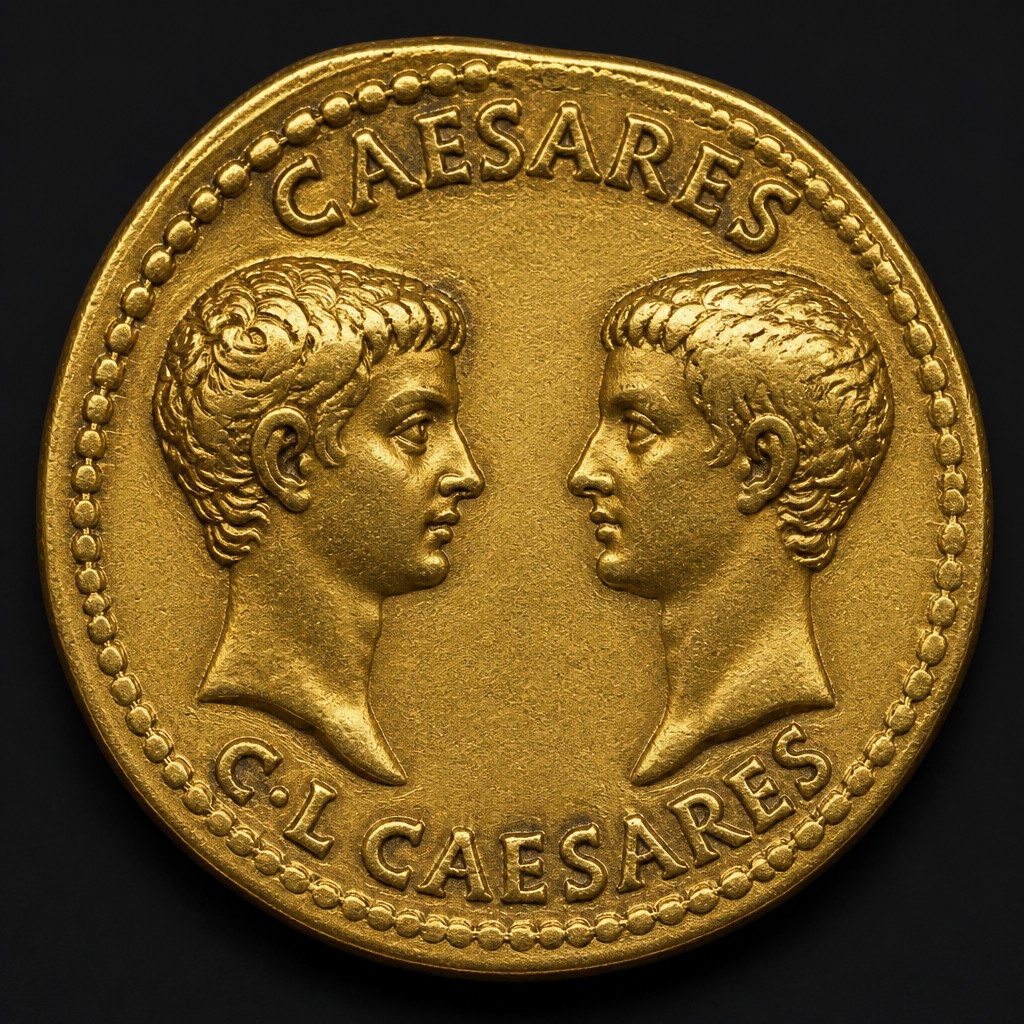
Augustus Aureus Gaius and Lucius Caesar
One of the most common ancient gold coins, an Augustus aureus honoring his grandsons and intended heirs Gaius and Lucius Caesar, both of whom died young.
Ancient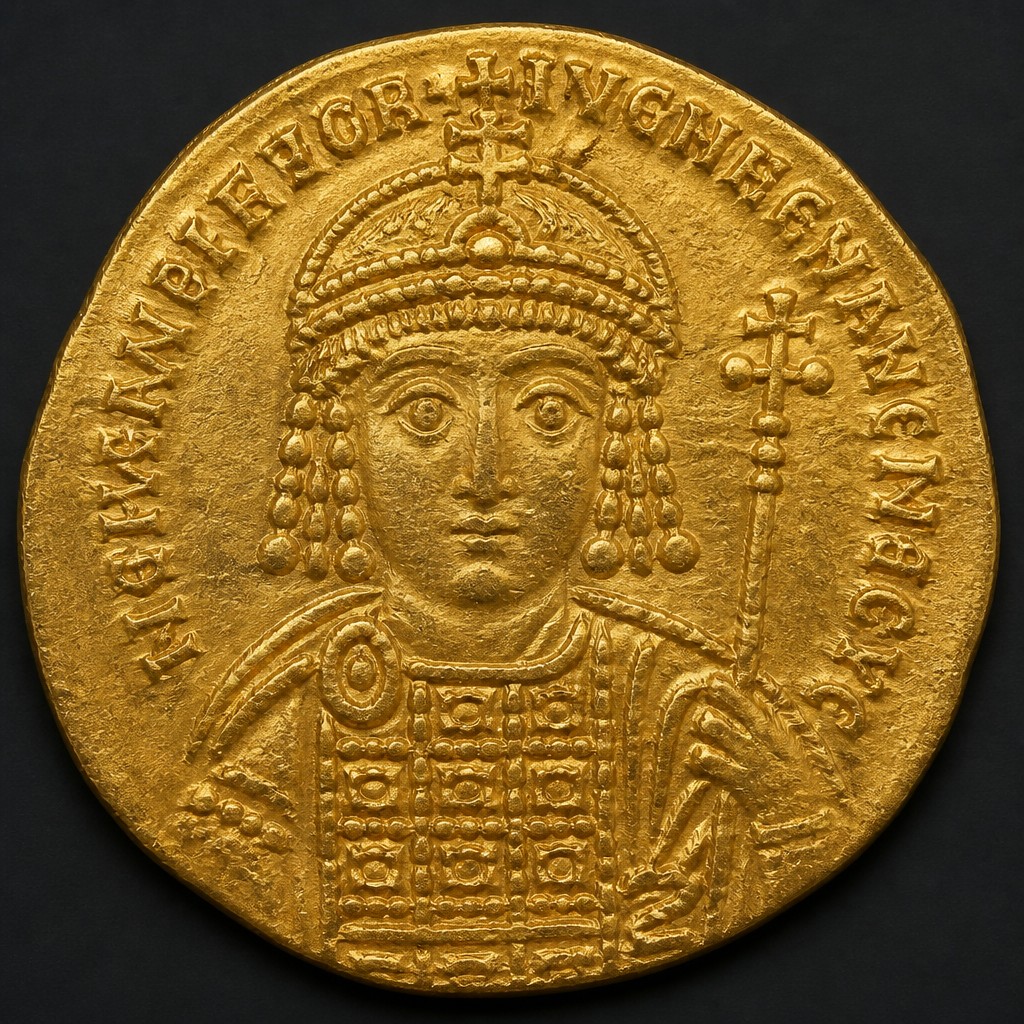
Byzantine Gold Solidus
The gold standard coin of the Byzantine Empire for over 700 years, prized in medieval trade as far away as India and Scandinavia under the nickname "bezant."
Ancient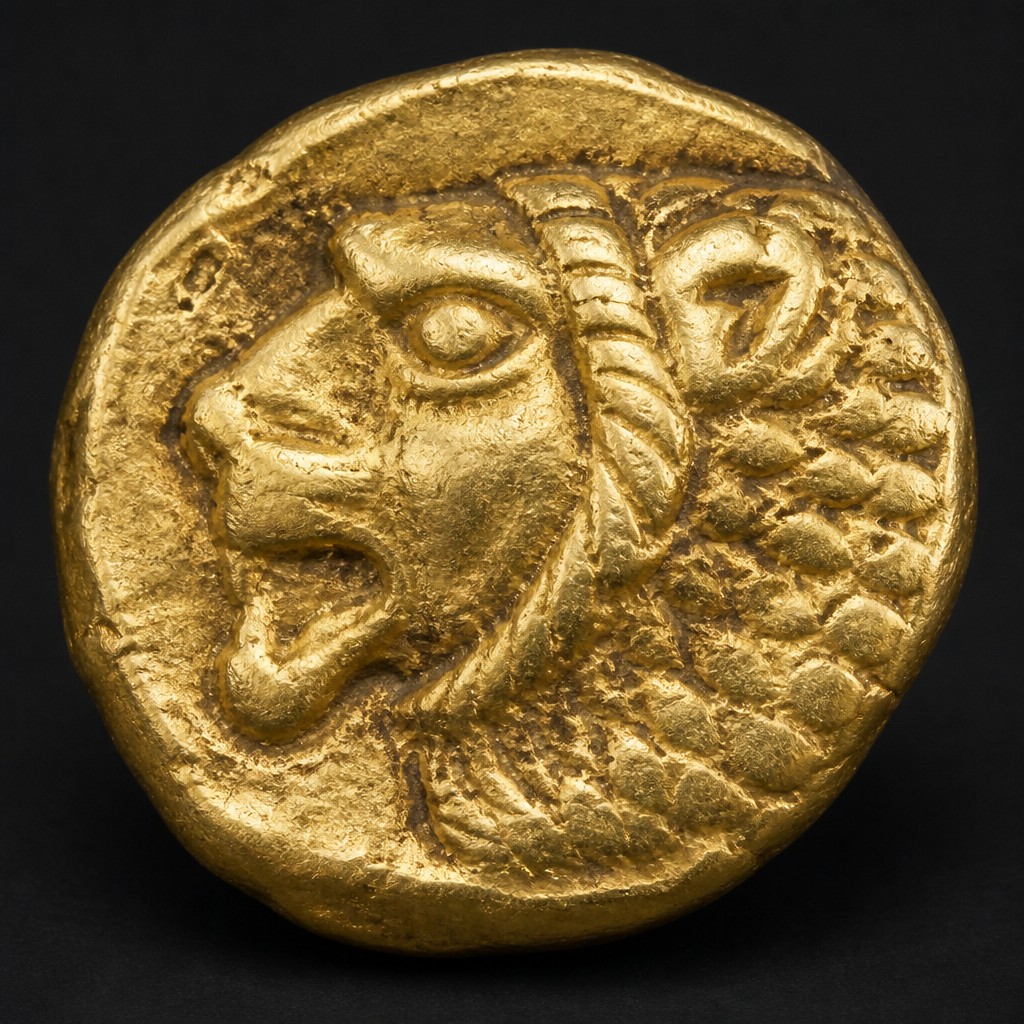
Kroisos (Croeseid) Gold Stater of Lydia
A pure gold stater struck under King Croesus of Lydia, part of history's first coinage issued in separate fixed-purity gold and silver denominations.
Ancient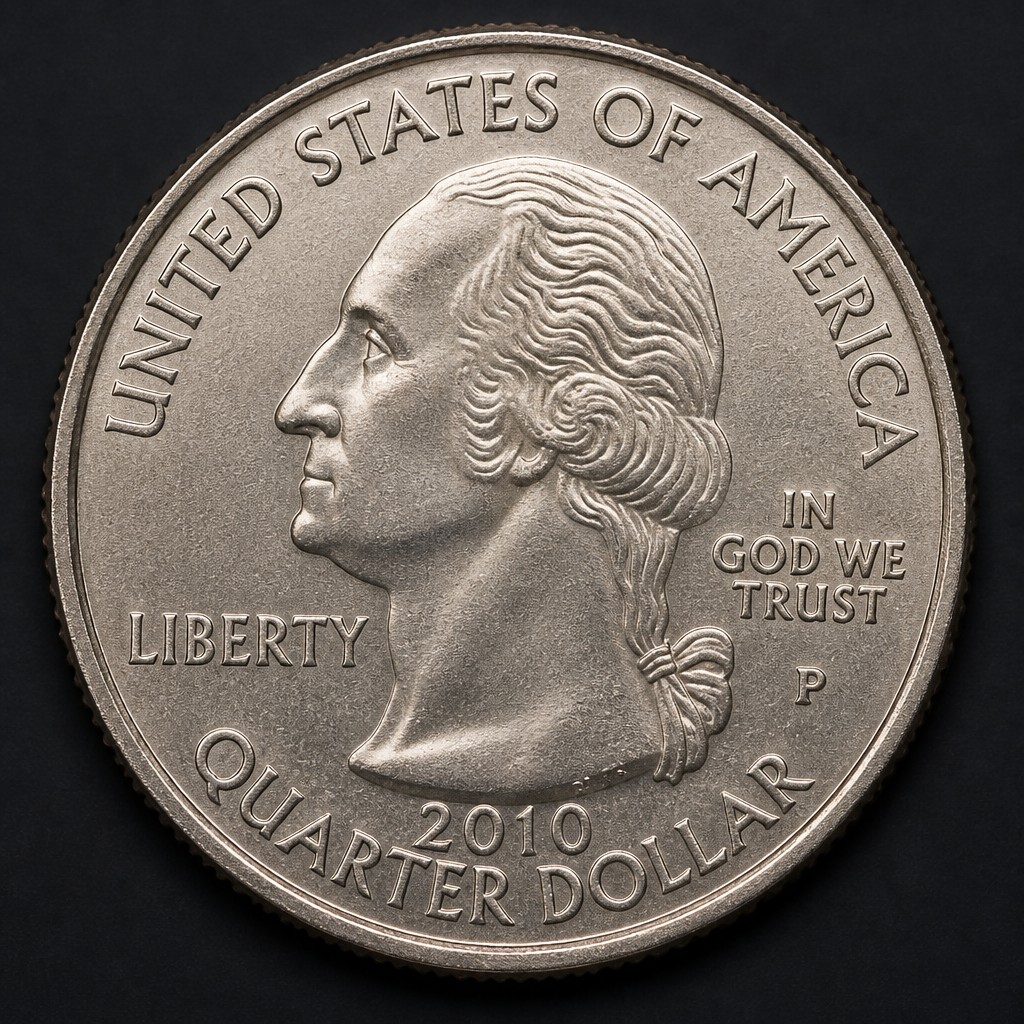
2010 Hot Springs America the Beautiful Quarter
The first coin in the America the Beautiful Quarters series, honoring Hot Springs National Park in Arkansas with an image of its historic bathhouse row.
United States