
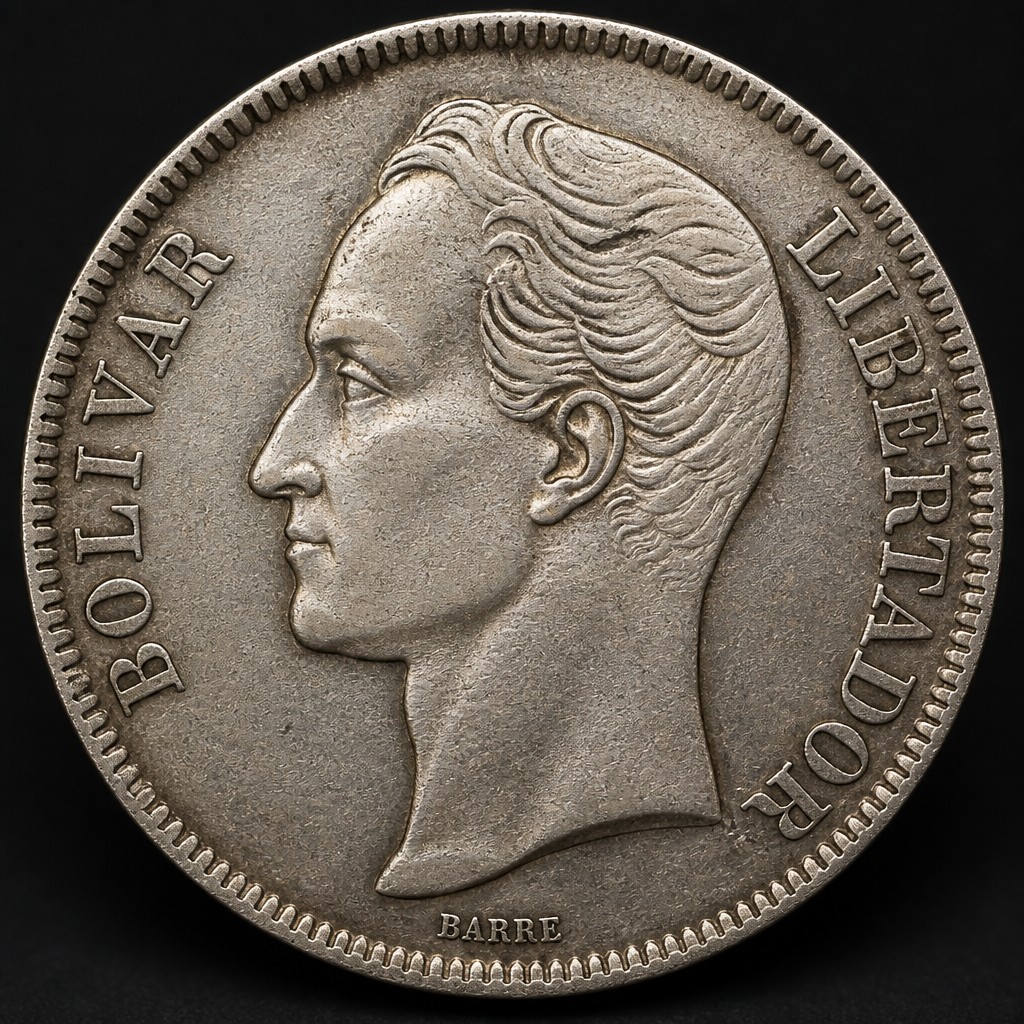
Venezuela Bolivar Silver (Bolívar Fuerte)
A large silver five-bolívares coin nicknamed the "fuerte" (strong) for its full weight and fineness, featuring a portrait of independence hero Simón Bolívar.
- Country
- Venezuela
- Denomination
- 5 Bolívares
- Metal
- Silver, .900 fine
Got a coin like this?
Identify any coin from a photo, free.
Overview
Venezuela's decimal bolívar currency, introduced in the late 19th century, included a substantial silver five bolívares coin that became popularly known as the "fuerte," or "strong" bolívar, distinguishing full-bodied, full-fineness silver coinage from lighter or lower-fineness money that sometimes circulated in the country's turbulent monetary history.
The coin's obverse portrait of Simón Bolívar, the great liberator of much of northern South America, made it an especially significant piece of Venezuelan national identity, and its dollar-sized silver format placed it alongside other major Latin American silver crown coins of the era.
History & Background
Venezuela adopted the bolívar as its official currency unit in 1879, named in honor of Simón Bolívar, replacing the earlier venezolano. The five bolívares silver coin became the country's standard large silver denomination, struck both domestically and, at various points, under contract at foreign mints including facilities in Europe and the United States, reflecting Venezuela's limited domestic minting capacity at the time.
The "fuerte" nickname arose to describe coins struck to the full intended silver weight and fineness, as opposed to periods when economic and political instability led to concerns about coin quality or the circulation of worn, clipped, or otherwise compromised silver. Production of this classic silver five bolívares type continued into the early 20th century before Venezuela's coinage system was later modernized.
How to Identify
The obverse bears a left- or right-facing portrait of Simón Bolívar with a laurel wreath, surrounded by his name and the national title "ESTADOS UNIDOS DE VENEZUELA" or similar republican legend. The reverse displays the Venezuelan coat of arms, denomination "5 BOLIVARES," and the date.
The coin is a substantial silver crown, approximately 37 mm in diameter and about 25 grams at .900 fine silver, comparable in scale to other major Latin American silver dollar-sized coins of the period, with a reeded edge typical of the format.
Because the coin was struck at multiple mints over the years, subtle differences in strike quality and edge details can sometimes hint at the mint of origin, though precise attribution generally requires checking the date against historical mint records rather than relying on design alone.
Value & Collectibility
Common worn examples of the silver five bolívares are generally affordable and available to collectors of Latin American silver crowns, trading at a modest premium over silver melt value, while well-preserved, sharply struck examples and particular scarcer dates command noticeably more.
As with most historic silver crown coins, condition and originality of surface are the leading value factors, with coins that retain strong original luster and detail on Bolívar's portrait bringing meaningfully higher prices than cleaned, polished, or heavily circulated examples.
Frequently asked questions
Why is it called the "fuerte" bolívar?
The nickname distinguished full-weight, full-fineness silver coins from lower-quality money that sometimes circulated during periods of Venezuelan monetary instability.
Who is depicted on the coin?
Simón Bolívar, the independence leader after whom Venezuela's currency is named, appears on the obverse.
When was the bolívar currency introduced?
Venezuela adopted the bolívar as its official currency unit in 1879.
Is this the same as the modern 'Bolívar Fuerte' currency used after 2008?
No, this refers to the classic 19th–20th century silver five bolívares coin; the modern Bolívar Fuerte was a 2008 redenomination of Venezuela's paper and coin currency and is a separate, unrelated usage of the term.
Other coins you may enjoy
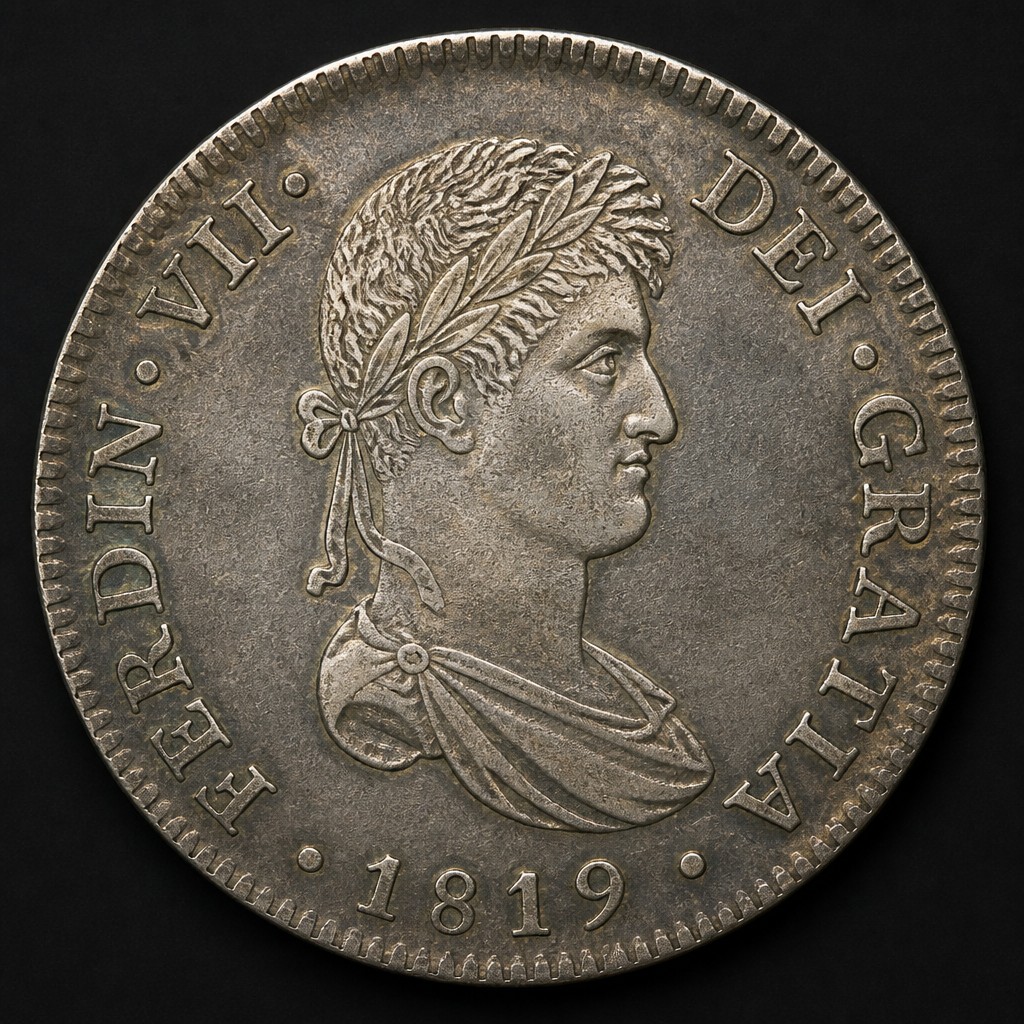
Colombia 8 Reales
Colonial issues through late 18th/early 19th century; republican issues 1820s–1830s
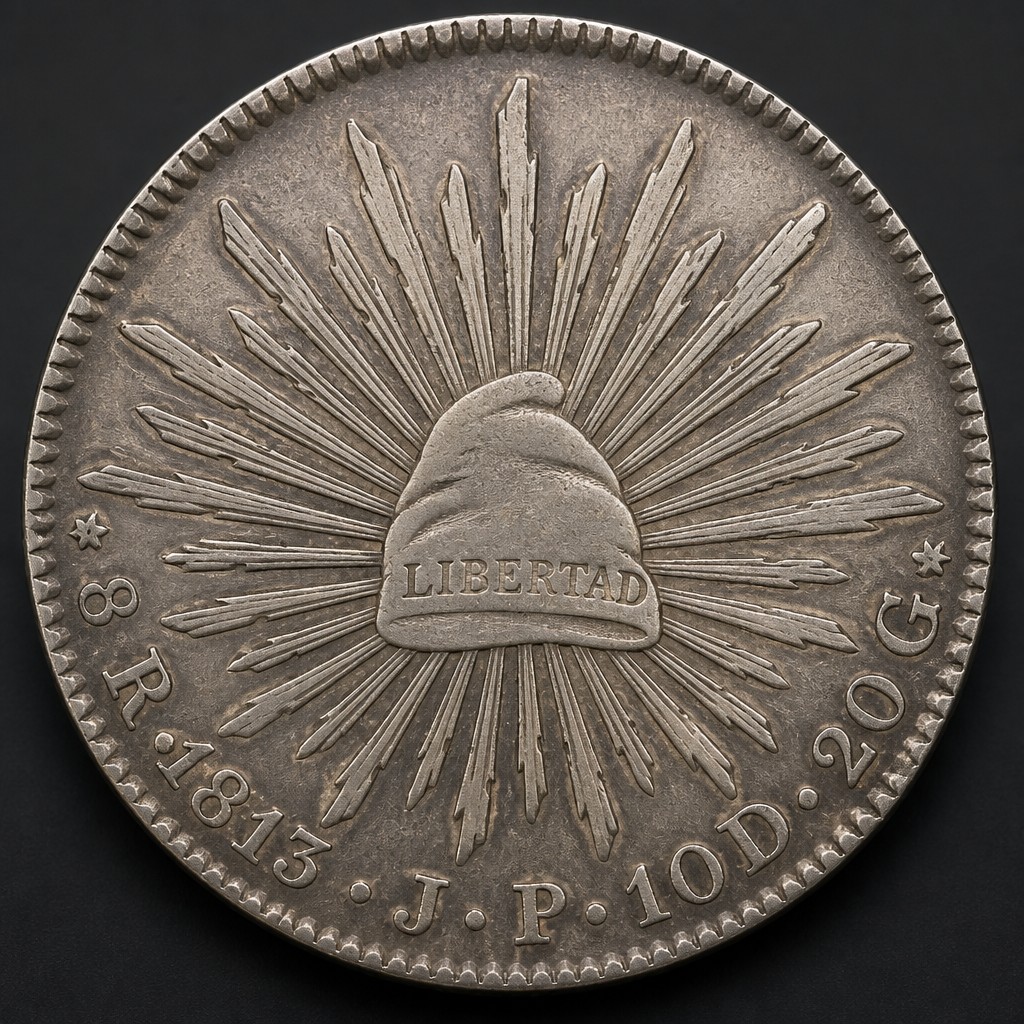
Argentina 8 Reales
c. 1813–1836
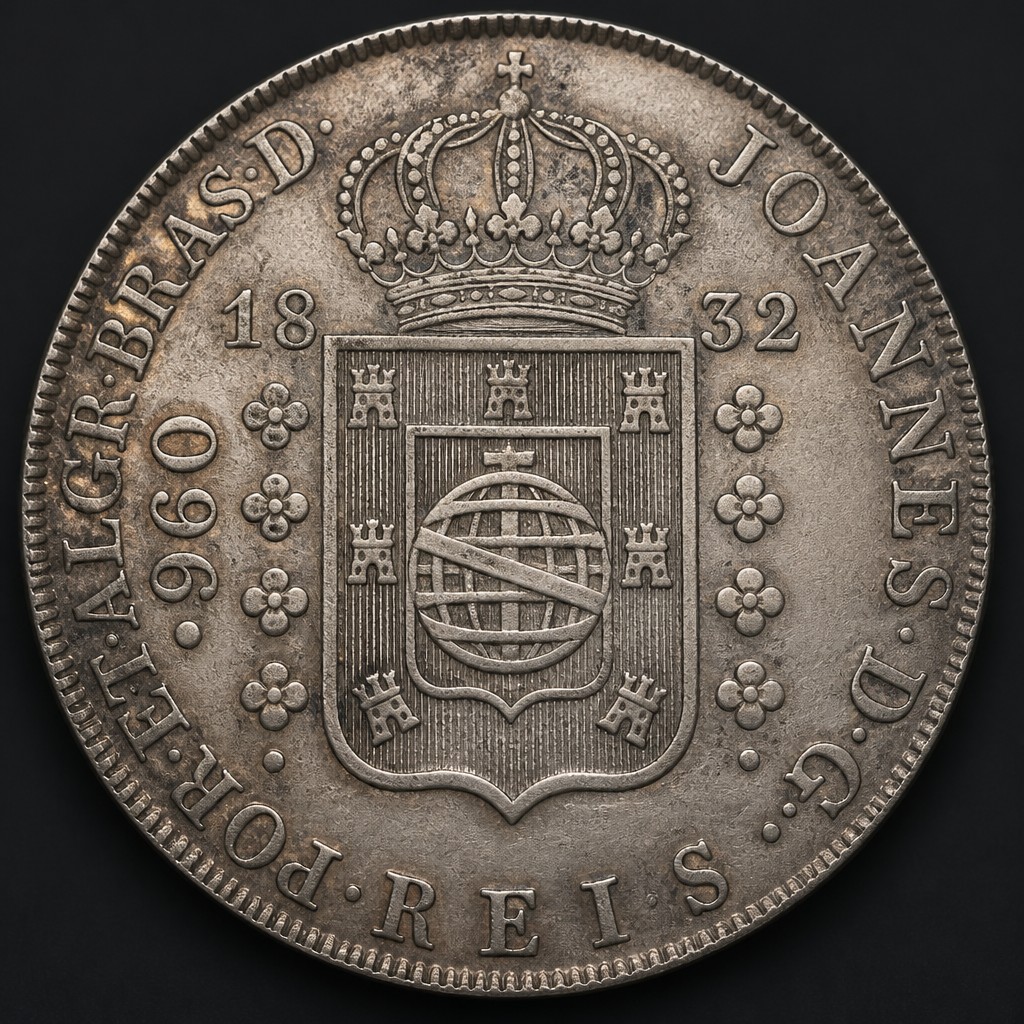
Brazil 960 Reis
1809–1832
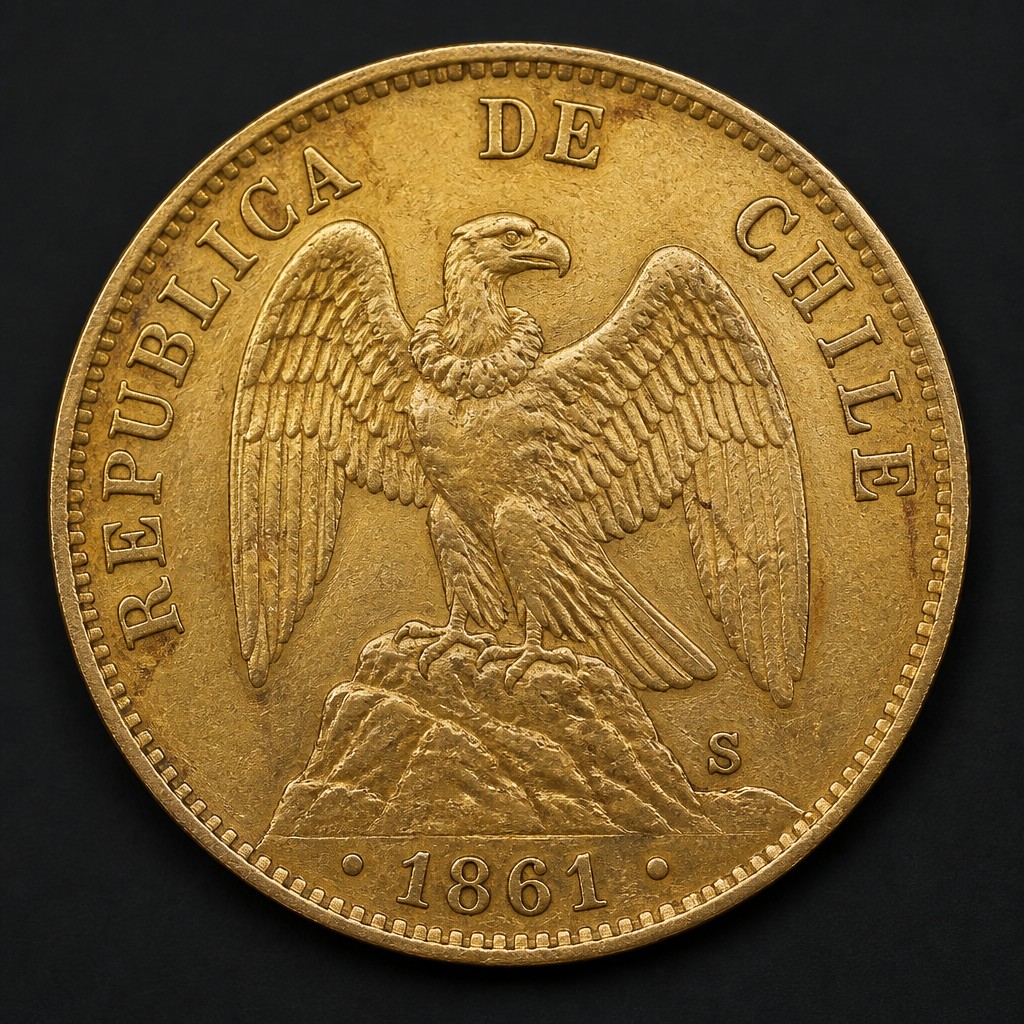
Chile Peso (Condor)
1851–1873 (gold condor series); modern base-metal peso 1990s–present
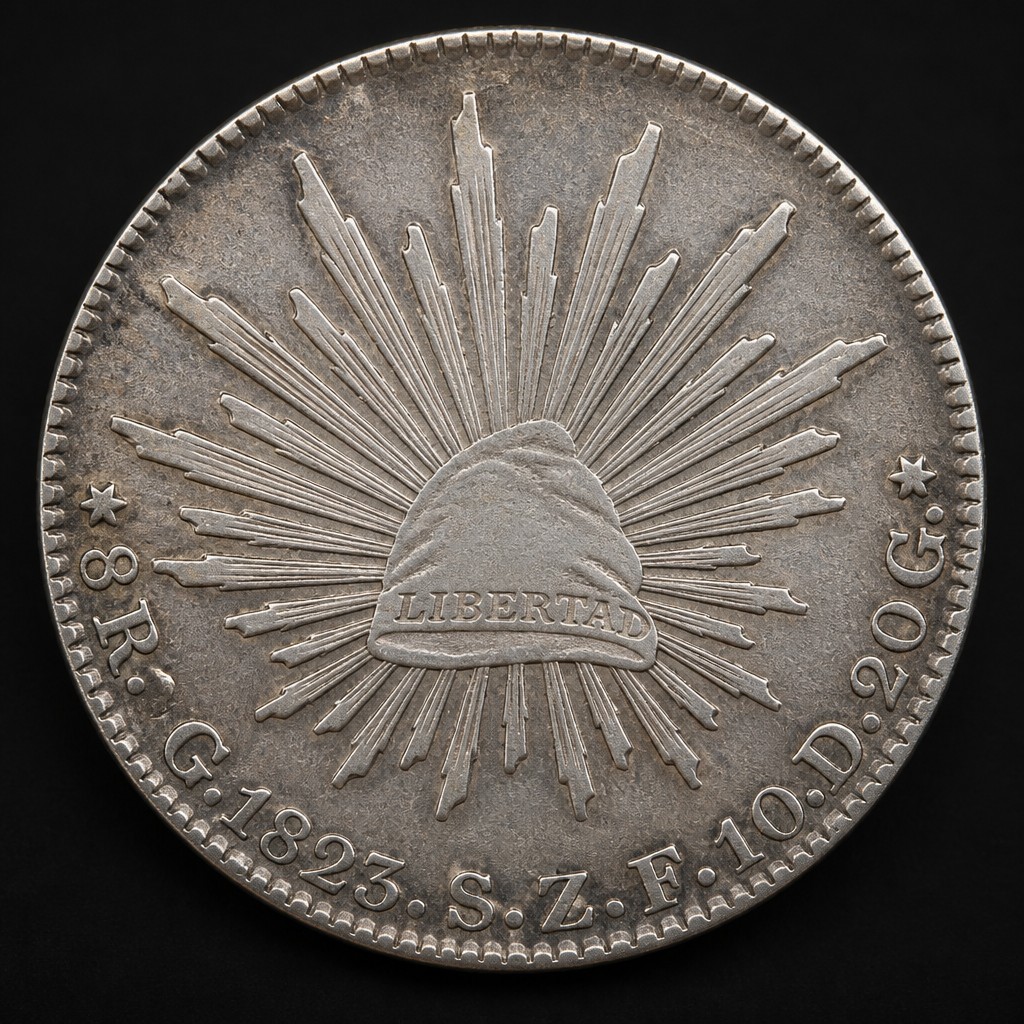
Mexican 8 Reales Cap and Rays
1823-1897
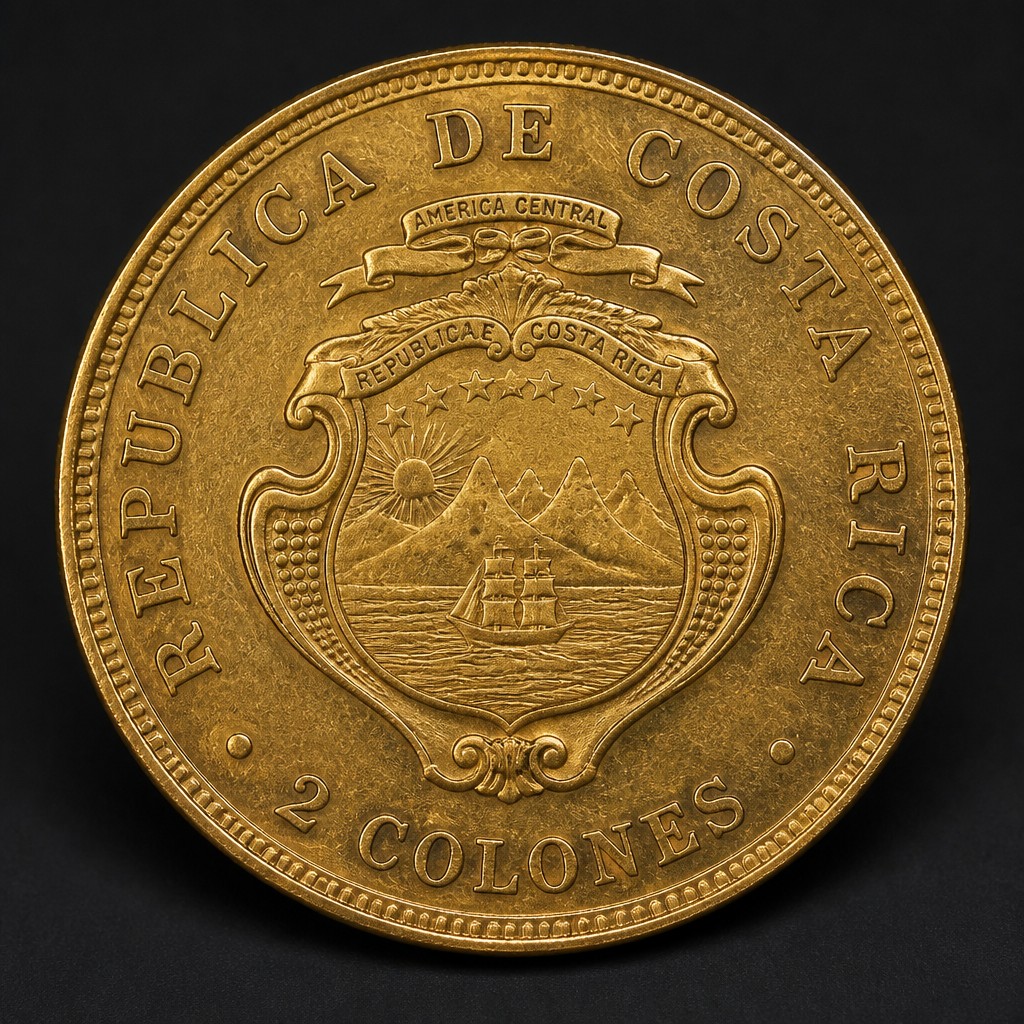
Costa Rica 2 Colones Gold
Late 1890s–early 1900s
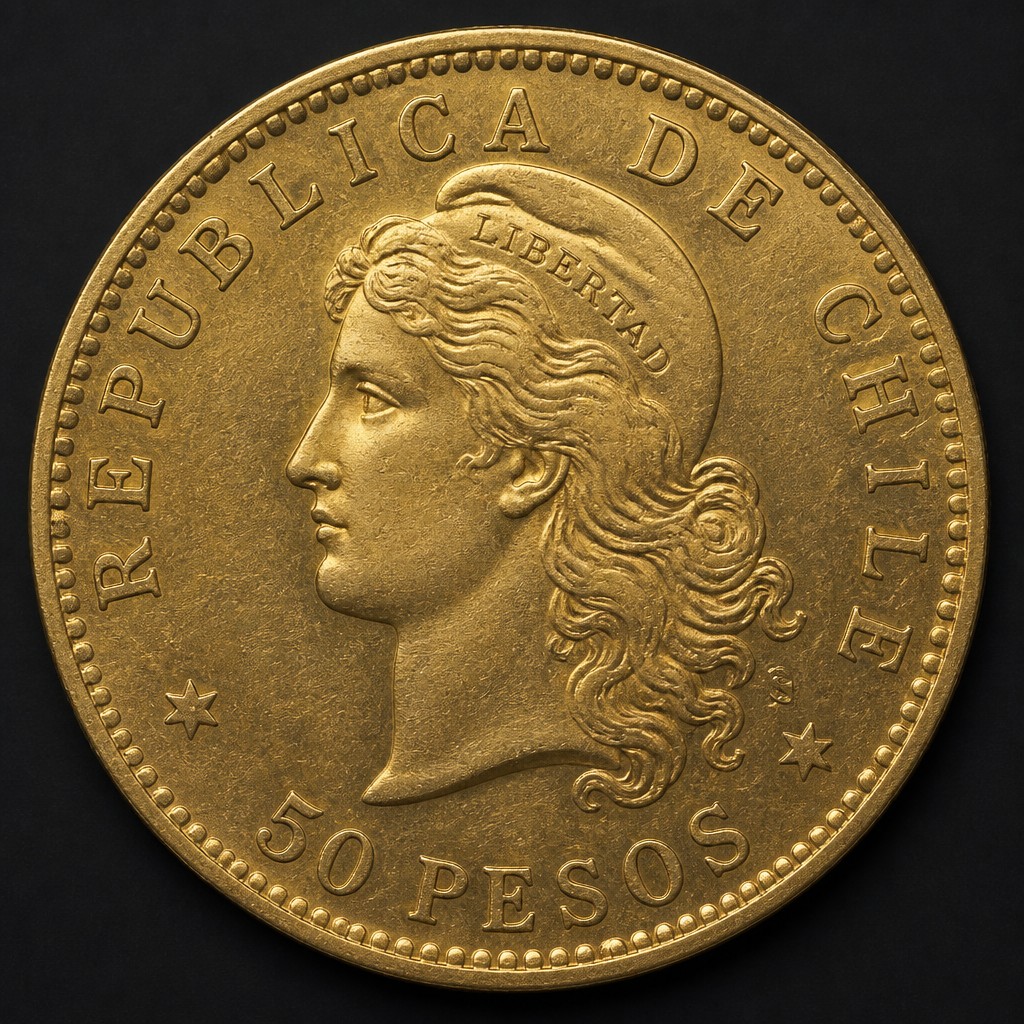
Chilean 50 Pesos Gold
1926–1980 (with interruptions)
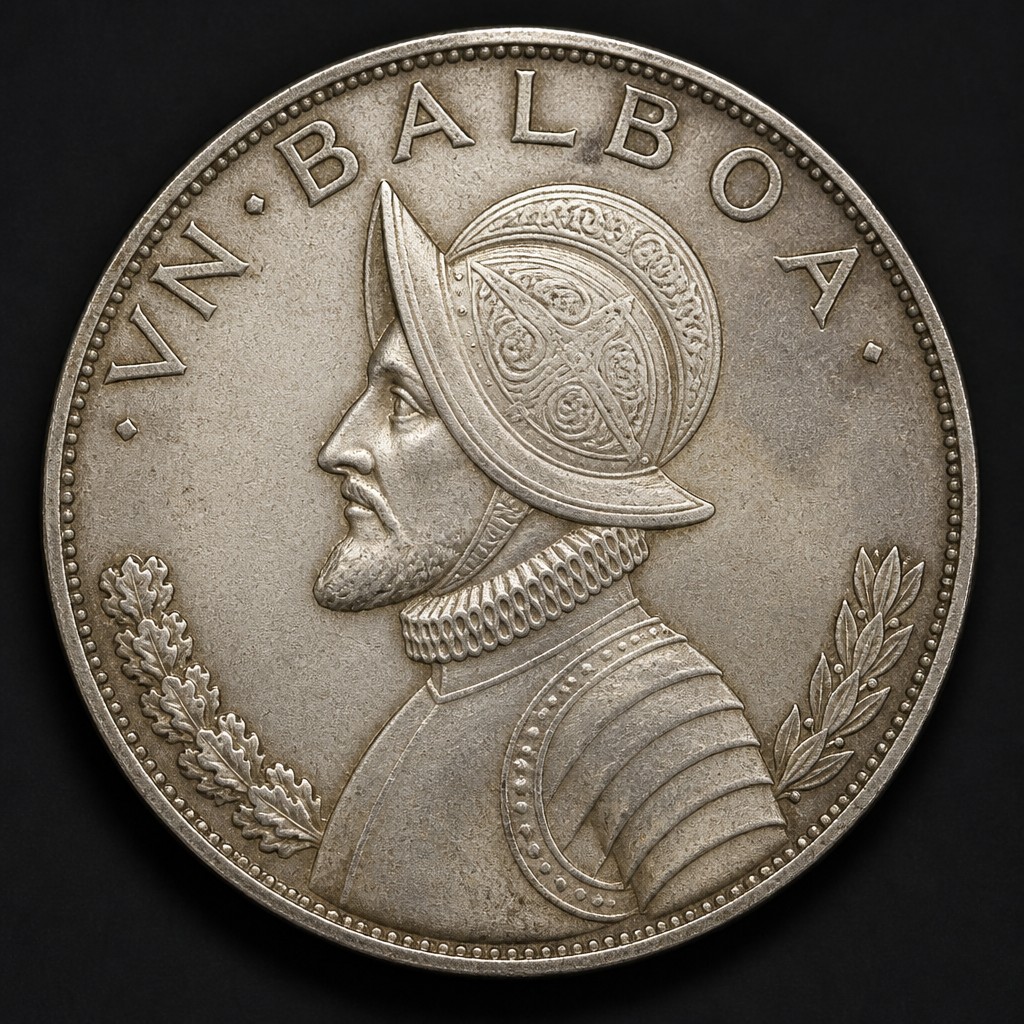
Panama Balboa Silver
1904, 1931, 1934, 1947, 1953, 1966 (various dates)
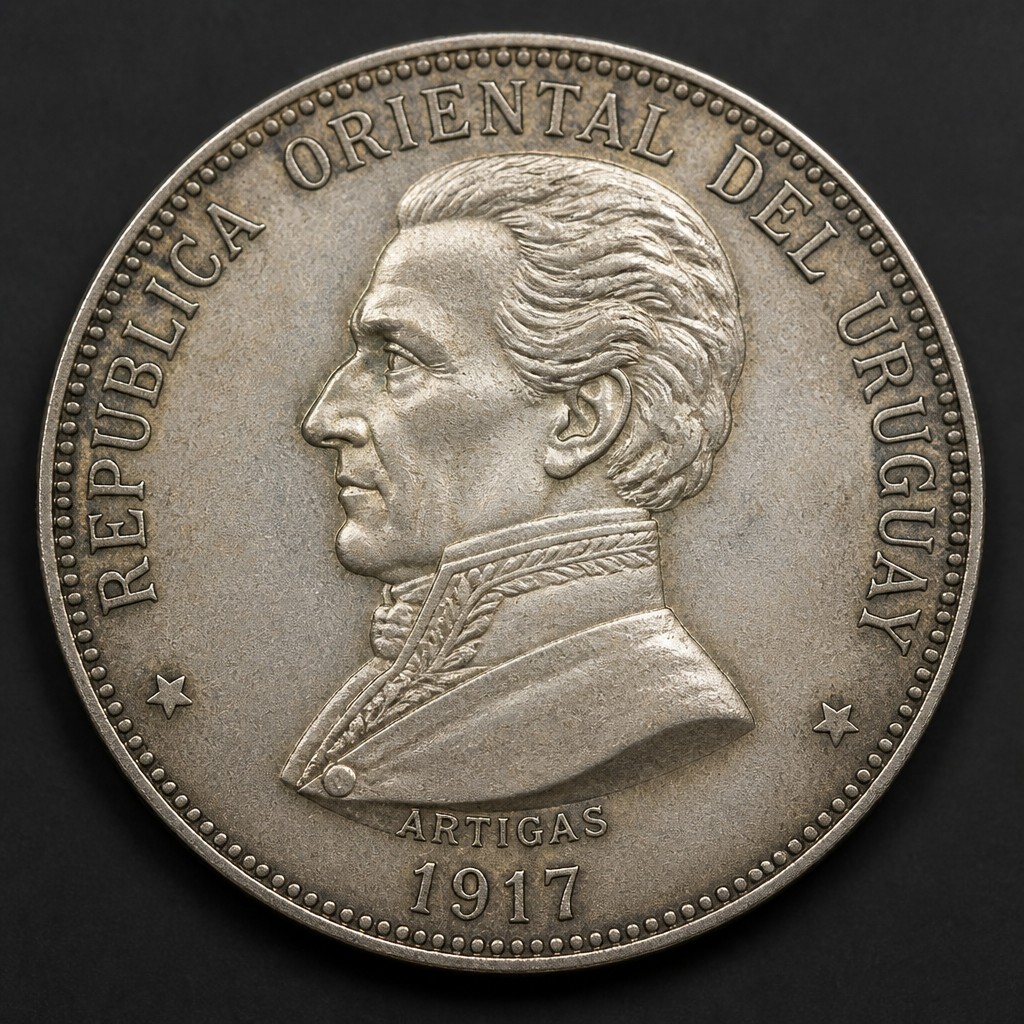
Uruguay Peso Silver 'Artigas'
1917–1920 (with related commemorative issues in later decades)
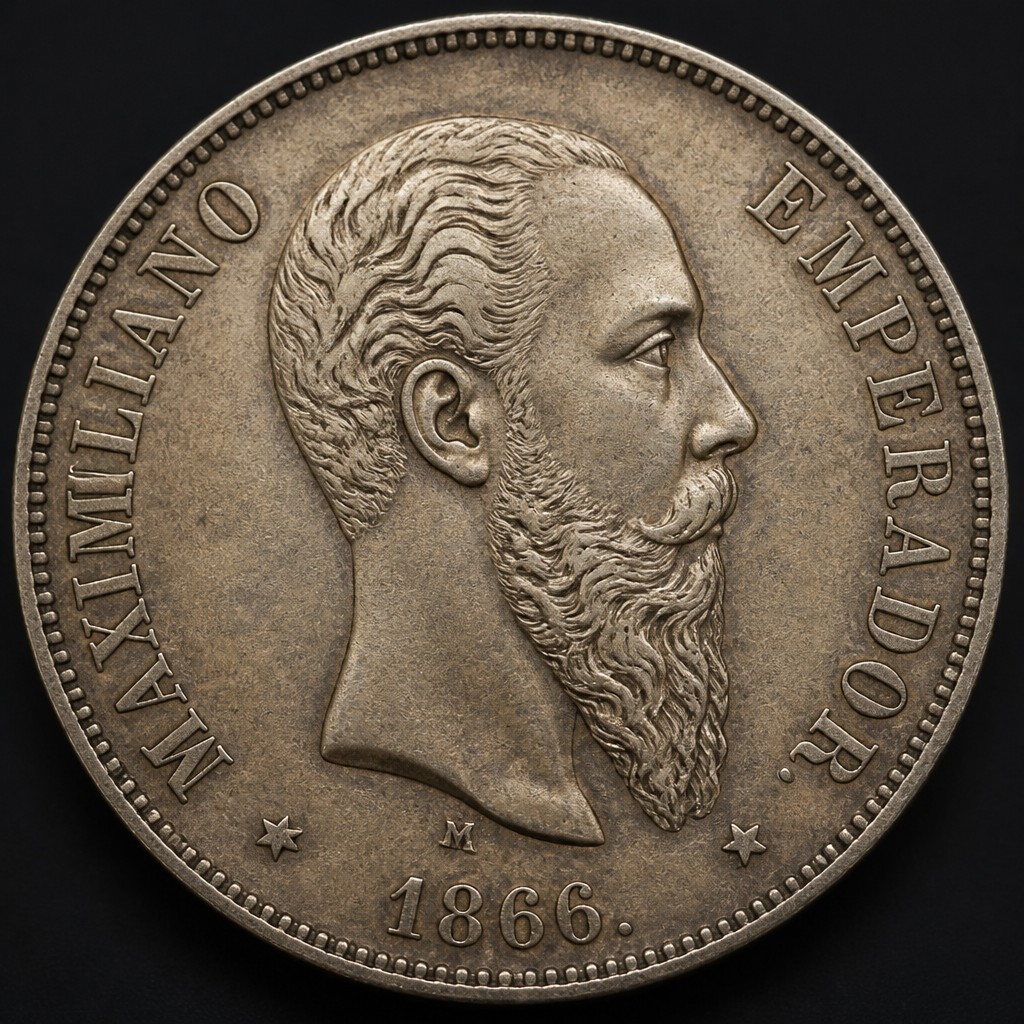
Mexican Emperor Maximilian Peso
1866–1867
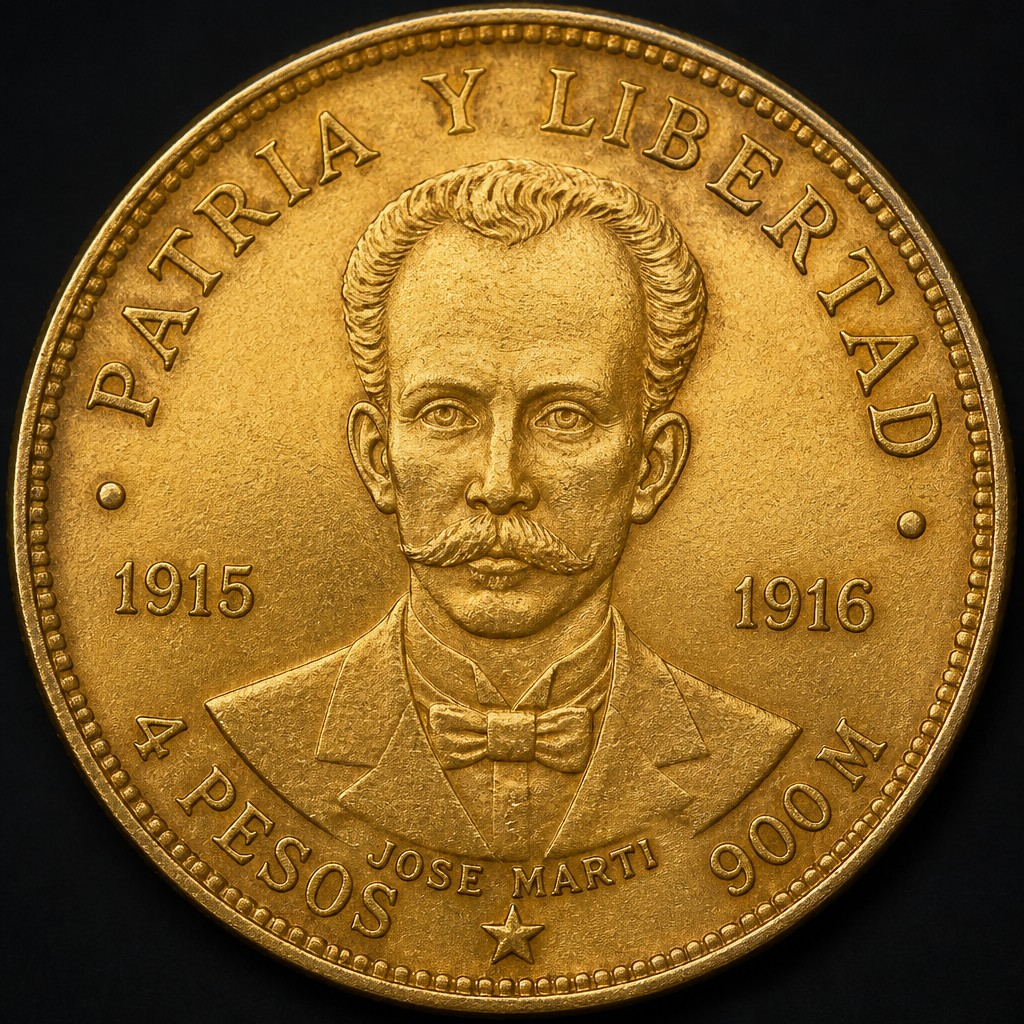
Cuba 4 Pesos Gold Jose Marti
1915–1916
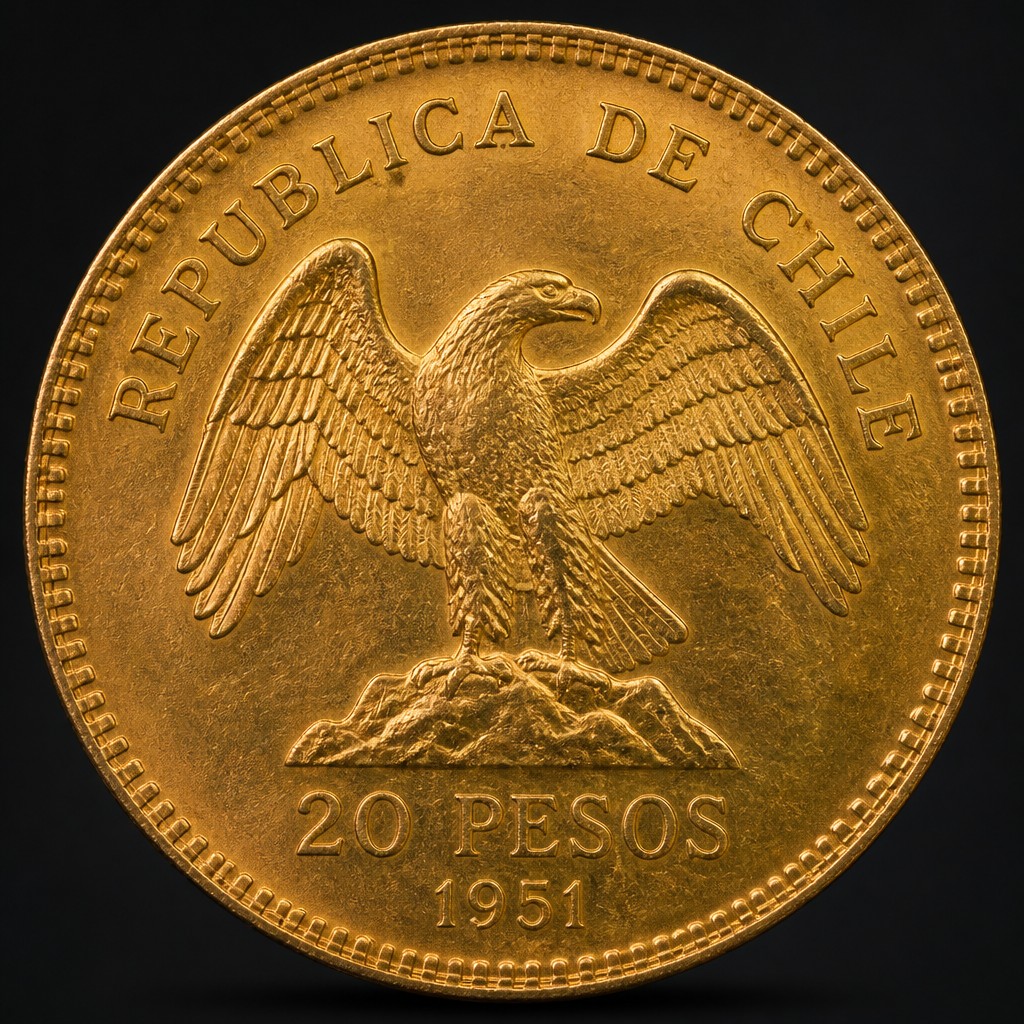
Chilean 20 Pesos Gold
19th century issues and 1926–1980 condor series