
Coin Encyclopedia
Search and identify coins from around the world — with country, denomination, metal, mint, history, and how to tell them apart.
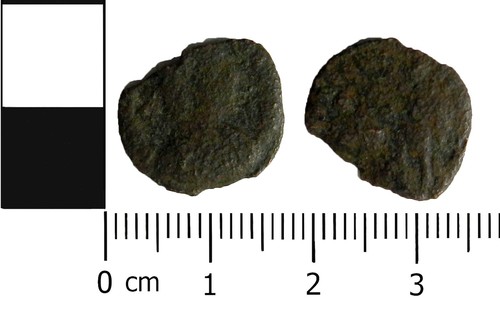
Roman Centenionalis
A small fourth-century Roman bronze coin, part of the reformed low-value currency struck across the empire's mints during a period of frequent monetary change.
Ancient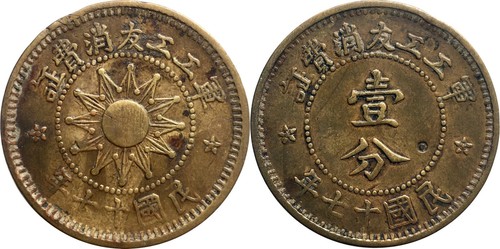
Shansi Arsenal 1 Fen
A holed copper 1 Fen struck by the Shansi Arsenal in 1928, with Chinese inscriptions and numeral '1' around a central square hole.
Circulation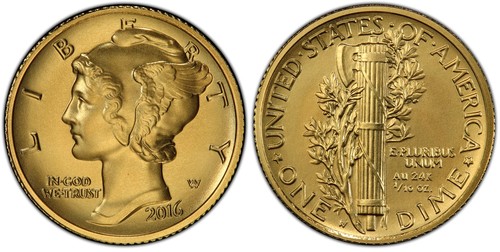
Mercury Dime Centennial Gold
A 2016-W gold collector coin marking the centennial of the 1916 Mercury dime, struck in 1/10 oz of 24-karat gold at West Point.
Dime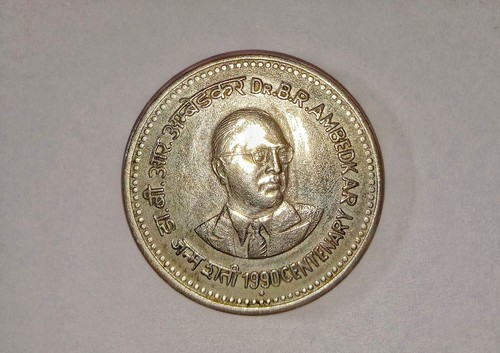
Ambedkar Centenary One Rupee
A 1990 Indian one-rupee commemorative honoring the birth centenary of Dr. B.R. Ambedkar, its obverse bearing his bespectacled portrait and bilingual legend.
Modern India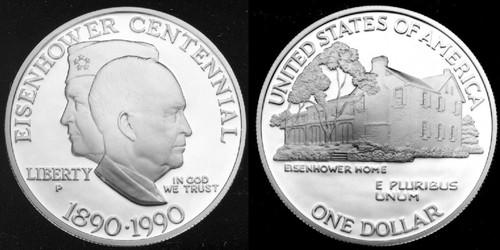
Eisenhower Centennial Dollar
A 1990 U.S. commemorative silver dollar marking 100 years since Dwight D. Eisenhower's birth, with his left-facing profile and his Gettysburg home on the reverse.
Dollar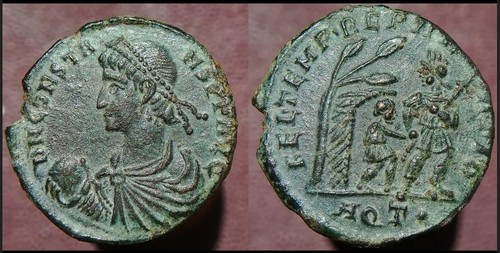
Centenionalis of Constans
A mid-4th-century Roman bronze of Constans bearing the FEL TEMP REPARATIO reform reverse, showing a soldier lifting a small captive from a hut.
Ancient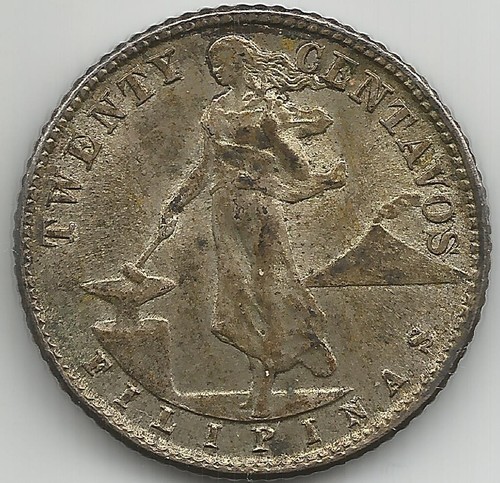
Philippines 20 Centavos
A small wartime silver 20 centavos of the Commonwealth-era Philippines: a standing Liberty figure and Mayon volcano, with an eagle over a shield on the reverse.
Southeast Asia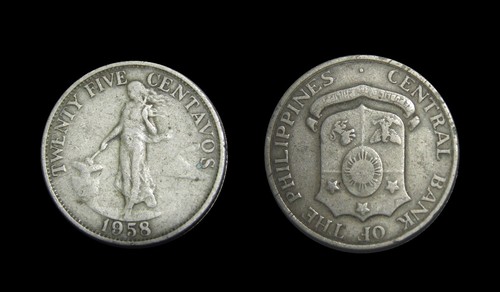
Philippines 25 Centavos
Silvery base-metal 25 centavos of the young Republic of the Philippines, dated 1958: a standing figure with a liberty torch and the Republic's sunburst coat of arms.
Southeast Asia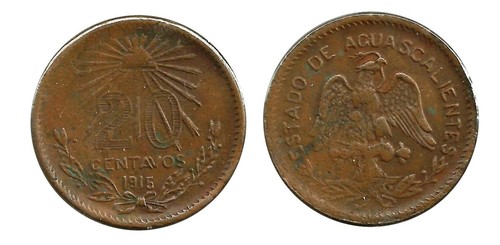
Aguascalientes 20 Centavos
A copper 20 centavos struck in Aguascalientes during the Mexican Revolution in 1915, showing the denomination on one side and a large numeral 20 with the national eagle on the other.
Revolutionary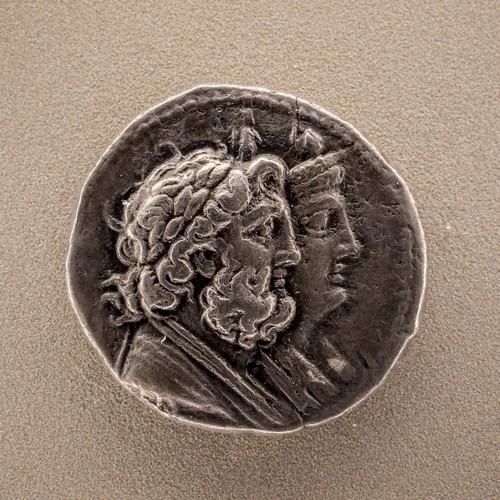
Gold Tetradrachm of Ptolemy II and Arsinoe II
Ptolemaic gold of Egypt, c. 260-240 BC, with paired busts of Ptolemy II and Arsinoe II on one side and Ptolemy I and Berenike I on the other.
Ancient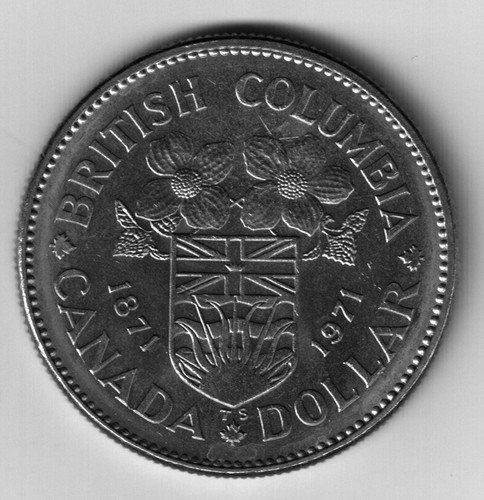
British Columbia Centennial Dollar
A 1958 Canadian silver dollar marking British Columbia's centennial, showing a Pacific Northwest totem pole and the dates 1858–1958.
Canadian & Provincial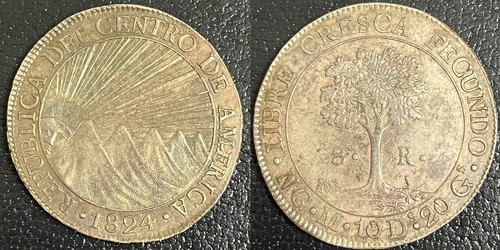
Central American Republic 8 Reales
A silver 8 reales of the Central American Republic, showing a rayed sun rising over mountains on one side and a tree on the other, dated 1824.
Circulation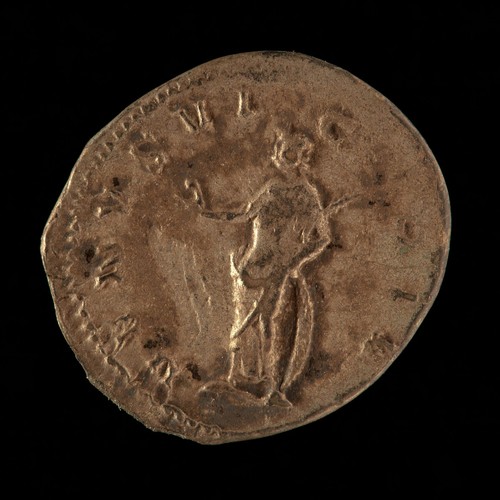
Antoninianus of Salonina
Billon antoninianus of the empress Salonina, wife of Gallienus, showing her draped bust and a standing deity on the reverse (256-257 AD).
Ancient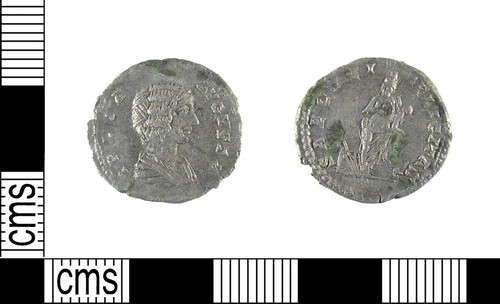
Denarius of Julia Domna
Roman silver denarius of the empress Julia Domna (193-217 CE), with her draped bust and a standing goddess or personification on the reverse.
Ancient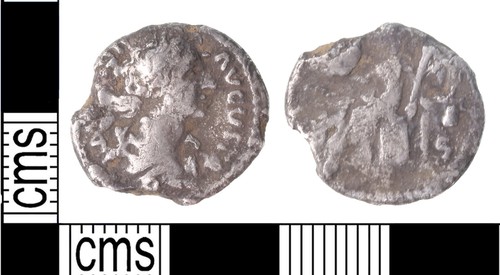
Denarius of Faustina the Younger
Roman Imperial silver denarius of Faustina the Younger, showing her draped bust with an elaborate curled hairstyle and a standing deity or personification on the reverse.
Ancient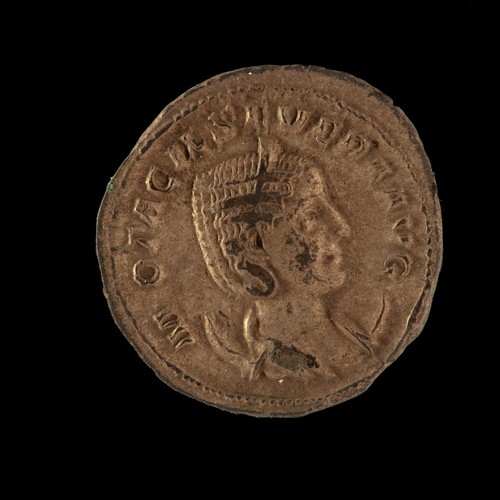
Antoninianus of Otacilia Severa
Roman double-denarius of the empress Otacilia Severa, wife of Philip I (246-248 AD), with her draped bust and a standing personification on the reverse.
Ancient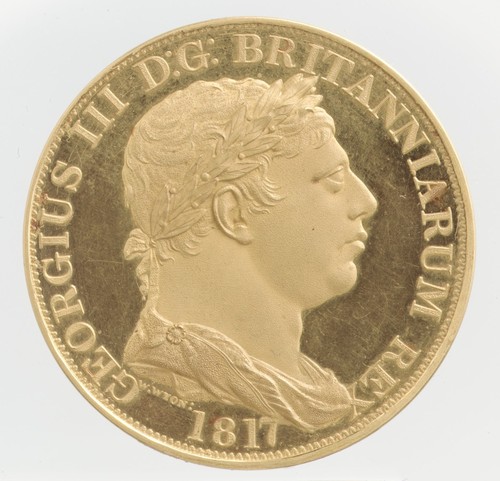
Crown of George III (Incorrupta)
A milled crown of George III dated 1817, named for its INCORRUPTA reverse legend, showing a laureate draped bust and crowned royal arms.
Milled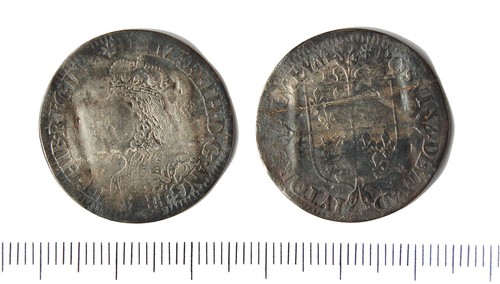
Milled Sixpence of Elizabeth I
An early machine-struck English silver sixpence of Elizabeth I, showing her crowned draped bust with a rose and the royal shield above a date.
Milled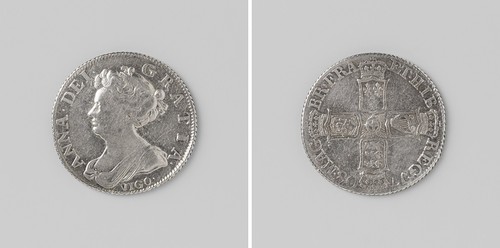
Shilling of Anne
A machine-struck silver shilling of Queen Anne, with her draped bust facing right and a reverse of crowned shields bearing the royal arms in a cross.
Milled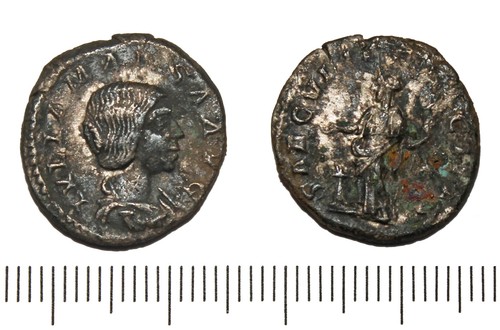
Denarius of Julia Maesa
Roman silver denarius struck for Julia Maesa (c. 218–222 CE), showing her draped bust with wavy hair and a standing deity on the reverse.
Ancient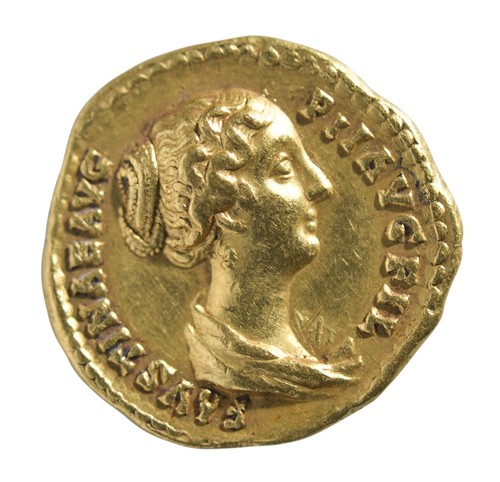
Aureus of Faustina II
Roman imperial gold coin with the draped bust of Faustina II, daughter of Antoninus Pius and wife of Marcus Aurelius, struck around 147-150 AD.
Ancient Coins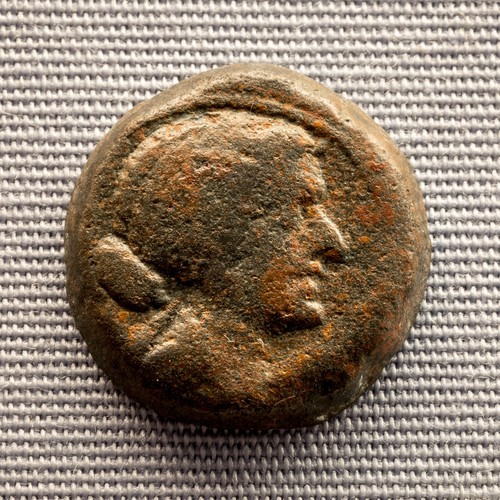
Bronze Coin of Cleopatra VII
Ptolemaic bronze coin of Cleopatra VII of Egypt, 51-30 BC, showing her draped diademed bust in profile as sole named female ruler of the dynasty.
Ancient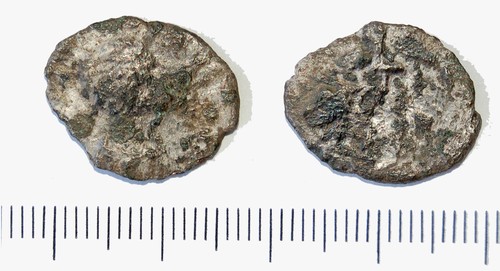
Denarius of Faustina the Elder
A silver Roman denarius honoring Faustina the Elder, wife of Antoninus Pius, with her draped bust and a seated Fortuna reverse, struck c. 141–161 AD.
Ancient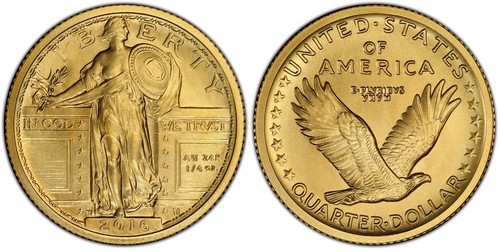
Standing Liberty Quarter Centennial Gold
A 2016 U.S. quarter-dollar struck in 1/4 oz of .9999 fine gold, reviving Hermon MacNeil's Standing Liberty design for its 100th anniversary.
Quarter