
Coin Encyclopedia
Search and identify coins from around the world — with country, denomination, metal, mint, history, and how to tell them apart.
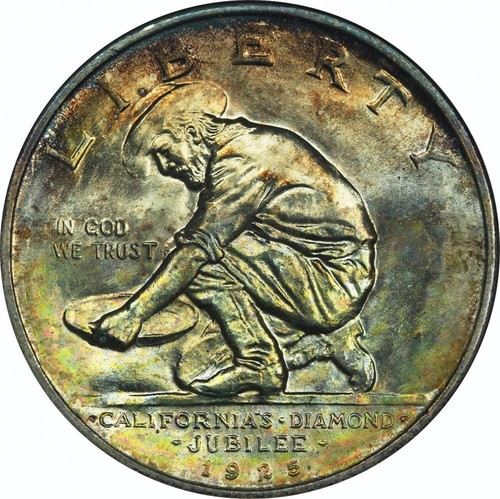
California Diamond Jubilee Half Dollar
A 1925 U.S. silver commemorative half dollar marking California's 75th year of statehood, designed by Jo Mora with a gold miner and a grizzly bear.
Classic Commemorative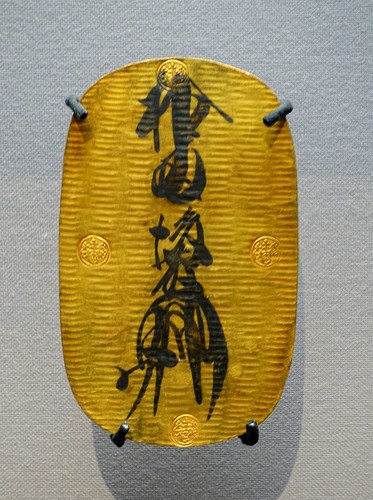
Keicho Oban
A large, thin oval Japanese gold oban of the Keicho era, hammer-marked with horizontal striations and bearing brush-inked ink signatures and paulownia crests.
Historic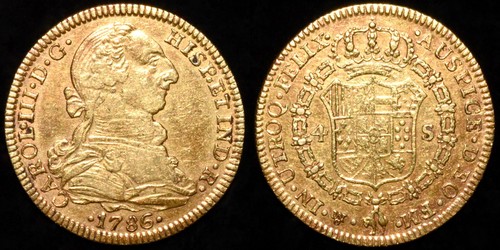
4 Escudos
Spanish Bourbon gold 4 Escudos of the 1780s, with an armored royal bust facing right and a crowned coat of arms on the reverse.
Early Modern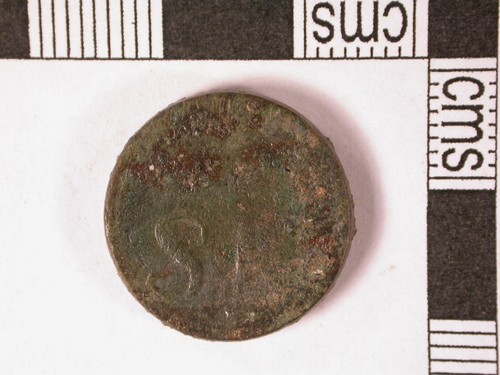
Coin Weight for Louis d'Or
A small bronze monetary weight used to verify a gold Louis d'Or on a balance, showing a worn royal profile and a heraldic reverse.
Token/weight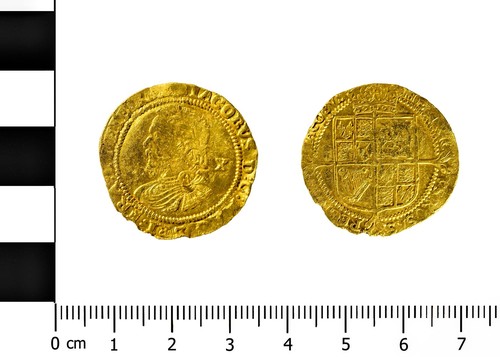
Half Laurel
Hammered English gold ten-shilling piece of James I, named for the king's laureate portrait; the half of the full Laurel denomination.
Hammered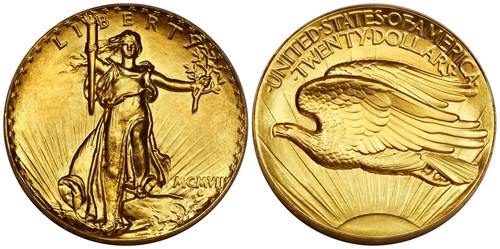
Ultra High Relief Double Eagle
Augustus Saint-Gaudens' 1907 $20 gold pattern struck in sculptural ultra high relief, with striding Liberty and a soaring eagle.
Gold Type Coin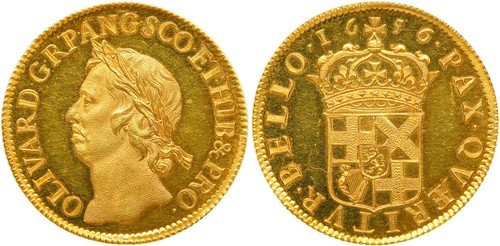
Broad
A gold twenty-shilling coin of the Protectorate bearing Oliver Cromwell's Roman-style profile and a crowned quartered shield, dated 1656.
Hammered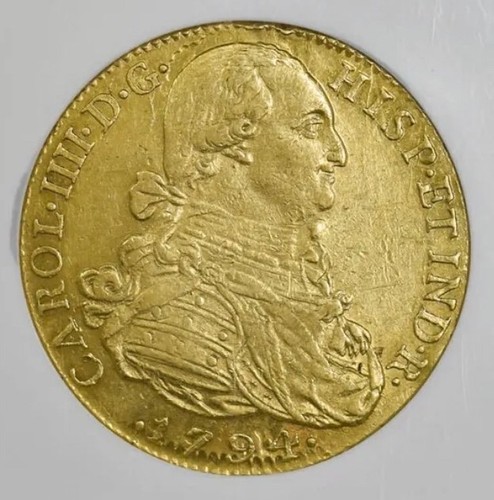
Colombia 8 Escudos (Base Metal)
A base-metal (copper-alloy) piece styled after the colonial Colombian 8 escudos gold onza, with a Charles III profile and crowned heraldic arms dated 1760.
Colonial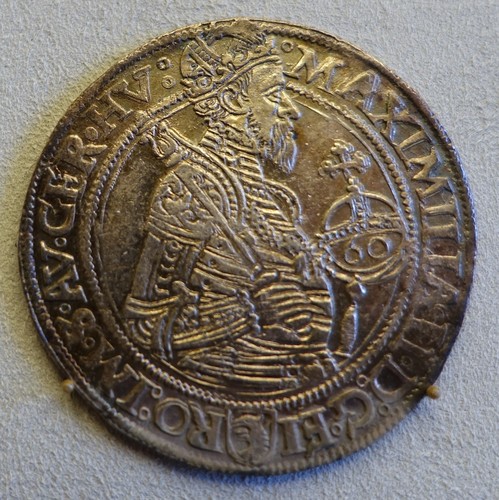
60 Kreuzer Guldiner
A gold 60 Kreuzer Guldiner of the Holy Roman Empire dated 1568, showing Emperor Maximilian II in plumed armor in right profile.
German States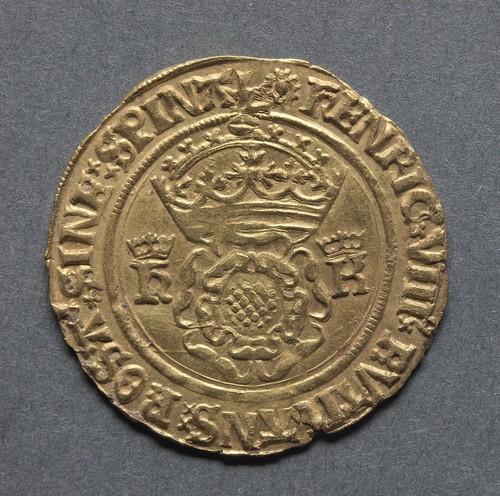
Crown of the Double Rose
A hammered Tudor gold crown of Henry VIII, valued at five shillings and named for the crowned double Tudor rose that defines its design.
Hammered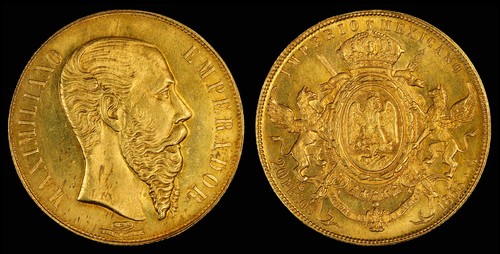
Empire 20 Pesos
A gold 20 pesos of the Second Mexican Empire, showing a bearded imperial portrait, the legend IMPERIO MEXICANO, and a crowned heraldic coat of arms.
Circulation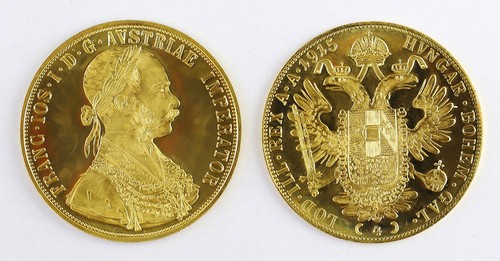
Austrian 4-fold Ducat
A large Austrian gold 4 Ducat dated 1915, showing Emperor Franz Joseph I in uniform and the crowned double-headed imperial eagle.
Bullion/gold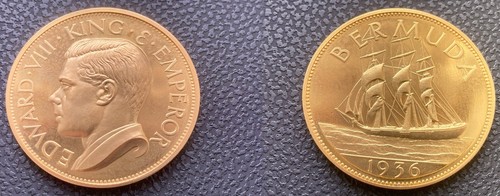
Bermuda Edward VIII Fantasy Crown
A modern fantasy Bermuda crown dated 1936 with an Edward VIII profile and a three-masted sailing ship; a gold-plated novelty, not an official coin.
Fantasy Issue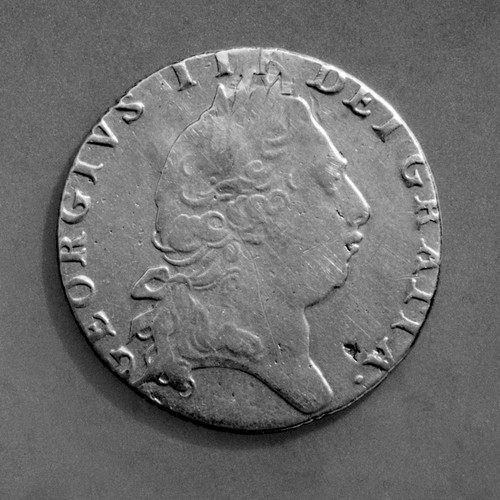
Spade Guinea
A late George III gold guinea named for the distinctive spade-shaped shield on its reverse, struck in England from 1787 into the early 1800s.
Milled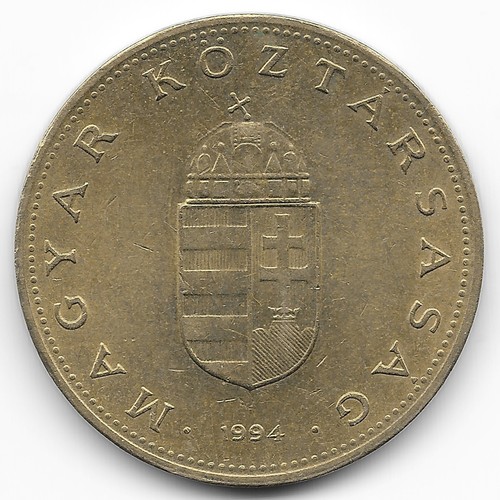
100 Forint (Commemorative)
A Hungarian bi-metallic 100 Forint commemorative pairing the national coat of arms with a bird of prey in flight, struck in a gold-toned ring and pale center.
Commemorative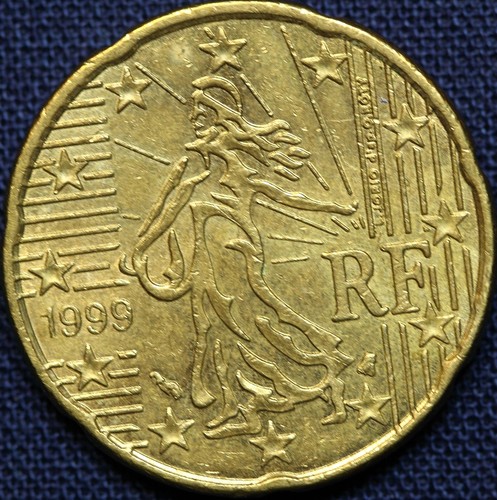
France 50 Cent Euro
France's gold-coloured 50 euro cent coin, showing the striding Sower (Marianne) among the EU stars on one side and the value 50 on the other.
Circulation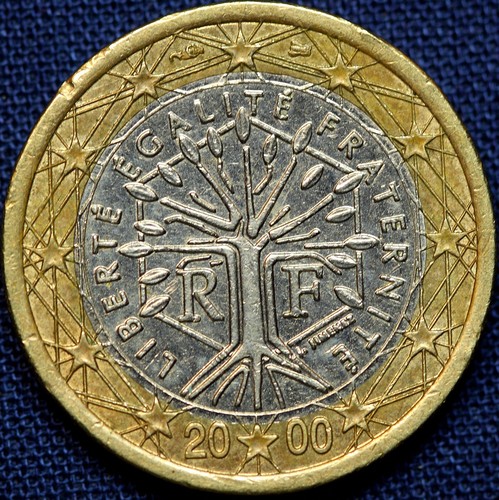
France 20 Centimes
A small gold-colored French Fifth Republic coin showing Marianne in profile, worth one-fifth of a franc, struck for four decades before the euro.
Circulation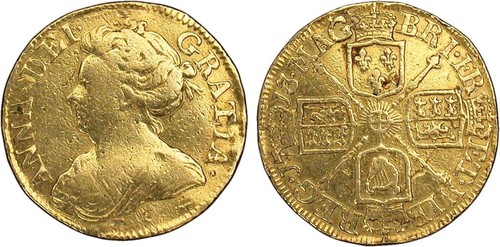
Half Guinea of Anne
An English milled gold half guinea of Queen Anne, showing her left-facing bust and a crowned cruciform reverse of shields with fleurs-de-lis.
Milled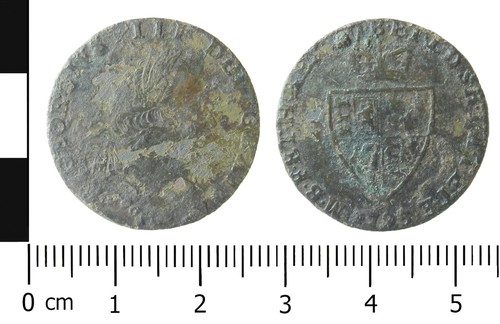
Counterfeit Guinea
A base-metal (copper or brass) imitation of a George III gold guinea, struck or cast to deceive, showing a right-facing bust and a heraldic shield reverse.
Counterfeit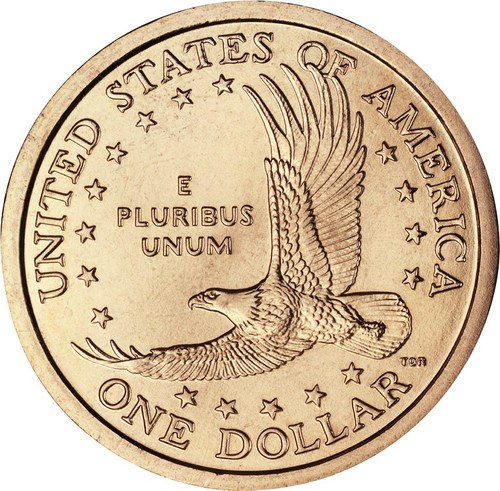
Sacagawea Dollar
U.S. golden-colored dollar coin showing Sacagawea and her infant son on the obverse and a soaring eagle on the reverse, struck 2000–2008.
Dollar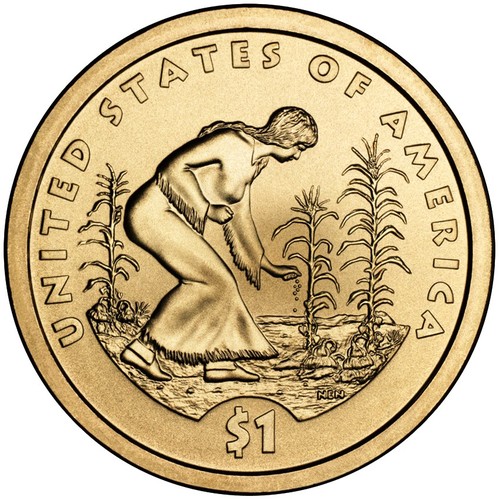
Native American Dollar
U.S. golden dollar with the Sacagawea obverse and a yearly-changing reverse; the 2009 issue shows Native American agriculture and three corn stalks.
Dollar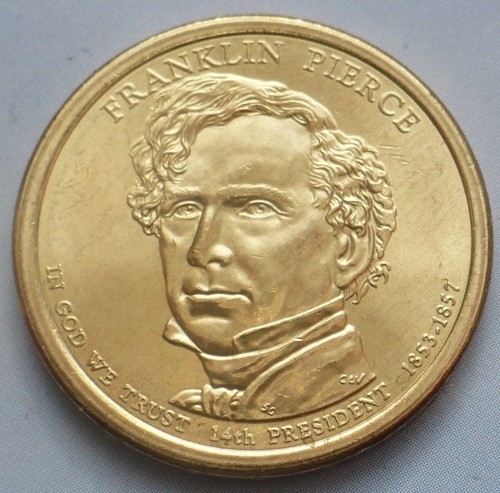
Franklin Pierce Presidential Dollar
Golden-colored U.S. dollar from the Presidential $1 Coin series, honoring Franklin Pierce, the 14th President, with a Statue of Liberty reverse.
Dollar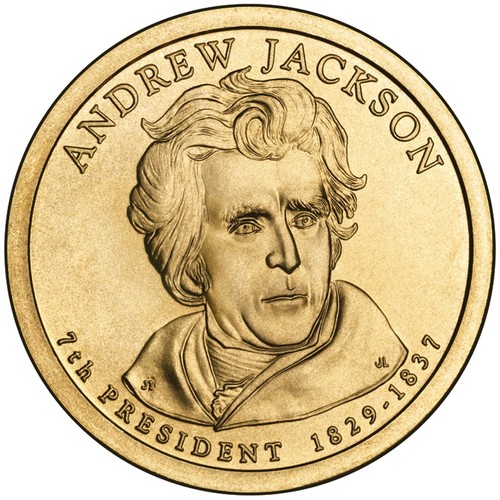
Andrew Jackson Presidential Dollar
2008 U.S. golden dollar honoring Andrew Jackson, the seventh president; part of the Presidential $1 Coin Program with edge-lettered inscriptions.
United States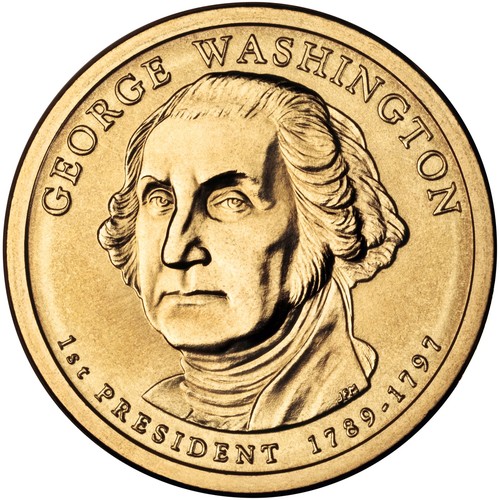
George Washington Presidential Dollar
The 2007 golden dollar honoring George Washington, first coin in the U.S. Presidential $1 series, with a left-facing portrait and Statue of Liberty reverse.
Dollar