
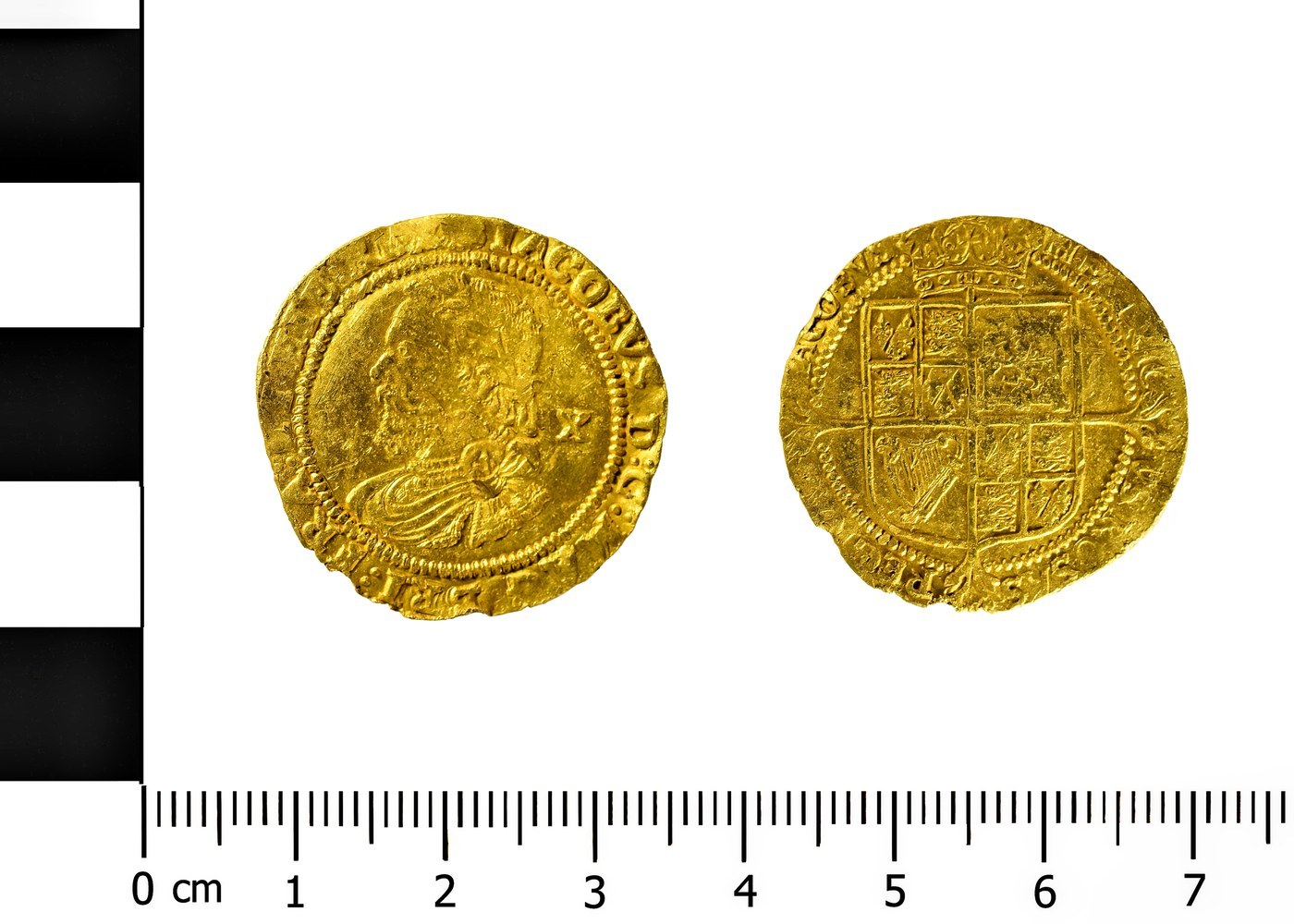
Half Laurel
Hammered English gold ten-shilling piece of James I, named for the king's laureate portrait; the half of the full Laurel denomination.
- Country
- England
- Denomination
- Half Laurel (10 shillings)
- Metal
- Gold
Got a coin like this?
Identify any coin from a photo, free.
Overview
The Half Laurel is a hammered gold coin of King James I of England, valued at ten shillings, or half of the full Laurel (twenty shillings). It takes its name from the distinctive laureate portrait of the king, shown crowned with a Roman-style wreath of laurel, that gives the whole Laurel series its identity.
Struck by hand between two dies during the final coinage of James I's reign, each surviving example has a slightly irregular flan and individual character rather than the machine-uniform look of later milled coins. It sits within a family of gold pieces that included the full Laurel and the Quarter Laurel, the Half Laurel occupying the middle tier at ten shillings.
Genuine examples are scarce, solid gold, and valued by collectors both as Jacobean gold and as an accessible half-denomination of the well-known Laurel type.
History & Background
James I ruled England from 1603 to 1625, having already reigned in Scotland as James VI. Over his English reign the gold coinage was reorganized several times, and the Laurel and its fractions belong to his third and final coinage, introduced in the early 1620s and continuing until his death in 1625.
The name Laurel reflects a deliberate classical flourish: earlier gold pieces of the reign, such as the Unite, had shown the king in a crown, but the new type presented him wreathed in laurel in the manner of a Roman emperor. The Half Laurel followed the same treatment at half the value, ten shillings, filling the gap between the full twenty-shilling Laurel and the five-shilling Quarter Laurel.
All examples were produced at the royal mint by hammering, before mechanized minting became standard in England. As the coinage was adjusted for the weight and price of gold, the Laurel series carried mint marks and small privy marks that collectors use to place a given coin within the 1620s window and to attribute it to a specific period of issue.
How to Identify
The obverse shows the crowned, laureate profile bust of James I facing right, wearing a laurel wreath, within a beaded border and surrounded by a Latin royal legend naming the king. On the photographed example this crowned right-facing profile with its beaded border and encircling legend is the immediately recognizable feature and the origin of the Laurel name.
The reverse carries a crowned shield of the royal arms, its quartered heraldic divisions set in a compartmented design and surrounded by a Latin legend or motto. The quartering combines the arms of England, Scotland, France and Ireland, reflecting James's rule over the united crowns.
The coin is a mid-sized hand-hammered gold piece, smaller and lighter than the full Laurel, with hand-cut lettering and the soft, occasionally doubled relief typical of hammered striking. A small mint mark (initial mark) in the legend helps pin down the period of issue within James I's final coinage and is important for close attribution.
Value & Collectibility
As a genuine hammered Jacobean gold coin roughly four centuries old, the Half Laurel trades well above its bullion gold content and is valued primarily on grade, strength of strike, mint mark and eye appeal rather than any single fixed price.
Worn but authentic examples generally command strong three- to four-figure sums, while sharp, well-centered coins with clear portraits and scarcer mint marks can reach well into the four figures or beyond at specialist auction. Clipping, mounting, tooling or repair sharply reduce value, so problem-free originals are especially sought after.
Because early English gold is widely faked and was historically clipped, anyone valuing a specific piece should rely on recent auction records for the matching type and mint mark and treat any single quoted figure as context rather than a guaranteed price.
Frequently asked questions
Why is it called a Half Laurel?
The Laurel is named for the laurel wreath James I wears in its portrait, in the manner of a Roman emperor. The Half Laurel is simply the half-value version, worth ten shillings against the full Laurel's twenty.
What was the Half Laurel worth?
It was valued at ten shillings, or half of the full Laurel. It sat above the five-shilling Quarter Laurel and below the twenty-shilling Laurel within James I's final gold coinage.
Is the Half Laurel made of gold?
Yes. It is a solid gold coin, hand-struck during James I's third and final coinage in the 1620s, and it trades well above its metal value as a scarce Jacobean gold piece.
How can I date a Half Laurel more precisely?
The Laurel series belongs to James I's reign of 1603-1625, with the Laurel type itself introduced in the early 1620s. The small mint mark in the legend helps place a given coin within that final coinage.
Half Laurel guides
In-depth guides for identifying, valuing, and collecting Half Laurel.
Other coins you may enjoy
English Sixpence
Early 1600s (James I, 1603-1625)
Sixpence of James I
1603-1625
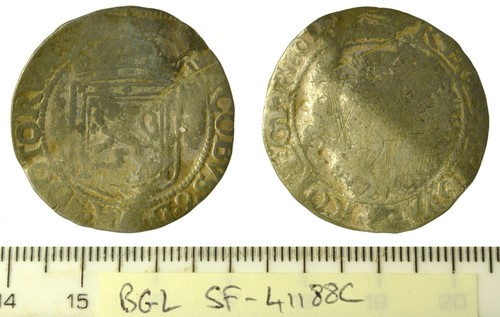
Thistle Merk
1567–1625
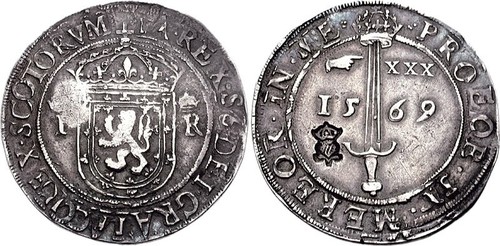
James VI Ryal
1567–1571
Quarter Merk
c. 1580–1691
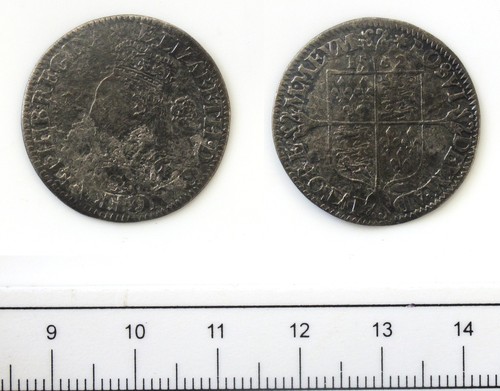
Sixpence of Elizabeth I
1560–1603
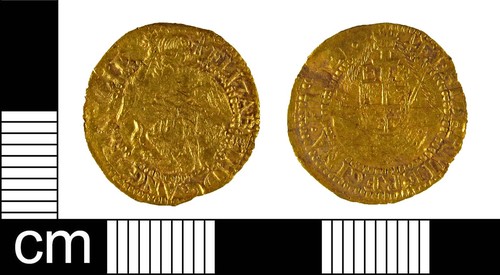
Quarter Angel of Elizabeth I
1581-1583
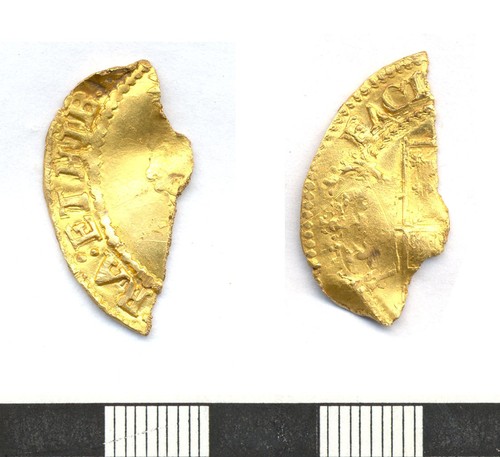
Laurel
1619-1625
Mary I Groat
1553-1558
Medieval Coin
c. 500–1500 (Medieval)
Half Thistle Merk
1567-1625
Irish Pistole
1640s (17th century)