
Coin Encyclopedia
Search and identify coins from around the world — with country, denomination, metal, mint, history, and how to tell them apart.
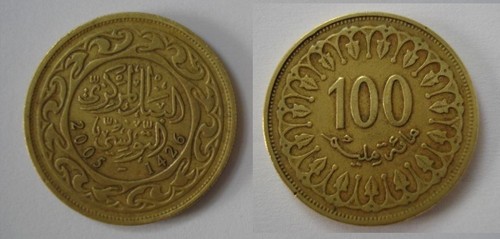
Tunisia 100 Millimes
A brass Tunisian coin worth 100 millimes, with flowing Arabic calligraphy inside an ornate border on one side and a large 100 on the other.
World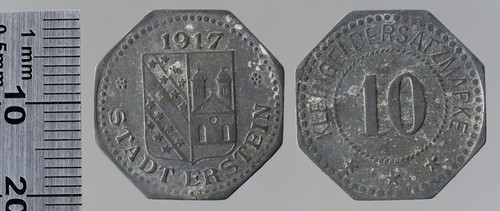
Erstein Notgeld 10 Pfennigs
A 1917 German emergency coin (Notgeld) for 10 Pfennigs from the town of Erstein, with the city coat of arms on one side and a large 10 on the other.
Token/notgeld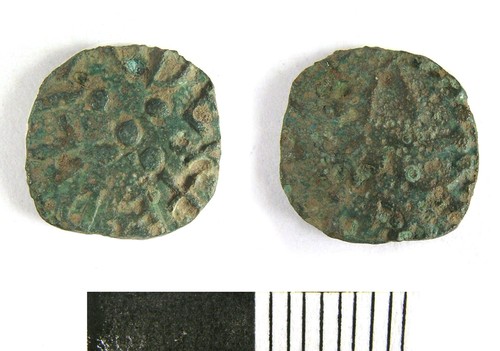
Anglo-Saxon Styca
A tiny base-metal coin of the Anglo-Saxon kingdom of Northumbria, struck in the 8th-9th century with a head and inscription on one side and a cross on the other.
Medieval Coins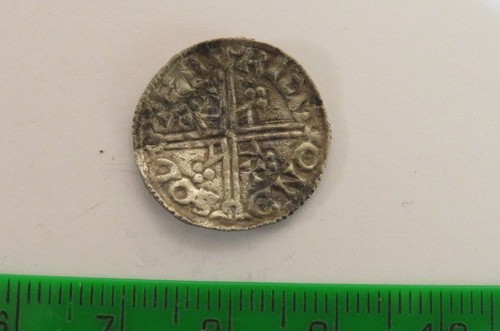
Medieval Penny
England's standard medieval coin: a small hammered silver penny with a crowned royal head on one side and a cross on the other, struck by hand across many reigns.
Medieval Coins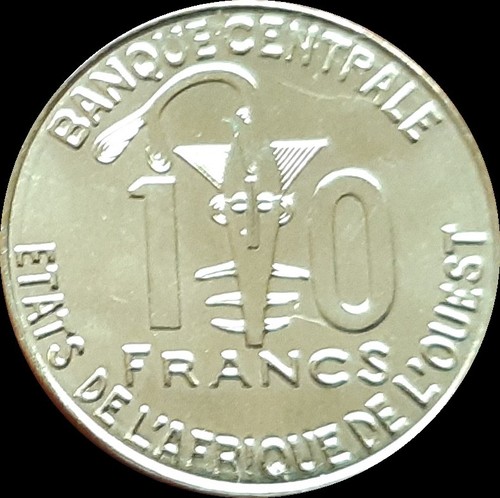
10 CFA Francs
A small modern circulation coin of the West African CFA franc zone, showing a stylized traditional emblem and the bold value 10.
World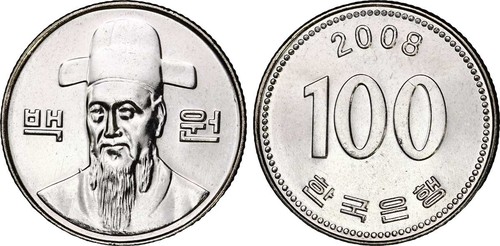
100 Won
South Korea's everyday nickel 100 won coin, showing Admiral Yi Sun-sin in his winged helmet on the obverse and a large numeral 100 on the reverse.
Circulation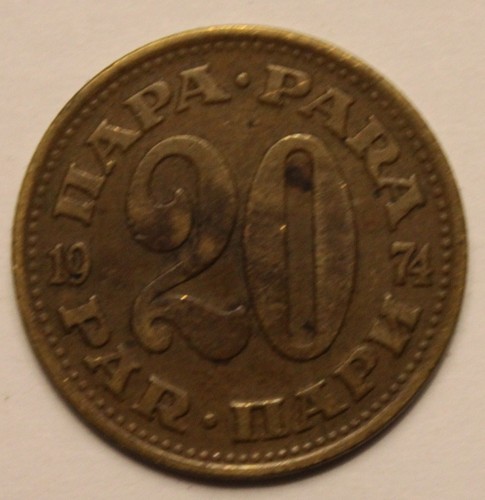
20 Para
A small base-metal coin of socialist Yugoslavia, showing the value 20 with the date 1974 on one side and the six-flame Yugoslav state emblem on the other.
Modern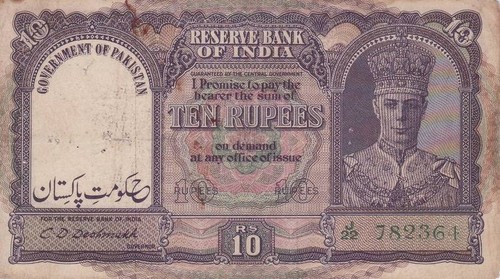
India 10 Rupees
A silver-era Indian coin carrying the profile of King George VI, struck during the final years of British India and the transition to the Republic.
Circulation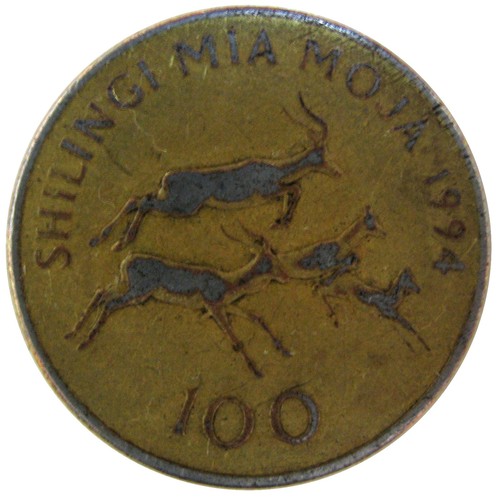
Tanzania 100 Shillings
A golden brass Tanzanian coin worth 100 shillings, showing a lively scene of running antelope with the Swahili legend SHILINGI MIA MOJA.
World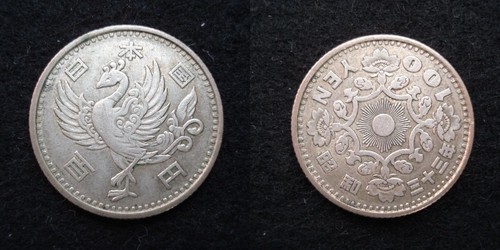
100 Yen (Showa Silver)
Japan's first 100 Yen coin, in silver: a phoenix in flight on the obverse and a bold radiating 100 on the reverse. Dated Showa 33 (1958).
Circulation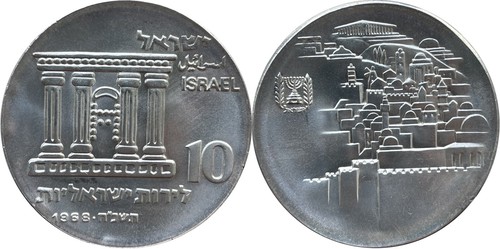
Israel 10 Lirot
Israel's 1968 silver 10 Lirot, struck for the 20th anniversary of independence, pairing a menorah emblem with a view of Jerusalem.
World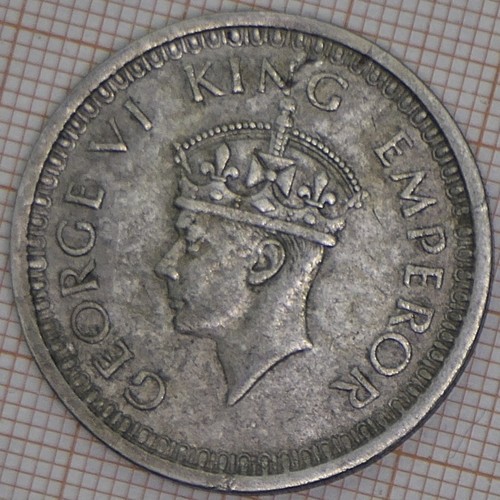
Victoria One Rupee
Silver 1-rupee coin of British India bearing Queen Victoria's crowned bust, struck from 1862 to 1901 under Crown rule.
British India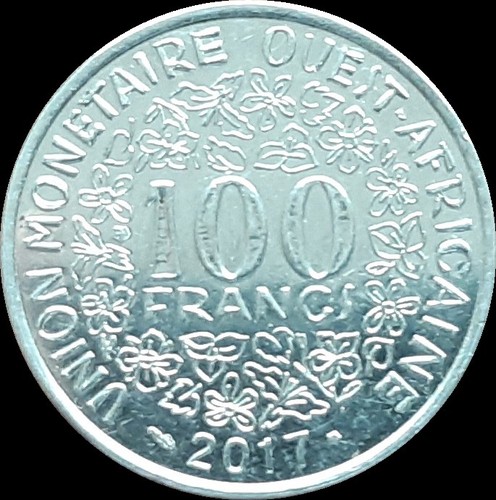
100 CFA Francs
A widely circulated West African coin bearing a crossed-sword emblem and a floral design, denominated 100 francs of the West African CFA franc.
World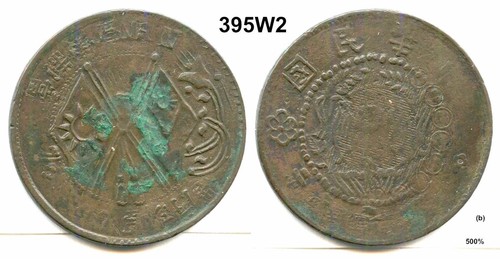
Ho-Nan 100 Cash
A large struck bronze 100-cash coin of Henan Province from Republican China, with ornate Chinese characters on one face and a decorative pattern on the other.
Cash Coin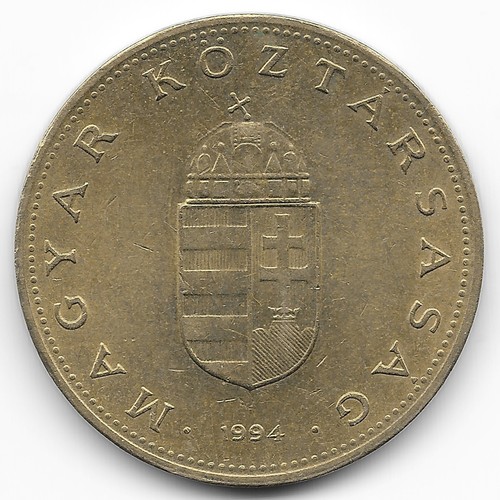
100 Forint (Commemorative)
A Hungarian bi-metallic 100 Forint commemorative pairing the national coat of arms with a bird of prey in flight, struck in a gold-toned ring and pale center.
Commemorative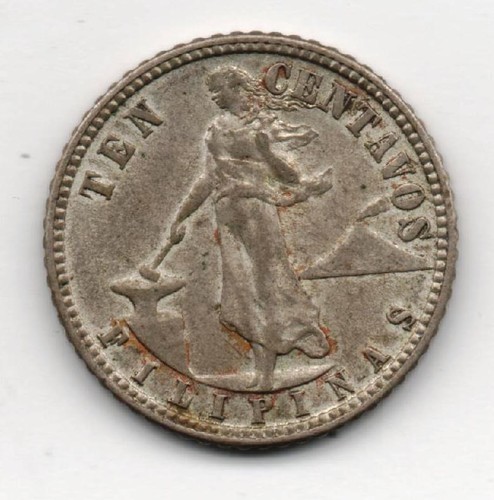
Philippines 10 Centavos
A small silver 10 centavos of the American-era Philippines: a standing Liberty figure and Mayon volcano on one side, the U.S. eagle and shield on the other.
Southeast Asia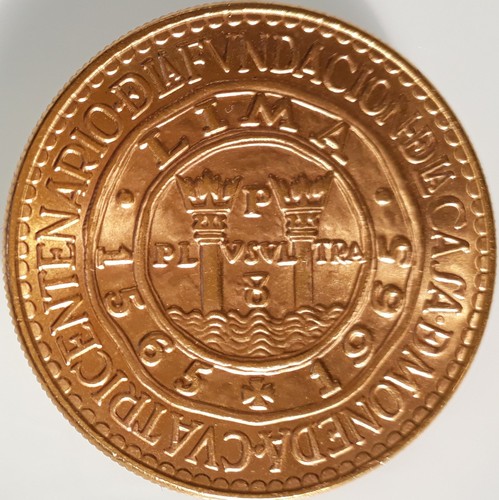
100 Soles de Oro
Peru's largest gold Sol de Oro—a heavy .900 gold coin of the Lima Mint. This reverse-only 1965 example shows a fortress emblem and CASA DE MONEDA DE LIMA.
Circulation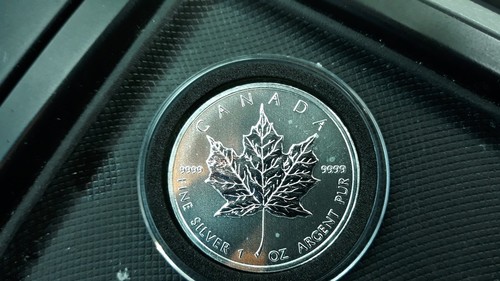
Canadian Silver Maple Leaf
Canada's flagship 1 oz silver bullion coin, struck in .9999 fine silver by the Royal Canadian Mint with a single sugar-maple leaf design.
Bullion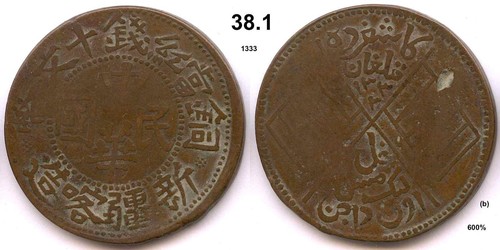
Aksu Mint 10 Cash
A struck copper 10 cash coin from the Aksu mint in Xinjiang, with Chinese characters and a denomination mark in a circular layout, without a central hole.
Cash Coin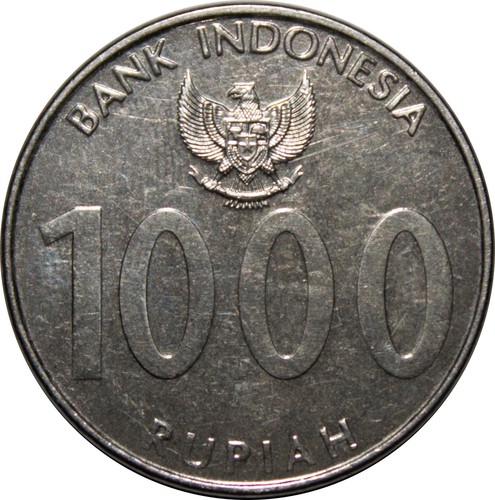
Indonesia 1000 Rupiah
A 2010 Indonesian 1000-rupiah circulation coin, its obverse bearing the Garuda Pancasila emblem and Bank Indonesia legend, its reverse a traditional monument design.
Southeast Asia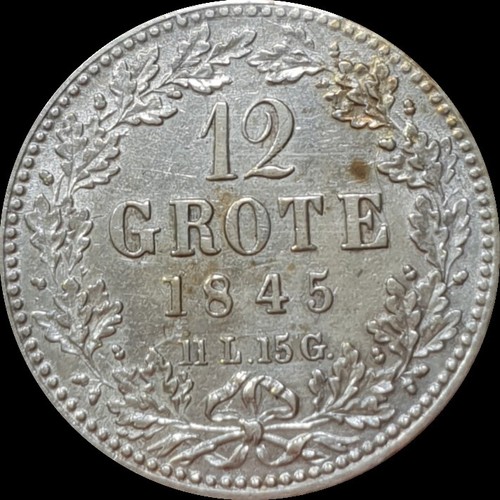
Bremen 12 Grote Thaler
A silver 12 Grote coin of the Free Hanseatic City of Bremen dated 1845, with an ornamental civic coat of arms and an allegorical reverse.
German States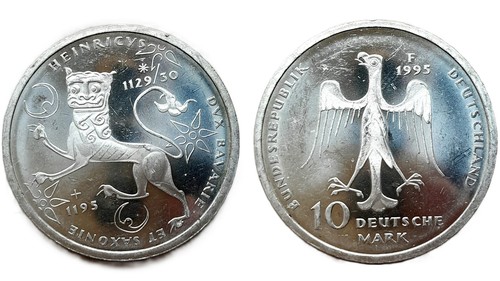
German 10 Deutsche Mark Commemorative
A West/unified German silver 10 Deutsche Mark commemorative; this 1995 issue honors Heinrich der Loewe (Henry the Lion) with the Federal Eagle reverse.
Commemorative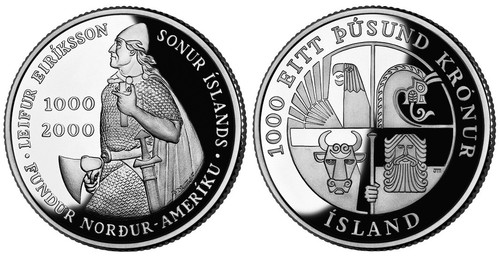
Leif Erikson Commemorative 1000 Króna
Icelandic silver commemorative dated 2000, marking the millennium of Leif Erikson's voyage and the Norse discovery of North America.
Commemorative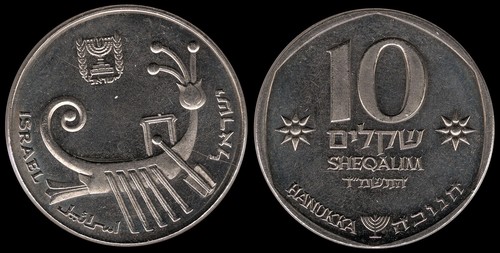
Israel 10 Sheqalim Hanukka Commemorative
A silver Bank of Israel commemorative from the annual Hanukka series, showing a historic Hanukka lamp with stars, dated 1983 and valued at 10 Sheqalim.
World