
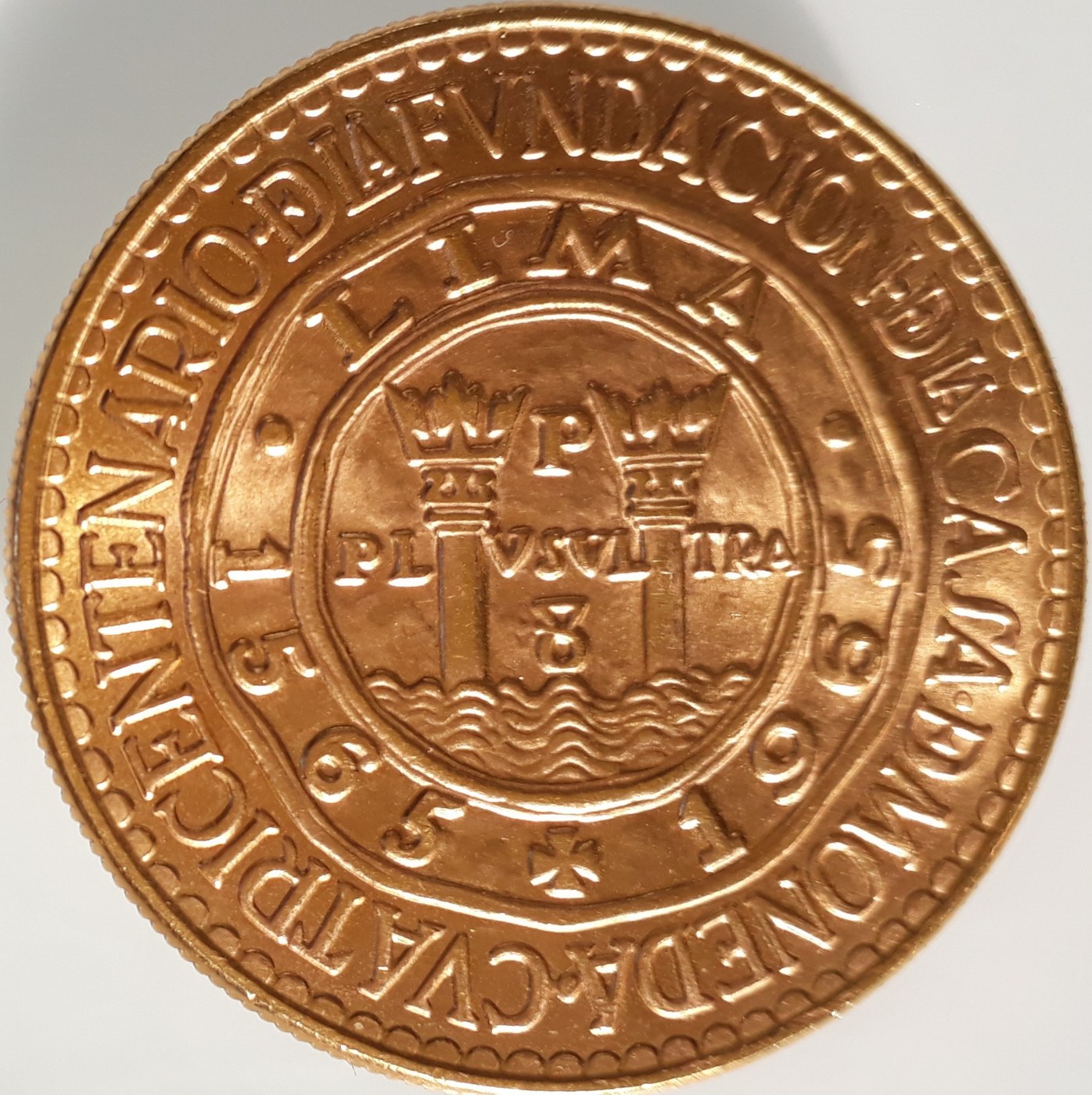
100 Soles de Oro
Peru's largest gold Sol de Oro—a heavy .900 gold coin of the Lima Mint. This reverse-only 1965 example shows a fortress emblem and CASA DE MONEDA DE LIMA.
- Country
- Peru
- Denomination
- 100 Soles de Oro
- Metal
- Gold
Got a coin like this?
Identify any coin from a photo, free.
Overview
The 100 Soles de Oro is the top denomination of Peru's mid-20th-century gold coinage, struck at the Lima Mint (Casa de Moneda de Lima). The example shown here is dated 1965 and is photographed from the reverse, which carries a castle or fortress device and the inscription “CASA DE MONEDA DE LIMA,” naming the mint that produced it. The obverse is not visible in this image.
This was a large, high-purity gold coin—struck in .900 fine gold and containing well over an ounce of gold—part of a graduated series that also included smaller 5, 10, 20 and 50 soles pieces. Rather than a coin for everyday change, the 100 soles functioned largely as a store of value and trade piece, and surviving examples are collected today both for their gold content and as representatives of Peru's “sol de oro” monetary era.
History & Background
Peru used the sol de oro (“sun of gold”) as its national currency from 1931 until 1985, when it was replaced. During this period the Lima Mint issued a series of gold coins denominated in soles, of which the 100 soles was the largest. These pieces were produced across the 1950s and 1960s, with the type continuing to be struck—often carrying frozen or restrike dates—so that many examples share the same handful of years.
The Casa de Moneda de Lima is one of the oldest mints in the Americas, tracing its origins to the Spanish colonial period, and its name appears directly on the coin. Like several other world gold coins of the era—such as Mexico's gold pesos and various European restrikes—Peru's gold soles were valued primarily for their bullion content and were widely held and traded internationally. The 1965 date on this example places it near the end of the series' active production.
How to Identify
Look for a substantial yellow-gold coin. The 100 Soles de Oro is struck in .900 fine gold, is roughly 37 mm in diameter, and is heavy in hand—its gross weight is close to 47 grams, containing on the order of 1.35 troy ounces of pure gold. It should feel dense for its size and must not react to a magnet.
The reverse shown here is the key diagnostic in this photograph: a castle or fortress emblem accompanied by the inscription “CASA DE MONEDA DE LIMA” and the date 1965, identifying both the issuing mint and the year. Genuine coins show crisp, well-defined lettering and device detail. The obverse of the type is not visible in this image; on a coin you are examining in hand, check both faces, and confirm the “100” denomination and the “soles” legend to distinguish this piece from the smaller gold soles of the same series.
Value & Collectibility
The 100 Soles de Oro is first and foremost a bullion coin: with roughly 1.35 troy ounces of gold, even a circulated example carries a significant floor tied to the current gold price. That metal value typically drives most of the coin's worth.
Beyond gold, modest premiums attach to date, condition, and eye appeal, with sharp, high-grade or uncirculated examples bringing more than worn ones. Because so much depends on the live gold market and the specific coin, check a recent dealer quote or auction record for the exact date and grade rather than relying on any single fixed figure.
Frequently asked questions
What does “Soles de Oro” mean?
“Sol de oro” translates as “sun of gold,” and it was the name of Peru's national currency from 1931 to 1985. The 100 soles was the largest gold denomination in the Lima Mint's gold series of the 1950s and 1960s.
What does “Casa de Moneda de Lima” on the coin mean?
It means “Mint of Lima,” naming the Casa de Moneda de Lima, one of the oldest mints in the Americas, which struck the coin. The inscription appears on the reverse alongside the fortress emblem and the date.
Is the 100 Soles de Oro made of real gold?
Yes. It is struck in .900 fine gold and contains roughly 1.35 troy ounces of pure gold in a coin of nearly 47 grams gross weight, which gives it a substantial bullion value.
How much is a Peru 100 Soles de Oro worth?
Most of its value comes from its gold content of about 1.35 ounces, so it tracks the gold price, with a modest collector premium for date and condition. Check a current quote for the exact coin.
100 Soles de Oro guides
In-depth guides for identifying, valuing, and collecting 100 Soles de Oro.
Other coins you may enjoy
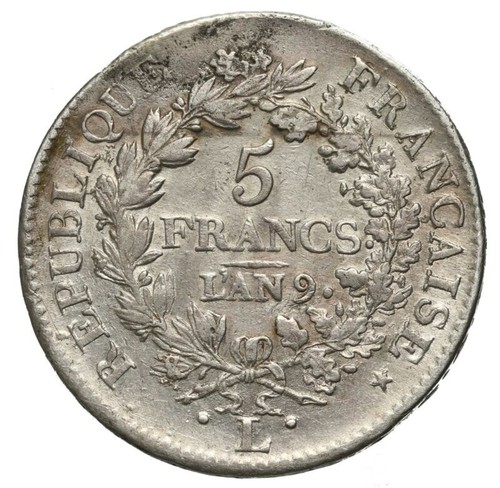
5 Francs (First Republic)
L'an 9 (1800–1801)
Trinidad and Tobago Dollar
2015
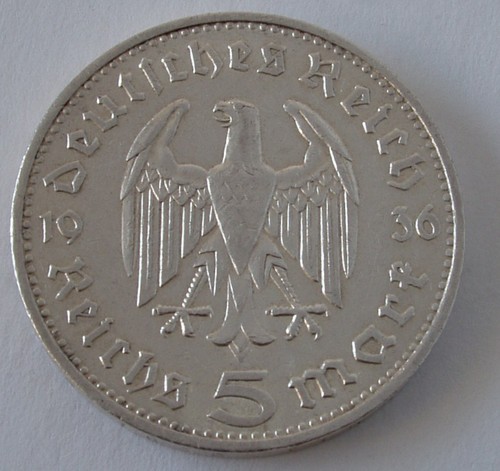
German 5 Reichsmark (Hindenburg)
1935–1936 (Hindenburg type with swastika)
5 Francs Semeuse
1960–1969
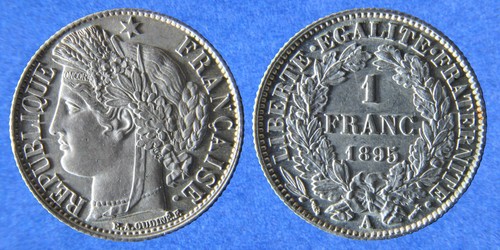
French Cérès 1 Franc
1849–1895
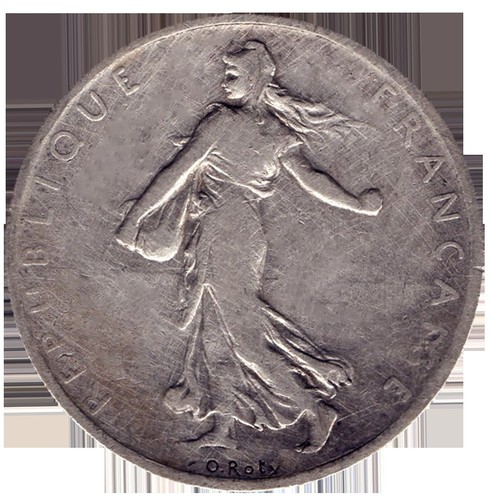
French Semeuse 2 Francs
1898–1920 (silver issues; pictured example dated 1899)
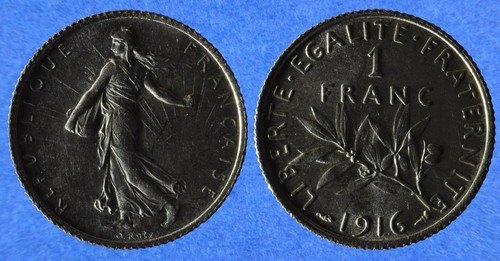
French Semeuse 1 Franc
1898–1920 (silver Semeuse 1 franc type)
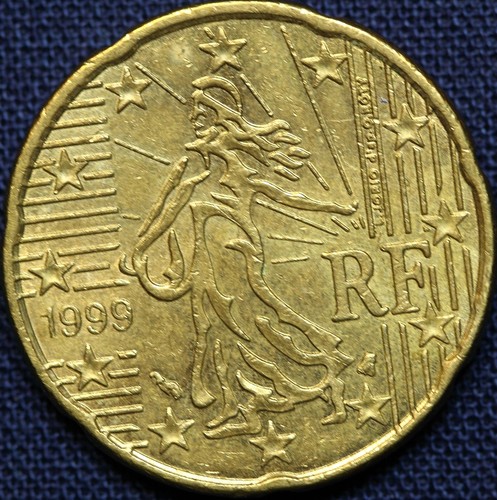
France 50 Cent Euro
1999–present
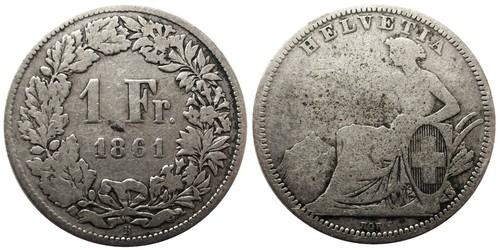
Swiss 1 Franc
1861
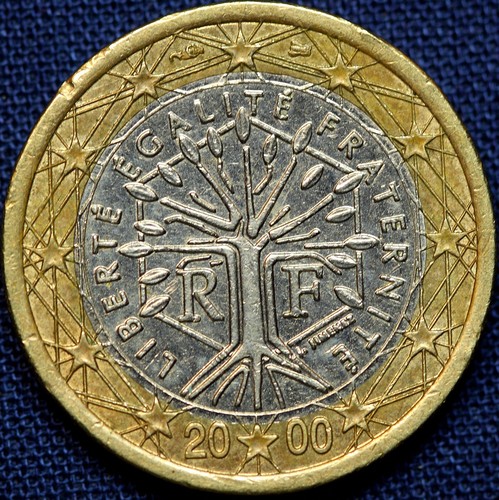
France 20 Centimes
1962–2001 (Fifth Republic, Marianne / Lagriffoul type)
Swiss 2 Francs
1860
Austria-Hungary 15 Kreuzer
1807