
Coin Encyclopedia
Search and identify coins from around the world — with country, denomination, metal, mint, history, and how to tell them apart.
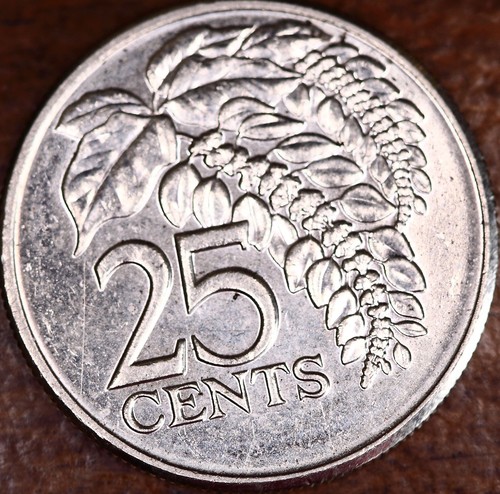
Trinidad and Tobago 25 Cents
A copper-nickel 25-cent coin of Trinidad and Tobago: a leafy national-flower plant design on one face and the value TWENTY FIVE CENTS on the other.
Circulation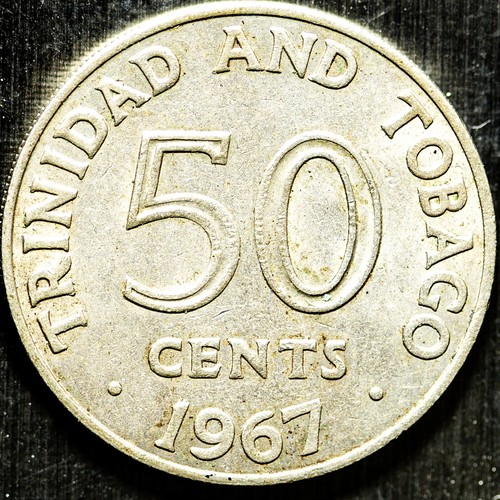
Trinidad and Tobago 50 Cents
A large copper-nickel Caribbean circulation coin; the 1967 example carries the national coat of arms and country name on the obverse and the 50-cent value on the reverse.
Circulation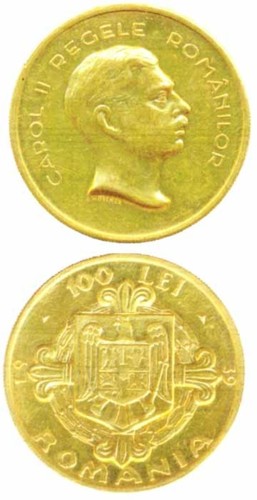
100 Lei
A scarce Kingdom of Romania gold 100 Lei of 1939, showing King Carol II in profile on the obverse and the crowned Romanian coat of arms on the reverse.
Modern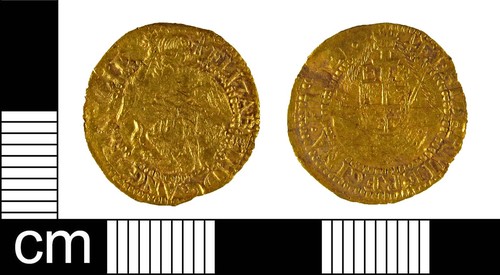
Quarter Angel of Elizabeth I
A small Elizabethan gold coin of the early 1580s showing a crowned portrait of the queen and a cross set with heraldic shields.
Hammered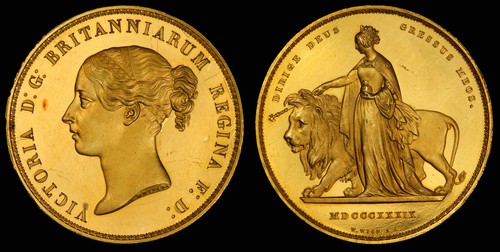
Una and the Lion Five Pounds
William Wyon's 1839 gold Five Pounds pairs a young Queen Victoria with Una guiding a lion — widely praised as one of the most beautiful British coins ever struck.
British Isles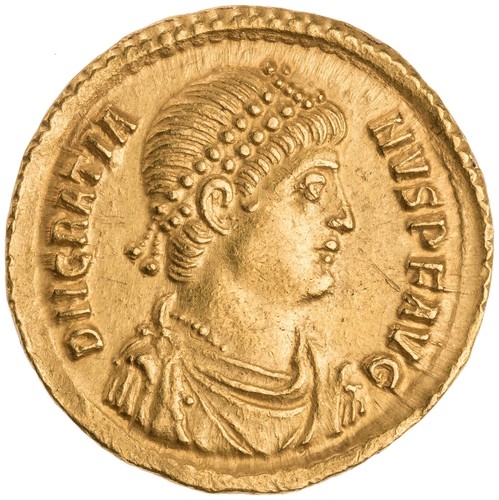
Solidus of Gratian
Late Roman gold solidus of Emperor Gratian (r. 367–383 CE), showing his curly-haired, diademed, draped and cuirassed portrait.
Ancient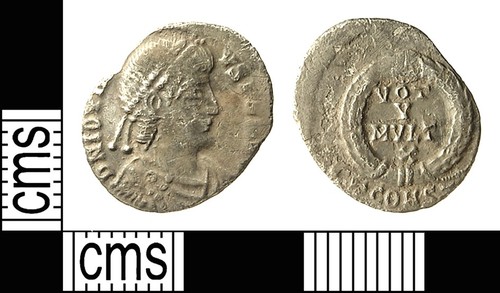
Siliqua of Jovian
Small late-Roman silver siliqua of Emperor Jovian (AD 363–364), with his right-facing portrait and a Victory or standing deity reverse.
Ancient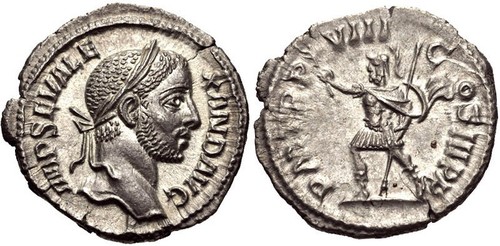
Denarius of Severus Alexander
Silver denarius of the emperor Severus Alexander (AD 222–235), with his laureate portrait and a Mars reverse dated to about AD 229.
Ancient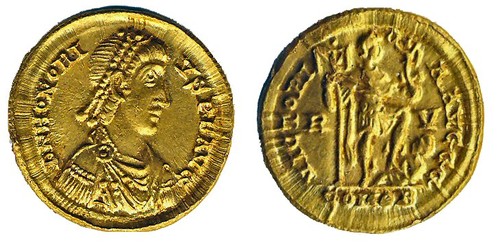
Solidus of Honorius
A late Roman gold solidus of Emperor Honorius (r. 393-423 CE), with his diademed bust and an armored standing figure holding a spear and shield.
Ancient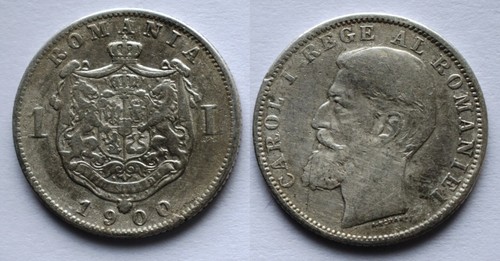
1 Leu (Carol I)
Silver 1 Leu of the Kingdom of Romania under King Carol I, with his left-facing portrait and the crowned national arms, dated 1900.
Modern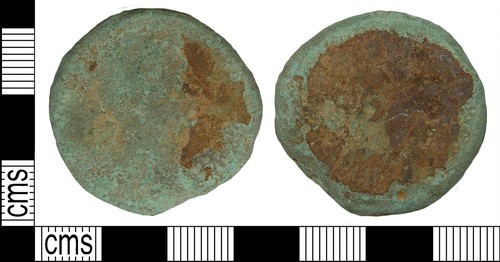
Sestertius of Commodus
A large Roman bronze sestertius of Emperor Commodus (180–192 AD), his laureate bearded head on one side and a standing figure on the other.
Ancient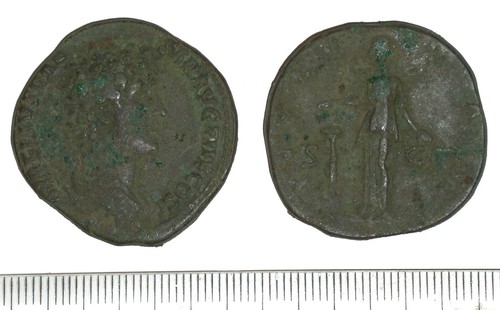
Sestertius of Marcus Aurelius
A large Roman bronze sestertius struck during the reign of Marcus Aurelius (161–180 CE), with his laureate portrait facing right and a Latin legend.
Ancient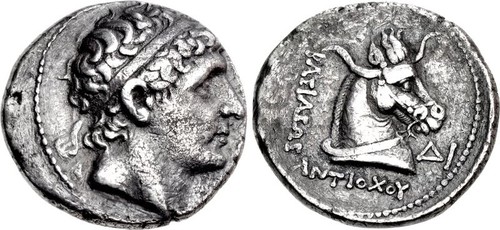
Tetradrachm of Antiochos I Soter
A large Seleucid-era silver coin of Antiochos I Soter, showing a helmeted bearded royal head and a standing elephant, a symbol of eastern military power.
Ancient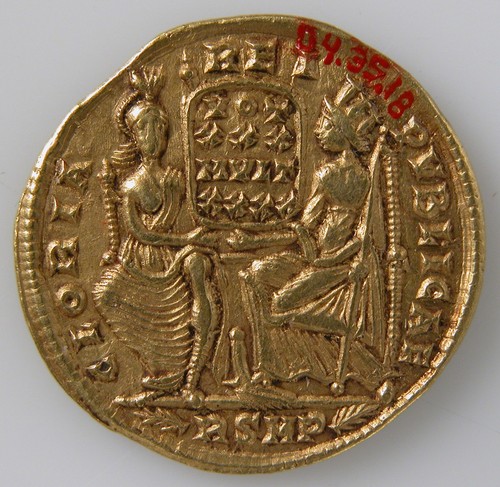
Solidus of Constantine II
Late Roman gold solidus of Constantine II, showing his ornately crowned bust and a seated figural reverse type.
Ancient Coins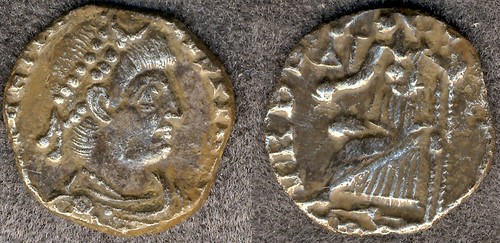
Siliqua of Gratian
A small late Roman silver siliqua of the emperor Gratian (AD 367-383), with his diademed bust on the obverse and a standing figure or personification on the reverse.
Ancient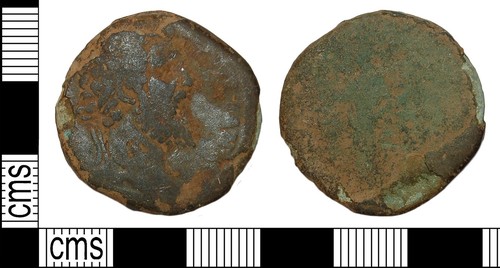
Sestertius of Didius Julianus
A large bronze/orichalcum sestertius of Didius Julianus, the emperor who reigned only weeks in 193 AD — rare, historically charged, and much sought after.
Ancient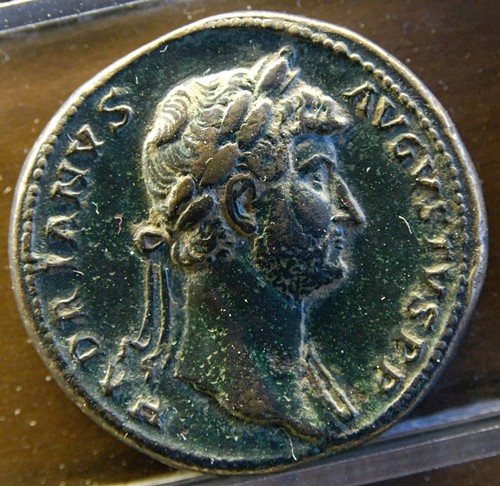
Sestertius of Hadrian
Large Roman bronze sestertius of Emperor Hadrian, showing his bearded curly-haired profile and a standing draped figure with a Latin legend on the reverse.
Ancient Coins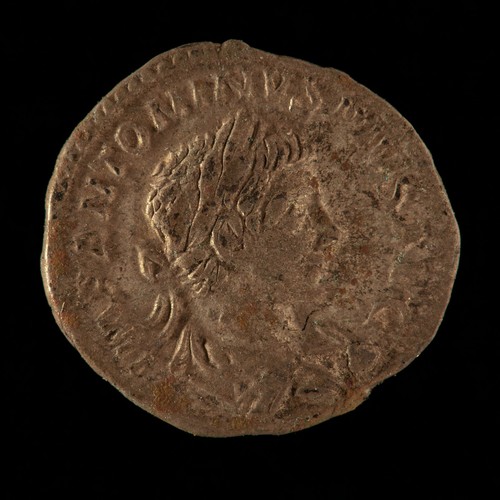
Denarius of Elagabalus
Silver denarius of the young Severan emperor Elagabalus (218–222 AD), with his laureate bust and a standing personified deity on the reverse.
Ancient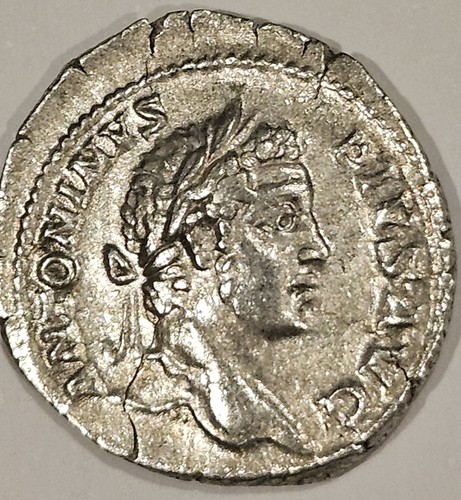
Denarius of Caracalla
A silver denarius of the Roman emperor Caracalla, struck 198–217 CE, showing his laureate right-facing bust and a Latin legend encircling the design.
Ancient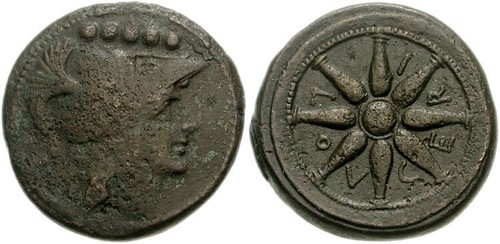
Quincunx of Luceria
A cast bronze quincunx of Luceria in Apulia (3rd century BC), showing a female head and a five-point floral or star device marking five unciae.
Ancient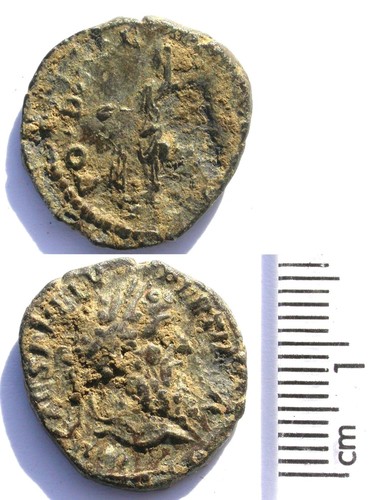
Denarius of Pertinax
A rare silver denarius of Pertinax, Roman emperor for 86 days in 193 AD, showing his laureate portrait and a personification reverse.
Ancient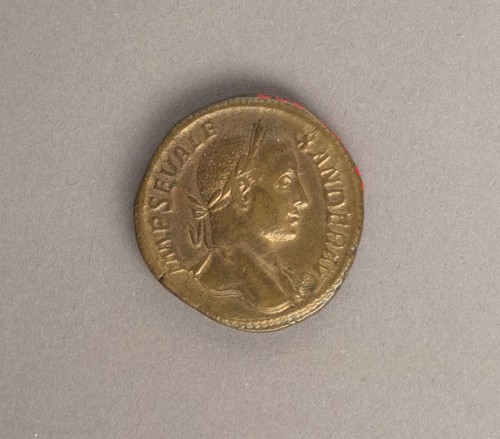
Sestertius of Alexander Severus
Large Roman bronze sestertius of emperor Alexander Severus (222-235 AD), showing his youthful head and a standing figure of Providentia.
Ancient Coins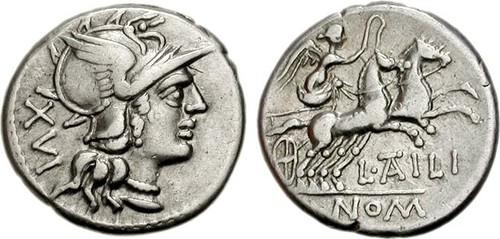
Atilia Denarius
Roman Republican silver denarius struck by a moneyer of the gens Atilia, with a helmeted head on the obverse and a deity or figure with the family name on the reverse.
Ancient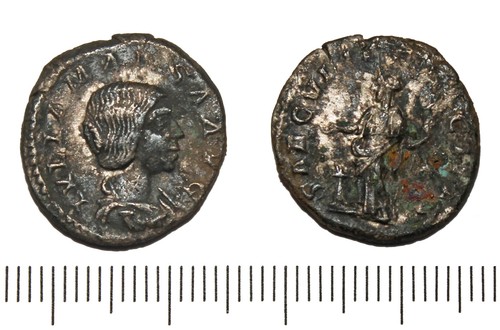
Denarius of Julia Maesa
Roman silver denarius struck for Julia Maesa (c. 218–222 CE), showing her draped bust with wavy hair and a standing deity on the reverse.
Ancient