
Coin Encyclopedia
Search and identify coins from around the world — with country, denomination, metal, mint, history, and how to tell them apart.
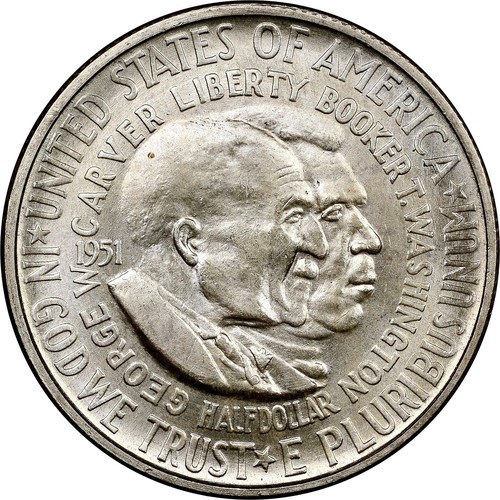
Carver-Washington Half Dollar
A U.S. silver commemorative half dollar (1951–1954) honoring George Washington Carver and Booker T. Washington, with their jugate profiles on the obverse.
Classic Commemorative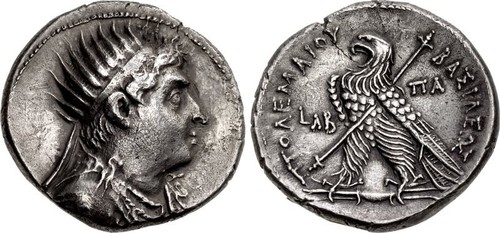
Tetradrachm of Ptolemy VIII
Silver tetradrachm of Ptolemy VIII of Egypt, c. 170-116 BC, with a diademed royal head on the obverse and an eagle on a thunderbolt reverse.
Ancient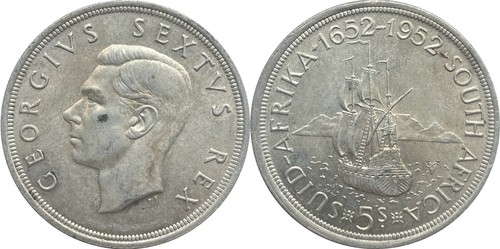
South Africa 5 Shillings
A large 1952 South African silver crown marking Cape Town's 300th anniversary, with King George VI and a sailing-ship reverse.
Circulation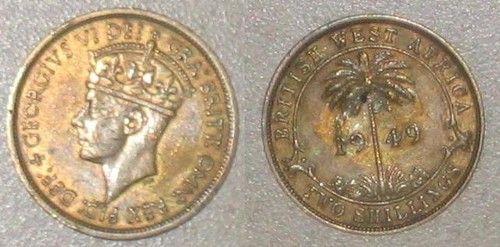
British West Africa 2 Shillings
A colonial copper-nickel two-shilling piece of British West Africa, showing King George VI and a palm-tree reverse.
World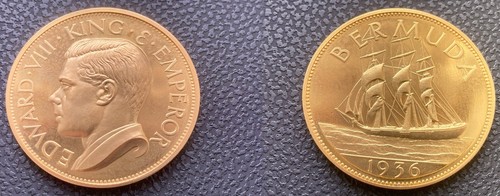
Bermuda Edward VIII Fantasy Crown
A modern fantasy Bermuda crown dated 1936 with an Edward VIII profile and a three-masted sailing ship; a gold-plated novelty, not an official coin.
Fantasy Issue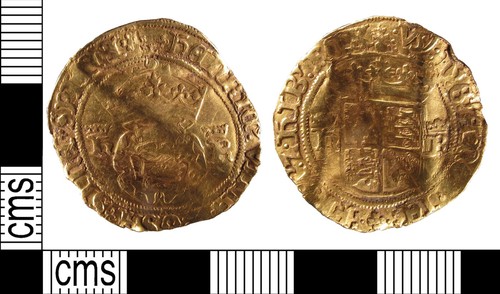
Gold Crown of Henry VIII (Third Coinage)
A hammered Tudor gold crown of five shillings struck during Henry VIII's Third Coinage, the debased issue that earned him the nickname "Old Coppernose."
Hammered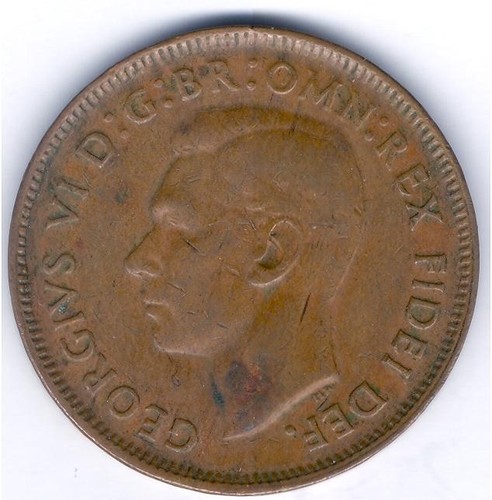
Australian Halfpenny
Small bronze pre-decimal Australian half penny; the George VI kangaroo type shown here was struck through the early 1950s.
Australian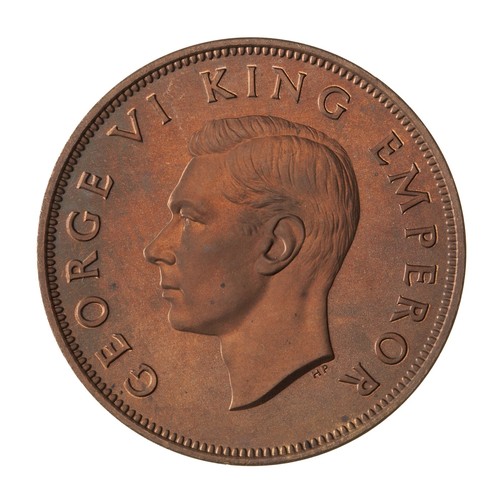
New Zealand Penny
New Zealand's large bronze pre-decimal penny, with George VI on the obverse and a tui bird perched among fern fronds on the reverse.
New Zealand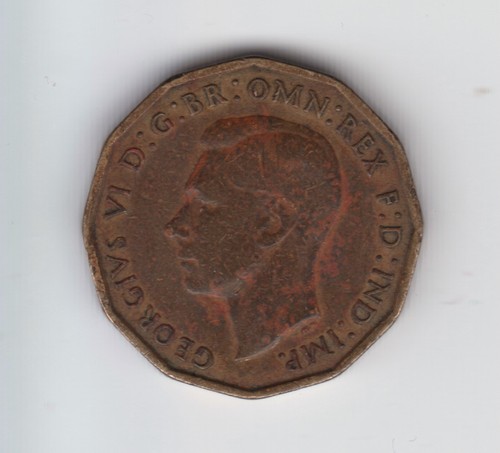
British Brass Threepence
Chunky twelve-sided nickel-brass threepence of George VI, showing his head and a thrift plant reverse; the example shown is dated 1942.
British Isles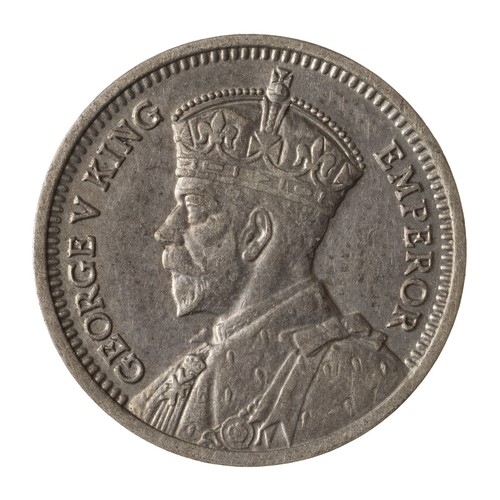
New Zealand Threepence
New Zealand's small silver threepence; this 1933 example carries the crowned bust of King George V with GEORGIVS V and his royal titles.
New Zealand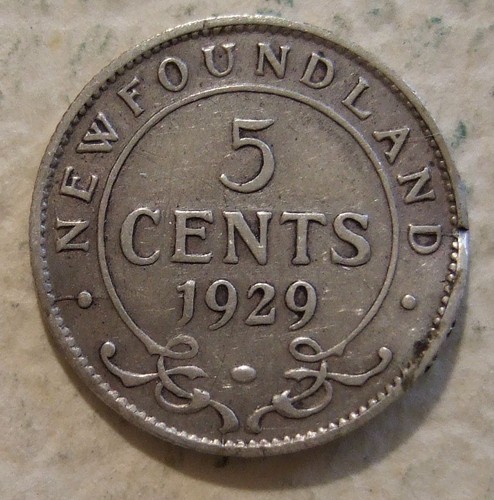
Newfoundland Five Cents
Tiny sterling-silver 5-cent piece of the Dominion of Newfoundland; the 1929 issue bears King George V and a crowned denomination reverse.
Canadian & Provincial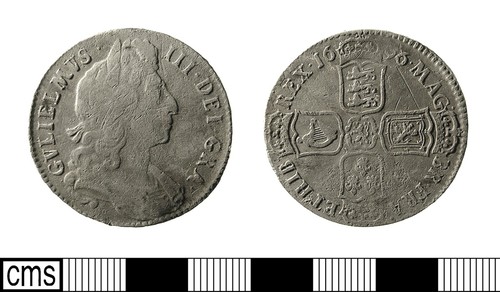
Halfcrown of William III
A silver two-shilling-and-sixpence coin of William III showing his laureate profile facing right and crowned cruciform shields of arms, dated 1696.
Milled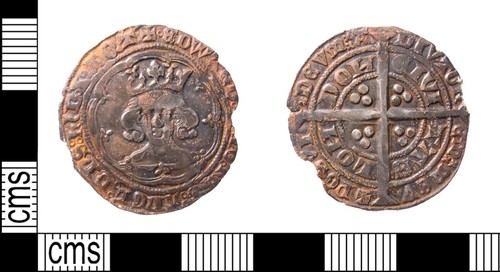
Edward III Groat
Hammered silver fourpence of King Edward III, showing a crowned bust of the king and a long cross with pellets in the quarters.
Medieval Coins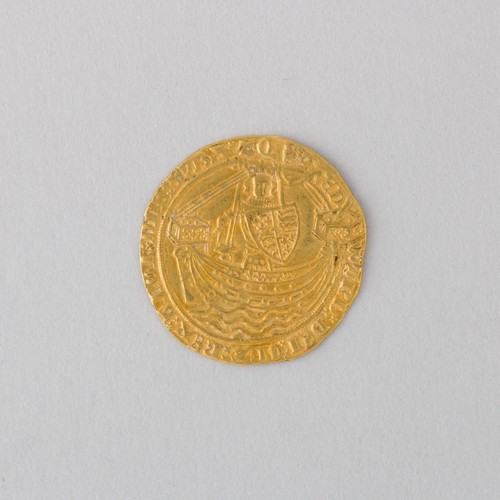
Edward III Noble
Large medieval English gold coin of King Edward III, showing the crowned king standing in a ship and an ornate floral cross on the reverse.
Medieval Coins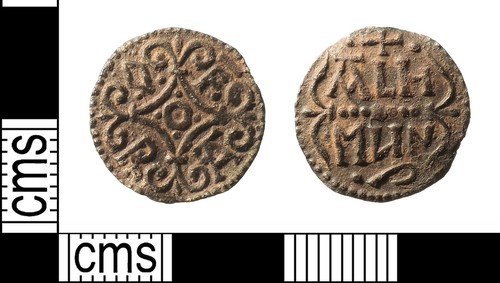
Penny of Offa
Thin silver penny of King Offa of Mercia, showing a portrait or name inscription and a cross with geometric ornament on the reverse.
Medieval Coins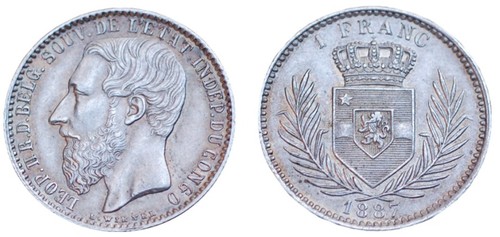
Belgian Congo 1 Franc
An early silver franc struck for the Congo under King Leopold II, pairing a laureate portrait with grain stalks and the value.
World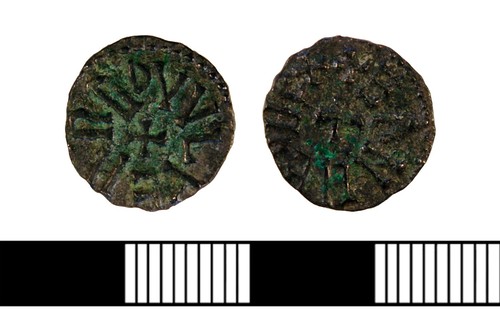
Styca of Eanred
Small base-metal coin of King Eanred of Northumbria, with a cross and legend on one face and a central symbolic motif on the other.
Medieval Coins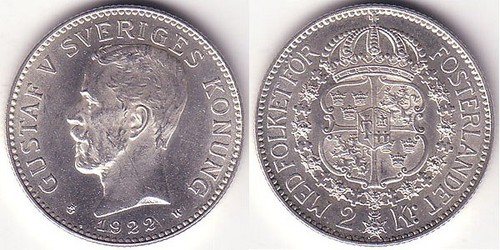
2 Kronor
Silver 2 kronor of Sweden showing King Gustaf V in left profile and the crowned national arms, this piece dated 1922.
World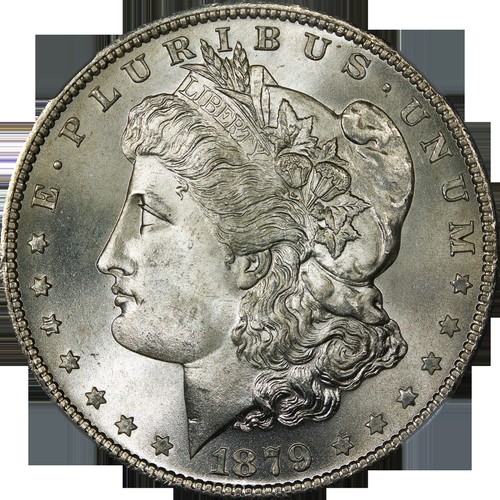
Morgan Dollar
U.S. 90% silver dollar struck 1878–1904 and again in 1921, with George T. Morgan's Liberty head and a spread-winged eagle reverse.
Dollar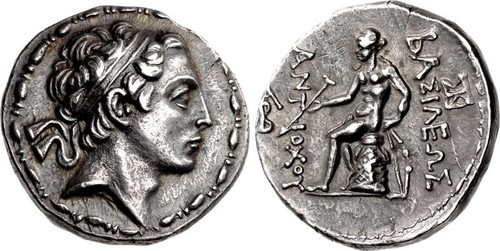
Antiochos IV Epiphanes Tetradrachm
Large silver tetradrachm of the Seleucid king Antiochos IV Epiphanes, 175-164 BC, with his diademed head and an enthroned deity reverse.
Ancient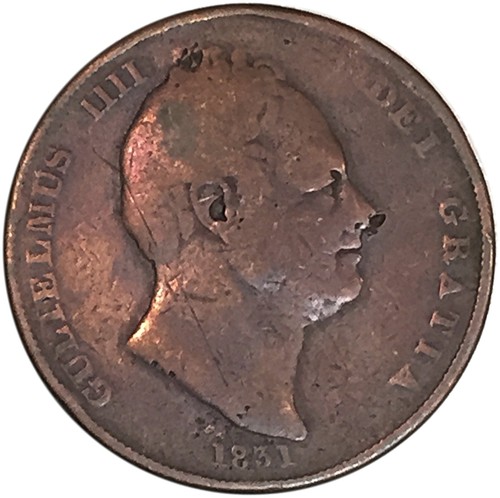
Penny of William IV
A large copper penny of King William IV, struck in the 1830s, with the king's right-facing head and the Latin legend GULIELMUS IIII D:G.
Milled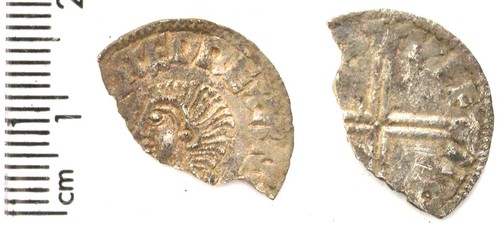
Penny of Aethelred II
Anglo-Saxon silver penny of King Aethelred II showing his diademed bust facing left and a cross with pellets and ornament on the reverse.
Medieval Coins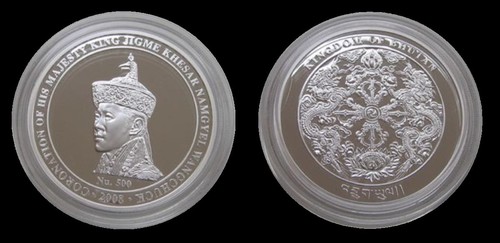
Bhutan 500 Ngultrum Commemorative
Modern Bhutanese silver commemorative dated 2008, with a portrait of King Jigme Khesar Namgyel Wangchuck and an ornate dragon-and-mythical-creature reverse.
Himalayan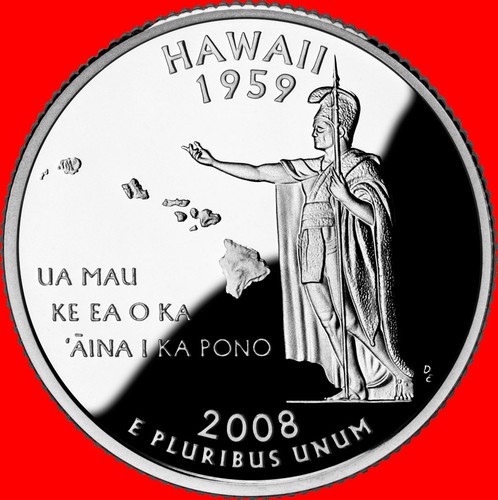
Hawaii State Quarter
The 2008 Hawaii State Quarter, final coin in the 50 State Quarters series, showing King Kamehameha I reaching over the islands.
Quarter