
Coin Encyclopedia
Search and identify coins from around the world — with country, denomination, metal, mint, history, and how to tell them apart.
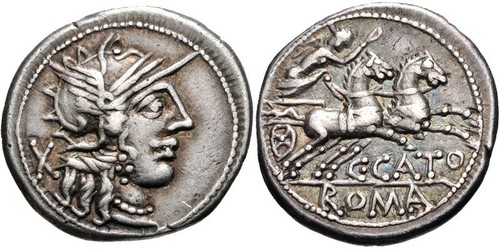
Denarius of C. Cato
Silver Roman Republican denarius struck at Rome in 123 BC by the moneyer C. Cato, with a helmeted head of Roma and Victory driving a chariot.
Ancient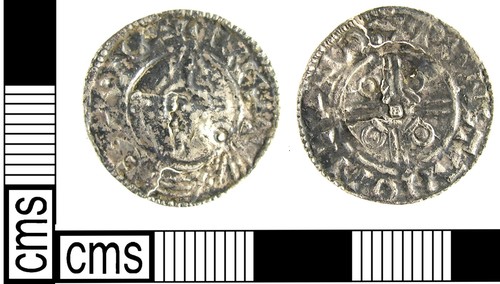
Penny of Cnut
Anglo-Saxon silver penny of King Cnut (Canute), showing a diademed bust facing left with a cross-and-pellets reverse, struck c.1024-1030.
Medieval Coins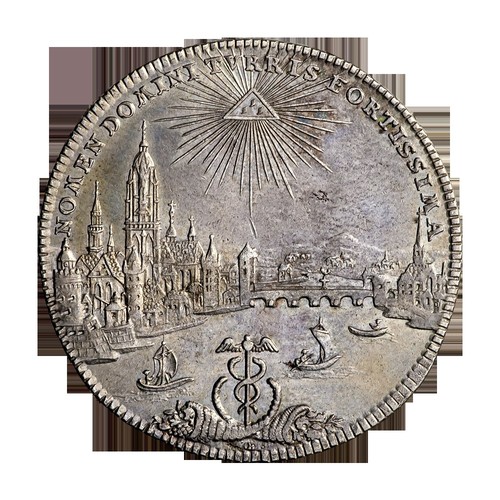
Frankfurt am Main Taler
A 1772 silver Taler of the Free Imperial City of Frankfurt am Main, famed for its detailed city-view reverse with walls, towers and radiant sun.
German States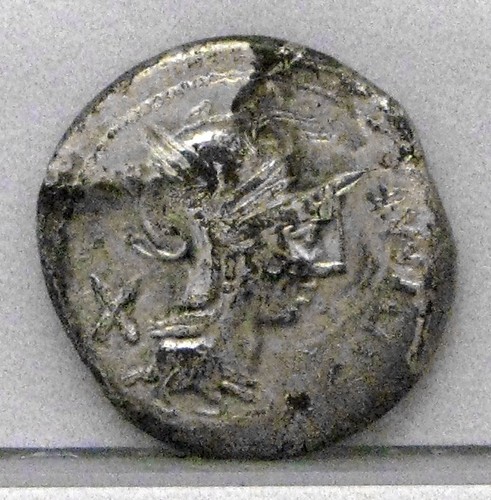
Roman Republican Denarius (Unidentified)
A silver Roman Republican denarius of about 115-114 BC: helmeted Roma on the obverse, Victory driving a two-horse chariot on the reverse.
Ancient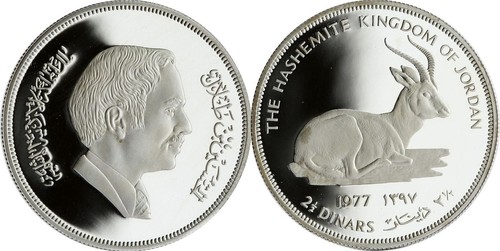
Jordanian 2½ Dinars
A crown-sized 1977 silver commemorative of the Hashemite Kingdom of Jordan, pairing King Hussein's portrait with a standing gazelle from the wildlife-conservation coin theme.
World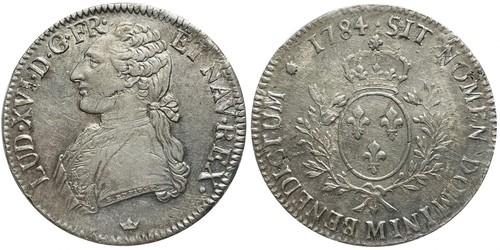
Ecu of Louis XIV
A large silver crown of Louis XIV, the Sun King, showing his laureate or wigged bust facing left and a crowned French shield of fleur-de-lis, dated 1693.
Royal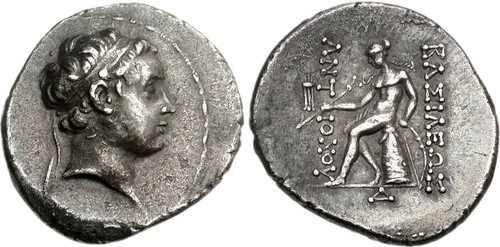
Antiochos the Child Tetradrachm
Silver Seleucid tetradrachm, c. 175 BC, with a young diademed head and a martial reverse figure with spear and shield.
Ancient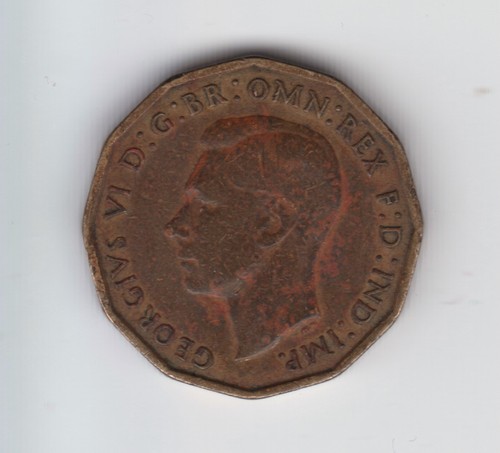
British Brass Threepence
Chunky twelve-sided nickel-brass threepence of George VI, showing his head and a thrift plant reverse; the example shown is dated 1942.
British Isles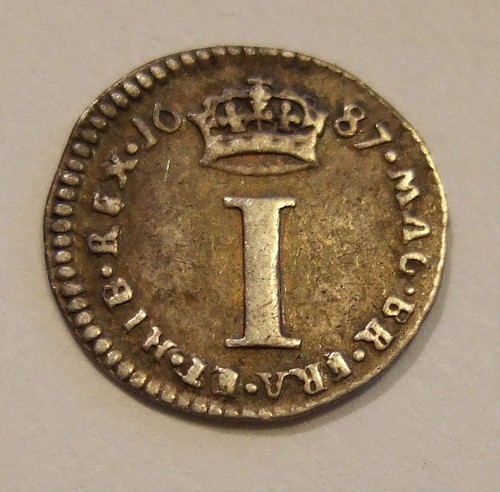
Maundy Money Penny
Tiny silver penny given as royal alms; this James II example (1687) shows a crowned bust and a crowned Roman numeral I reverse.
Maundy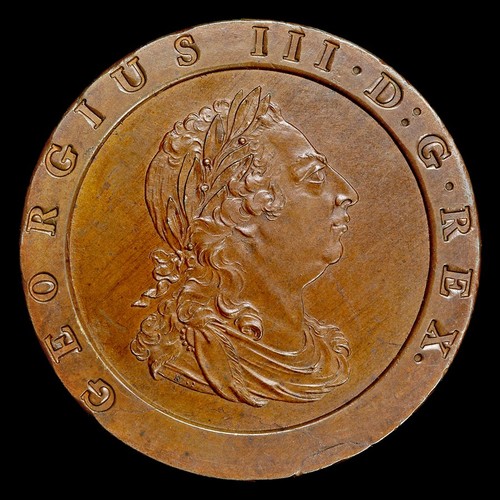
Cartwheel Twopence
The massive 1797 copper twopence of George III, famous for its broad raised rim and full ounce of copper, struck at Boulton's Soho Mint.
Milled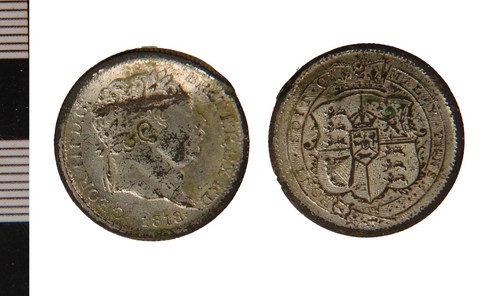
British Bank Token
Copper token of the late George III period bearing the king's left-facing bust and a quartered royal-arms reverse, dated 1819.
British Isles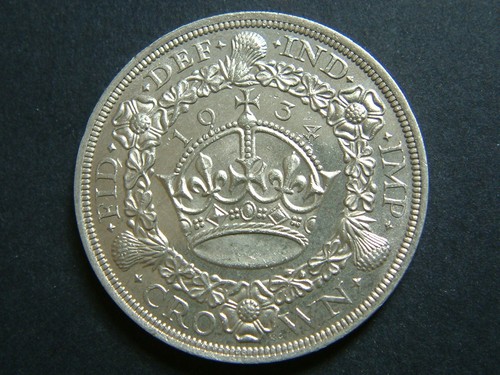
British Crown
A large George V silver crown of the 1927–1936 'wreath' type, showing the king's profile and a royal crown framed by an ornamental wreath.
British Isles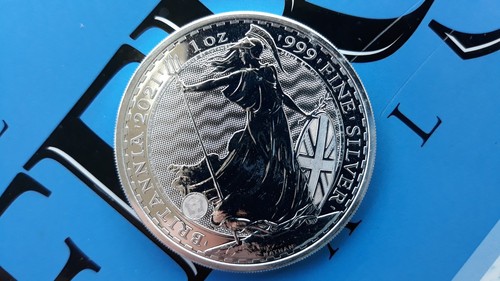
British Britannia Silver Coin
A modern UK bullion coin in fine silver, carrying a face value of 2 Pounds and the classic seated figure of Britannia with shield and trident.
Bullion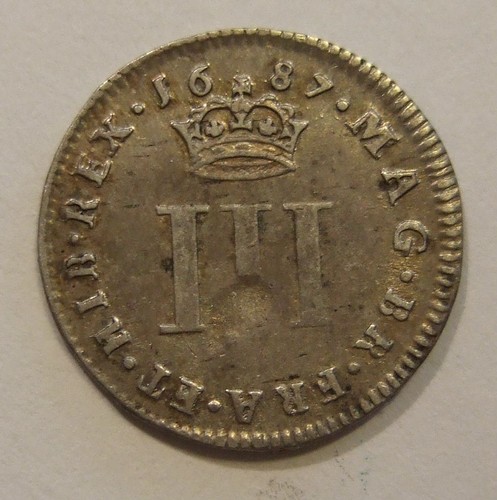
Maundy Money Threepence
A tiny sterling-silver British threepence; the 1687 James II example shows a crowned bust and a crowned Roman numeral III on the reverse.
Maundy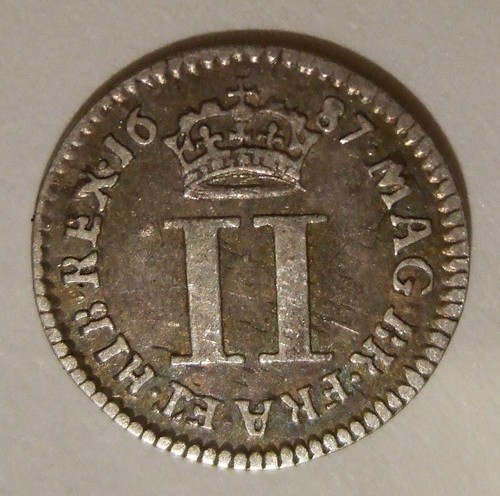
Maundy Money Twopence
A tiny sterling-silver British twopence with a crowned Roman numeral II reverse; this example bears the profile of King James II, dated 1687.
Maundy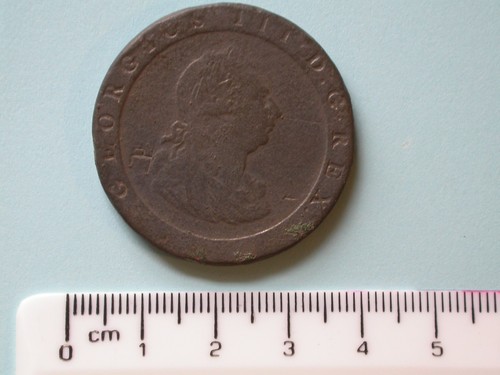
Cartwheel Penny
The heavy 1797 copper penny of George III, with a broad raised rim and sunken lettering, struck by steam power at Matthew Boulton's Soho Mint.
Milled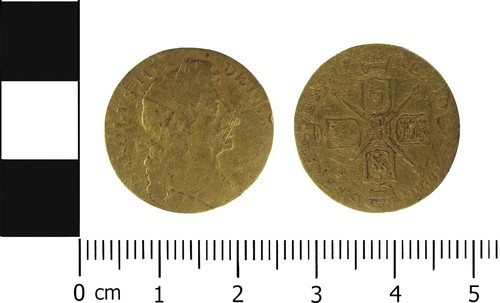
Charles II Half Guinea
A small milled gold coin of Charles II showing the king's laureate profile and a cruciform arrangement of crowned shields on the reverse.
Milled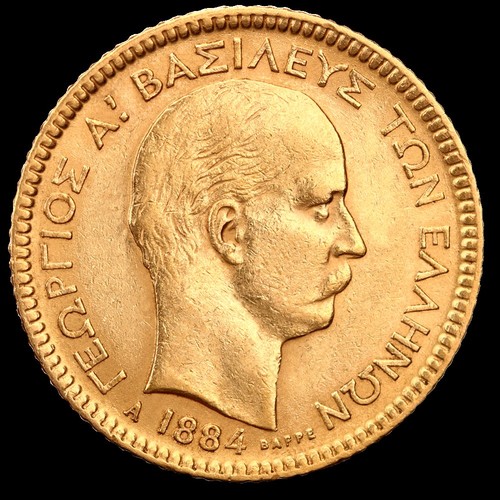
20 Drachmai
Greece's 1884 gold 20 Drachmai of King George I: a small Latin Monetary Union gold coin with the king's portrait and the crowned royal arms.
Modern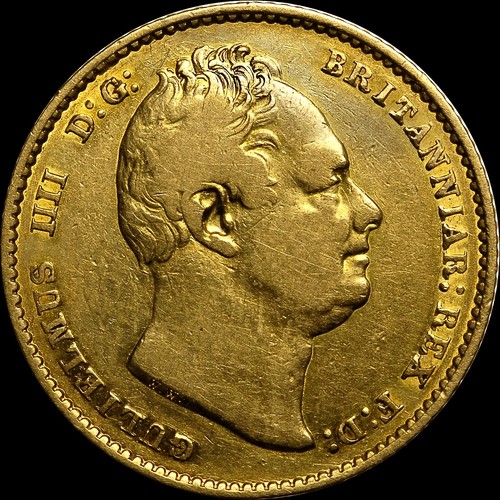
Sovereign of William IV
A 22-carat gold sovereign of William IV, with the king's bare head facing right and a crowned royal shield of arms on the reverse.
Milled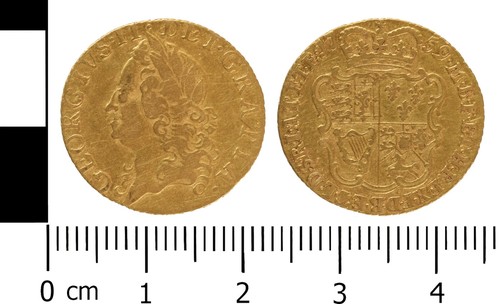
Half Guinea of George II
A small British gold coin of the reign of George II, worth half a guinea, with the king's left-facing bust and a crowned heraldic shield reverse.
Milled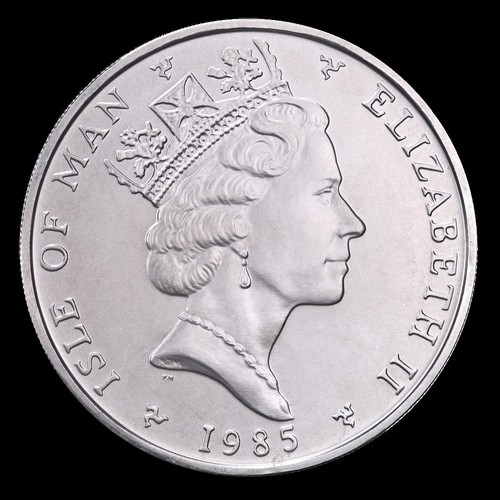
Isle of Man Noble
The Isle of Man Noble: the world's first platinum bullion coin, pairing a crowned Queen Elizabeth II with a Viking longship reverse.
Bullion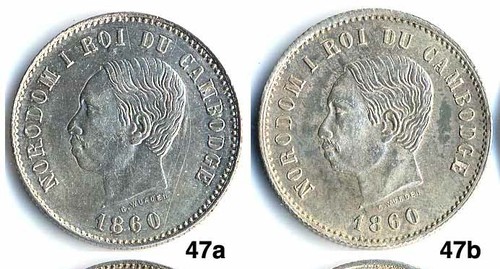
Cambodia Two Francs
A crown-sized Cambodian Two Francs of King Norodom I, its obverse a royal profile and DEUX FRANCS reverse over a crowned coat of arms; dated 1860 but long restruck.
Southeast Asia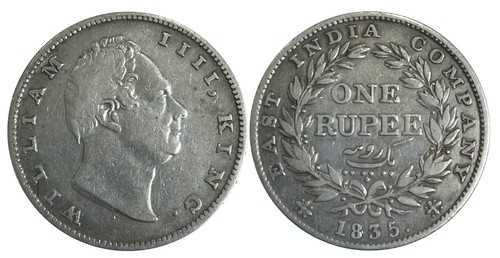
William IV One Rupee
Silver one-rupee coin of British India struck in 1835 under the East India Company, bearing the right-facing bust of King William IV.
British India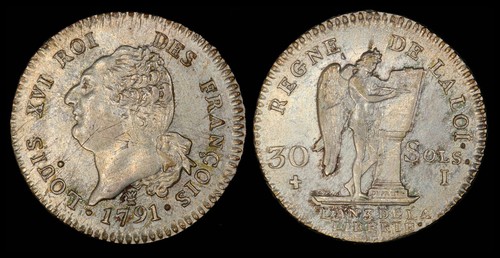
French 30 Sols
A silver coin of the early French Revolution showing Louis XVI as constitutional king on one side and a standing Liberty on the other.
Revolutionary