
Coin Encyclopedia
Search and identify coins from around the world — with country, denomination, metal, mint, history, and how to tell them apart.
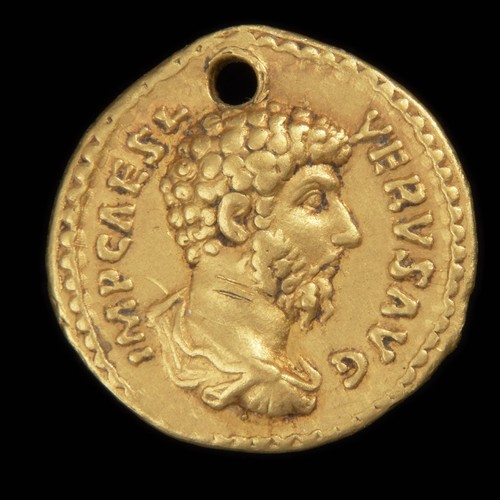
Aureus of Marcus Aurelius
Small Roman gold coin of the reign of Marcus Aurelius; this piece shows a diademed portrait and a standing deity or personification, dated to 163 AD.
Ancient Coins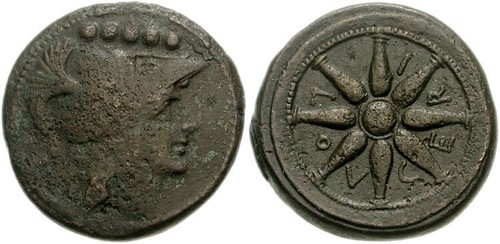
Quincunx of Luceria
A cast bronze quincunx of Luceria in Apulia (3rd century BC), showing a female head and a five-point floral or star device marking five unciae.
Ancient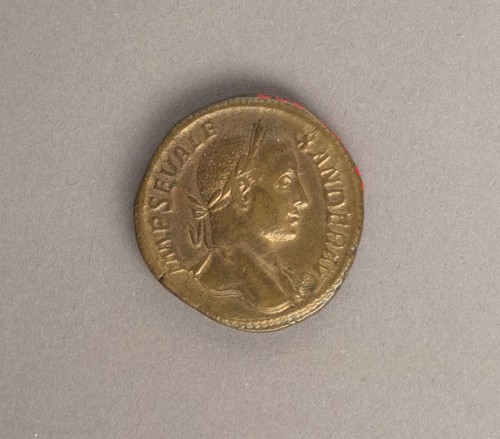
Sestertius of Alexander Severus
Large Roman bronze sestertius of emperor Alexander Severus (222-235 AD), showing his youthful head and a standing figure of Providentia.
Ancient Coins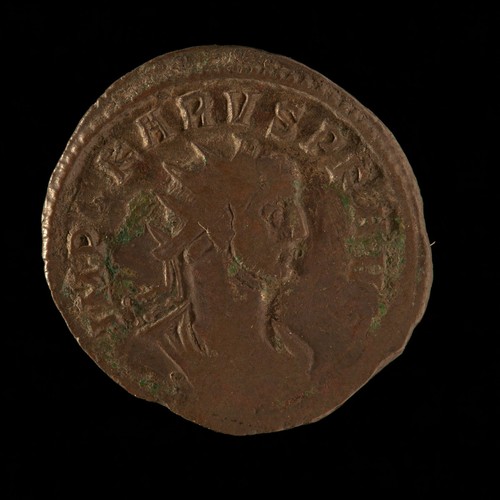
Antoninianus of Carus
Late-Roman bronze radiate of the emperor Carus (282-283 AD), showing his bearded, spiky-crowned head and a standing personification on the reverse.
Ancient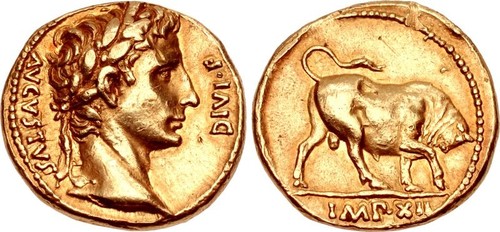
Aureus of Augustus
Roman imperial gold coin bearing the bare head of Augustus, first emperor of Rome, struck during his reign from 27 BC to 14 AD.
Ancient Coins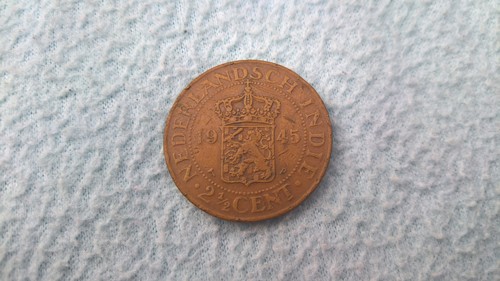
Netherlands East Indies 2 Cent
A wartime 1945 bronze 2-cent coin of the Dutch colony of the Netherlands East Indies, showing the crowned Netherlands shield and an ornate colonial reverse.
Southeast Asia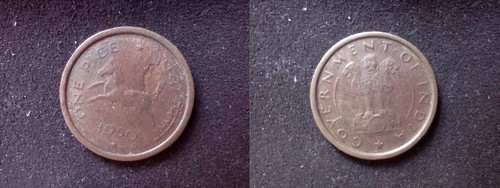
Republic India One Pice
A small bronze one-pice from 1950, the first year of the Republic of India, the lowest coin of the pre-decimal anna series struck in a copper alloy.
Modern India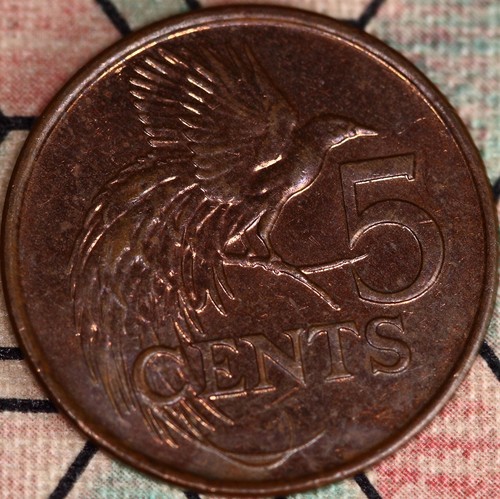
Trinidad and Tobago 5 Cents
A bronze five-cent coin of Trinidad and Tobago showing a perched bird — the Greater Bird of Paradise, often mistaken for a parrot — with FIVE CENTS on the reverse.
Circulation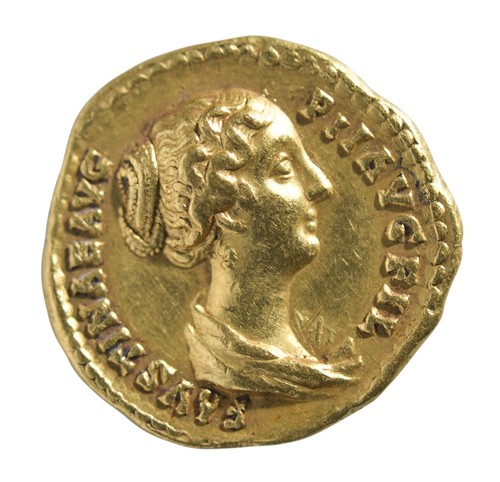
Aureus of Faustina II
Roman imperial gold coin with the draped bust of Faustina II, daughter of Antoninus Pius and wife of Marcus Aurelius, struck around 147-150 AD.
Ancient Coins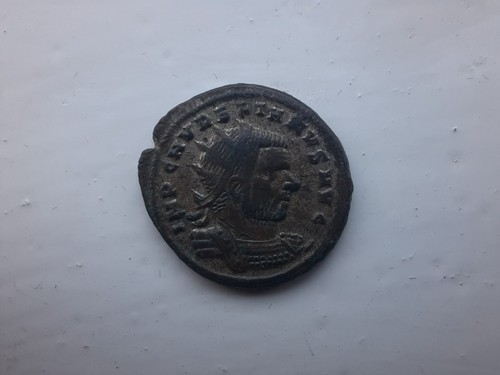
Antoninianus of Aurelian
Late Roman billon coin of Emperor Aurelian, showing his radiate-crowned bust and a standing deity or personification on the reverse.
Ancient Coins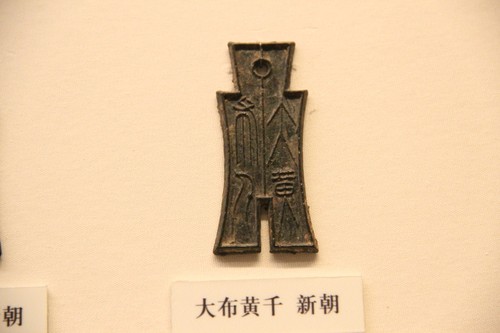
Wang Mang Spade Money
A cast bronze spade-shaped coin of the Xin Dynasty, issued under the reformer Wang Mang, its flat blade bearing raised Chinese inscriptions.
Ancient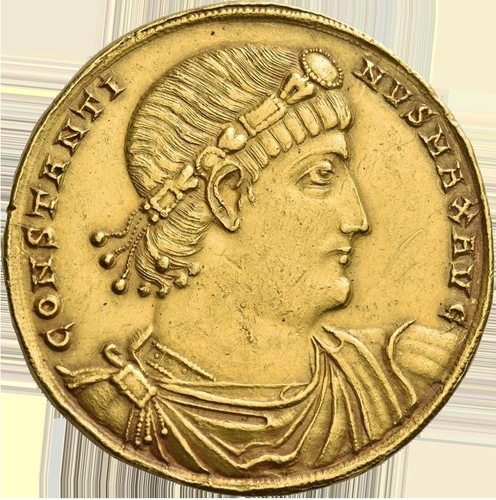
Solidus of Constantine I the Great
Constantine the Great's gold solidus, a high-purity coin struck from about AD 309 that became the standard of late Roman and Byzantine gold.
Ancient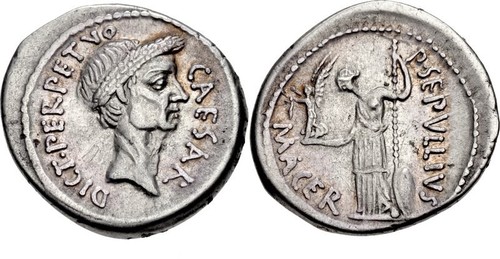
Julius Caesar Denarius
Silver Roman denarius of 44 BC bearing the bareheaded portrait of Julius Caesar, among the first Roman coins to show a living statesman's likeness.
Ancient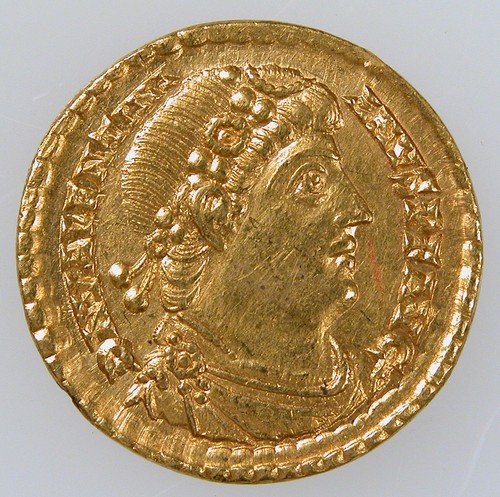
Solidus of Valentinian I
The gold solidus of Valentinian I (AD 364-375), a pure-gold coin bearing his pearl-diademed profile that anchored the late Roman monetary system.
Ancient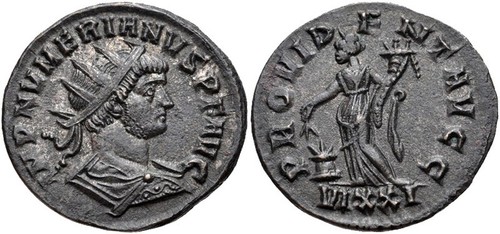
Antoninianus of Numerian
Late Roman radiate coin of the short-lived emperor Numerian (283-284 AD), showing his spiked crown and a Victory or standing deity on the reverse.
Ancient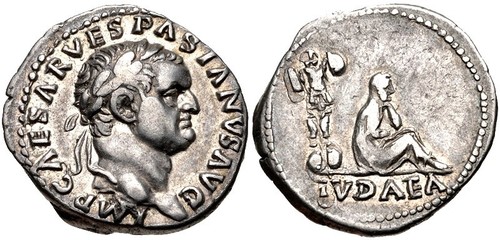
Vespasian Judaea Capta Denarius
Silver denarius of Emperor Vespasian (71–79 AD) with his laureate bust and a Judaea Capta reverse showing a mourning seated captive.
Ancient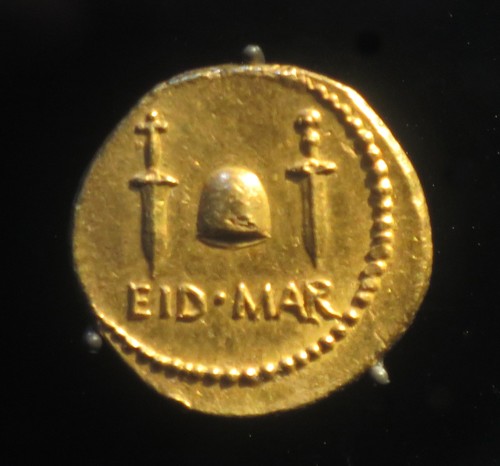
Brutus Aureus
The gold aureus of Marcus Junius Brutus, struck 42 BC, whose reverse celebrates Caesar's assassination with EID MAR, a cap of liberty, and two daggers.
Ancient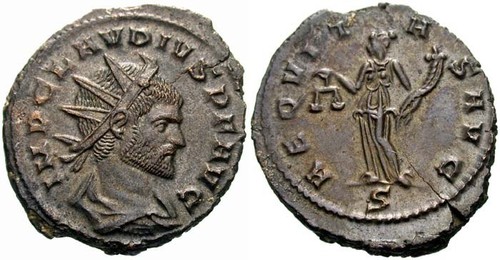
Antoninianus of Claudius II
A billon antoninianus of the Roman emperor Claudius II Gothicus (268–270 AD), showing his radiate bust on one side and a standing deity on the other.
Ancient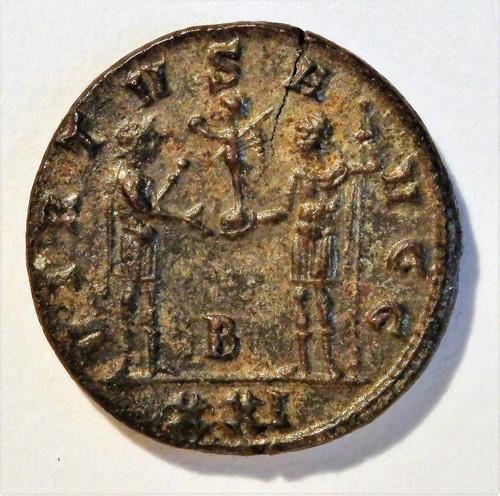
Antoninianus of Carinus
Bronze radiate coin of the emperor Carinus (283-285 AD), recognizable by his spiked crown and a standing or seated deity on the reverse.
Ancient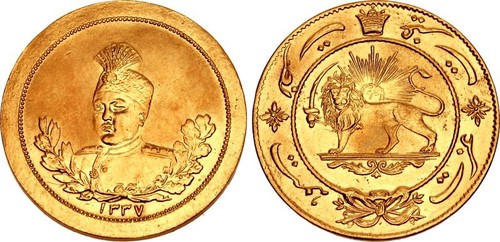
Qajar 5 Tomans Commemorative
A late Qajar gold 5 Tomans of Persia showing Ahmad Shah Qajar in a laurel wreath and the national Lion emblem, dated 1299.
Persia / Iran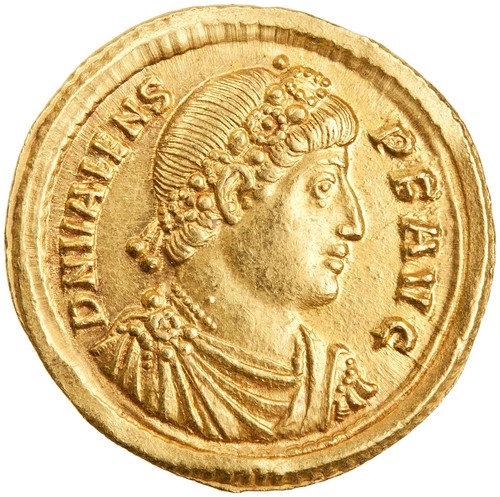
Solidus of Valens
A late Roman gold solidus struck for Valens, eastern emperor from AD 364 to 378, showing his diademed profile facing right.
Ancient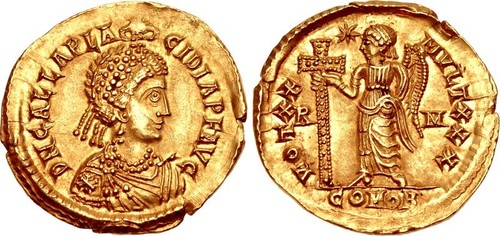
Solidus of Galla Placidia
A late Roman gold solidus struck in the name of Galla Placidia, empress and regent, showing her diademed bust and a Victory holding a long cross.
Ancient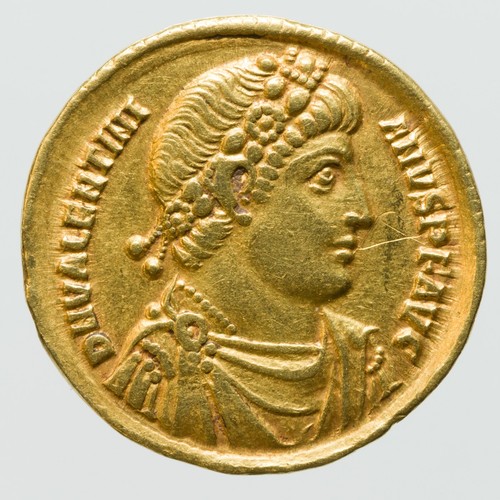
Solidus of Valentinian II
A late Roman gold solidus struck for Valentinian II, showing his diademed profile with the obverse legend D N VALENTINIANVS, from the 380s AD.
Ancient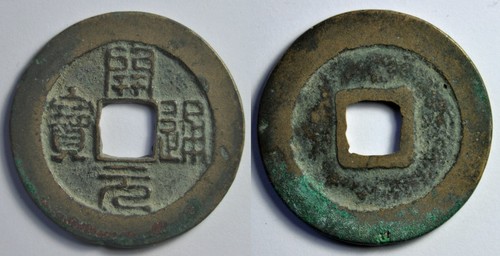
Kai Yuan Tong Bao
A Tang-dynasty Chinese bronze cash coin with the four seal-script characters Kai Yuan Tong Bao around a central square hole.
Cash Coin