
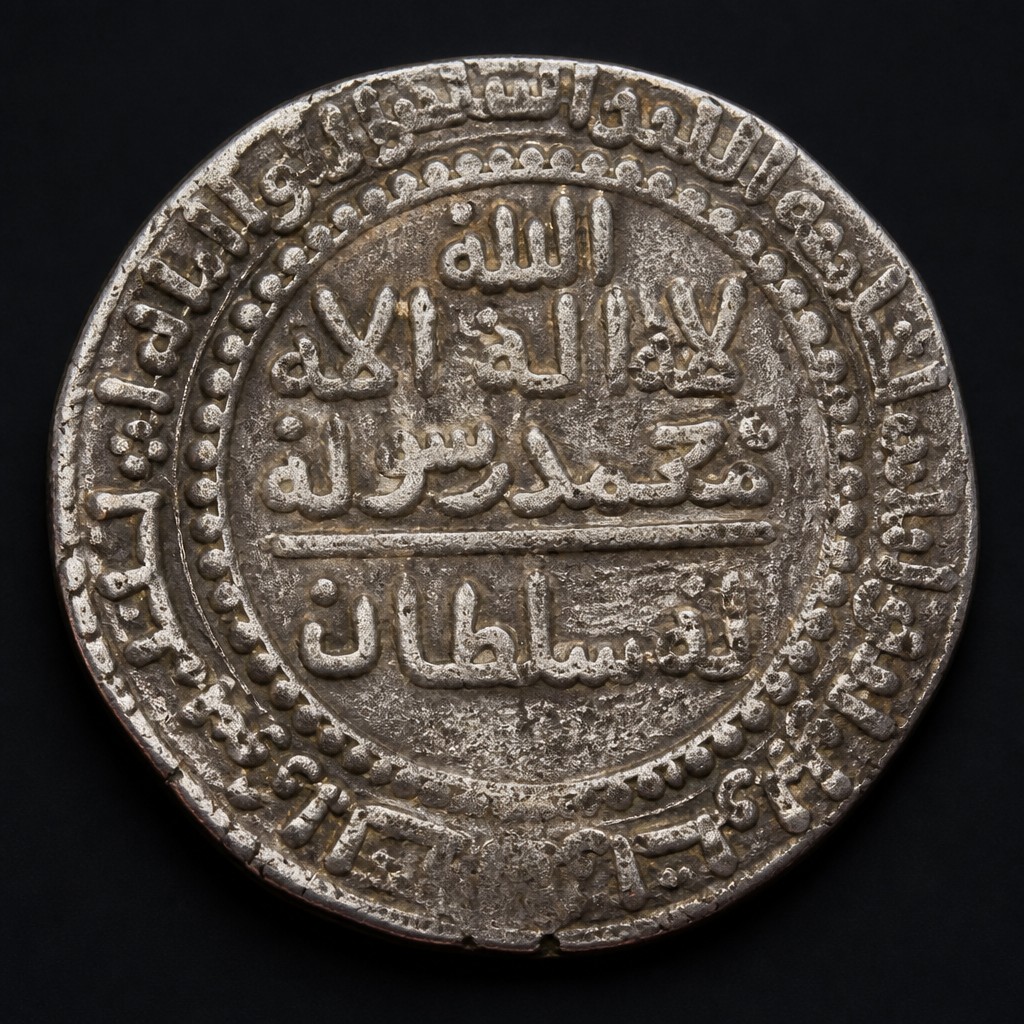
Delhi Sultanate Silver Tanka
The standard silver coin of the medieval Delhi Sultanate, bearing Arabic inscriptions naming the ruling sultan, and a forerunner of later Indian silver denominations.
- Country
- Delhi Sultanate (India)
- Denomination
- Tanka
- Metal
- Silver
Got a coin like this?
Identify any coin from a photo, free.
Overview
The silver tanka was the principal high-value coin of the Delhi Sultanate, the series of Muslim dynasties that ruled large parts of northern India from the early 13th to early 16th centuries. Its introduction and standardization mark an important step in the development of Indian coinage, bridging earlier regional traditions and the later, more famous Mughal rupee.
Collectors of Islamic and South Asian coinage value tankas for their historical role documenting the sequence of Delhi Sultanate dynasties, from the early Mamluk (Slave) sultans through the Khalji, Tughlaq, Sayyid, and Lodi periods, each with distinctive calligraphic styles and, at times, notable monetary experiments.
History & Background
The silver tanka is generally credited to Sultan Iltutmish, who ruled the Delhi Sultanate in the early 13th century and worked to establish an organized administrative and monetary system for the fledgling sultanate. The coin's name and general weight standard would go on to influence coinage terminology across South Asia for centuries.
Successive Delhi Sultanate dynasties continued issuing silver tankas, with some rulers, most famously Muhammad bin Tughlaq in the 14th century, undertaking notable and ultimately controversial monetary experiments, including an attempt to introduce token copper and brass currency valued as if it were silver, which led to significant economic disruption when it failed to gain public trust.
The tanka and its associated gold and copper denominations remained the backbone of Delhi Sultanate coinage through the Khalji, Tughlaq, Sayyid, and Lodi dynasties, until the sultanate's fall to Babur in 1526 ushered in Mughal rule and, eventually, the rise of the mohur and rupee as the dominant denominations of northern India.
How to Identify
A Delhi Sultanate silver tanka is a round or occasionally squarish coin bearing Arabic calligraphic inscriptions on both sides, typically including the sultan's name and titles, religious phrases such as the Islamic declaration of faith, and the mint and date, all without pictorial imagery, consistent with broader Islamic coinage tradition.
Calligraphic style, coin shape, and specific religious or honorific phrasing vary across the different sultanate dynasties, and specialists use these details, along with mint names, to attribute coins to specific sultans and reigns. Some early sultanate coins retain minor stylistic influences from preceding Hindu regional coinages, particularly in weight standards, before becoming fully Islamic in character.
Distinguishing a Delhi Sultanate tanka from later Mughal rupees or from contemporary regional Indian Islamic coinages requires attention to the specific ruler's name, calligraphic style, and mint, since the overall format of Arabic inscriptions without imagery is shared broadly across medieval Islamic Indian coinage.
Value & Collectibility
Common Delhi Sultanate silver tankas from well-known rulers and major mints are generally accessible to collectors, priced within a moderate range typical of medieval Islamic silver coinage. Rarer sultans, particularly from shorter or more turbulent reigns, and coins in sharp, well-struck condition command higher prices.
Coins connected to notable historical episodes, such as issues from Muhammad bin Tughlaq's reign, attract particular interest from specialists due to their connection to well-documented and dramatic historical events. As with other medieval Islamic coinage, legibility of the inscriptions and overall preservation are the primary drivers of value.
Frequently asked questions
Who introduced the tanka?
The silver tanka is generally credited to Sultan Iltutmish, an early ruler of the Delhi Sultanate in the 13th century, who standardized the sultanate's coinage system.
What was Muhammad bin Tughlaq's monetary experiment?
He attempted to introduce token copper and brass coins valued equivalent to silver tankas, an early experiment in fiat-style currency that ultimately failed due to lack of public trust and rampant counterfeiting.
How is a tanka different from a Mughal rupee?
Both are silver coins from medieval and early modern India, but the tanka predates the Mughal Empire and belongs to the earlier Delhi Sultanate dynasties, with its own distinct calligraphic styles and rulers.
What language are the inscriptions in?
Delhi Sultanate tankas typically carry inscriptions in Arabic, following broader Islamic numismatic convention of the period.
Other coins you may enjoy
Nepal Silver Mohar
c. 16th–19th century
Korean 5 Yang Silver Dollar (1892)
1892
Nguyen Dynasty Gold Bar (Vietnam)
19th century
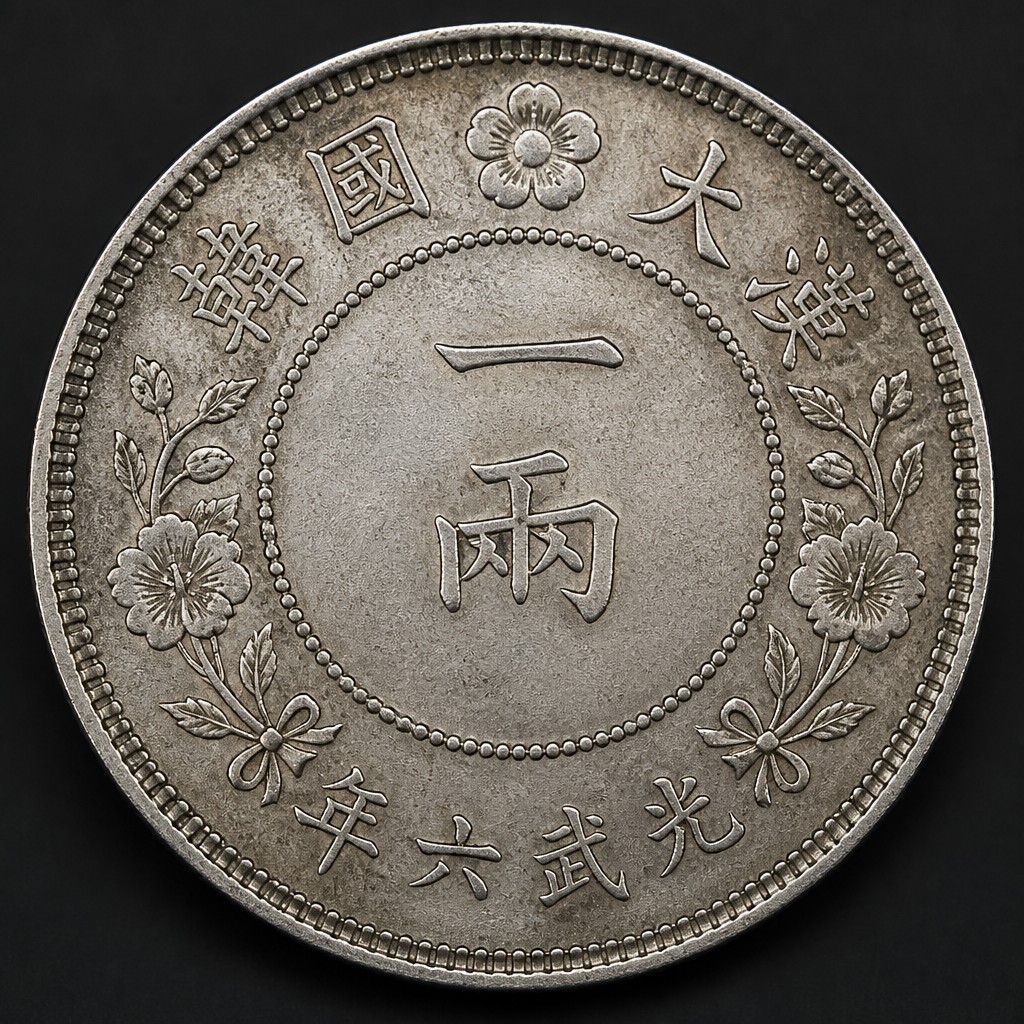
Korean 1 Yang Silver (Joseon/Great Han Empire)
1892–1902
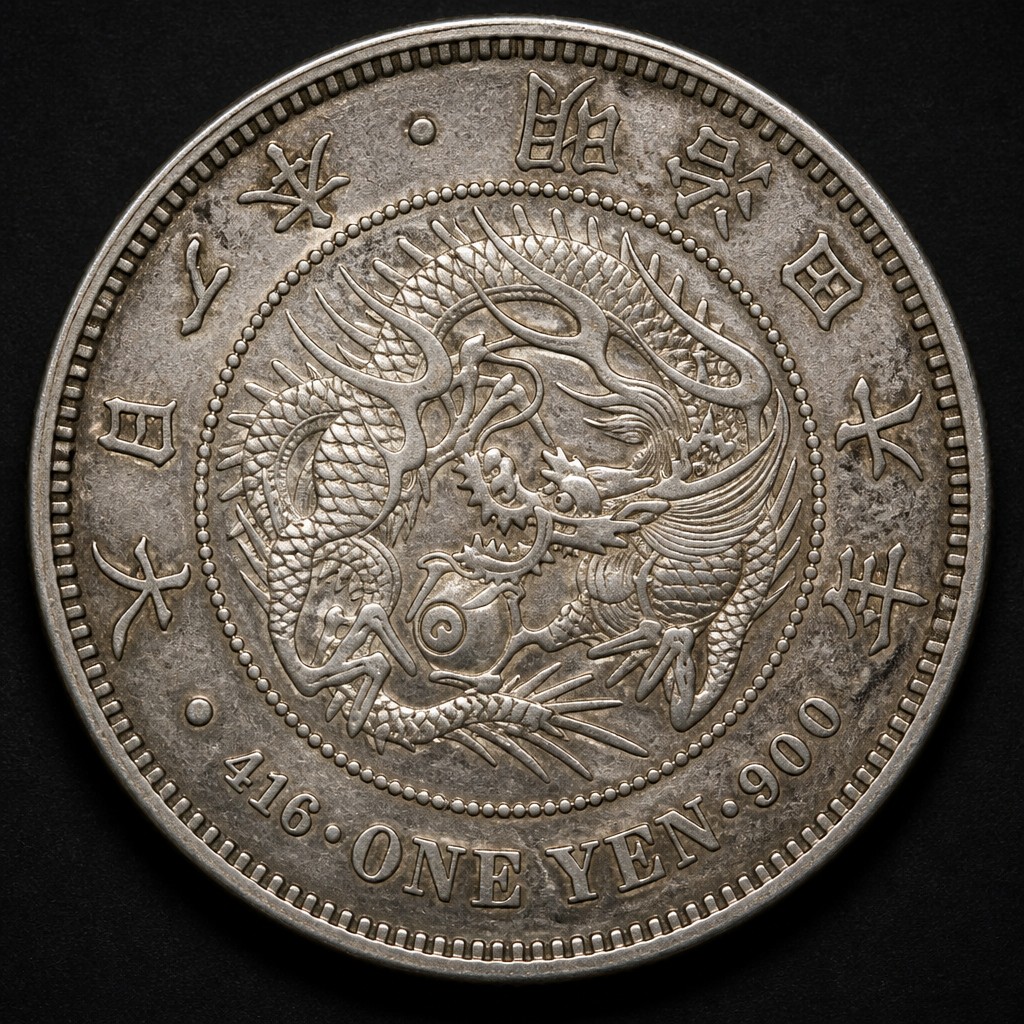
Japanese 1 Yen Silver 'Dragon' Trade Dollar
1870–1914 (trade dollar variant 1875–1877)
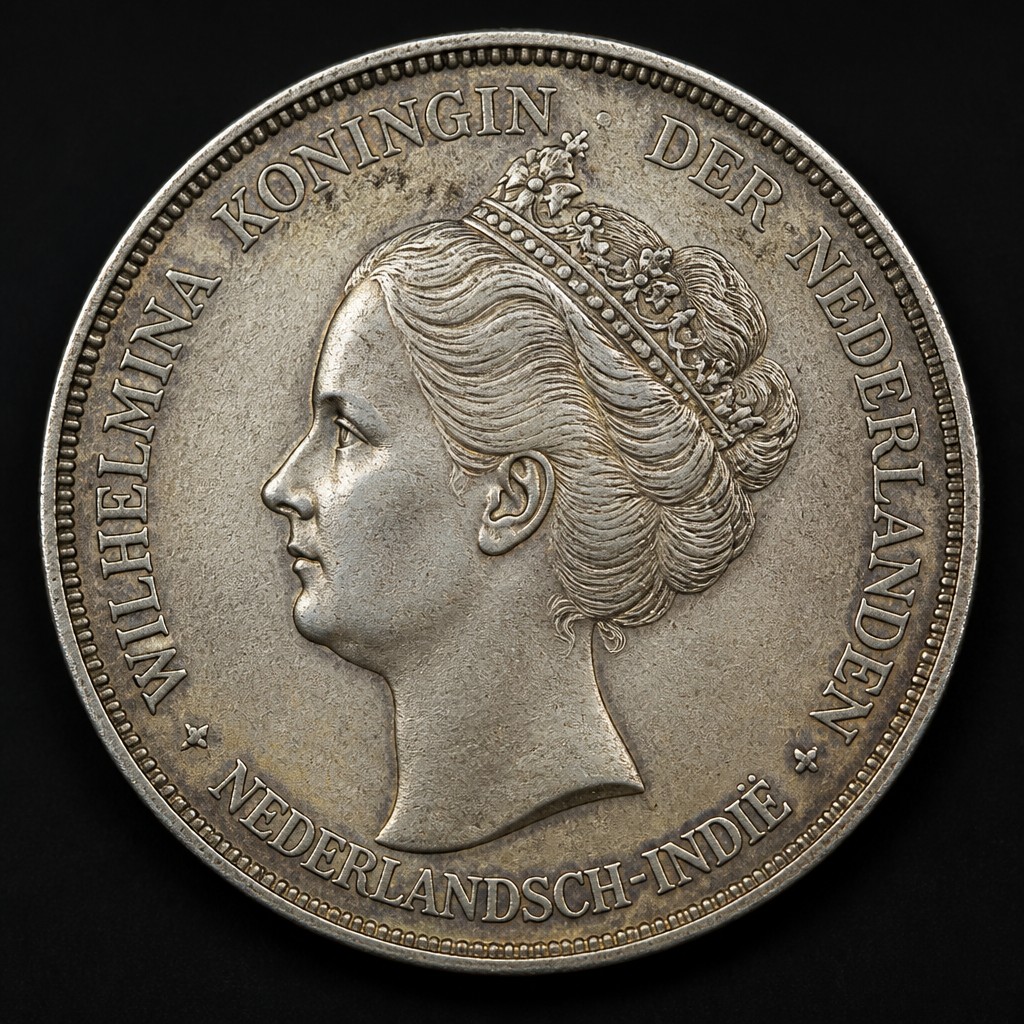
Netherlands East Indies Gulden (Wilhelmina)
1897–1945
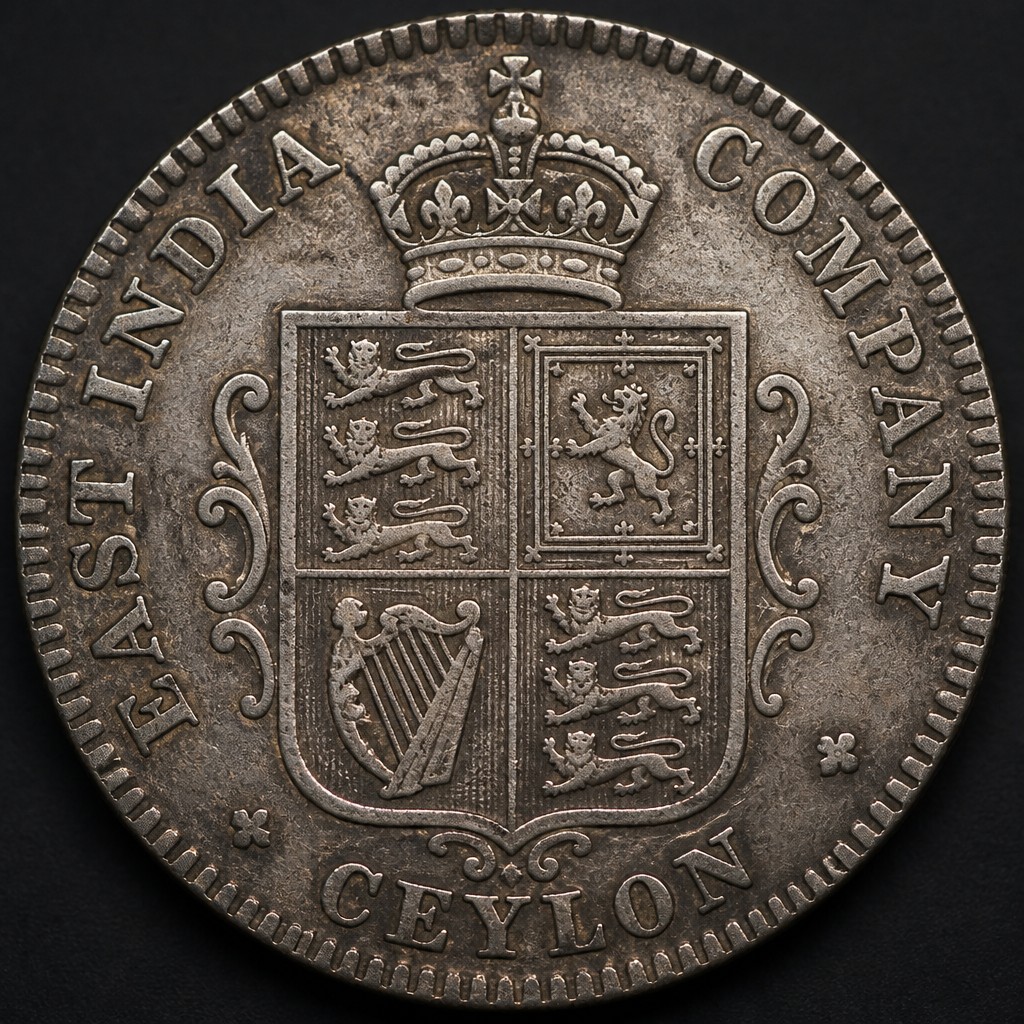
Ceylon (Sri Lanka) EIC Rixdollar
c. 1802–1821
Chinese Cash Coin (Qing Dynasty 'Kangxi Tongbao')
1662–1722
Chinese Hupeh Province Dragon Dollar
c. 1895–1909
Chinese Empire Silver Dollar (Hsuan Tung Dragon)
1909–1911
Thailand (Siam) Silver Baht 'Bullet Money' (Pod Duang)
c. 13th century – late 19th century
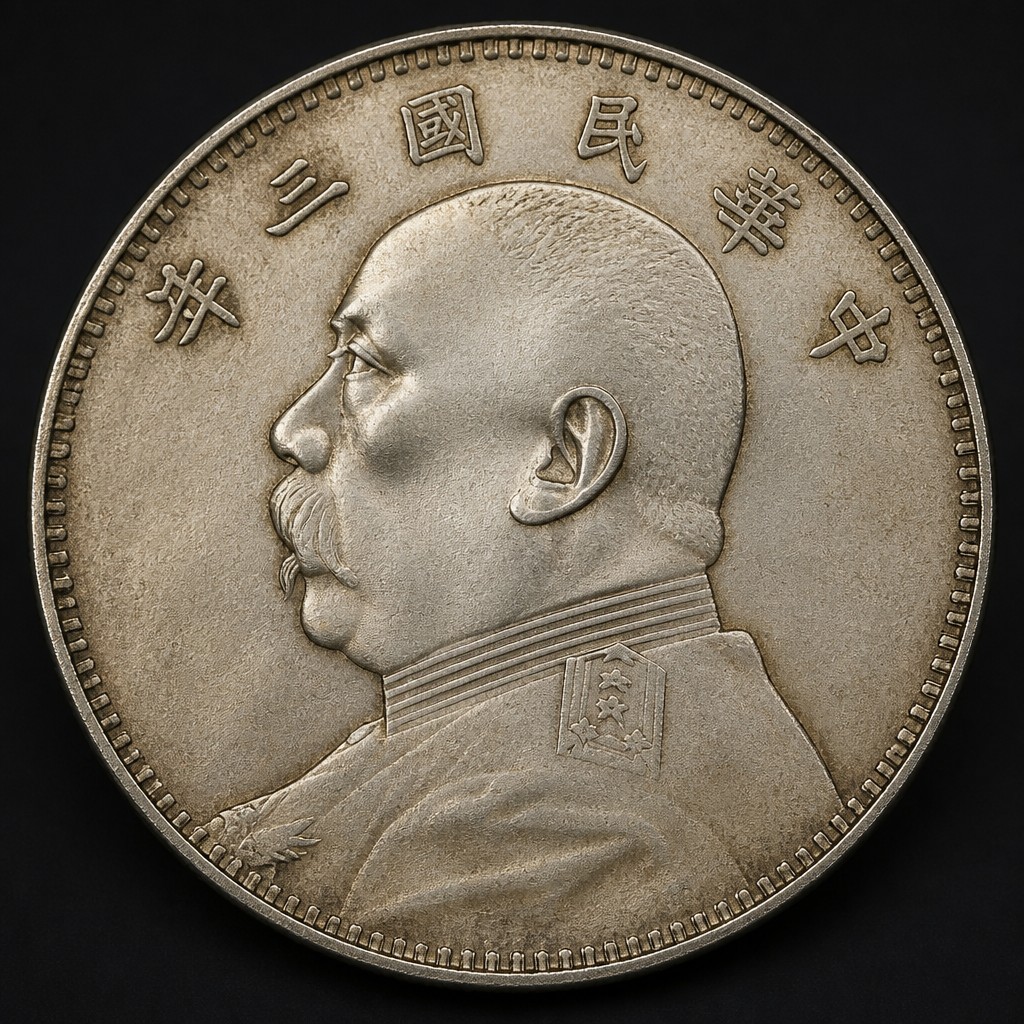
Yuan Shikai 'Fatman' Dollar (1914)
Dated 1914, struck into the early 1920s