
Coin Encyclopedia
Search and identify coins from around the world — with country, denomination, metal, mint, history, and how to tell them apart.
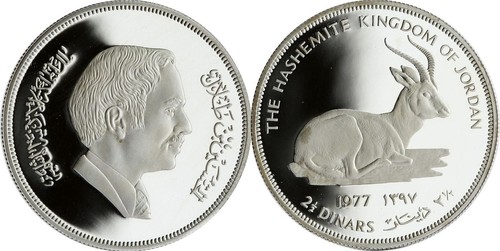
Jordanian 2½ Dinars
A crown-sized 1977 silver commemorative of the Hashemite Kingdom of Jordan, pairing King Hussein's portrait with a standing gazelle from the wildlife-conservation coin theme.
World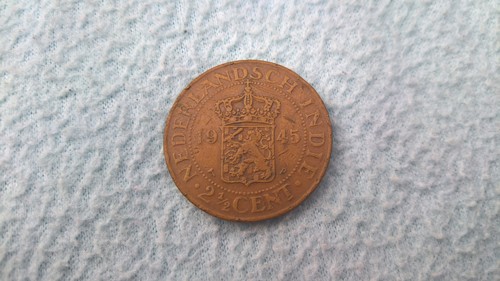
Netherlands East Indies 2 Cent
A wartime 1945 bronze 2-cent coin of the Dutch colony of the Netherlands East Indies, showing the crowned Netherlands shield and an ornate colonial reverse.
Southeast Asia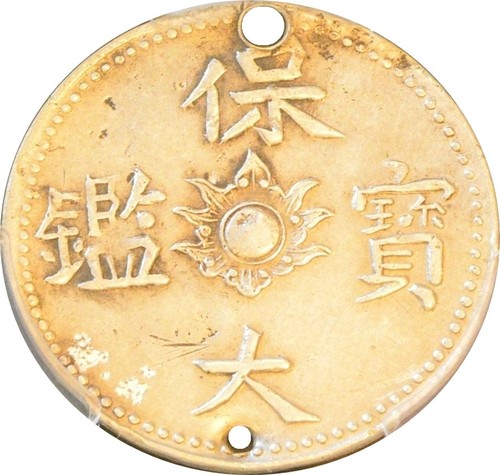
Vietnam 2 Tien - Bao Dai
A gold 2 Tien of Vietnam's last emperor, Bao Dai (1926-1945), its face bearing a radiant sun motif and Chinese-Vietnamese court inscriptions.
Southeast Asia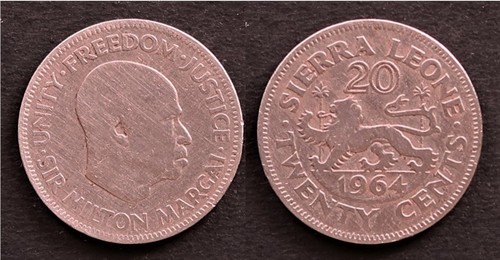
Sierra Leone 20 Cents
A 1964 Sierra Leone 20 cents from the country's first decimal coinage, showing a portrait profile on one side and the national coat of arms with its lion on the other.
World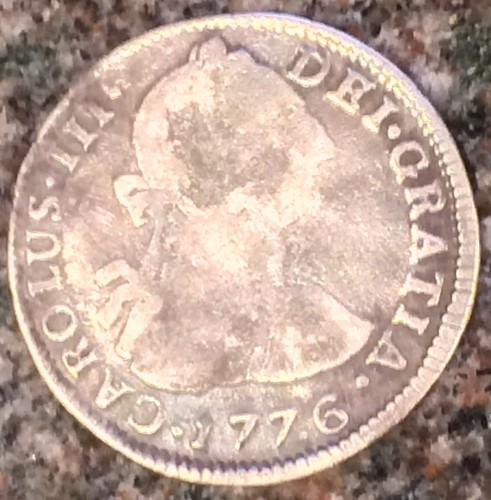
Spanish Colonial 2 Reales (Milled)
A small milled silver coin of the Spanish Empire, struck in colonial American mints; this example is dated 1776 and shows heraldic lions, castles and a crowned shield.
Colonial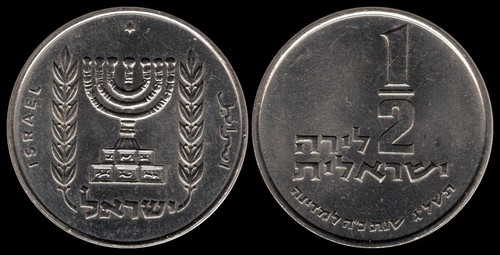
Israel Half Lira (25th Anniversary)
A silver Israeli half lira dated 1973, the year the young state marked 25 years of independence, carrying a menorah-and-sprigs emblem and a Hebrew value.
World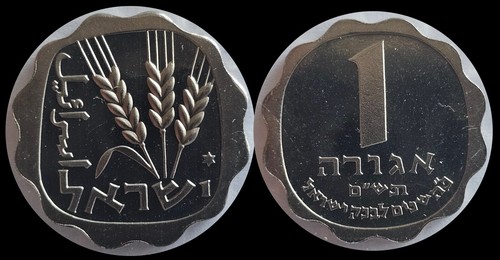
Israel 1 Agora (Bank of Israel 25th Anniversary)
A small 1980 aluminum-bronze 1 Agora of Israel, tied to the Bank of Israel's 25th anniversary, with grain ears on one face and the value 1 with Hebrew legend on the other.
World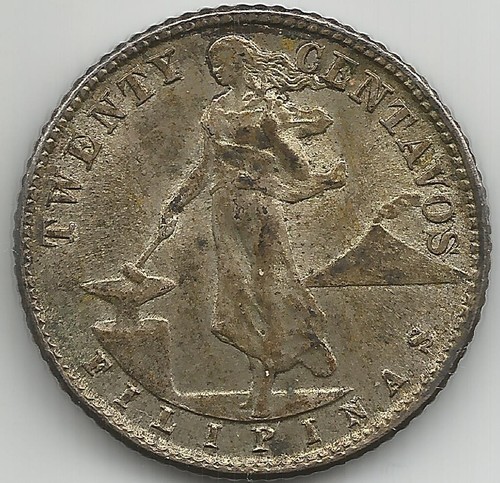
Philippines 20 Centavos
A small wartime silver 20 centavos of the Commonwealth-era Philippines: a standing Liberty figure and Mayon volcano, with an eagle over a shield on the reverse.
Southeast Asia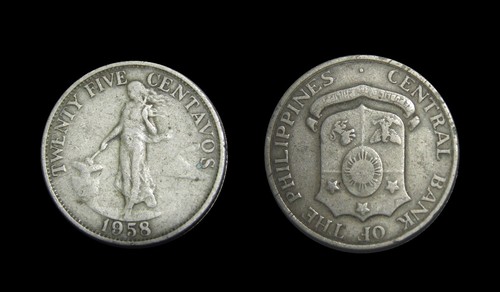
Philippines 25 Centavos
Silvery base-metal 25 centavos of the young Republic of the Philippines, dated 1958: a standing figure with a liberty torch and the Republic's sunburst coat of arms.
Southeast Asia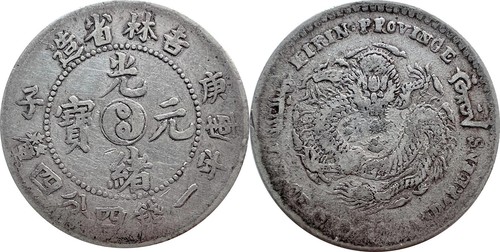
Guangxu Yuanbao 20 Cents
A machine-struck Qing silver 20 cents of the Guangxu era, with a coiled dragon on one face and a yin-yang (taiji) symbol on the other.
Circulation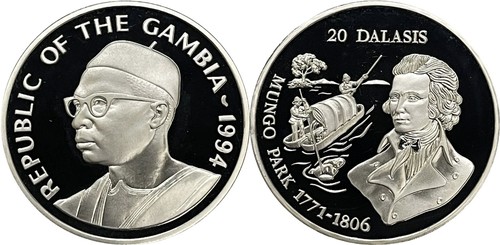
Gambia 20 Dalasis (Mungo Park Commemorative)
A 1994 silver 20 dalasis crown from The Gambia honoring Scottish explorer Mungo Park, shown with a sailing ship on the reverse.
World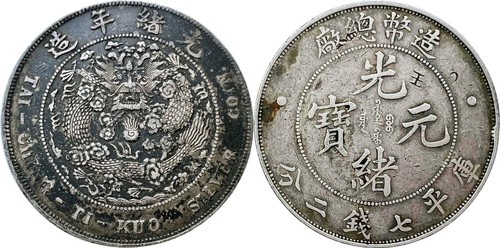
Guangxu Yuanbao 7 Mace 2 Candareens
A silver Chinese dragon dollar of the Guangxu era, marked Guangxu Yuanbao and valued at 7 Mace 2 Candareens, with a coiled dragon on one face and Chinese legends on the other.
Circulation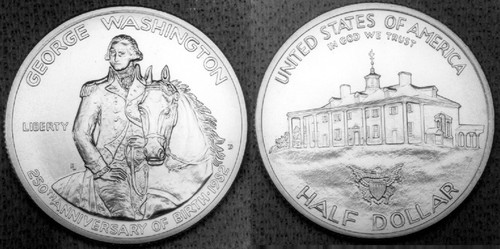
George Washington 250th Anniversary Half Dollar
A 1982 U.S. silver half dollar honoring the 250th anniversary of George Washington's birth; it revived both the commemorative program and 90% silver coinage.
Modern Commemorative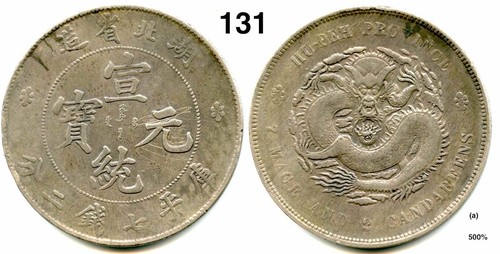
Xuantong Yuanbao 7 Mace 2 Candareens
A late Qing silver dollar-size coin of the Xuantong era (1909-1911), reading 宣統元寶 on the obverse with a Chinese dragon on the reverse.
Circulation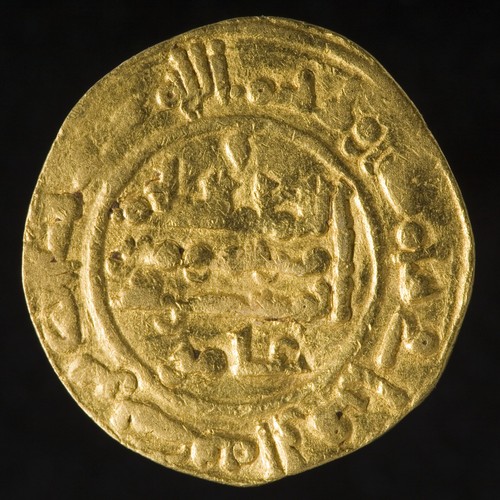
Islamic Gold Dinar (LACMA M.2006.143.8)
A medieval Islamic gold dinar in the LACMA collection, struck with purely calligraphic Arabic legends and a decorative border — the classic imageless coin of the caliphates.
Islamic (Medieval)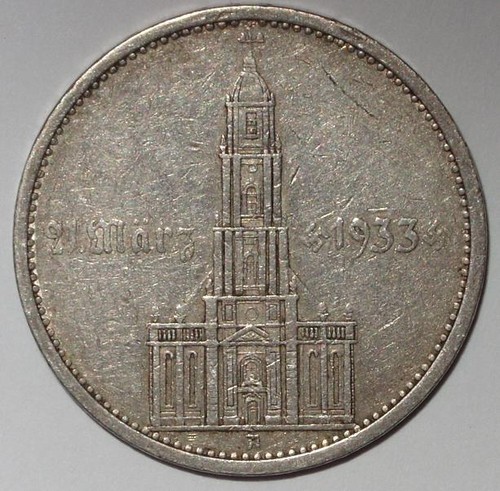
German 2 Reichsmark Garrison Church Commemorative
A 1933 German silver 2 Reichsmark commemorative showing the Potsdam Garrison Church tower, issued to mark the "Day of Potsdam."
Commemorative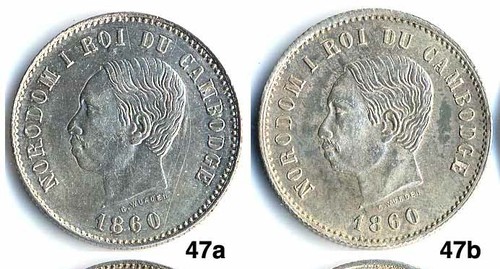
Cambodia Two Francs
A crown-sized Cambodian Two Francs of King Norodom I, its obverse a royal profile and DEUX FRANCS reverse over a crowned coat of arms; dated 1860 but long restruck.
Southeast Asia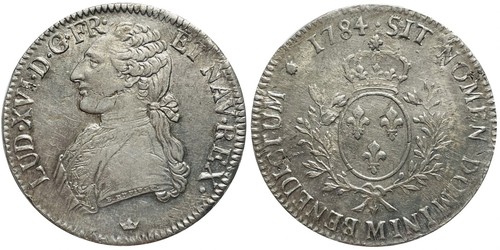
Ecu of Louis XVI
A large French silver ecu of Louis XVI dated 1784: left-facing royal bust obverse, crowned arms of France and Navarre framed by laurel on the reverse.
Royal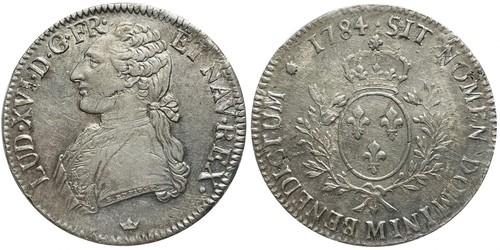
Ecu of Louis XIV
A large silver crown of Louis XIV, the Sun King, showing his laureate or wigged bust facing left and a crowned French shield of fleur-de-lis, dated 1693.
Royal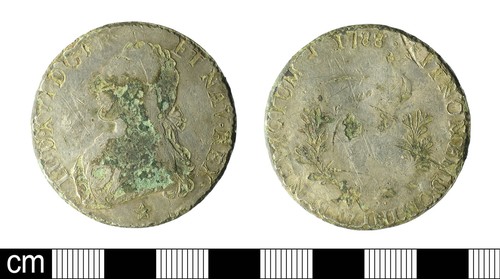
Contemporary Forgery of Louis XVI Ecu
A period-style counterfeit imitating a Louis XVI silver ecu: a copied royal portrait obverse and a copied standing-figure reverse dated about 1792.
Forgery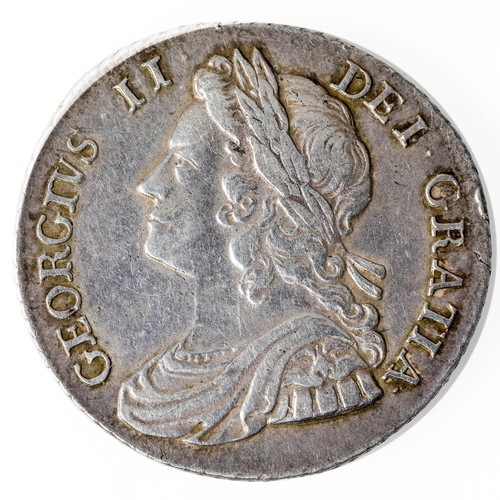
Shilling of George II
A milled silver shilling of George II, with a left-facing bust reading GEORGIVS II DEI GRATIA and a crowned cruciform-shields reverse; this one is a 1736 roses and plumes issue.
Milled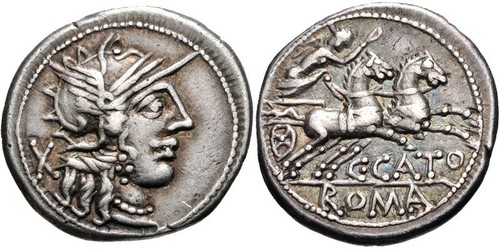
Denarius of C. Cato
Silver Roman Republican denarius struck at Rome in 123 BC by the moneyer C. Cato, with a helmeted head of Roma and Victory driving a chariot.
Ancient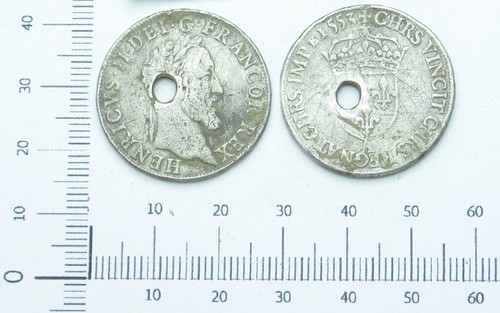
Teston of Henri II
A French Renaissance silver teston of Henri II (1547-1559): the king's realistic profile bust right, a crowned fleur-de-lis coat of arms on the reverse.
Renaissance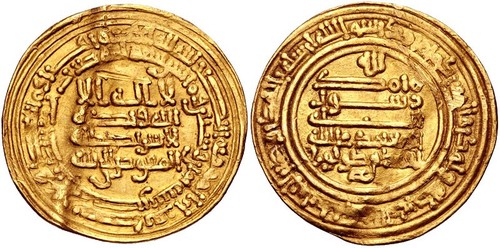
Gold Dinar of Ahmad ibn Tulun
A late-9th-century Islamic gold dinar of the Tulunid ruler Ahmad ibn Tulun, its faces filled with concentric Arabic inscriptions and dated AH 268 (881–882 CE).
Islamic (Medieval)