
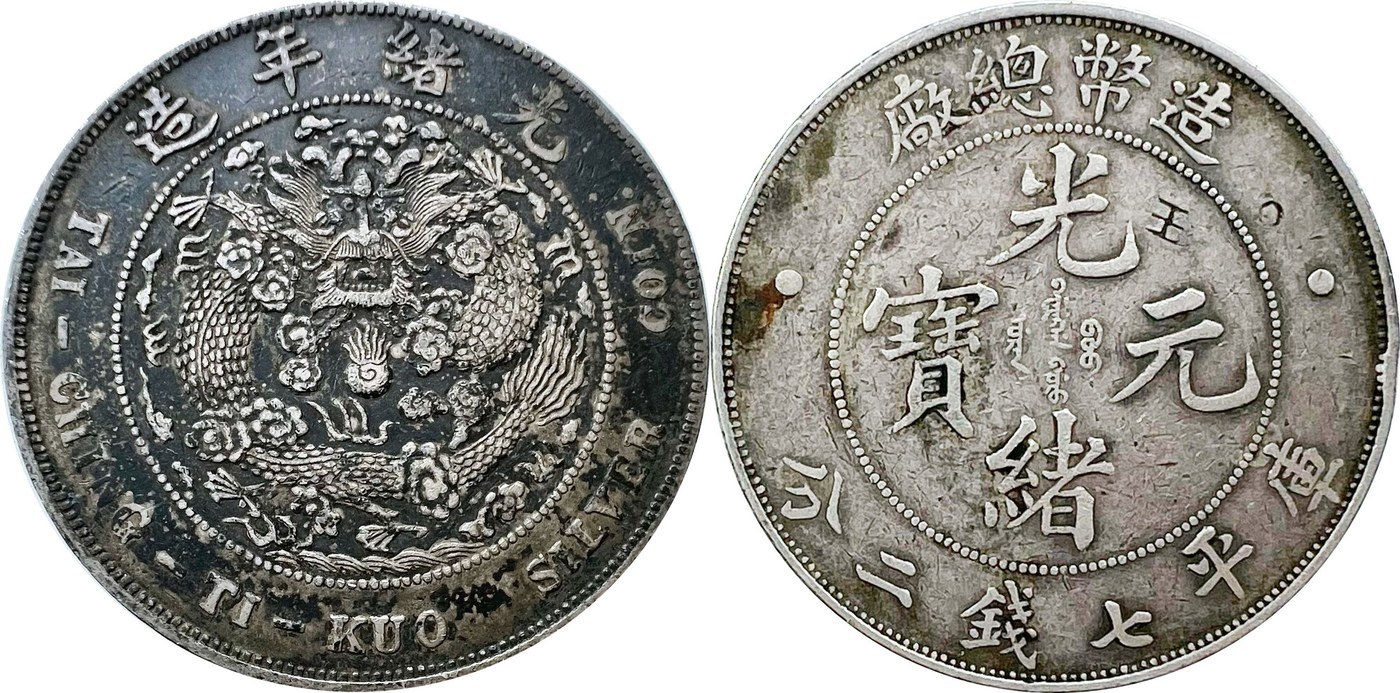
Guangxu Yuanbao 7 Mace 2 Candareens
A silver Chinese dragon dollar of the Guangxu era, marked Guangxu Yuanbao and valued at 7 Mace 2 Candareens, with a coiled dragon on one face and Chinese legends on the other.
- Country
- China
- Denomination
- 7 Mace 2 Candareens
- Metal
- Silver
Got a coin like this?
Identify any coin from a photo, free.
Overview
The Guangxu Yuanbao 7 Mace 2 Candareens is a large silver coin of imperial China struck during the reign of the Guangxu Emperor. Its name comes from the Chinese inscription Guangxu Yuanbao ("Guangxu currency" or "treasure"), and its stated value, 7 Mace 2 Candareens (roughly 0.72 of a Chinese tael), is the traditional silver weight that made these coins the Chinese equivalent of the world's silver trade dollars. Collectors commonly call the type a "dragon dollar."
One face carries a coiled Chinese dragon surrounded by ornamental scrollwork and inscriptions; the other bears Chinese characters naming the ruler and the denomination, often accompanied by a Manchu script and an English or Latin-letter legend. The pictured example is dated to 1908, near the very end of Guangxu's reign.
Because the value was expressed as a silver weight rather than a modern decimal unit, these coins functioned both as circulating money and as a measured amount of silver, and they remain among the most collected of all late-imperial Chinese coins.
History & Background
The Guangxu Emperor reigned from 1875 to 1908, a period in which China modernized its coinage by adopting Western-style machine-struck silver pieces. Rather than the older cast cash coins, provincial and imperial mints began producing round, milled silver dollars on the 7 Mace 2 Candareens standard so that Chinese silver could compete with the foreign trade dollars then circulating widely in Chinese ports.
Many of these dragon dollars were issued by individual provincial mints, and others by centralizing imperial authorities, which is why the type exists with a range of legends, styles, and dragon designs. The 7 Mace 2 Candareens weight was chosen to align closely with the Mexican and other trade dollars that dominated commerce along the coast, easing exchange.
The pictured 1908-dated coin falls in the final year of the Guangxu era; the emperor died in November 1908 and was succeeded by the child emperor Puyi under the Xuantong reign. Guangxu-era dragon dollars continued to be a model for the unified national dollar coinage that followed in the last years of the Qing dynasty.
How to Identify
Look first for the coiled dragon: a front-facing or side-facing Chinese dragon amid clouds or scrollwork, typically encircled by a beaded or decorative border. This dragon face is the visual hallmark of the type. The opposite face is dominated by Chinese characters, with Guangxu Yuanbao naming the issue and additional characters giving the denomination.
The denomination is the key identifier. Genuine pieces of this type state a value equivalent to 7 Mace 2 Candareens (Chinese: Ku Ping weight), often rendered in an English or romanized legend as "7 MACE AND 2 CANDAREENS" along the dragon side or in the outer legend. Many issues also include Manchu script and a mint or province name. A date such as 1908 may appear in the design or be inferred from the reign-year characters.
Physically the coin is a large, crown-sized silver piece in the trade-dollar size class, comparable in weight and diameter to a Mexican peso or U.S. silver dollar of the era. Genuine examples are struck in high-grade silver, feel substantial in the hand, and show crisp relief in the dragon's scales and the sharp, well-formed Chinese characters.
Value & Collectibility
Guangxu Yuanbao dragon dollars are widely collected, and even circulated examples carry value from both their silver content and steady collector demand. Value depends heavily on the issuing mint or province, the specific variety, the date, and condition, so two coins that look similar at a glance can differ substantially in worth.
Condition is decisive. The dragon's scales, claws, and eye and the crispness of the Chinese characters are the first areas to soften with wear, so sharply struck, lightly circulated, and lustrous uncirculated pieces command strong premiums over well-worn coins. Common provincial issues in average grade trade far more modestly than rare mints or scarce varieties.
Because dragon dollars are famous and valuable, they are among the most heavily counterfeited of all Chinese coins, and fakes range from crude castings to deceptive modern strikings. For this reason, examples authenticated by a reputable grading service consistently bring the strongest and safest prices. Actual values vary with variety, grade, and the silver market and are best checked against recent sales of comparable coins.
Frequently asked questions
What does "7 Mace 2 Candareens" mean?
It is a traditional Chinese silver weight, roughly 0.72 of a tael, that served as the standard for China's silver dollar. Mace and candareens are old units of weight, so the denomination tells you how much silver the coin contains rather than a modern decimal value.
What does "Guangxu Yuanbao" mean?
Guangxu is the reign title of the emperor who ruled China from 1875 to 1908, and Yuanbao means roughly "currency" or "treasure." Together the inscription identifies the coin as money issued during the Guangxu era.
Is this coin made of silver?
Yes. It is a large, crown-sized silver dollar struck on the 7 Mace 2 Candareens standard, which gives it intrinsic silver value in addition to its appeal as a historical Chinese coin.
Why are these called dragon dollars?
One face is dominated by a coiled Chinese dragon, the emblem of the emperor, surrounded by ornamental designs. That dragon motif is why collectors nickname the type the dragon dollar.
What year is the pictured coin?
The pictured example is dated 1908, the final year of the Guangxu Emperor's reign. He died in November of that year and was succeeded under the Xuantong reign.
Guangxu Yuanbao 7 Mace 2 Candareens guides
In-depth guides for identifying, valuing, and collecting Guangxu Yuanbao 7 Mace 2 Candareens.
Other coins you may enjoy
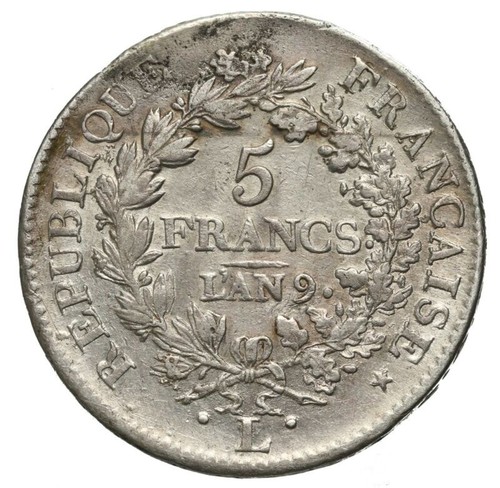
5 Francs (First Republic)
L'an 9 (1800–1801)
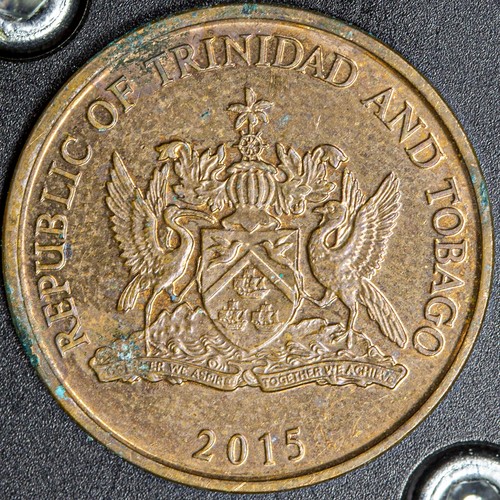
Trinidad and Tobago Dollar
2015
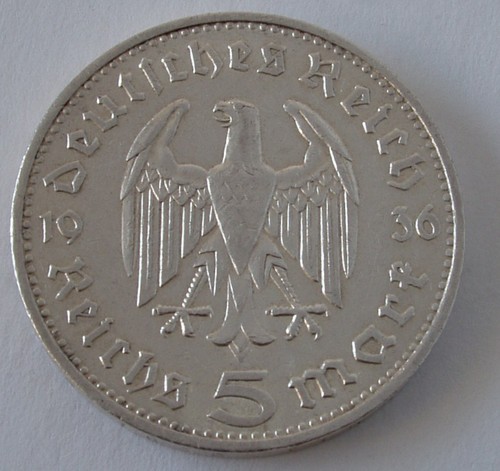
German 5 Reichsmark (Hindenburg)
1935–1936 (Hindenburg type with swastika)
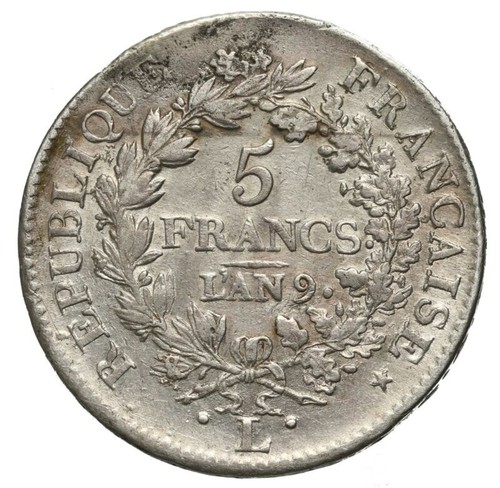
5 Francs Semeuse
1960–1969
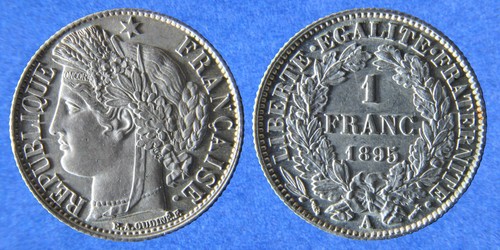
French Cérès 1 Franc
1849–1895
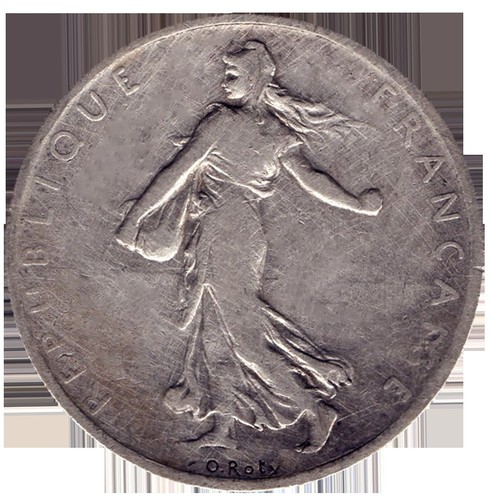
French Semeuse 2 Francs
1898–1920 (silver issues; pictured example dated 1899)
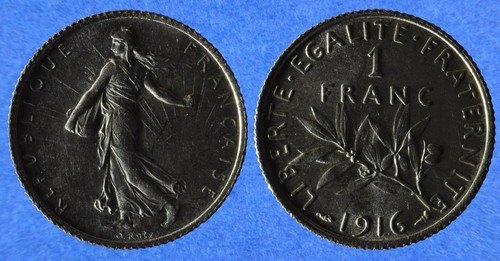
French Semeuse 1 Franc
1898–1920 (silver Semeuse 1 franc type)
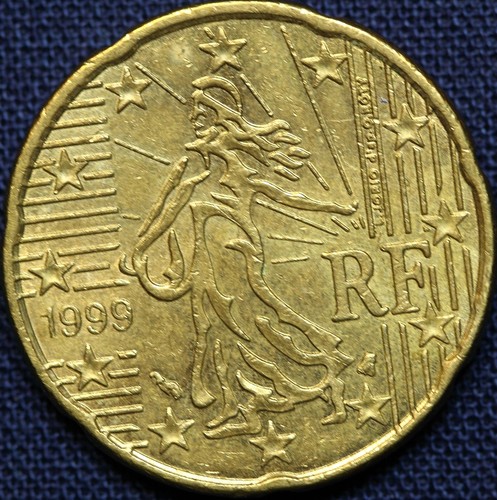
France 50 Cent Euro
1999–present
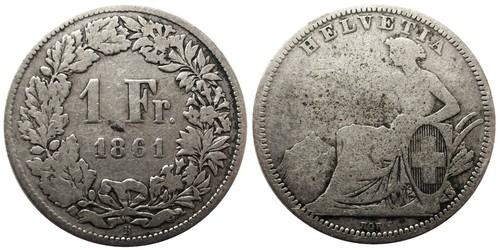
Swiss 1 Franc
1861
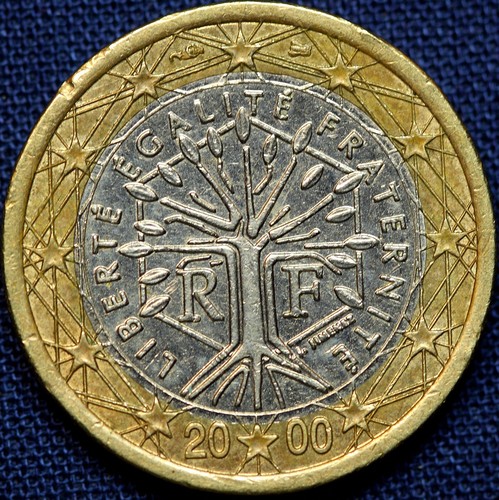
France 20 Centimes
1962–2001 (Fifth Republic, Marianne / Lagriffoul type)
Swiss 2 Francs
1860
Austria-Hungary 15 Kreuzer
1807