
Coin Encyclopedia
Search and identify coins from around the world — with country, denomination, metal, mint, history, and how to tell them apart.
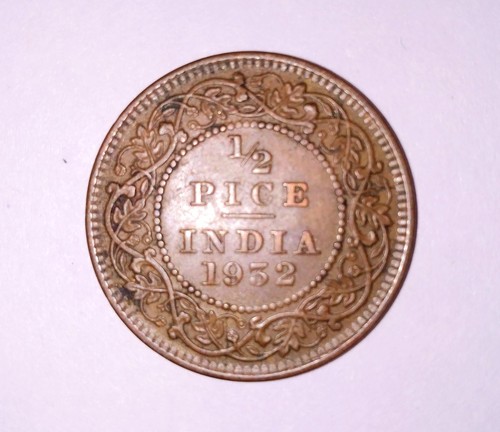
India Half Pice
A small copper half pice from India carrying a crowned obverse with the word INDIA; the pice is a sub-unit of the old pre-decimal Indian coinage system.
Modern India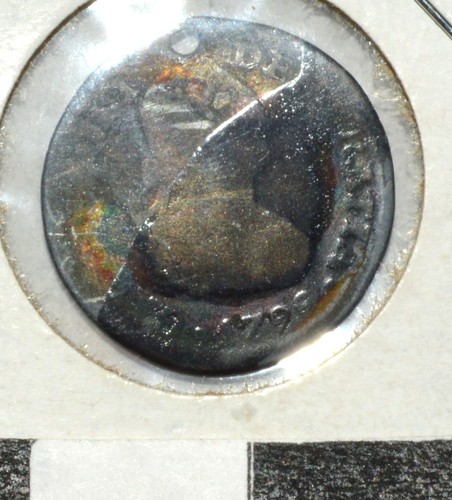
Spanish Colonial Half Real
The smallest milled silver coin of Spain's American empire: a tiny 1/2 real with a royal bust and the crowned arms between pillars.
Colonial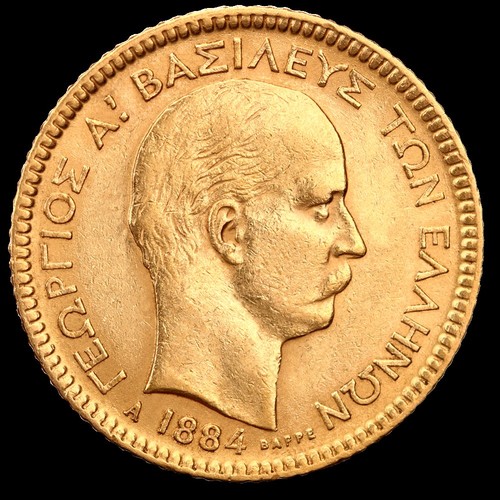
20 Drachmai
Greece's 1884 gold 20 Drachmai of King George I: a small Latin Monetary Union gold coin with the king's portrait and the crowned royal arms.
Modern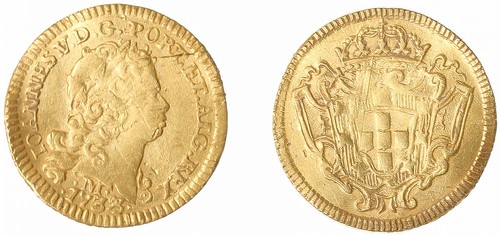
Half Escudo (800 Reis) of Joao V
A small Portuguese gold coin of King Joao V, valued at half an escudo (800 reis), with his laureate bust and a crowned Portuguese shield.
Colonial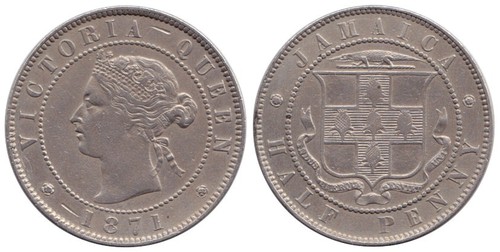
Jamaica Half Penny
An 1871 colonial Jamaica halfpenny in copper-nickel: young Queen Victoria facing left on the obverse, the crowned Jamaican shield of arms on the reverse.
Colonial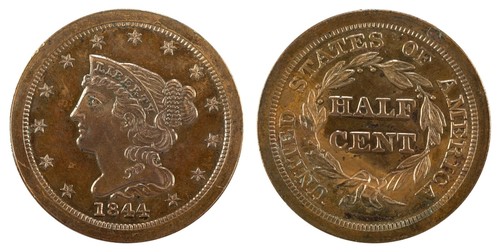
Braided Hair Half Cent
The final U.S. half cent design, a small copper coin showing Liberty with braided hair and a coronet, paired with a wreath reverse, struck 1840–1857.
Half Cent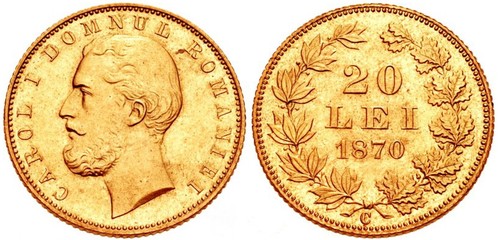
20 Lei
Romania's first gold coin, the 1870 20 Lei of Prince Carol I, pairing his left-facing portrait with the national coat of arms.
Modern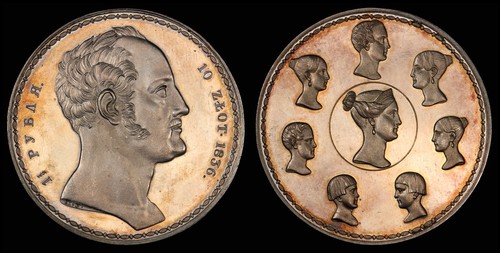
1½ Roubles
A large silver crown of Tsar Nicholas I, dual-valued at 1½ Roubles and 10 Zlotych for Russia and Congress Poland, with an eagle bearing many shields.
Modern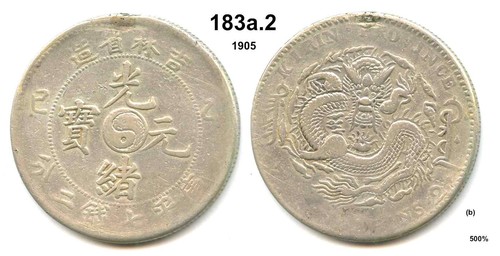
Guangxu Yuanbao Dollar
A crown-sized silver dragon dollar of Qing China inscribed 光緒元寶 (Guangxu Yuanbao), with a coiled dragon reverse and a provincial mint inscription; this piece dated 1905.
Circulation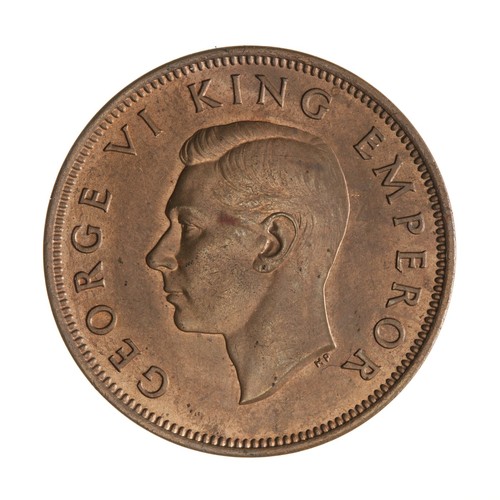
New Zealand Halfpenny
New Zealand's small bronze halfpenny, struck from 1940, with a royal portrait obverse and a Maori hei-tiki reverse. The coin shown is a 1940 George VI issue.
New Zealand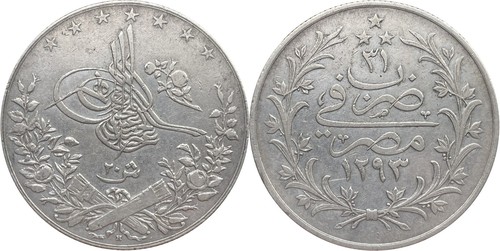
Egypt 20 Qirsh
The 20 qirsh was Egypt's largest silver coin under the Khedivate, bearing the Ottoman sultan's tughra; this example dates to 1905.
World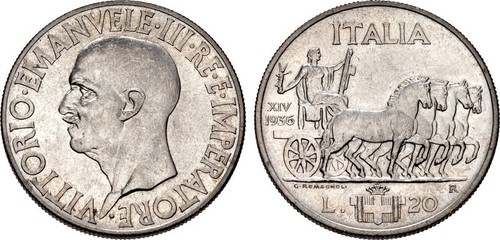
20 Lire
Silver-colored Italian 20 Lire piece of the Fascist era, showing a Mussolini profile and a horse-drawn chariot, dated 1936.
Modern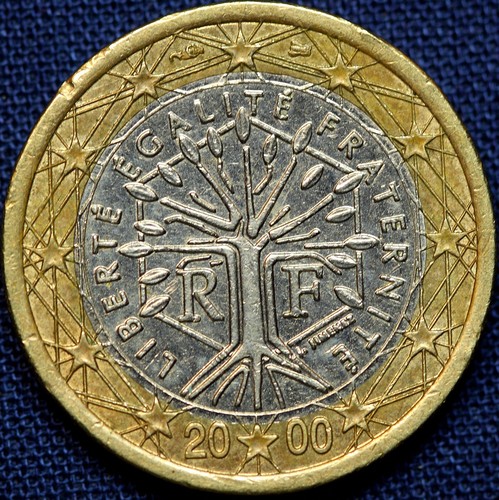
France 20 Centimes
A small gold-colored French Fifth Republic coin showing Marianne in profile, worth one-fifth of a franc, struck for four decades before the euro.
Circulation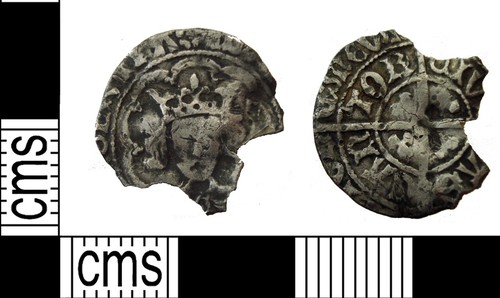
Edward IV Half Groat
Hammered silver half groat (twopence) of Edward IV, with a crowned royal bust and a long-cross reverse, struck at English mints between 1461 and 1483.
Medieval Coins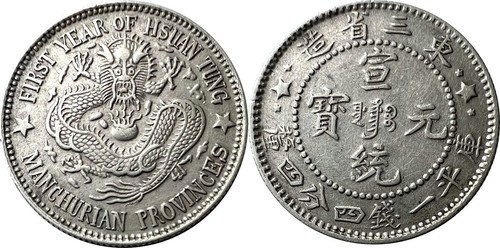
Xuantong Yuanbao 20 Cents
A small late-Qing silver 20-cent coin with a Western-style dragon, the English legend FIRST YEAR OF HSUAN TUNG, and Chinese characters reading Xuantong Yuanbao.
Circulation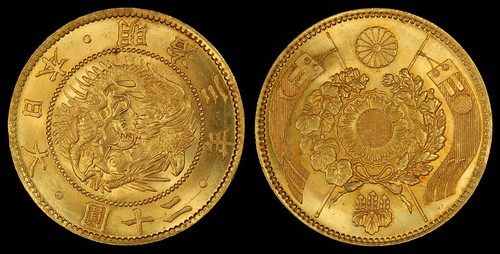
Japanese 20 Yen
Early Meiji-era Japanese gold coin showing a dragon among clouds on one side and a floral design with the 20 yen denomination on the other.
World Coins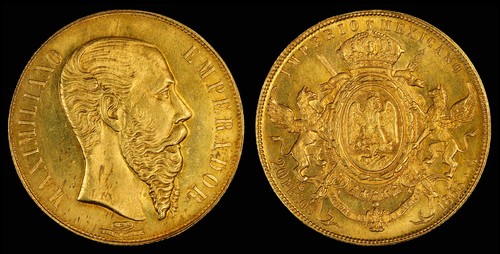
Empire 20 Pesos
A gold 20 pesos of the Second Mexican Empire, showing a bearded imperial portrait, the legend IMPERIO MEXICANO, and a crowned heraldic coat of arms.
Circulation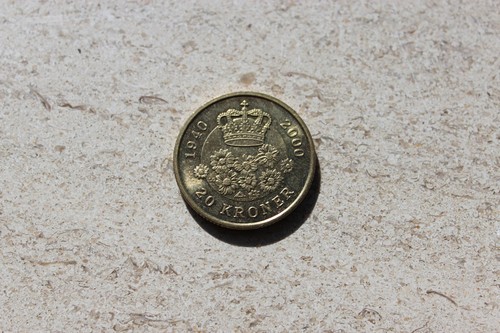
20 Kroner
Danish aluminum-bronze 20 Kroner of 1990 honoring Queen Margrethe II, with a crown over a marguerite daisy and the dates 1940 and 1990.
Modern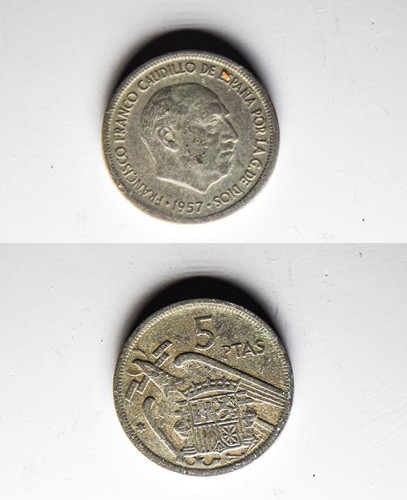
25 Pesetas (Franco)
Spain's common Franco-era 25 pesetas, a silvery copper-nickel coin bearing the national coat of arms and the value 25; dated 1957 but struck into the 1970s.
Modern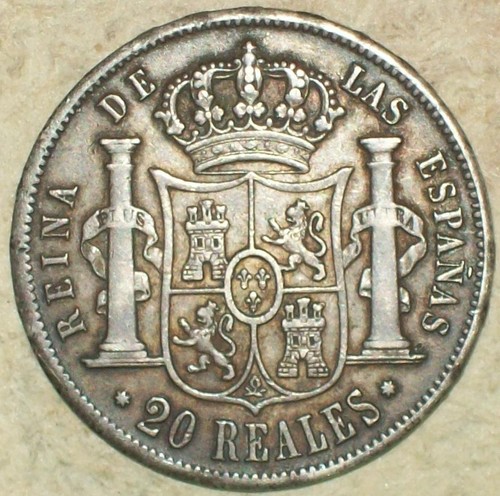
20 Reales (Isabel II)
Crown-sized Spanish silver 20 Reales of Queen Isabel II, with her crowned right-facing profile and a crowned pillared shield, dated 1854.
Modern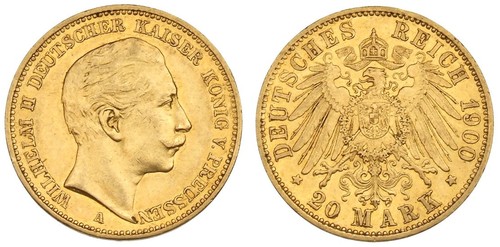
German 20 Mark Gold
German Empire gold 20 mark of Prussia, with Kaiser Wilhelm I's bust and the imperial eagle; a small .900 gold coin from the pre-WWI Goldmark era.
Bullion/gold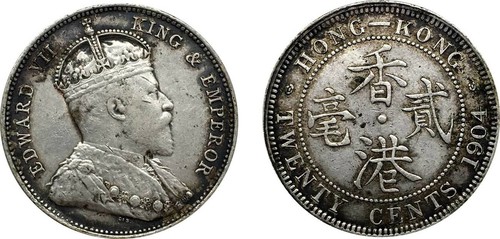
Hong Kong 20 Cents
A small British Hong Kong silver 20 Cents of Edward VII, with the crowned royal profile on one side and a Chinese dragon and value on the other.
Circulation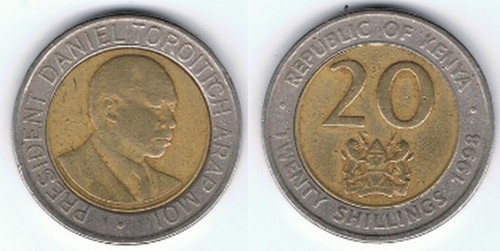
Kenya 20 Shillings
A modern bimetallic Kenyan circulation coin showing a president's portrait on the obverse and the national coat of arms on the reverse.
World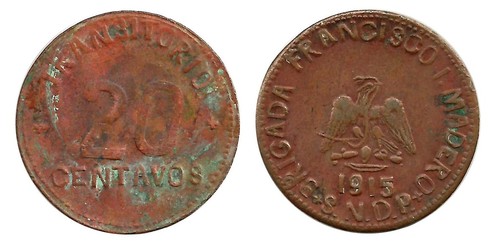
Puebla 20 Centavos
A copper 20 centavos struck in the State of Puebla during the Mexican Revolution, showing a profile bust and the numeral 20 with the national eagle, dated 1915.
Revolutionary