
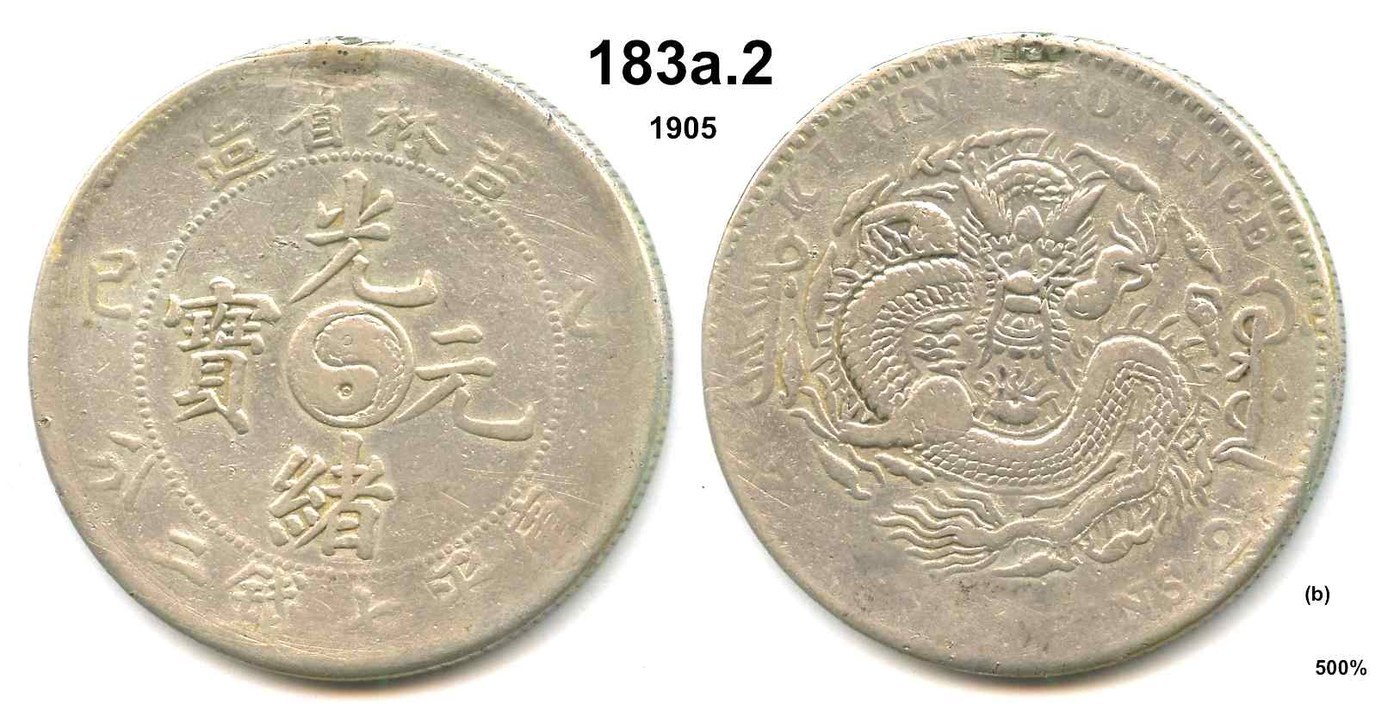
Guangxu Yuanbao Dollar
A crown-sized silver dragon dollar of Qing China inscribed 光緒元寶 (Guangxu Yuanbao), with a coiled dragon reverse and a provincial mint inscription; this piece dated 1905.
- Country
- China
- Denomination
- 1 Dollar
- Metal
- Silver
Got a coin like this?
Identify any coin from a photo, free.
Overview
The Guangxu Yuanbao dollar is a large silver coin of late imperial China struck under the Guangxu Emperor of the Qing dynasty. Its obverse carries the four Chinese characters 光緒元寶 (Guangxu Yuanbao), meaning "current coin of the Guangxu reign," arranged around a central field, together with a denomination marking that expresses the coin's silver weight. The reverse is dominated by a coiled Chinese dragon amid clouds and ornamental detail, encircled by an inscription that names the issuing mint.
These coins are commonly called "dragon dollars" by collectors because of that reverse motif. They were struck as a one-dollar (yuan) piece — the crown-sized silver unit of the period — typically at a weight of about seven mace and two candareens (roughly 26-27 grams of high-grade silver), the standard that made them interchangeable with foreign trade dollars then circulating in China.
The example pictured is dated 1905 and shows the classic pairing: 光緒元寶 with a denomination marking on the obverse and an ornate dragon with a mint inscription on the reverse. It represents the machine-struck provincial coinage that modernized Chinese money in the final decades of the Qing.
History & Background
The Guangxu Emperor reigned from 1875 to 1908, and during the 1890s and 1900s China moved from hand-cast cash coins toward Western-style machine-struck silver. To supply this new coinage, individual provinces set up modern mints equipped with imported presses, each producing silver dollars and fractional pieces inscribed 光緒元寶. As a result, the type is not a single coin but a broad family of related issues sharing the Guangxu Yuanbao legend and a dragon reverse.
Because the coins were made province by province, the reverse mint inscription — often rendered in both Chinese and English — is what ties a given piece to its place of manufacture, and dies, dragon styles, and lettering vary accordingly. A coin dated 1905, like the one shown, belongs to the mature phase of this provincial silver coinage, produced in the years before the dynasty began consolidating its money under a unified national dollar late in the decade.
The Guangxu dragon dollars circulated alongside foreign trade dollars and were valued largely on their silver content. After the fall of the Qing in 1911-1912, republican coinage gradually replaced them, but the dragon dollars survived in quantity and became one of the most widely collected areas of Chinese numismatics.
How to Identify
Start with the obverse legend. Genuine pieces show the four characters 光緒元寶 (read Guangxu Yuanbao), usually with a smaller inscription naming the province and a denomination marking that states the silver weight — a full dollar is typically expressed as seven mace and two candareens. Many issues also carry a short Manchu inscription in the central field. The reverse shows a single coiled dragon surrounded by clouds, flames, or a pearl, framed by an outer inscription that frequently includes an English rendering of the mint or province.
Physically, the one-dollar Guangxu Yuanbao is a crown-sized silver coin roughly 39 mm across and about 26-27 grams in weight, the same broad format as the era's trade dollars. Fractional denominations (half dollar, twenty cents, ten cents and smaller) use the same design at reduced size and weight, so confirm you are looking at the full dollar by its diameter and mass rather than the design alone.
The date, where present, appears as part of the mint inscription; the coin shown is marked 1905. Because dozens of provincial varieties exist, precise attribution depends on reading the specific mint inscription and comparing the dragon style, but the core diagnostic for the type is the combination of 光緒元寶 with a dragon reverse and a weight-based denomination.
Value & Collectibility
As a large silver coin, even a well-worn Guangxu Yuanbao dollar carries value from its bullion content, and collector demand for Chinese dragon dollars adds a substantial premium on top. Values vary enormously across the series: common provincial issues in circulated grades are affordably and widely traded, while scarce mints, rare dates, and high-grade lustrous examples can command large sums.
Because value is so sensitive to the exact province, variety, and grade, an accurate estimate requires first attributing the specific issue from its mint inscription and then comparing recent sales of like examples. Condition matters greatly — the high points of the dragon and the central characters wear first, so sharply struck coins with original surfaces are the most desirable.
Dragon dollars are among the most heavily counterfeited of world coins, which makes independent authentication especially important. Certified examples from reputable grading services generally bring the strongest and most reliable prices, and any high-value purchase should be verified before money changes hands.
Frequently asked questions
What does 光緒元寶 (Guangxu Yuanbao) mean?
It translates roughly to "current coin of the Guangxu reign." Guangxu is the reign title of the Qing emperor who ruled from 1875 to 1908, and yuanbao denotes a unit of currency, so the phrase marks the coin as official silver money of that era.
Why is it called a dragon dollar?
Collectors use that nickname because the reverse is dominated by a coiled Chinese dragon amid clouds and ornament. The dragon was an imperial symbol, and it appears on the silver dollars and smaller denominations of the Guangxu period.
What is the denomination marking on the coin?
The full dollar is expressed by silver weight, typically seven mace and two candareens (about 26-27 grams). That weight matched the foreign trade dollars circulating in China so the coins could pass at par with them.
Which mint produced this coin?
Guangxu Yuanbao dollars were struck by individual Chinese provinces, each with its own mint. The specific issuer is identified by the inscription encircling the dragon on the reverse, which often includes an English rendering of the province.
Is the coin made of real silver?
Yes. The one-dollar Guangxu Yuanbao is a crown-sized coin struck in high-grade silver, which gives it intrinsic bullion value in addition to its numismatic appeal.
Guangxu Yuanbao Dollar guides
In-depth guides for identifying, valuing, and collecting Guangxu Yuanbao Dollar.
Other coins you may enjoy
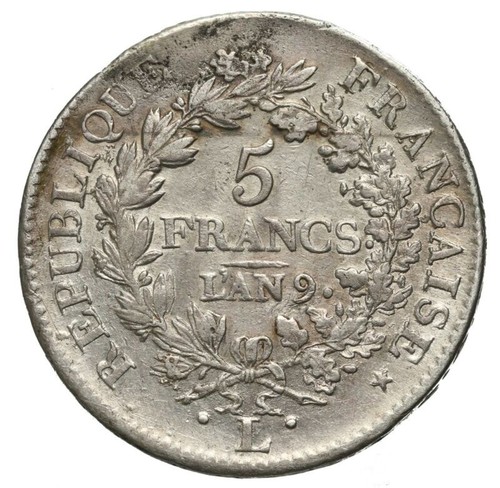
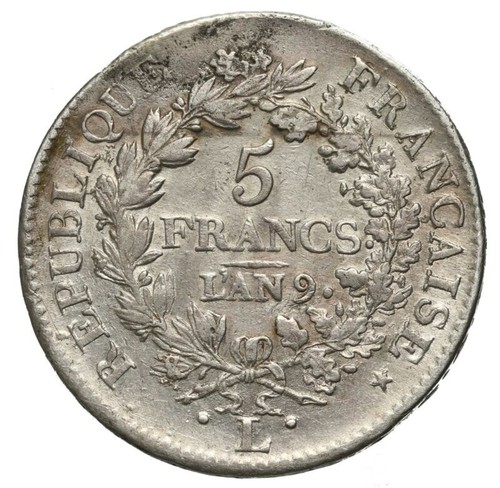
5 Francs (First Republic)
L'an 9 (1800–1801)
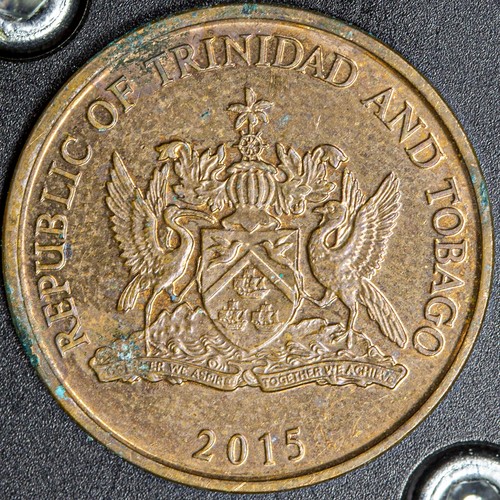
Trinidad and Tobago Dollar
2015
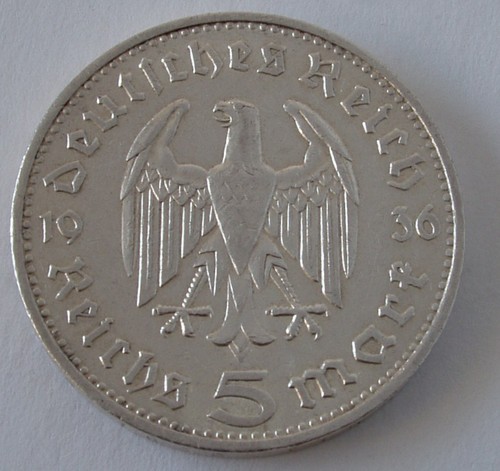
German 5 Reichsmark (Hindenburg)
1935–1936 (Hindenburg type with swastika)
5 Francs Semeuse
1960–1969
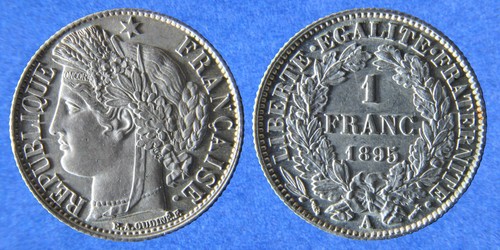
French Cérès 1 Franc
1849–1895
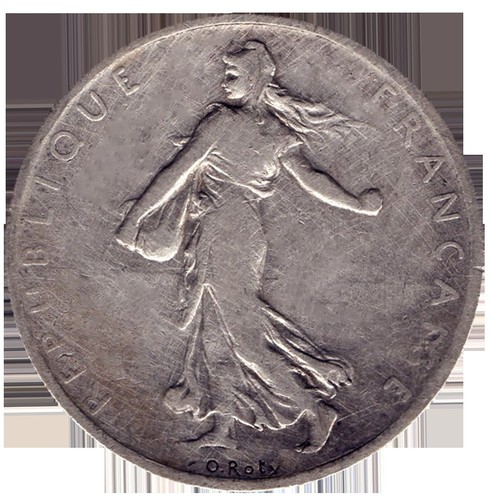
French Semeuse 2 Francs
1898–1920 (silver issues; pictured example dated 1899)
French Semeuse 1 Franc
1898–1920 (silver Semeuse 1 franc type)
France 50 Cent Euro
1999–present
Swiss 1 Franc
1861
France 20 Centimes
1962–2001 (Fifth Republic, Marianne / Lagriffoul type)
Swiss 2 Francs
1860
Austria-Hungary 15 Kreuzer
1807