
Coin Encyclopedia
Search and identify coins from around the world — with country, denomination, metal, mint, history, and how to tell them apart.
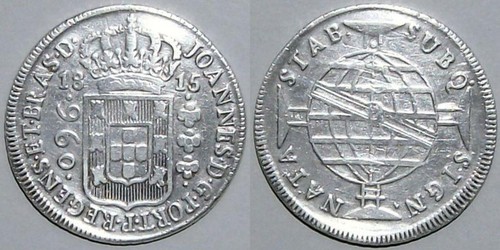
Patacao
A Portuguese silver coin known as the patacao, a larger member of the pataca family, carrying the royal coat of arms and a crowned heraldic shield.
Circulation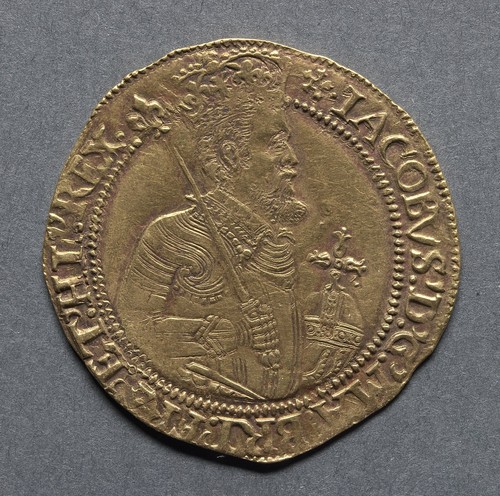
Unite of James I
A hammered gold pound coin of James I, named to celebrate the union of England and Scotland under one crown.
Hammered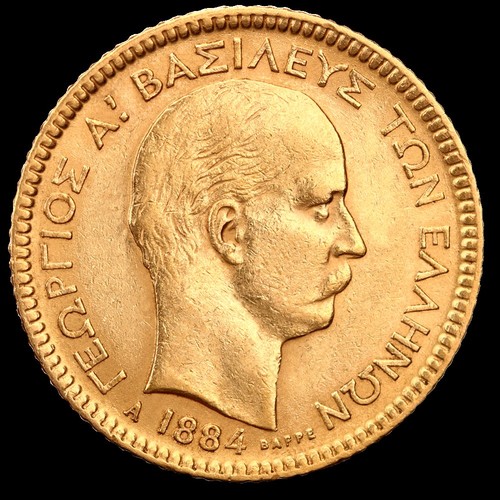
20 Drachmai
Greece's 1884 gold 20 Drachmai of King George I: a small Latin Monetary Union gold coin with the king's portrait and the crowned royal arms.
Modern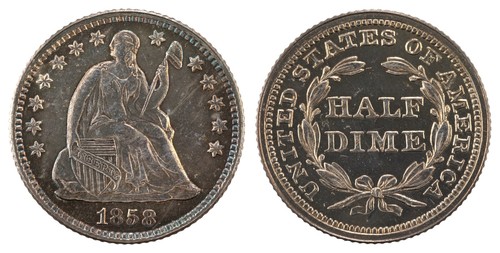
Seated Liberty Half Dime
A tiny 90% silver five-cent piece showing Liberty seated with a shield and Liberty pole; the reverse wreath frames HALF DIME. First struck 1837.
Half Dime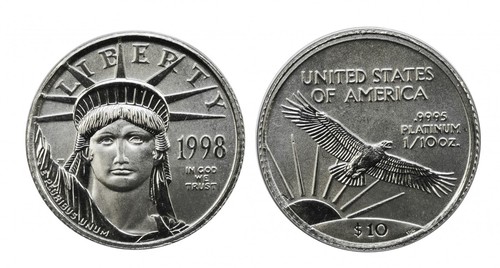
American Platinum Eagle
The United States' official platinum bullion coin, struck in .9995 fine platinum with a Statue of Liberty obverse; this is the 1998 one-tenth-ounce $10 issue.
Bullion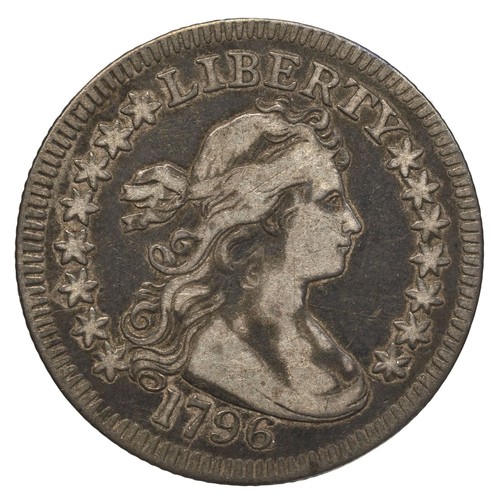
Draped Bust Quarter
The first United States quarter dollar, struck in silver with a draped Liberty and border stars on the obverse and an eagle reverse; the type began in 1796.
Quarter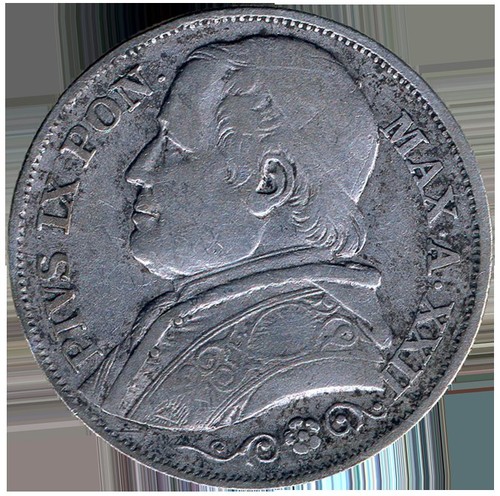
2 Lire
Silver 2 Lire of the Papal States struck under Pope Pius IX, part of the Italian lira system adopted by Rome in the 1860s.
Modern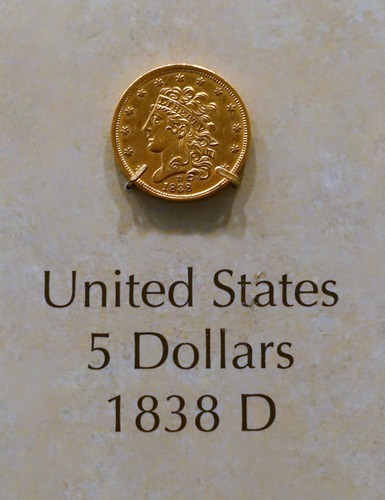
Liberty Head Half Eagle
United States $5 gold coin with a left-facing Liberty head ringed by stars and a spread-winged eagle reverse; the pictured piece is dated 1838.
United States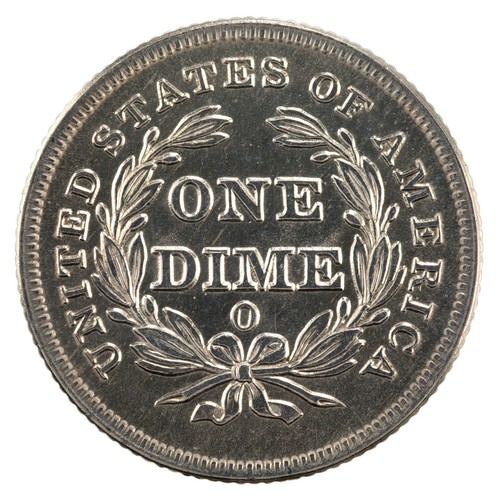
Seated Liberty Dime
A U.S. silver ten-cent coin showing Liberty seated with a pole and shield; the early No Stars type has a plain obverse and a laurel-wreath ONE DIME reverse.
Dime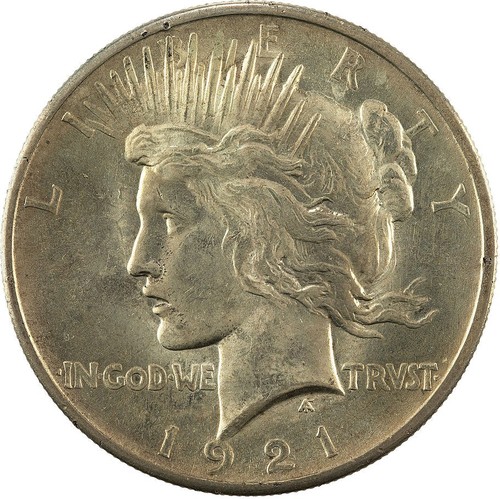
Peace Dollar
U.S. 90% silver dollar first struck in 1921, with a radiant-crowned Liberty head and a perched eagle over the word PEACE.
Dollar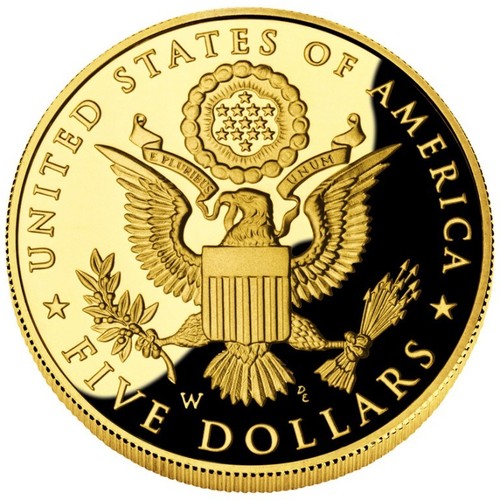
Bald Eagle Commemorative Half Eagle
A 2008 U.S. commemorative gold $5 half eagle honoring the recovery of the American bald eagle, featuring an eagle design and a heraldic Great Seal eagle.
Commemoratives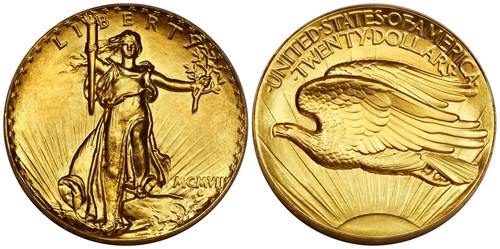
Ultra High Relief Double Eagle
Augustus Saint-Gaudens' 1907 $20 gold pattern struck in sculptural ultra high relief, with striding Liberty and a soaring eagle.
Gold Type Coin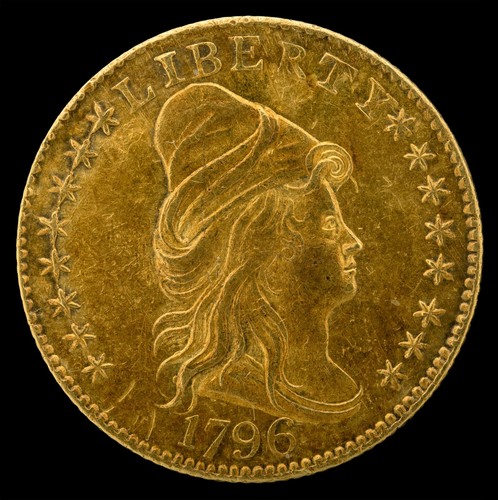
Turban Head Quarter Eagle
First U.S. $2.50 gold coin (1796), designed by Robert Scot; Liberty in a soft cap facing right with a heraldic eagle reverse. Extremely rare.
United States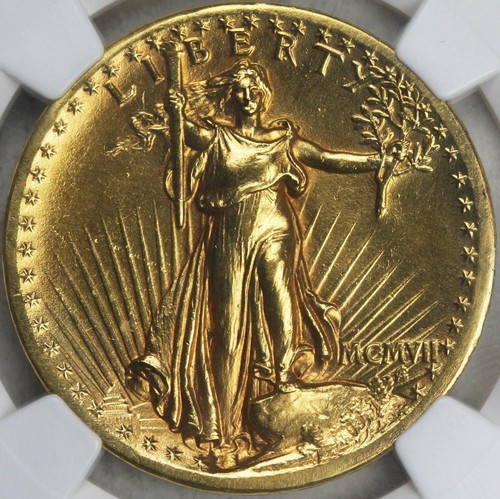
Saint-Gaudens Double Eagle
United States $20 gold coin (1907–1933) designed by Augustus Saint-Gaudens, showing a striding Liberty with torch and olive branch before a radiant sun.
Gold Type Coin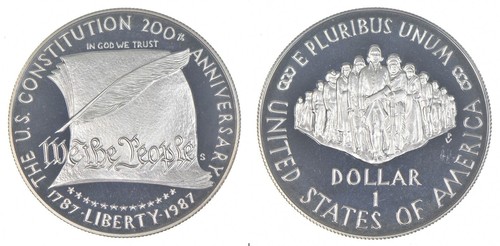
U.S. Constitution Bicentennial Silver Dollar
A 1987 U.S. Mint 90% silver commemorative dollar marking the 200th anniversary of the Constitution, with a quill-pen obverse.
Modern Commemorative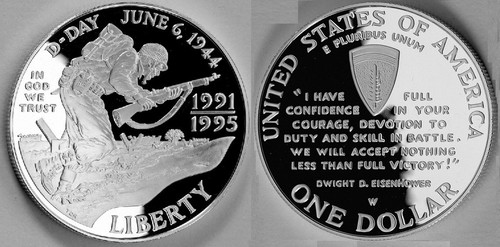
World War II 50th Anniversary Silver Dollar
A 1993 U.S. 90% silver dollar in the World War II 50th Anniversary program, showing a D-Day infantryman and a heraldic eagle with an Eisenhower quote.
Modern Commemorative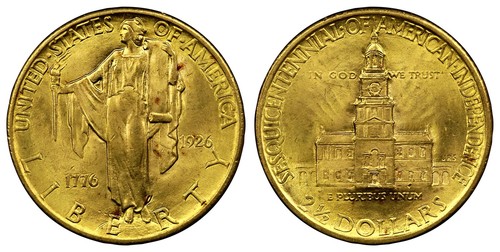
Sesquicentennial of American Independence Quarter Eagle
A 1926 U.S. commemorative $2.50 gold coin marking 150 years of American independence, with Liberty holding a torch and scroll and Independence Hall on the reverse.
Classic Commemorative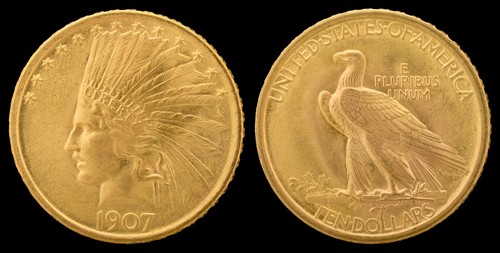
Indian Head Eagle
U.S. $10 gold eagle struck 1907–1933, designed by Augustus Saint-Gaudens, with a feathered-headdress Liberty and a standing eagle reverse.
Eagle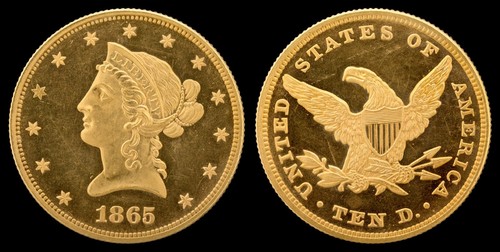
Liberty Head Eagle
A United States $10 gold coin struck 1838-1907, with Christian Gobrecht's coronet-crowned Liberty head and a shielded eagle. The example shown is dated 1839.
Eagle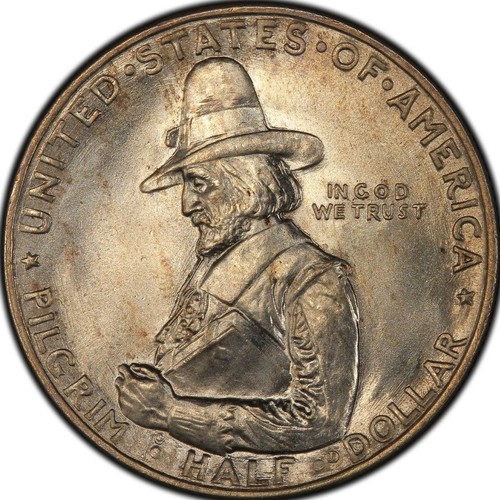
Pilgrim Tercentenary Half Dollar
A 1920-1921 U.S. silver commemorative half dollar marking 300 years since the Pilgrims' landing, with a Pilgrim figure and the Mayflower.
Classic Commemorative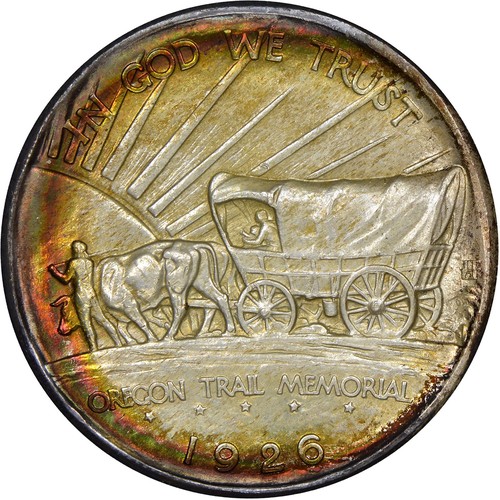
Oregon Trail Memorial Half Dollar
A U.S. silver commemorative half dollar first issued in 1926, famed for its westbound covered wagon and standing Native American designs.
Classic Commemorative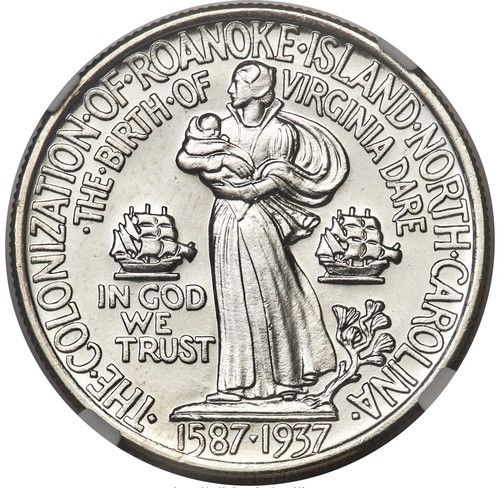
Roanoke Island Half Dollar
A 1937 U.S. silver half dollar marking 350 years since the Roanoke Island colony and the birth of Virginia Dare, with Sir Walter Raleigh and a sailing ship.
Classic Commemorative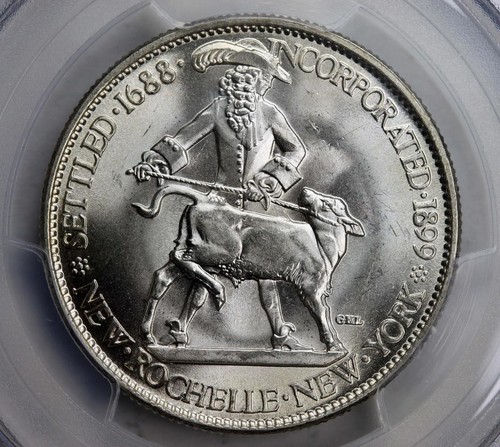
New Rochelle Half Dollar
A 1938 U.S. silver half dollar marking the 250th anniversary of New Rochelle, New York, with a Huguenot founder leading a fatted calf and a fleur-de-lis reverse.
Classic Commemorative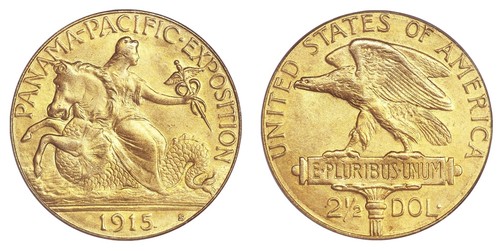
Panama-Pacific Exposition Quarter Eagle
A 1915 gold $2.50 commemorative for San Francisco's Panama-Pacific Exposition, showing Columbia astride a hippocamp and an eagle on the reverse.
Classic Commemorative