
Panama-Pacific Exposition Quarter Eagle
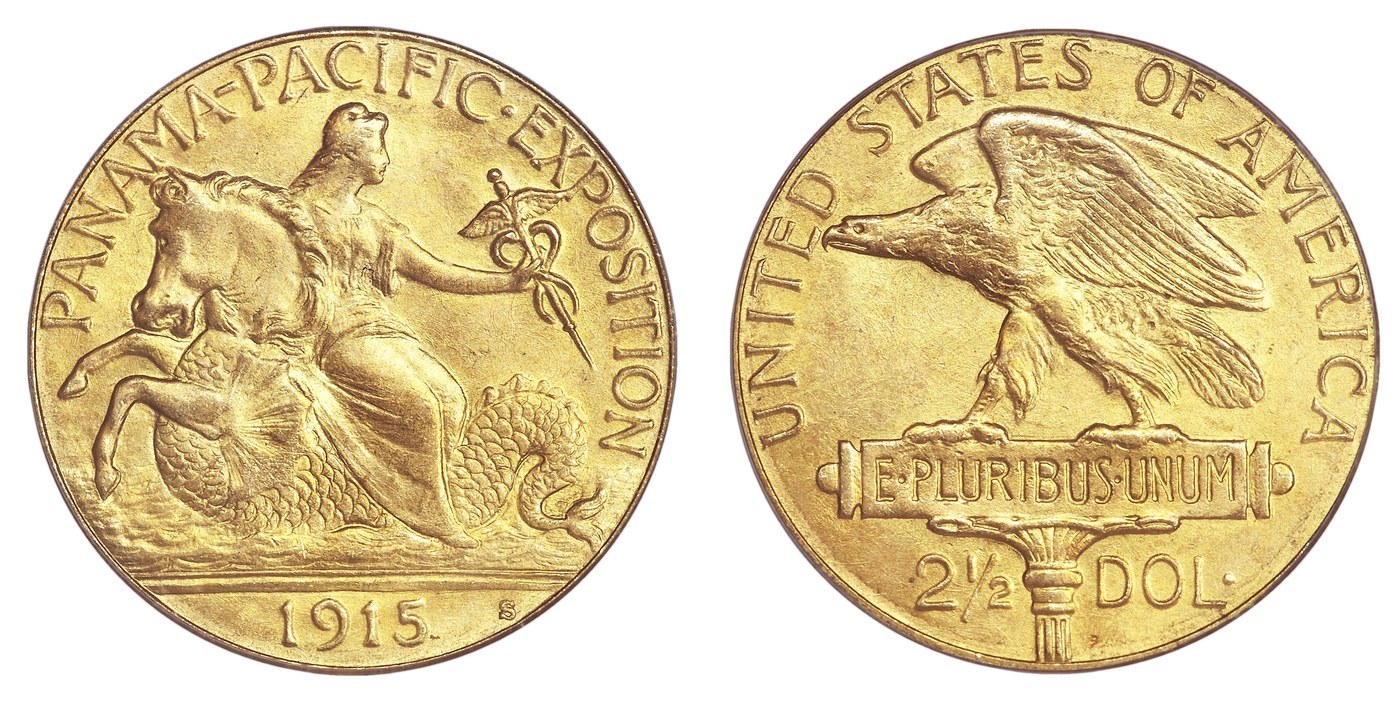
A 1915 gold $2.50 commemorative for San Francisco's Panama-Pacific Exposition, showing Columbia astride a hippocamp and an eagle on the reverse.
- Country
- United States
- Denomination
- $2.50
- Metal
- Gold
Got a coin like this?
Identify any coin from a photo, free.
Overview
The Panama-Pacific Exposition Quarter Eagle is a United States gold commemorative coin of $2.50 (quarter eagle) denomination, struck in 1915 to mark the Panama-Pacific International Exposition held in San Francisco. The obverse of the photographed coin shows a female figure representing Columbia riding a hippocamp (a mythological sea-horse) and holding a caduceus staff, encircled by the inscription 'PANAMA-PACIFIC EXPOSITION'. The reverse displays an eagle with spread wings, the motto 'E PLURIBUS UNUM', and the denomination expressed as '2½ DOL'.
The imagery was designed to celebrate the completion of the Panama Canal and the maritime commerce it opened, which is why the sea-horse and caduceus (a symbol of commerce) appear on the obverse. It is one of five coins issued for the exposition and one of only a small number of classic-era U.S. commemoratives struck in gold.
As a low-mintage gold commemorative from the classic commemorative era (1892–1954), the Pan-Pac quarter eagle is a prized type both for its historical association and its distinctive allegorical design.
History & Background
The Panama-Pacific International Exposition opened in San Francisco in 1915 to celebrate the opening of the Panama Canal and, symbolically, the city's recovery from the 1906 earthquake and fire. Congress authorized a commemorative coinage program for the fair that ultimately produced five coins: a silver half dollar, a gold dollar, this gold quarter eagle, and two large $50 gold pieces (round and octagonal).
The quarter eagle was struck at the San Francisco Mint in 1915 and carries the 'S' mint mark. Its obverse allegory of Columbia on a hippocamp with a caduceus was intended to represent the use of the Panama Canal for commerce. Like the other Pan-Pac issues, the coins were sold to the public at a premium above face value to raise funds connected with the exposition.
Sales of the commemorative issues were modest, and many pieces went unsold. The quarter eagle survives in far smaller numbers than the era's silver commemoratives, making it a scarce and sought-after part of any classic U.S. gold commemorative collection.
How to Identify
Identify this coin first by its allegorical obverse: a seated or riding female figure (Columbia) astride a hippocamp — a horse with a fish-like or serpentine sea tail — while holding a caduceus staff. The legend 'PANAMA-PACIFIC EXPOSITION' curves around the design, and the date reads 1915. This maritime, mythological scene is unlike any regular-issue U.S. gold coin.
The reverse shows a standing eagle with its wings spread, perched on a standard, with 'E PLURIBUS UNUM' and 'UNITED STATES OF AMERICA' present and the denomination given as '2½ DOL'. The 'S' mint mark identifies the San Francisco Mint. The coin is small — a quarter eagle is roughly 18 mm in diameter — and is struck in 90% gold, giving it a warm yellow tone.
Because it is a $2.50 denomination, do not confuse it with the larger Pan-Pac gold dollar (smaller diameter, different design) or the massive $50 Pan-Pac pieces. The combination of the hippocamp-and-caduceus obverse, the 1915 date, the 'PANAMA-PACIFIC EXPOSITION' legend, and the '2½ DOL' reverse is unique to this issue.
Value & Collectibility
The Panama-Pacific Exposition Quarter Eagle is a scarce classic commemorative and generally trades well above its gold melt value. Even circulated or lightly handled examples command a substantial collector premium because of the low surviving mintage, and prices rise sharply with grade and eye appeal.
High-grade Mint State and certified examples are worth considerably more than average pieces, and the coin is often bought as part of a complete set of Panama-Pacific issues, which further supports demand. As with all key commemoratives, condition, originality, and third-party certification strongly affect value.
Because it is a genuinely valuable and frequently counterfeited gold coin, any specific piece should be valued against recent certified auction and dealer sales rather than a fixed figure, and important examples should be authenticated before purchase.
Frequently asked questions
What is the figure on the front of the coin riding?
She is riding a hippocamp — a mythological sea-horse with a horse's forebody and a fish-like tail. The figure represents Columbia and holds a caduceus, a symbol of commerce, referencing trade through the Panama Canal.
What does '2½ DOL' mean?
It is the denomination: two and one-half dollars, or $2.50. A $2.50 U.S. gold coin is called a quarter eagle, since a full 'eagle' was the $10 gold piece.
Where and when was it made?
It was struck at the San Francisco Mint in 1915 for the Panama-Pacific International Exposition and carries an 'S' mint mark.
Is it made of real gold?
Yes. Like other classic U.S. quarter eagles, it is struck in 90% gold, giving it a warm yellow color and value well above its small face amount.
Is this a rare coin?
Yes. It is a low-mintage classic gold commemorative and is scarce today, especially in high grades, so it typically trades at a strong premium to its gold content.
Panama-Pacific Exposition Quarter Eagle guides
In-depth guides for identifying, valuing, and collecting Panama-Pacific Exposition Quarter Eagle.
Other coins you may enjoy
Isabella Quarter
1893
Hawaiian Sesquicentennial Half Dollar
1928
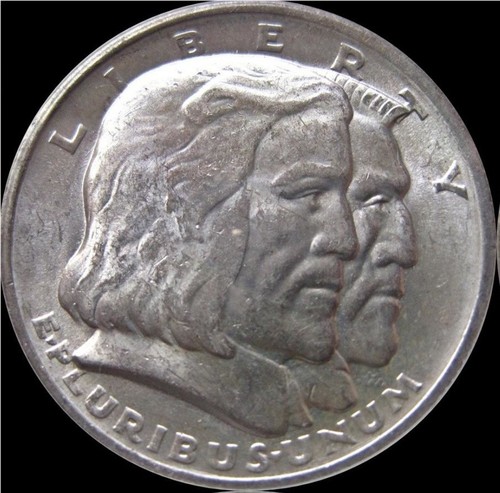
Long Island Tercentenary Half Dollar
1936
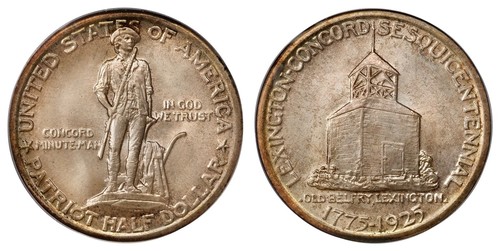
Lexington-Concord Sesquicentennial Half Dollar
1925
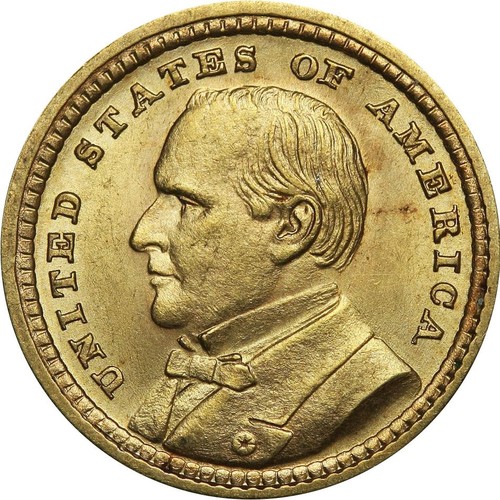
Louisiana Purchase Exposition Dollar (Jefferson)
1903
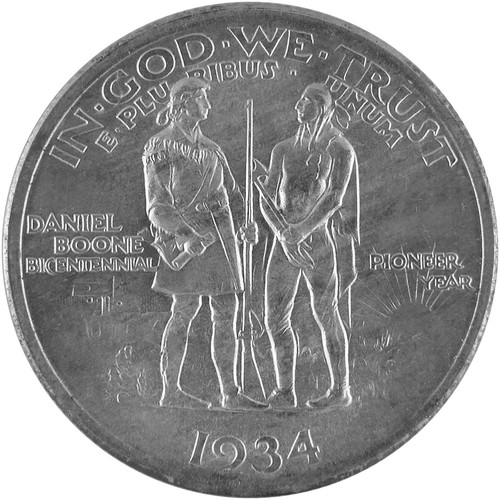
Daniel Boone Bicentennial Half Dollar
1934–1938
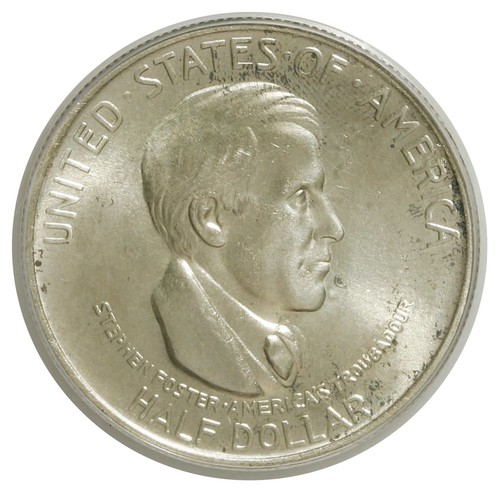
Cincinnati Music Center Half Dollar
1936
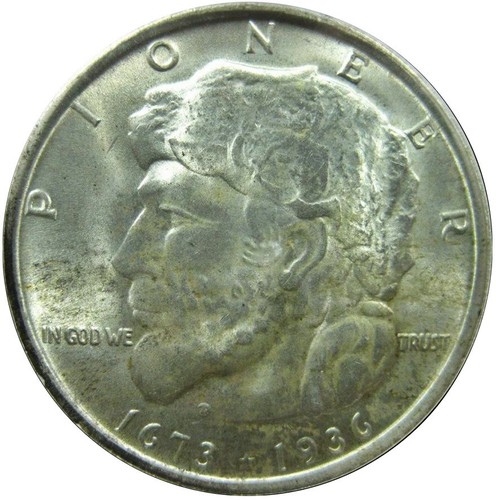
Elgin Illinois Centennial Half Dollar
1936
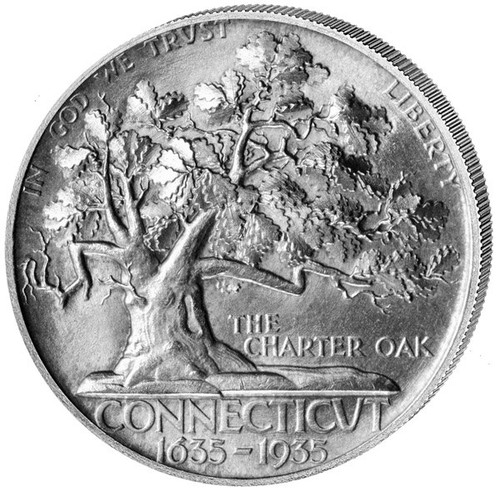
Connecticut Tercentennial Half Dollar
1935
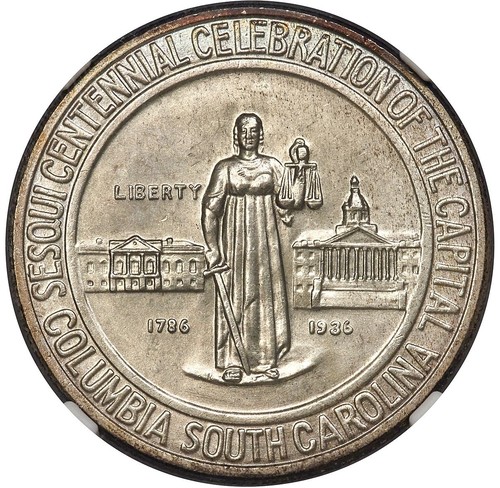
Columbia South Carolina Sesquicentennial Half Dollar
1936
Sesquicentennial of American Independence Quarter Eagle
1926
Pilgrim Tercentenary Half Dollar
1920-1921