
Coin Encyclopedia
Search and identify coins from around the world — with country, denomination, metal, mint, history, and how to tell them apart.
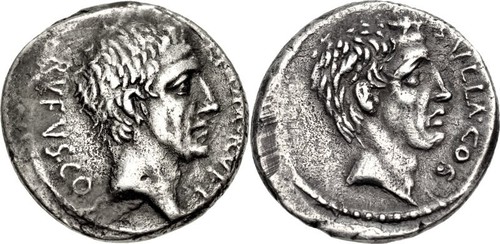
Denarius of the Pompeia Family
Silver Roman Republican denarius of the Pompeia family, with a male portrait head and a Victory driving a chariot on the reverse.
Ancient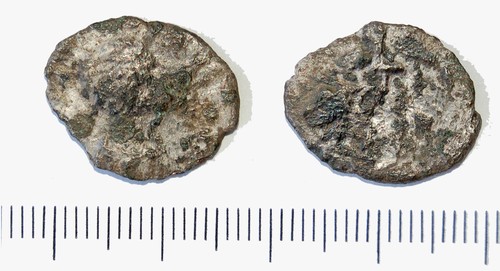
Denarius of Faustina the Elder
A silver Roman denarius honoring Faustina the Elder, wife of Antoninus Pius, with her draped bust and a seated Fortuna reverse, struck c. 141–161 AD.
Ancient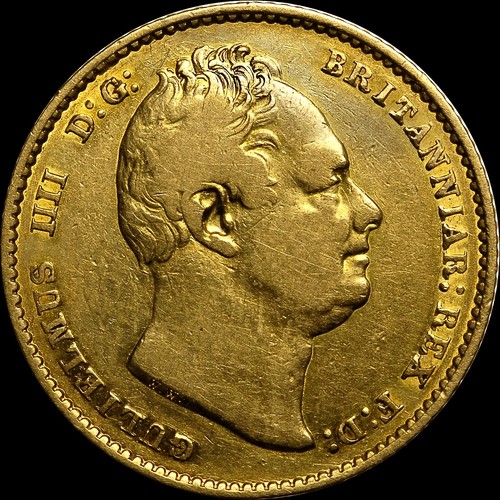
Sovereign of William IV
A 22-carat gold sovereign of William IV, with the king's bare head facing right and a crowned royal shield of arms on the reverse.
Milled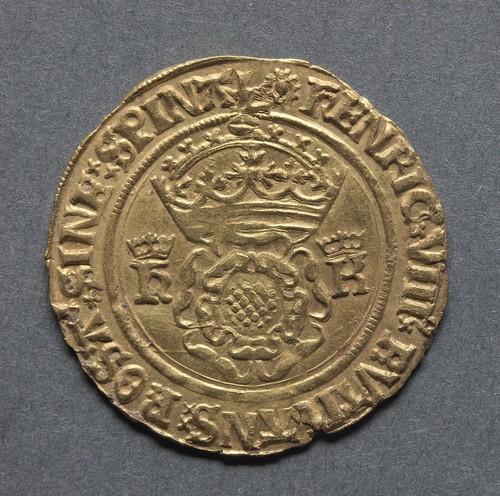
Crown of the Double Rose
A hammered Tudor gold crown of Henry VIII, valued at five shillings and named for the crowned double Tudor rose that defines its design.
Hammered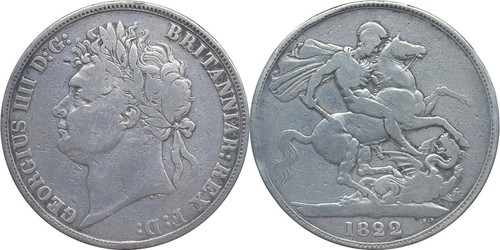
Crown of George IV
A milled silver crown of George IV, with a laureate head facing left and Pistrucci's St George and the dragon on the reverse; the photographed piece is dated 1822.
Milled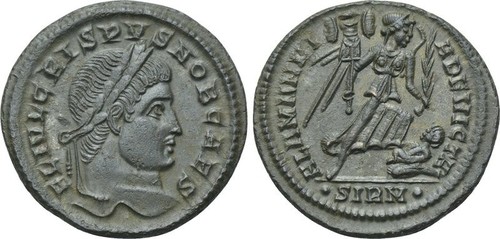
Follis of Crispus
A small bronze follis of Crispus, eldest son of Constantine the Great, with his diademed bust and a winged Victory reverse (317-326 AD).
Ancient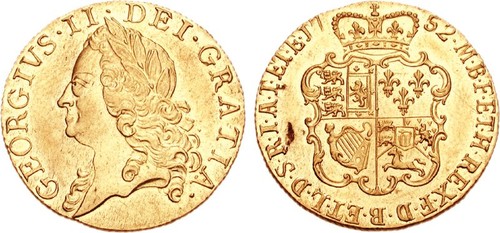
Guinea of George II
A milled gold guinea of Great Britain struck during the reign of George II, with a left-facing royal bust and a crowned heraldic shield reverse.
Milled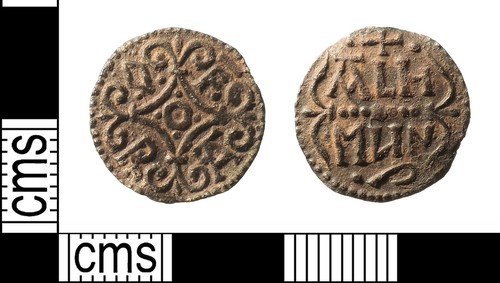
Penny of Offa
Thin silver penny of King Offa of Mercia, showing a portrait or name inscription and a cross with geometric ornament on the reverse.
Medieval Coins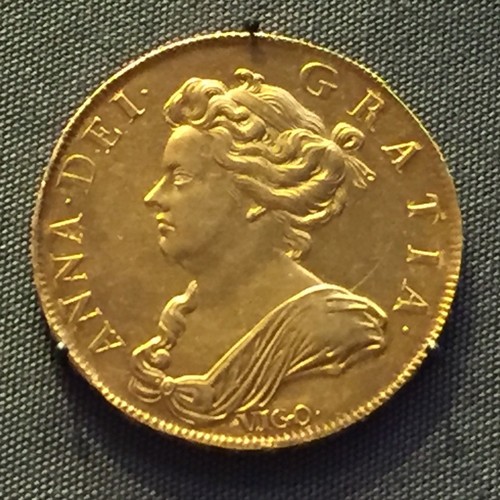
Five Guineas of Anne
Queen Anne's largest gold coin, the celebrated 1703 issue struck with VIGO below the bust from gold captured at the Battle of Vigo Bay.
Milled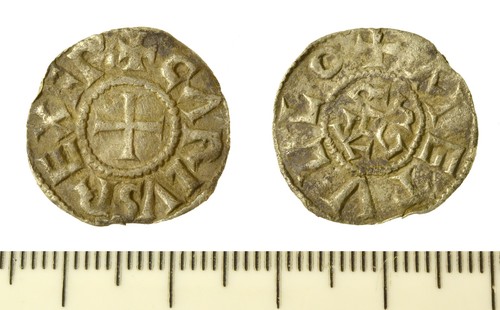
Denier of Charles the Bald
A small hammered silver denier of the Carolingian king Charles the Bald (r. 840–877), pairing a cross or monogram design with a ruler's profile.
Medieval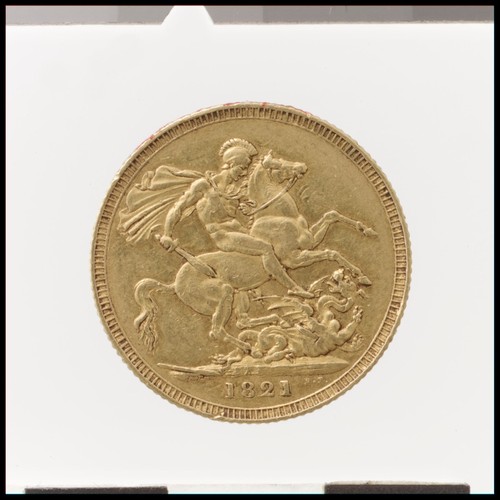
Sovereign of George IV
A milled gold sovereign of Great Britain struck under George IV, with the king's laureate head and Pistrucci's St George slaying the dragon reverse, dated 1821.
Milled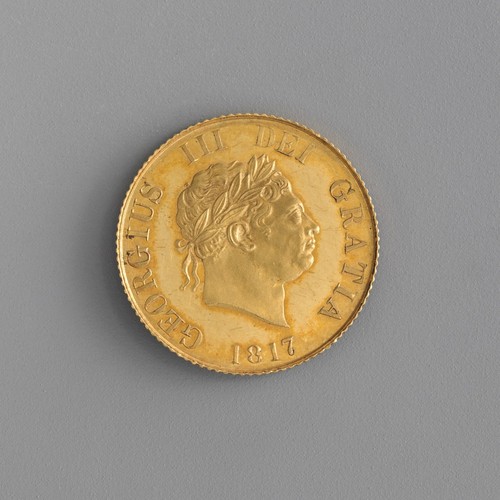
Half Sovereign of George III
British 22-carat gold half sovereign of George III, introduced in 1817 with a laureate bust and a crowned shield of arms; face value ten shillings.
Milled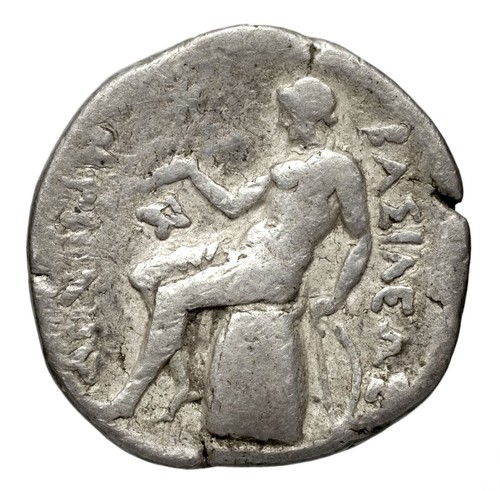
Drachm of Antiochos II Theos
Silver drachm struck under Antiochos II Theos of the Seleukid realm, showing a seated helmeted Athena and, on the reverse, Nike beside an altar.
Ancient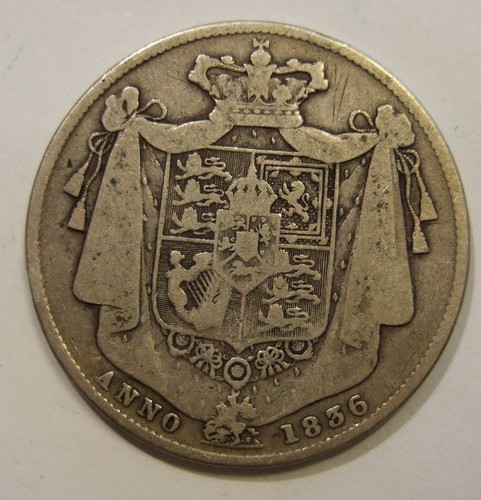
Half Crown of William IV
A milled British silver half crown of King William IV, with the king's bare head facing right and a crowned royal shield of arms on the reverse.
Milled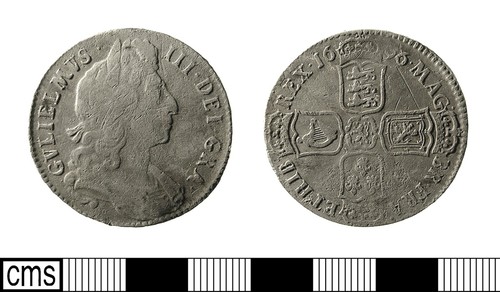
Halfcrown of William III
A silver two-shilling-and-sixpence coin of William III showing his laureate profile facing right and crowned cruciform shields of arms, dated 1696.
Milled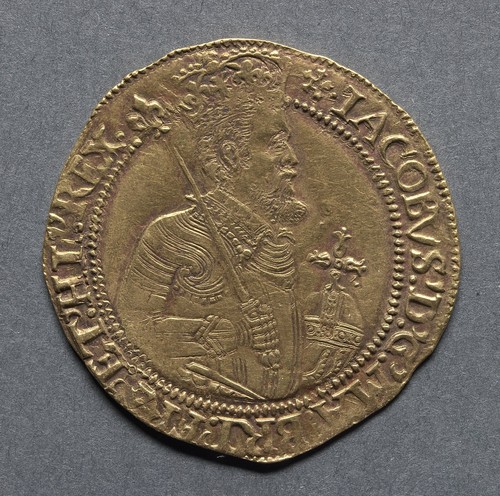
Unite of James I
A hammered gold pound coin of James I, named to celebrate the union of England and Scotland under one crown.
Hammered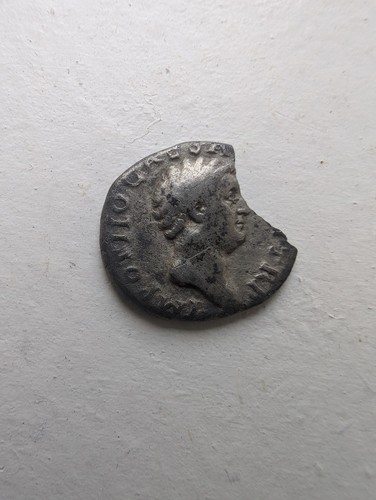
Denarius of Otho
Silver denarius of the emperor Otho, struck at Rome during his brief AD 69 reign, showing his bare head right with the legend IMP OTHO CAESAR.
Ancient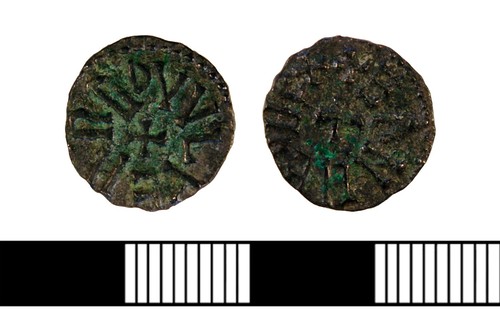
Styca of Eanred
Small base-metal coin of King Eanred of Northumbria, with a cross and legend on one face and a central symbolic motif on the other.
Medieval Coins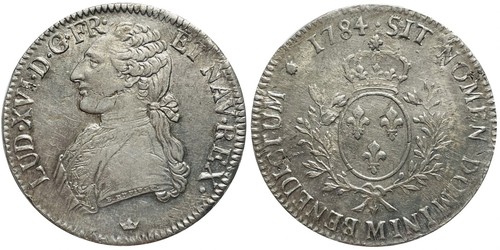
Ecu of Louis XVI
A large French silver ecu of Louis XVI dated 1784: left-facing royal bust obverse, crowned arms of France and Navarre framed by laurel on the reverse.
Royal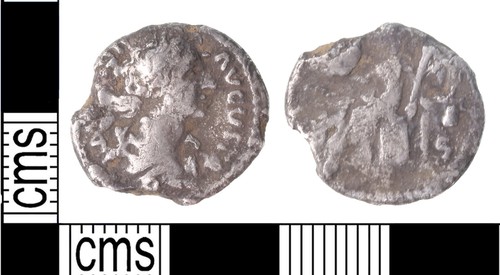
Denarius of Faustina the Younger
Roman Imperial silver denarius of Faustina the Younger, showing her draped bust with an elaborate curled hairstyle and a standing deity or personification on the reverse.
Ancient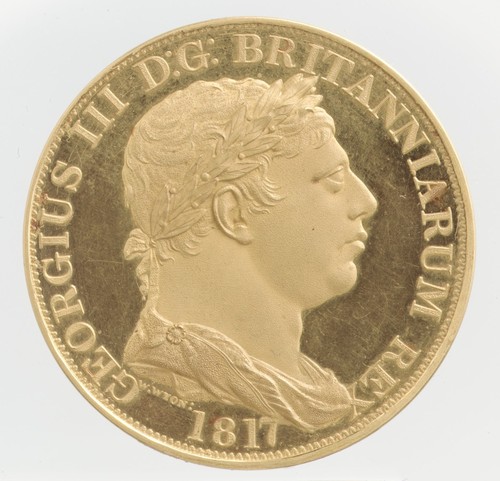
Crown of George III (Incorrupta)
A milled crown of George III dated 1817, named for its INCORRUPTA reverse legend, showing a laureate draped bust and crowned royal arms.
Milled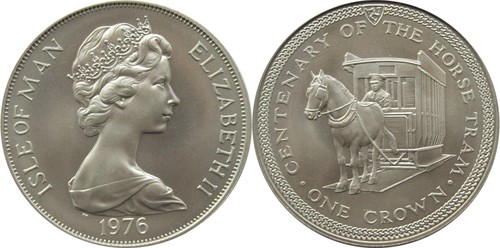
Isle of Man Crown
A 1976 Isle of Man cupronickel crown marking the centenary of the Douglas horse trams, showing a horse-drawn tram beneath an archway on the reverse.
Commemorative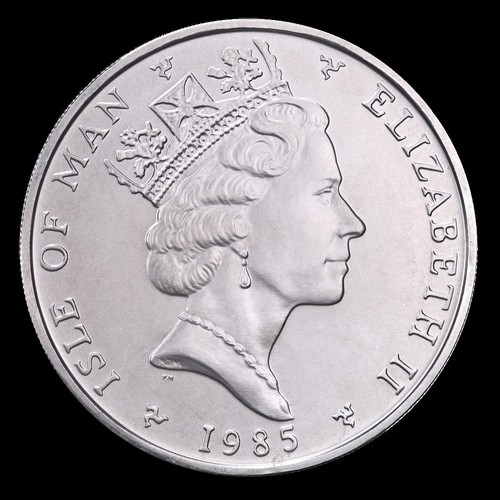
Isle of Man Noble
The Isle of Man Noble: the world's first platinum bullion coin, pairing a crowned Queen Elizabeth II with a Viking longship reverse.
Bullion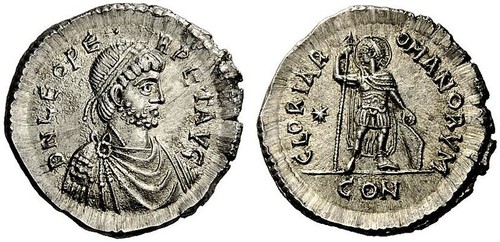
Miliarense of Leo I
Eastern Roman silver miliarensis of Leo I (AD 457-474), showing his diademed bust and a standing military figure with spear and shield.
Ancient