
Coin Encyclopedia
Search and identify coins from around the world — with country, denomination, metal, mint, history, and how to tell them apart.
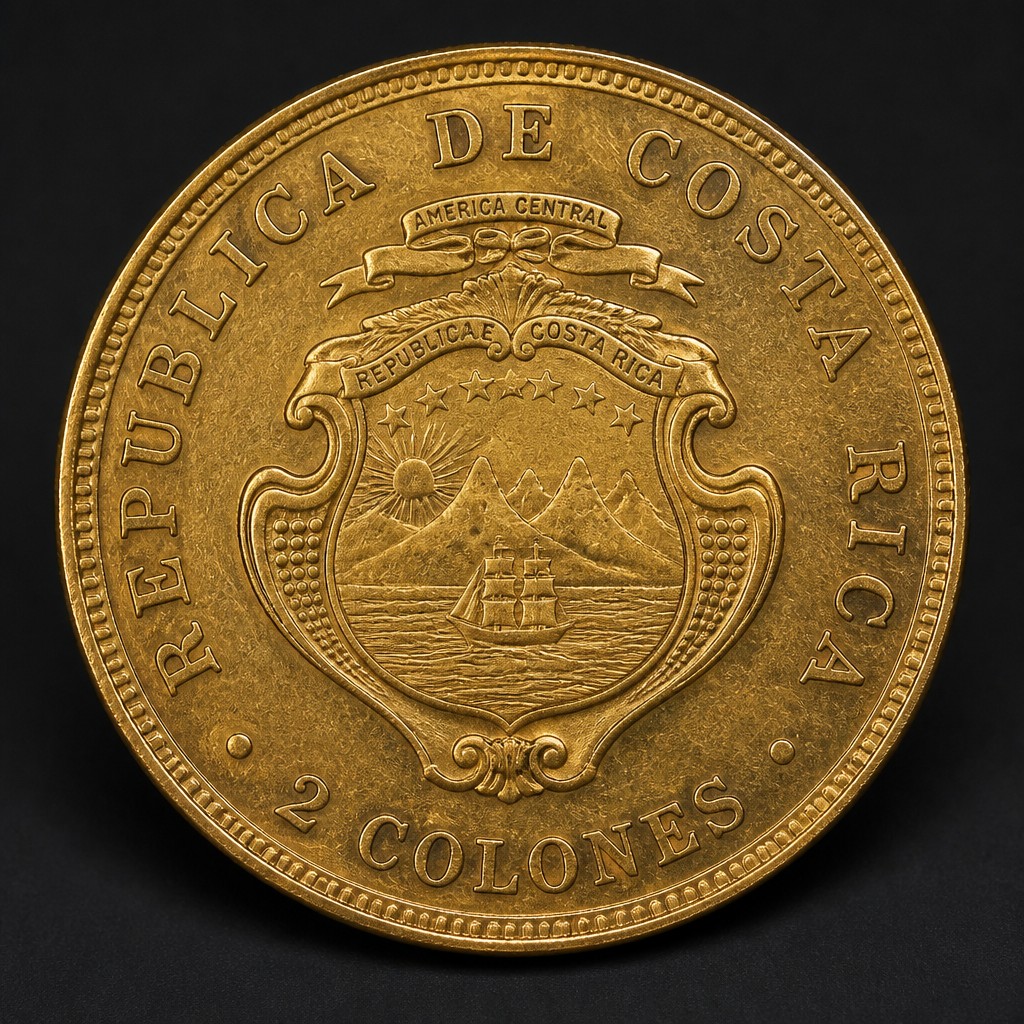
Costa Rica 2 Colones Gold
A small gold denomination from Costa Rica's early colon-era coinage, part of a family of gold coins (2, 5, 10, and 20 colones) struck around the turn of the twentieth century.
Latin American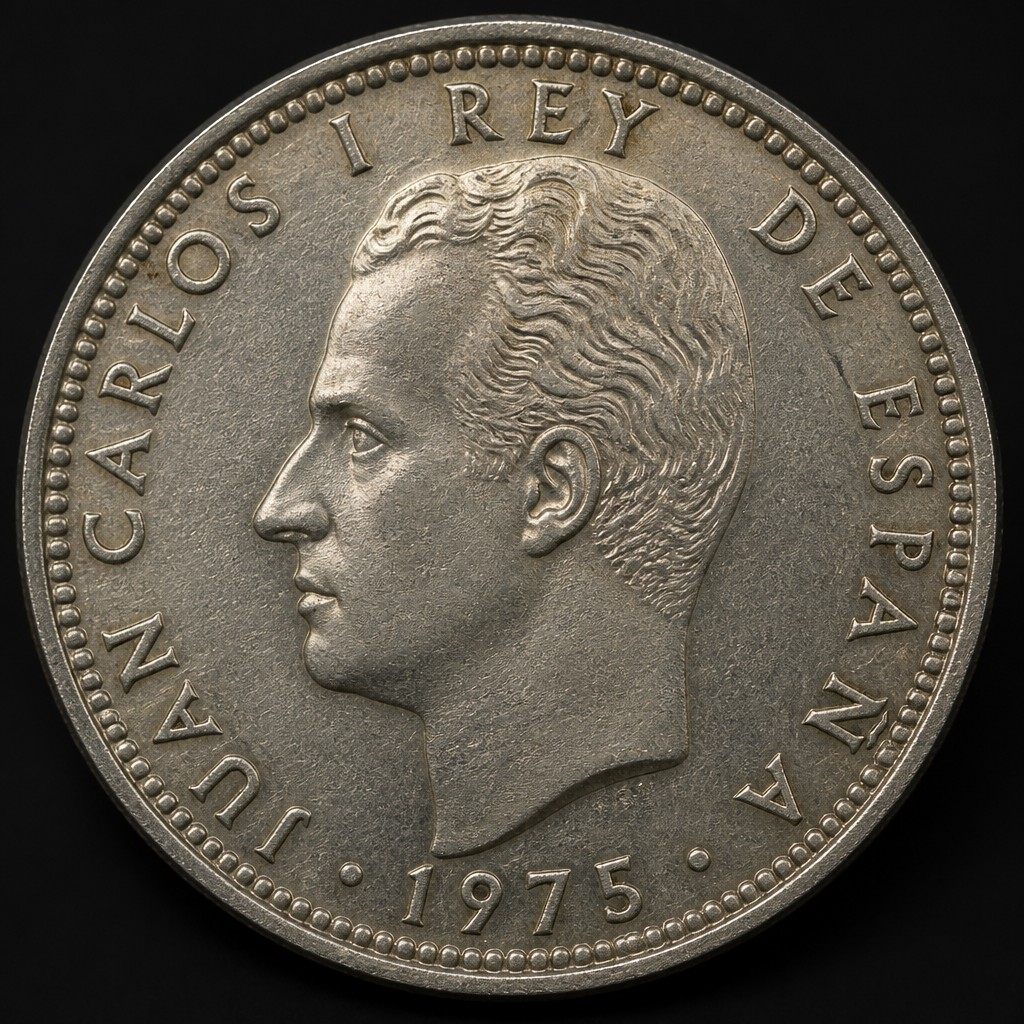
Spanish Peseta
The peseta was Spain's national currency for over 130 years, evolving from silver coinage under a provisional 19th-century government to copper-nickel coins used until the euro replaced it in 2002.
European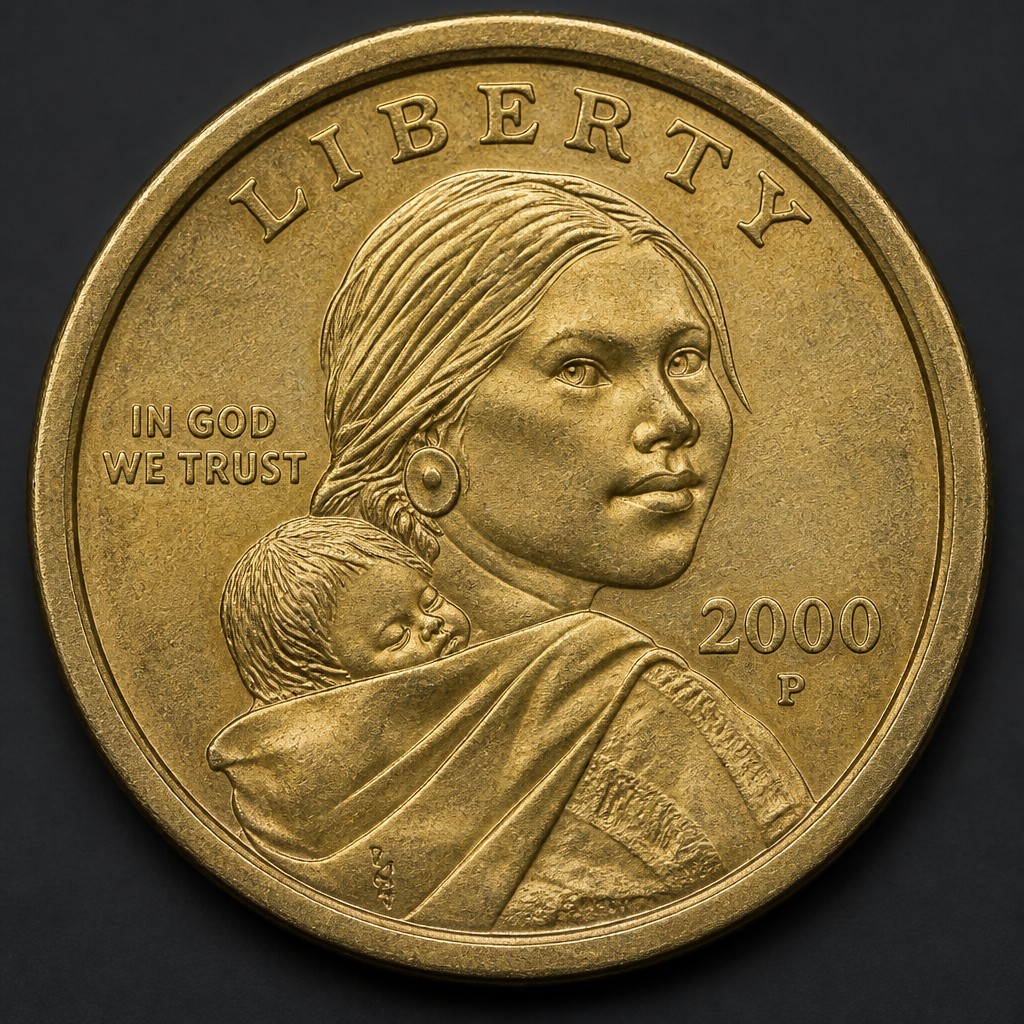
2000-P Sacagawea Cheerios Dollar
A famous modern rarity: early-production 2000-P Sacagawea dollars included in Cheerios cereal boxes as a promotion, some showing enhanced eagle tail feather detail not found on later coins.
Errors & Varieties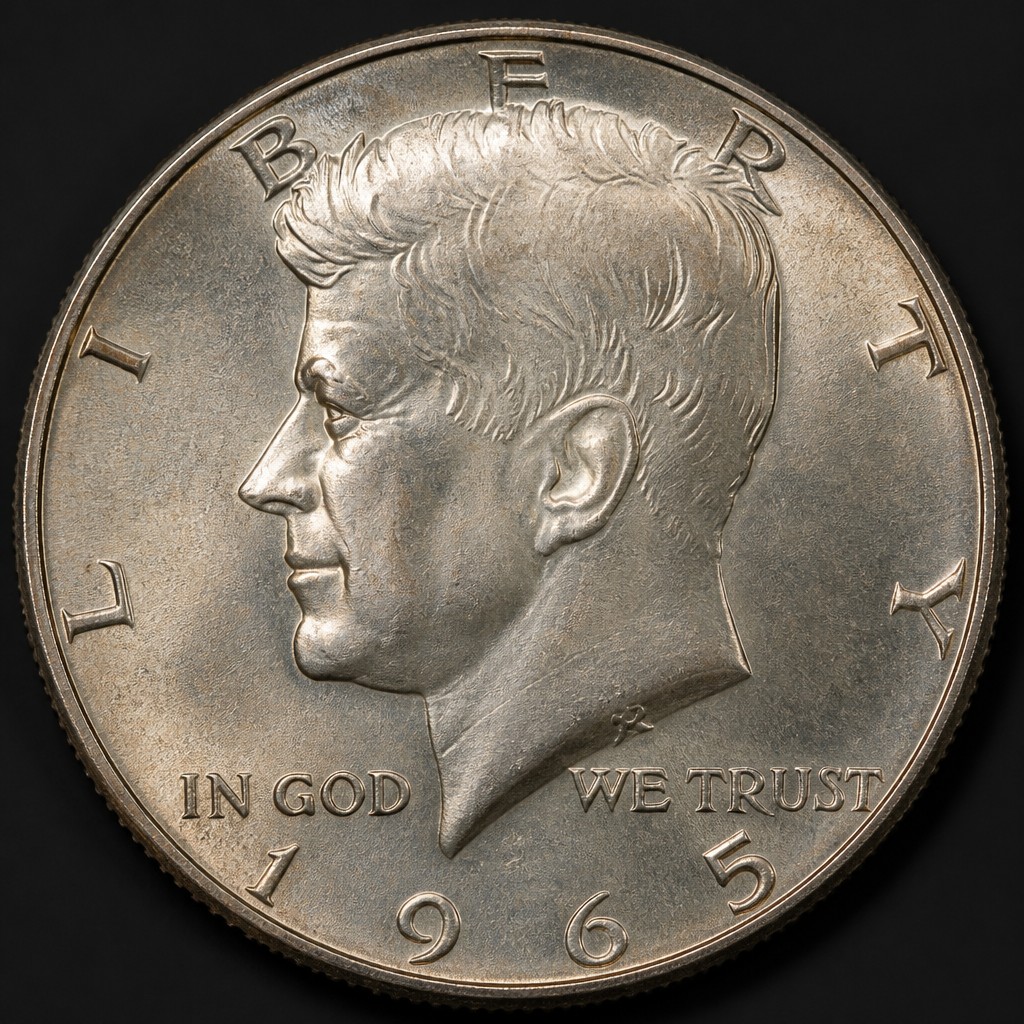
1965-1970 Kennedy Half Dollar (40% Silver)
Kennedy half dollars struck with a reduced 40% silver clad composition after the Coinage Act of 1965, bridging the gap between full silver coinage and today's copper-nickel clad coins.
United States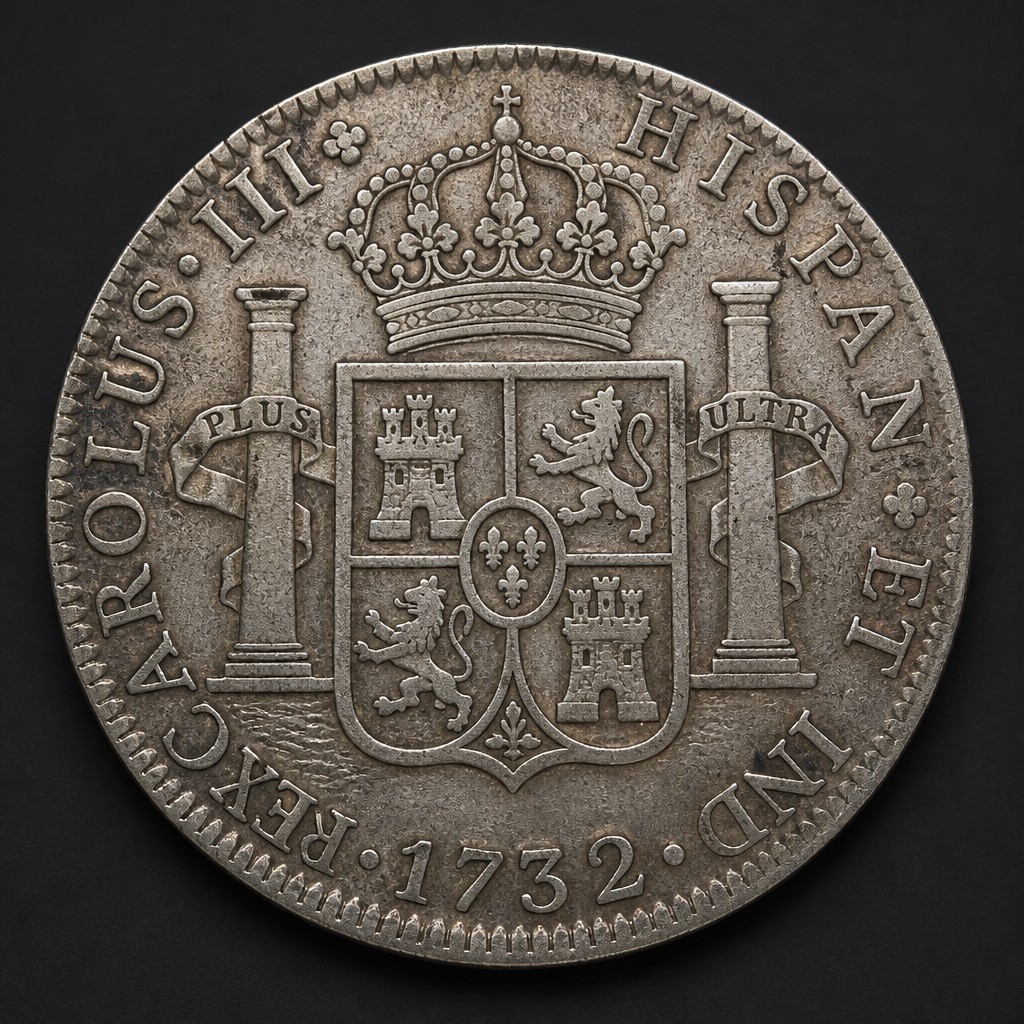
Mexican 8 Reales Pillar Dollar
Minted in colonial Mexico City from 1732 to the early 1770s, the pillar dollar's crowned globes and Pillars of Hercules design made it one of the most widely trusted silver trade coins in the world.
Latin American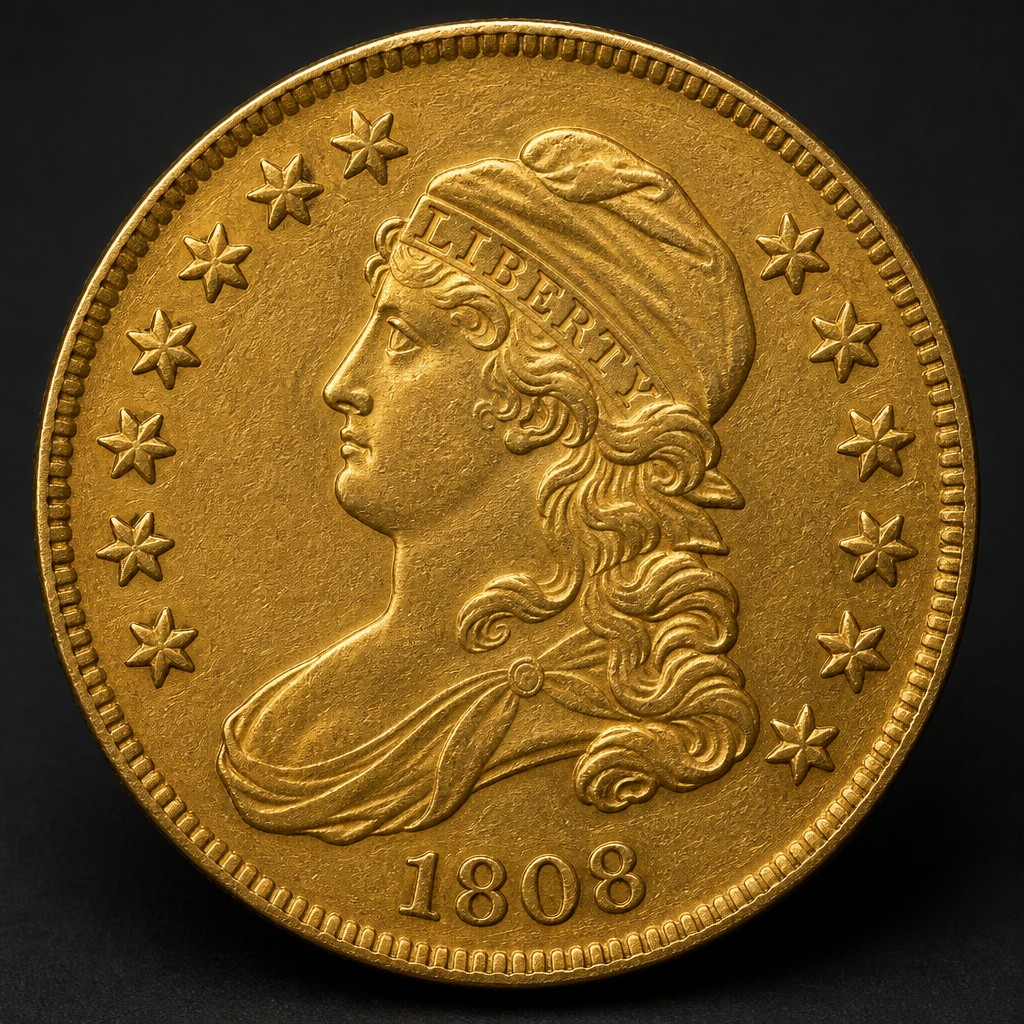
Capped Bust Quarter Eagle
An umbrella term for the earliest U.S. $2.50 gold coins (1796-1834), whose Liberty-in-a-cap portrait evolved through several sub-types, including the famous single-year 1808 issue.
United States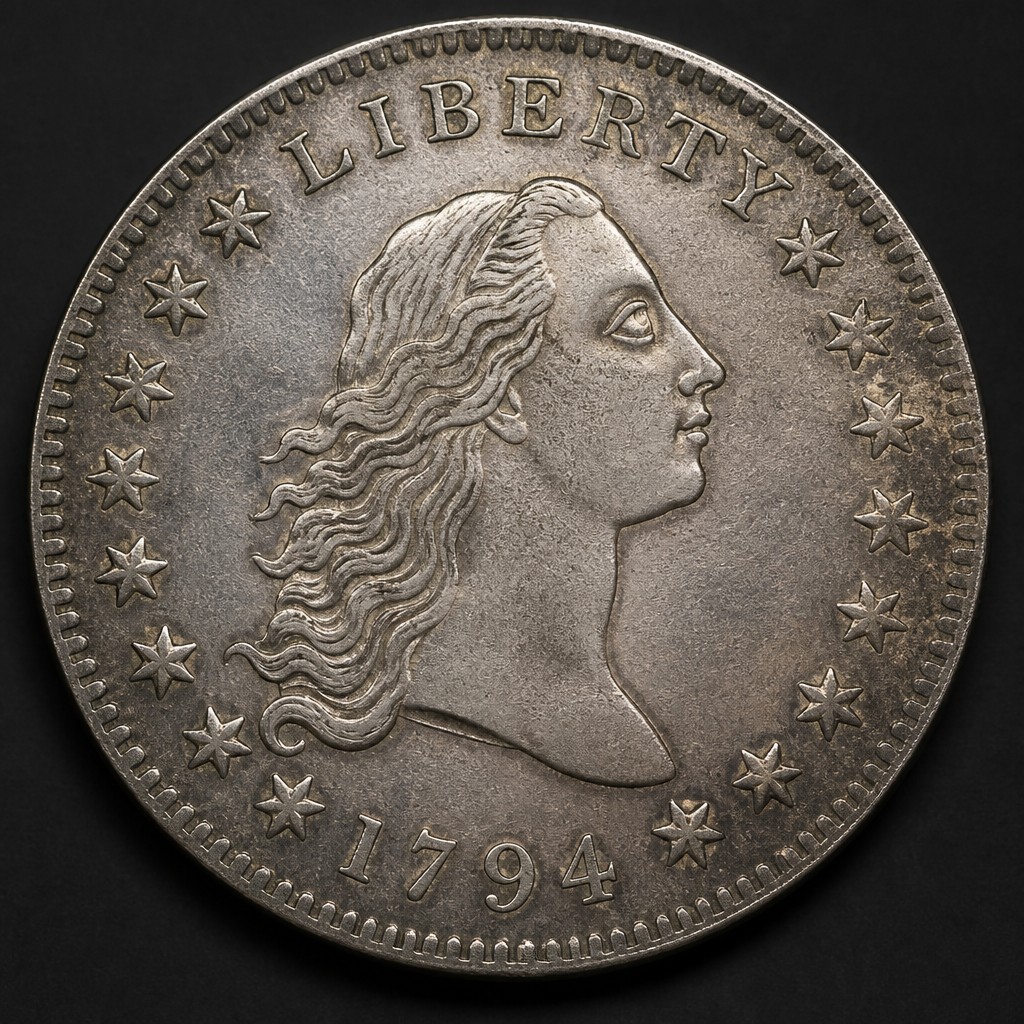
Flowing Hair Dollar
The first silver dollar struck by the United States Mint, issued in 1794-1795 with a flowing-haired Liberty and small eagle reverse; the 1794 date is among the rarest and most valuable U.S. coins.
United States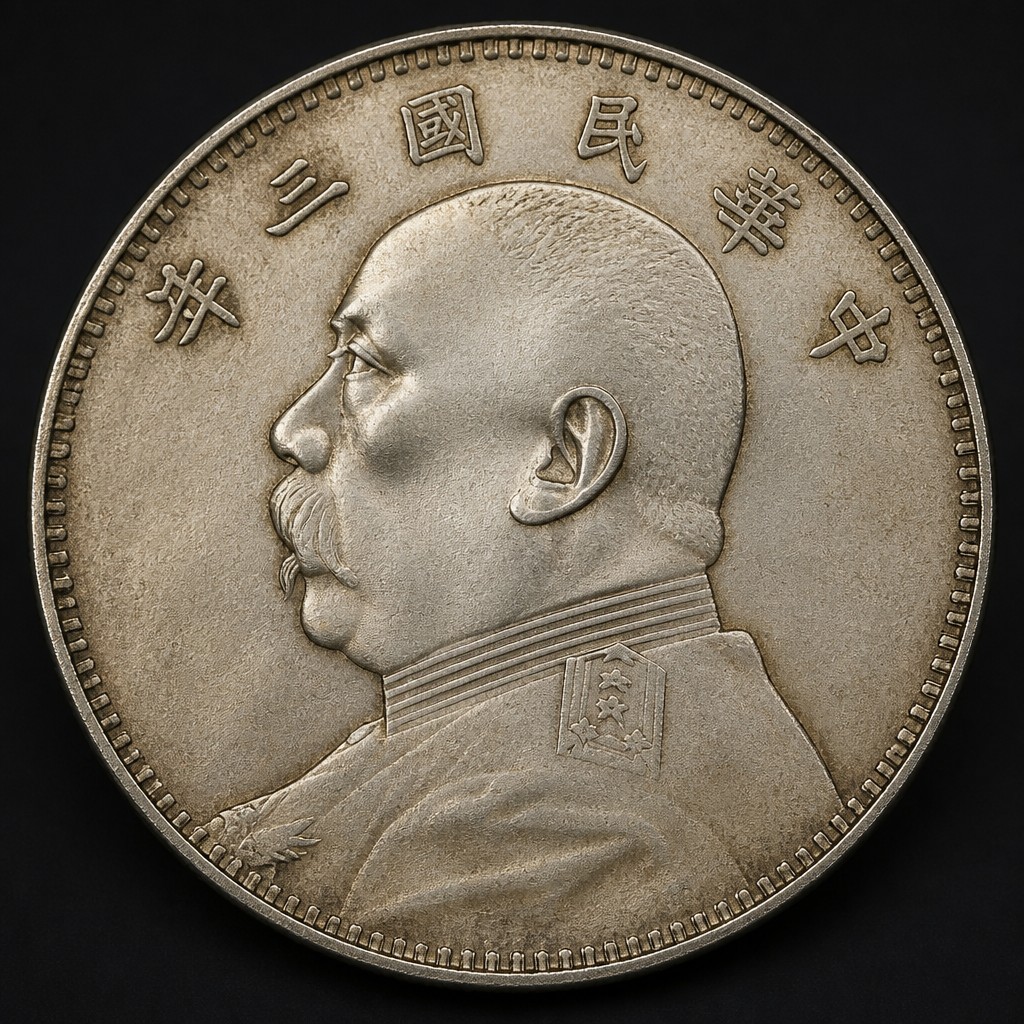
Yuan Shikai 'Fatman' Dollar (1914)
A widely produced Republic of China silver dollar bearing the portrait of President Yuan Shikai, nicknamed the fat man dollar for his portly likeness, one of the most common historic Chinese silver coins.
Asian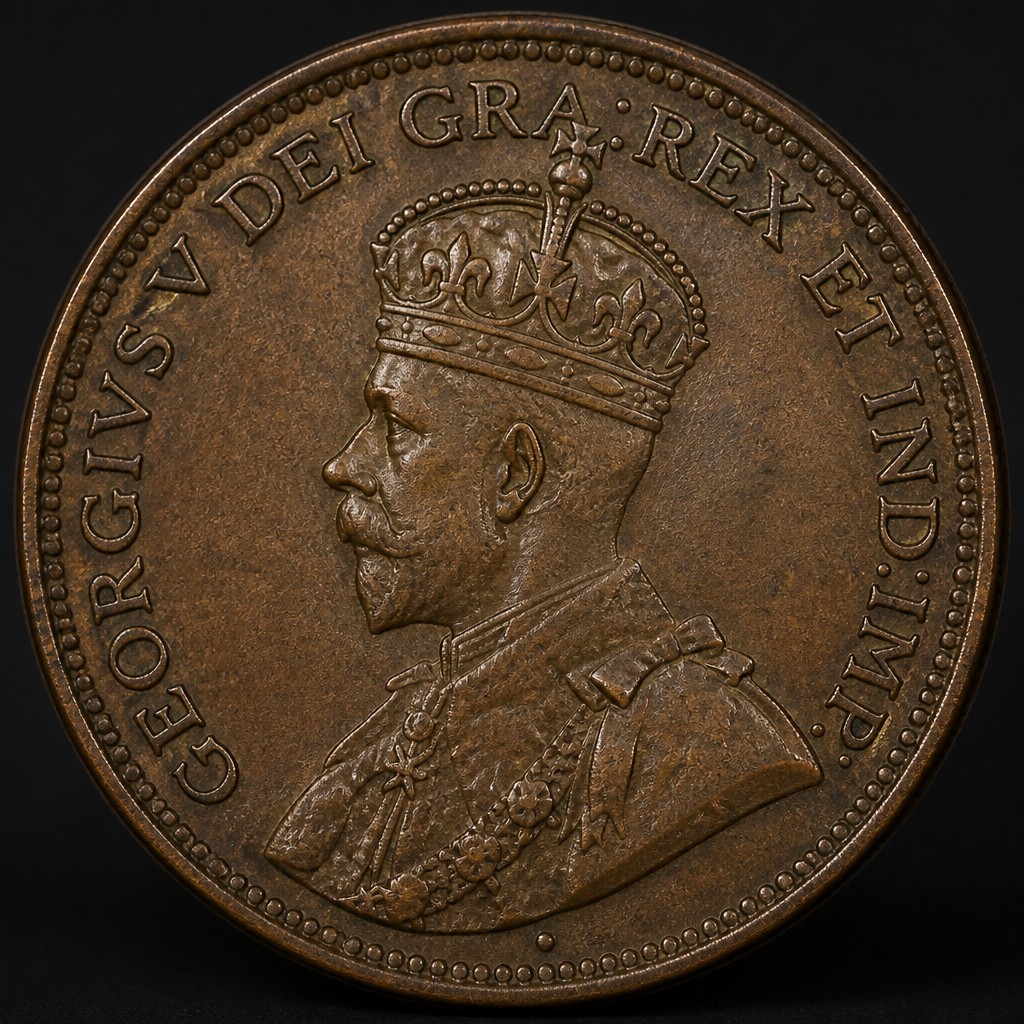
1936 Dot Cent
One of Canada's rarest coins: a 1936-dated cent quietly struck in 1937 with a tiny raised dot below the date after King Edward VIII's abdication delayed new George VI dies.
Canadian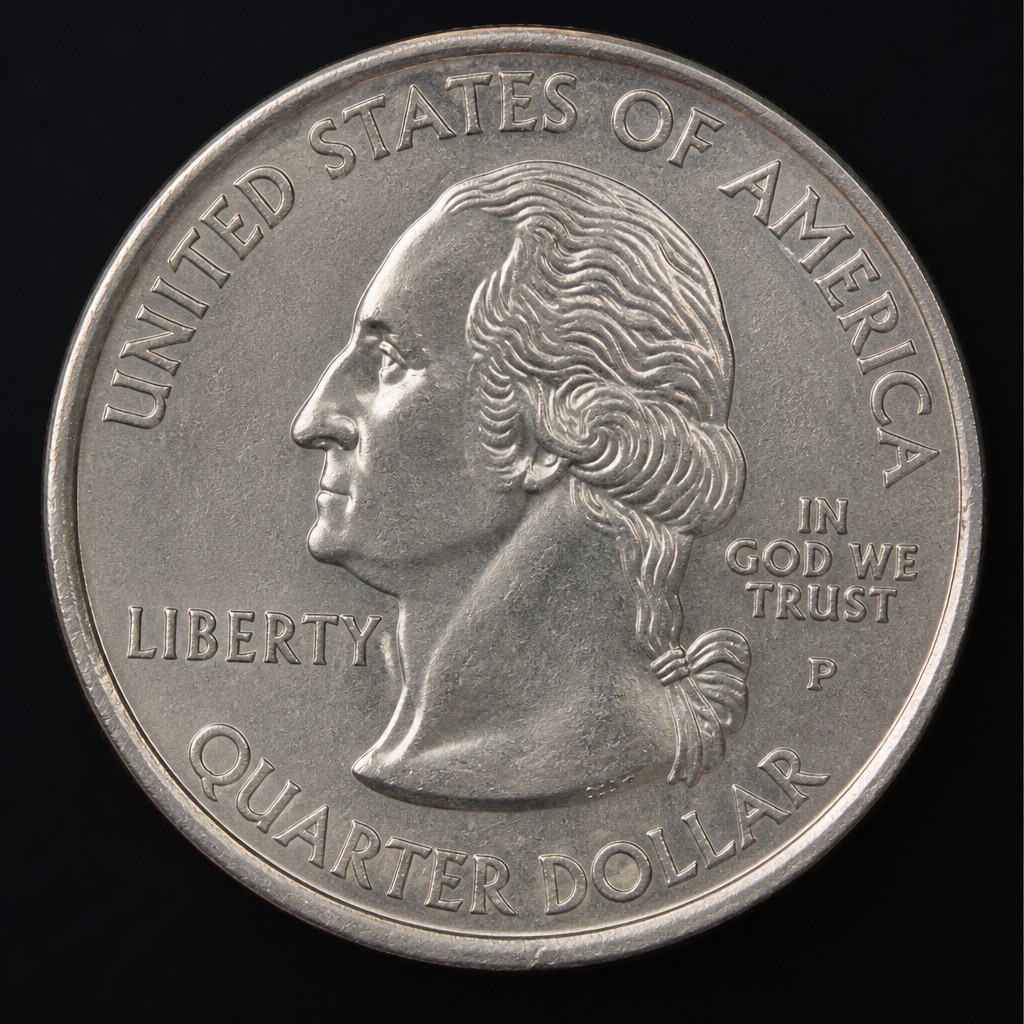
2004 Wisconsin State Quarter Extra Leaf
A famous modern variety of the 2004 Wisconsin state quarter showing an unexplained extra leaf on the corn cob, found in both 'low leaf' and 'high leaf' forms.
Errors & Varieties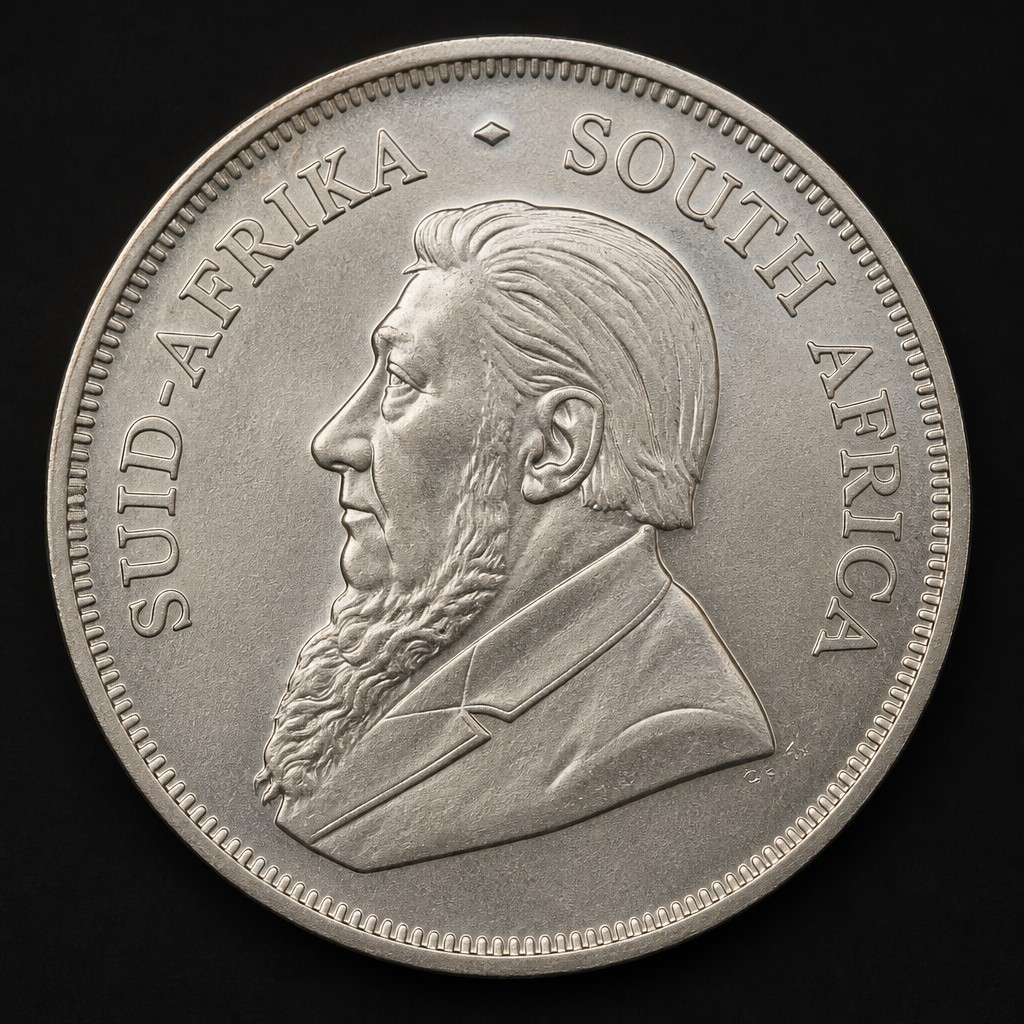
South African Silver Krugerrand
The silver version of the world-famous Krugerrand, launched in 2017 to mark the gold coin's 50th anniversary, using the same Kruger and springbok design.
Bullion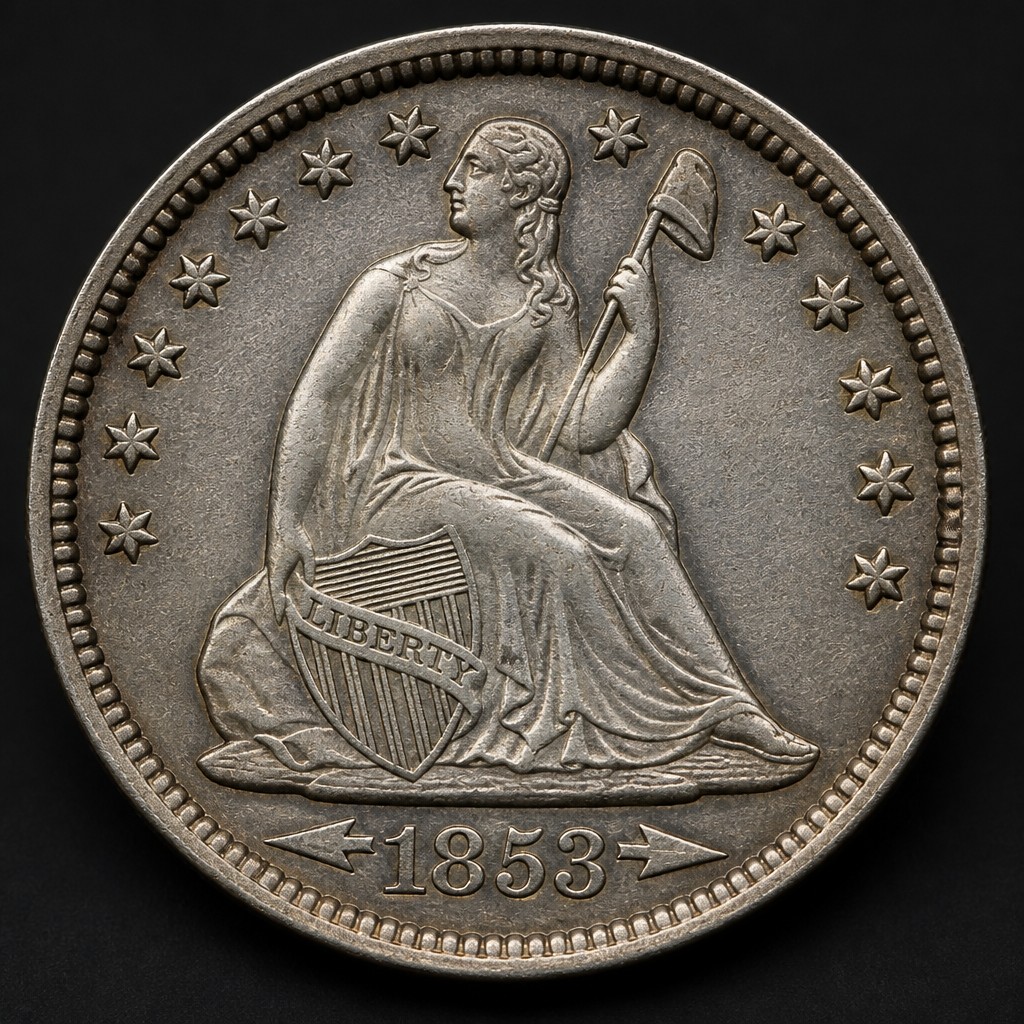
1853 Seated Liberty Quarter (Arrows and Rays)
A popular one-year Seated Liberty type marked by arrows at the date and rays around the eagle, signaling a reduction in the coin's silver weight mandated by the Coinage Act of 1853.
United States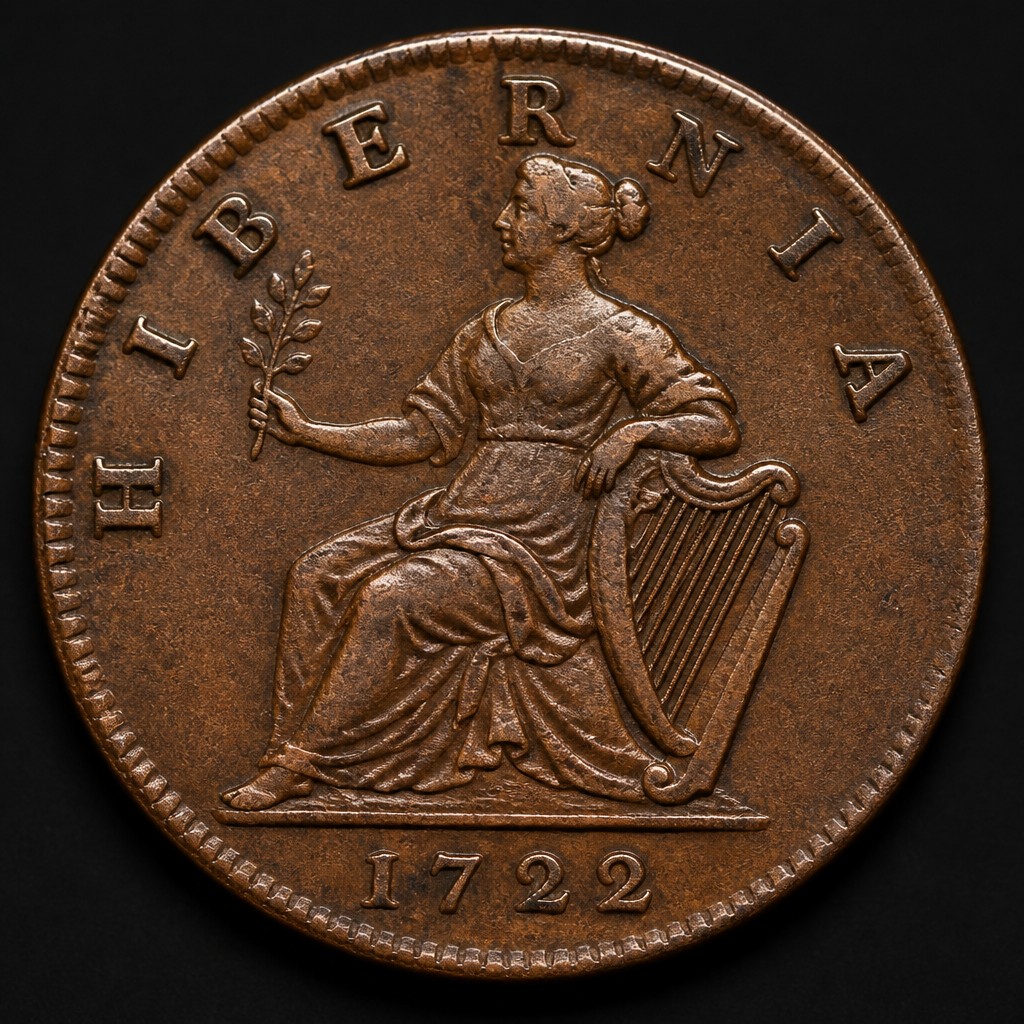
Wood's Hibernia Halfpenny
A British copper coinage patented by William Wood for Ireland, controversially rejected there but widely circulated instead in colonial America, where large surplus shipments ended up in everyday trade.
United States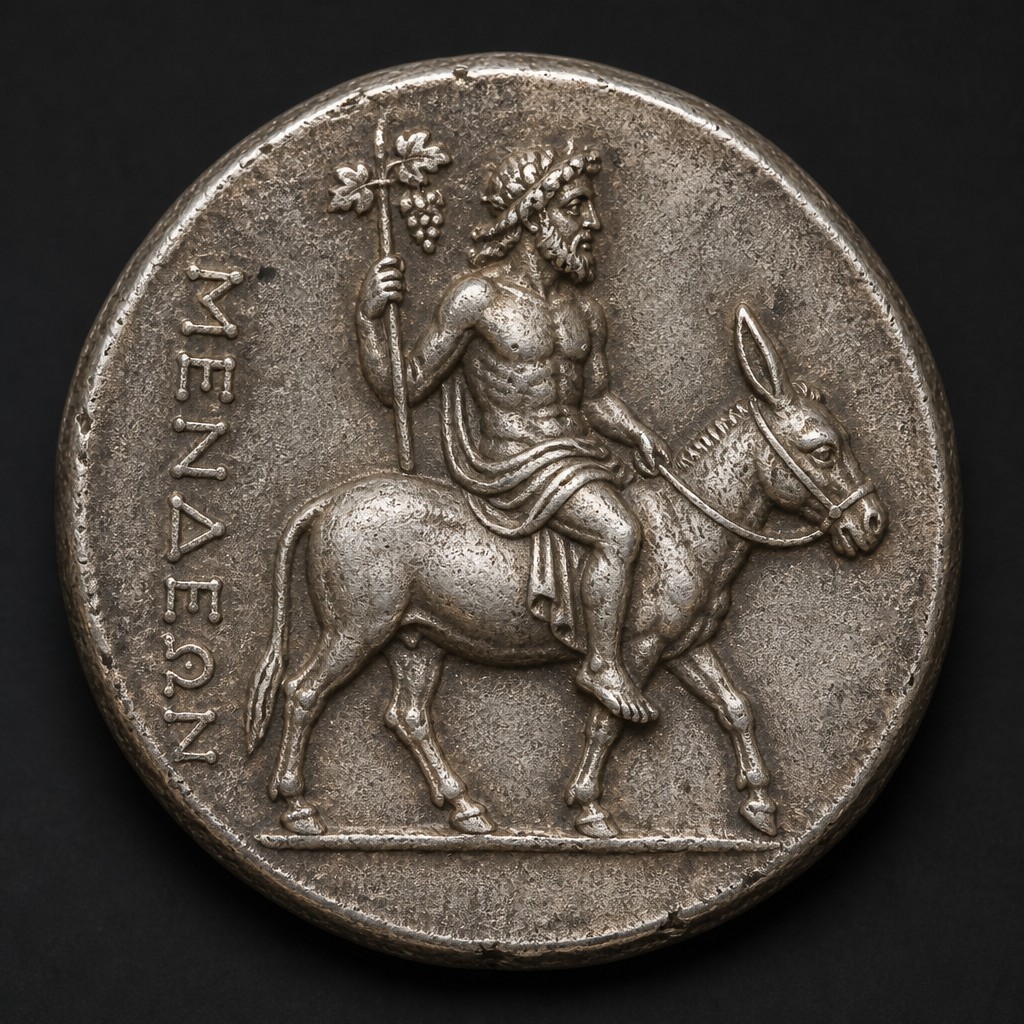
Mende Dionysos on Donkey Tetradrachm
A striking Classical-era silver tetradrachm from the wine-city of Mende, showing the wine-god Dionysos reclining drunkenly on a donkey, one of ancient coinage's most whimsical designs.
Ancient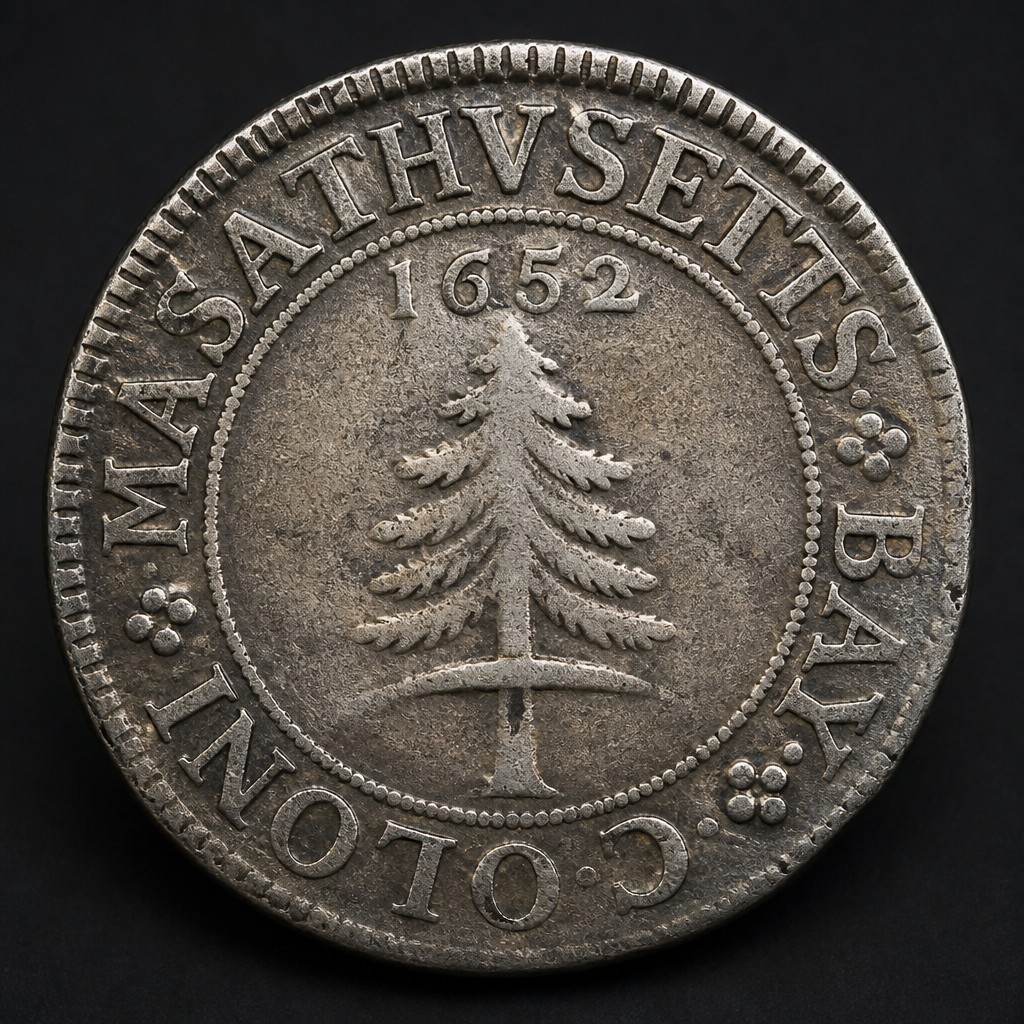
Pine Tree Shilling
Colonial Massachusetts silver shilling struck by John Hull and Robert Sanderson, famous for carrying the fixed date 1652 for roughly three decades of actual production.
United States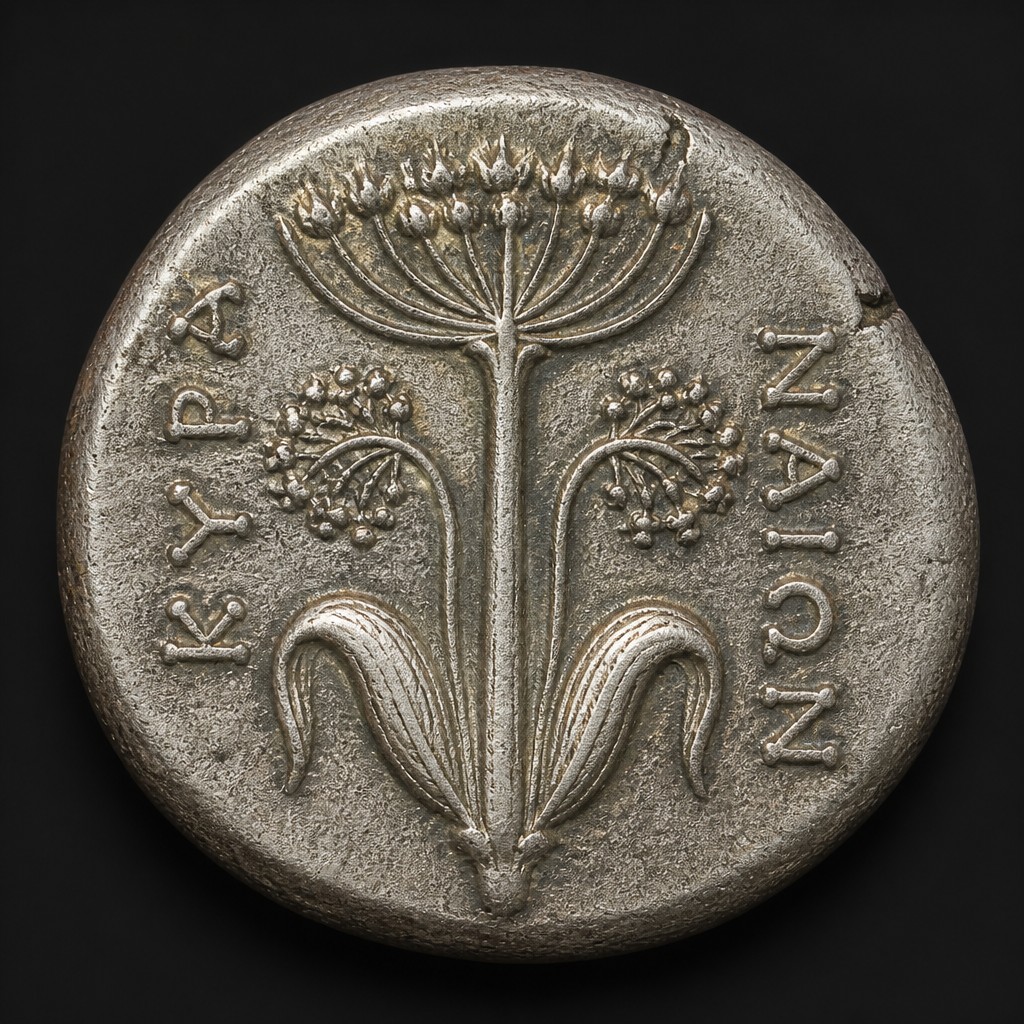
Kyrene Silphium Tetradrachm
A silver tetradrachm from the North African Greek city of Kyrene featuring the now-extinct silphium plant, the source of the city's legendary wealth as a prized ancient medicinal herb.
Ancient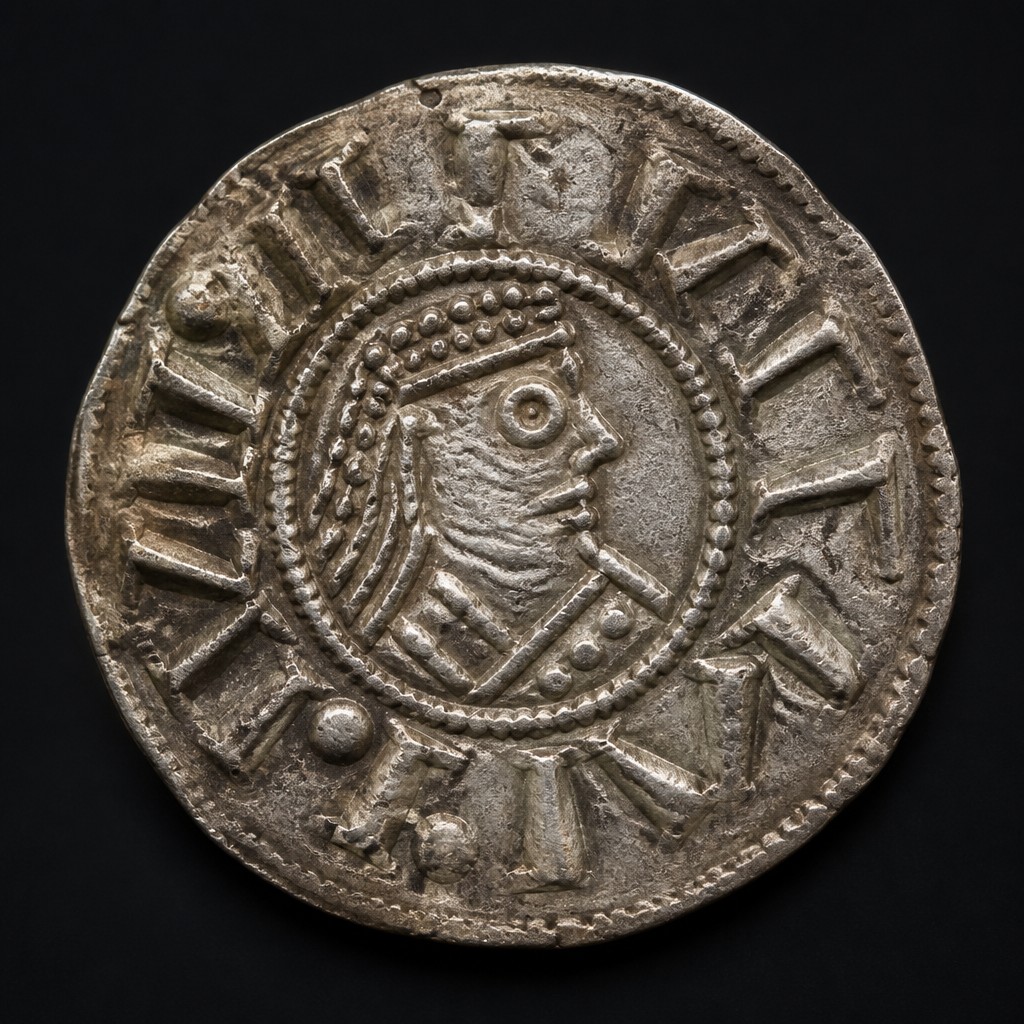
Viking Silver Penny of York
Silver penny struck by Norse rulers of the Viking Kingdom of York, blending Christian and pagan imagery such as crosses, swords, and Thor's hammers.
British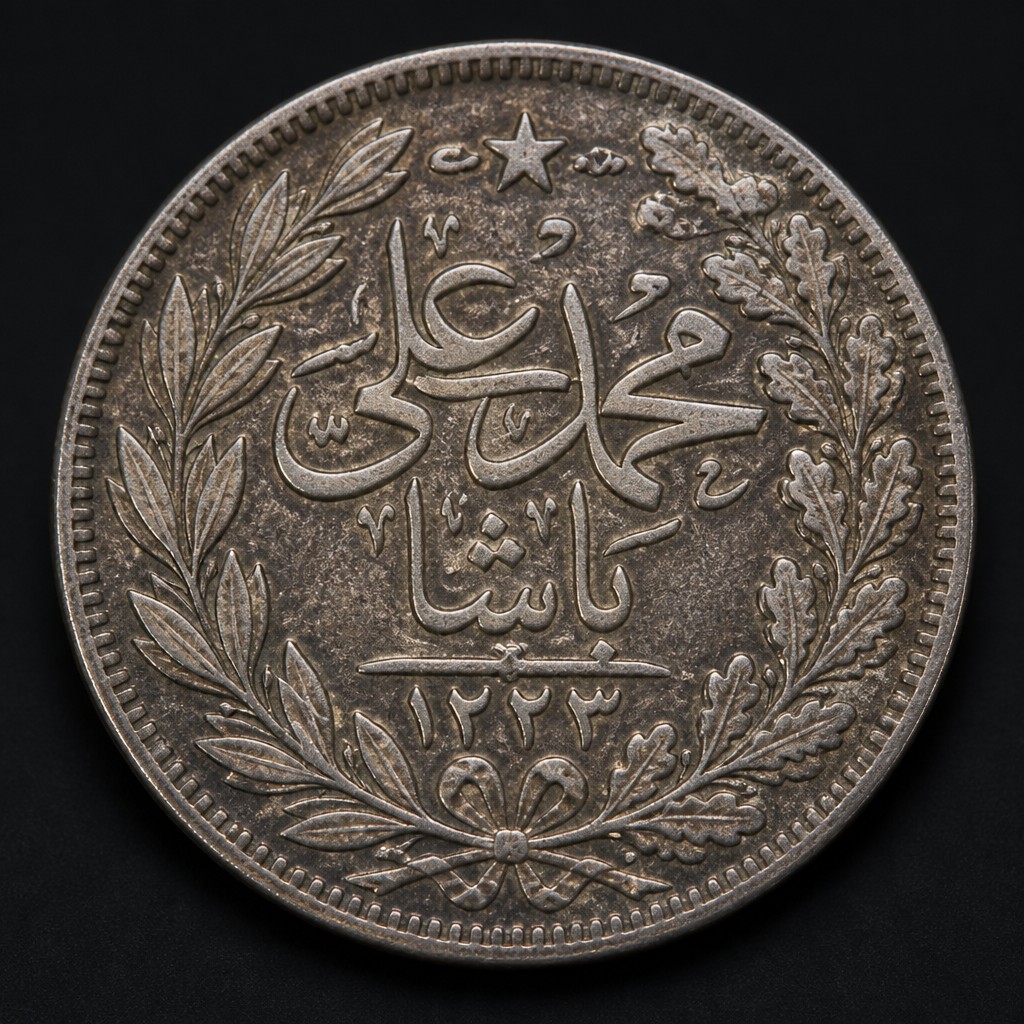
Egyptian Qirsh (Muhammad Ali Era)
Silver-billon piastre struck in Egypt under Muhammad Ali Pasha in the name of the Ottoman Sultan, reflecting Egypt's growing autonomy within the empire.
Africa & Oceania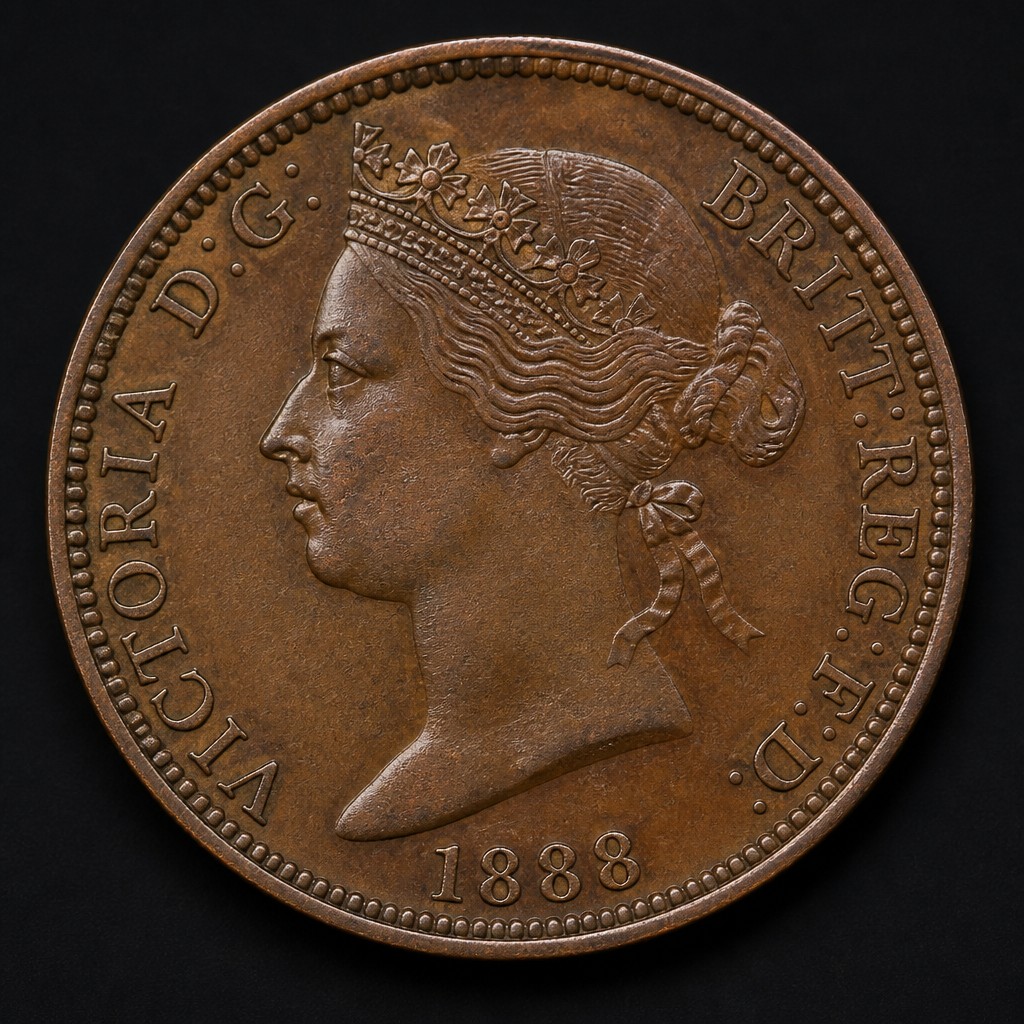
Third Farthing
An extremely small denomination worth one-twelfth of a penny, struck mainly to serve the currency needs of the British colony of Malta across the nineteenth and early twentieth centuries.
British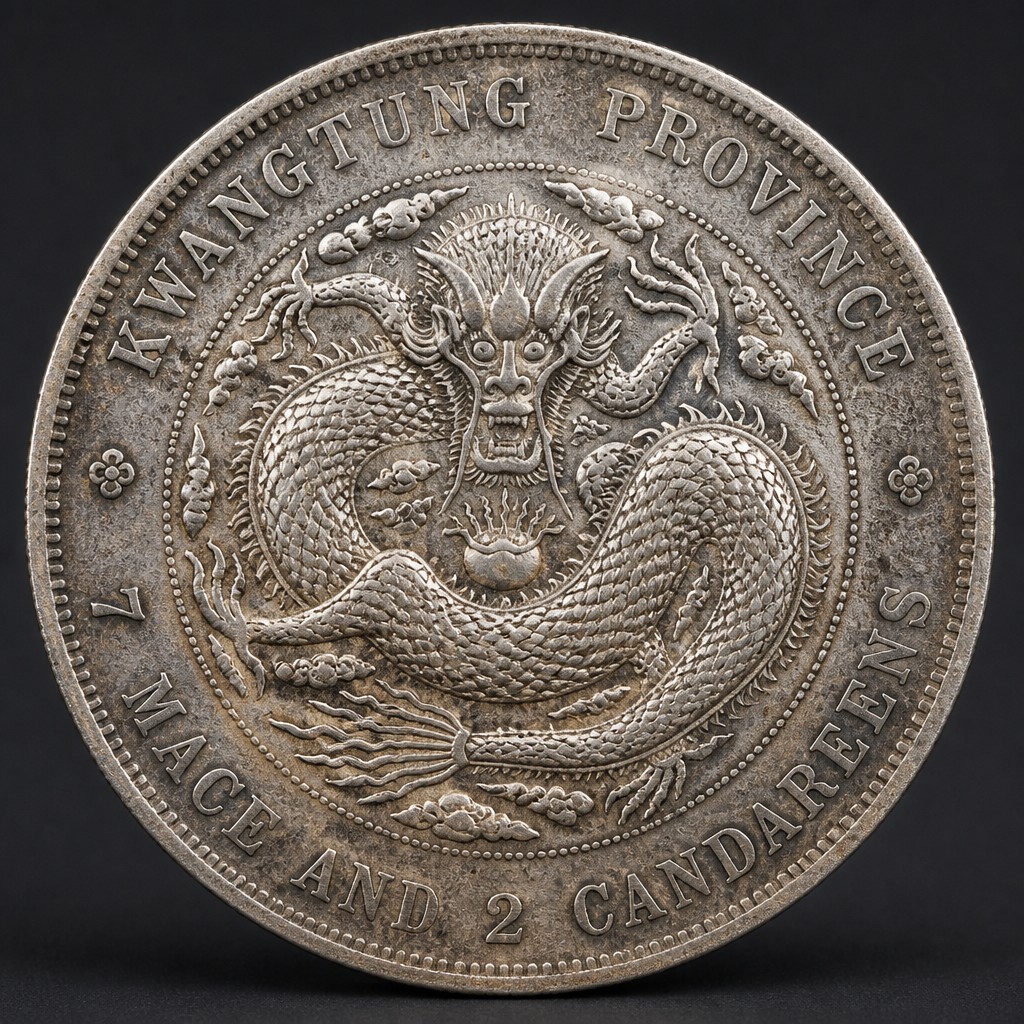
Kwangtung Province Dragon Dollar
One of the earliest Chinese machine-struck silver dollars, issued by Kwangtung Province and featuring a coiled dragon reverse that became the template for Chinese provincial dollar coinage.
Asian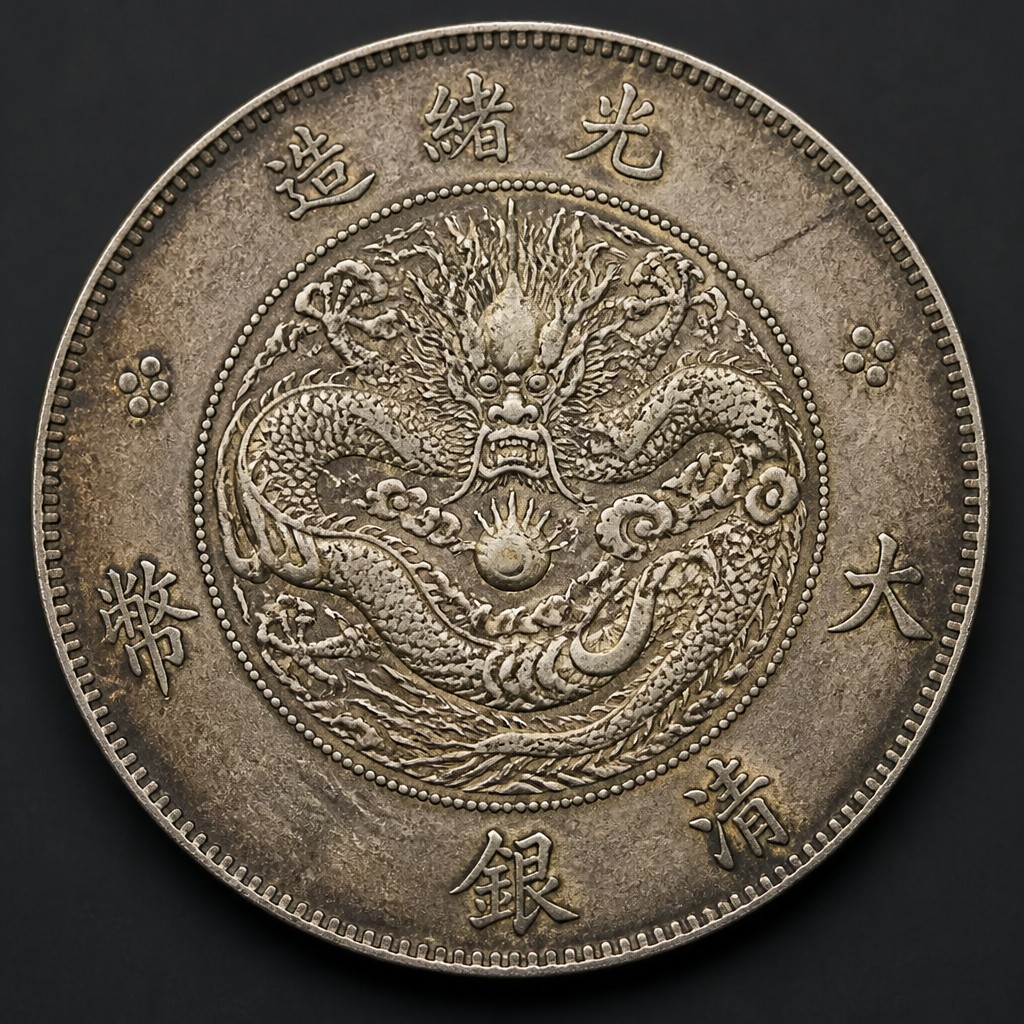
Chinese Dragon Dollar
A coiled dragon dominates the reverse of these late Qing Dynasty silver dollars, struck by numerous Chinese provincial mints as China modernized its coinage using Western minting technology.
Asian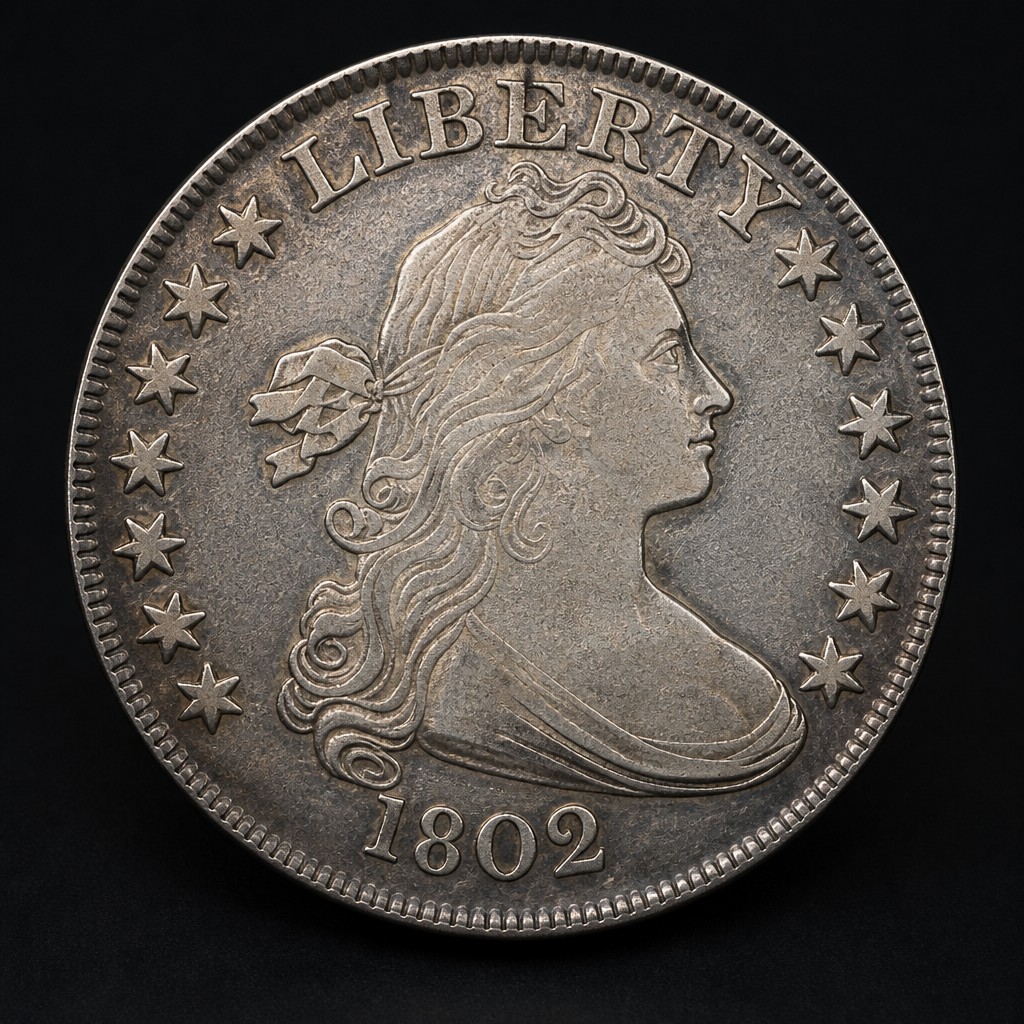
1802 Draped Bust Half Dime
One of the great rarities of early U.S. coinage, with an extremely small original mintage and only a handful of genuine survivors known today.
United States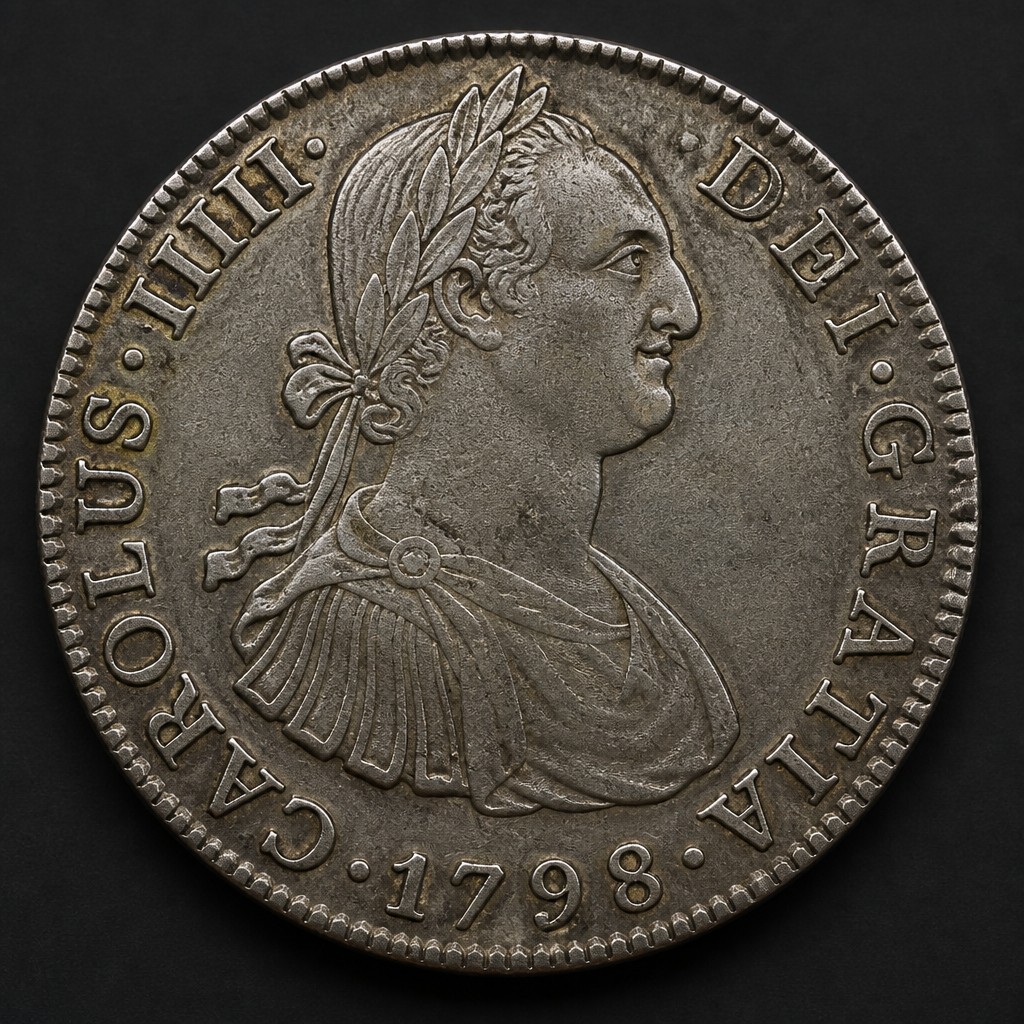
Spanish 4 Reales
A mid-value denomination of Spain's traditional real-based coinage, struck for centuries in both Spain and its American colonies.
European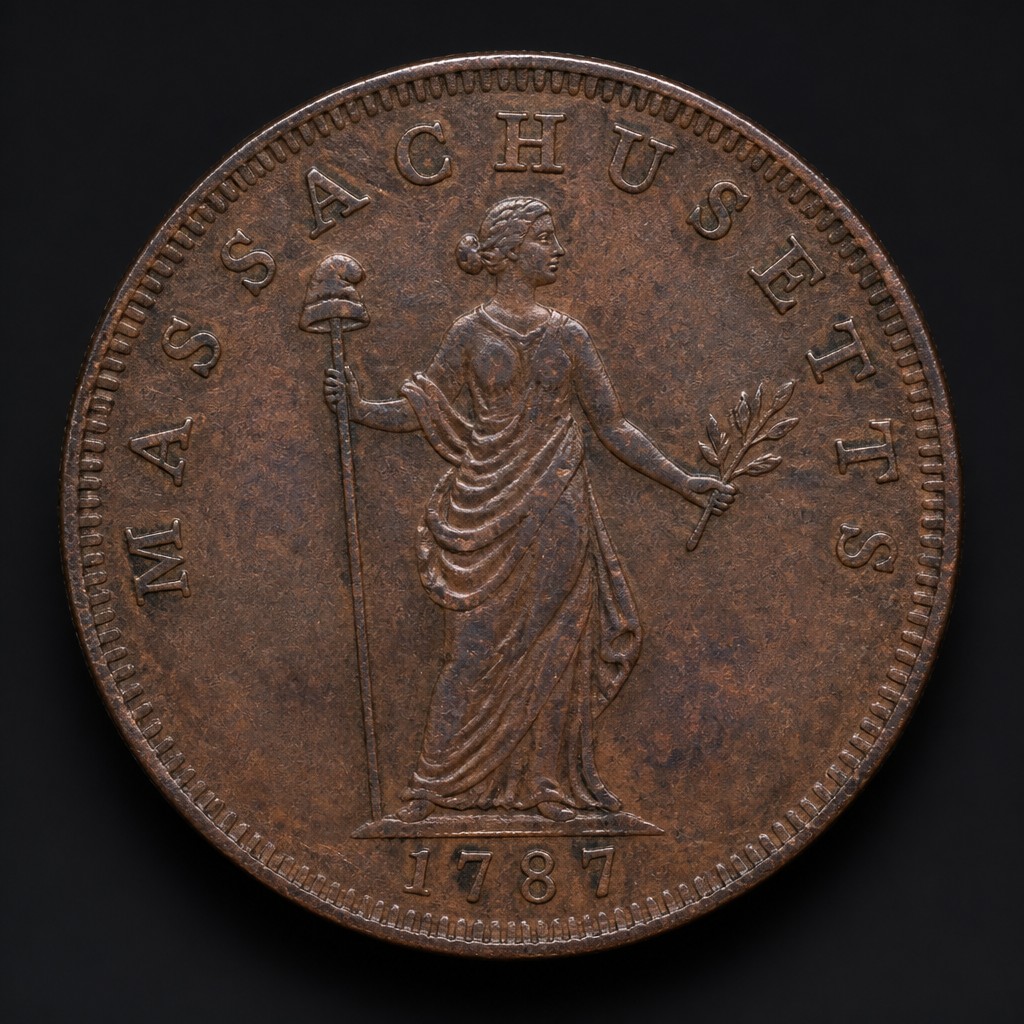
Massachusetts Cent (1787-1788)
State-issued copper coinage struck by the Commonwealth of Massachusetts in 1787 and 1788, notable as the first official U.S. coinage to use the denomination 'cent'.
United States