
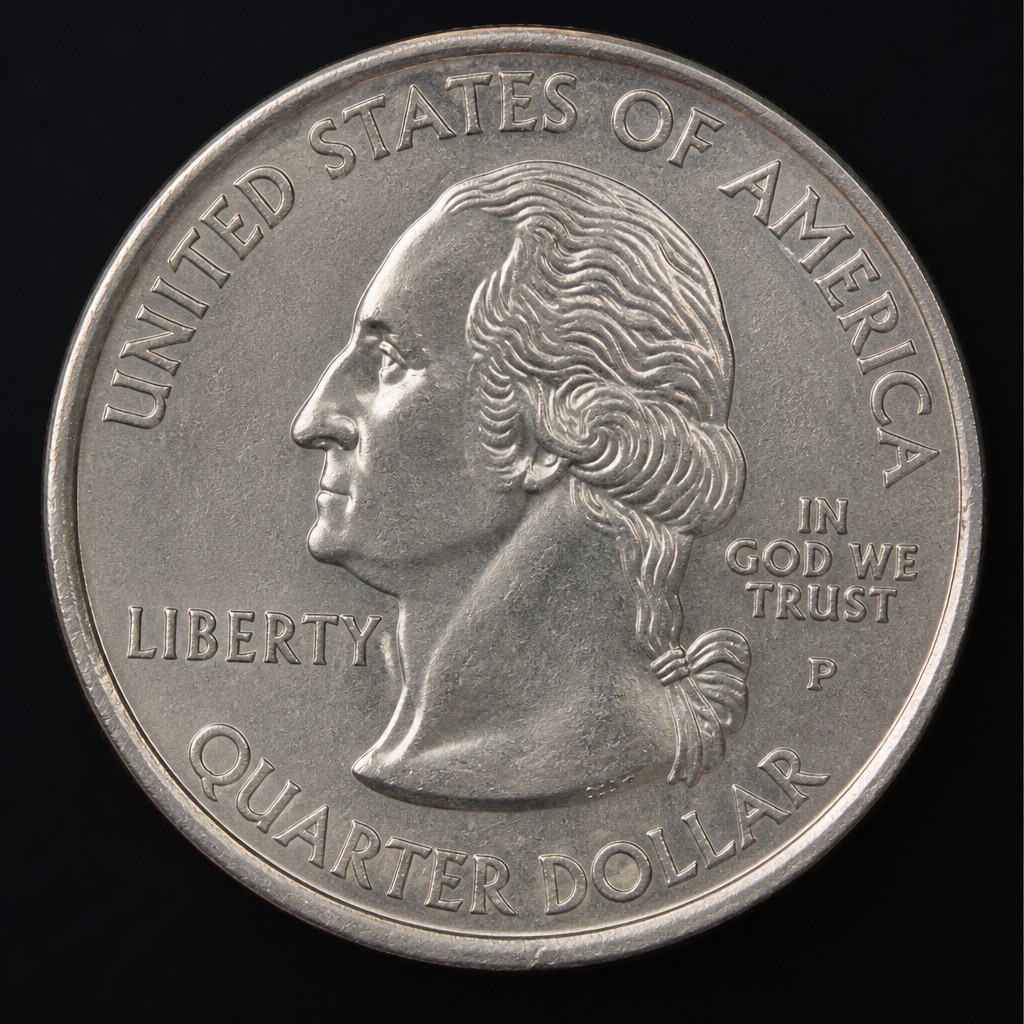
2004 Wisconsin State Quarter Extra Leaf
A famous modern variety of the 2004 Wisconsin state quarter showing an unexplained extra leaf on the corn cob, found in both 'low leaf' and 'high leaf' forms.
- Country
- United States
- Denomination
- Quarter Dollar (25 Cents)
- Metal
- Copper-Nickel Clad
Got a coin like this?
Identify any coin from a photo, free.
Overview
The Wisconsin Extra Leaf quarter is among the most talked-about modern US coin varieties, discovered shortly after the 2004 Wisconsin quarter's release when collectors noticed an additional leaf jutting from the corn cob on the reverse design that was not part of the official design. The anomaly comes in two forms, commonly called 'extra leaf low' and 'extra leaf high,' depending on where the extra leaf points relative to the corn.
The discovery generated widespread media attention and drew many casual collectors into actively searching circulating change, contributing to a resurgence of interest in the State Quarters series during the mid-2000s.
History & Background
The standard 2004 Wisconsin quarter reverse, designed to honor the state's agricultural heritage, depicts a cow, a wheel of cheese, and an ear of corn. Numismatists widely believe the extra leaf varieties resulted from die gouges or intentional tooling done to a working die at the Denver Mint rather than an authorized design element, though the exact cause was never definitively confirmed by the Mint.
Speculation at the time ranged from a disgruntled mint employee deliberately altering a die to simple accidental damage during die finishing. Regardless of cause, only a relatively small number of dies produced the extra-leaf coins compared to the vast normal-leaf production, making genuine examples scarce relative to the overall Wisconsin quarter mintage.
How to Identify
On a normal 2004 Wisconsin quarter, the corn husk shows only the standard leaves flanking the ear. On the 'extra leaf low' variety, an additional leaf appears low on the stalk, appearing to touch or nearly touch the cheese wheel below. On the 'extra leaf high' variety, the extra leaf sits higher, pointing upward and outward from the husk, roughly parallel to the existing leaf.
Both varieties are found only on Denver-minted coins (D mint mark) and require close magnification to distinguish confidently from a normal coin or from common die scratches, so certification by a major grading service is strongly recommended before assuming a coin is a genuine variety.
Value & Collectibility
Genuine, certified examples of the extra leaf varieties have traded for anywhere from roughly $100 to over $1,000 depending on the variety (high leaf tends to bring less than low leaf), grade, and market conditions at time of sale, though values have moderated somewhat since the initial discovery frenzy in the mid-2000s. Because raw (uncertified) coins are frequently misidentified or confused with damage, third-party grading adds significant confidence and liquidity to a sale.
Condition, strike quality, and eye appeal all factor into price, and Mint State examples command a premium over circulated ones.
Frequently asked questions
What makes the Wisconsin Extra Leaf quarter valuable?
An unofficial extra leaf on the corn cob, found only on some Denver-minted 2004 Wisconsin quarters, makes it a scarce and sought-after modern variety.
What is the difference between 'extra leaf high' and 'extra leaf low'?
The names describe where the extra leaf points on the corn stalk; 'low' points down near the cheese wheel and 'high' points up and out, and each came from different altered dies.
Was the extra leaf an official Mint design feature?
No, it is generally believed to be an unauthorized die alteration or damage, not an intended part of the design.
How can I tell if my coin is a genuine variety?
Compare closely against reference images of both known varieties under magnification, and consider submission to a professional grading service for certification.
Other coins you may enjoy
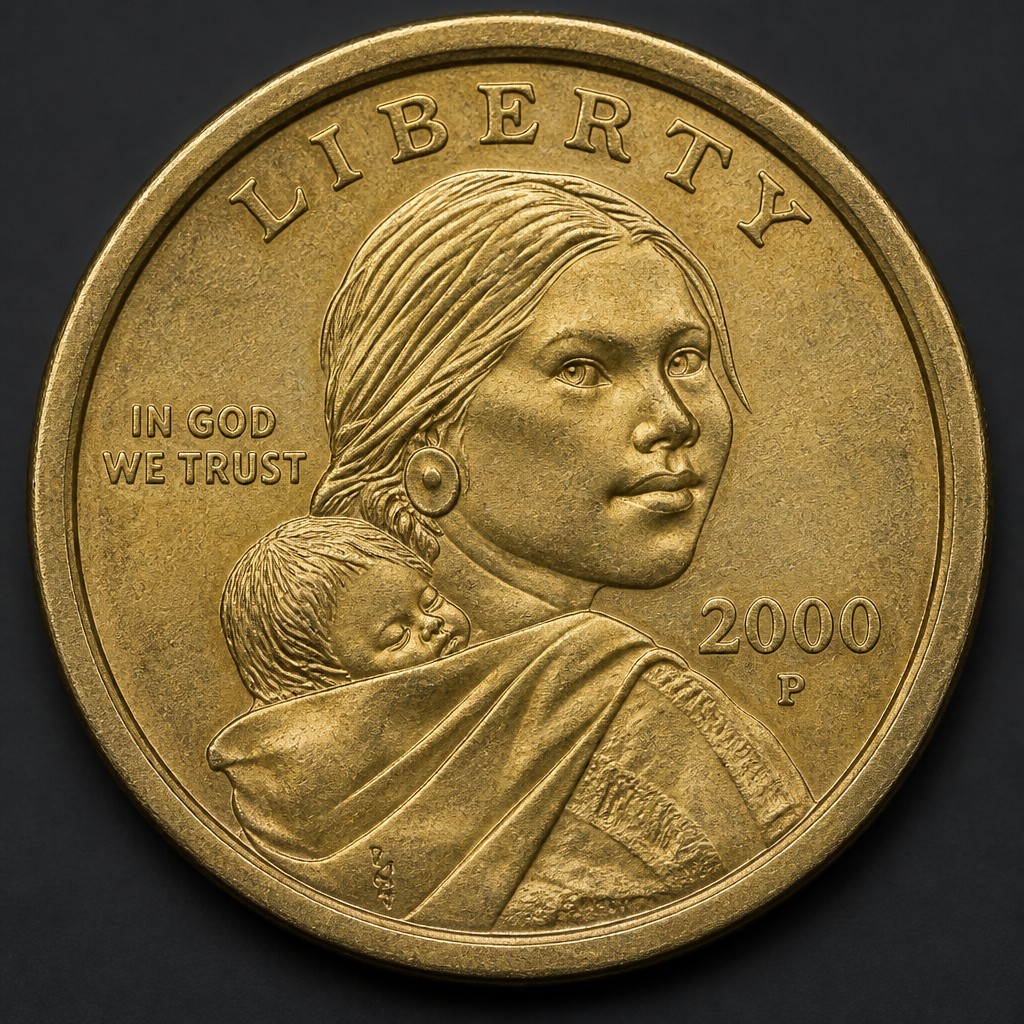
2000-P Sacagawea Cheerios Dollar
2000
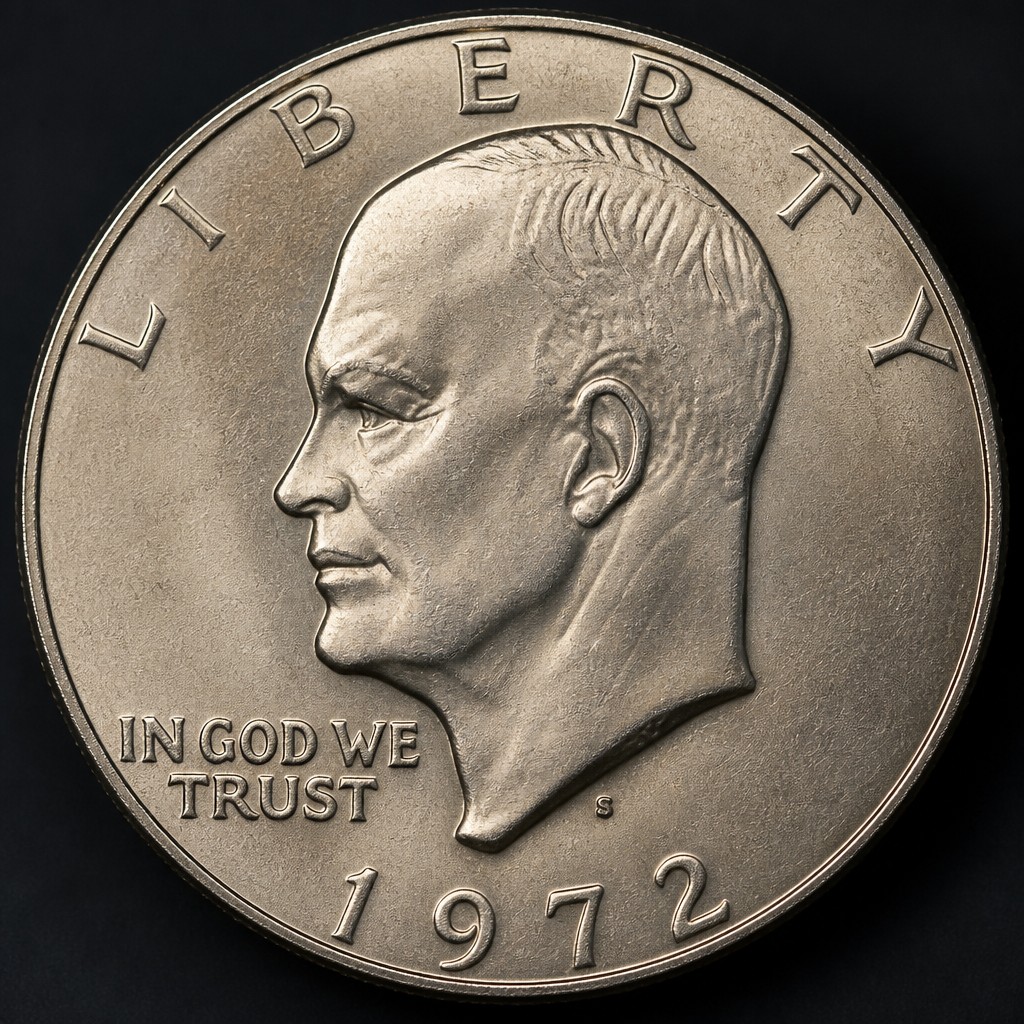
1972 Eisenhower Dollar (Type 2)
1972
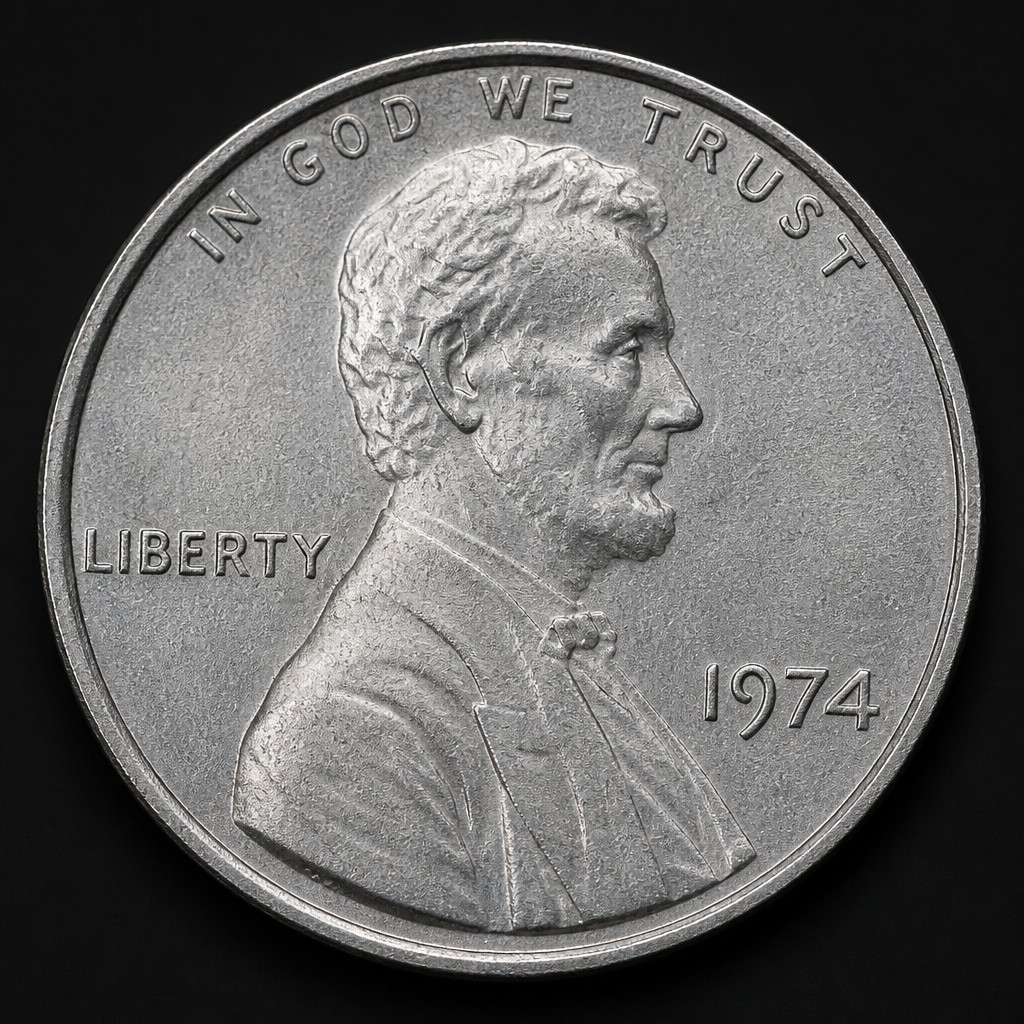
1974 Aluminum Cent
1974
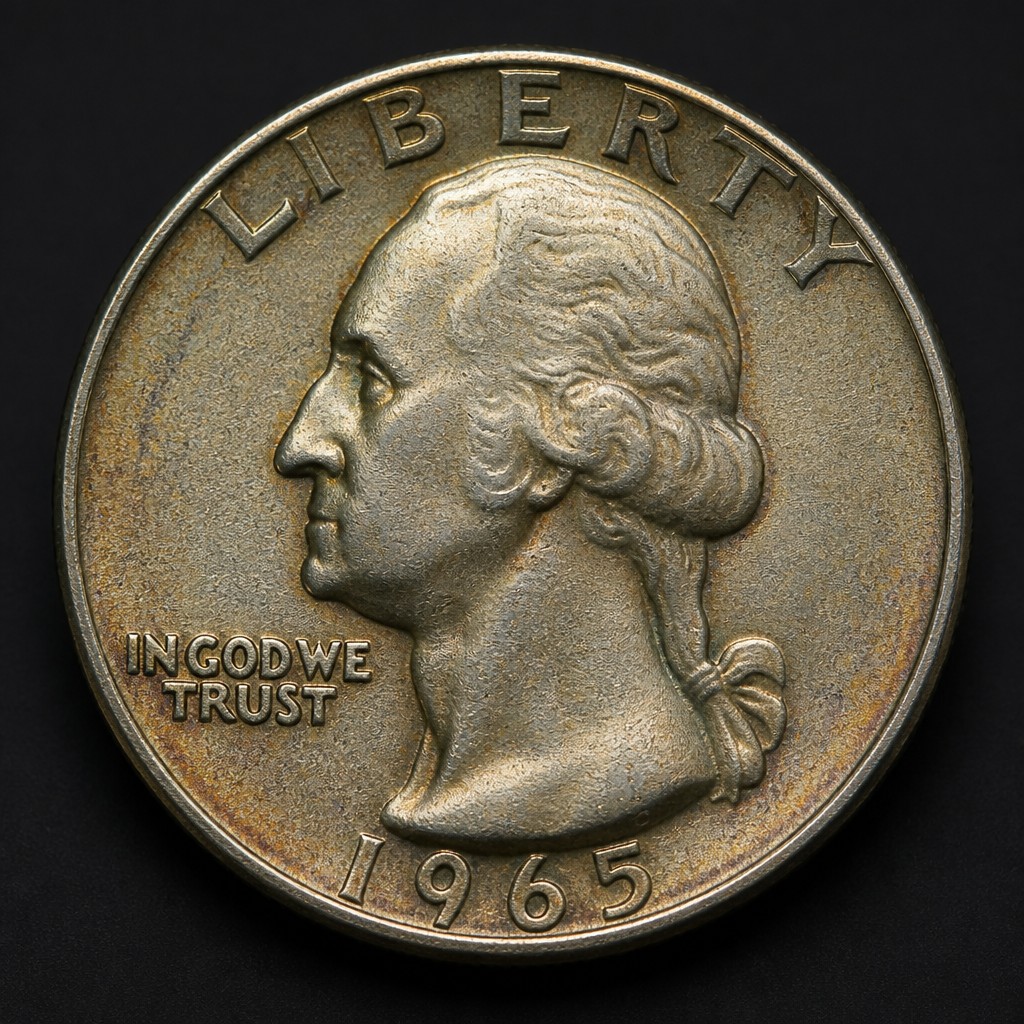
1965 Silver Washington Quarter (Transitional Error)
1965
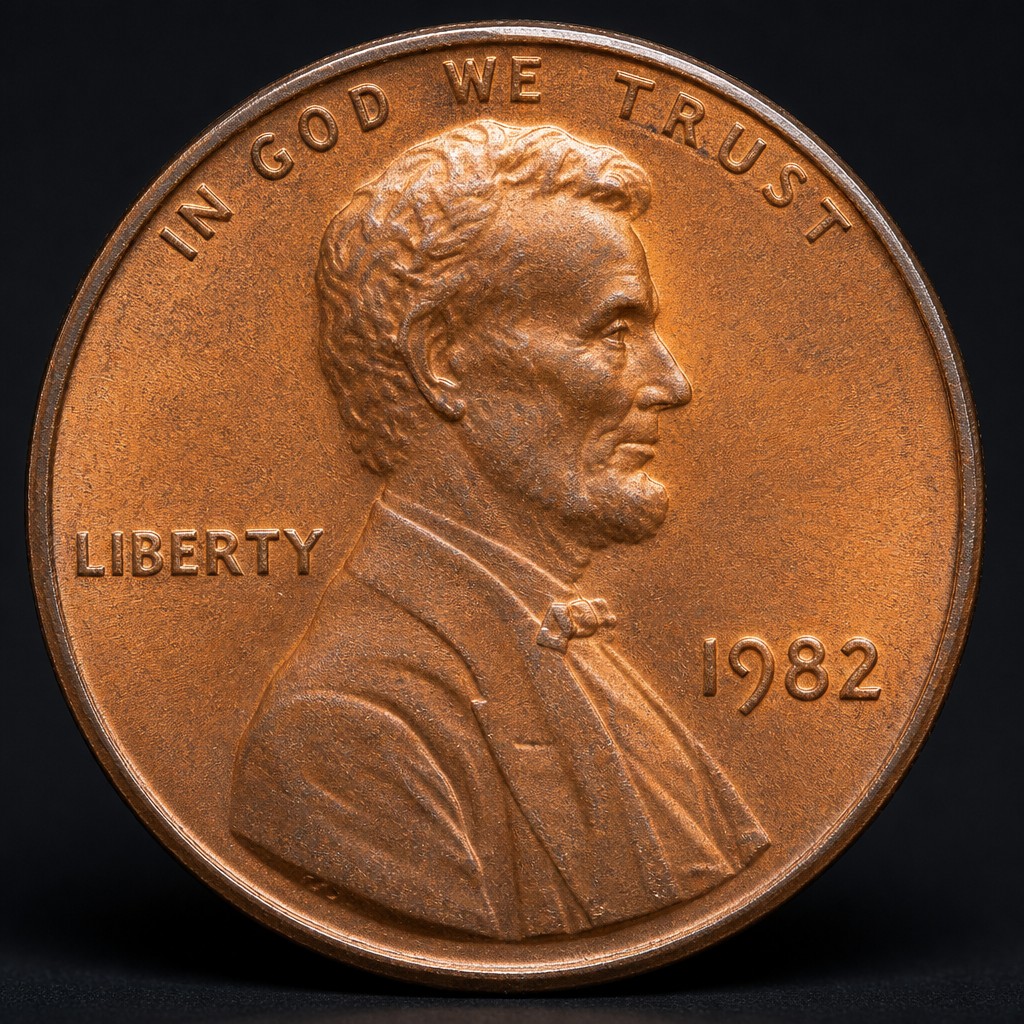
1982 Copper/Zinc Transition Lincoln Cent
1982
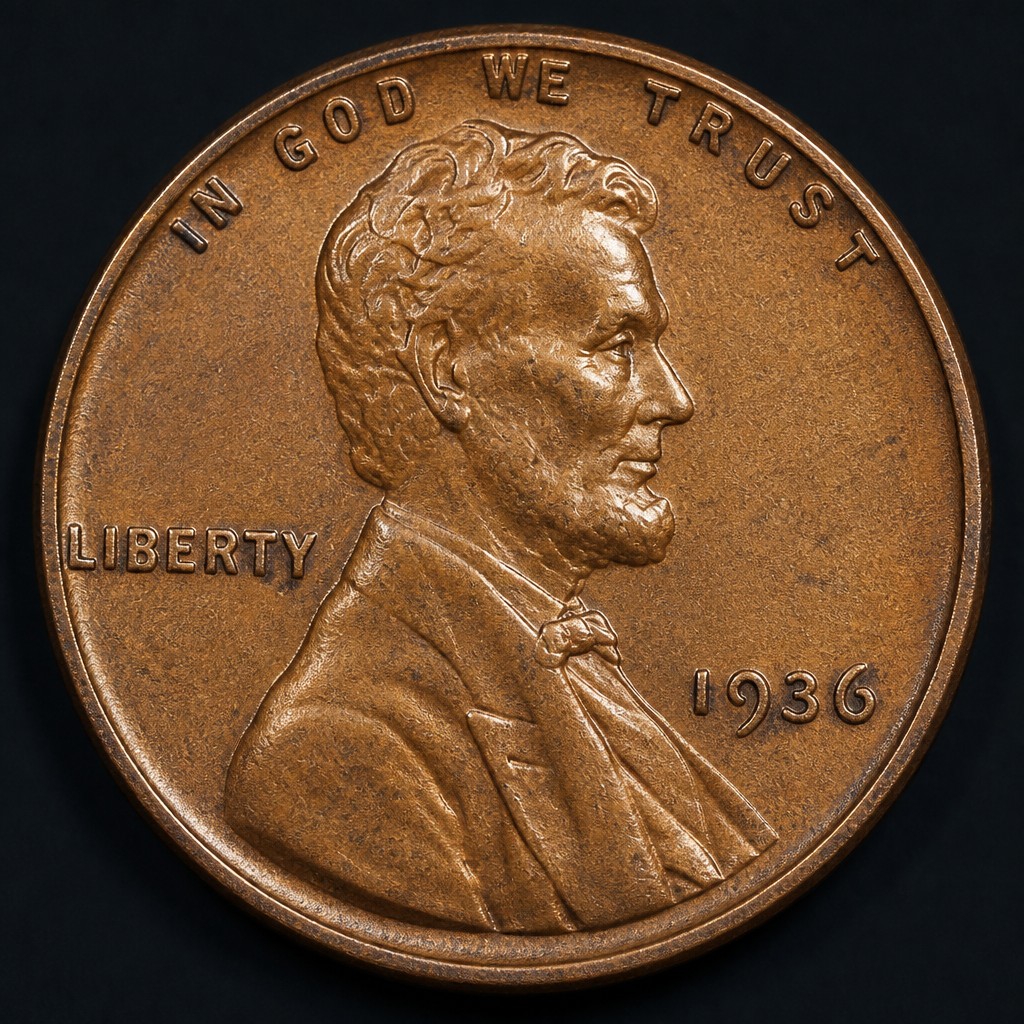
1936 Doubled Die Lincoln Cent
1936
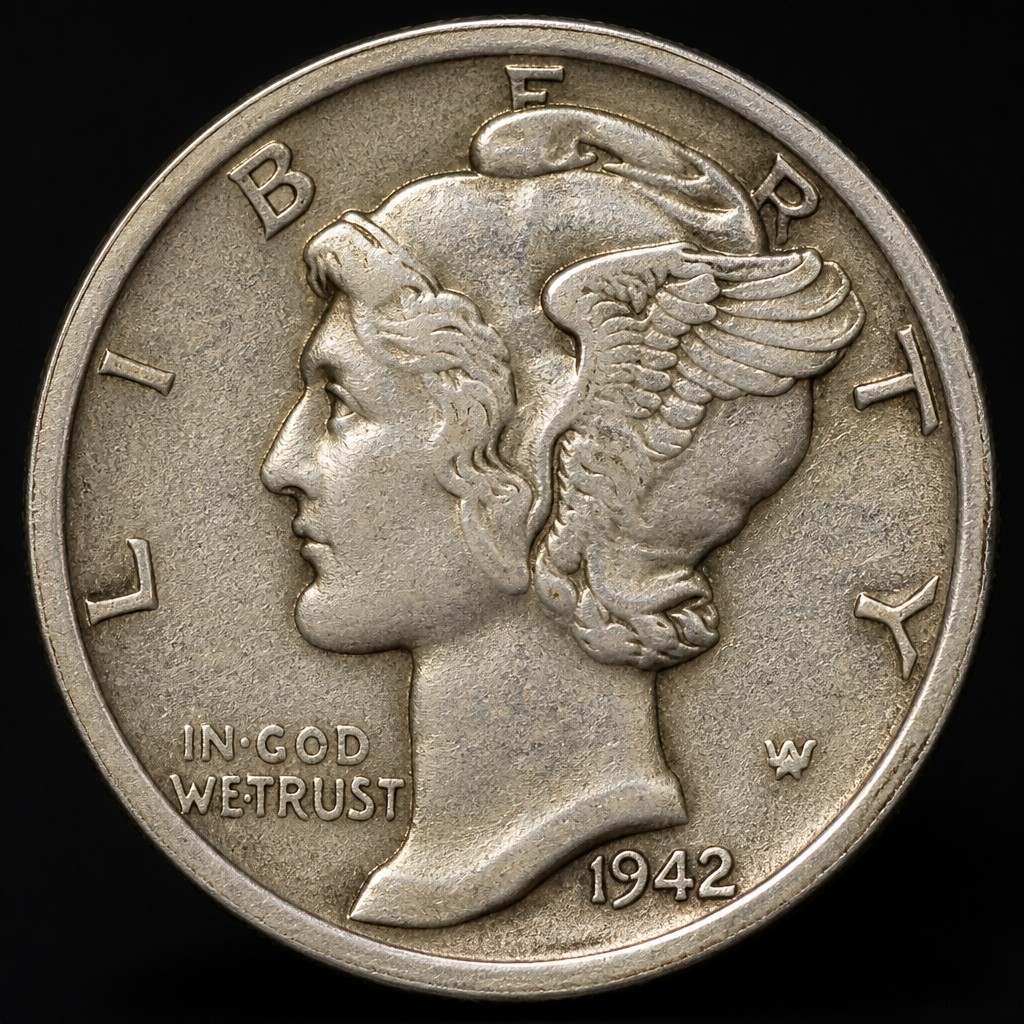
1942/1 Mercury Dime Overdate
1942
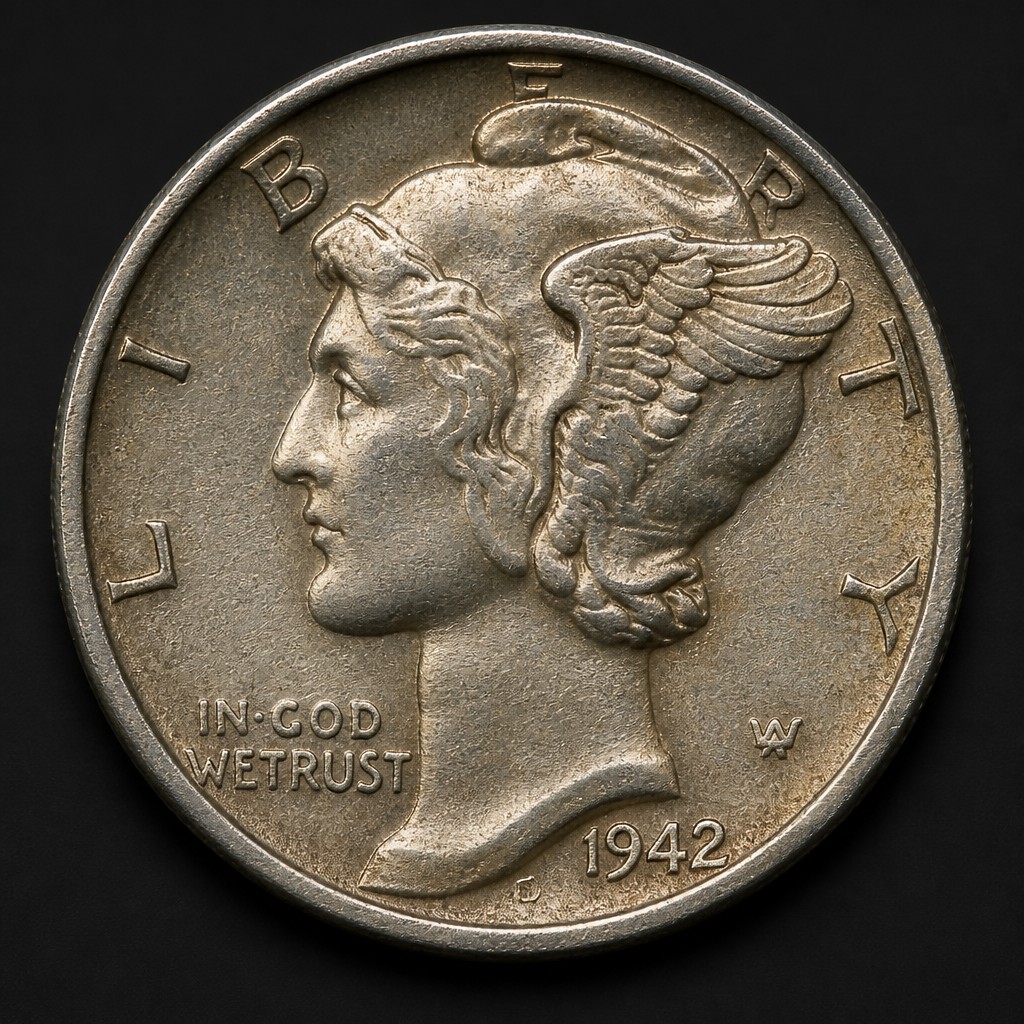
1942/1-D Mercury Dime Overdate
1942
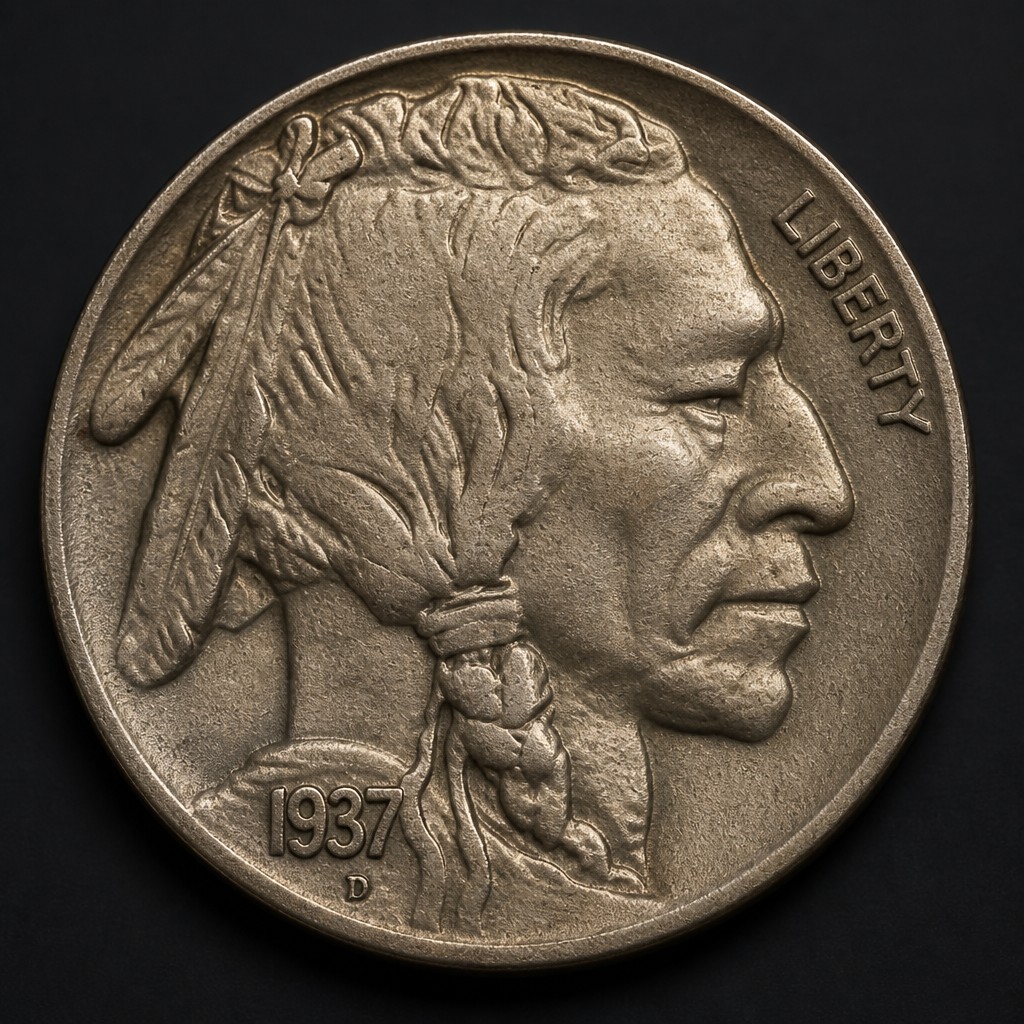
1937-D Three-Legged Buffalo Nickel
1937
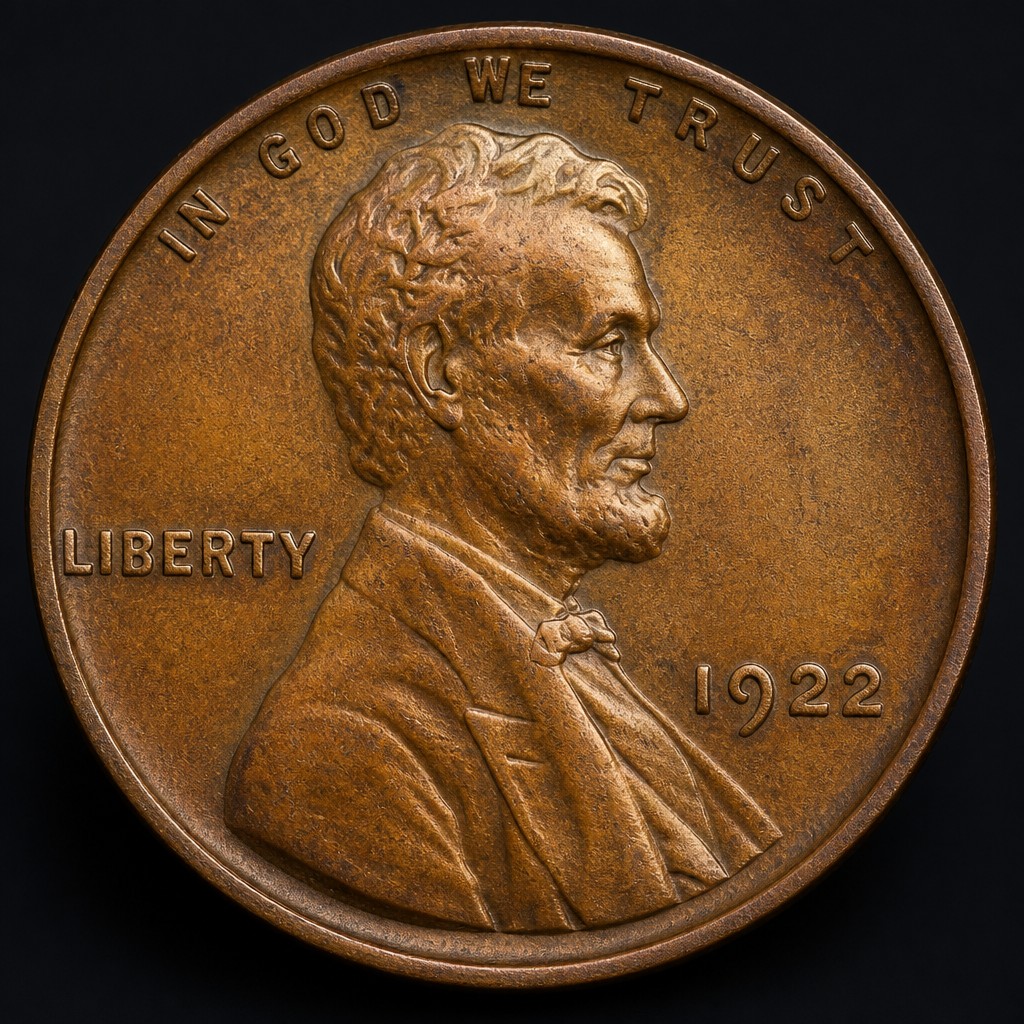
1922 No D Lincoln Cent
1922
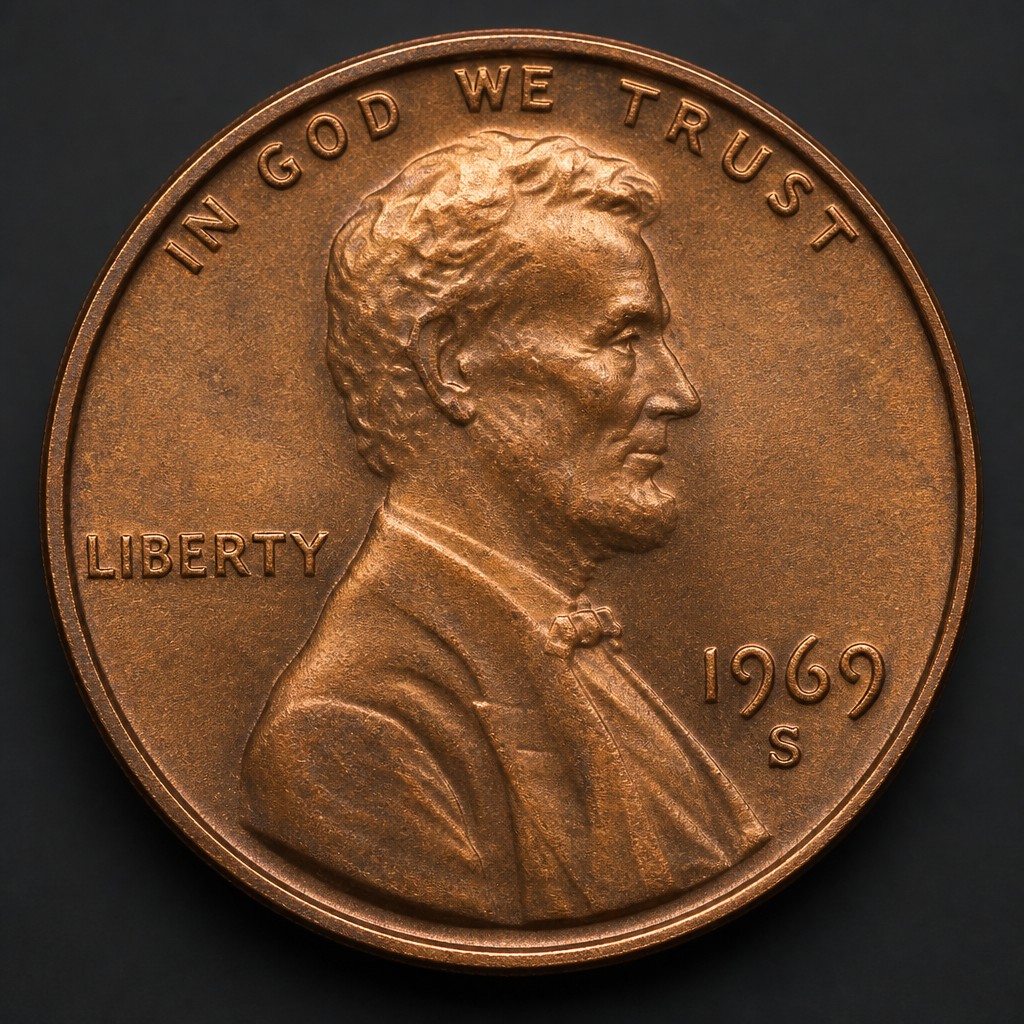
1969-S Doubled Die Lincoln Cent
1969
1943 Bronze Lincoln Cent
1943