
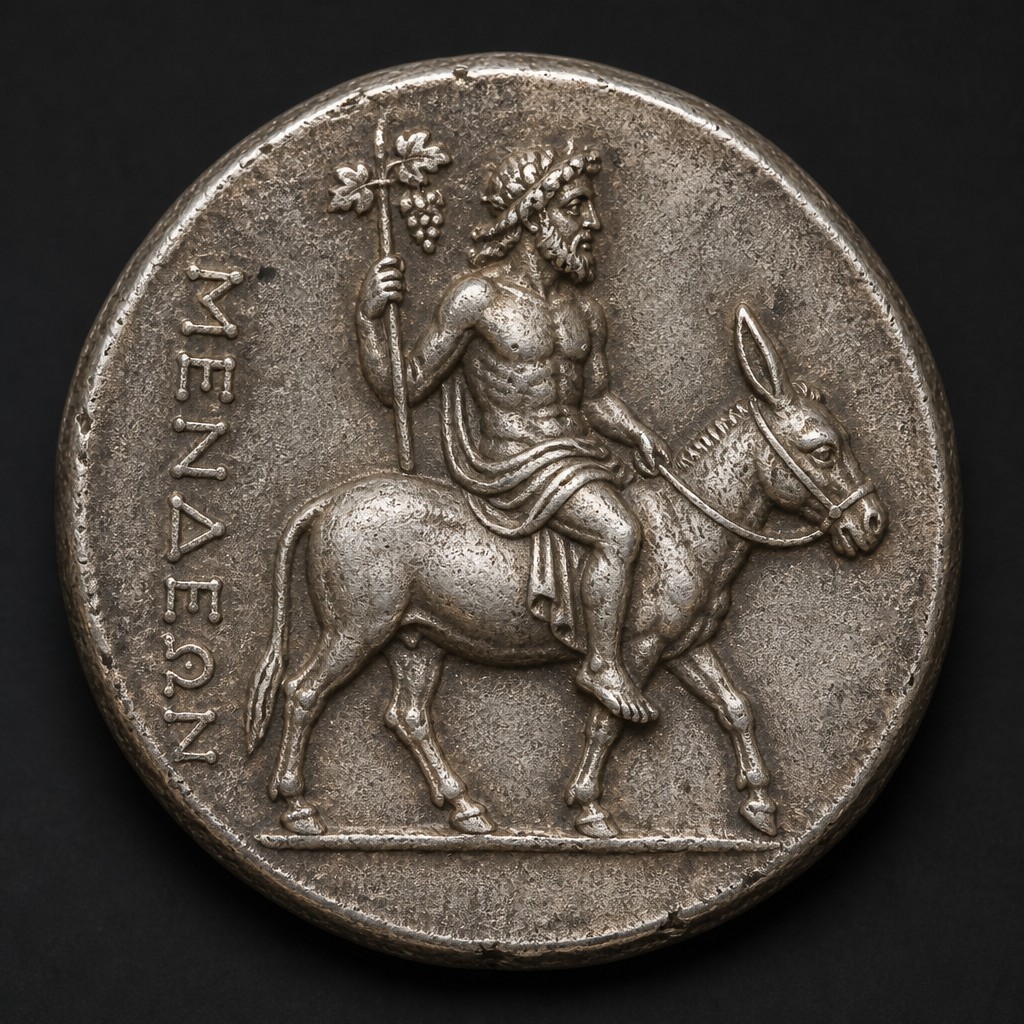
Mende Dionysos on Donkey Tetradrachm
A striking Classical-era silver tetradrachm from the wine-city of Mende, showing the wine-god Dionysos reclining drunkenly on a donkey, one of ancient coinage's most whimsical designs.
- Country
- Ancient Greece (Mende, Chalcidice)
- Denomination
- Tetradrachm
- Metal
- Silver
Got a coin like this?
Identify any coin from a photo, free.
Overview
The Mende tetradrachm is prized by collectors of Greek coinage for its unusually playful and painterly obverse: the god Dionysos, patron of wine and revelry, sprawled backward on a slow-walking donkey, often with a bird perched nearby. Mende was famous in antiquity for its wine exports, and its coinage leaned heavily on Dionysiac imagery to advertise that reputation.
The design is celebrated among ancient-coin enthusiasts as one of the liveliest and most naturalistic scenes in Greek numismatic art, standing out from the more static deity-head types common on contemporary issues. Because Mende's output was relatively limited compared to major mints like Athens or Syracuse, well-preserved examples are genuinely scarce.
History & Background
Mende was a Greek city on the Pallene peninsula of Chalcidice, founded by settlers from Eretria, and it built its wealth on the export of a wine considered among the finest in the Greek world. Its silver coinage, struck mainly in the fifth century BC, reflects that civic identity by placing Dionysos and vine imagery front and center rather than a patron deity's head alone.
The city's fortunes were tied to the turbulent politics of the Chalcidice region during the Peloponnesian War, when it was contested between Athens and its enemies; Thucydides records Mende's revolt from the Athenian-led Delian League and its subsequent recapture. Coinage of this quality and originality was typically produced when a city had both mercantile wealth and a stable government able to fund skilled die-engravers.
How to Identify
The obverse shows Dionysos reclining backward on a donkey walking to the right, often shown nude or lightly draped, sometimes holding a kantharos (wine cup) or thyrsus, with a bird (usually a crow or raven) frequently depicted below or beside the animal. The reverse carries a vine bearing four bunches of grapes within a linear or dotted incuse square, accompanied by the city ethnic, rendered in early Greek lettering as some variant of the Mendaian name.
The coins are struck in high-relief archaic-to-classical style silver, with weight and fabric typical of northern Greek tetradrachms of the period (roughly 14–17 grams depending on date and wear). Collectors distinguish different die series by the posture of Dionysos, the presence or absence of the bird, and small control marks near the vine on the reverse. Because the type was imitated and varied over decades of production, comparison to reference plates is important for die attribution, though the general 'god on donkey' motif is unmistakable and not shared by any other Greek city.
Value & Collectibility
Mende tetradrachms are genuinely scarce compared to output from larger mints, and well-centered examples with full legends and a clear donkey-and-Dionysos scene command strong premiums. Modest, worn, or off-center examples can still be acquired by collectors of Greek silver for a few thousand dollars, while sharply struck, well-centered pieces with pleasing toning have sold well into five figures at major auctions.
As with most ancient coins, condition, centering, and the aesthetic quality of the strike matter far more than a simple grade label. Because the design is so recognizable and appealing even to non-specialist collectors, demand for good examples has remained consistently strong.
Frequently asked questions
Why does the coin show Dionysos on a donkey?
Mende was renowned in antiquity for producing fine wine, and the wine god Dionysos, shown here informally astride a donkey, served as an emblem advertising the city's signature export.
How old are these coins?
They date to the Classical period of Greek coinage, roughly the mid-to-late fifth century BC through the mid-fourth century BC.
Are Mende tetradrachms rare?
Yes, relative to coinage from larger mints like Athens; they turn up far less often at auction and well-preserved examples are considered scarce.
What metal are they made of?
They are struck in silver, the standard coinage metal for major Greek city-states of the era.
Other coins you may enjoy
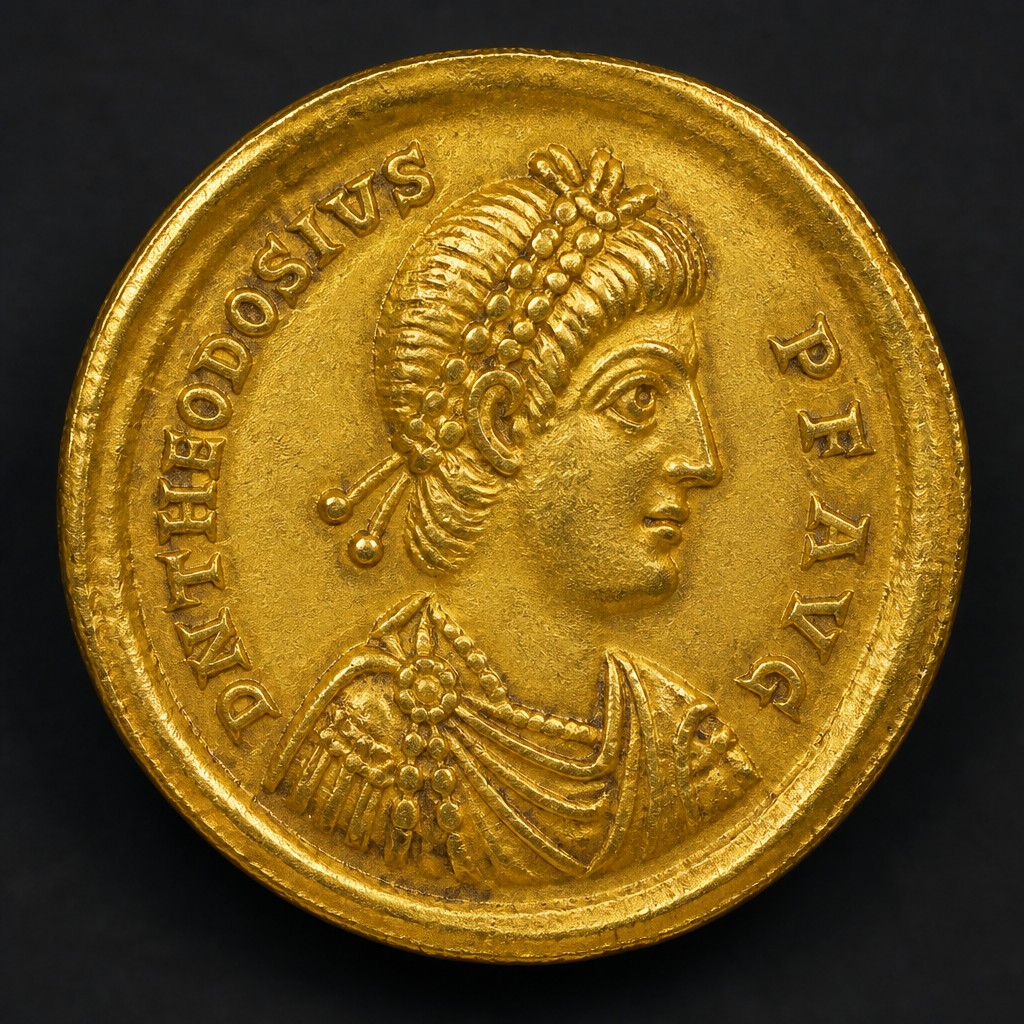
Theodosius I Solidus
379–395 AD
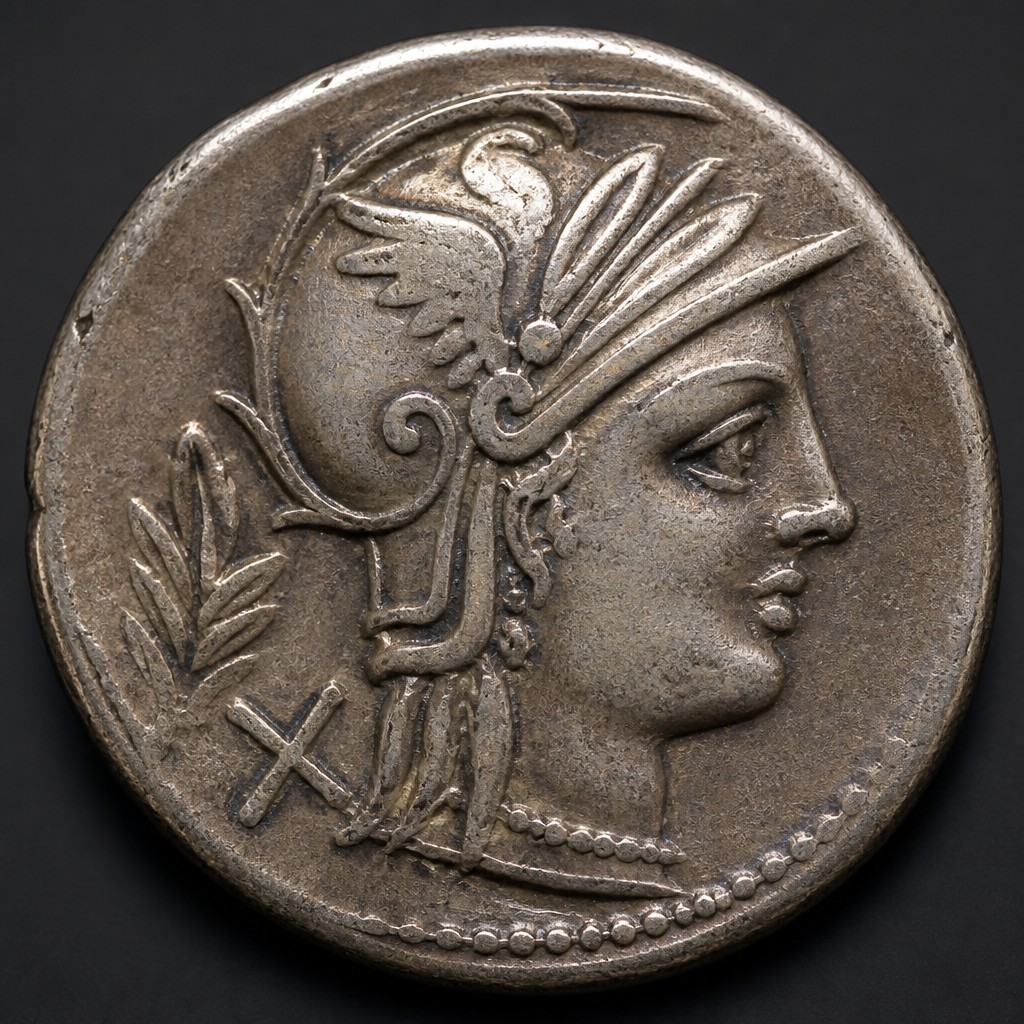
Republican Victoriatus
c. 211–170 BC
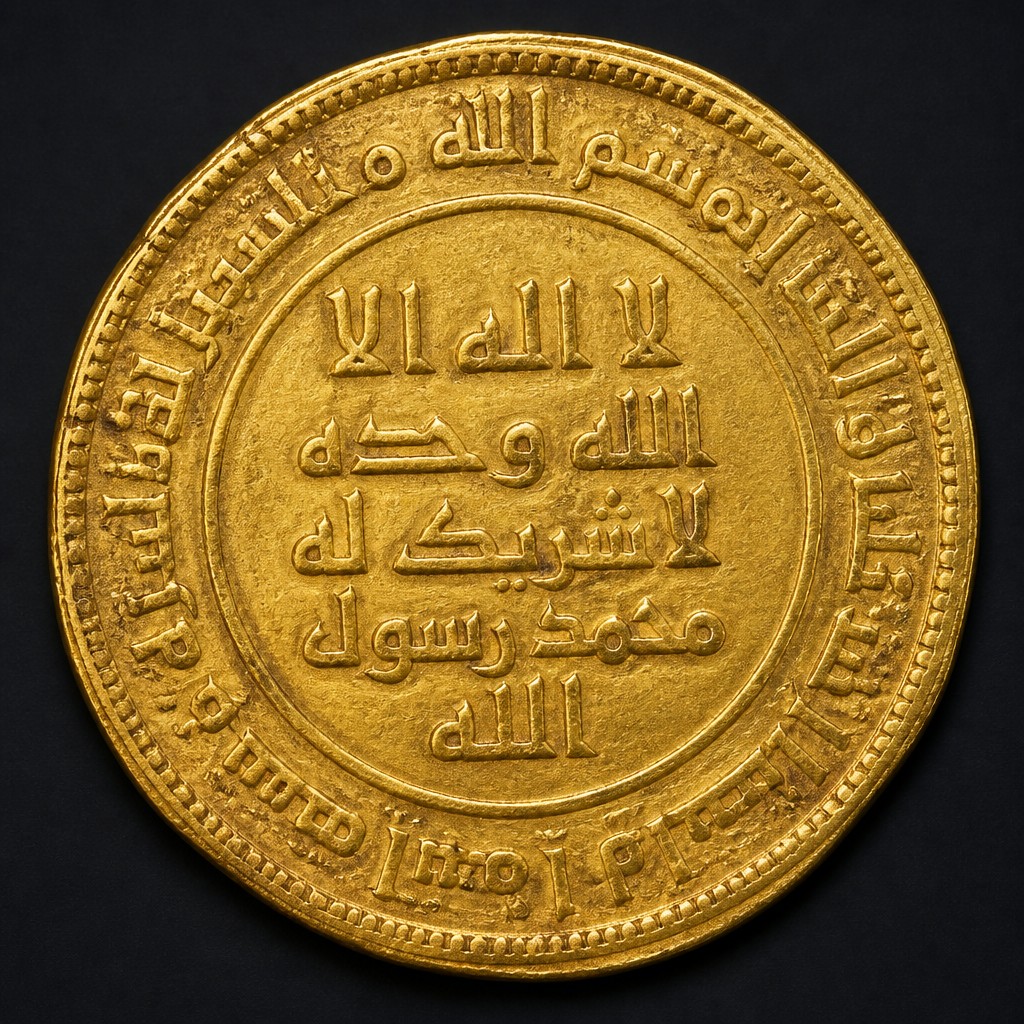
Islamic Gold Dinar (Umayyad)
c. 696–750 AD
Magnentius Double Centenionalis
350–353 AD
Chinese Wu Zhu Cash
118 BC – 618 AD
Valentinian I Solidus
364–375 AD
Sassanian Silver Drachm
c. 224–651 AD
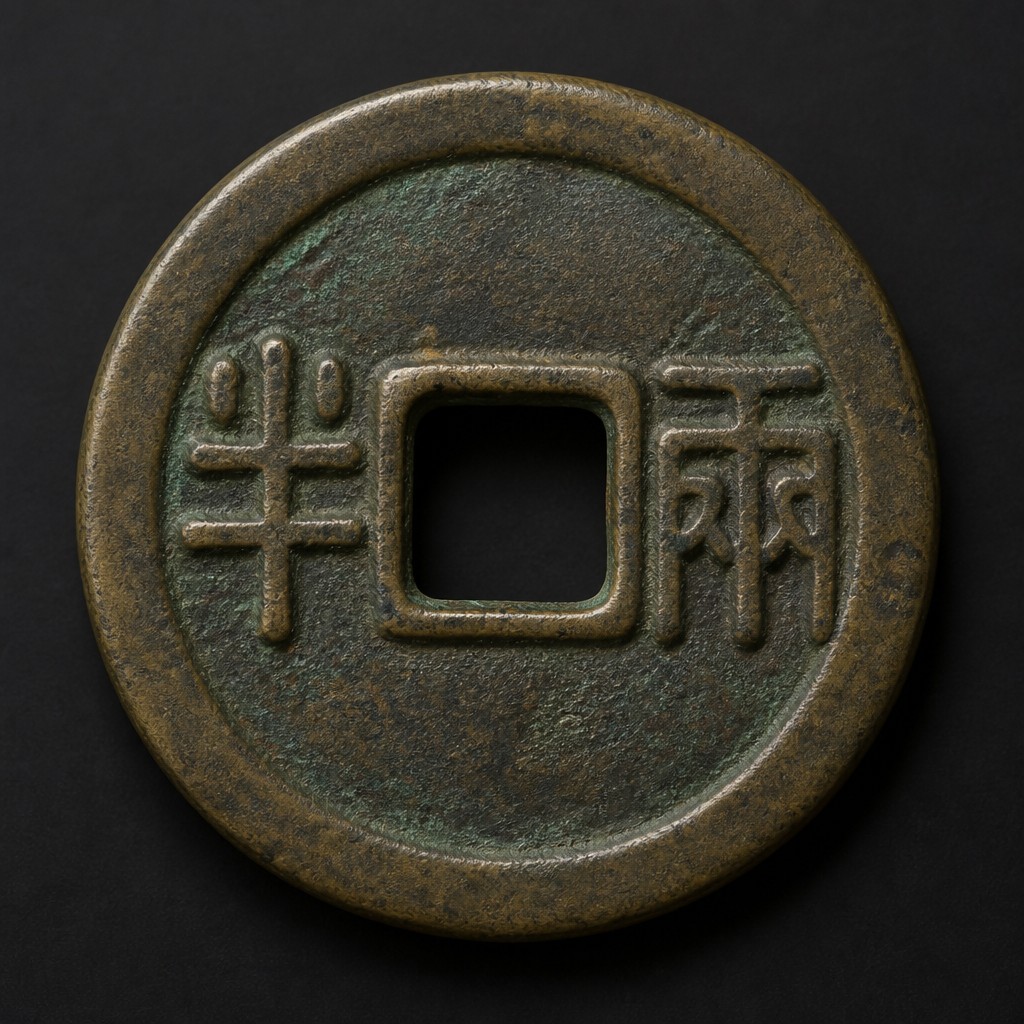
Chinese Ban Liang Cash
c. 221–118 BC
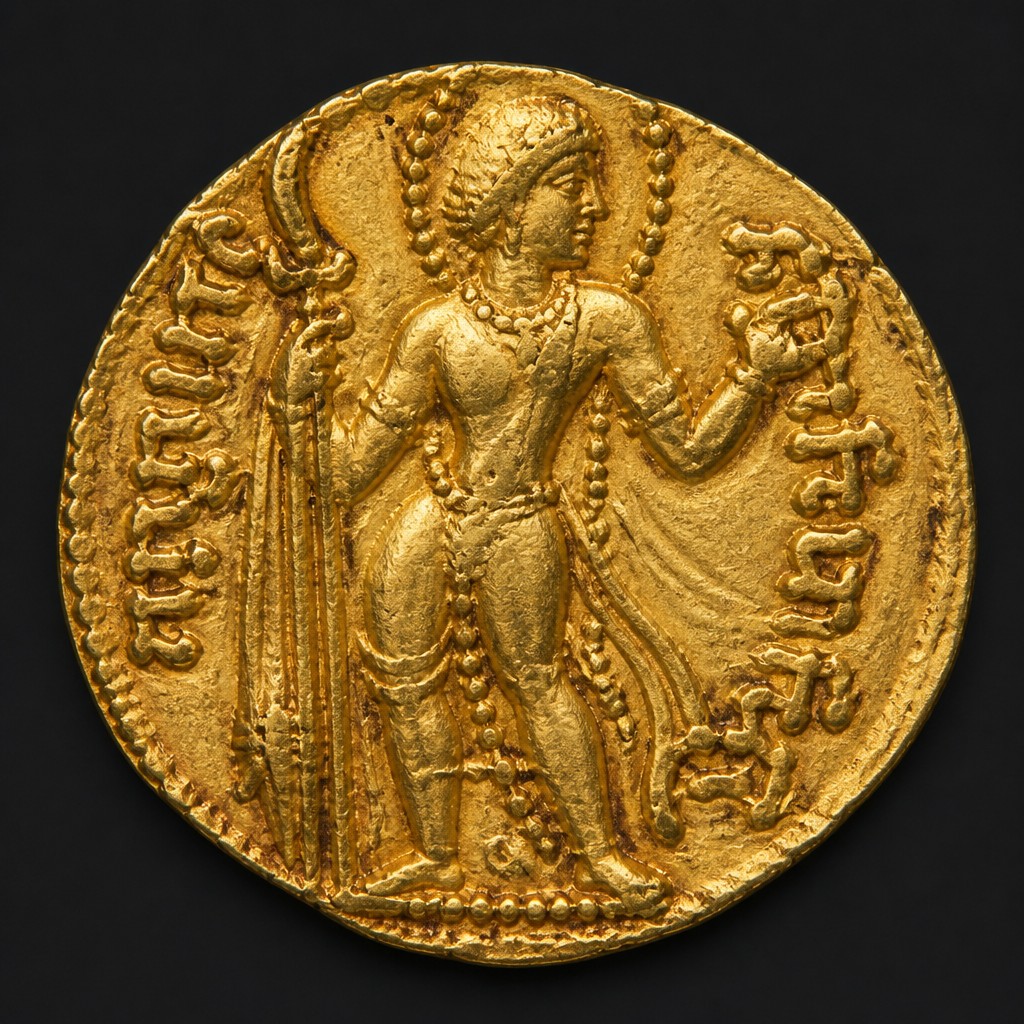
Gupta Empire Gold Dinar
c. 320–550 AD
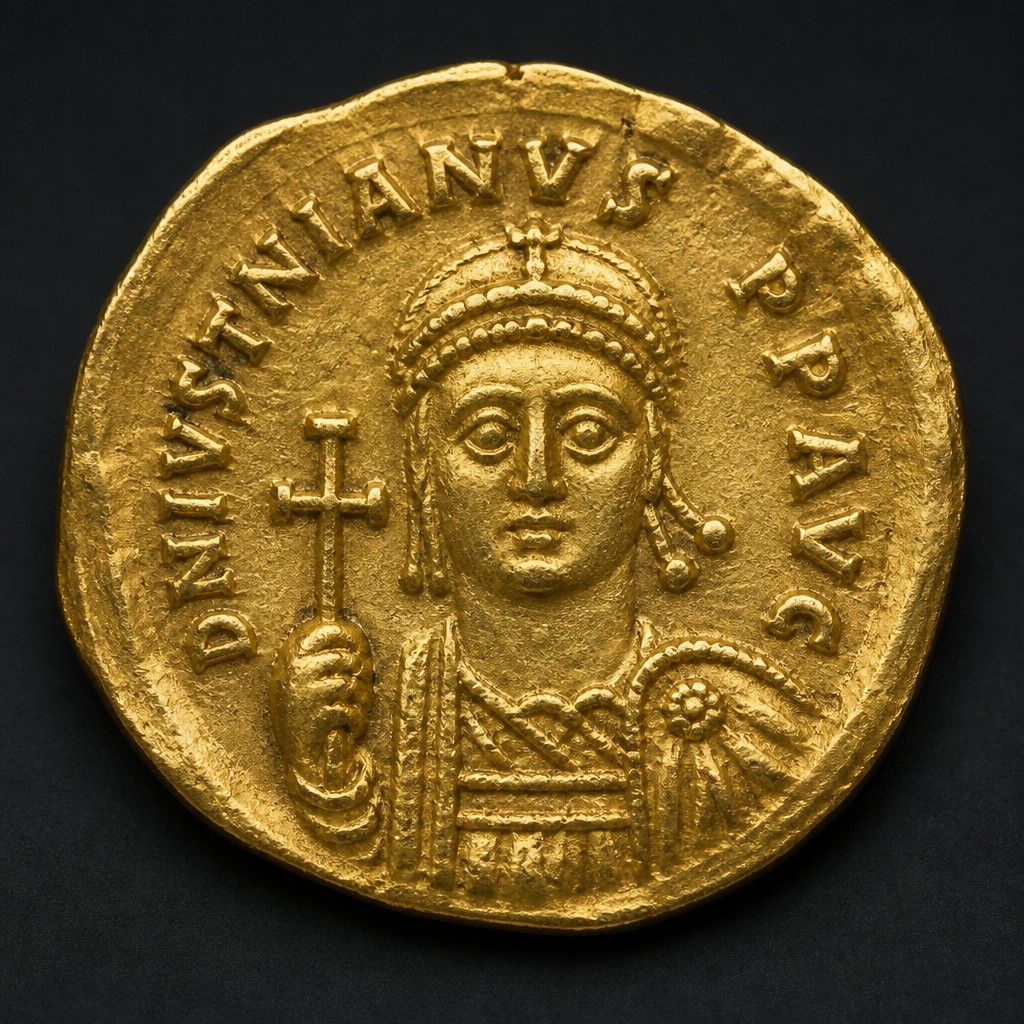
Byzantine Gold Tremissis
c. 4th–7th century AD
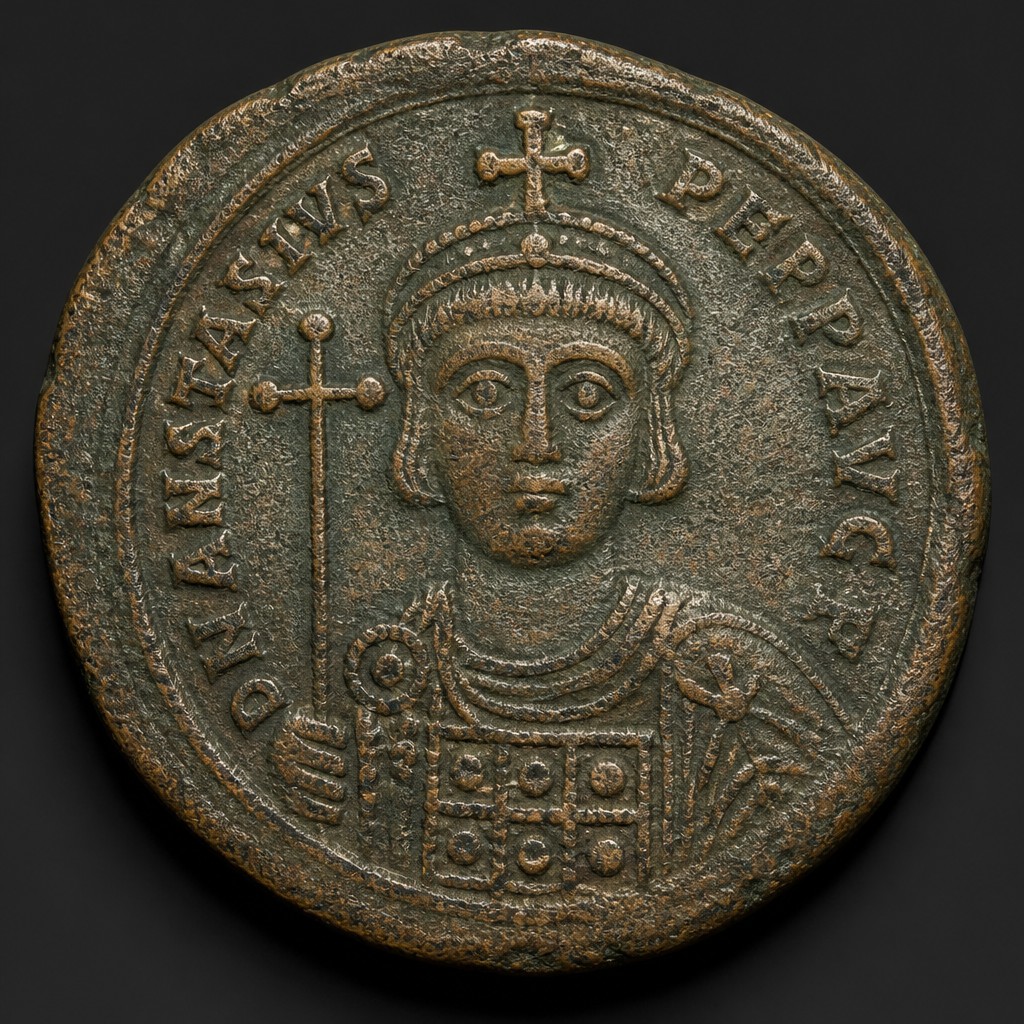
Byzantine Follis
498–c. 11th century AD
Celtic Gold Stater
c. 3rd century BC – 1st century AD