
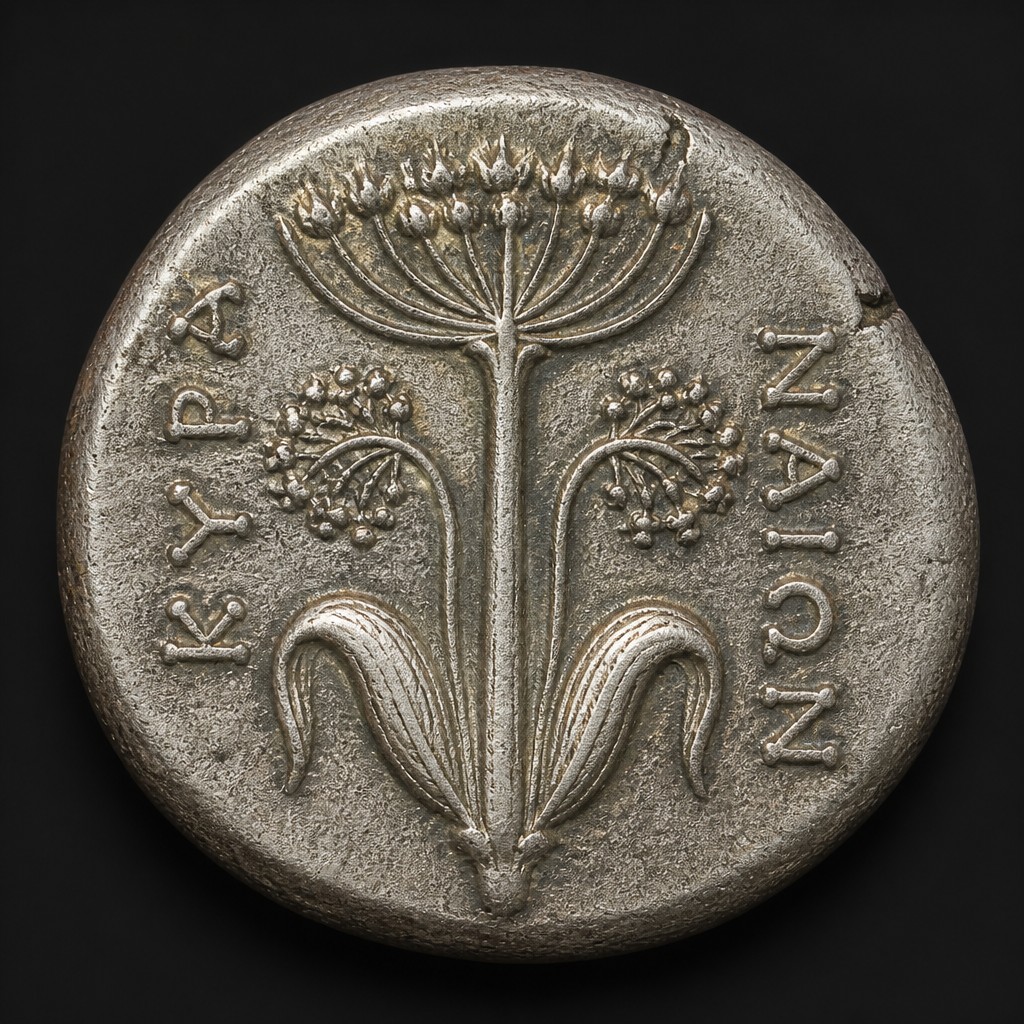
Kyrene Silphium Tetradrachm
A silver tetradrachm from the North African Greek city of Kyrene featuring the now-extinct silphium plant, the source of the city's legendary wealth as a prized ancient medicinal herb.
- Country
- Ancient Greece (Kyrene, Cyrenaica)
- Denomination
- Tetradrachm
- Metal
- Silver
Got a coin like this?
Identify any coin from a photo, free.
Overview
Kyrene's coinage is unique among ancient Greek issues for its central emphasis on a plant, the silphium, an aromatic herb that ancient sources describe as invaluable for seasoning, medicine, and as a contraceptive, and which grew only in a narrow strip of Cyrenaican territory. The plant was so economically important, and apparently so difficult to cultivate outside its native range, that it appears prominently on nearly every denomination the city struck for centuries.
Silphium is believed to have gone extinct in antiquity, likely from overharvesting, making these coins one of the best surviving visual records of a plant otherwise known only from ancient texts and a handful of artistic depictions. This gives the series a strong appeal beyond typical numismatic interest, drawing attention from historians of botany and ancient economy as well as coin collectors.
History & Background
Kyrene was founded around 630 BC by Greek colonists from the island of Thera, becoming the leading city of the Cyrenaica region on the coast of what is now eastern Libya. Its prosperity rested heavily on the export of silphium, a resinous plant used across the Mediterranean world for seasoning food, treating a wide range of ailments, and reportedly as a form of birth control, all of which made it enormously valuable and unique to the region's specific soil and climate.
Coinage bearing the silphium plant, and later the ram-horned god Zeus Ammon associated with the nearby oracle at Siwa, was struck over several centuries under changing political regimes, including periods of Battiad dynastic rule, republican government, and eventual absorption into the Hellenistic and then Roman world. By the early centuries AD, ancient writers already describe silphium as extinct, likely a consequence of the very trade that had made Kyrene wealthy.
How to Identify
The obverse of the tetradrachm typically shows the silphium plant itself, rendered with its distinctive thick stalk, umbrella-like flower head, and heart-shaped seed pods, sometimes accompanied by a small gazelle, scorpion, or other symbol referencing the region. Later issues pair the plant with, or replace it with, the head of Zeus Ammon, recognizable by his curling ram's horn.
The reverse commonly shows a standing figure, often identified as a nymph or personification of Kyrene, or in some issues a further depiction of the silphium plant, with the city ethnic in Greek lettering. Because silphium's exact botanical identity is uncertain (it belongs to no plant known to survive today), the coin itself is treated by scholars as important physical evidence for what the plant may have looked like.
Value & Collectibility
Kyrene silphium tetradrachms are of strong interest to specialist collectors both for their rarity relative to mainland Greek issues and for their unusual botanical and historical subject matter. Prices vary widely with condition and clarity of the plant's detail, ranging from roughly a thousand dollars for worn or weakly struck examples up to substantially more for sharp, well-centered pieces showing the silphium plant clearly.
Because the design is so distinctive and tied to a genuinely singular historical footnote (a plant that went extinct in antiquity), demand extends somewhat beyond typical ancient-coin collectors to those interested in ancient botany and economic history, which can support values for exceptional examples.
Frequently asked questions
What is silphium?
Silphium was a resinous plant, native only to a limited area of ancient Cyrenaica, prized across the ancient Mediterranean for seasoning, medicine, and reputedly as a contraceptive; it is believed to have gone extinct in antiquity.
Why is silphium on the coin instead of a god or hero?
The plant was the foundation of Kyrene's wealth and international trade, making it a natural and enduring civic emblem in its own right.
Who is Zeus Ammon?
Zeus Ammon was a syncretic deity combining the Greek Zeus with the Egyptian Amun, associated with the nearby oracle at Siwa and depicted with a ram's horn on later Kyrene coinage.
Is silphium truly extinct today?
Ancient writers report it had disappeared by the early Roman imperial period; no plant definitively matching ancient descriptions of silphium is known to survive, though its exact botanical identity remains debated.
Other coins you may enjoy
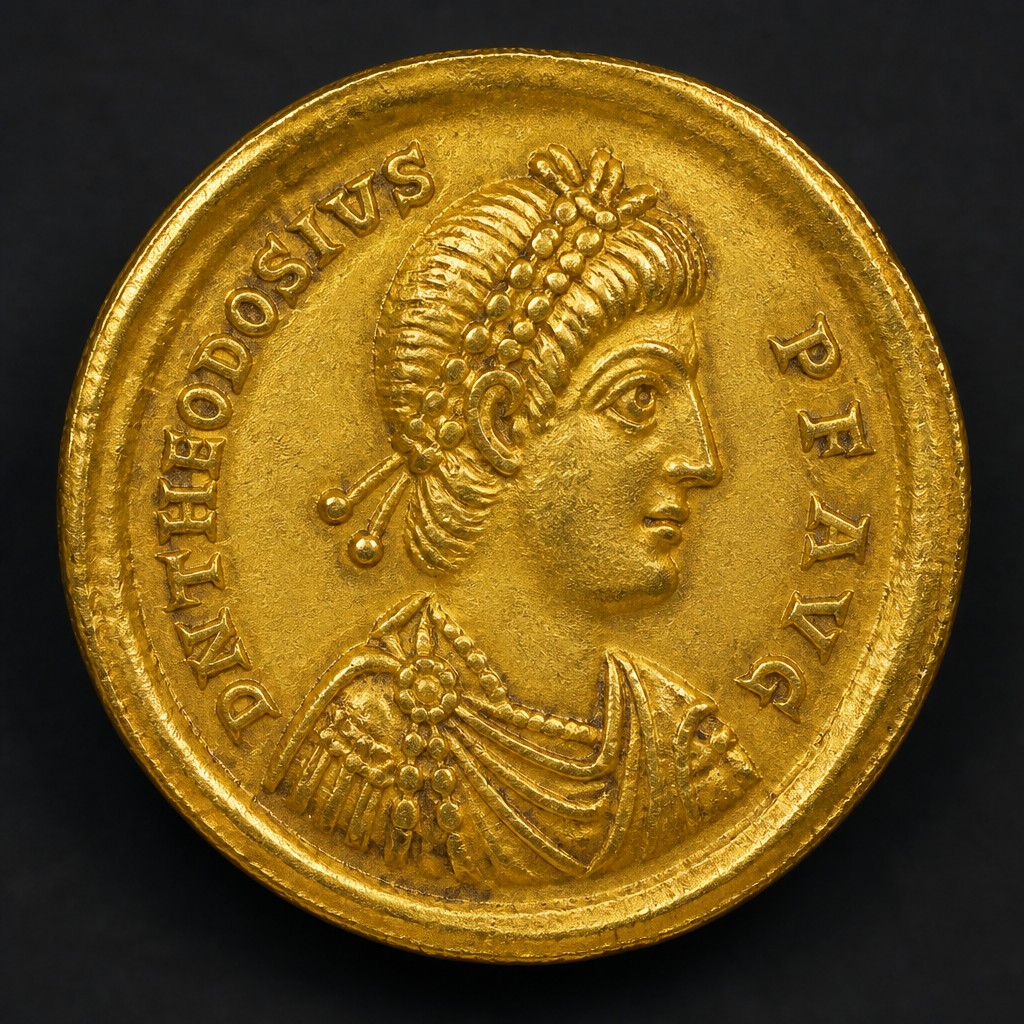
Theodosius I Solidus
379–395 AD
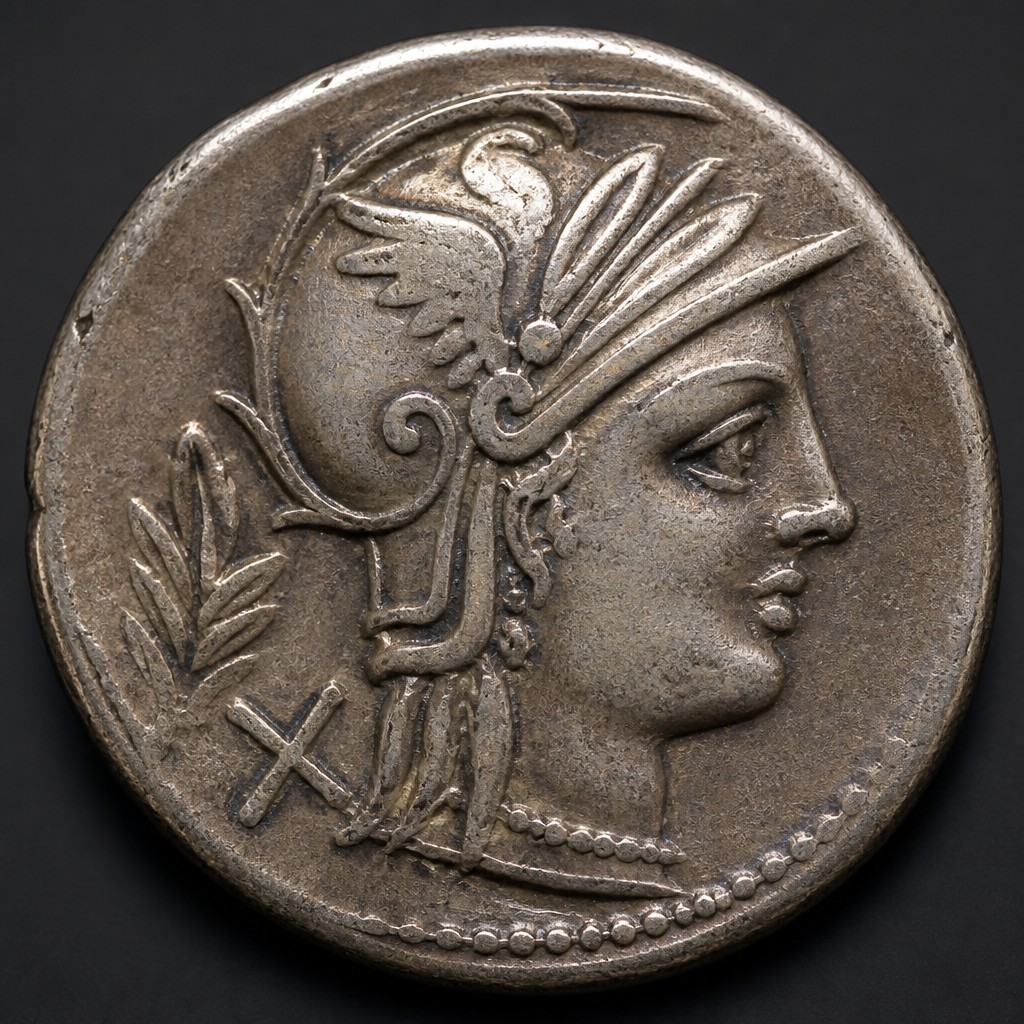
Republican Victoriatus
c. 211–170 BC
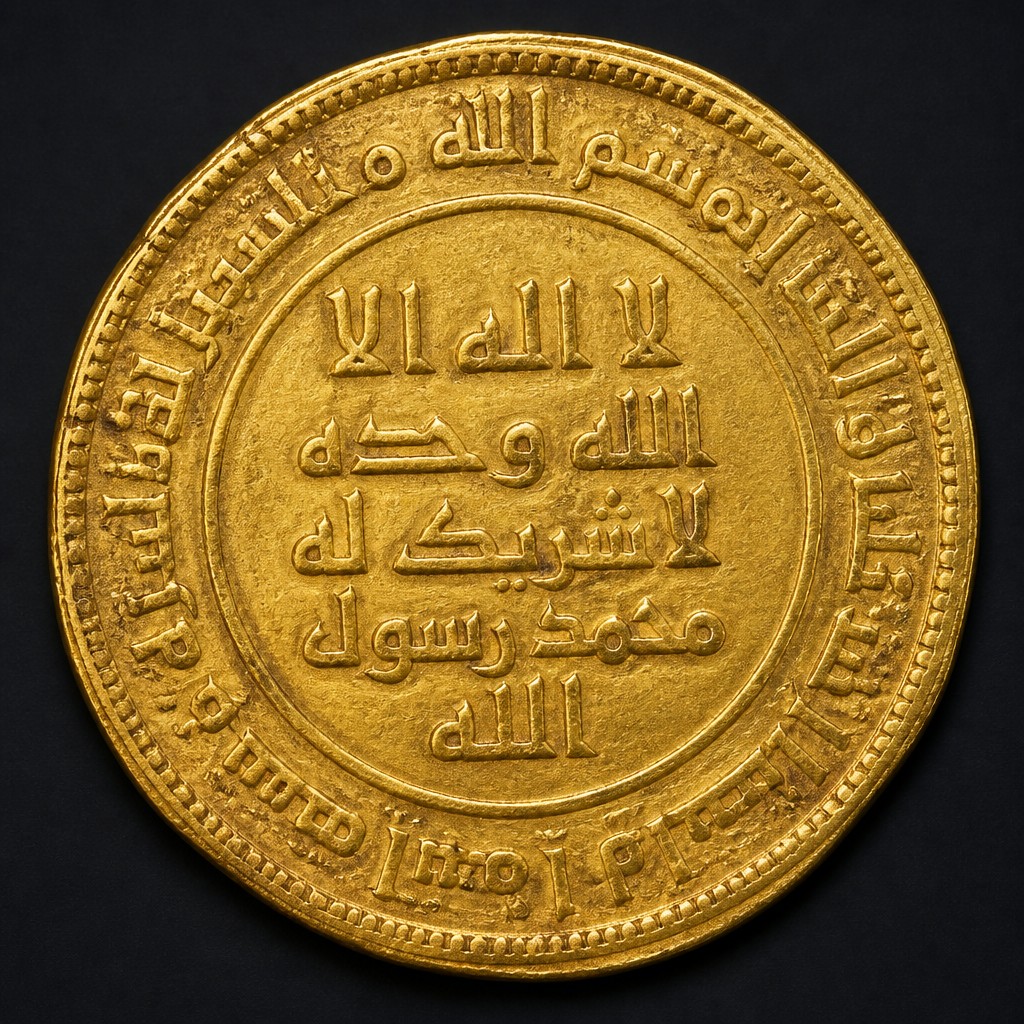
Islamic Gold Dinar (Umayyad)
c. 696–750 AD
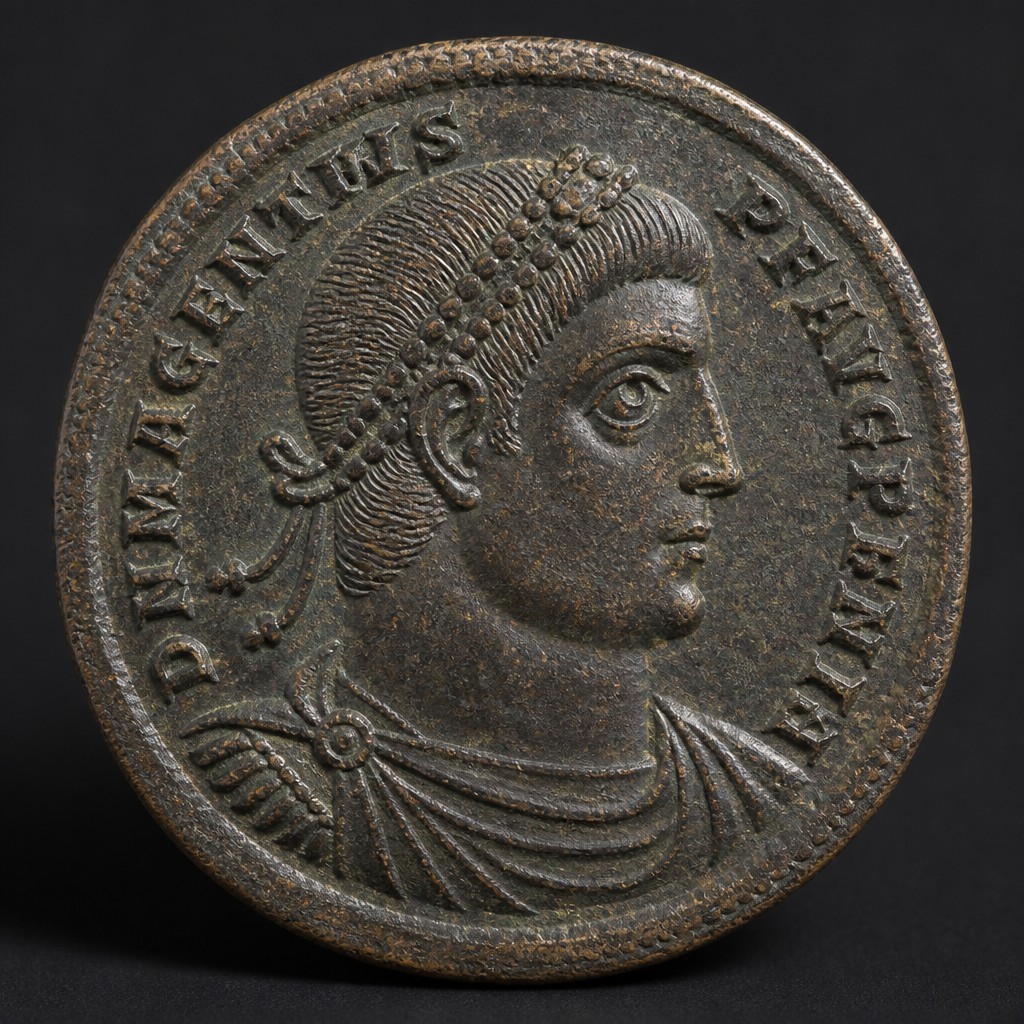
Magnentius Double Centenionalis
350–353 AD
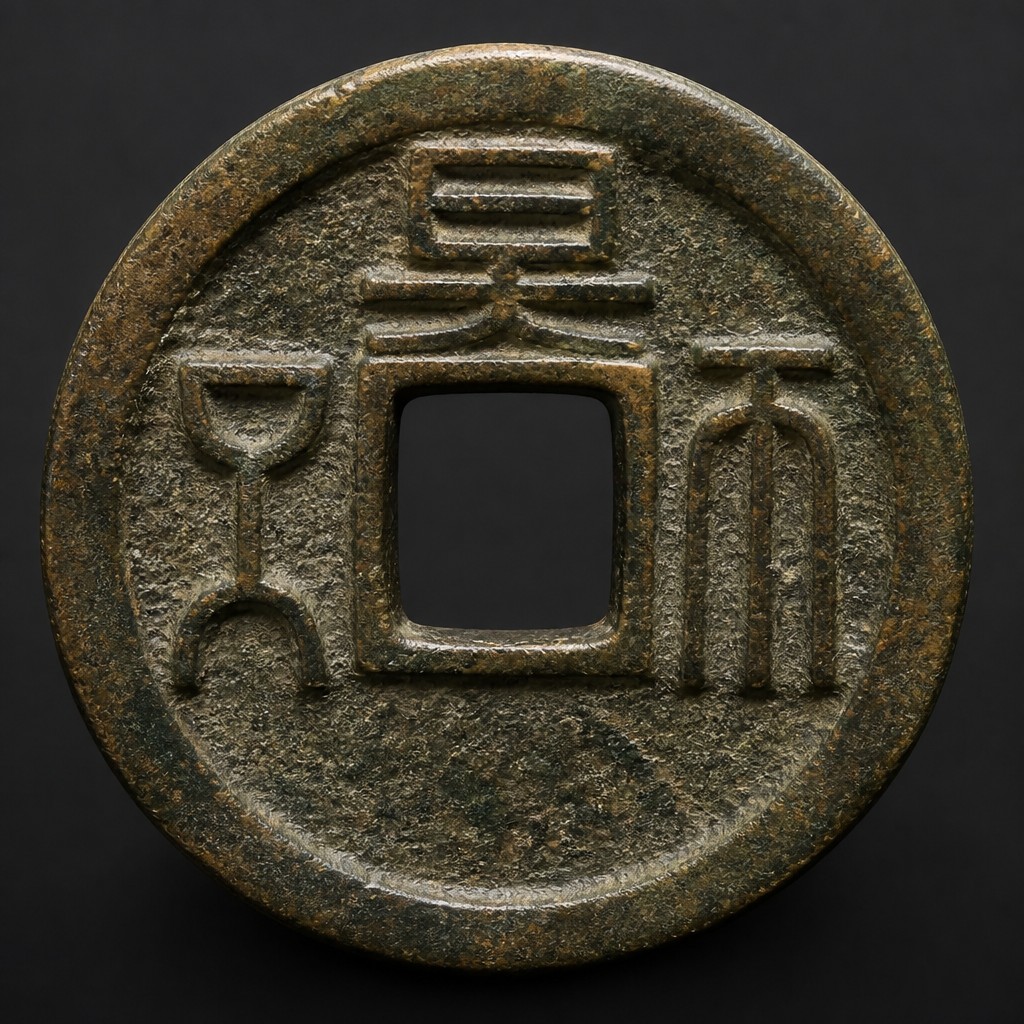
Chinese Wu Zhu Cash
118 BC – 618 AD
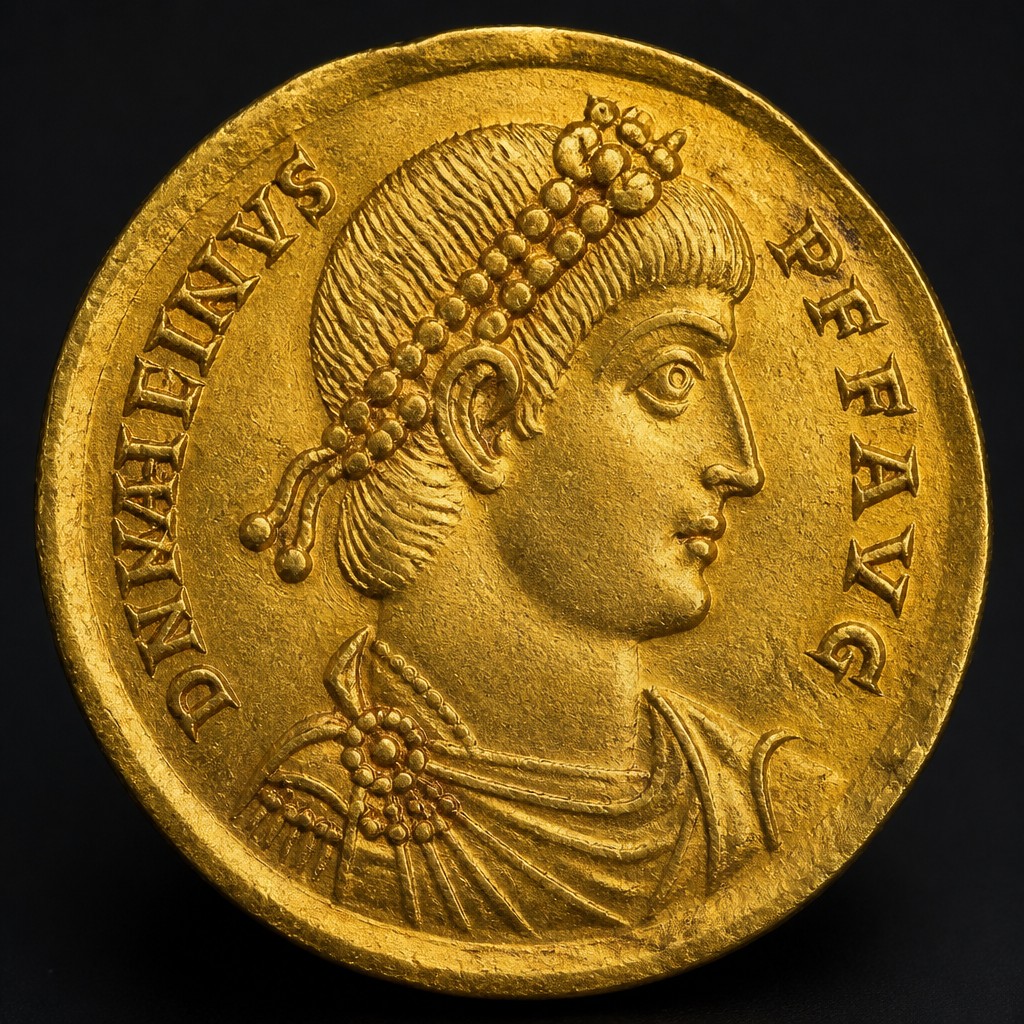
Valentinian I Solidus
364–375 AD
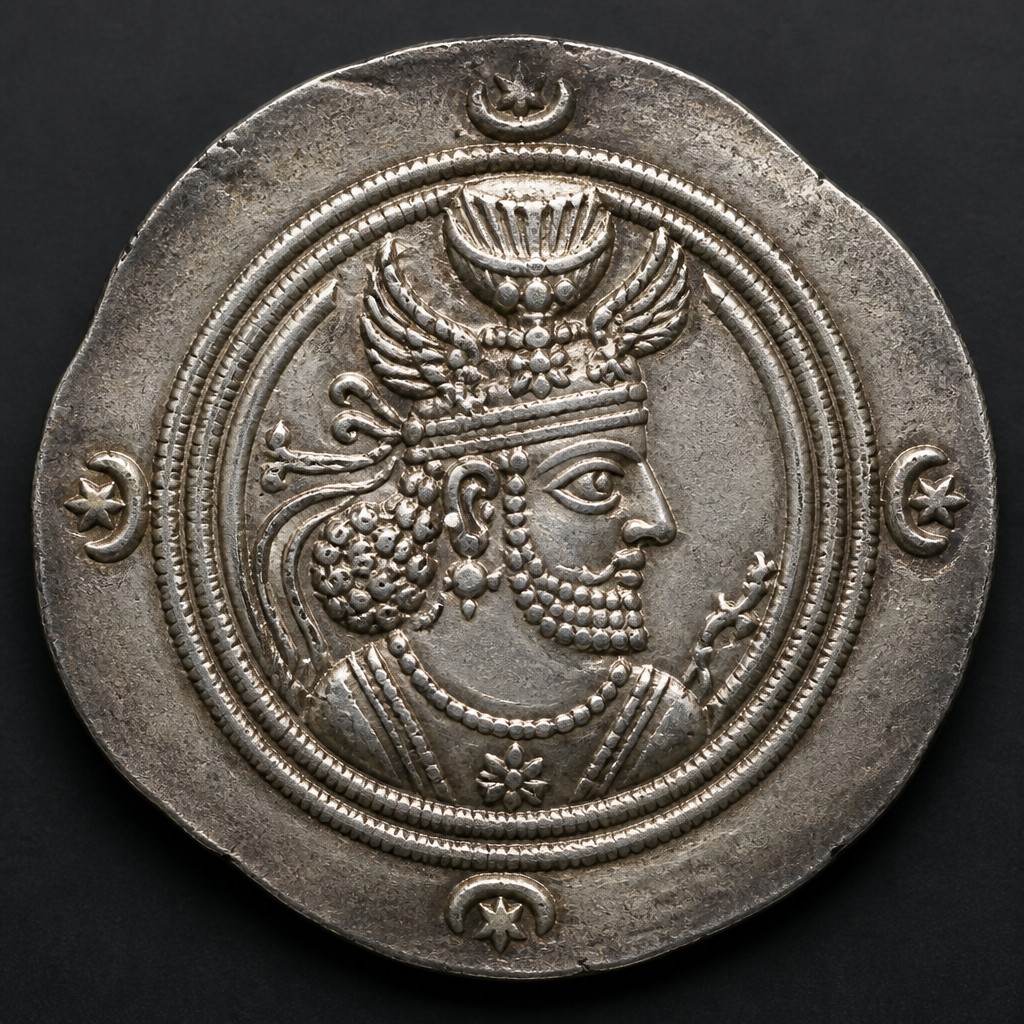
Sassanian Silver Drachm
c. 224–651 AD
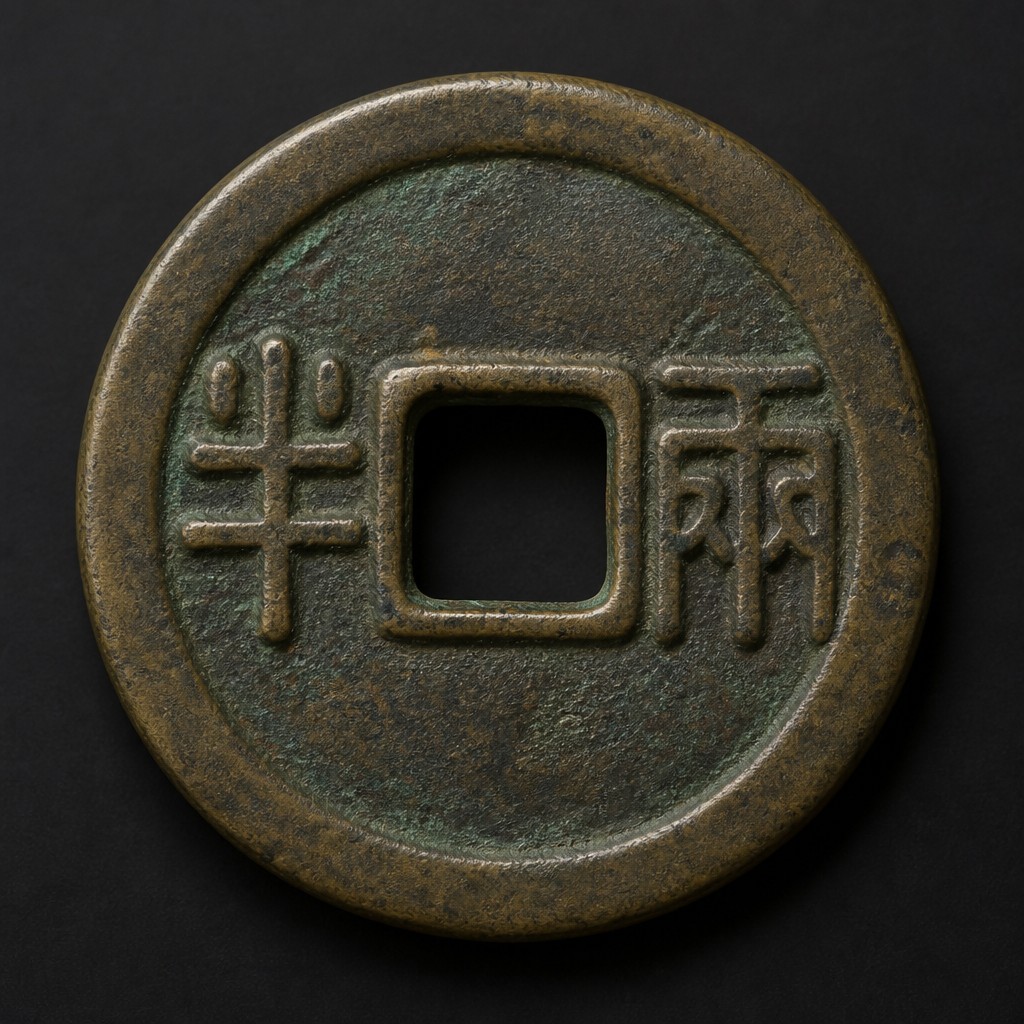
Chinese Ban Liang Cash
c. 221–118 BC
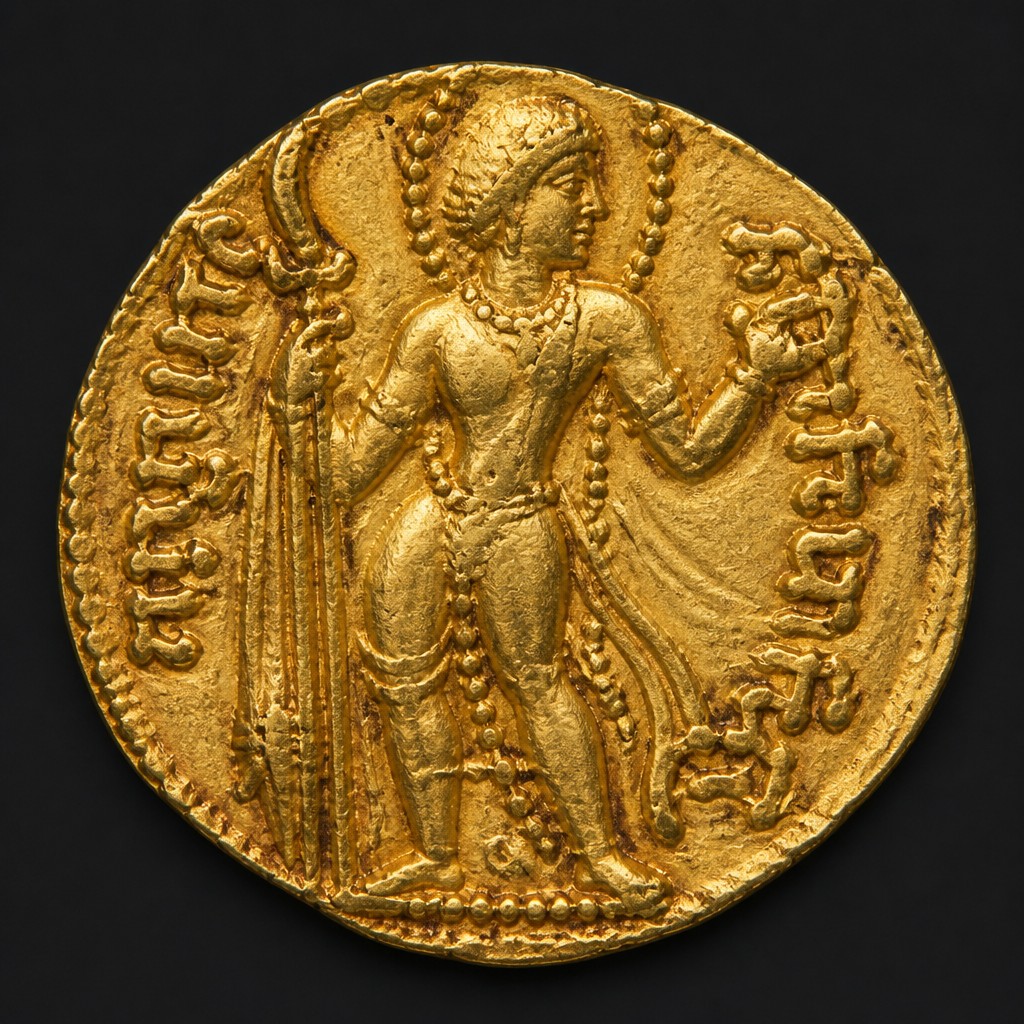
Gupta Empire Gold Dinar
c. 320–550 AD
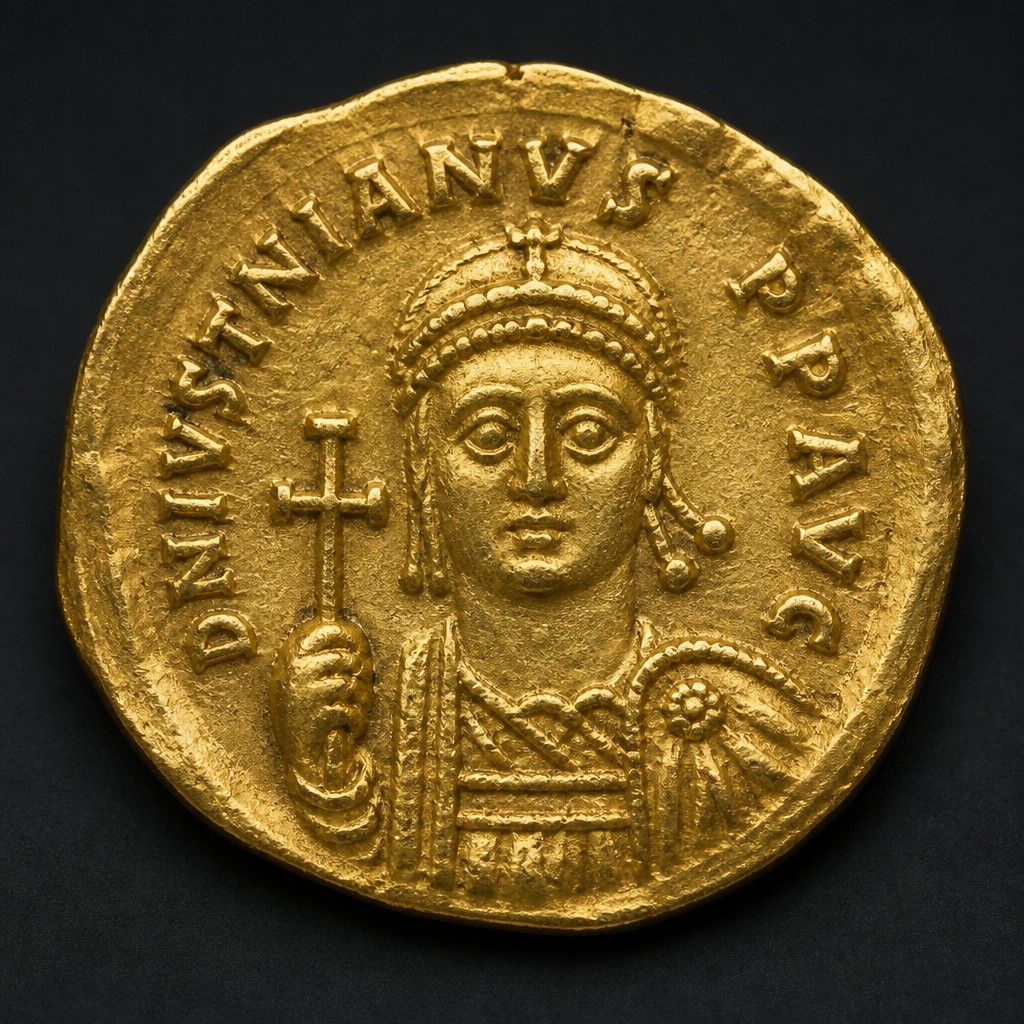
Byzantine Gold Tremissis
c. 4th–7th century AD
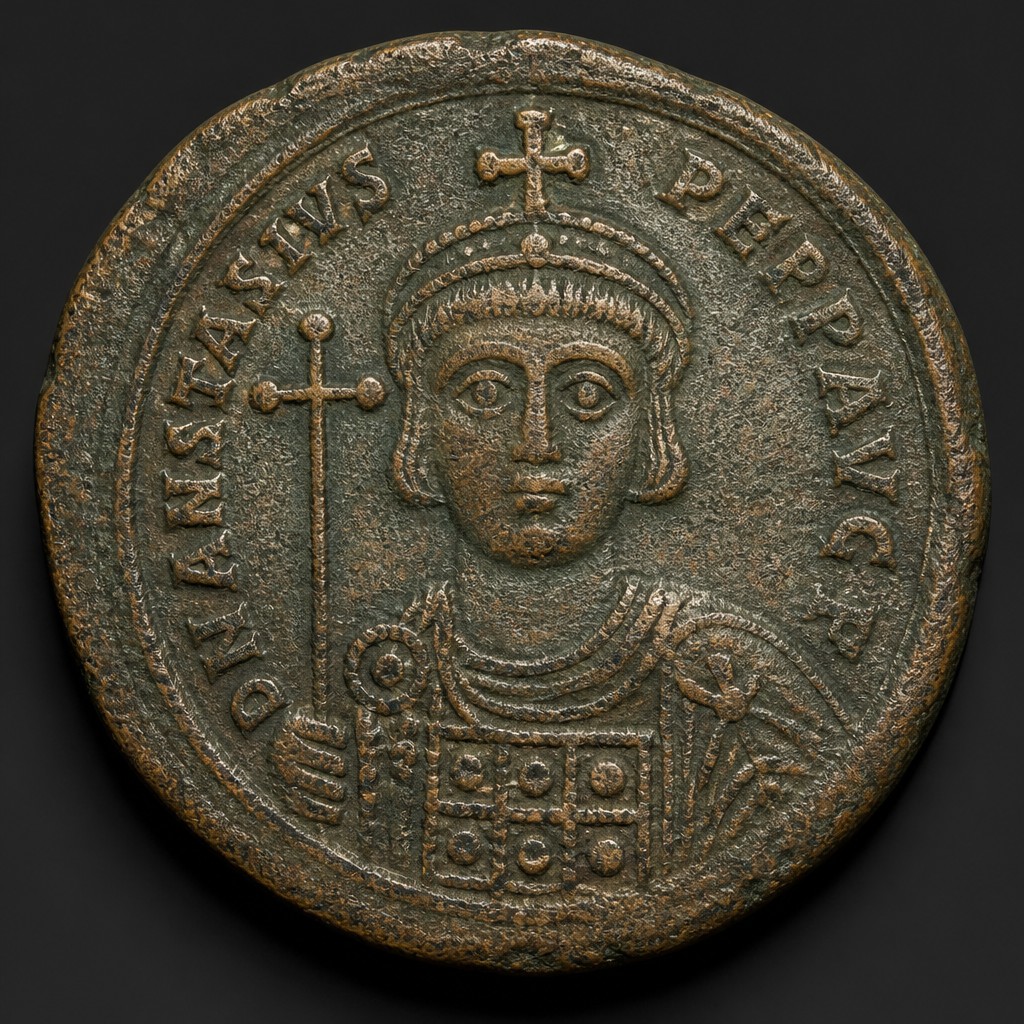
Byzantine Follis
498–c. 11th century AD
Celtic Gold Stater
c. 3rd century BC – 1st century AD